More like Gen One
anchored on:science fictionnear future
but
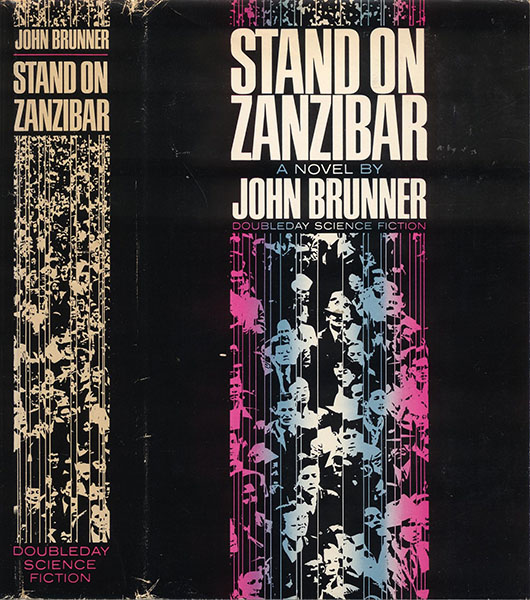
- Stand on Zanzibar
John Brunnerstandalone novel1968
similar bygenetic engineeringscience fictionour worldnear futuredystopia
Stand on Zanzibar is a dystopian New Wave science fiction novel written by John Brunner and first in part published in New Worlds magazine in 1967 and in book form in 1968. The book won a Hugo Award for Best Novel at the 27th World Science Fiction Convention in 1969, as well as the 1969 BSFA Award and the 1973 Prix Tour-Apollo Award.
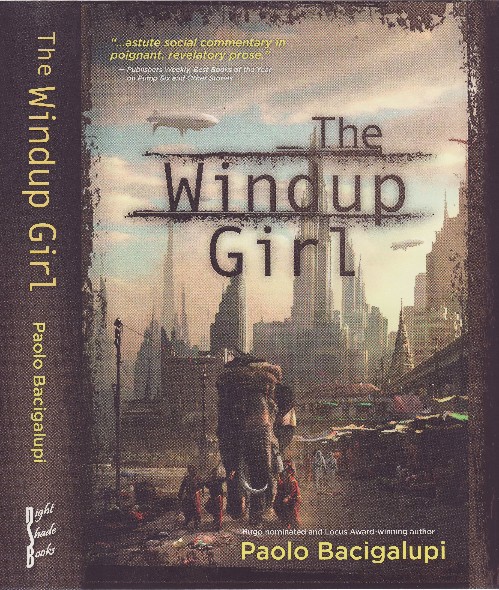
- The Windup Universe
series3 books2005
similar bygenetic engineeringscience fictionour worldnear futuredystopia
- Feed
M. T. Andersonstandalone novel2002
similar byscience fictionnear futureyoung adultdystopia+2 more
Feed (2002) is a cyberpunk, satirical, dystopian, young-adult novel by M. T. Anderson, focusing on issues such as American hegemony, corporate power, consumerism, information technology, data mining, and environmental decline, with a sometimes sardonic, sometimes somber tone. From the first-person perspective of a teenaged boy, the book takes place in a near-futuristic American culture completely dominated by advertising and corporate exploitation, corresponding to the enormous popularity of internetworking brain implants called feeds.
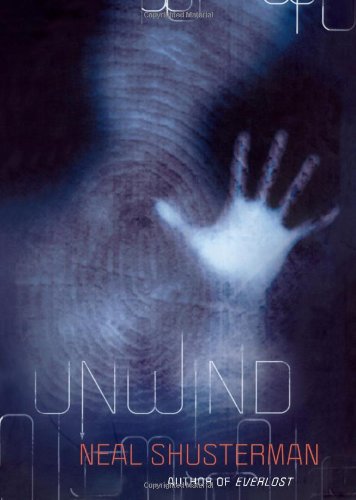
- Unwind Dystology
series5 books2007
similar bygenetic engineeringscience fictionnear futureyoung adultdystopia+1 more
Neal Shusterman's Unwind Dystology opens in a United States reshaped by the resolution to a war over reproductive rights: parents can retroactively have a teenager "unwound," their body disassembled for transplant on the premise that nothing technically dies since every part lives on in someone else. The first novel follows three teens fleeing that fate, and the sequels widen the same dystopia's cast and consequences across a four-book arc plus companion material. It is grim speculative fiction built to ask hard bioethical questions rather than offer comfort.
- Blood Music
Greg Bearstandalone novel1985
similar bygenetic engineeringscience fictionour worldnear future
Blood Music is a 1985 science fiction novel by American writer Greg Bear. It is an expanded version of a short story of the same title, originally published in the June 1983 issue of Analog and the winner of both the 1983 Nebula and 1984 Hugo awards for Best Novelette. The novel won the 1986 Prix Apollo Award, given to the best science fiction novel published in France during the preceding year, under the title La Musique du sang.
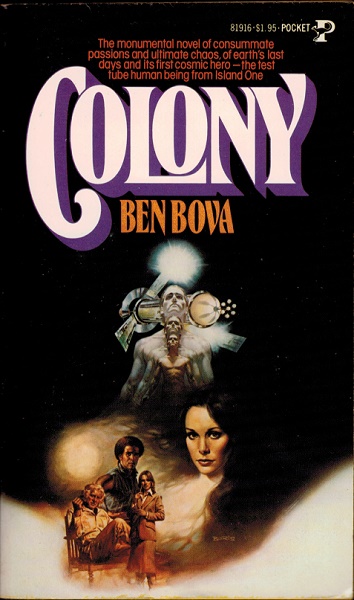
- Colony
Ben Bovastandalone novel1978
similar byscience fictionnear futuredystopia+2 more
Colony continues the story Ben Bova began in Millennium, following astronaut-turned-administrator Chet Kinsman years later as the head of an orbiting space habitat that has become Earth's only real refuge from a planet buckling under overpopulation, food shortages and unrest. Getting a place in the habitat is a matter of life and death for millions who will never be chosen, and as Earth's governments grow more desperate to control or dismantle the colony outright, Kinsman has to decide how far he'll go to protect the world he's built off-world. Bova later folded both novels together into the omnibus The Kinsman Saga. Part of Ben Bova's Chet Kinsman series.
- Darwin
series2 books1999
completed
similar bygenetic engineeringscience fictionnear future+1 more
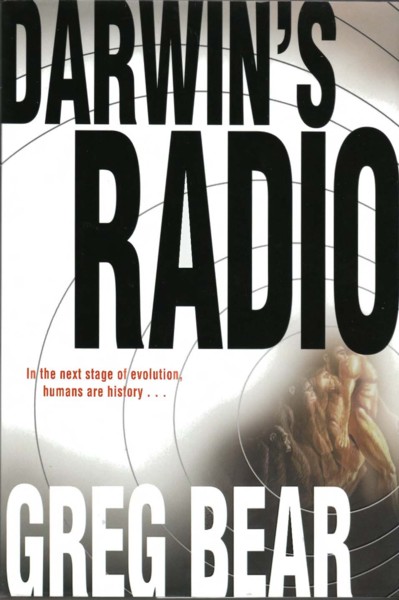
Greg Bear's Darwin's Radio imagines a dormant retrovirus in human DNA activating worldwide, triggering an accelerated leap in human evolution that governments respond to as a plague. The 1999 novel won the Nebula Award; its sequel Darwin's Children follows the first generation of changed children as society decides what to do with them. Together they're speculative near-future science fiction grounded in genetics rather than space opera.
- Ship Breaker
series3 books2010
similar byscience fictionnear futureyoung adult+3 more
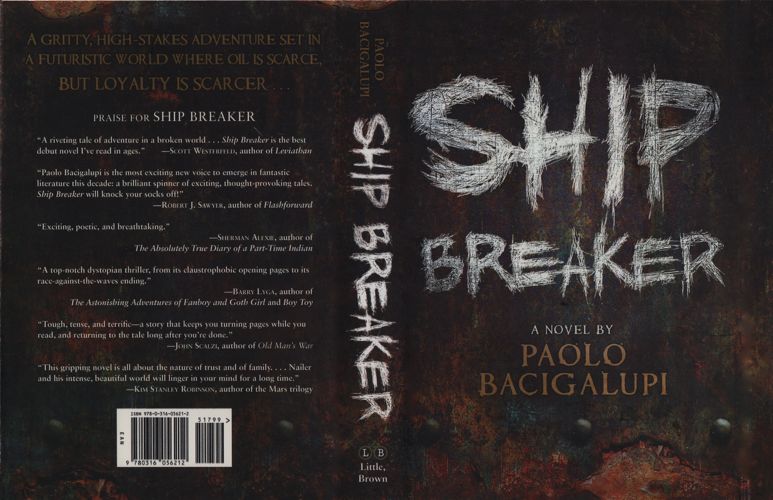
Nailer works a light-crew scavenging copper wire and scrap from beached oil tankers on a Gulf Coast reshaped by rising seas and vanished order, until a wrecked clipper ship washes ashore carrying a half-drowned girl from the wealthy world he'll never belong to. Paolo Bacigalupi's Ship Breaker follows Nailer as helping her pulls him out of his abusive father's orbit and into a much larger, more dangerous game involving her family's fortune. The sequels The Drowned Cities and Tool of War widen the same flooded, resource-scavenging future to new characters and coastlines.
- Brave New World
series8 books1932
similar byscience fictiondystopia+2 more
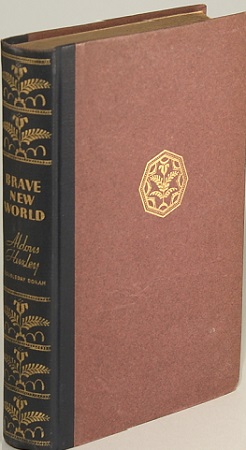
Aldous Huxley's 1932 novel imagines a future World State where reproduction, social caste, and desire are all engineered before birth, and the population is kept content through conditioning, sleep-hypnosis, and a mood-altering drug called soma. The story follows the disruption this seemingly stable order suffers when an outsider raised beyond its reach is brought into it, exposing what the society traded away for comfort and order. Some editions pair the novel with Huxley's own 1958 nonfiction essay collection, Brave New World Revisited, which reassesses the book's ideas rather than continuing its story.
- BZRK
series3 books2012
similar byscience fictionour worldnear futureyoung adult+1 more
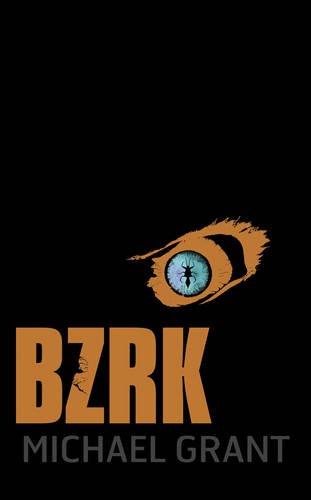
BZRK is a book series written by Michael Grant. The series consists of four books: BZRK, BZRK II: Reloaded, BZRK III: Apocalypse and BZRK: Origins. The series follows the interaction between two warring factions. On one side Charles and Benjamin Armstrong, owners of the Armstrong Fancy Gifts Corporation have a goal to turn the world into their version of utopia. The only people who can stop them are a group of teenagers with the codename BZRK. In 2011, Grant's BZRK had a multimedia online debut with gaming, apps and social media tie-ins beginning six months before the book's publication.
- Library of America P. K. Dick Collection
series9 books1962
completed
similar byscience fictionnear future+2 more
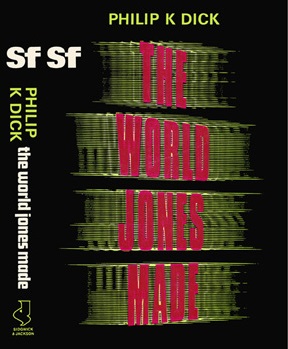
- The World Jones Made
Philip K. Dickstandalone novel1956
similar byscience fictionnear futuredystopia+2 more
The World Jones Made is a 1956 science fiction novel by American writer Philip K. Dick, examining notions of precognition, humanity, and politics. It was first published by Ace Books as one half of Ace Double D-150, bound dos-à-dos with Agent of the Unknown by Margaret St. Clair.The story takes place after a nuclear war in which society is dominated by relativism, which rejects absolute truths and preaches tolerance as the highest principle. The mutant Floyd Jones, who can see into the future, plans to overthrow the system and colonise space. The story ends with the defeat of Jones, whose plans fail despite his ability to see the future due to the immutability of fate.
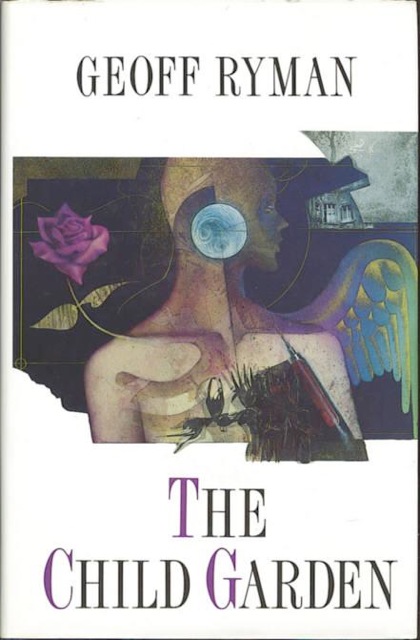
- The Child Garden
Geoff Rymanstandalone novel1989
similar bygenetic engineeringscience fictionour worldnear futuredystopia
The Child Garden is a 1989 science fiction novel by Canadian writer Geoff Ryman.
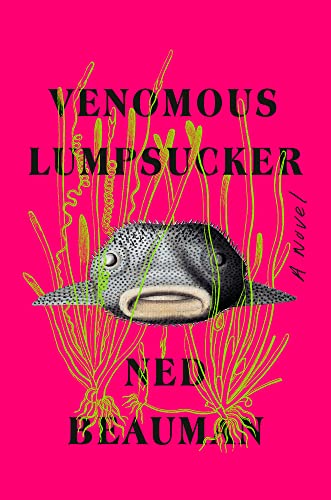
- Venomous Lumpsucker
Ned Beaumanstandalone novel2022
similar byscience fictionour worldnear future+2 more
She is studying the venomous lumpsucker. It might be intelligent. It might also be threatened by extinction. He has invested in extinction credits. It would cost money if an intelligent species went extinct because of him and his company.
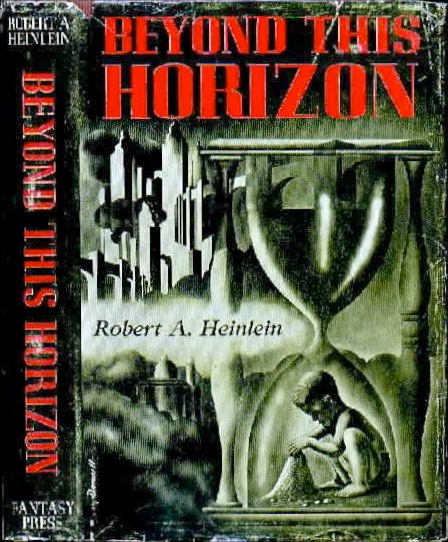
- Beyond This Horizon
Robert A. Heinleinstandalone novel1948
similar bygenetic engineeringscience fictionour worlddystopia
From the front flap of a 2001 Baen reprint: "Utopia has been achieved. For centuries, disease, hunger, poverty, and war have been things found only in the history tapes. And applied genetics has given men and women the bodies of athletes and a lifespan of over a century. They should all have been very happy... But Hamilton Felix is bored. And he is the culmination of a star line, each of his last thirty ancestors chosen for superior genes. Hamilton is, as far as genetics can produce one, the ultimate man. And this ultimate man can see no reason why the human race should survive, and has no intention of continuing the pointless comedy. However, Hamilton's life is about to become less boring. A secret cabal of revolutionaries who find utopia not just boring, but desperately in need of leaders who know just What Needs to be Done, are planning to revolt and put themselves in charge. Knowing of Hamilton's disenchantment with the modern world, they have recruited him to join their Glorious Revolution. Big mistake! The revolutionaries are about to find out that recruiting a superman was definitely not a good idea..."
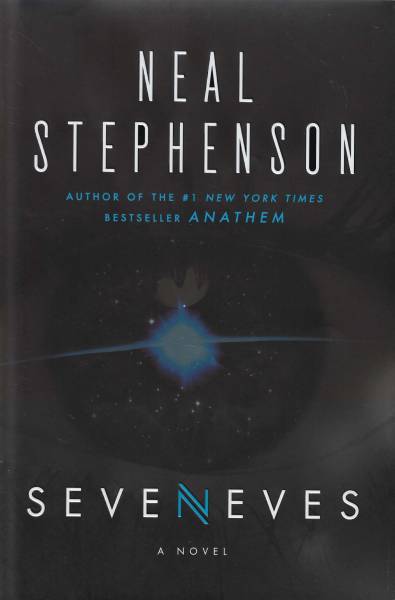
- Seveneves
Neal Stephensonstandalone novel2015
similar bygenetic engineeringscience fictionour worldnear future
Seveneves is a science fiction novel by Neal Stephenson published in 2015. The story tells of the desperate efforts to preserve Homo sapiens in the wake of apocalyptic events on Earth after the unexplained disintegration of the Moon and the remaking of human society as a space-based civilization after a severe genetic bottleneck.
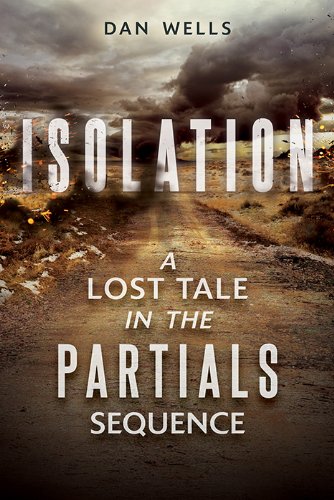
- Partials Sequence
series4 books2012
similar bygenetic engineeringscience fictionnear futureyoung adult+2 more
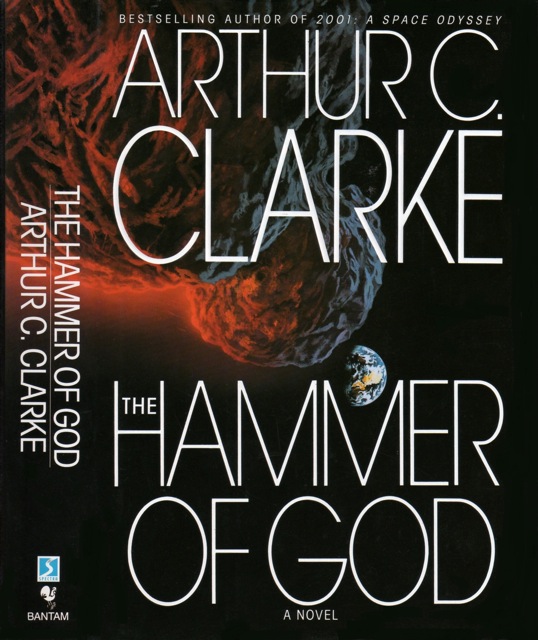
- The Hammer of God
Arthur C. Clarkestandalone novel1993
similar byscience fictionnear future+2 more
The Hammer of God is a science fiction novel by Arthur C. Clarke originally published in 1993. Set in the year 2109, it deals with the discovery of an asteroid to be on course to collide with Earth and depicts the mission for deflecting the asteroid by using fusion thermal rockets.
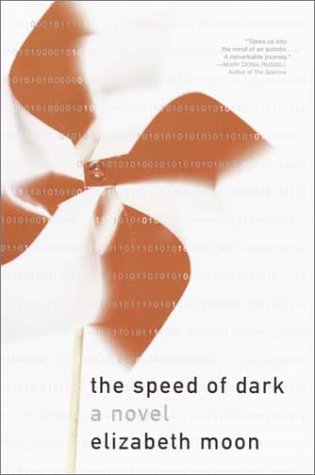
- The Speed of Dark
Elizabeth Moonstandalone novel2002
similar bygenetic engineeringscience fictionour worldnear future
From the Penguin Random House website In the near future, disease will be a condition of the past. Most genetic defects will be removed at birth; the remaining during infancy. Lou Arrendale, a high-functioning autistic adult, is a member of the lost generation, born at the wrong time to reap the rewards of medical science. He lives a low-key, independent life. But then he is offered a chance to try a brand-new experimental "cure" for his condition. With this treatment Lou would think and act and be just like everyone else. But if he was suddenly free of autism, would he still be himself? Would he still love the same classical music — with its complications and resolutions? Would he still see the same colors and patterns in the world—shades and hues that others cannot see? Most important, would he still love Marjory, a woman who may never be able to reciprocate his feelings? Now Lou must decide if he should submit to a surgery that might completely change the way he views the world ... and the very essence of who he is.
- Dogs of War (Adrian Tchaikovsky)
series3 books2017
similar byscience fictionour worldnear future+2 more
Adrian Tchaikovsky's Dogs of War follows Rex, a genetically engineered "Good Boy" - a hulking bioform supersoldier built for a private military contractor - as he begins to question the nature of his own obedience and personhood after his handler disappears. Dogs of War, Bear Head, and Bee Speaker widen from that first book's battlefield into questions of AI rights, corporate power, and non-human consciousness across a near-future Earth. The trilogy uses its engineered-animal soldiers to interrogate free will and loyalty rather than play them as straightforward action heroes.
- The Idlewild Trilogy
series3 books2003
similar bygenetic engineeringscience fictionour worldnear future+1 more
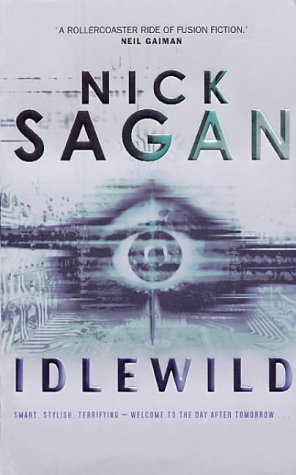
Nick Sagan's Idlewild trilogy opens with Idlewild (2003), a science-fiction novel that alternates between mid-21st-century interludes and events a generation later, following humanity's ten last survivors, cast in a modern mythological framework as god-like figures. It continues across Edenborn and Everfree.
- Toys
James Patterson & Neil McMahonstandalone novel2011
similar bygenetic engineeringscience fictionour worldnear futuredystopia
Toys is a novel by James Patterson and Neil McMahon published by Little, Brown and Company in December 2011. Set in the future where humans are seen as an inferior species, Toys revolves around an "Elite" Hays Baker, who is endowed with superhuman attributes and is a high-ranking government official; however, in an unexpected turn of events, he is made to flee for his life.
- Borne
series3 books2017
similar bygenetic engineeringscience fictionnear future+2 more
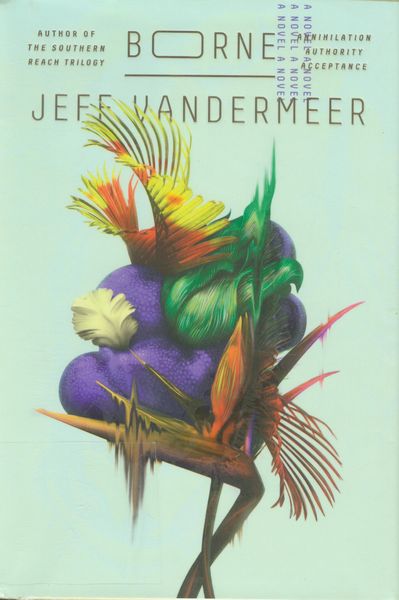
Borne is set in a ruined, biotech-poisoned city dominated by a giant flying bear named Mord, where a scavenger finds a strange organism she names Borne and raises it, only to discover it may be more dangerous - and more alive - than she expected. Jeff VanderMeer's series continues with the related novels The Strange Bird and Dead Astronauts, set in the same devastated world.
- The Chemical Garden Trilogy
series3 books2011
similar bygenetic engineeringscience fictionnear futureyoung adultdystopia