Loreful
HomeDiscover
Search series, authors…⌘K
Loreful

Reading orders for SF/F series and shared universes — with your place kept in every one.

Explore

UniversesSeriesWorksAuthorsAtlas

Help

FAQAboutSite map

Account & legal

Sign inCreate accountPrivacyTerms

Data

Built on ISFDB, Wikipedia, Wikidata and Open Library. Curated reading orders carry their reasoning on the page; the rest follow publication order. Data sources & licenses

© Loreful · data: ISFDB · CC BY

More like Ghosttide

anchored on:horrorghost storiesour worldcontemporaryshort story cycleundead+2 more

but

Mood

The mood the book leaves you in.

  • The reading experience is propelled by journeys, exploration, and physical risk; excitement and forward momentum dominate over dread or introspection.
  • Joy and loss are deliberately mixed; the resolution grants characters something real while taking something else away, leaving warmth and sorrow together.
  • The book demands work from the reader — dense prose, difficult structure, unfamiliar ideas, or morally uncomfortable material — as part of its intended effect.
  • Grim events, cruelty, or despair dominate the atmosphere, and the book does not soften them with comfort or comic relief.
  • The atmosphere is quietly unsettling — wrongness, unease, and the uncanny pervade the book without necessarily escalating into overt horror.
  • The book is built to move the reader; character feeling is foregrounded and major scenes aim at a strong emotional response.
  • Humor is a primary aim and the prose plays for laughs — comic situations, wit, or dialogue produce sustained comedy, not occasional levity.
  • The book insists that things can improve; effort and decency are shown to matter, and the arc bends toward better outcomes even through hardship.
  • The book teaches as it goes — real facts, history, science, or craft are conveyed in enough depth that learning is part of the reading experience.
  • The book is designed to uplift and motivate, presenting perseverance or achievement in a way that invites the reader to aspire or act.
  • The overall register is cheerful and easygoing; stakes are kept gentle and the book avoids dwelling on pain or dread.
  • Withheld information drives the experience; the book sustains enigmas and secrets the reader wants resolved, whatever its genre.
  • The book is contemplative and inward-looking, giving more weight to thought, memory, and meaning than to external events.
  • The book works as comfort reading — low tension, a soothing pace, and an atmosphere the reader can unwind in.
  • Grief, loss, or melancholy set the dominant register, and the book lets sorrow stand rather than resolving it into comfort.
  • Sustained suspense is the point; the book keeps the reader braced for what happens next through danger, pressure, or impending revelation.
  • Playful invention and charm define the register — fanciful conceits, light absurdity, and a narration that delights in its own oddity.

About

What the story runs on.

  • Stories in which extraterrestrial beings are central — as characters, cultures, or the object of the plot.
  • Stories structured as a quest — a journey undertaken to find, deliver, or destroy something of great import.
  • Stories in which staying alive against nature, catastrophe, or scarcity is the central problem.
  • Stories of lovers kept apart by law, family, faith, or station, where the obstacle to love is the plot.
  • Stories in which a friendship — its making, testing, or loss — is the emotional center.
  • Stories of growing up — a young protagonist crossing from childhood into adult knowledge and responsibility.
  • Stories about who a character truly is — self-discovery, doubled lives, and the search for a self.
  • Stories about mourning — living through the death of a loved one and what loss does to the survivors.
  • Stories in which a buried family truth — hidden parentage, crimes, or shames — surfaces and reorders the present.
  • Stories driven by maneuvering for power — factions, conspiracies, and statecraft conducted in shadow.
  • Stories in which war itself is the subject — combat, occupation, and what warfare does to soldiers and civilians.
  • Stories organized around investigating a killing — the case, the clues, and the pursuit of the killer, in any genre's clothing.

Shelf

Where it sits in the library.

    • Fiction built on magic or other supernatural elements that have no scientific explanation.
    • Secondary-world fantasy at large scale, where the fate of nations or the world turns on the protagonists' struggle.
    • Fantasy set in a recognizably modern city or contemporary world where the supernatural intrudes on everyday life.
    • Fantasy that blends in horror's atmosphere and imagery, keeping a fantastical frame around grim or frightening material.
    • Action-driven fantasy following warriors or rogues with personal stakes against sorcerous threats, rather than world-spanning conflicts.
    • Fantasy set in a real historical period or a close analogue of one, with magic woven into the era.
    • Fantasy in which protagonists cross from the ordinary world into another world through a portal or similar passage.
    • Fiction that retells or reworks a traditional fairy tale in a new form or setting.
    • Fantasy drawing directly on myths, legends, and folklore, retelling them or building on their figures and logic.
    • Fantasy of ghosts, vampires, shapeshifters, psychics, and similar phenomena, usually set in an otherwise ordinary world.
    • Fiction mixing science-fictional trappings with overtly magical or impossible elements in one setting.
    • Low-stakes fantasy emphasizing comfort, community, and everyday pleasures over conflict and peril.
    • Speculative fiction of pervasive moral ambiguity, violence, and cynicism that rejects heroic conventions — fantasy and SF alike.
      • Fiction that extrapolates from science and technology — future societies, space travel, or speculative inventions — within at least nominally natural laws.
      • Science fiction of interstellar scope — starships, galactic polities, and adventure across star systems.
      • Science fiction committed to scientific rigor, where technical plausibility constrains the story.
      • Science fiction centered on armed forces and warfare, told largely from a military point of view.
      • Science fiction of networked, corporate-dominated near futures, pairing high technology with social decay.
      • Science fiction styled on nineteenth-century steam-powered technology, often in a Victorian or pseudo-Victorian setting.
      • Fiction depicting an oppressive or catastrophic society, presented as a warning.
      • Fiction set after civilization's collapse, following survivors in the ruins of the old world.
      • Fiction in which characters move between past and future, and the mechanics or consequences of that travel drive the plot.
      • Fiction exploring a world where a historical event went differently and history diverged from ours.
      • Science fiction about humanity's first encounter and communication with an alien intelligence.
      • Science fiction in which extraterrestrial forces attack or occupy Earth and humanity resists.
      • Fiction whose primary aim is to frighten or unsettle the reader through dread, menace, or the monstrous.
      • Horror of vast, indifferent, incomprehensible entities before which humanity is insignificant, in the Lovecraft tradition.
      • Horror of decaying houses, buried family secrets, and oppressive atmosphere in the Gothic literary tradition.
      • Horror centered on hauntings and the returning dead.
      • Horror located in the mind — paranoia, obsession, and unreliable perception rather than external monsters.
      • Horror built around the reanimated dead and survival amid their outbreaks.
      • Horror defined by explicit, transgressive gore that refuses to cut away from violence.
      • Speculative fiction of the strange and uncanny that resists both natural explanation and standard genre categories.
      • Fiction organized around solving a crime or puzzle, typically following an investigator toward the identification of a culprit.
      • A puzzle-first mystery that lays out clues so the culprit's identity can be deduced before the reveal.
      • Crime fiction of moral ambiguity, fatalism, and hard-edged style, set among the corrupt and the doomed.
      • A mystery following the realistic routines of police work — forensics, interviews, and case-building.
      • A gentle mystery with an amateur sleuth, a small community, and violence kept off the page.
      • A mystery set in a past era, where the investigation works within that period's methods and society.
      • Fast-paced fiction driven by imminent danger, pursuit, or high-stakes conspiracy, built to sustain tension.
      • A thriller of espionage — agents, tradecraft, and intelligence services in conflict.
      • A thriller centered on lawyers and the courtroom, where litigation carries the suspense.
      • A thriller driven by detailed contemporary or near-future technology, often military or scientific.
      • A thriller whose tension comes from mental states and manipulation between characters rather than external action.
      • Fiction whose central plot is a romantic relationship and its development toward an emotionally satisfying resolution.
      • Romance in which one or both partners are supernatural beings, blending fantasy elements into the love story.
      • A fantasy-romance hybrid in which the romantic arc and the fantasy plot carry equal weight.
      • Romance set in a past era, with courtship shaped by the period's society and manners.
      • Romance set in the present day, without supernatural or historical elements.
      • Fiction set in a real past period, where the historical setting materially shapes characters and events.
        • General and literary fiction emphasizing prose style, character interiority, or formal ambition over genre plot conventions.
        • Fiction in a realistic world where magical events occur and are treated as ordinary, in the tradition of Latin American literature.
        • Fiction that ridicules people, institutions, or society in order to criticize them.
        • Fiction of dreamlike, irrational imagery and logic that breaks from realistic representation.
        • Fiction that plays with narrative convention through metafiction, fragmentation, and self-reference.
        • Fiction propelled by journeys, exploration, and physical peril, where action and survival carry the plot.
        • Adventure fiction of ships and seafaring — naval engagements, voyages, and life at sea.
        • Fiction of the American frontier West — gunmen, ranchers, and lawmen, typically in the late nineteenth century.
        • Fiction centered on soldiers, campaigns, and the experience of warfare, historical or imagined.
          • Fiction written primarily to amuse, using comedic situations, wit, or parody as its organizing principle.
            • Multi-generational fiction following a family or dynasty across decades, with inheritance and kinship as the through-line.
              • Fiction whose world runs on explicit game mechanics — levels, stats, and skills that characters can see and exploit.
                • Fiction about costumed or superpowered heroes and their conflicts with comparable villains.

                Practical

                How long a commitment, whether it stands alone, and whether it has finished.

                Tap a chip to ask for it · tap again to rule it out · once more to clear. Numbers show what would be left.

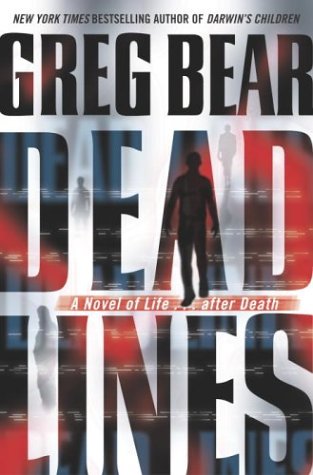
                • Cover of Dead Lines
                  Dead Lines

                  Greg Bear · standalone novel · 2004

                  similar byour worldcontemporaryhorrordarkeerieghost storiesmadnessgrief and loss

                  From the flaps of the Ballantine first edition: "For the last two years, Peter Russell has mourned the death of one of his twin daughters - who was just ten when she was murdered. Recent news of his best friend's fatal heart attack has now come as another devastating blow. Divorced, despondent, and going nowhere in his career, Peter fears his life is circling the drain. Then Trans comes along. The brainchild of an upstart telecom company, Trans is (as its name suggests) a transcendent marvel, a sleek, handheld interpersonal communication device capable of flawless operation anywhere in the world, at any time. "A cell phone, but not" - transmitting with crystal clarity across a newly discovered, never-utilized bandwidth... and poised to spark a new-technology revolution. When its creators offer Peter a position on their team, it should be a golden opportunity for him. If only he wasn't seemingly going mad. Everywhere Peter turns, inexplicable apparitions are walking before him or reaching out in torment. After a chilling encounter with his own lost child he begins to grasp the terrifying truth: Trans is a Pandora's box that has tapped into a frequency not of this world... but of the next. And now, via this open channel to oblivion, the dead have gained access to the living. For Peter, and for humankind, a long shadowy night of the soul has descended, bringing with it the stuff of a horrifying nightmare from which they may never awaken."

                • Cover of Sinister Supernatural Stories
                  Sinister Supernatural Stories

                  series · 1 book · 2022

                  similar byour worldcontemporaryundeadhorrordarkeerieghost storiesshort story cycle+1 more

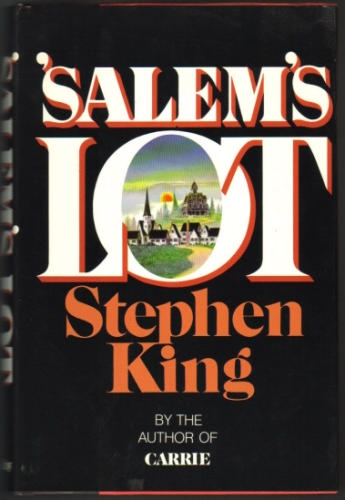
                • Cover of Jerusalem's Lot
                  Jerusalem's Lot

                  series · 3 books · 1975

                  similar bycontemporaryhorrorour worlddarkeeriegrief and loss+1 more

                  Stephen King's 1975 novel 'Salem's Lot follows writer Ben Mears as he returns to his childhood town of Jerusalem's Lot, Maine, only to discover that its residents are being turned into vampires by a newly arrived stranger. It transplants Gothic vampire horror into a small New England community, tracking that community's collapse under a supernatural siege. It is a single, self-contained novel.

                • Cover of If You Could See Me Now
                  If You Could See Me Now

                  Peter Straub · standalone novel · 1976

                  similar byour worldcontemporaryhorrordarkeerieghost storiesgrief and loss

                  If You Could See Me Now is a horror novel by American author Peter Straub. It is his third novel and his second work of gothic or supernatural fiction. The book was published by Jonathan Cape in June 1977 – the same London publisher who published Julia in 1976. Coward, McCann & Geoghegan published an American edition also in June 1977.

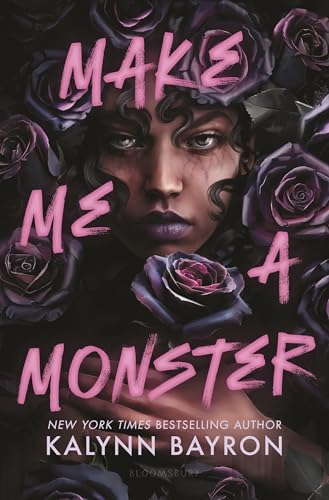
                • Cover of Make Me a Monster
                  Make Me a Monster

                  Kalynn Bayron · standalone novel · 2025

                  similar byour worldcontemporaryundeadhorrordarkeeriegrief and loss

                  Meka is used to death. After all, it's the family business. As a newly certified mortician's assistant at her parents' funeral home, her days are not for the faint of heart. Luckily her boyfriend Noah isn't squeamish, and Meka is finally feeling ready to say the three little words that will change everything. But then tragedy strikes, and Meka's world is torn apart. Nothing makes sense, especially the strange things start happening. Ravens are circling her home. Strangers are following her. Someone is leaving mysterious items at her door. And worst of all . . . The dead don't seem to be staying dead. Meka thought she understood death better than anyone. Turns out, the family business is a bit more complicated than it seems. And Meka isn't the only one desperate to unearth their secrets . . . because the truth may be worth dying for.

                • Cover of Ghost Music
                  Ghost Music

                  Graham Masterton · standalone novel · 2008

                  similar bycontemporaryundeadhorrorghost storiesdarkeerieour world

                  The dead can't punish those who killed them, but they can enlist the aid of the living to seek revenge ...

                • Cover of Unnerving (Jennifer DiMarco)
                  Unnerving (Jennifer DiMarco)

                  series · 7 books · 2019

                  similar bycontemporaryour worldhorrordarkeeriemadnessshort story cycle+1 more
                • Cover of Mister Magic
                  Mister Magic

                  Kiersten White · standalone novel · 2023

                  similar byour worldcontemporaryhorrordarkeeriemadness+1 more

                  Mister Magic is a 2023 horror novel by American writer Kiersten White. Published by Del Rey, the novel centers upon the five survivors of a children's television series that got cancelled due to a tragic accident.

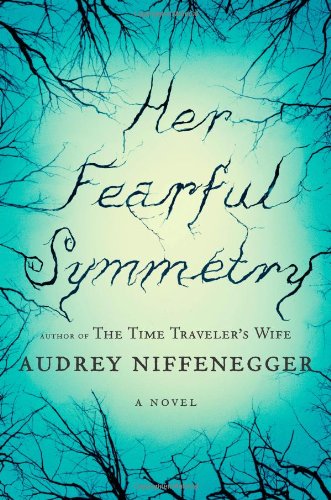
                • Cover of Her Fearful Symmetry
                  Her Fearful Symmetry

                  Audrey Niffenegger · standalone novel · 2009

                  similar byour worldcontemporaryhorroreerieghost storiesgrief and loss+1 more

                  Her Fearful Symmetry is a horror novel by the American writer Audrey Niffenegger. The book was published on October 1, 2009 and is set in and around London's Highgate Cemetery where, after a year of research for the book, Niffenegger acted as a tour guide.

                • Cover of Spawn
                  Spawn

                  Shaun Hutson · standalone novel · 1983

                  similar byour worldcontemporaryhorrordarkeeriemadnessgrief and loss

                  A burn victim, who accidentally caused the death by fire of his infant brother, begins work at a hospital where his assignments include disposing of aborted fetuses. His subsequent deterioration coincides with the escape of a homicidal maniac from a nearby prison.

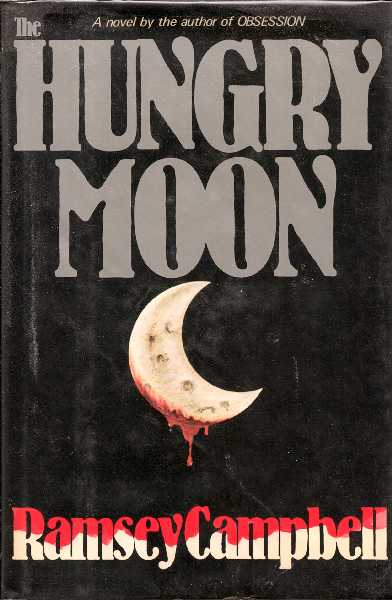
                • Cover of The Hungry Moon
                  The Hungry Moon

                  Ramsey Campbell · standalone novel · 1986

                  similar byour worldcontemporaryhorrordarkeeriemadness

                  The Hungry Moon is a novel by Ramsey Campbell published in 1986.

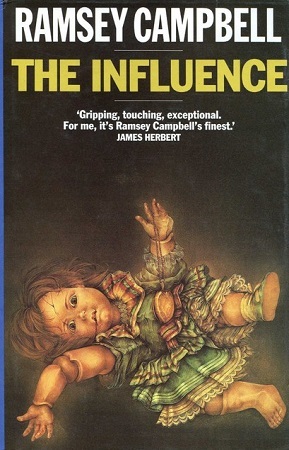
                • Cover of The Influence
                  The Influence

                  Ramsey Campbell · standalone novel · 1988

                  similar byour worldcontemporaryhorrordarkeeriemadness

                  A young girl begins to take on the characteristics of her departed grandmother, an evil and oppressive woman.

                • Cover of Violin
                  Violin

                  Anne Rice · standalone novel · 1997

                  similar byour worldcontemporaryhorrorghost storieseeriegrief and loss

                  Violin is a novel by American horror writer Anne Rice, released on 15 October 1997. It moves away from her previous stories about vampires and witches to tell a ghost story. Despite the novel's paranormal contents, many reviewers noted that it closely mirrors Rice's lived experiences.

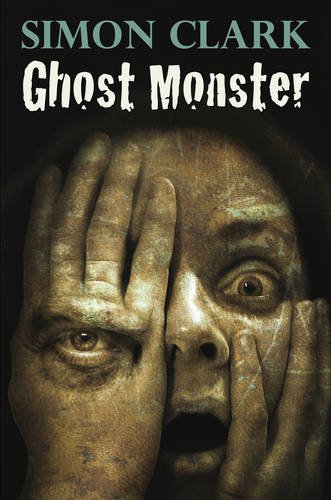
                • Cover of Ghost Monster
                  Ghost Monster

                  Simon Clark · standalone novel · 2009

                  similar byour worldcontemporaryundeadhorrordarkeerieghost stories

                  The local children call it "ghost monster," a disturbing mosaic on a mausoleum wall in the old cemetery. For centuries the grim portrait has imprisoned the spirits of the notorious Justice Murrain and his vicious gang of misfits. But now somone has taken the portrait, and the spirits of the sadists are free to enjoy the darkest of pleasures.

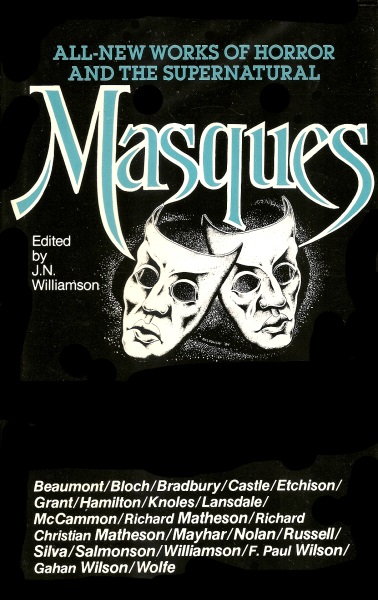
                • Cover of Masques
                  Masques

                  series · 6 books · 1984

                  similar bycontemporaryour worldhorrordarkeerie+4 more

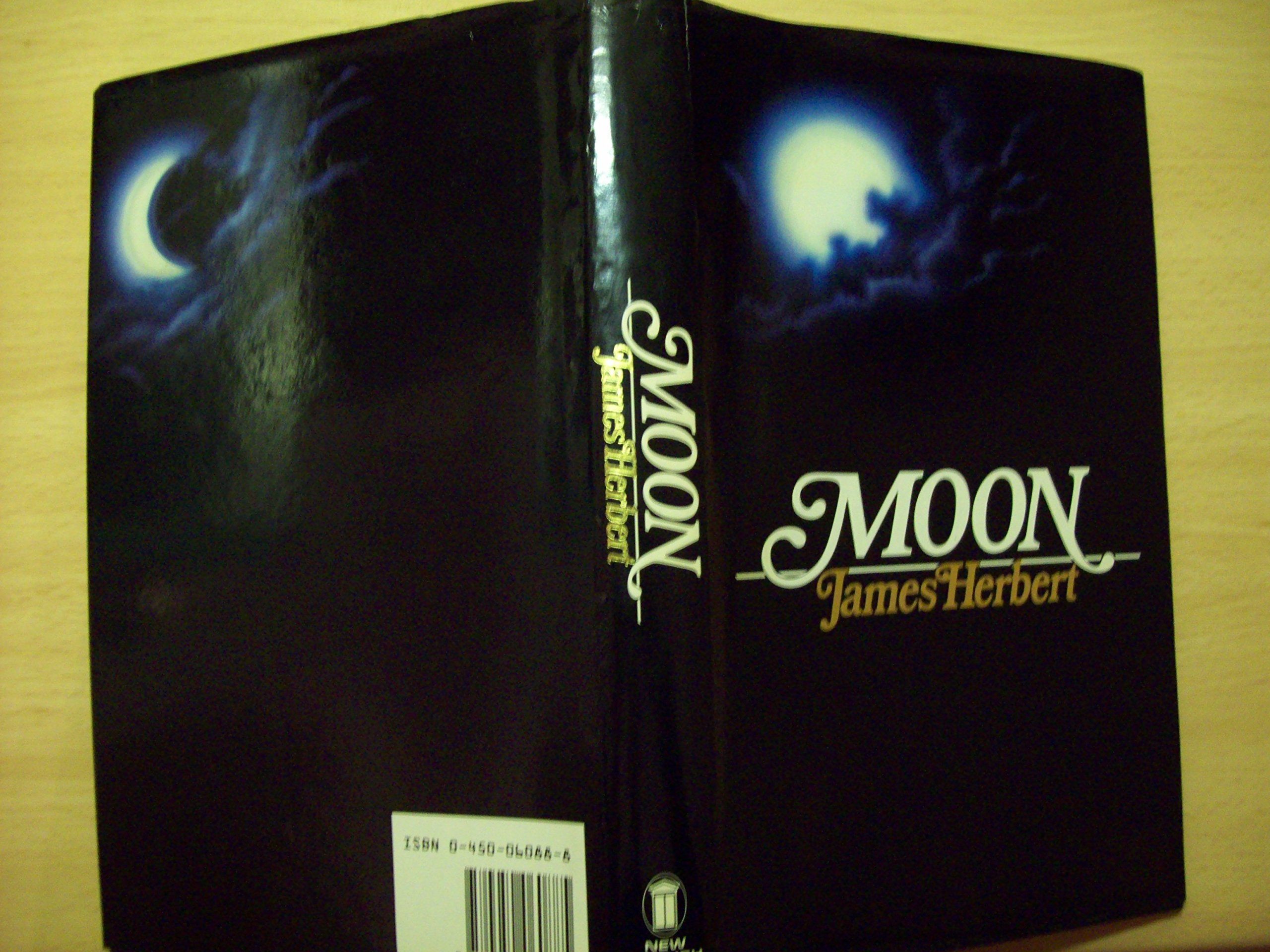
                • Cover of Moon
                  Moon

                  James Herbert · standalone novel · 1985

                  similar byour worldcontemporaryhorrordarkeeriemadness

                  Jon Childes is considered with suspicion by the inhabitants of the island he moved to. Yet, he has a respectable job in the local school; he misses the daughter, remained with the mother, but he feels free from the past nightmares... Suddenly everything restarts: visions, at first blurred and then clear. Sequences of atrocity and blood go through his mind as he sees the "slaughtering thing" in action, and cannot prevent it. [translated from back cover]

                • Cover of Potters Field
                  Potters Field

                  series · 3 books · 2011

                  similar byour worldcontemporaryhorrordarkeerieshort story cycle+3 more

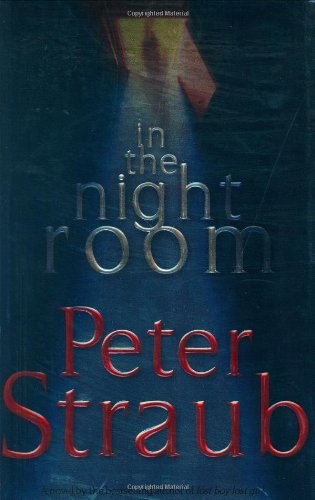
                • Cover of In the Night Room
                  In the Night Room

                  Peter Straub · standalone novel · 2004

                  similar byour worldcontemporaryhorrordarkmadnessgrief and loss+1 more

                  In the Night Room is a 2004 horror-thriller novel by American author Peter Straub, a sequel to his 2003 book Lost Boy, Lost Girl. The work was first published in hardback on October 26, 2004, through Random House and it won the 2004 Bram Stoker Award for Novel. Straub encountered some difficulties while writing In the Night Room and had written several different passages for the work before growing bored with each version before writing it using the same technique he used for its predecessor in which he "reached down inside the book and turned it inside out."

                • Cover of The House on Moon Creek Avenue
                  The House on Moon Creek Avenue

                  E. Reyes · standalone novel · 2020

                  similar byour worldcontemporaryhorrorghost storieseeriemadness

                  ● "Cindy is a twenty-one-year-old single mother, retail worker, and college student. She inherits her grandmother's home on Moon Creek Avenue after she passes away. At first, the home is comfortable, nostalgic of Cindy's childhood at nana's, and her daughter enjoys the home, too. But soon, ghosts randomly appear day and night, doors open and close, a streak of bad luck begins, Cindy and her daughter have unsettling nightmares, and Cindy's mental state is pushed to the edge. When Cindy's video recording of paranormal activity goes viral on social media, she gets the attention of famous ghost hunters. Without anywhere else to turn, Cindy accepts their help." ― paraphrased from this book's product page on Amazon.com as of 2024-09-26.

                • Cover of The Deep
                  The Deep

                  Alma Katsu · standalone novel · 2020

                  similar byour worldhorrordarkeerieghost storiesgrief and loss+1 more

                  The Deep is a 2020 historical fiction horror novel written by Alma Katsu. It was published in the United Kingdom through Bantam Press and in the United States through G. P. Putnam's Sons.

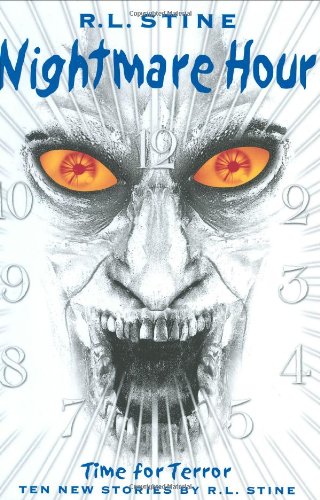
                • Cover of Nightmare Hour
                  Nightmare Hour

                  series · 1 book · 1999

                  similar byour worldcontemporaryhorroreerieshort story cycle+2 more

                  R. L. Stine's Nightmare Hour: Time for Terror collects ten of his scariest short stories, each followed by the author's own note on where its idea came from — from a boy forced to spend Halloween in the hospital to a ghost that wants to steal a child's skin. It stands as a standalone short-story collection rather than a serialized series.

                • Cover of Wildwood Road
                  Wildwood Road

                  Christopher Golden · standalone novel · 2005

                  similar byour worldcontemporaryhorroreerieghost stories+2 more

                  Michael and Jillian Dansky seemed to have it all--a happy marriage, two successful careers, a bright future. But late one October evening, all that changed. Driving home from a Halloween masquerade, Michael momentarily nods off behind the wheel--and wakes to find nothing is the same.Standing by his car is the little girl he came within a breath of running down. She leads Michael to her "home," an empty house haunted by whispers, and sends him away with a haunting whisper of her own: "come find me." But in the weeks to follow, it's clear that someone--or some thing--doesn't want Michael to find her: ominous figures in grey coats with misshapen faces are following him everywhere. And then Jillian wakes one morning replaced by a cold, cruel, vindictive woman Michael hardly recognizes as his wife. Michael must now search not only for the lost girl, but for a way to find the Jillian he's always loved, and to do so he must return to where the nightmare began. Down an isolated lane where he'll find them, or die trying.From the Trade Paperback edition.

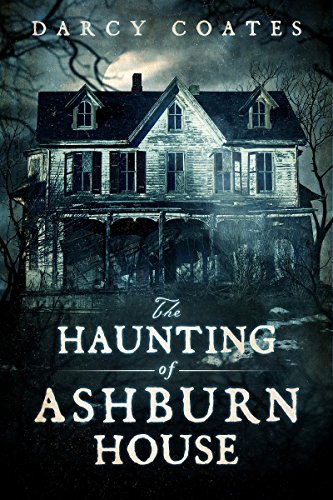
                • Cover of The Haunting of Ashburn House
                  The Haunting of Ashburn House

                  Darcy Coates · standalone novel · 2016

                  similar byour worldcontemporaryhorrorghost storieseerie+2 more

                  "People whisper rumors about a family murdered at Ashburn House. They say its old owner, Edith, went mad in the building, and that restless ghosts walk the halls at night. When Adrienne arrives on the gothic house's doorstep, all she has is a suitcase, twenty dollars, and her pet cat. She doesn't know why her estranged Aunt Edith bequeathed Ashburn to her, but it's a lifeline she can't afford to refuse. Adrienne doesn't believe in ghosts, but it's hard to rationalize what she sees. Strange messages have been etched into the wallpaper. Furniture moves when she leaves the room. And a grave hidden in the forest hints at a terrible, unforgivable secret. Something twisted and evil lives in her house, and Adrienne must race to unravel the decades-old mystery... before she becomes Ashburn's latest victim." – quoted from this book's product page on Amazon.com as of 2018-01-19.

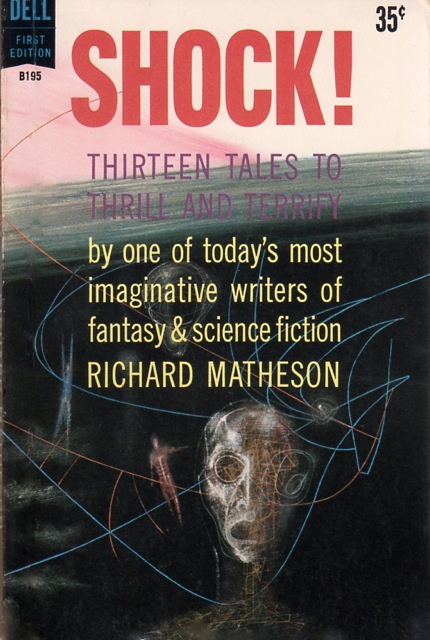
                • Cover of Shock
                  Shock

                  series · 4 books · 1961

                  completed

                  similar byour worldcontemporaryhorrordarkmadnessshort story cycle+1 more