More like Gladiator
anchored on:science fictiongenetic engineeringnorth americaearly 20th centuryidentityloneliness+1 more
but
- Flowers for Algernon
Daniel Keyesstandalone novel1966
similar byscience fictionsadnorth americagenetic engineeringidentityloneliness
A man with a low IQ becomes the subject of an experimental medical procedure which raises his IQ well over genius level.
- Dying Inside
Robert Silverbergstandalone novel1972
similar byscience fictionsadnorth americaidentitylonelinessreflective
Dying Inside is a 1972 science fiction novel by American writer Robert Silverberg. It was first serialized in Galaxy in 1972 and published in book form by Charles Scribner's Sons later that year. The novel follows David Selig, a middle-aged telepath in contemporary New York City, as the mind-reading ability that has shaped his life begins to disappear.
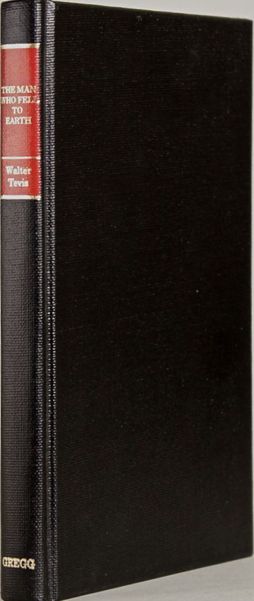
- The Man Who Fell to Earth
Walter Tevisstandalone novel1963
similar byscience fictionsadnorth americalonelinessreflective
The Man Who Fell to Earth is a 1963 science-fiction novel by American writer Walter Tevis. Published by Gold Medal Books as a paperback original, it was Tevis's second novel, following The Hustler. The novel follows Thomas Jerome Newton, an extraterrestrial from the drought-stricken planet Anthea, who comes to Earth hoping to build a spacecraft that can save the surviving members of his species.
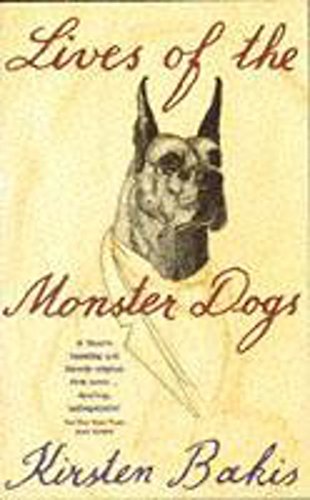
- Lives of the Monster Dogs
Kirsten Bakisstandalone novel1997
similar byscience fictionsadgenetic engineeringnorth americaidentityloneliness
Lives of the Monster Dogs (1997) is a novel by Kirsten Bakis first published by Farrar, Straus & Giroux. It was named a New York Times Notable Book of the year in 1997, and one of the Best Books of the Year by the Village Voice. It was shortlisted for the Orange Prize for Fiction, and won the Bram Stoker Award for Best First Novel. It has been translated into eight languages and made into a stage play.
- Stranger in a Strange Land
Robert A. Heinleinstandalone novel1961
similar byscience fictionnorth americaidentityreflective
Stranger in a Strange Land is a 1961 science fiction novel by the American author Robert A. Heinlein. It tells the story of Valentine Michael Smith, a human who comes to Earth in early adulthood after being born on the planet Mars and raised by Martians, and explores his interaction with and eventual transformation of Terran culture.
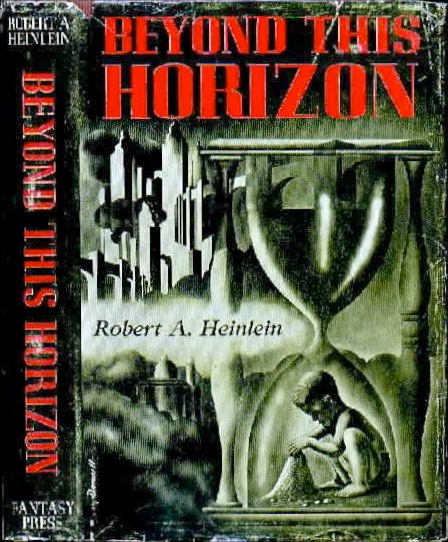
- Beyond This Horizon
Robert A. Heinleinstandalone novel1948
similar byscience fictiongenetic engineeringnorth americareflective+1 more
From the front flap of a 2001 Baen reprint: "Utopia has been achieved. For centuries, disease, hunger, poverty, and war have been things found only in the history tapes. And applied genetics has given men and women the bodies of athletes and a lifespan of over a century. They should all have been very happy... But Hamilton Felix is bored. And he is the culmination of a star line, each of his last thirty ancestors chosen for superior genes. Hamilton is, as far as genetics can produce one, the ultimate man. And this ultimate man can see no reason why the human race should survive, and has no intention of continuing the pointless comedy. However, Hamilton's life is about to become less boring. A secret cabal of revolutionaries who find utopia not just boring, but desperately in need of leaders who know just What Needs to be Done, are planning to revolt and put themselves in charge. Knowing of Hamilton's disenchantment with the modern world, they have recruited him to join their Glorious Revolution. Big mistake! The revolutionaries are about to find out that recruiting a superman was definitely not a good idea..."
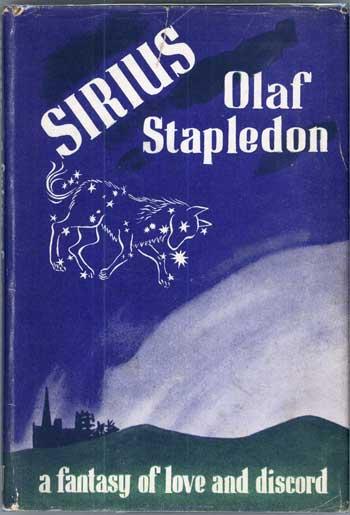
- Sirius: A Fantasy of Love and Discord
Olaf Stapledonstandalone novel1944
similar byscience fictionsadidentitylonelinessreflective
Sirius is a 1944 science fiction novel by the British philosopher and author Olaf Stapledon, whose title character is a dog named Sirius with humanlike intelligence. A sense of existential questioning suffuses the book, as the author delves into aspects of Sirius's psyche. The novel deals with many human issues through Sirius and his experiences, his unusual nature, his ideas and his relationships with humans. The characters go to great lengths to prevent Sirius from becoming a circus-type wonderdog, and instead, they seek to develop Sirius's character much like a family would create and foster that of a human child.
- Friday
Robert A. Heinleinstandalone novel1982
similar byscience fictionnorth americagenetic engineeringidentity
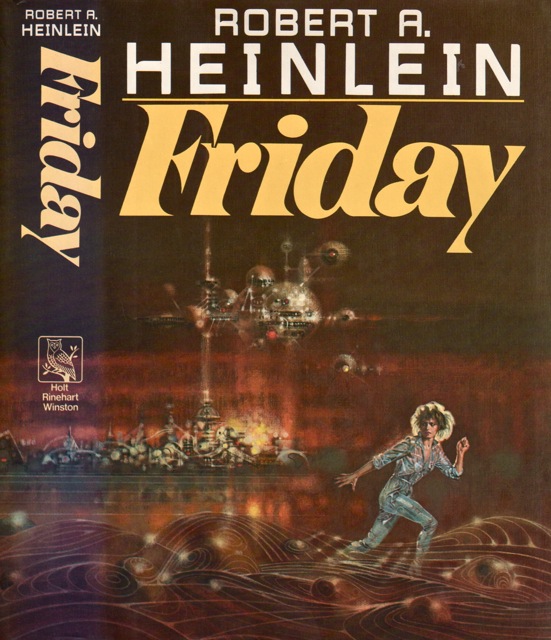
Friday is a 1982 science fiction novel by American writer Robert A. Heinlein. It is the story of a female "artificial person", the eponymous Friday, genetically engineered to be stronger, faster, smarter, and generally better than normal humans. Artificial humans are widely resented, and much of the story deals with Friday's struggle both against prejudice and to conceal her enhanced attributes from other humans. The story is set in a Balkanized 21st century, in which the nations of the North American continent have been split up into a number of smaller states.
- The Monster Men
Edgar Rice Burroughsstandalone novel1929
similar byscience fictionearly 20th centurygenetic engineeringidentity
The Monster Men is a 1913 science fiction novel by American author Edgar Rice Burroughs, written under the working title "Number Thirteen". It first appeared in print under the title of "A Man Without a Soul" in the November, 1913 issue of All-Story Magazine, and was first published in book form in hardcover by A. C. McClurg in March, 1929 under the present title. It has been reissued a number of times since by various publishers. The first paperback edition was issued by Ace Books in February 1963.
- The Speed of Dark
Elizabeth Moonstandalone novel2002
similar byscience fictiongenetic engineeringnorth americaidentityreflective
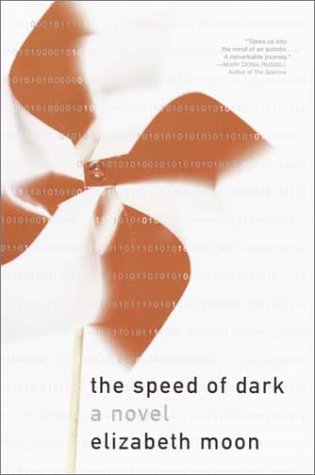
From the Penguin Random House website In the near future, disease will be a condition of the past. Most genetic defects will be removed at birth; the remaining during infancy. Lou Arrendale, a high-functioning autistic adult, is a member of the lost generation, born at the wrong time to reap the rewards of medical science. He lives a low-key, independent life. But then he is offered a chance to try a brand-new experimental "cure" for his condition. With this treatment Lou would think and act and be just like everyone else. But if he was suddenly free of autism, would he still be himself? Would he still love the same classical music — with its complications and resolutions? Would he still see the same colors and patterns in the world—shades and hues that others cannot see? Most important, would he still love Marjory, a woman who may never be able to reciprocate his feelings? Now Lou must decide if he should submit to a surgery that might completely change the way he views the world ... and the very essence of who he is.
- The Shrinking Man
Richard Mathesonstandalone novel1956
similar byscience fictionnorth americaidentityloneliness+1 more
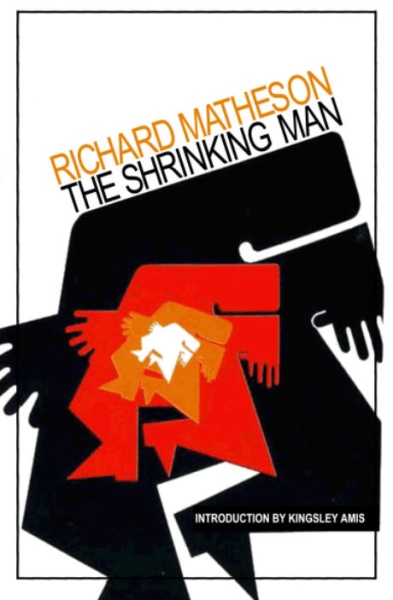
The Shrinking Man is a science fiction novel by American writer Richard Matheson, published in 1956. The novel was retitled The Incredible Shrinking Man in some later editions.
- The Hampdenshire Wonder
J. D. Beresfordstandalone novel1911
similar byscience fictionearly 20th centurygenetic engineeringidentityreflective
The Hampdenshire Wonder is a science fiction novel by J. D. Beresford, first published 1911. It is one of the first novels to involve a wunderkind. The child, Victor Stott, is the son of a famous cricket player. This origin is perhaps a reference to H. G. Wells's father Joseph Wells, a cricketer. The novel concerns his progress from infant to almost preternaturally clever child. Victor Stott is deformed subtly to allow for his powerful brain. A prominent, and unpleasant, character is the local minister. As Beresford's father was a minister, and Beresford was himself partially disabled, some see autobiographical aspects to the story. However this is unproven.
- Odd John
Olaf Stapledonstandalone novel1935
similar byscience fictionearly 20th centurygenetic engineeringreflective+1 more
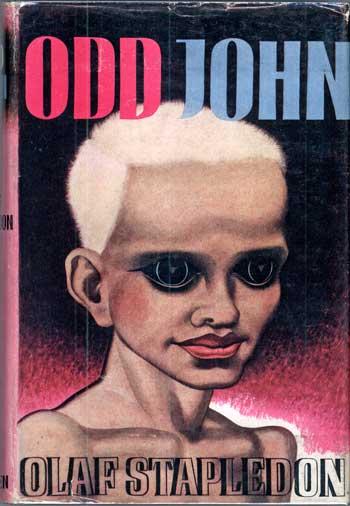
Odd John: A Story Between Jest and Earnest is a 1935 science fiction novel by the British author Olaf Stapledon. The novel explores the theme of the Übermensch (superman) in the character of John Wainwright, whose supernormal human mentality inevitably leads to conflict with normal human society and to the destruction of the utopian colony founded by John and other superhumans.
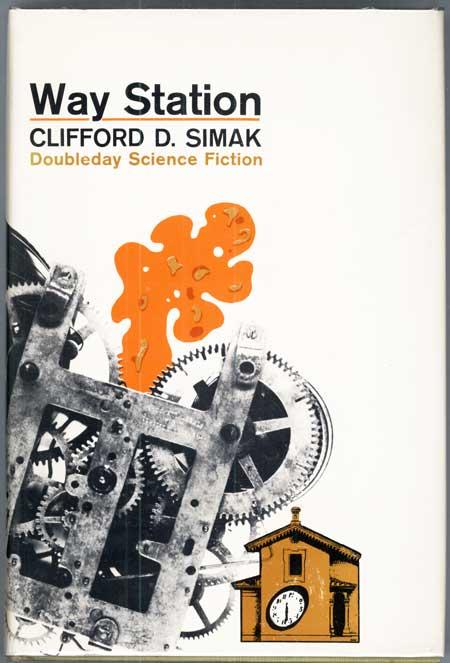
- Way Station
Clifford D. Simakstandalone novel1963
similar byscience fictionnorth americalonelinessreflective
The human operator of a transfer station for aliens traveling between planets, kept secret from the human race, deals with discovery by the US government and interplanetary political crisis, as well as his own emotional issues.
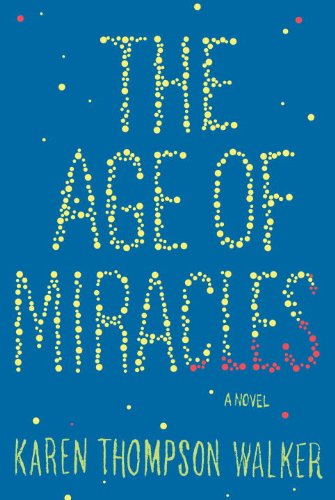
- The Age of Miracles
Karen Thompson Walkerstandalone novel2012
similar byscience fictionnorth americareflective+2 more
The Age of Miracles is the debut novel by the American writer Karen Thompson Walker. It was published in June 2012 by Random House in the United States and Simon & Schuster in the United Kingdom. The book chronicles the fictional phenomenon of "slowing", in which one Earth day begins to stretch out and take longer and longer to complete. The novel received positive reviews and publishing deals totaling £1.12 million, and has been translated into a number of languages. The book was nominated as part of the Waterstones 11 literary award in 2012.
- The Dog Stars
Peter Hellerstandalone novel2012
similar byscience fictionsadnorth americareflective+1 more
The Dog Stars is a 2012 post-apocalyptic fiction novel by Peter Heller. It follows a pilot and mechanic, Hig, who is surviving at an abandoned airport after a pandemic. He meets other survivors, including a woman, while dealing with grief for his old life. The book was adapted into a movie, also called The Dog Stars, released in 2026.
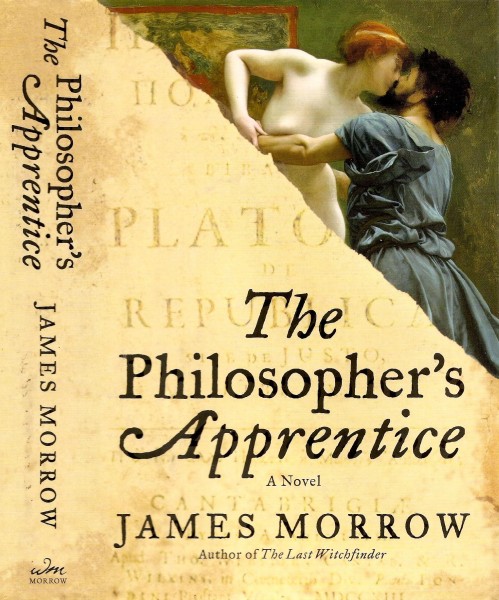
- The Philosopher's Apprentice
James Morrowstandalone novel2008
similar byscience fictiongenetic engineeringnorth americaidentity+1 more
Brilliant philosopher, Mason Ambrose, is approached by a representative of billionaire geneticist Dr. Edwina Sabacthani, who makes him an offer no starving ethicist could refuse. Born and bred on Isla de Sangre, a private island off the Florida coast, Edwina's daughter, Londa, has recently survived a freak accident that destroyed both her memory and her sense of right and wrong. Londa's soul, in short, is an empty vessel - and it will be Mason's job to fill it. Londa proves a vivacious young woman who quickly captivates her new teacher as he attempts to recalibrate her moral compass. But there's trouble in this tropical paradise. Mason soon learns that he isn't the only private tutor on Isla de Sangre, nor is Londa the only child in residence whose conscience is a blank slate. Undaunted, Mason continues to instruct Londa, hoping that she can lead a normal life when she eventually ventures forth into human society. His apprentice, however, has a different agenda. Her head crammed with lofty ideals, Londa undertakes to remake our fallen world in her own image - by any and all means necessary.
- Time and Again
series2 books1970
completed
similar byscience fictionnorth america+2 more
Time and Again (1970) follows Si Morley, a commercial artist recruited into a secret government project that sends him back to Manhattan in 1882, where he falls for a woman named Julia while weighing whether he can, or should, alter the past; Jack Finney illustrates the story with period photographs and engravings. The sequel, From Time to Time (1995), continues Si's story with a further trip into the past.
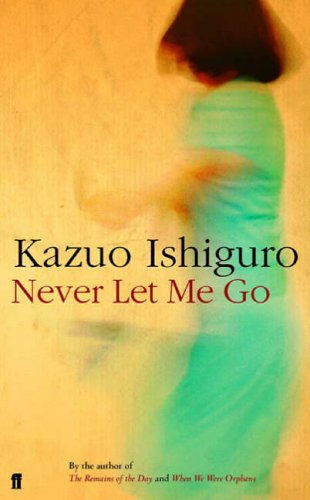
- Never Let Me Go
Kazuo Ishigurostandalone novel2005
similar byscience fictionsadidentityreflective
Never Let Me Go is a 2005 science fiction novel by the British author Kazuo Ishiguro. It was shortlisted for the 2005 Man Booker Prize, for the 2006 Arthur C. Clarke Award and the 2005 National Book Critics Circle Award. Time magazine named it the best novel of 2005. It included the novel in its '100 Best English-language novels published since 1923—the beginning of TIME'. It also received an ALA Alex Award in 2006. A film adaptation directed by Mark Romanek was released in 2010.
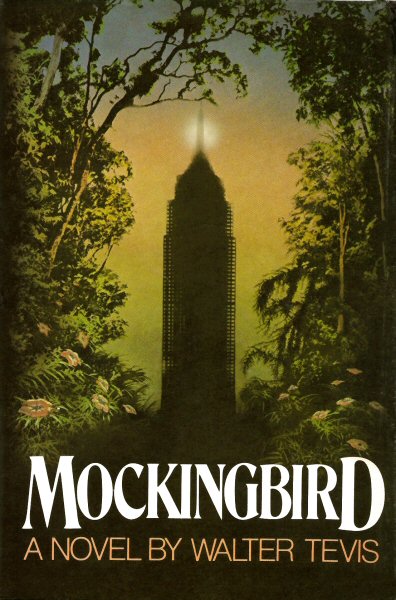
- Mockingbird
Walter Tevisstandalone novel1980
similar byscience fictionsadlonelinessreflective
WorldCat: In a future world where mankind is dying, humans wander through life in a drugged electronic bliss. Quick sex is the norm, and some people would rather commit suicide than live in hopelessness. Humanity's salvation rests with an android who has no desire to live, and a man and a woman who must discover love, hope, and dreams of a world reborn.
- Black Oxen
Gertrude Athertonstandalone novel1923
similar bynorth americaearly 20th centuryidentityreflective+1 more
"... Black Oxen was written in a burst of mental energy after Gertrude Atherton herself received an experimental anti-aging treatment; the introduction and appendices to this edition explore parallels between Atherton's medical treatment and that of her rejuvenated protagonist, as well as provide selections from other contemporary writings on aging, science, and the role of women in the 1920s. ..." --description of the 2012 Broadview ed. at Amazon 2019-09-05 (read in full, {{ASIN|1554810256}}
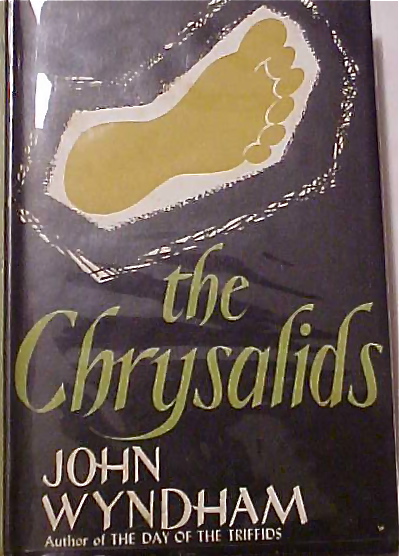
- The Chrysalids
John Wyndhamstandalone novel1955
similar byscience fictiongenetic engineeringreflective+1 more
The Chrysalids is a science fiction novel by British writer John Wyndham, first published in 1955 by Michael Joseph. It is the least typical of Wyndham's major novels, but regarded by some as his best. An early manuscript version was entitled Time for a Change.
- Dhalgren
Samuel R. Delanystandalone novel1975
similar byscience fictionnorth americaidentityloneliness
Dhalgren is a 1975 science fiction novel by American writer Samuel R. Delany. It features an extended trip to and through Bellona, a fictional city in the American Midwest cut off from the rest of the world by an unknown catastrophe. It is number 33 on the 20th Century's Greatest Hits: 100 English-Language Books of Fiction list.
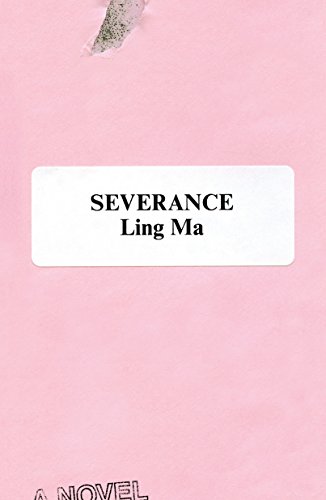
- Severance
Ling Mastandalone novel2018
similar byscience fictionnorth americaidentitylonelinessreflective
Severance is a 2018 post-apocalyptic novel by Chinese American author Ling Ma. It follows Candace Chen, an unfulfilled Bible product coordinator, before and after an incurable infection slowly obliterates global civilization. Severance explores themes of nostalgia, modern office culture, monotony, and intimate relationships. The novel, Ma's debut, won the 2018 Kirkus Prize for Fiction and was included on many prominent Best Books of 2018 lists.