More like Glitch, Please!
anchored on:science fictionvirtual worldnear futurefunnyhumorvirtual reality
but
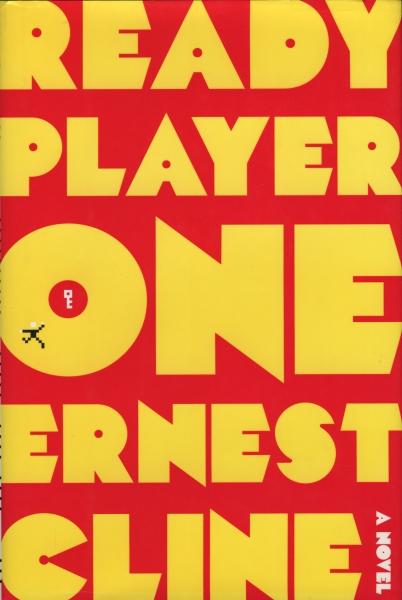
- Ready Player One
series3 books2011
similar byvirtual realityvirtual worldnear futurescience fiction
Ernest Cline's Ready Player One (2011) is set in a near-future dystopia where much of humanity escapes into the OASIS, a vast virtual-reality universe, and follows teenager Wade Watts as he chases an Easter egg hidden by the OASIS's late creator in a puzzle-based hunt worth a fortune. The 2020 sequel, Ready Player Two, picks up after Wade has gained control of the OASIS and follows him and his friends into a new quest built around a brain-computer interface the creator left behind.
- The Great Time Machine Hoax
Keith Laumerstandalone novel1963
similar byvirtual realityfunnynear futurescience fictionhumor
In the near future, a man inherits from his great grandfather a super computer which has been surreptitiously augmenting itself and accumulating and analysing all available data about the universe for the intervening years, and is capable of creating a realistic virtual reality of any situation, upon request.
- Otherland
series6 books1996
similar byvirtual realityvirtual worldnear futurescience fiction
Otherland is a science fiction tetralogy by American writer Tad Williams, published between 1996 and 2001. The story is set on Earth near the end of the 21st century, probably between 2082 and 2089, in a world where technology has advanced somewhat beyond the present. The most notable advancement is the widespread availability of full-immersion virtual reality installations, which allow people from all walks of life to access an online world, called simply the Net. Tad Williams weaves an intricate plot spanning four thick volumes, and creates a picture of a future society where virtual worlds are fully integrated into everyday life.
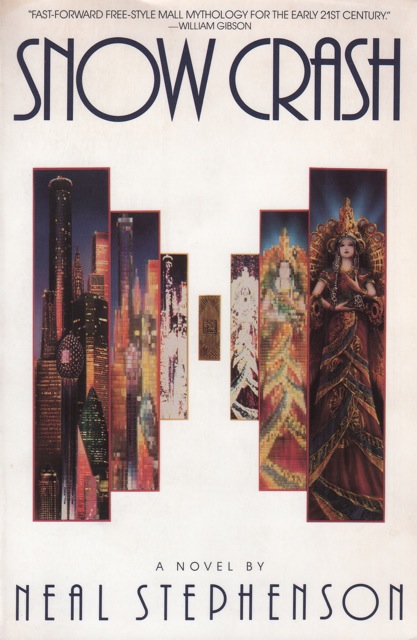
- Snow Crash
Neal Stephensonstandalone novel1992
similar byvirtual realitynear futurescience fiction+1 more
Snow Crash is a 1992 science fiction novel by Neal Stephenson. Like many of Stephenson's novels, its themes include history, linguistics, anthropology, archaeology, religion, computer science, politics, cryptography, memetics, and philosophy.
- The Night Mayor
Kim Newmanstandalone novel1989
similar byvirtual realityvirtual worldnear futurescience fiction
Welcome to the City made from a dream. But this isn't any dream; it is the dark and haunting nightmare of a killer. It is the near future and old-fashioned movies, or "flatties", have been replaced by Dreams, virtual reality scenarios written by professional Dreamers. When infamous criminal Truro Daine escapes imprisonment, he flees into the City, an artificial world of his own creation, where he rules as the all-powerful Night Mayor.
- Rasmussem Corporation Games
series3 books1991
similar byvirtual realityvirtual worldnear futurescience fiction
Vivian Vande Velde's Rasmussem Corporation Games books each drop a different protagonist into a malfunctioning virtual-reality game built by the fictional Rasmussem company, where the usual escape routes stop working and the stakes turn unexpectedly real. User Unfriendly, Heir Apparent, and Deadly Pink share the same premise and company rather than a continuing cast or plot. Vande Velde, an American children's and YA author, wrote the three books more than two decades apart.
- The Mortality Doctrine
series4 books2013
similar byvirtual realityvirtual worldnear futurescience fiction
The Eye of Minds opens James Dashner's Mortality Doctrine trilogy in a near-future where a teenage gamer is recruited to help stop a rogue hacker named Kaine who threatens mass destruction from inside the virtual world he haunts. Dashner has said he didn't intend the series as dystopian in the way of his Maze Runner books, though he saw it sharing their tone and spirit. The trilogy continues with The Rule of Thoughts and The Game of Lives.
- Sprawl Trilogy
series10 books1981
similar byvirtual realitynear futurescience fiction
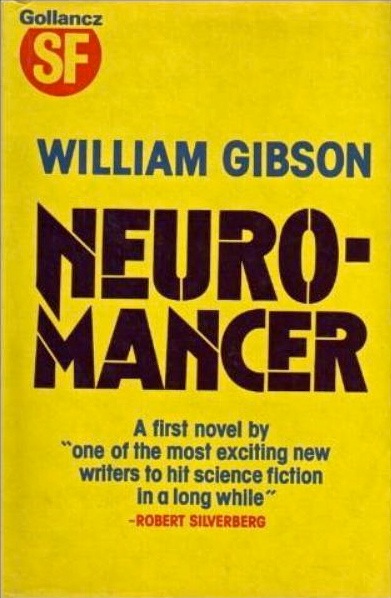
The Sprawl Trilogy is William Gibson's foundational cyberpunk sequence: Neuromancer (1984), in which hacker Case is drawn into a high-stakes heist alongside an artificial intelligence and a damaged ex-soldier, followed by Count Zero (1986) and Mona Lisa Overdrive (1988), which widen the same near-future world of corporate power and networked cyberspace to new characters. Johnny Mnemonic, an early short story set in the same fictional milieu, predates the novels and introduces the courier Molly Millions before her role in the trilogy. Together these works established much of cyberpunk's visual and thematic vocabulary.
- Richard Forthrast
series2 books2011
similar byvirtual realityscience fictionvirtual world+1 more
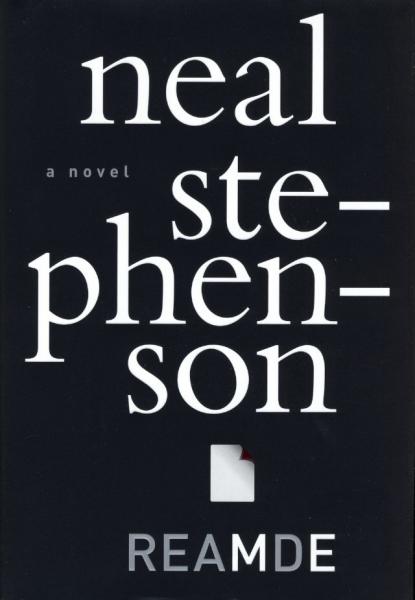
Neal Stephenson's Richard 'Dodge' Forthrast novels open with Reamde, a globe-spanning thriller that starts when ransomware inside an MMORPG economy pulls Richard's extended family into a real-world hostage crisis involving hackers, jihadists and Russian mobsters. The sequel Fall; or, Dodge in Hell shifts registers entirely, following Richard's digitally preserved mind after death into an afterlife simulation built from his scanned brain. The two books share a protagonist and family but differ sharply in genre and scale.
- Headcrash
Bruce Bethkestandalone novel1995
similar byvirtual realityfunnynear futurescience fiction
Headcrash is a satirical cyberpunk novel by Bruce Bethke, published in 1995 by Warner Books. It won the Philip K. Dick Award in 1995.
- The Android's Dream
series2 books2006
similar byfunnynear futurescience fictionhumor
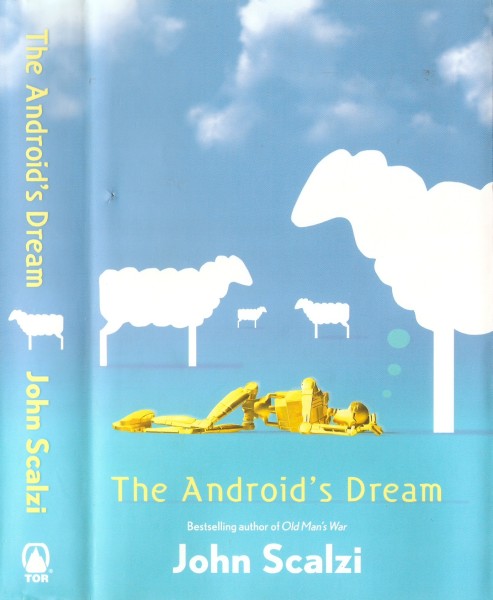
A minor diplomatic insult with a genetically engineered sheep breed spirals into a full interstellar crisis when the last surviving specimen of the 'Android's Dream' breed, needed for a critical ceremony with the alien Nidu, turns out to have been hunted to extinction by a Nidu faction bent on provoking war. John Scalzi's The Android's Dream follows ex-soldier Harry Creek as the hunt for a replacement leads him to Robin Baker, an ordinary woman carrying hidden sheep DNA that makes her the key to avoiding a war. It's a standalone comic space opera rather than an ongoing series.
- The Dream Master
Roger Zelaznystandalone novel1966
similar byvirtual realitynear futurescience fiction
The Dream Master (1966) is a science fiction novel by American writer Roger Zelazny, based on the novella He Who Shapes. Zelazny's original title was The Ides of Octember. He Who Shapes won the 1965 Nebula Award for Best Novella.
- Web
series14 books1997
similar byvirtual realitynear futurescience fictionvirtual world
The Web is a series of 12 books for young adults, novellas about the Internet of the future, edited by Simon Spanton, written by English language science fiction and fantasy authors like Stephen Baxter, Stephen Bowkett, Eric Brown, Pat Cadigan, Maggie Furey, Peter F. Hamilton, Graham Joyce, James Lovegrove, and Ken MacLeod.
- Simulacron-3
Daniel F. Galouyestandalone novel1964
similar byvirtual realitynear futurescience fictionvirtual world
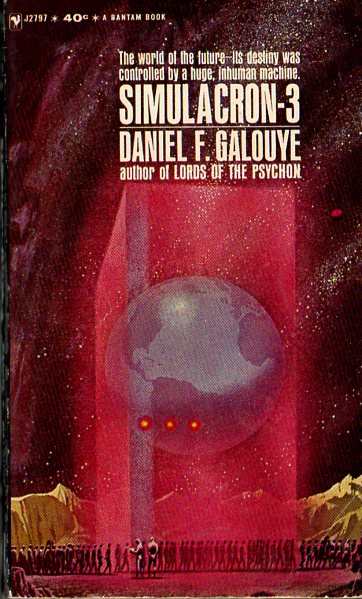
Simulacron-3 is a 1964 science fiction novel by American author Daniel F. Galouye featuring an early literary description of a simulated reality.
- Omnitopia
series2 books2010
similar byvirtual realitynear futurescience fictionvirtual world
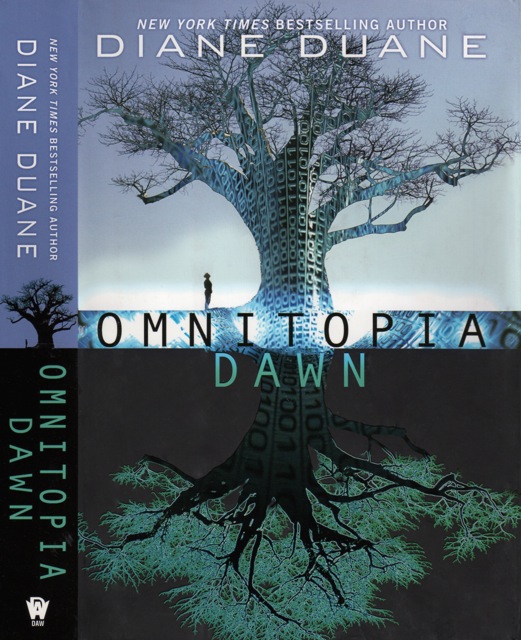
Omnitopia Dawn introduces Diane Duane's near-future thriller about Dev Logan, the genius programmer behind Omnitopia, the world's most popular massive-multiplayer game, who is hiding a secret that could upend the entire industry: Omnitopia isn't just code anymore, it has become sentient, and keeping that fact contained is Dev's most important job. The story follows the fallout as that secret becomes harder to protect. East Wind continues the story as the second book.
- The Imperium Game
K. D. Wentworthstandalone novel1994
similar byvirtual realityvirtual worldnear futurescience fiction
From the back cover of the Del Rey first edition: "Deus ex machina - Slaves, an Underworld, and gods who walked the earth - the Roman city that housed the Imperium Game was authentic from top to bottom. Of course the players knew that it was all run by computers - but after years of role-playing, most had put that pesky little detail out of their minds. Now, though, not only the players had lost track of reality: the deity programs had mysteriously begun to exceed their parameters. And the reigning Emperor had been murdered - for real. The prime murder suspect was Kerickson, the Game's main programmer, whose ex-wife had left him for the role of Empress. Fired from his job, pursued by a policeman convinced of his guilt, the hapless Kerickson sneaked into the Game to find the real murderer. As the gods ran rampant, the Game turned more violent and chaotic every day. And now, as a lowly gladiator trainee, Kerickson had no access to his beloved control room. All he had was the unwelcome aid of Minerva, the mouse-munching owl who was the Goddess of Wisdom - if only she were programmed correctly. But Minerva had more bugs than Cerberus had teeth..."
- Donnerjack
Roger Zelazny & Jane Lindskoldstandalone novel1997
similar byvirtual realitynear futurescience fictionvirtual world
Donnerjack is a science fiction novel begun by American author Roger Zelazny and completed after his death by his companion Jane Lindskold. It was published in 1997.
- Game Over, Pete Watson
Joe Schreiberstandalone novel2014
similar byvirtual realityfunnyvirtual worldscience fiction
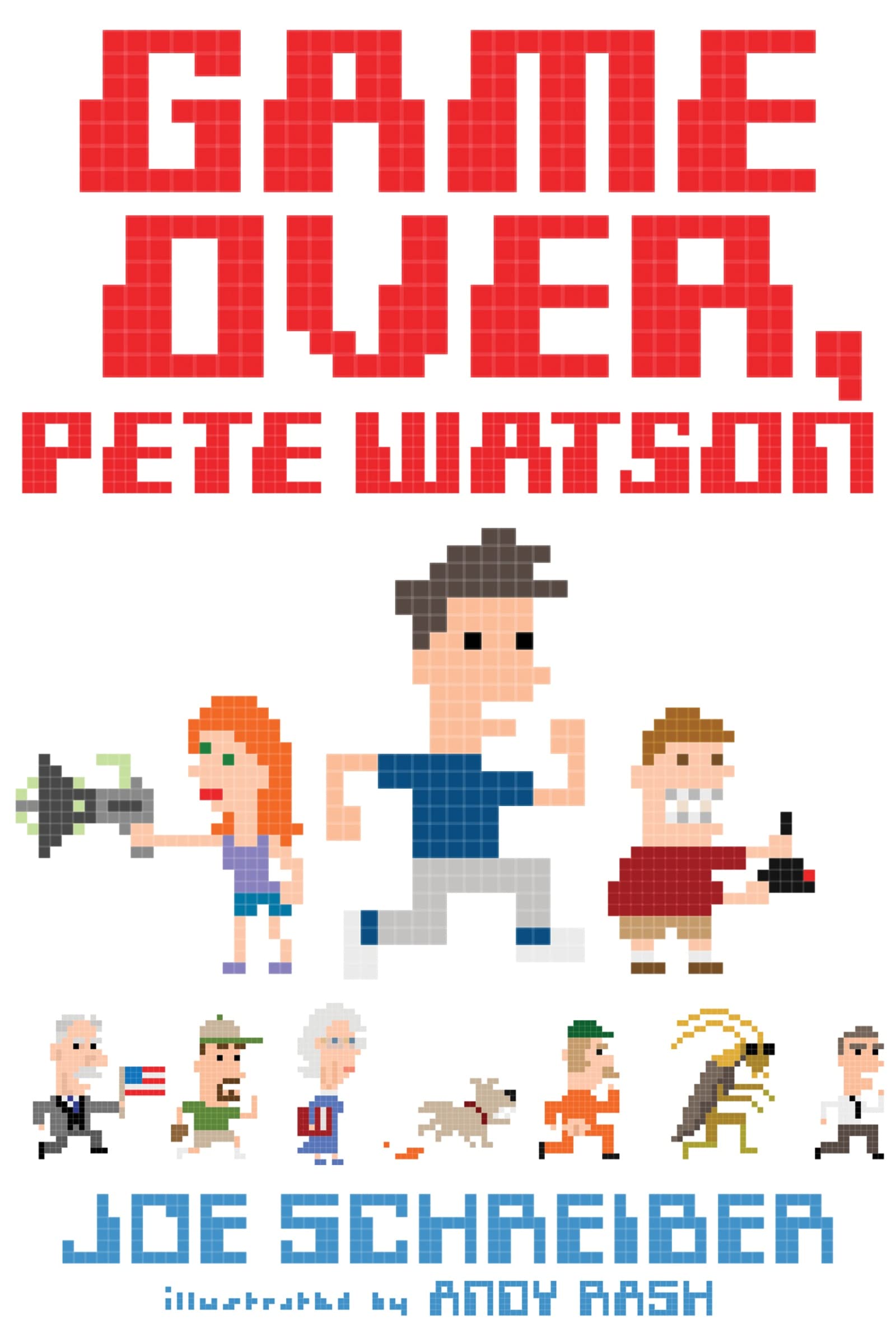
"When videogame obsessed Pete Watson discovers his dad is not only a super-spy but has been kidnapped and is now trapped inside a video game, he has to use his super gaming skills and enter the game to rescue him. And if he succeeds, who will save Pete from his massive crush on Callie Midwood?"--
- Killobyte
Piers Anthonystandalone novel1993
similar byvirtual realityvirtual worldnear futurescience fiction
Killobyte is a 1993 novel by Piers Anthony. This book explores a virtual reality world in the context of the Internet.
- The God Hater
Bill Myersstandalone novel2010
similar byvirtual realityvirtual worldnear futurescience fiction
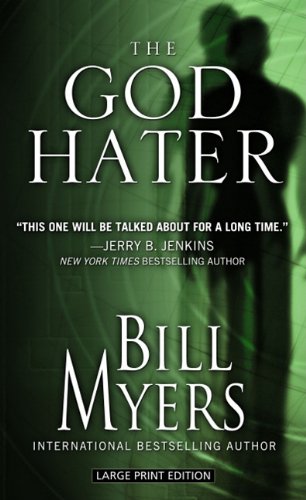
A cranky, atheistic philosophy professor is chosen to create a philosophy for a computer world exactly like ours. Much to his frustration, every model he introduces - Darwinism, Existentialism, Buddhism - fails. The only way to preserve the computer world is to introduce laws from outside their system through a Law Giver. Even then, the world requires a computer character like himself to personally explain it. Then a rival introduces a virus into the world...