More like Ground Zero
anchored on:science fictionnear futureour world
but
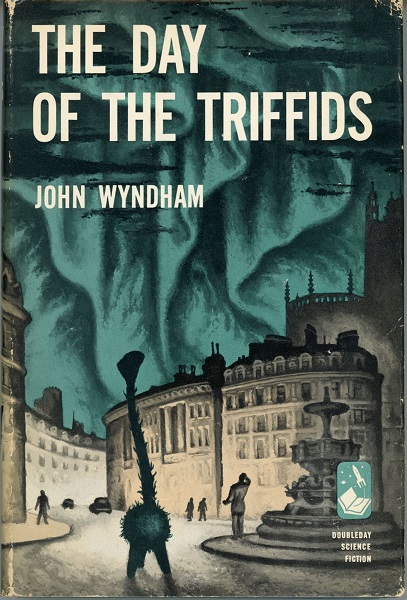
- The Triffids
series3 books1951
similar byscience fictionour worldsurvivalpost-apocalyptic+2 more
John Wyndham's The Day of the Triffids (1951) opens with a meteor-shower-like event that leaves most of Britain's population blind, throwing civilization into collapse just as triffids, an aggressive and mobile species of poisonous plant, become free to hunt the helpless survivors. Simon Clark's authorized sequel The Night of the Triffids (2001) picks up a generation later, narrated by the original protagonist's son as he confronts a new triffid-dominated world, and John Whitbourn's The Age of the Triffids extends the shared setting further still. Together the three novels form a loose post-apocalyptic trilogy built on Wyndham's original premise rather than a tightly plotted single story.
- The Fireman
Joe Hillstandalone novel2016
similar bytenseplague and pandemicscience fictionnear futureour worldsurvivalpost-apocalyptic
The Fireman is a novel set in a post-apocalyptic time by American author Joe Hill. The novel, Hill's fourth, tells the tale of a deadly spore that has infected most of the world's population. Hill first spoke of the novel in 2013 in promotional interviews for his then-new novel NOS4A2. The novel was released on May 17, 2016.
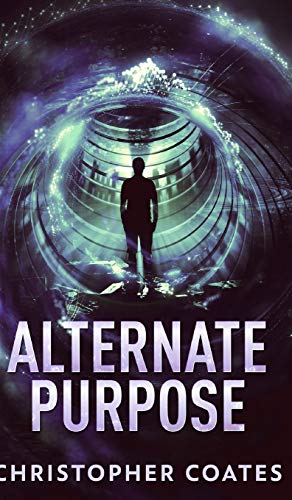
- Alternate Purpose
Christopher Coatesstandalone novel2019
similar bytenseplague and pandemicscience fictionnear futureour worldsurvivalpost-apocalyptic
• "A global pandemic has devastated the world. Facing a rebuilding time of generations, two scientists come up with a solution: send someone back in time to prevent the horrible accident that released the deadly pathogen on the world. The problem with their discovery? The time travel process is fatal to anyone trying it." ― quoted from this book's product page on Amazon.com as of 2020-05-28.
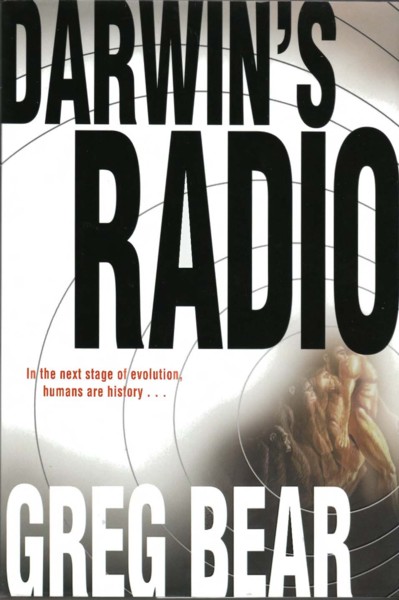
- Darwin
series2 books1999
completed
similar bytenseplague and pandemicscience fictionnear future+2 more
Greg Bear's Darwin's Radio imagines a dormant retrovirus in human DNA activating worldwide, triggering an accelerated leap in human evolution that governments respond to as a plague. The 1999 novel won the Nebula Award; its sequel Darwin's Children follows the first generation of changed children as society decides what to do with them. Together they're speculative near-future science fiction grounded in genetics rather than space opera.
- The Lathe of Heaven
Ursula K. Le Guinstandalone novel1971
similar bytensescience fictionnear futureour world+1 more
The Lathe of Heaven is a 1971 science fiction novel by American writer Ursula K. Le Guin, first serialized in the American science fiction magazine Amazing Stories. It won the 1972 Locus Award for Best Novel and was a finalist for the 1971 Nebula Award for Best Novel and 1972 Hugo Award for Best Novel. Two television film adaptations were released: the PBS production, The Lathe of Heaven (1980), and Lathe of Heaven (2002), a remake produced by the A&E Network.
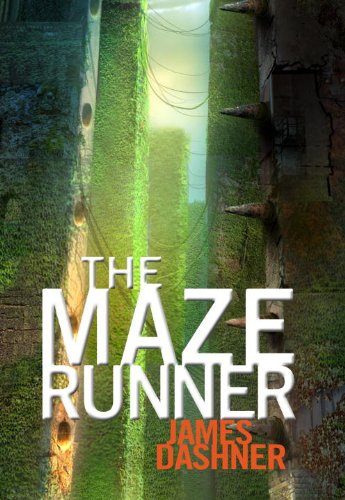
- Maze Runner
series11 books2009
similar bytensescience fictionnear futuresurvivalpost-apocalyptic+2 more
The Maze Runner is a series of young adult dystopian science fiction novels written by American author James Dashner. The series consists of the trilogy The Maze Runner (2009), The Scorch Trials (2010) and The Death Cure (2011), as well as two prequel novels, The Kill Order (2012) and The Fever Code (2016). A novella titled Crank Palace (2020) and a companion book titled The Maze Runner Files (2013) have also been released. A sequel trilogy in the series titled The Maze Cutter takes place 73 years following the events of The Death Cure and consists of the novels The Maze Cutter (2022), The Godhead Complex (2023), and The Infinite Glade (2025).
- Aftermath (Charles Sheffield)
series2 books1998
completed
similar bytensescience fictionnear futureour worldsurvival+2 more
Charles Sheffield's Aftermath duology opens with a near-future Earth devastated by a nearby supernova's radiation, which knocks out electronics and forces survivors to rebuild without most modern technology. Starfire continues years later as a second, larger stellar threat approaches and humanity must recover enough capability to respond. Sheffield, a physicist by training, grounds both books in hard-science consequences of the disaster rather than treating it as mere backdrop.
- The Andromeda Strain
series2 books1969
similar bytenseplague and pandemicscience fictionsurvival+1 more
Michael Crichton's 1969 novel The Andromeda Strain follows a team of scientists racing to contain a lethal extraterrestrial microorganism that crash-lands in Arizona, told in the clinical, document-driven style that helped establish the techno-thriller genre. Daniel H. Wilson's authorized 2019 sequel The Andromeda Evolution revisits the same threat five decades later. Together the two books form a two-part outbreak story separated by a fifty-year gap in publication.
- I Am Legend
Richard Mathesonstandalone novel1954
similar bytenseplague and pandemicscience fictionour worldsurvivalpost-apocalyptic
The last human survivor of the vampire epidemic has to maintain his defences against their onslaught, while attempting to research the cause and possibly solution to the plague. Robert Neville is the last living man on Earth... but he is not alone. Every other man, woman and child on the planet has become a vampire, and they are hungry for Neville's blood. By day he is the hunter, stalking the undead through the ruins of civilization. By night, he barricades himself in his home and prays for the dawn. How long can a man survive like this?
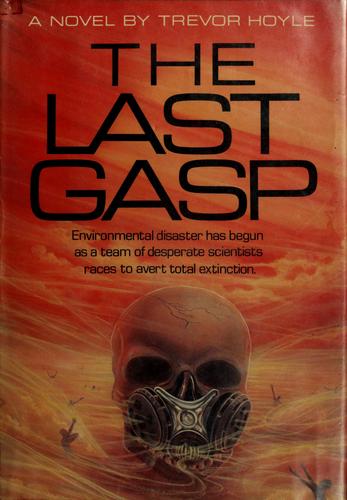
- The Last Gasp
Trevor Hoylestandalone novel1983
similar bytenseplague and pandemicscience fictionnear futureour worldsurvival
From the flaps of the Crown first edition: "When British marine biologist Gavin Chase stepped out into the windswept wastes at the Halley Bay antarctic research station one morning, the last thing he expected to see was a sled team coming out of nowhere carrying a half-mad, half-frozen Russian scientist babbling an incomprehensible warning. But that warning would threaten the future of the human race and force Chase to make some of the hardest decisions of his life. Months later, at a Geneva environmental conference, Chase meets Cheryl Detrick, the daughter of Theo Detrick, the grand old man of diatom research. Chase, the Detricks, and Soviet scientist Boris Stanovnik theorize that the oxygen-producing microscopic plants of the world's oceans are dying and the level of atmospheric pollutants has finally exceeded the ability of the planet's ecology to recycle them. There is also good reason to believe that the superpowers are planning to wage a new type of environmental warfare. Sooner or later there will be nothing left to breathe. So begins a race against the future. Chase and Cheryl, now lovers, struggle to avert ecological catastrophe as agents of the military-industrial complex hunt them down... and as a growing belt of unbreathable gases spreads outward from the equator, uprooting millions. Their enemies are Lloyd Madden, an insane military mastermind planning to seed the earth with poison and then repopulate it with a race of mutants, and Joseph Earl Gelstrom, a wealthy chemical manufacturer who has Cheryl's father killed to hide his involvement. But Gelstrom himself falls victim to pollution sickness, and he repents. To raise money to finance a research team, Chase must make an unholy alliance with the dying Gelstrom, but this is too much for Cheryl, who leaves him. As more and more of the world becomes uninhabitable, as industries and governments collapse and chaos reigns, as the oceans fill up with dioxin, as the climate changes and mutant life-forms encroach upon the last refuges of humankind, Chase leads a last desperate mission to find and rescue Cheryl and to lead his team of scientists to safety."
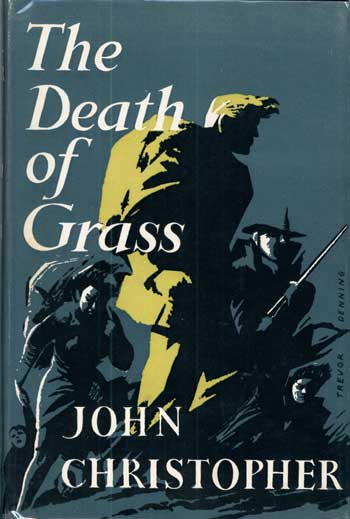
- The Death of Grass
John Christopherstandalone novel1956
similar bytenseplague and pandemicscience fictionour worldsurvivalpost-apocalyptic
The Death of Grass is a 1956 post-apocalyptic science fiction novel written by the English author Sam Youd under the pen name John Christopher. The plot concerns a virus that kills off grass species, including rice and wheat. The Death of Grass was the first of several post-apocalyptic novels written by Youd. The novel was written in a matter of weeks and liberated him from his day job.
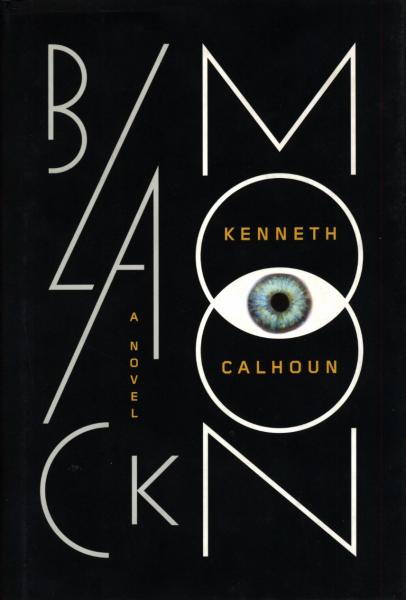
- Black Moon
Kenneth Calhounstandalone novel2014
similar bytenseplague and pandemicscience fictionnear futureour worldsurvivalpost-apocalyptic
Insomnia has claimed everyone Biggs knows. Even his beloved wife, Carolyn, has succumbed to the telltale red-rimmed eyes, slurred speech and cloudy mind before disappearing into the quickly collapsing world. Yet Biggs can still sleep, and dream, so he sets out to find her.
- The Martian
series2 books2012
similar bytensescience fictionnear futureour worldsurvival
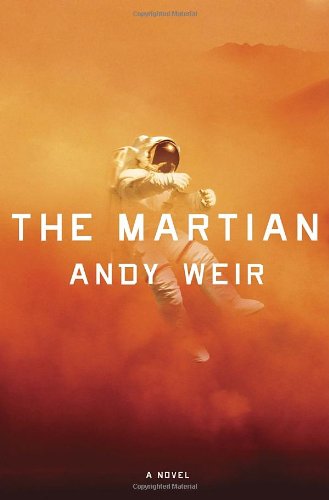
Andy Weir's novel The Martian, first self-published in 2011 before a commercial re-release, follows astronaut Mark Watney after he is stranded alone on Mars when his crew presumes him dead and departs. Using scientific improvisation and dark humor, Watney works to keep himself alive long enough for a rescue to reach him. It is a single, self-contained survival story.
- At the End of Everything
Marieke Nijkampstandalone novel2022
similar bytenseplague and pandemicscience fictionnear futureour worldsurvivalpost-apocalyptic
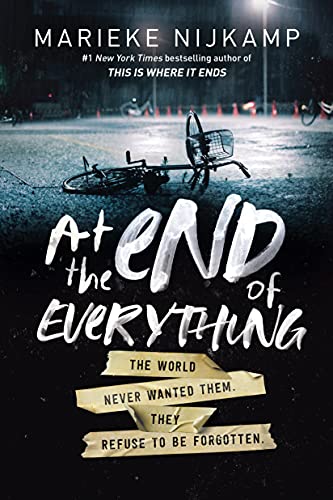
The Hope Juvenile Treatment Center is ironically named. No one has hope for the delinquent teenagers who have been exiled there; the world barely acknowledges that they exist. Then the guards at Hope start acting strange. And one day…they don't show up. But when the teens band together to make a break from the facility, they encounter soldiers outside the gates. There's a rapidly spreading infectious disease outside, and no one can leave their houses or travel without a permit. Which means that they're stuck at Hope. And this time, no one is watching out for them at all. As supplies quickly dwindle and a deadly plague tears through their ranks, the group has to decide whom among them they can trust and figure out how they can survive in a world that has never wanted them in the first place.
- Cell
Stephen Kingstandalone novel2006
similar bytenseplague and pandemicscience fictionour worldsurvivalpost-apocalyptic
In Cell, King taps into readers fears of technological warfare and terrorism. Mobile phones deliver the apocalypse to millions of unsuspecting humans by wiping their brains of any humanity, leaving only aggressive and destructive impulses behind. Those without cell phones, like illustrator Clayton Riddell and his small band of "normies," must fight for survival, and their journey to find Clayton's estranged wife and young son rockets the book toward resolution.
- The Sheep Look Up
John Brunnerstandalone novel1972
similar byplague and pandemicscience fictionnear future+1 more
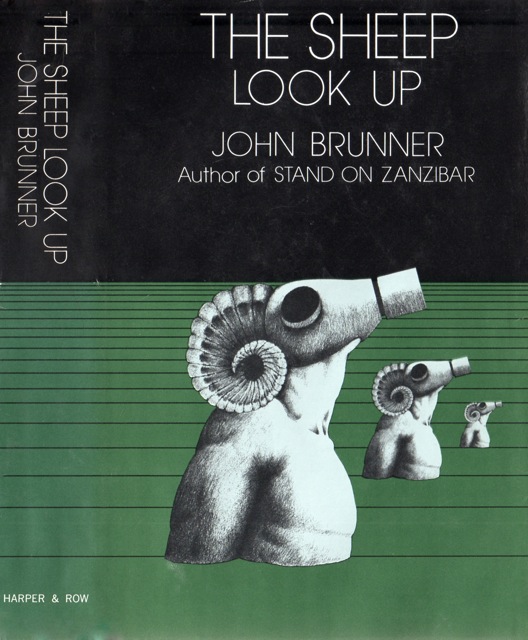
The Sheep Look Up is a 1972 dystopian science fiction novel by British author John Brunner, dealing with the deterioration of the environment in the United States. It was nominated for the 1972 Nebula Award for Best Novel.
- The Passage
series3 books2010
similar bytensescience fictionnear futuresurvivalpost-apocalyptic+1 more
The Passage is a novel series by Justin Cronin. There are three published books in the series. The film rights were acquired by Fox Entertainment Group in 2007 for adaptation into a film trilogy, but after 12 years of development and planning, it was changed to a television series, which premiered in January 2019 and was canceled after the first season.
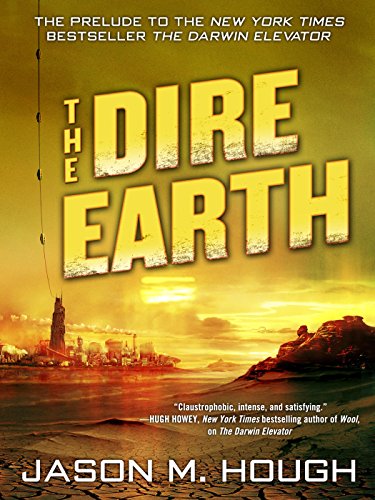
- The Dire Earth
series6 books2013
similar bytensescience fictionour worldnear futuresurvivalpost-apocalyptic+1 more
The Dire Earth Cycle is a trilogy of science fiction novels written by American author Jason M. Hough. The series was simultaneously released in both the United States and the United Kingdom. The first book in the series, The Darwin Elevator, was released in July 2013, and the two sequels, The Exodus Towers and The Plague Forge, were released later that same year. An eBook-only release, The Dire Earth: A Novella, acts as a prequel to the trilogy and reveals more of the main characters' backgrounds.
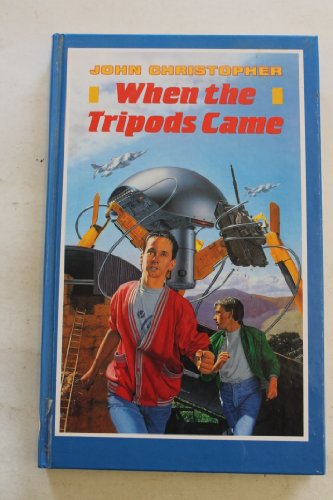
- Tripods
series4 books1967
completed
similar bytensescience fictionour worldnear futurepost-apocalyptic+1 more
The Tripods is a series of young adult science fiction novels by John Christopher. The series takes place in a post-apocalyptic world where humanity is enslaved by "Tripods"—gigantic three-legged walking machines piloted by an alien race later identified as the "Masters". The first two books were the basis of a science fiction TV series, produced in the United Kingdom in the 1980s.
- The Snow
Adam Robertsstandalone novel2004
similar bytensescience fictionnear futureour worldsurvivalpost-apocalyptic+1 more
The Snow, published in 2004, is a science fiction novel by British writer Adam Roberts. It is set in the present day and, latterly, the near future. It concerns the appearance of a heavy, prolonged fall of snow, which eventually blankets the earth in a layer of snow literally miles thick.
- Z for Zachariah
Robert C. O'Brienstandalone novel1975
similar bytensescience fictionnear futureour worldsurvivalpost-apocalyptic
Sixteen-year-old Ann Burden, on an Amish family farm in an isolated valley, believes she is the only survivor of nuclear war and nerve gas. One day a man arrives in a "safe-suit" that he and others have recently developed.
- American War
Omar El Akkadstandalone novel2017
similar byscience fictionnear futuresurvivalpost-apocalyptic+2 more
American War is the first novel by the Egyptian-Canadian journalist Omar El Akkad. It is set in the United States in the near future, ravaged by climate change and disease, in which the Second Civil War has broken out over the use of fossil fuels.
- The Apocalypse Triptych
series4 books2014
similar bytenseplague and pandemicscience fictionnear futureour worldsurvivalpost-apocalyptic