More like Harding's Luck
anchored on:fantasytime travelbritish islesearly 20th centuryhistorical fantasycoming of age+1 more
but
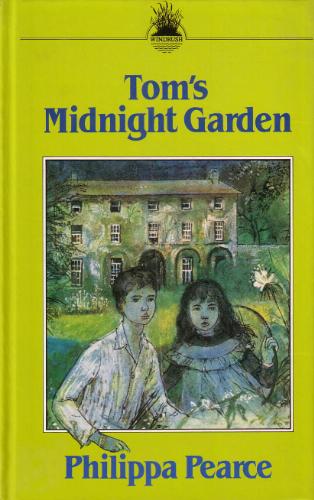
- Tom's Midnight Garden
Philippa Pearcestandalone novel1958
similar byreflectivebritish islescoming of agefantasyfriendship+1 more
Tom's Midnight Garden is a children's fantasy novel by English author Philippa Pearce. It was first published in 1958 by Oxford University Press with illustrations by Susan Einzig. The story is about a twelve-year-old boy, Tom, who, while staying with his aunt and uncle, slips out at midnight and discovers a magical, mysterious Victorian garden where he befriends a young girl named Hatty. The novel has been reissued in print many times and also adapted for radio, television, cinema, and the stage.
- Fabian Time Fantasies
series2 books1908
completed
similar bybritish islescoming of agefantasytime travel+4 more
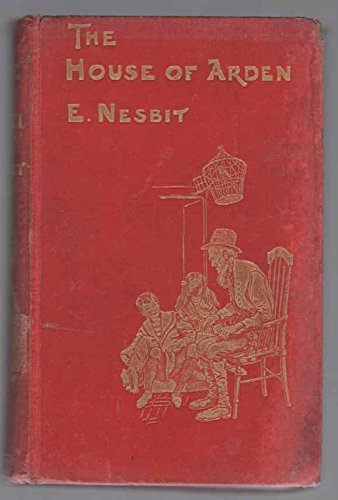
E. Nesbit's Edwardian time-travel duology follows two children who use a magic device to slip between their own era and the past. The House of Arden sends young Edred and his sister into English history in search of a family treasure, while its sequel, Harding's Luck, follows a poor orphan boy who travels back to the reign of James I and briefly lives another child's privileged life, before choosing to return and help the man who raised him, in a story pointedly concerned with poverty and welfare.
- Emma / Charlotte
series3 books1962
similar byreflectivebritish islescoming of agefantasy+4 more
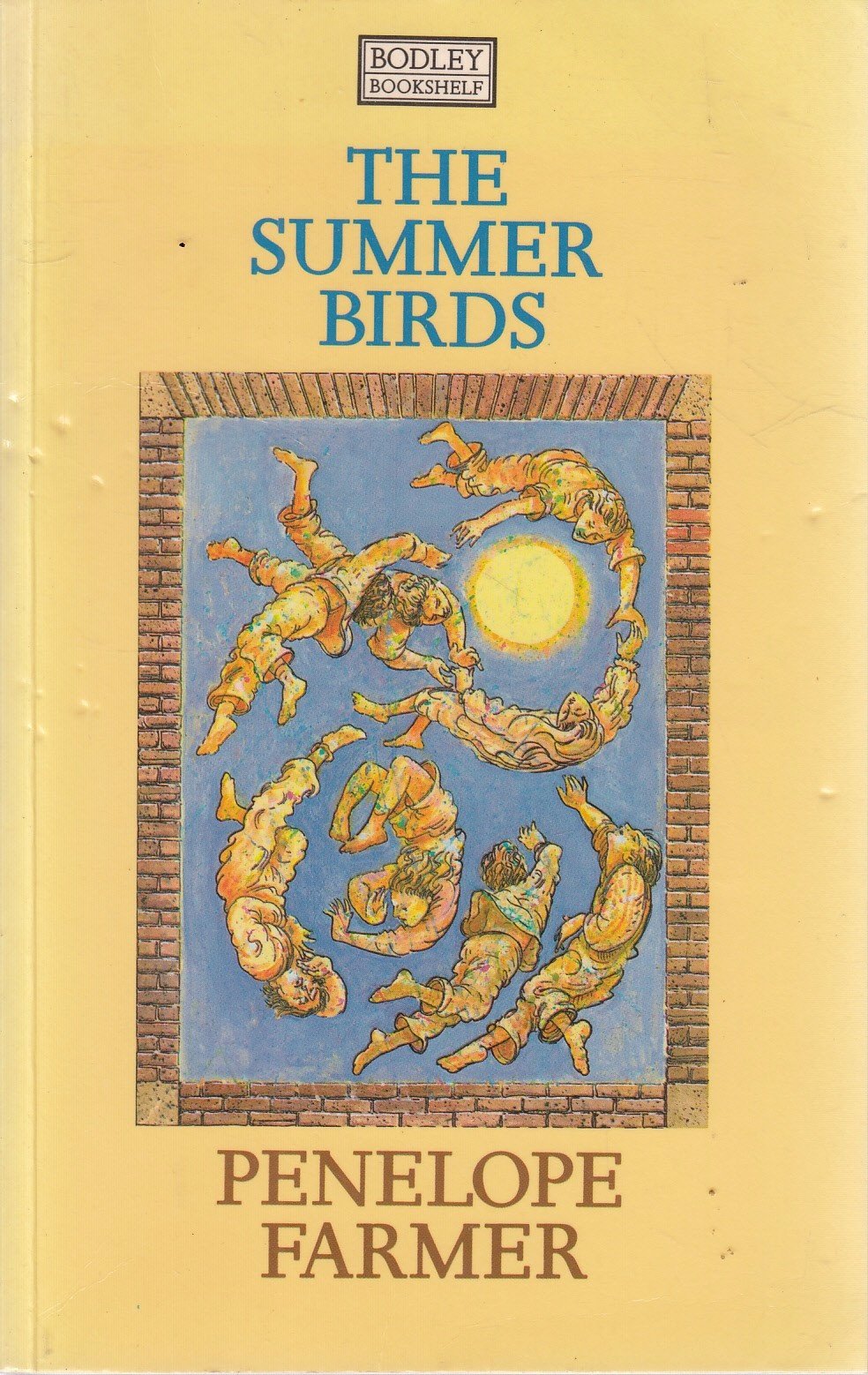
Penelope Farmer's Aviary Hall books follow the Makepeace sisters, Emma and Charlotte, across three novels: The Summer Birds, Emma in Winter, and the best-known Charlotte Sometimes (1969), in which a boarding-school girl swaps places nightly with a counterpart living forty years earlier. The books blend everyday childhood settings with subtle fantasy and time-slip elements.
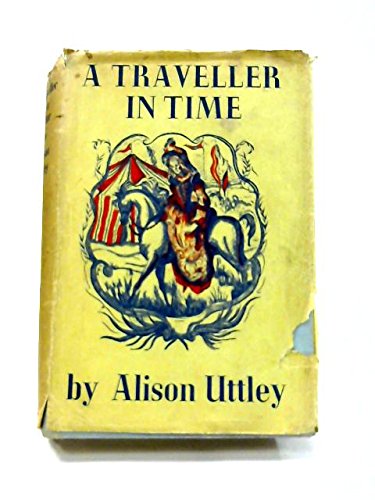
- A Traveller in Time
Alison Uttleystandalone novel1939
similar bybritish islescoming of agefantasytime travelhistorical fantasy+1 more
Timeslip story featuring the historical plot to free Mary Queen of Scots, or to murder, or both? Among more than 100 novels and collections, "Her most famous and successful novel for older children, A Traveller in Time (1939), is a fantasy based again on her rural childhood, concerning a local plot to murder Mary Queen of Scots in 1569 and a girl from the 20th century who uncontrollably Timeslips back 400 years to witness the tragedy." (underscore represents linked cross-reference) --SFE: Encyclopedia of Fantasy, biographical entry by Jo Fletcher "Based on the Babington Plot of Anthony Babington at Dethick, near her family home, this romance mixes dream and historical fact in a story about a 20th-century girl who is transported to the 16th century, becoming involved in a plot to free Mary, Queen of Scots from nearby Wingfield Manor." --Wikipedia, "Alison Uttley"
- Tono-Bungay
H. G. Wellsstandalone novel1909
similar byreflectivebritish islesearly 20th centuryclass conflict
Tono-Bungay is a realist semiautobiographical novel written by H. G. Wells and first published in book form in 1909. It has been called "arguably his most artistic book". It had been serialised before book publication, both in the United States, in The Popular Magazine, beginning in the issue of September 1908, and in Britain, in The English Review, beginning in the magazine's first issue in December 1908.
- Green Knowe
series8 books1954
completed
similar bybritish islesfantasy+4 more
Green Knowe is a series of six children's novels written by Lucy M. Boston, illustrated by her son Peter Boston, and published from 1954 to 1976. It features a very old house, Green Knowe, based on Boston's home at the time, The Manor in Hemingford Grey, Huntingdonshire, England. In the novels she brings to life the people she imagines might have lived there.
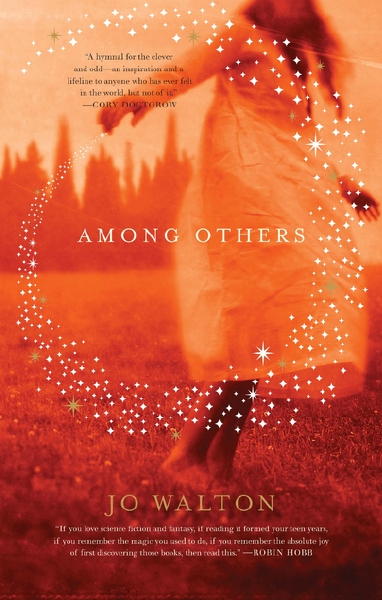
- Among Others
Jo Waltonstandalone novel2011
similar byreflectivebritish islescoming of agefantasy
Among Others is a 2011 fantasy novel written by Welsh-Canadian writer Jo Walton, published originally by Tor Books. It is published in the UK by Corsair. It won the Nebula Award for Best Novel of 2011, the 2012 Hugo Award for Best Novel and the 2012 British Fantasy Award.
- Here Lies Arthur
Philip Reevestandalone novel2007
similar byreflectivebritish islescoming of agehistorical fantasyyoung adult+1 more
Here Lies Arthur is a young-adult novel by Philip Reeve, published by Scholastic in 2007. Set in fifth or sixth century Britain and the Anglo-Saxon invasion, it features a girl who participates in the deliberate construction of legendary King Arthur during the man's lifetime, orchestrated by a bard. Reeve calls it a back-creation: not a genuine historical novel as it is not based on actual specific events; rather it is "back-created" from the legends, giving them a "realistic" origin.
- Dawn of Fear
Susan Cooperstandalone novel1970
similar byreflectiveearly 20th centurycoming of agebritish islesyoung adult
"A study not a story, really, demonstrating--decisively--just what the title says." --Kirkus Reviews 1970-09-01 "Dawn of Fear (1970) is a[n] effective though nonfantastic Young Adult novel set during World War Two." --SFE3
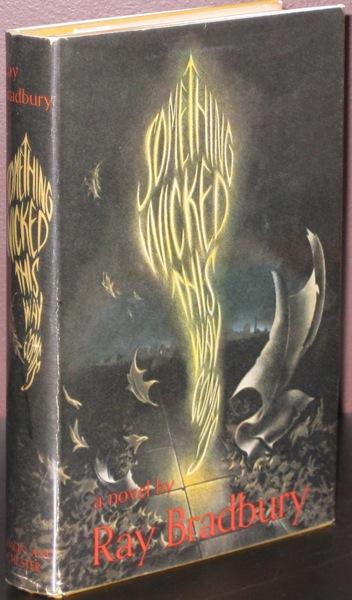
- Green Town
series31 books1946
completed
similar byreflectivecoming of age+2 more
Green Town gathers two of Ray Bradbury's loosely linked novels set in his fictionalized version of his childhood home of Waukegan, Illinois: the dark fantasy Something Wicked This Way Comes (1962), in which a sinister traveling carnival led by the mysterious Mr. Dark descends on a small town and preys on its residents' desires, and the later Farewell Summer (2006), which follows Douglas Spaulding through an autumn stand-off between the town's boys and its elders. Written more than four decades apart, the two novels share Bradbury's recurring setting and nostalgic, myth-making tone rather than a single continuous plot.
- Heaven Eyes
David Almondstandalone novel2000
similar byreflectivebritish islescoming of agefriendshipyoung adult+1 more
Heaven Eyes is a young adult novel by author David Almond. It was published in Great Britain by Hodder Children's Books in 2000 and by Delacorte Press in the United States in 2001. A paperback version was released in 2002 by Dell Laurel Leaf.
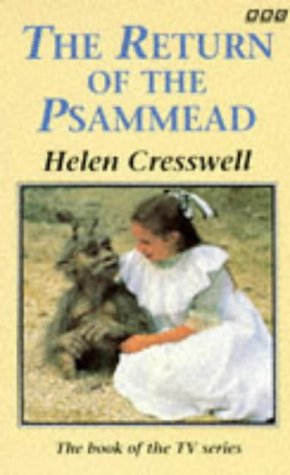
- Five Children Universe
series27 books1902
completed
similar byearly 20th centurybritish islesfantasy+4 more
Two separate modern continuations of E. Nesbit's Psammead stories were written decades apart by different authors: Helen Cresswell's The Return of the Psammead (1992) brings the wish-granting sand fairy back for a new set of children, while Kate Saunders's Five Children on the Western Front (2014) follows the now-grown Lamb and his siblings as the First World War arrives, in a more somber sequel to Nesbit's original trilogy. Neither book is by Nesbit herself, and the two have no direct connection to each other beyond both drawing on her creation. Later writers have kept returning to Nesbit's premise long after her own trilogy ended.
- The Hampdenshire Wonder
J. D. Beresfordstandalone novel1911
similar byreflectivebritish islesearly 20th century+1 more
The Hampdenshire Wonder is a science fiction novel by J. D. Beresford, first published 1911. It is one of the first novels to involve a wunderkind. The child, Victor Stott, is the son of a famous cricket player. This origin is perhaps a reference to H. G. Wells's father Joseph Wells, a cricketer. The novel concerns his progress from infant to almost preternaturally clever child. Victor Stott is deformed subtly to allow for his powerful brain. A prominent, and unpleasant, character is the local minister. As Beresford's father was a minister, and Beresford was himself partially disabled, some see autobiographical aspects to the story. However this is unproven.
- Bog Child
Siobhan Dowdstandalone novel2008
similar byreflectivebritish islescoming of agefantasyyoung adult
Young-adult fantasy novel set in 1981 Ireland. Fergus, already worried about his brother in prison, finds an ancient child's body preserved in a peat bog and dreams of her death.
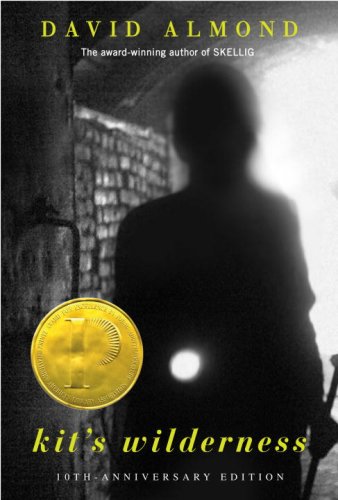
- Kit's Wilderness
David Almondstandalone novel1999
similar byreflectivebritish islescoming of agefriendshipmiddle grade+1 more
Kit's Wilderness is a children's novel by David Almond, published by Hodder Children's Books in 1999. It is set in a fictional English town in the northeast of the country and is based on the former coal-mining towns the author knew as a child growing up in Tyne and Wear. It was silver runner-up for the Smarties Prize in the 9-11 ages category, highly commended for the Carnegie Medal, and shortlisted for the Guardian Children's Fiction Prize.
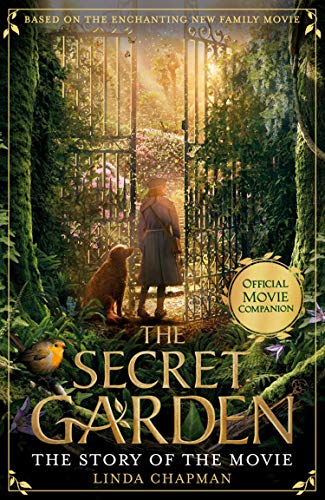
- The Secret Garden: The Cinematic Novel
Linda Chapmanstandalone novel2020
similar bybritish islesearly 20th centurycoming of agefriendship+2 more
A ten-year-old orphan comes to live in a lonely house on the Yorkshire moors where she discovers an invalid cousin and the mysteries of a locked garden.
- The White People
Frances Hodgson Burnettstandalone novel1917
similar bybritish islesearly 20th centurycoming of agefantasy+1 more
Set in the Muircarrie Castle in a remote misty region of Scotland, this story is about a young little girl who has the ability to see the ghosts of people who have passed, who she calls "the white people".
- The Haunted Woman
David Lindsaystandalone novel1922
similar byearly 20th centurybritish islesfantasy+1 more
The Haunted Woman is a dark, metaphysical fantasy novel by British writer David Lindsay. It was first published, somewhat cut, as a serial in The Daily News in 1921. It was first published in book form by Methuen & Co. Ltd., London, in 1922. The work supposedly marked Lindsay's attempt to write a more "commercial" novel after the initial failure of his first work, A Voyage to Arcturus (1920), though he began it before that work was published. It was reissued by Gollancz in 1947. It was republished by the Newcastle Publishing Company as the fourth volume of the Newcastle Forgotten Fantasy Library in March, 1975; the Newcastle edition was the first American edition. Later editions were issued by Borgo Press (1980), Canongate Books (1987), Wildside Press (2003), and Tartarus Press (2004).
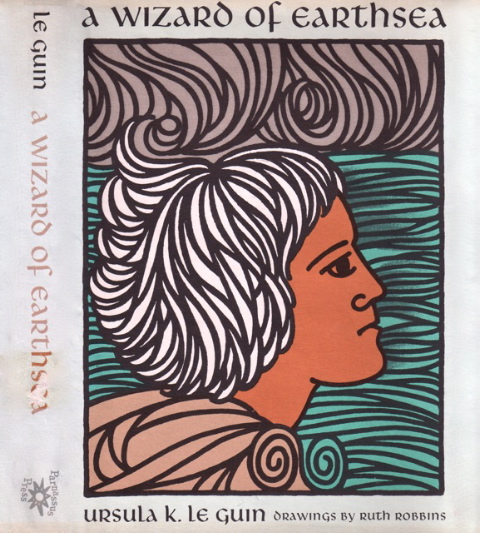
- Earthsea Cycle
series18 books1964
completed
part of Earthsea
similar byreflectivefantasy+2 more
The Earthsea Cycle, also known as Earthsea, is a series of high fantasy books written by American author Ursula K. Le Guin. Beginning with A Wizard of Earthsea (1968), The Tombs of Atuan (1970), and The Farthest Shore (1972), the series was continued in Tehanu (1990), and Tales from Earthsea and The Other Wind. In 2018, all the novels and short stories were published in a single volume, The Books of Earthsea: The Complete Illustrated Edition, with artwork by Charles Vess.
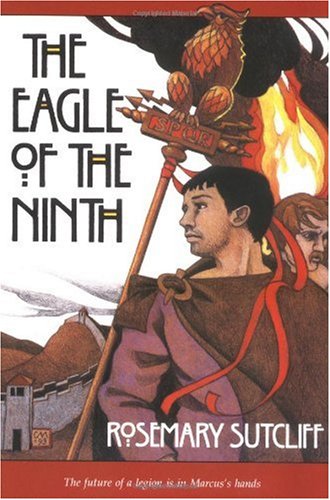
- Marcus
series4 books1954
completed
similar bybritish isles+6 more
Rosemary Sutcliff's linked Roman Britain novels follow several generations of one family across centuries of the Roman occupation and its aftermath, opening with The Eagle of the Ninth, in which the young centurion Marcus Aquila sets out to recover his lost father's legion standard. Later books, including The Silver Branch and The Lantern Bearers, follow his descendants through Britain's slow slide out of the Empire.
- The House in Norham Gardens
Penelope Livelystandalone novel1974
similar byreflectivebritish islestime travelfantasyhistorical fantasy
"Another of Penelope Lively's tasteful stories of possession -- of time travel which encourages the elision of past and present as well as comparison-contrasts of different civilizations. Clare Mayfield, fourteen, lives with her great-aunts in a gothic-Victorian house ..." In the attic she discovers a shield that her great grandfather "brought back from New Guinea" ... --KirkusReviews.com, contemporary to publication of the 1st US ed. (positive)
- Midnight Is a Place
Joan Aikenstandalone novel1974
similar byreflectivecoming of agebritish isles+1 more
In northern England in 1842, fourteen-year-old Lucas leads a lonely, monotonous existence in the house of his unpleasant guardian until the unexpected arrival of an unusual little girl presages a series of events that completely change his life.
- Thursday's Child
Sonya Hartnettstandalone novel2000
similar byearly 20th centurycoming of ageclass conflictyoung adult+1 more
Thursday's Child is young adult novel by the Australian writer Sonya Hartnett, published in 2000 by Penguin Books. Set during the 1930s Great Depression in Australia, it features a young woman Harper Flute and her family, who live in poverty. It won the annual Aurealis Award for best young-adult novel.
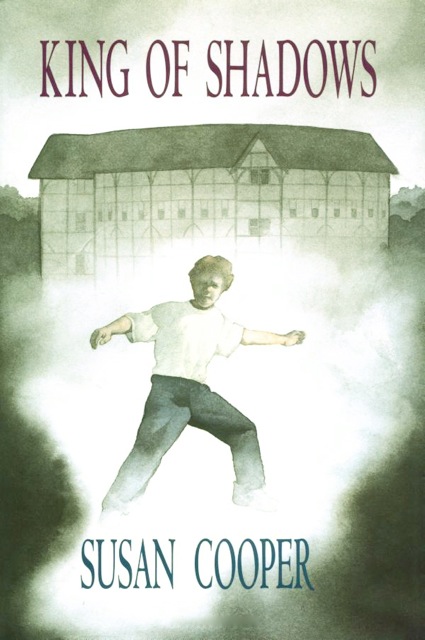
- King of Shadows
Susan Cooperstandalone novel1999
similar byreflectivebritish islescoming of agetime travel
King of Shadows is a children's historical novel by Susan Cooper published in 1999 by Penguin In the United Kingdom. It was a finalist for both the Carnegie Medal and the Guardian Children's Fiction Prize.