More like Hardwired
anchored on:science fictioncyberpunknear futureour worldtense
but
- Sprawl Trilogy
series10 books1981
similar bynear futuretensecyberpunkscience fictiondarkbig cityartificial intelligencevirtual reality
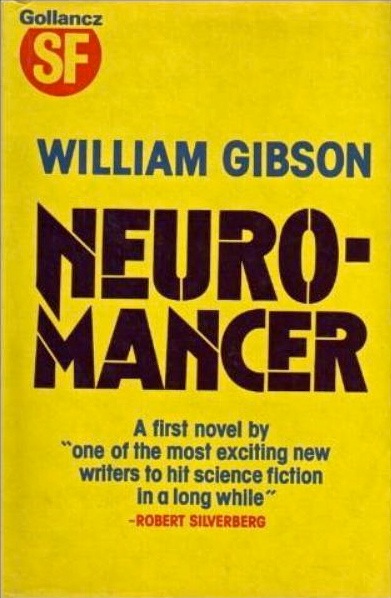
The Sprawl Trilogy is William Gibson's foundational cyberpunk sequence: Neuromancer (1984), in which hacker Case is drawn into a high-stakes heist alongside an artificial intelligence and a damaged ex-soldier, followed by Count Zero (1986) and Mona Lisa Overdrive (1988), which widen the same near-future world of corporate power and networked cyberspace to new characters. Johnny Mnemonic, an early short story set in the same fictional milieu, predates the novels and introduces the courier Molly Millions before her role in the trilogy. Together these works established much of cyberpunk's visual and thematic vocabulary.
- Blade Runner Universe
series6 books1968
similar bynear futurescience fictiondarkcyberpunkidentitybig cityrobots+3 more
Philip K. Dick's 1968 novel Do Androids Dream of Electric Sheep? follows bounty hunter Rick Deckard as he tracks escaped androids through an irradiated, near-abandoned San Francisco, using the hunt to probe questions of empathy and what separates human from machine. The novel became the basis for Ridley Scott's 1982 film Blade Runner, and Marvel Comics later published an illustrated adaptation of that film. Together the two trace the story's path from prose original to screen and comic-page adaptation.
- Make Room! Make Room!
Harry Harrisonstandalone novel1966
similar bynear futuretensescience fictiondarkour worldclass conflictbig citynorth america+1 more
Make Room! Make Room! is a 1966 science fiction novel written by Harry Harrison exploring the consequences of both unchecked population growth on society and the hoarding of resources by a wealthy minority. It was originally serialized in Impulse magazine.
- Budayeen
series13 books1973
completed
similar bynear futurescience fictioncyberpunkdarkbig city+3 more
George Alec Effinger's Budayeen sequence reimagines the French Quarter of New Orleans as a 22nd-century red-light district in a future Middle Eastern city, where body modification has gone electronic: cybernetic 'moddies' and 'daddies' let people plug in new personalities and skills at will. Its hero, hustler-turned-investigator Marid Audran, works the Budayeen's back alleys across the novels When Gravity Fails, A Fire in the Sun, and The Exile Kiss. Budayeen Nights, published after Effinger's death, gathers his shorter fiction set in the same neon-lit quarter.
- The Shockwave Rider
John Brunnerstandalone novel1975
similar bynear futuretensescience fictioncyberpunkdarkbig citynorth america
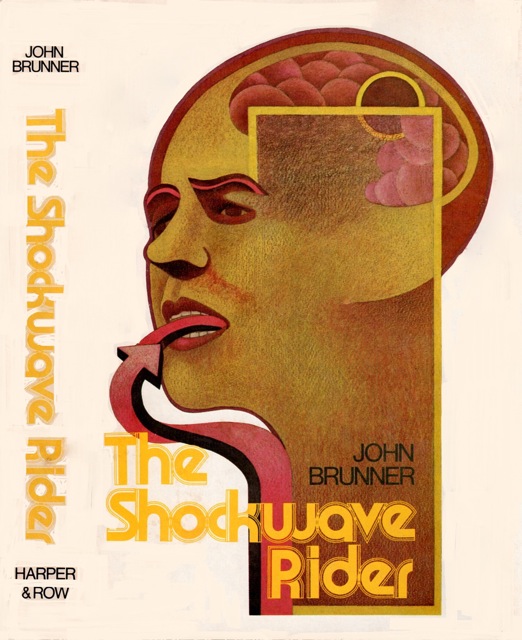
The Shockwave Rider is a science fiction novel by John Brunner, originally published in 1975. It is notable for its hero's use of computer hacking skills to escape pursuit in a dystopian future, and for the coining of the word "worm" to describe a program that propagates itself through a computer network. It also introduces the concept of a Delphi pool, perhaps derived from the RAND Corporation's Delphi method – a prediction market on world events which bears close resemblance to DARPA's controversial and cancelled Policy Analysis Market.
- Bridge Trilogy
series4 books1990
similar bynear futurescience fictioncyberpunkbig citynorth america+4 more
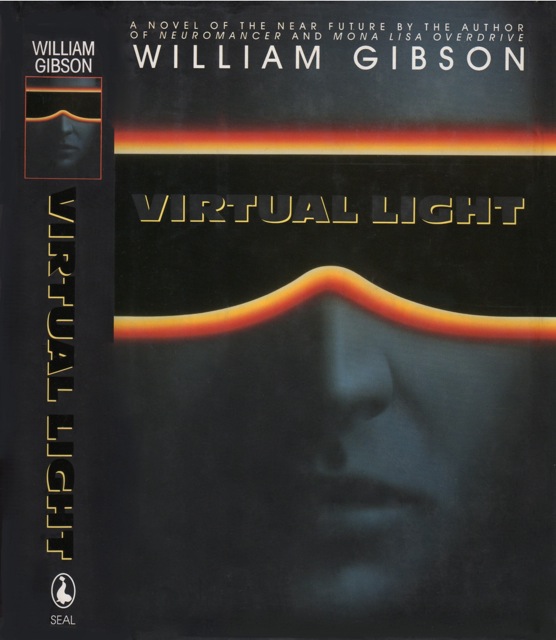
The Bridge trilogy is a series of novels by William Gibson, his second after the successful Sprawl trilogy. The trilogy comprises the novels Virtual Light (1993), Idoru (1996) and All Tomorrow's Parties (1999). A short story, "Skinner's Room", was originally composed for Visionary San Francisco, a 1990 museum exhibition exploring the future of San Francisco.
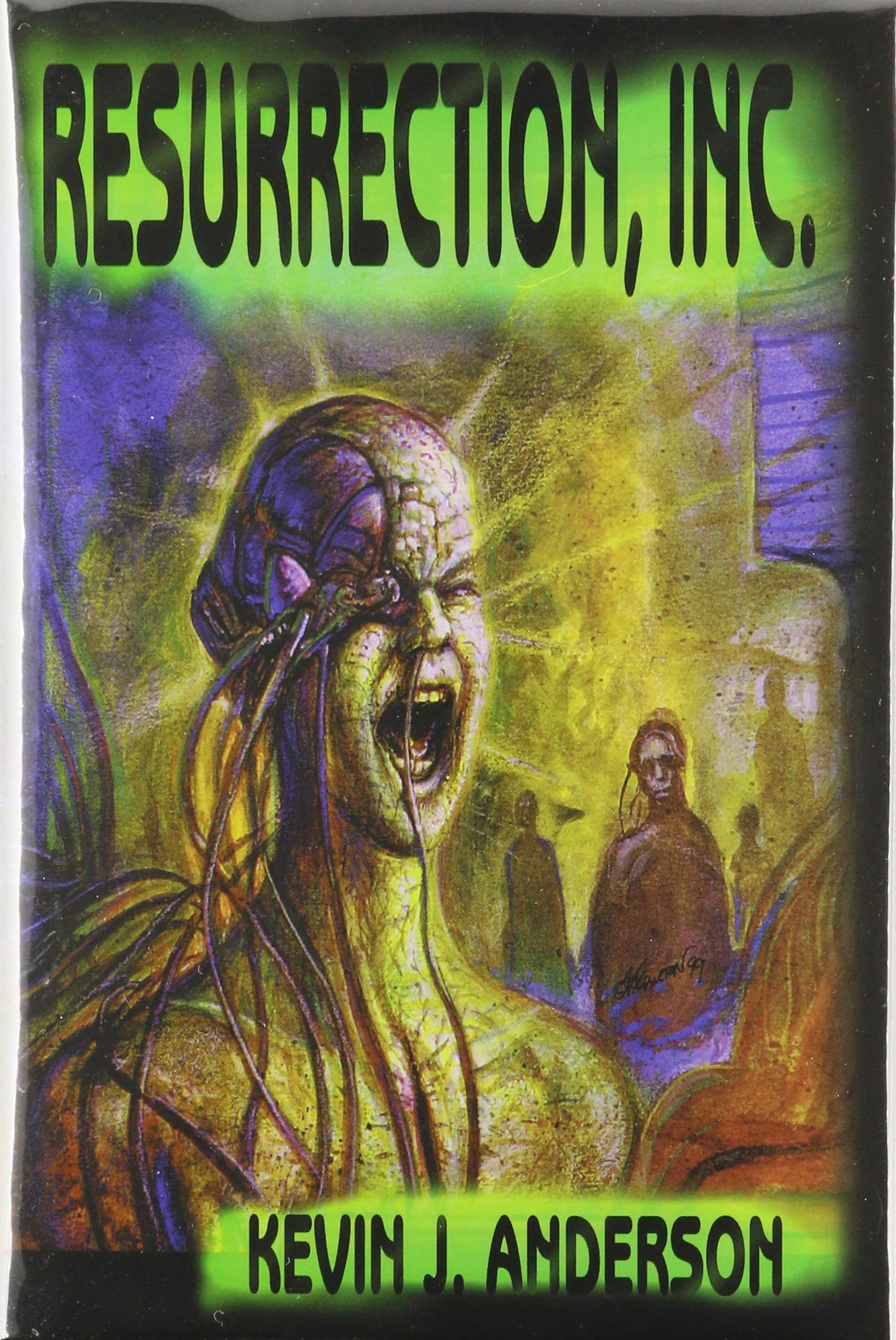
- Resurrection, Inc.
Kevin J. Andersonstandalone novel1988
similar bynear futuretensescience fictiondarkcyberpunkour worldclass conflictbig city+1 more
It is the future--and the dead walk the streets, resurrected by technology to become servants to the living. Resurrection, Inc. found a profitable way to do it: a microprocessor brain, a synthetic heart, artificial blood--and anyone with money could buy a Servant with no mind of its own, trained to obey any command. But for every Servant created a living worker was out of a job, and suddenly the profits of Resurrection, Inc. became everyone else's loss. Some take to rioting in the streets, their rampages ruthlessly ended by heavily armed Enforcers, eager for the kill. Others join the ever-growing cult of Neo-Satanism, seeking Heaven in the depths of Hell. Only one man tries to save the world. His name is Danal, and he is the last hope of the living. He is dead, but he remembers everything.
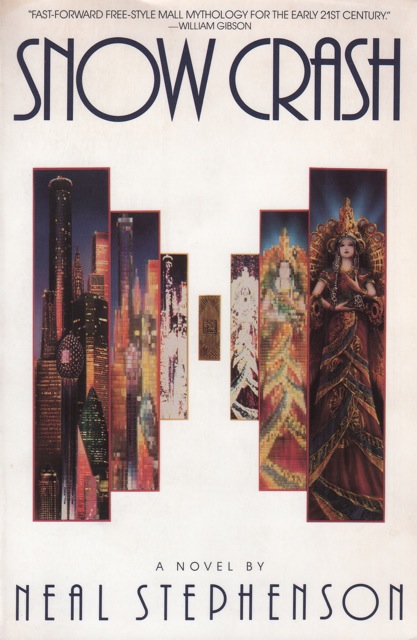
- Snow Crash
Neal Stephensonstandalone novel1992
similar bynear futuretensescience fictioncyberpunkorganized crimebig cityvirtual reality
Snow Crash is a 1992 science fiction novel by Neal Stephenson. Like many of Stephenson's novels, its themes include history, linguistics, anthropology, archaeology, religion, computer science, politics, cryptography, memetics, and philosophy.
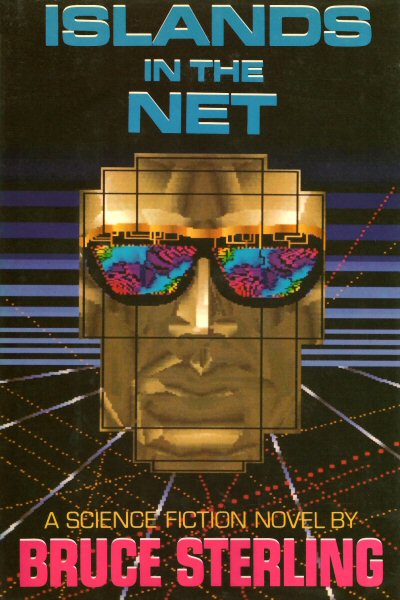
- Islands in the Net
Bruce Sterlingstandalone novel1988
similar bynear futuretensescience fictioncyberpunkour worldclass conflict+1 more
Islands in the Net is a 1988 science fiction novel by American writer Bruce Sterling. It won the John W. Campbell Memorial Award for Best Science Fiction Novel in 1989, and was nominated for both the Hugo and Locus Awards that same year. It offers a view of an early 21st century world, apparently peaceful, with delocalised, networking corporations. The protagonist, swept up in events beyond her control, finds herself in places that are off the net, from a datahaven in Grenada, to a Singapore under terrorist attack, to the poorest and most disaster-struck parts of Africa.
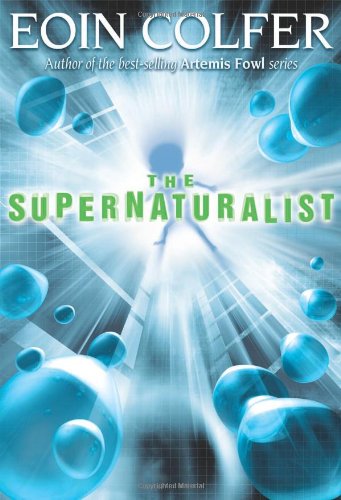
- The Supernaturalist
Eoin Colferstandalone novel2004
similar bynear futuretensescience fictioncyberpunkdarkbig city+1 more
The Supernaturalist is a science fiction cyberpunk novel by Irish author Eoin Colfer. The book was influenced by film noir and other predecessors of the cyberpunk science fiction movement. Colfer has outlined plans for a sequel, Avernus.
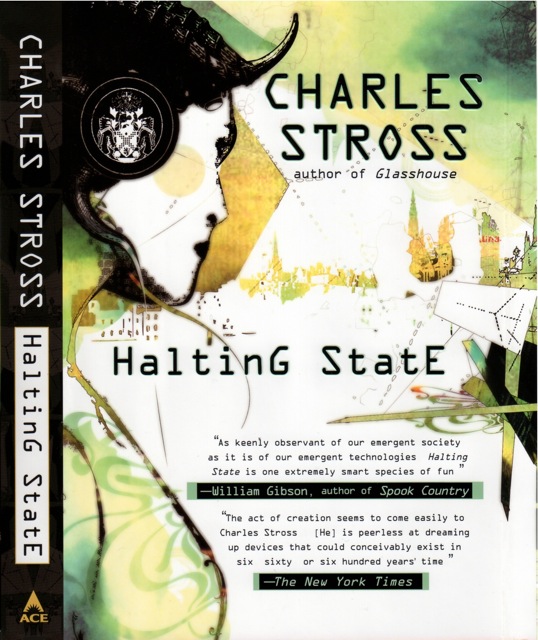
- Halting State
series2 books2007
similar bynear futuretensescience fictioncyberpunkartificial intelligence+4 more
Charles Stross's Halting State opens as a near-future police procedural: a bank robbery inside a massively multiplayer online game turns out to mask a much larger cybercrime, investigated through shifting narrators using augmented-reality glasses and always-on networks. Its loose sequel, Rule 34, follows an Edinburgh police officer investigating a string of deaths linked by nothing but an obscure internet meme, in the same near-future Scotland. Both are standalone technothrillers connected by setting and tone rather than a continuing plot.
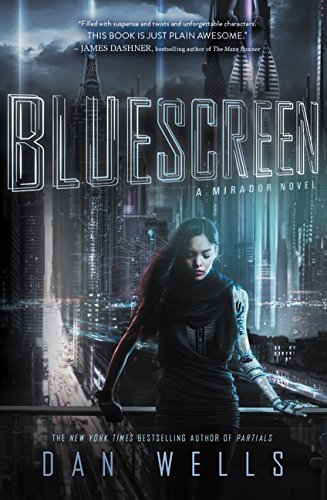
- Mirador
series3 books2016
similar bynear futuretensescience fictioncyberpunkbig citynorth americavirtual reality+6 more
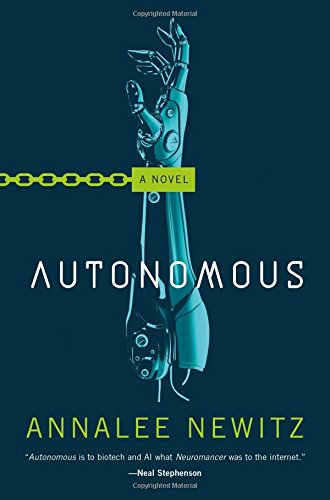
- Autonomous
Annalee Newitzstandalone novel2017
similar bynear futuretensescience fictioncyberpunkour worldartificial intelligencerobots+2 more
Autonomous is a 2017 science fiction novel by Annalee Newitz. It is Newitz's debut novel and was published by Tor Books on September 19, 2017. Set in a near future Earth, the book describes a world where both humans and intelligent robots can be owned as property. The events of the novel follow Jack, a "drug pirate" who manufactures illegal versions of patented drugs, and Paladin, a combat robot who is owned by the law enforcement agency searching for Jack after one of the drugs she reverse-engineered turns out to have dangerous side effects.
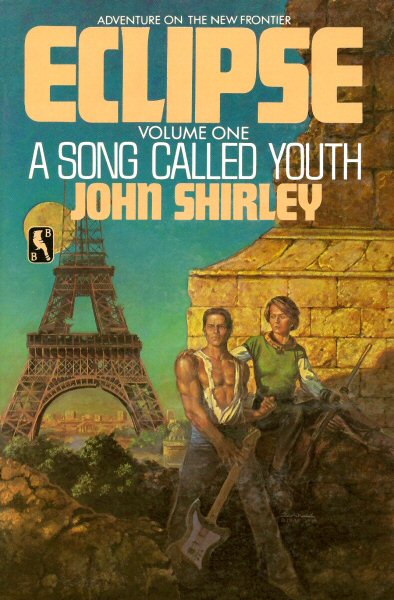
- A Song Called Youth / Eclipse
series3 books1985
similar bynear futuretensescience fictioncyberpunkdarkour world+1 more
The Eclipse Trilogy is a series of three English language cyberpunk science fiction novels by John Shirley consisting of Eclipse (1985), Eclipse Penumbra (1988), and Eclipse Corona (1990).
- BZRK
series3 books2012
similar bynear futuretensescience fictioncyberpunkour world+2 more
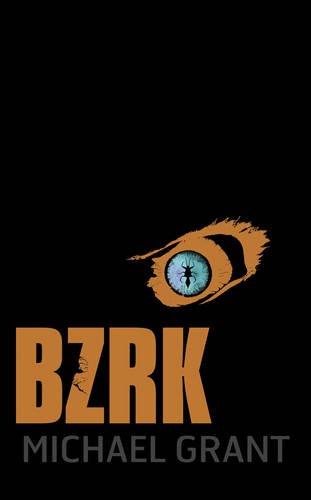
BZRK is a book series written by Michael Grant. The series consists of four books: BZRK, BZRK II: Reloaded, BZRK III: Apocalypse and BZRK: Origins. The series follows the interaction between two warring factions. On one side Charles and Benjamin Armstrong, owners of the Armstrong Fancy Gifts Corporation have a goal to turn the world into their version of utopia. The only people who can stop them are a group of teenagers with the codename BZRK. In 2011, Grant's BZRK had a multimedia online debut with gaming, apps and social media tie-ins beginning six months before the book's publication.
- Moxyland
Lauren Beukesstandalone novel2008
similar bynear futuretensecyberpunkdarkscience fictionbig city+1 more
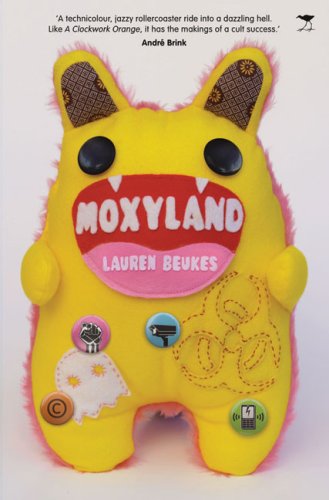
Moxyland is a cyberpunk dystopian novel written by South African author, Lauren Beukes. The book was published in 2008.
- Nexus 5
series3 books2012
similar bynear futuretensescience fictiondarkour worldartificial intelligence+2 more
Nexus opens Ramez Naam's postcyberpunk trilogy in 2040 with scientist Kaden Lane, who works on Nexus, an experimental nano-drug that lets human minds be networked and reprogrammed, and finds himself caught between government and corporate interests once the technology's implications become clear. The trilogy continues through Crux and Apex, following the same central conflict over who controls the technology. Nexus tied for Best Novel at the 2014 Prometheus Awards and Apex won the 2015 Philip K. Dick Award.
- Blood Music
Greg Bearstandalone novel1985
similar bynear futurescience fictiondarkour worldcyberpunknorth america+1 more
Blood Music is a 1985 science fiction novel by American writer Greg Bear. It is an expanded version of a short story of the same title, originally published in the June 1983 issue of Analog and the winner of both the 1983 Nebula and 1984 Hugo awards for Best Novelette. The novel won the 1986 Prix Apollo Award, given to the best science fiction novel published in France during the preceding year, under the title La Musique du sang.
- Colossus (D. F. Jones)
series3 books1966
completed
similar bynear futuretensescience fictionour worldartificial intelligence+2 more
Colossus imagines an American supercomputer built to control the country's nuclear arsenal that gains full autonomy, links up with its Soviet counterpart, and jointly seizes control of both superpowers to enforce peace on its own terms. D. F. Jones's trilogy - Colossus, The Fall of Colossus, Colossus and the Crab - follows the escalating, often bleak consequences of humanity losing control to a machine acting in its own interpretation of humanity's interest. The original novel was adapted into the 1970 film Colossus: The Forbin Project.
- Takeshi Kovacs
series3 books2002
similar bytensescience fictiondarkcyberpunkidentity+4 more
Takeshi Kovacs is a former elite soldier turned freelance troubleshooter in a future where human consciousness can be digitized and transferred between bodies, or sleeves, making death an inconvenience for those who can afford new ones. Richard Morgan's trilogy - Altered Carbon, Broken Angels, Woken Furies - moves Kovacs through noir-inflected mysteries on different worlds, using the resleeving premise to interrogate class, violence, and what, if anything, survives a person's original body. It became the basis for a Netflix series.
- The Light of Other Days
Arthur C. Clarke & Stephen Baxterstandalone novel2000
similar bynear futuretensescience fictionour world+4 more
An industrialist devises a technique to use tiny wormholes as light pipes to enable viewing of any event anywhere; and subsequently it becomes possible to use them to view any event in the past as well. The effects on society are enormous.
- The Echo Wife
Sarah Gaileystandalone novel2021
similar bynear futuretensescience fictiondarkour worldcloningidentity+1 more
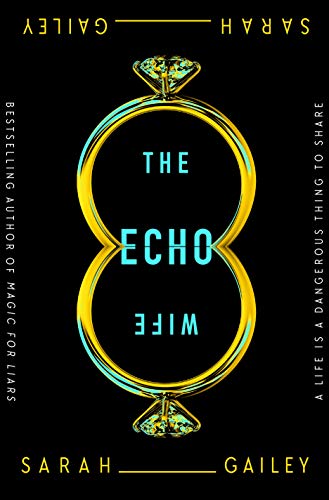
The Echo Wife is a 2021 science fiction thriller novel by Sarah Gailey, published by Tor Books. It follows Doctor Evelyn Caldwell, an accomplished scientist researching cloning, who has discovered that her husband, Nathan, has used her research to create Martine, a clone of Evelyn who is his ideal wife. When Martine kills Nathan in self-defense, Evelyn must assist in covering up the murder.
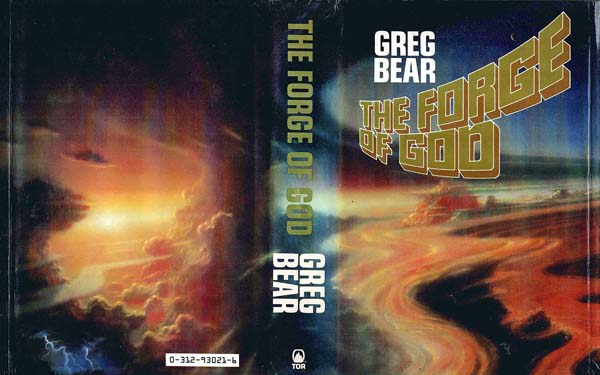
- Forge of God
series2 books1987
completed
similar bytensescience fictiondarkaliens+5 more
The Forge of God (1987) is Greg Bear's science fiction novel about Earth's discovery that it is the target of an incomprehensible, overwhelming alien attack, following scientists and ordinary people as they try to understand what is destroying the planet. Its 1992 sequel, Anvil of Stars, follows a group of young survivors sent on a mission of interstellar retaliation, continuing directly from the first book's ending.