More like Harrison Squared
anchored on:horror
but
- Dracula
universe144 books1897
Start hereDracula · Start here
similar byhorror
"Come freely. Go safely. And leave something of the happiness you bring" — so the Count greets his guest at the threshold of the Carpathians, and the great door shuts behind. Bram Stoker's Dracula (1897) is the wellspring of the modern vampire: the account of a centuries-old Transylvanian nobleman who quits his crumbling castle for the crowded lodging-houses of London, and the handful of ordinary people — a young solicitor, a doctor of the mad, a professor of stranger learning — who must piece together what he is before he makes the whole city his fold. It is told wholly in fragments: journal entries, letters, telegrams, ships' logs, phonograph cylinders, each hand recording only its own sliver of the dark. Around that single novel a whole crypt of continuations has grown, raised by many writers across a century. Fred Saberhagen's Dracula Sequence hands the Count the microphone, retelling the old events from his own wry, aggrieved lips and following him into later intrigues. Robert Lory's brisk 1970s Dracula Horror Series revives him as a reluctant weapon turned against fouler things; Peter Tremayne's trilogy reaches back along his bloodline; and further sequels, a Quincey Morris spin-off, and Dracula's Children carry the shadow onward. This is a loose shared world built upon a public-domain figure, not one governed continuity — each author remakes him as villain, antihero, or sympathetic narrator. Begin, always, with Stoker's original; the letters and the mounting dread stand entirely on their own. From there follow whichever door tempts you — Saberhagen's The Dracula Tape for the monster's own confession, Lory or Tremayne for tales that never glance back at the Borgo Pass again.
- Jerusalem's Lot
series3 books1975
similar byhorrorcontemporaryeerieour worldsmall town
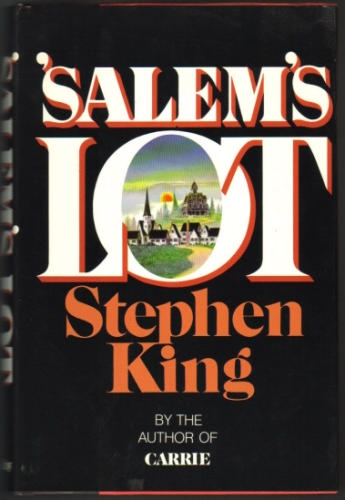
Stephen King's 1975 novel 'Salem's Lot follows writer Ben Mears as he returns to his childhood town of Jerusalem's Lot, Maine, only to discover that its residents are being turned into vampires by a newly arrived stranger. It transplants Gothic vampire horror into a small New England community, tracking that community's collapse under a supernatural siege. It is a single, self-contained novel.
- Blue Rose (Peter Straub)
series9 books1985
completed
similar byhorror+3 more
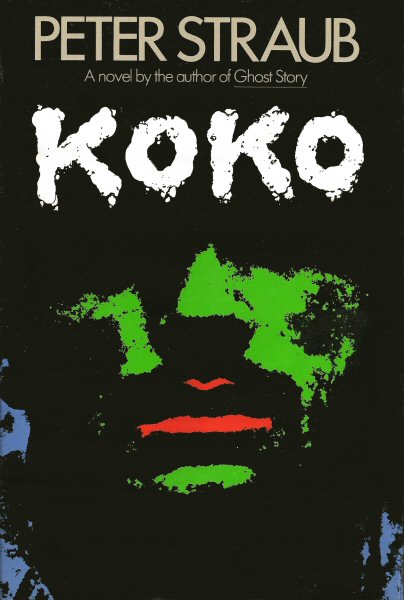
The Blue Rose novels are only loosely a series: Peter Straub's Koko, Mystery, and The Throat are separate suspense novels connected by recurring characters, a shared Midwestern town, and the shadow of a Vietnam-era program called Blue Rose that haunts several of the men at their centers. Koko follows a group of Vietnam veterans hunting a former comrade turned serial killer decades after the war. The 1985 novella Blue Rose and later story collections explore the same program's darker origins.
- The Shining
series5 books1977
similar byhorrorcontemporary+1 more
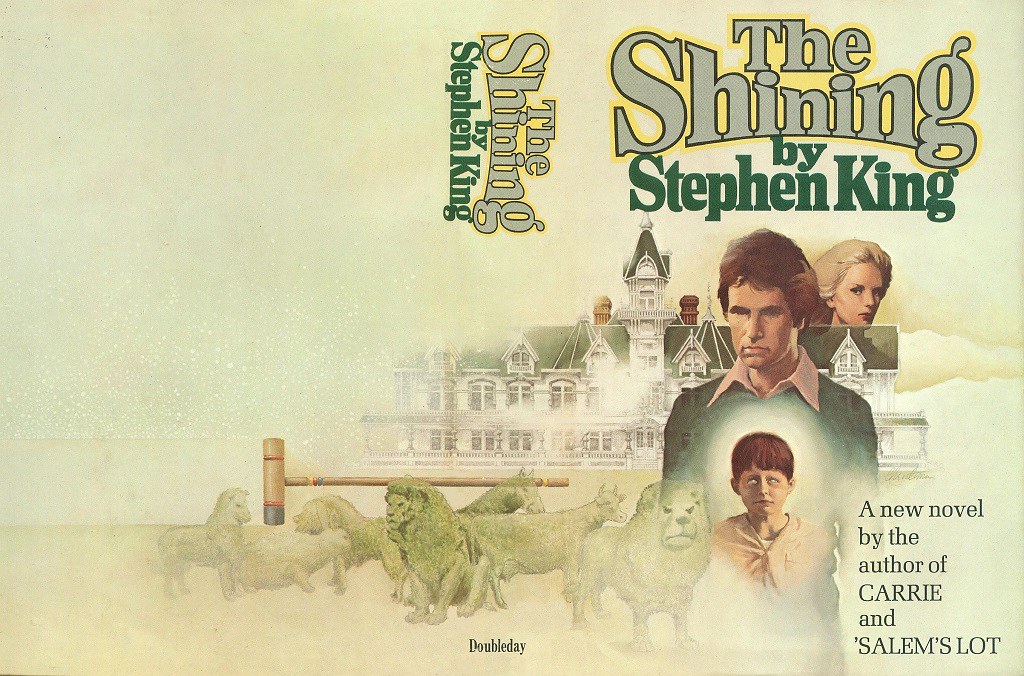
Stephen King's 1977 novel The Shining follows the Torrance family as winter caretakers of the isolated, malevolent Overlook Hotel, where father Jack is gradually consumed by the hotel's influence while his young son Danny's psychic "shining" draws its attention. Doctor Sleep (2013) picks up the story decades later, following Danny as an adult still marked by that childhood ordeal. Together the two form a horror duology spanning nearly forty years of real-world publication.
- Stephen King multiverse
universe46 books1967
Start hereThe Gunslinger · Start here
similar by+2 more
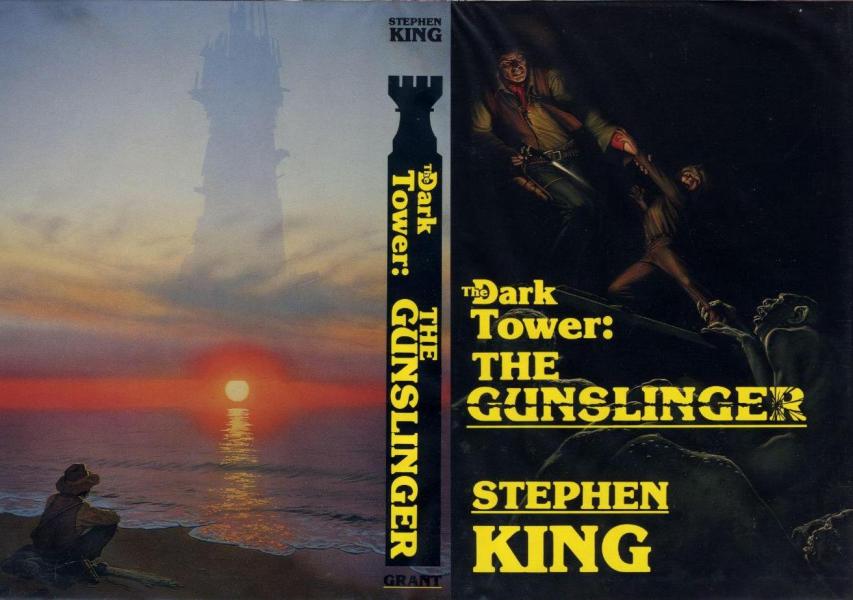
The man in black fled across the desert, and the gunslinger followed. So begins the long walk of Roland Deschain, last of an order of knight-errant pistoleers, across a land that has "moved on" — where the compass points drift, dead machines rot toward sentience, and the weave of what's real wears thin. His quest is the Dark Tower itself: a spire standing at the hub of every world that exists, the linchpin that holds all of them back from ruin. Roland's road runs eight volumes, from The Gunslinger through the closing Dark Tower, with the later, interleaved tale The Wind Through the Keyhole folding a story-within-a-story back into his youth. Along the way he draws a ka-tet — a fellowship bound by fate, not choosing — through doorways between worlds: a heroin-shackled New Yorker, a woman of two minds, a boy who dies twice. The Tower is also the secret axle around which the wider shelf of King's work turns; threads from The Stand, 'Salem's Lot and beyond wind quietly toward it. Expect a mongrel of Western, high fantasy, horror and decayed science fiction, told in a dusty, incantatory dialect all its own — ka, thankee-sai, the world that has moved on. This is King at his most mythic and most personal, a decades-spanning circle that rewards a patient reader. Begin at the beginning: The Gunslinger, then walk forward in publication order. There are other worlds than these — but this door opens first.
- John and Dave
series4 books2007
similar byhorrorcontemporarycosmic horror+3 more
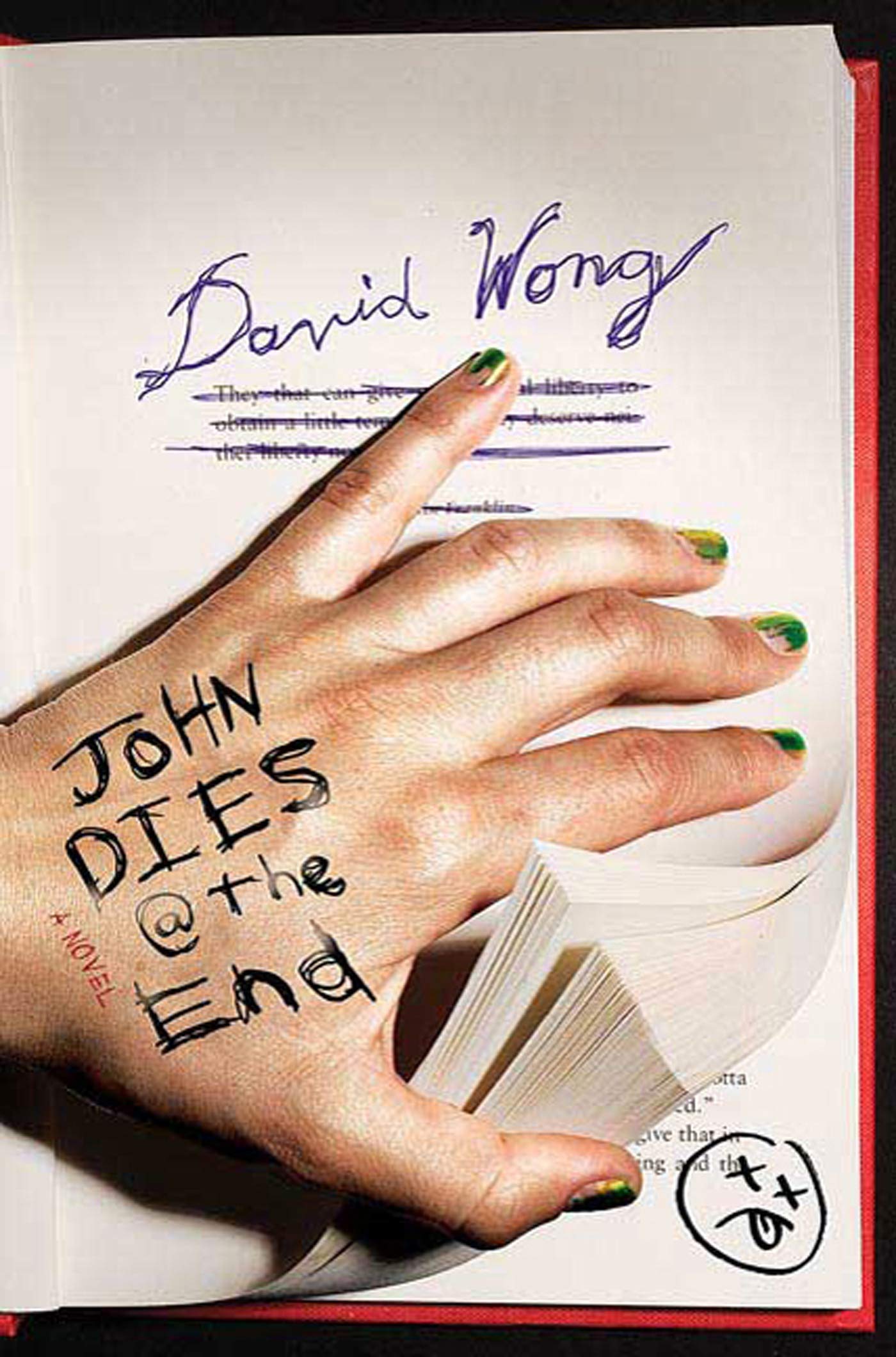
Jason Pargin, writing as David Wong, began the John Dies at the End series as a free horror-comedy webserial in 2001 before print publication turned it into a franchise. The Lovecraftian adventures of narrator John and his friend Dave continue across This Book Is Full of Spiders, What the Hell Did I Just Read, and If This Book Exists, You're in the Wrong Universe, and the original novel was adapted into a 2012 film.
- Castle Rock
series16 books1978
similar byhorrorcontemporarysmall town+1 more
Castle Rock is the fictional Maine town that links a cluster of otherwise separate Stephen King novels and novellas, including The Dead Zone, Cujo, The Dark Half, Needful Things, and Elevation. Rather than telling one continuous story, the books share a setting and occasional recurring figures, such as Sheriff Alan Pangborn, while each follows its own self-contained plot and cast. Any title can be read on its own without needing the others.
- Pet Sematary
Stephen Kingstandalone novel1983
similar byhorrorcontemporaryeeriesmall town
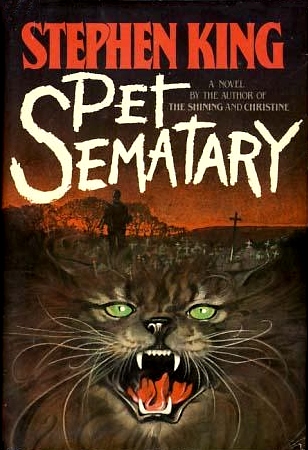
Pet Sematary is a 1983 horror novel by American writer Stephen King. It tells the story of a family moving to Maine and settling closer to a pet cemetery in the woods, which is home to a terrifying force that brings death and sorrow. The novel was nominated for a World Fantasy Award for Best Novel in 1984, and adapted into two films: one in 1989 and another in 2019 as well as several spinoffs.
- The Hungry Moon
Ramsey Campbellstandalone novel1986
similar byhorrorcontemporaryeerieour worldsmall towncosmic horror
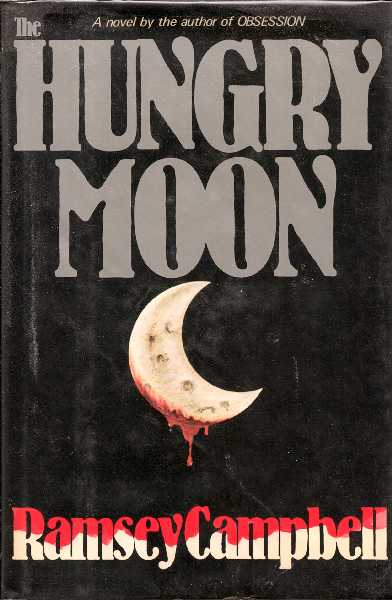
The Hungry Moon is a novel by Ramsey Campbell published in 1986.
- Anthony Monday
series4 books1978
completed
similar byhorroreerie+4 more
Anthony Monday is a fictional 14-year-old American boy featured in a series of four children's gothic horror novels by John Bellairs that were published from 1978 to 1992. Anthony and his friends generally overcome evil forces bent on ending the world. Alternatively, Anthony Monday is the book series, as in ISFDB. Brad Strickland, who has completed Bellairs' works posthumously and written new novels based on his characters, has noted that Anthony Monday was disliked by those in charge of publishing and any book ideas with Anthony as the character were rejected. This is why there has not been an Anthony Monday book since John Bellairs died.
- The Ghost of Graylock
Dan Poblockistandalone novel2012
similar byhorrorcontemporaryeeriemysteriousour worldsmall town
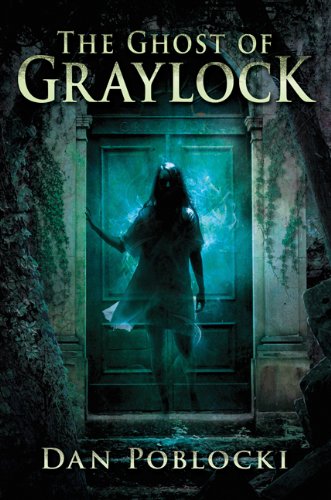
Staying with their aunts over the summer, Neil Cady, his sister Bree, and their new friends Wesley and Eric, set out to explore Greylock Hall, an abandoned psychiatric hospital which is supposed to be haunted by the ghost of Nurse Janet. Staying with their aunts over the summer, Neil Cady, his sister, Bree, and their new friends Wesley and Eric set out to explore Graylock Hall, an abandoned psychiatric hospital which is rumored to be haunted by the ghost of Nurse Janet.
- Rosemary Reilly
series2 books1967
completed
similar byhorror+3 more
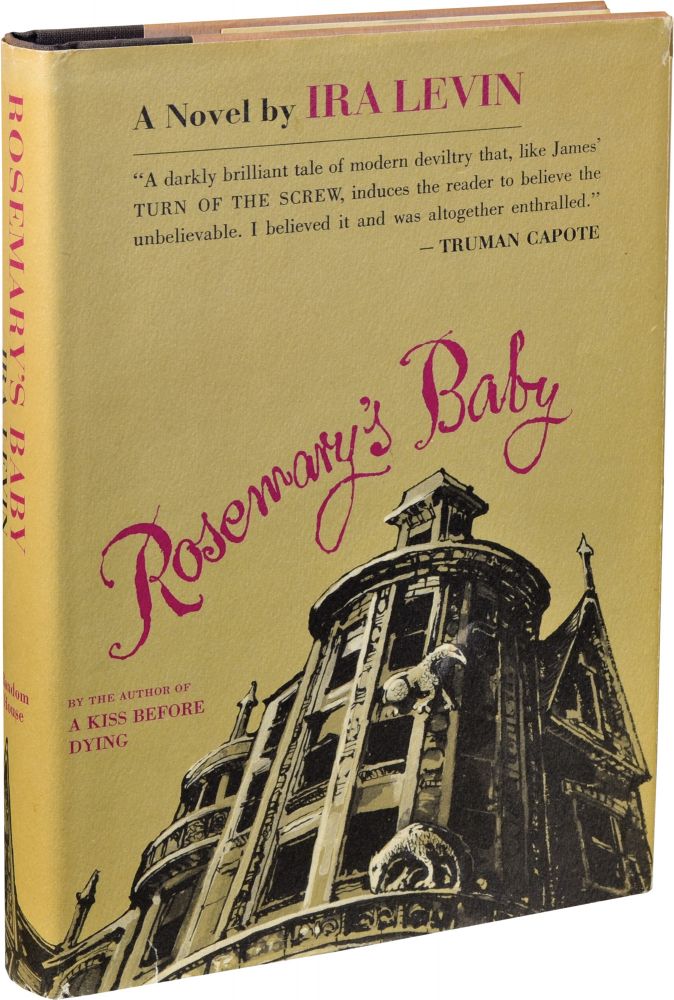
Rosemary's Baby follows a young wife in a Gothic Manhattan apartment building who grows increasingly convinced that her elderly neighbors, and even her own husband, are part of a conspiracy surrounding her pregnancy. Ira Levin returned to the character thirty years later in the 1997 sequel Son of Rosemary. Together the two novels form a short, self-contained horror series about faith, control, and motherhood.
- Goosebumps
universe234 books1992
Start hereRevenge of the Living Dummy · The connected HorrorLand story
similar byhorrorcontemporaryour world+1 more
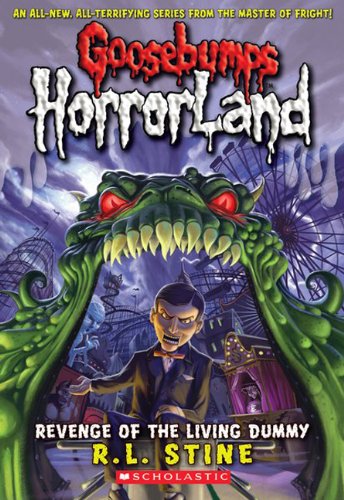
Reader beware — you're in for a scare. That promise has been kept, book after book, since a boy first knocked on the door of the Dead House and found the whole neighborhood grinning too widely. Goosebumps is R. L. Stine's carnival of small-town dread, where the horror is always sized just right for a kid: a haunted ventriloquist dummy, a camera that photographs disasters before they happen, a mask that won't come off, a basement that hums. Each book is its own self-contained nightmare, narrated by an ordinary boy or girl whose ordinary street has quietly turned against them — and every one snaps shut on a twist that pulls the rug out one last time before the lights come up. The shelf is deep. The original run of paperbacks gave way to Series 2000, then the branching, choose-your-doom gamebooks of Give Yourself Goosebumps, the story-collections Tales to Give You Goosebumps, and villain showcases in Most Wanted. HorrorLand strung the standalones into a single running arc set inside a monstrous theme park, and SlappyWorld and House of Shivers keep the lights flickering for new readers, hosted by Slappy, the wooden fiend who considers himself the star of the whole show. The tone is mock-scary and knowing — spooky enough to thrill, silly enough to laugh off before bed, always short and always cliffhung. No reading order binds them; open any cover. Newcomers usually meet the dummy first, in Night of the Living Dummy, or start where it all began, in Welcome to Dead House.
- Fear Street
universe163 books1989
Start hereThe New Girl · Start here
similar byhorror+2 more
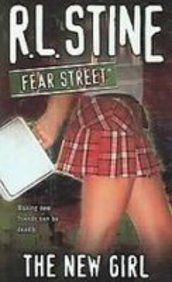
Every town has the one street kids dare each other to walk after dark. In Shadyside, it's Fear Street: a shaded lane that dead-ends at the burned bones of the Fear family mansion, where the woods swallow sound and the past never quite stays buried. The name is a warning nobody heeds. A new girl who's too pretty to trust. A locker that won't stay shut. A prom date who isn't who he says. Somebody in Shadyside always ends up dead, and it's usually a teenager who was sure the rumors were only rumors. R. L. Stine built this world one paperback at a time, and it sprawls the way a rumor does. The core novels are lean standalone thrillers; the longer Super Chillers turn the screws harder; themed runs circle the same doomed graduating class from new angles — the Cheerleaders trilogy, the haunted-house horror of 99 Fear Street, the killer carnival of Fear Park, the year-long Fear Street Seniors. Ghosts of Fear Street pitches the scares to a younger shelf, and later Return to Fear Street reopens the street for a new decade. Beneath all of it lie the Fear Street Sagas, which dig down to the root: a centuries-old feud, a family once spelled Fier, and a curse of blood and fire that poisoned the ground to begin with. What binds it isn't continuity but appetite: clean, breathless suspense that trusts a teenager to want the fright. The books stand alone, so publication order serves fine. Open with The New Girl, where it starts, and save the Sagas for when you need to know why the whole street is cursed.
- Southern Reach Trilogy
series4 books2014
similar bycontemporaryhorroreerieour world+1 more
The Southern Reach Series is a series of novels by the American author Jeff VanderMeer first published in 2014—Annihilation, Authority, Acceptance, and Absolution. The series takes its name from the secret agency that is central to the plot. In 2013, Paramount Pictures bought the movie rights for the series, and a film adaptation of Annihilation was made with Alex Garland as writer-director. The film was released in 2018. The most recent book in the series, Absolution, was released on 22 October 2024.
- The Returned
Seth Patrickstandalone novel2014
similar byhorrorcontemporaryeeriemysteriousour worldsmall town
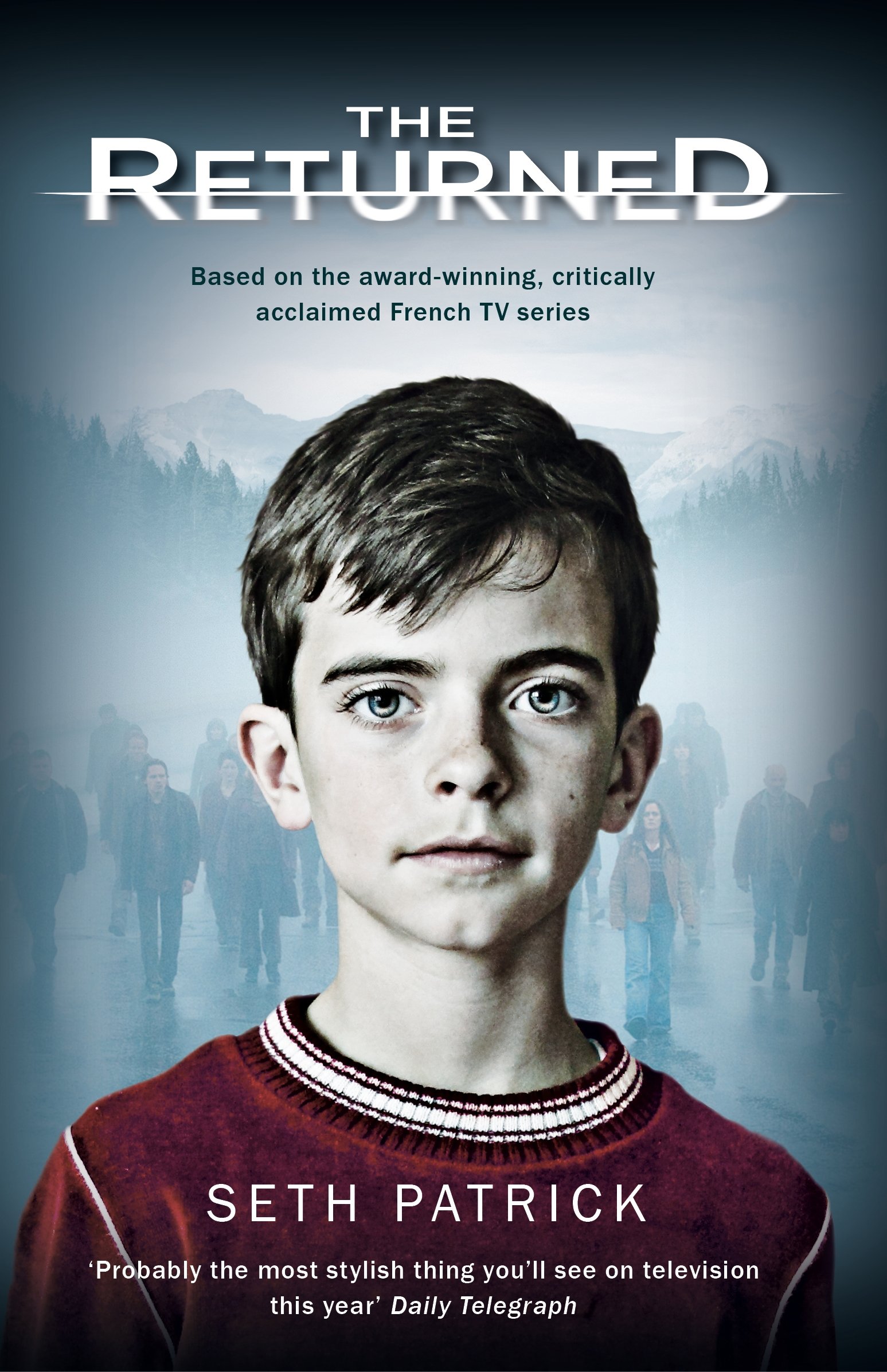
What Happens When The Ones You Lost Come Back From The Dead? In a small Alpine village, people start to appear, trying to return to their homes after a terrible accident none of them can recall. What they do not yet know is that they have been dead for several years―and no one is expecting them back. But they are not the only ones to have seemingly returned from the dead. Their arrival coincides with a series of horrific murders, which bear a chilling resemblance to the work of a serial killer from the past...
- The Supernatural Enhancements
Edgar Canterostandalone novel2014
similar byhorrorcontemporaryeeriemysteriousour world
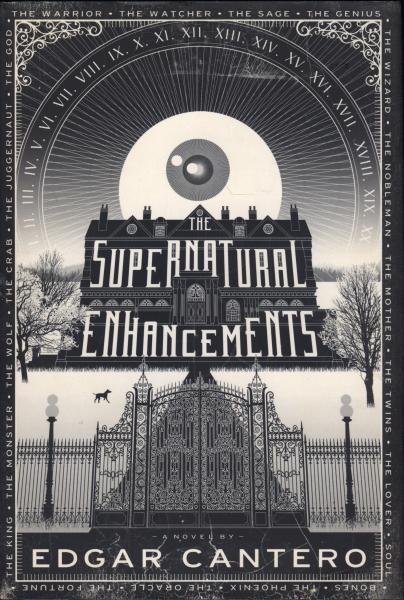
The Supernatural Enhancements is a 2014 horror / mystery novel and the English language literary debut of Spanish cartoonist and author Edgar Cantero. The work was released on August 12, 2014, through Doubleday; the author also co-translated it to Spanish as El factor sobrenatural, published by Minotauro in May 2015. It is an epistolary novel, whose story is told via diary entries, recordings, notes, letters, and other personal effects that are arranged to appear as if they were collected and compiled at an undetermined point of time after the novel's events.
- Prince of Darkness
Barbara Michaelsstandalone novel1969
similar byhorrorcontemporaryeeriemysterioussmall town
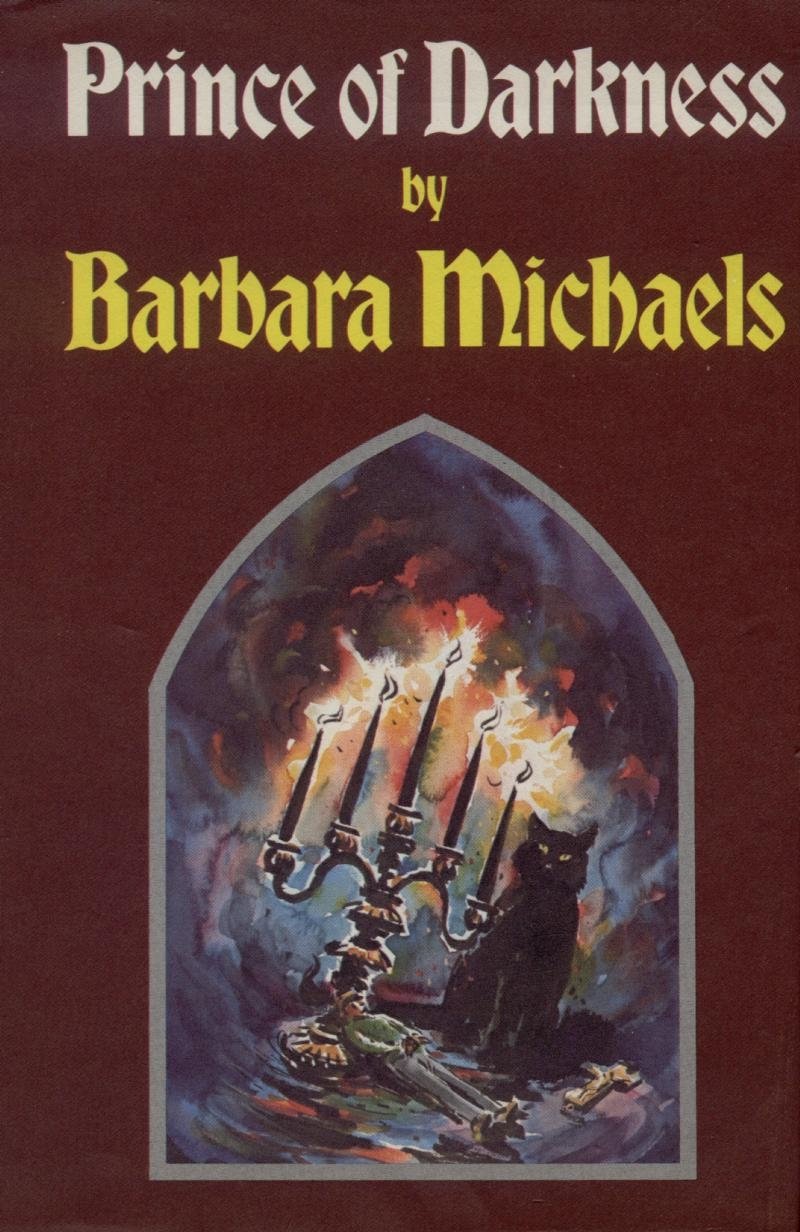
A stranger has come to Middleburg, Maryland, a visitor from abroad with a mysterious purpose. But this quaint, affluent community has dark secrets of its own. And when the interloper, Peter Stewart, becomes involved with the bewitching, seductive ward of noted local author Kate More, the townfolk fear the chilling past they are hiding will no longer be safe. For Middleburg has a colonial history of malevolent sorceries and obscene sacrifice. And when the terrible pot is stirred, murder may be the least of the evils to emerge from the unholy brew.
- Graveminder
series6 books2011
similar bycontemporary+5 more
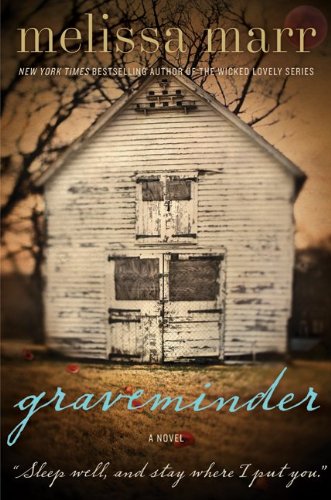
Graveminder is Melissa Marr's 2011 gothic mystery about Rebekkah Barrow, who returns to her hometown of Claysville for her grandmother's funeral and learns she has inherited her grandmother's role as Graveminder, a guardian whose ritual keeps the town's dead properly at rest. When the ritual isn't performed correctly, the dead rise, drawing Rebekkah into a web of secrets alongside Byron Montgomery, the town's Undertaker and her old love interest. It won the 2011 Goodreads Choice Award for horror; Marr later returned to the same small-town premise with Bullets for the Dead and Cursed by Death.
- White Crow
Marcus Sedgwickstandalone novel2010
similar byhorrorcontemporaryeeriemysterioussmall town
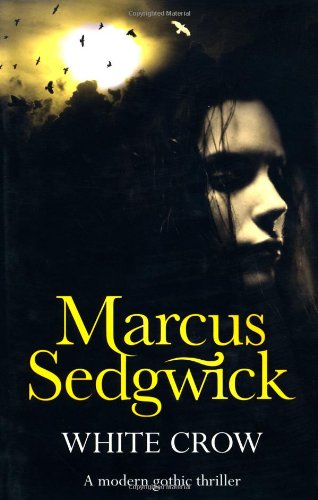
Sixteen-year-old Rebecca moves with her father from London to a small, seaside village, where she befriends another motherless girl and they spend the summer together exploring the village's sinister history.