More like Hell Divers
anchored on:science fictionpost-apocalypticsurvivalfar futuretenseecological collapse+2 more
but
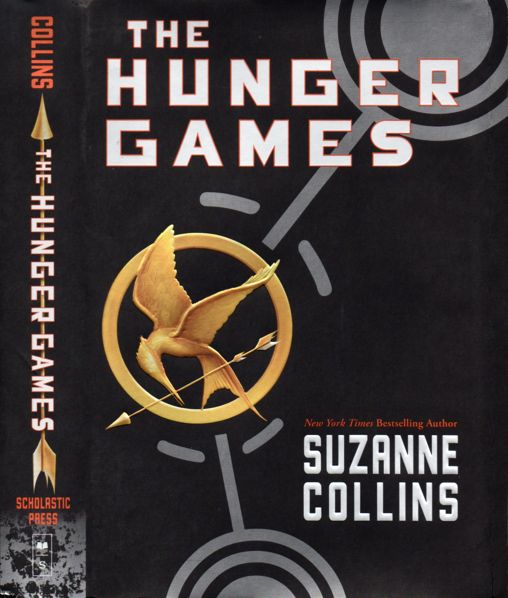
- The Hunger Games
series3 books2008
part of The Hunger Games Universe
similar byfar futuretensescience fictiondarksurvivalpost-apocalyptic+1 more
The Hunger Games is a series of young adult dystopian novels written by American author Suzanne Collins. The series consists of a trilogy that follows teenage protagonist Katniss Everdeen, as well as two prequels. The Hunger Games universe is a dystopia set in Panem, a post-apocalyptic North American country consisting of the wealthy Capitol and 12 districts in varying states of poverty. As punishment for rebellion, the Capitol hosts an annual battle royale competition called The Hunger Games. Each of the 12 districts must send two children between the ages of 12 and 18 to participate, and the last surviving child is dubbed the victor.
- City at World's End
Edmond Hamiltonstandalone novel1951
similar byfar futuresurvivalscience fictionpost-apocalypticdarktenseour world
An experimental atomic weapons test in small-town America goes catastrophically wrong, hurling the entire town of Middletown, buildings, streets and all, untold ages into Earth's future, to a time when the sun is dying and humanity's last city struggles on beneath a darkening sky. Cut off from everything and everyone they knew, the townspeople have to find a way to survive in a world that has nothing left to spare for latecomers. Edmond Hamilton's novel strands a slice of mid-century America at the literal end of the world.
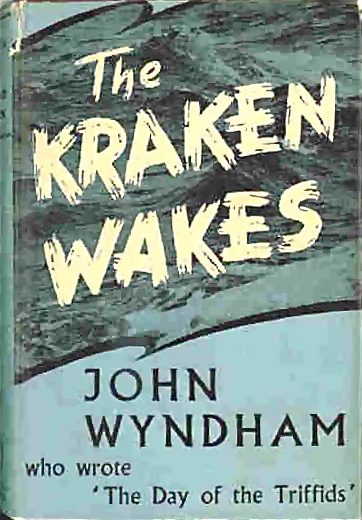
- The Kraken Wakes
John Wyndhamstandalone novel1953
similar bytensescience fictionsurvivaldarkpost-apocalypticwarour world+1 more
" Behind a spectacular meteor shower actually hides the beginning of an invasion by a mysterious and powerful alien race. Earth's life is disrupted by the attacks of extraterrestrials whose war machines, emerging from the depths of the oceans, seem indestructible. The coalitioned forces of the whole world are worthless, powerless in the face of the indecipherable and deadly plans of a superior intelligence, capable of bringing the entire planet to the brink of catastrophe" Goodreads May 20, 2022
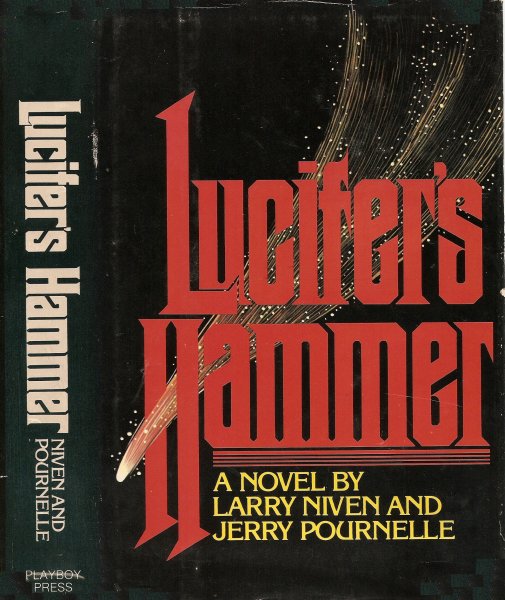
- Lucifer's Hammer
Larry Niven & Jerry Pournellestandalone novel1977
similar bysurvivalscience fictionpost-apocalypticecological collapsedarktense
Lucifer's Hammer is a science fiction post-apocalypse-survival novel by American writers Larry Niven and Jerry Pournelle that was first published in 1977. It was nominated for the Hugo Award for Best Novel in 1978.
- The Hunger Games Universe
universe5 books2008
Start hereThe Hunger Games · Start here
similar byfar futuretensescience fictionsurvivaldark+2 more
Panem, they call it now — a nation raised on the drowned bones of North America, a glittering Capitol ringed by twelve districts it once starved into obedience. Every year the Capitol collects its debt in children: two tributes from each district, drawn by lottery, dropped into an engineered arena, and made to kill one another on live television while the whole country is required to watch. This is the Hunger Games — entertainment, punishment, and government at once. Suzanne Collins tells it in a compact, unified body of work. The founding trilogy — The Hunger Games, Catching Fire, and Mockingjay — follows Katniss Everdeen, a girl from the coal-mining District 12 who volunteers in her sister's place and becomes something the Capitol never scripted. Two prequels reach back into the same machinery: The Ballad of Songbirds and Snakes traces a young Coriolanus Snow long before he is President, and Sunrise on the Reaping returns to District 12 a generation ahead of Katniss. Begin with the trilogy, in order — it is Katniss's voice, close and present-tense, that makes Panem breathe, and the prequels land hardest once you know how her story ends. Beneath the spectacle sits one steady, uncomfortable question: who profits when we agree to look away.
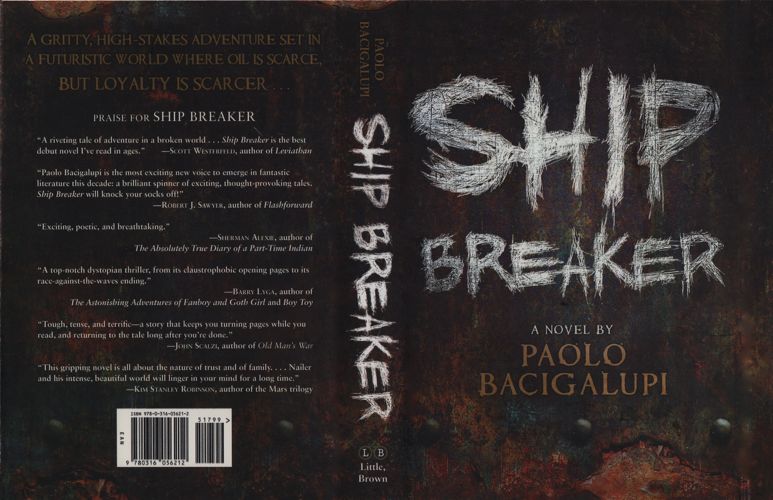
- Ship Breaker
series3 books2010
similar byscience fictionpost-apocalypticdarktensesurvival+4 more
Nailer works a light-crew scavenging copper wire and scrap from beached oil tankers on a Gulf Coast reshaped by rising seas and vanished order, until a wrecked clipper ship washes ashore carrying a half-drowned girl from the wealthy world he'll never belong to. Paolo Bacigalupi's Ship Breaker follows Nailer as helping her pulls him out of his abusive father's orbit and into a much larger, more dangerous game involving her family's fortune. The sequels The Drowned Cities and Tool of War widen the same flooded, resource-scavenging future to new characters and coastlines.
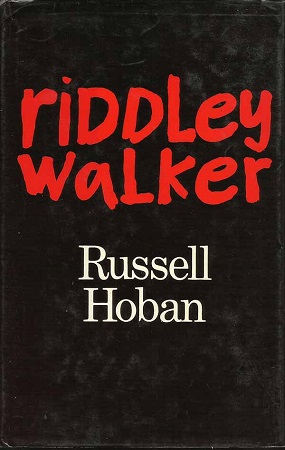
- Riddley Walker
Russell Hobanstandalone novel1980
similar byfar futurescience fictionpost-apocalypticsurvivaldarkour world+1 more
WorldCat: Composed in an English which has never been spoken and laced with a storytelling tradition that predates the written word, RIDDLEY WALKER is the world waiting for us at the bitter end of the nuclear road. It is desolate, dangerous and harrowing, and a modern masterpiece.
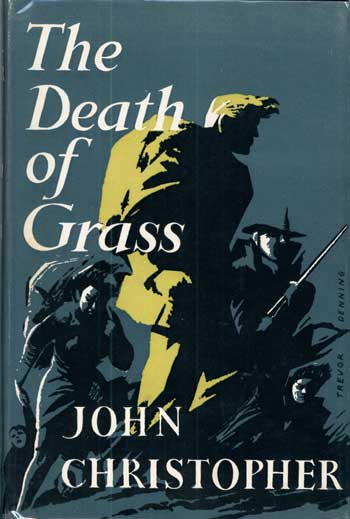
- The Death of Grass
John Christopherstandalone novel1956
similar byscience fictionpost-apocalypticsurvivalecological collapsedarktenseour world
The Death of Grass is a 1956 post-apocalyptic science fiction novel written by the English author Sam Youd under the pen name John Christopher. The plot concerns a virus that kills off grass species, including rice and wheat. The Death of Grass was the first of several post-apocalyptic novels written by Youd. The novel was written in a matter of weeks and liberated him from his day job.
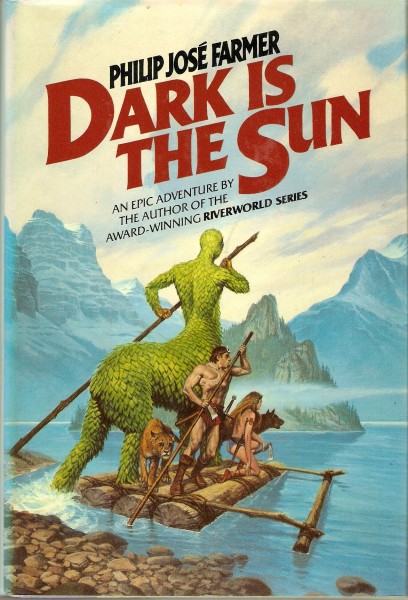
- Dark Is the Sun
Philip José Farmerstandalone novel1979
similar byfar futurescience fictionpost-apocalypticsurvivalecological collapsedarkour world
Dark Is The Sun is a science fiction novel by American writer Philip José Farmer, first published in 1979. It tells the story of the people and creatures left on Earth when the Sun is dead and the universe is heading towards the Big Crunch.
- Maximum Ice
Kay Kenyonstandalone novel2002
similar byfar futuresurvivalscience fictionpost-apocalypticdarkspaceshipour world+2 more
Zoya Kundara has lived on the space vessel Star Road for two hundred fifty years. As its Ship Mother, kept alive in a state of pseudoimmortality, she has provided wisdom and counsel to succeeding generations of its crew, self-exiled survivors of earth's great plague. But now, to escape the ravages of space radiation, the giant starship has returned to earth, only to discover a world on the verge of extinction, its barren surface blanketed in a crystalline substance that resembles ice and that is slowly, inexorably encapsulating the planet. Zoya is chosen as emissary to this strange new earth, and now she must approach its denizens and find a suitable home for her desperate crew among the shrinking lands.But what she finds shakes Zoya to her core: groups of humans huddled like moles in underground techno-warrens called preserves, and a pseudospiritual order known as the Ice Nuns, who seek control of the physics-defying crystals and enslave their disciples in their crazed quest for truth. For on this once green land, Ice and the science behind it are now the only God--and mastering this grand ecology of information the only higher calling. Allies are few and far between, but somehow Zoya must uncover the secrets of Ice and halt its expansion. That is, if the snow witches don't get her first...From the Paperback edition.
- La compagnie des glaces
series1 book1980
similar byfar futurescience fictionpost-apocalypticsurvivalecological collapsedarktenseour world
La Compagnie des glaces is a series of 97 post-apocalyptic science fiction novels by the French writer Georges-Jean Arnaud, published between 1980 and 2005.
- Hungry City Chronicles / Mortal Engines
series5 books2001
part of Mortal Engines Universe
similar byfar futuresurvivalscience fictionpost-apocalypticwar+1 more
The Mortal Engines Quartet, also known as the Predator Cities Quartet, is a series of epic young adult science fiction novels by the English novelist and illustrator Philip Reeve. He began the first volume of the series, Mortal Engines, in the 1980s, and it was published in 2001. Reeve then published three further novels, Predator's Gold (2003), Infernal Devices (2005), and A Darkling Plain (2006).
- I Am Legend
Richard Mathesonstandalone novel1954
similar bysurvivalpost-apocalypticdarktensescience fictionour world
The last human survivor of the vampire epidemic has to maintain his defences against their onslaught, while attempting to research the cause and possibly solution to the plague. Robert Neville is the last living man on Earth... but he is not alone. Every other man, woman and child on the planet has become a vampire, and they are hungry for Neville's blood. By day he is the hunter, stalking the undead through the ruins of civilization. By night, he barricades himself in his home and prays for the dawn. How long can a man survive like this?
- Mara and Dann
series2 books1999
completed
similar byfar futuresurvivalscience fictionpost-apocalypticecological collapse+2 more
- The Triffids
series3 books1951
similar byscience fictionsurvivaldarkpost-apocalypticour world+2 more
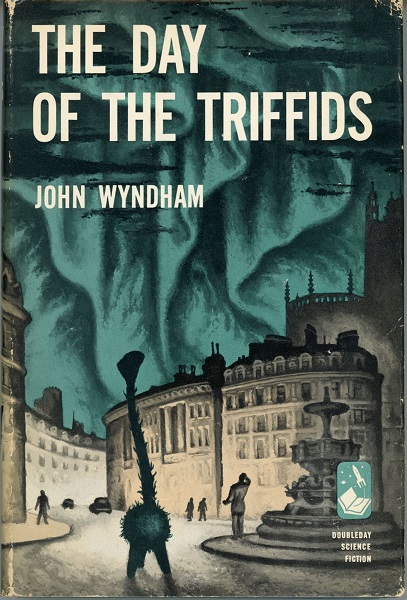
John Wyndham's The Day of the Triffids (1951) opens with a meteor-shower-like event that leaves most of Britain's population blind, throwing civilization into collapse just as triffids, an aggressive and mobile species of poisonous plant, become free to hunt the helpless survivors. Simon Clark's authorized sequel The Night of the Triffids (2001) picks up a generation later, narrated by the original protagonist's son as he confronts a new triffid-dominated world, and John Whitbourn's The Age of the Triffids extends the shared setting further still. Together the three novels form a loose post-apocalyptic trilogy built on Wyndham's original premise rather than a tightly plotted single story.
- War Against the Chtorr
series7 books1983
similar byscience fictionpost-apocalypticsurvivaltenseecological collapsedarkwar+1 more
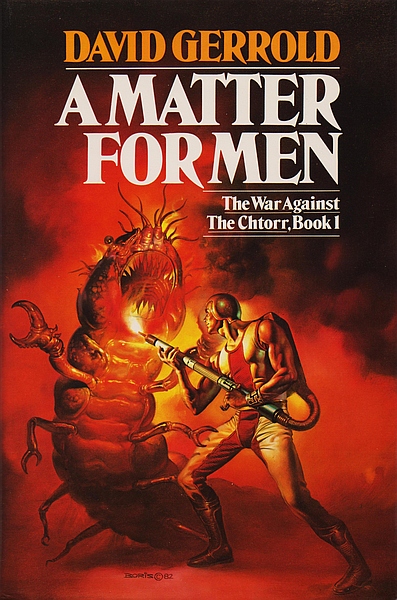
The War Against the Chtorr is a series of science fiction novels by American writer David Gerrold. The Chtorr series was originally planned as a trilogy, but as the story became more intricate, Gerrold realized that three books would not be enough for him to tell the entire story. For a time, he was uncertain how many books there would be in the end but plans on seven. As of 2022, four books have been completed. As of 2017, a fifth and sixth were in the works, 24 years after the publication of the fourth book.
- Cell
Stephen Kingstandalone novel2006
similar bysurvivaltensepost-apocalypticdarkscience fictionour world
In Cell, King taps into readers fears of technological warfare and terrorism. Mobile phones deliver the apocalypse to millions of unsuspecting humans by wiping their brains of any humanity, leaving only aggressive and destructive impulses behind. Those without cell phones, like illustrator Clayton Riddell and his small band of "normies," must fight for survival, and their journey to find Clayton's estranged wife and young son rockets the book toward resolution.
- The Hopkins Manuscript
R. C. Sherriffstandalone novel1939
similar bysurvivalscience fictionecological collapsedarktensepost-apocalypticour world
The Hopkins Manuscript is a dystopian science fiction novel by R. C. Sherriff, first published in 1939 by Victor Gollancz. In 1958 it was reissued in a revised edition as a Pan paperback under the title The Cataclysm. The novel was later republished under its original title by The Macmillan Company in 1963 and by Persephone Books in 2002.
- Maurai
series6 books1959
completed
similar byfar futurescience fictionpost-apocalypticecological collapseour world+2 more
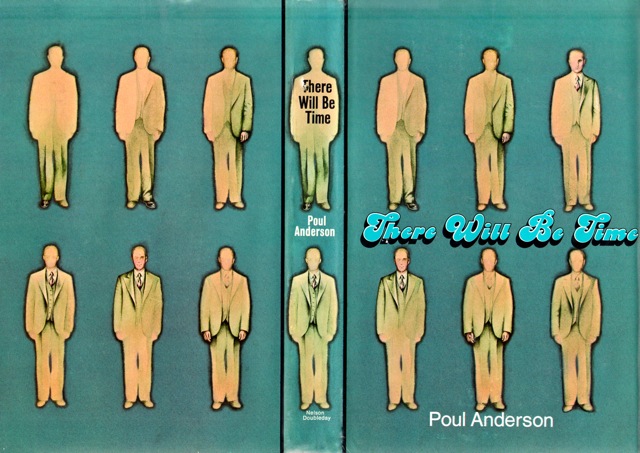
The Maurai series is a series of short stories and a novel by Poul Anderson set in a resource depleted, post-apocalyptic earth several centuries in the future. The series is named after its most frequent protagonists, citizens of the Maurai Federation. The Maurai dominate the Pacific and Indian Oceans. Fearful of the social and ecological implications of a return to large-scale industrial society, they use their considerable might and covert resources to prevent other nations from developing nuclear power.
- Maze Runner
series11 books2009
similar bysurvivaltensescience fictionpost-apocalyptic+3 more
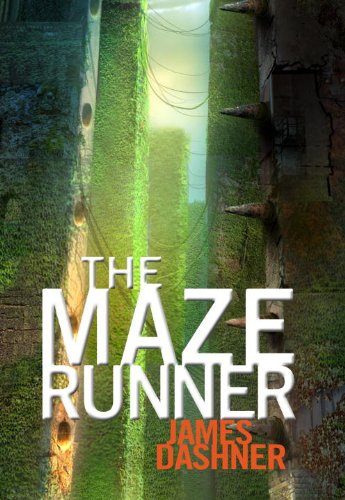
The Maze Runner is a series of young adult dystopian science fiction novels written by American author James Dashner. The series consists of the trilogy The Maze Runner (2009), The Scorch Trials (2010) and The Death Cure (2011), as well as two prequel novels, The Kill Order (2012) and The Fever Code (2016). A novella titled Crank Palace (2020) and a companion book titled The Maze Runner Files (2013) have also been released. A sequel trilogy in the series titled The Maze Cutter takes place 73 years following the events of The Death Cure and consists of the novels The Maze Cutter (2022), The Godhead Complex (2023), and The Infinite Glade (2025).
- Down to a Sunless Sea
David Grahamstandalone novel1979
similar bysurvivalscience fictionpost-apocalypticdarktensewarour world
David Graham's Down to a Sunless Sea (1979) is a post-apocalyptic novel about a planeload of people during and after a short nuclear war, set in a near-future world where the USA is critically short of oil. The title of the book is taken from a line of the poem Kubla Khan by Samuel Taylor Coleridge.
- The Fireman
Joe Hillstandalone novel2016
similar bysurvivalscience fictionpost-apocalypticdarktenseour world
The Fireman is a novel set in a post-apocalyptic time by American author Joe Hill. The novel, Hill's fourth, tells the tale of a deadly spore that has infected most of the world's population. Hill first spoke of the novel in 2013 in promotional interviews for his then-new novel NOS4A2. The novel was released on May 17, 2016.
- The Chrysalids
John Wyndhamstandalone novel1955
similar byfar futurescience fictionsurvivaltensepost-apocalyptic
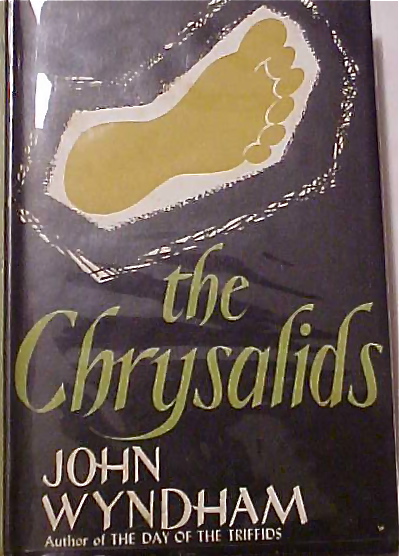
The Chrysalids is a science fiction novel by British writer John Wyndham, first published in 1955 by Michael Joseph. It is the least typical of Wyndham's major novels, but regarded by some as his best. An early manuscript version was entitled Time for a Change.
- Mother of Storms
John Barnesstandalone novel1994
similar bytensescience fictionsurvivalecological collapsepost-apocalypticour world+1 more
From the flaps of the Tor first edition: "It is 2028. A strike to destroy an illegal Arctic weapons cache has a catastrophic side effect. Massive amounts of energy are liberated from the polar ice, suddenly warming the Earth's climate. In the middle of the Pacific, a gigantic hurricane thousands of miles across is forming, larger than any in human history. A storm with winds of supersonic speed. A storm that changes direction at whim. A storm that refuses to die. A storm so vast it spawns dozens more in its wake... Blinded by intrigue, expedience, and greed, the world's politicians and power brokers have ignored the killer storms threat until it is too late. Already the death toll is in the tens of millions, as it savages the Pacific coast, while its devil's brood of smaller storms are wreaking havoc across the face of the planet. While the survivors scramble for advantage, a handful of courageous men and women undertake a daring, desperate plan to save humanity from total destruction - a plan so visionary it may alter forever the future of the human race."