More like Hell's Gate
but
- Dracula
universe144 books1897
Start hereDracula · Start here
similar byhorror
"Come freely. Go safely. And leave something of the happiness you bring" — so the Count greets his guest at the threshold of the Carpathians, and the great door shuts behind. Bram Stoker's Dracula (1897) is the wellspring of the modern vampire: the account of a centuries-old Transylvanian nobleman who quits his crumbling castle for the crowded lodging-houses of London, and the handful of ordinary people — a young solicitor, a doctor of the mad, a professor of stranger learning — who must piece together what he is before he makes the whole city his fold. It is told wholly in fragments: journal entries, letters, telegrams, ships' logs, phonograph cylinders, each hand recording only its own sliver of the dark. Around that single novel a whole crypt of continuations has grown, raised by many writers across a century. Fred Saberhagen's Dracula Sequence hands the Count the microphone, retelling the old events from his own wry, aggrieved lips and following him into later intrigues. Robert Lory's brisk 1970s Dracula Horror Series revives him as a reluctant weapon turned against fouler things; Peter Tremayne's trilogy reaches back along his bloodline; and further sequels, a Quincey Morris spin-off, and Dracula's Children carry the shadow onward. This is a loose shared world built upon a public-domain figure, not one governed continuity — each author remakes him as villain, antihero, or sympathetic narrator. Begin, always, with Stoker's original; the letters and the mounting dread stand entirely on their own. From there follow whichever door tempts you — Saberhagen's The Dracula Tape for the monster's own confession, Lory or Tremayne for tales that never glance back at the Borgo Pass again.
- The Invisible Man
series6 books1897
similar by+1 more
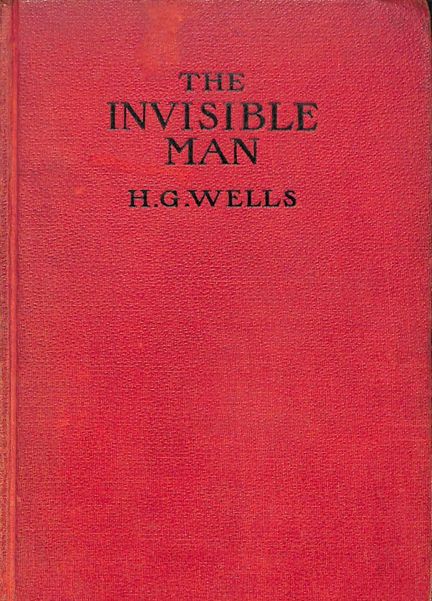
The Invisible Man is H. G. Wells's 1897 science fiction novel about Griffin, a scientist who works out how to make living tissue invisible and tests the process on himself, only to discover he has no way to reverse it. Unseen and increasingly cut off from other people, he turns to theft and violence while trying to survive and find a cure, making the book as much about his moral collapse as about the invisibility premise itself. It's a single self-contained novel; the two listed titles here are duplicate editions rather than separate books.
- Stephen King multiverse
universe46 books1967
Start hereThe Gunslinger · Start here
similar by+1 more
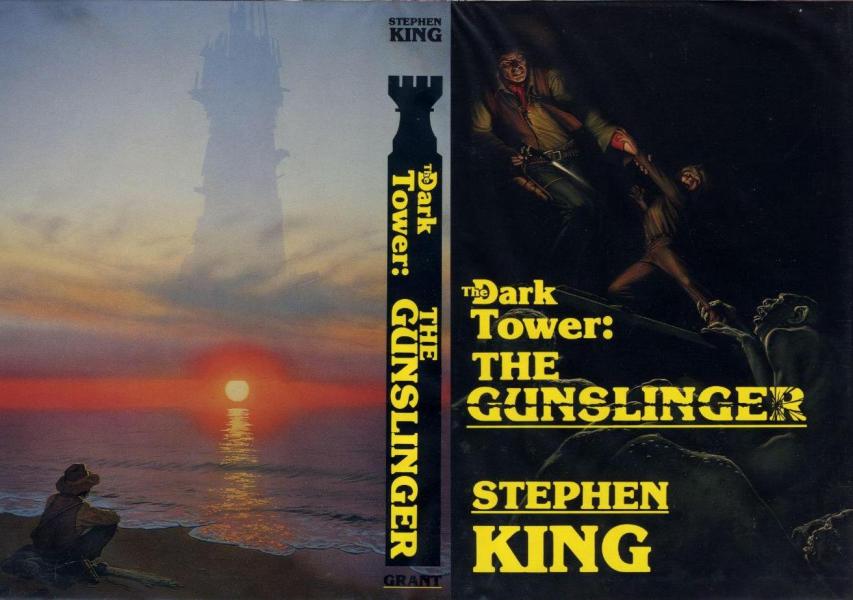
The man in black fled across the desert, and the gunslinger followed. So begins the long walk of Roland Deschain, last of an order of knight-errant pistoleers, across a land that has "moved on" — where the compass points drift, dead machines rot toward sentience, and the weave of what's real wears thin. His quest is the Dark Tower itself: a spire standing at the hub of every world that exists, the linchpin that holds all of them back from ruin. Roland's road runs eight volumes, from The Gunslinger through the closing Dark Tower, with the later, interleaved tale The Wind Through the Keyhole folding a story-within-a-story back into his youth. Along the way he draws a ka-tet — a fellowship bound by fate, not choosing — through doorways between worlds: a heroin-shackled New Yorker, a woman of two minds, a boy who dies twice. The Tower is also the secret axle around which the wider shelf of King's work turns; threads from The Stand, 'Salem's Lot and beyond wind quietly toward it. Expect a mongrel of Western, high fantasy, horror and decayed science fiction, told in a dusty, incantatory dialect all its own — ka, thankee-sai, the world that has moved on. This is King at his most mythic and most personal, a decades-spanning circle that rewards a patient reader. Begin at the beginning: The Gunslinger, then walk forward in publication order. There are other worlds than these — but this door opens first.
- The Prestige
Christopher Prieststandalone novel1995
similar byour worldliterary & general+1 more
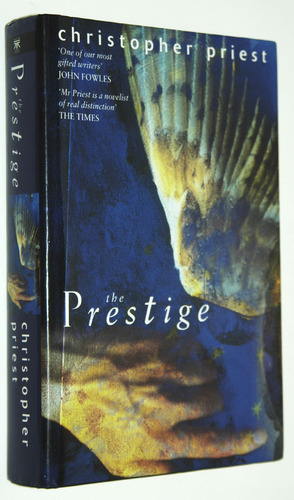
A magician called Borden (at least in private) writes his own version of his life as a magician. There's a lot of focus on a trick, where he seems to move across any width of stage in an instant, and on a feud with another magician, Angier. The account includes passages, where he can't decide what exactly to write, arguing with himself. 3 generations later a Borden (at least biologically) learns about his ancestor. He's also convinced, he somehow has a twin brother, who's happy about this development.
- Twilight Zone
universe40 books1960
Start hereStories from the Twilight Zone · Start here
similar byour world+1 more
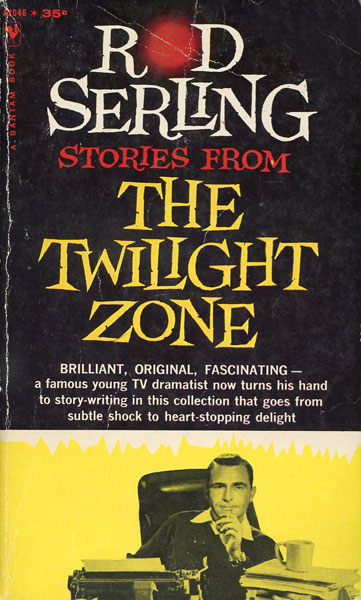
Picture, if you will, an ordinary person on an ordinary afternoon: a tired salesman, a frightened child, a man who wants only to be left alone. Somewhere between the streetlight and the front door, the rules quietly change. This is the Twilight Zone — not a place on any map but a middle ground between light and shadow, science and superstition, the pit of our fears and the summit of our knowledge. There is no continuing saga here, no cast to follow across the years. There is only the door, and the parable waiting on the far side of it. What the shelf holds is Rod Serling's anthology given the permanence of print. Serling turned his own teleplays into prose, the collections that open with Stories from the Twilight Zone, and the scripts survive alongside them — his and Richard Matheson's, the two hands that set the show's pulse. Around that core gather the story-collections of Walter B. Gibson, the volumes of new tales assembled by Carol Serling, standalone novels, and paired reissues: dozens of self-contained pieces, many writers under one banner. Read one or read forty. Each closes its own circle. The machinery is always the same and never predictable — a reasonable premise, a moral squeeze, a final turn that lands like a tap on the shoulder, sometimes cruel, sometimes merciful, always earned. Beneath the twist runs Serling's true subject: ordinary conscience under strain — prejudice, vanity, loneliness, the wish to go back. Begin where he began, with his own Stories from the Twilight Zone, then follow Matheson. There is no order to keep. You unlock this door with the key of imagination.
- Frankenstein
universe128 books1818
Start hereFrankenstein, or, The Modern Prometheus · Start here
similar byhorror
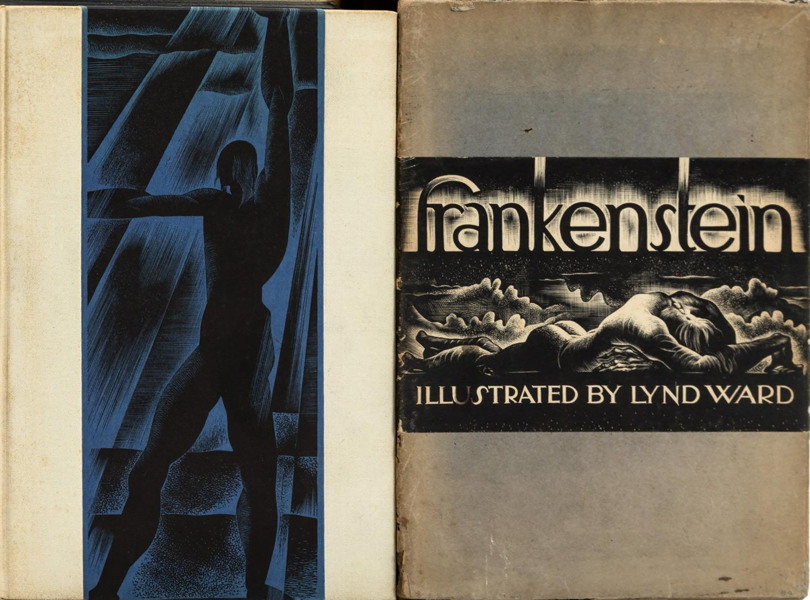
Light a candle against the November dark and consider what a single spark, rightly applied to dead matter, might wake. In a laboratory at Ingolstadt a student named Victor Frankenstein learns the secret of animating lifeless flesh, assembles a being from the harvest of charnel houses and graves, and, at the moment it draws breath, flees the thing he has made. What he abandons does not stay abandoned. This is the world Mary Shelley opened in 1818 with Frankenstein; or, The Modern Prometheus: the story of a maker and his unmothered creation, and the long ruin each works upon the other. Shelley's novel arrives as a nest of confessions, an explorer's letters from the frozen north enclosing Victor's account, which in turn encloses the Creature's own, an articulate and wounded voice that has read Milton and wants only not to be alone. From that single volume two centuries of other hands have built outward, not as one continuity but as a gathering of independent returns to the same fire. Dean Koontz transplants the myth to modern New Orleans across a five-book cycle, Prodigal Son through The Dead Town, where the original Creature, now called Deucalion, hunts a Victor who never died. Donald F. Glut's New Adventures and Frank Schildiner's Quest of Frankenstein run the monster through pulp adventure; the mid-century French novels published as Benoit Becker chase him across a ruined Europe; Scott Sonneborn's Frankenstein Journals and the comic Frankenstein's Aunt turn the legend toward younger and lighter readers. What binds them is the question the book asks and never settles: which is the monster, the forsaken creature who kills, or the man whose ambition and cowardice made and abandoned him? Expect little comfort and few clean villains; the abiding note is grief, sublime and articulate, set against Alpine ice and candlelit hubris. Begin where it began, with Shelley's own novel; the later cycles reward you only once you have heard the Creature speak for himself.
- Jerusalem's Lot
series3 books1975
similar byhorrorour world
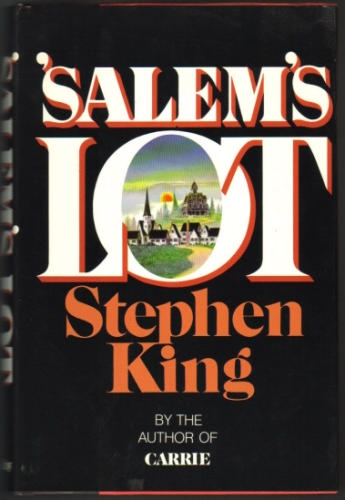
Stephen King's 1975 novel 'Salem's Lot follows writer Ben Mears as he returns to his childhood town of Jerusalem's Lot, Maine, only to discover that its residents are being turned into vampires by a newly arrived stranger. It transplants Gothic vampire horror into a small New England community, tracking that community's collapse under a supernatural siege. It is a single, self-contained novel.
- Pym
series5 books1838
similar by+3 more
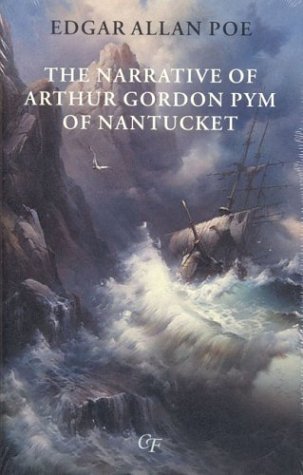
Edgar Allan Poe's The Narrative of Arthur Gordon Pym of Nantucket (1838), his only complete novel, sends a young stowaway through shipwreck, mutiny, and cannibalism toward an increasingly strange voyage to the South Pole that breaks off on a mysterious, unexplained image. Jules Verne wrote an unauthorized 1897 sequel, An Antarctic Mystery, resolving Poe's cliffhanger in more rationalist terms, while Mat Johnson's 2011 novel Pym uses Poe's original as the springboard for a satirical modern story about race.
- The Shining
series5 books1977
similar byhorror
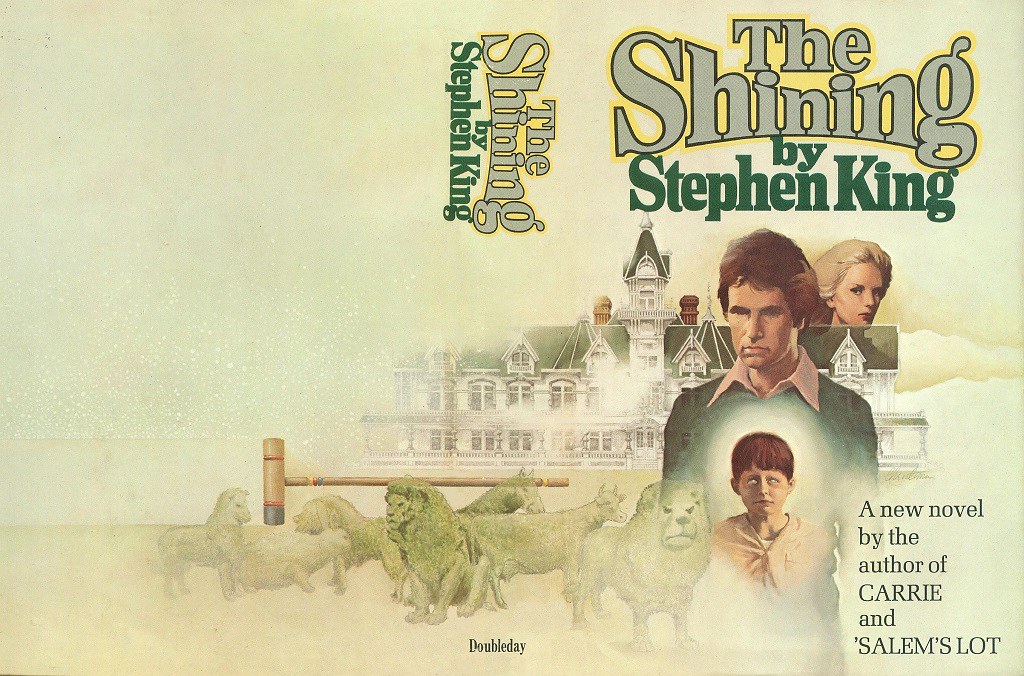
Stephen King's 1977 novel The Shining follows the Torrance family as winter caretakers of the isolated, malevolent Overlook Hotel, where father Jack is gradually consumed by the hotel's influence while his young son Danny's psychic "shining" draws its attention. Doctor Sleep (2013) picks up the story decades later, following Danny as an adult still marked by that childhood ordeal. Together the two form a horror duology spanning nearly forty years of real-world publication.
- The Midnight Club
Christopher Pikestandalone novel1994
similar byhorrorour worldliterary & general
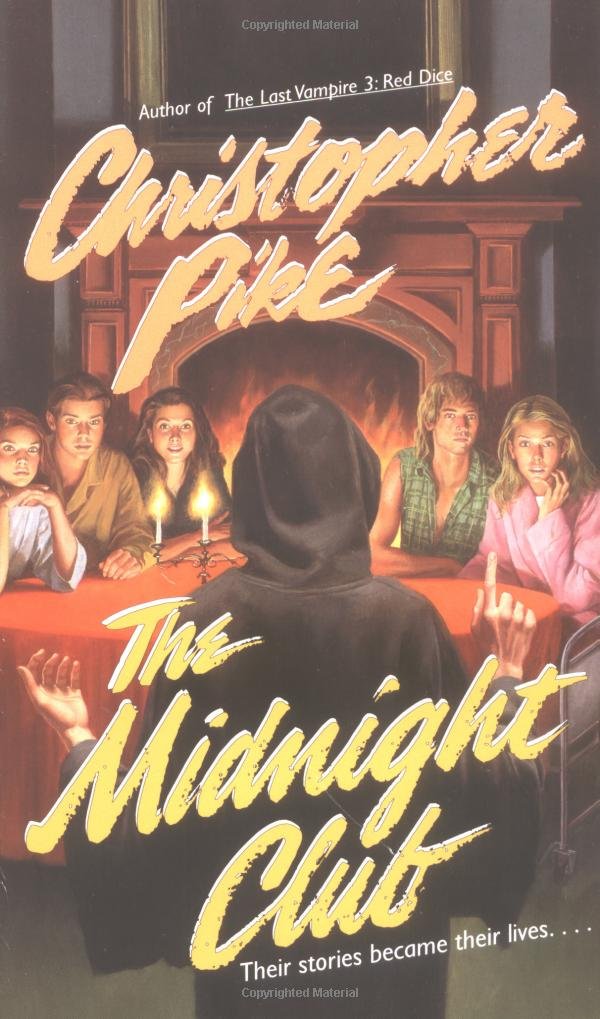
When you think Christopher Pike, you probably think ax murderers, cursed chain letters, and the occasional evil lizard person — and with good reason! But in this sensitive novel, set at a hospice for terminally ill teens, Pike mashes up standard scary stories with an exploration of what fear really means when illness is more of a threat than haunted houses or sexy vampires.
- I Am Legend
Richard Mathesonstandalone novel1954
similar byhorrorour world
The last human survivor of the vampire epidemic has to maintain his defences against their onslaught, while attempting to research the cause and possibly solution to the plague. Robert Neville is the last living man on Earth... but he is not alone. Every other man, woman and child on the planet has become a vampire, and they are hungry for Neville's blood. By day he is the hunter, stalking the undead through the ruins of civilization. By night, he barricades himself in his home and prays for the dawn. How long can a man survive like this?
- The Vampire Chronicles
series15 books1976
completed
similar byhorrorour world
The Vampire Chronicles is a series of Gothic vampire novels and a media franchise, created by American author Anne Rice, that revolves around the fictional character Lestat de Lioncourt, a French nobleman turned into a vampire in the 18th century.
- Consumed
David Cronenbergstandalone novel2014
similar byour worldliterary & general+1 more
Consumed is the first novel by the Canadian filmmaker, screenwriter and actor David Cronenberg.
- Rosemary Reilly
series2 books1967
completed
similar byhorror+1 more
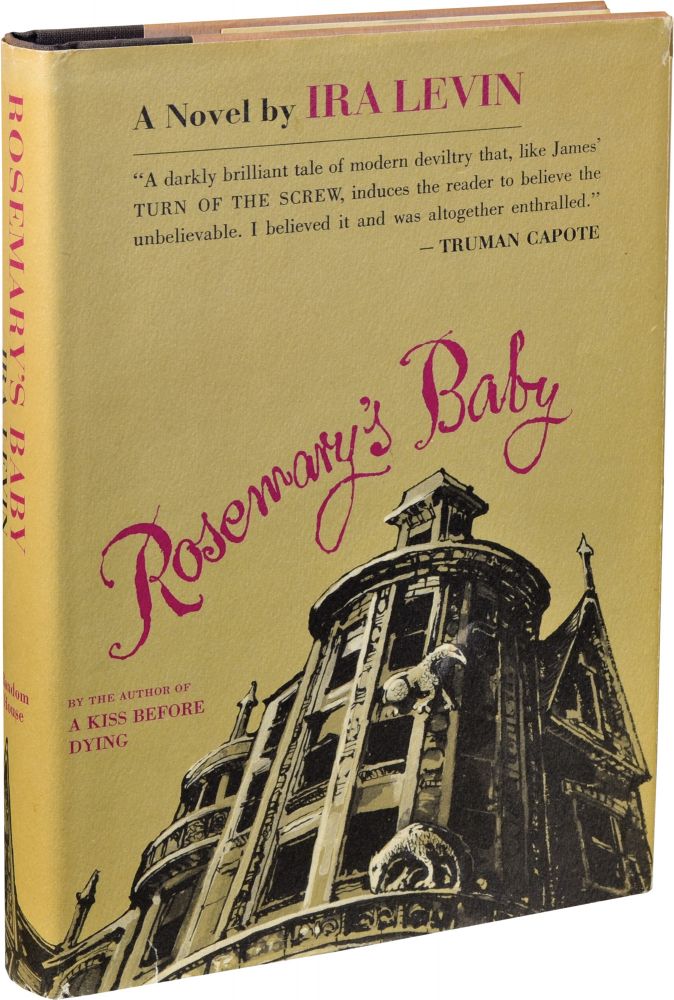
Rosemary's Baby follows a young wife in a Gothic Manhattan apartment building who grows increasingly convinced that her elderly neighbors, and even her own husband, are part of a conspiracy surrounding her pregnancy. Ira Levin returned to the character thirty years later in the 1997 sequel Son of Rosemary. Together the two novels form a short, self-contained horror series about faith, control, and motherhood.
- The Last Tale of the Flower Bride
Roshani Chokshistandalone novel2023
similar byour worldliterary & general+1 more
A sumptuous, gothic-infused story about a marriage that is unraveled by dark secrets, a friendship cursed to end in tragedy, and the danger of believing in fairy tales—the breathtaking adult debut from New York Times bestselling author Roshani Chokshi. Once upon a time, a man who believed in fairy tales married a beautiful, mysterious woman named Indigo Maxwell-Casteñada. He was a scholar of myths. She was heiress to a fortune. They exchanged gifts and stories and believed they would live happily ever after—and in exchange for her love, Indigo extracted a promise: that her bridegroom would never pry into her past. But when Indigo learns that her estranged aunt is dying and the couple is forced to return to her childhood home, the House of Dreams, the bridegroom will soon find himself unable to resist. For within the crumbling manor’s extravagant rooms and musty halls, there lurks the shadow of another girl: Azure, Indigo’s dearest childhood friend who suddenly disappeared. As the house slowly reveals his wife’s secrets, the bridegroom will be forced to choose between reality and fantasy, even if doing so threatens to destroy their marriage . . . or their lives. Combining the lush, haunting atmosphere of Mexican Gothic with the dreamy enchantment of The Invisible Life of Addie LaRue, The Last Tale of the Flower Bride is a spellbinding and darkly romantic page-turner about love and lies, secrets and betrayal, and the stories we tell ourselves to survive.
- The Elliott Family
series8 books1946
completed
similar byour world+1 more
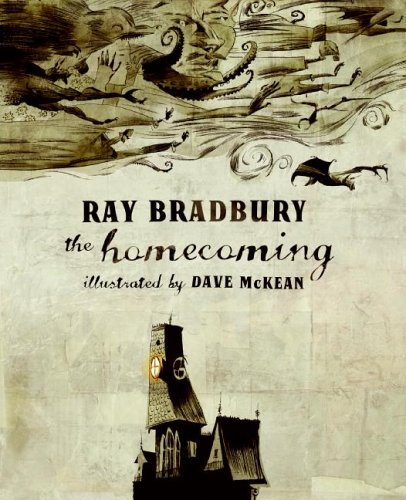
Ray Bradbury's From the Dust Returned gathers and expands short stories he wrote across five decades about the Elliotts, a large, ancient family of vampires, ghosts, and other gentle monsters gathered in a rambling Illinois house. Framed by new connecting chapters, it follows the family's mortal foundling, Timothy, as the household prepares for a once-a-century homecoming.
- Duke de Richleau
series4 books1933
completed
similar by+2 more
The Duke de Richleau novels follow Dennis Wheatley's aristocratic adventurer and occultist across four decades of twentieth-century intrigue, moving from a 1930s rescue thriller in The Forbidden Territory into Satanist set-pieces such as The Devil Rides Out and Strange Conflict, then a later case in Gateway to Hell. Wheatley wrote the books out of order over nearly forty years, but their internal chronology matches the order they were published in.
- The Keep
Jennifer Eganstandalone novel2006
similar byour worldliterary & general+1 more
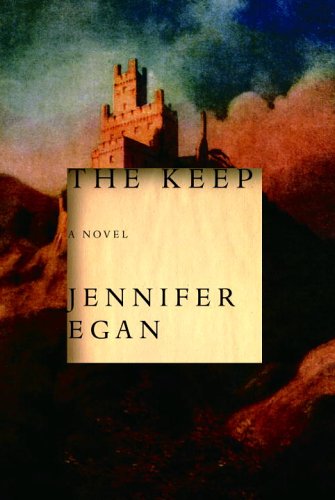
The Keep is a novel by American writer Jennifer Egan. It became a National Bestseller, a New York Times and San Francisco Chronicle Notable Book, and a Chicago Tribune, Kansas City Star, and Rocky Mountain News Best Book of the Year. The Keep is a story about two cousins involved in a haunting business venture that evokes a horrifying tale from their past.
- Bod Owens
series3 books2007
similar byour world+1 more
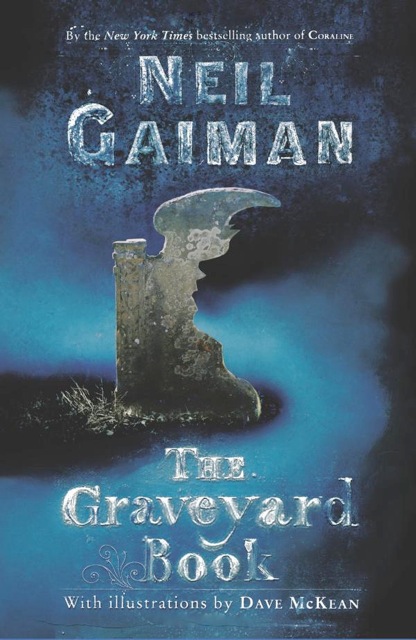
The Graveyard Book follows Nobody "Bod" Owens, a toddler who escapes the murder of his family and is raised among the ghosts of an old English graveyard, absorbing their otherworldly customs while a threat from his past waits beyond the gates. Neil Gaiman's 2008 novel won both the Newbery and Carnegie Medals, and illustrator P. Craig Russell later adapted it into a two-volume graphic novel. Bod's story spans the original novel and that graphic-novel retelling rather than continuing in a prose sequel.
- The Ocean at the End of the Lane
Neil Gaimanstandalone novel2013
similar byour world+1 more
A seven year old farm boy becomes friends with an eleven year old neighbor girl, who he discovers is ancient and powerful and intervenes when a nonhuman entity attempts to make a home in earthly reality.
- Anita Blake
series42 books1993
similar by+2 more
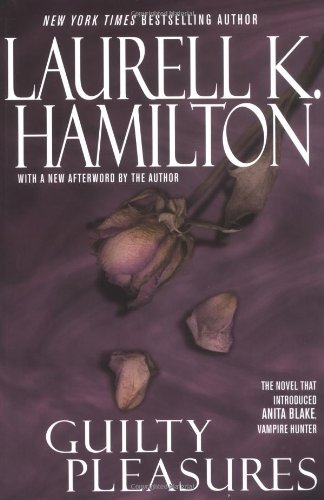
Anita Blake: Vampire Hunter is a series of urban fantasy novels, short stories, and comic books by Laurell K. Hamilton. The books have sold more than six million copies; many have made The New York Times Best Seller list.