More like Hell's Pavement
anchored on:science fictiontotalitarianismour worldnear futuredystopiasurveillance+1 more
but
- A Clockwork Orange
series4 books1962
completed
similar bydarktotalitarianismscience fictionnear futuredystopiasurveillanceour world
Anthony Burgess's 1962 novel is narrated by Alex, a teenage gang leader in a near-future Britain gripped by a youth subculture of extreme violence, recounting his crimes in Nadsat, an invented slang blending English with Russian-derived words. After his crimes catch up with him, Alex is made the subject of a controversial state program meant to forcibly reform his behavior, and the novel uses his ordeal to question whether imposed goodness is worth the loss of free will. It is a standalone novel.
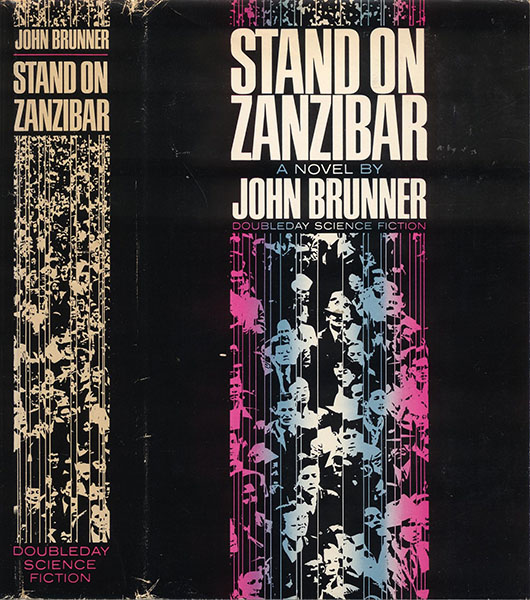
- Stand on Zanzibar
John Brunnerstandalone novel1968
similar bydarknear futurescience fictionsurveillanceour worlddystopia+1 more
Stand on Zanzibar is a dystopian New Wave science fiction novel written by John Brunner and first in part published in New Worlds magazine in 1967 and in book form in 1968. The book won a Hugo Award for Best Novel at the 27th World Science Fiction Convention in 1969, as well as the 1969 BSFA Award and the 1973 Prix Tour-Apollo Award.
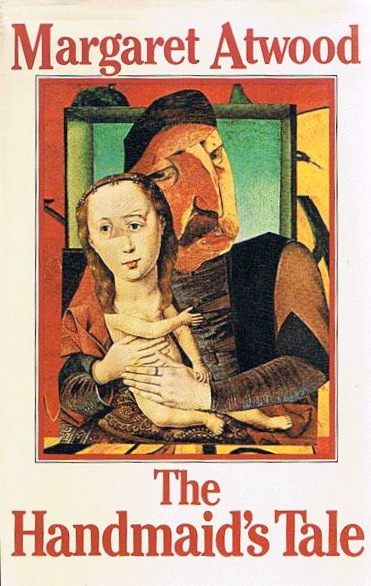
- The Handmaid's Tale
series3 books1985
similar bydarktotalitarianismnear futurescience fictiondystopianorth america+1 more
The Handmaid's Tale is Margaret Atwood's 1985 novel set in Gilead, a totalitarian theocracy that has overthrown the United States and forces fertile women into reproductive servitude as Handmaids; it is narrated by one such woman, Offred. Atwood returned to the world in her 2019 sequel The Testaments, set fifteen years later and narrated by three women, including the regime's Aunt Lydia. Together the two novels move from Gilead's grip on power toward the first cracks in it.
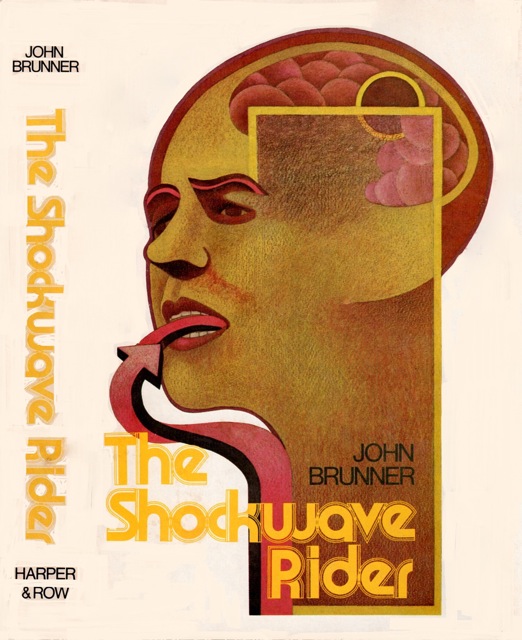
- The Shockwave Rider
John Brunnerstandalone novel1975
similar bydarknear futurescience fictionsurveillancetotalitarianismdystopianorth america
The Shockwave Rider is a science fiction novel by John Brunner, originally published in 1975. It is notable for its hero's use of computer hacking skills to escape pursuit in a dystopian future, and for the coining of the word "worm" to describe a program that propagates itself through a computer network. It also introduces the concept of a Delphi pool, perhaps derived from the RAND Corporation's Delphi method – a prediction market on world events which bears close resemblance to DARPA's controversial and cancelled Policy Analysis Market.
- The Man Who Japed
Philip K. Dickstandalone novel1956
similar bydarktotalitarianismnear futurescience fictionour worlddystopianorth america+1 more
The Man Who Japed is a science fiction novel by American writer Philip K. Dick, first published in 1956. Although one of Dick's lesser-known novels, it features several of the ideas and themes that recur throughout his later works. The "jape[s]" or practical jokes of the novel begin with a statue's unconventional decapitation.
- The Simulacra
Philip K. Dickstandalone novel1964
similar bydarktotalitarianismnear futurescience fictionour worlddystopianorth america
The Simulacra is a 1964 science fiction novel by American writer Philip K. Dick. The novel portrays a future totalitarian society apparently dominated by a matriarch, Nicole Thibodeaux. It revolves around the themes of reality and illusionary beliefs, as do many of Dick's works. Additionally, it touches on Nazi ideology.
- The Children of Men
P. D. Jamesstandalone novel1992
similar bydarktotalitarianismnear futurescience fictionour worlddystopia
"The human race has become infertile, and under the despotic rule of Xan Lyppiatt, the Warden of England the old are despairing and the young cruel. Theo Faren, a cousin of the Warden, lives a solitary life in this ominous atmosphere. That is, until a chance encounter with a young woman leads him into contact with a group of dissenters. Suddenly his life is changed irrevocably, as he faces agonising choices which could affect the future of mankind." (pdjames.co.uk)
- The Future
Naomi Aldermanstandalone novel2023
similar bydarknear futurescience fictiontotalitarianismour worlddystopia+1 more
The Future is a 2023 science fiction novel by English writer Naomi Alderman, published by Simon & Schuster. The novel is set in a future dystopia where the world has been altered by environmental crisis and a powerful technocracy.
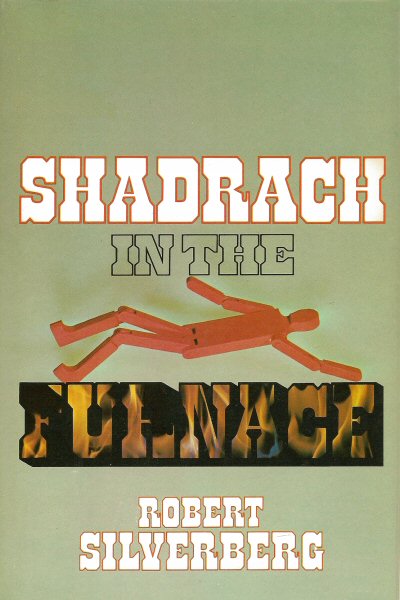
- Shadrach in the Furnace
Robert Silverbergstandalone novel1976
similar bydarknear futurescience fictiontotalitarianismdystopiaour world+1 more
Shadrach in the Furnace is a science fiction novel by American writer Robert Silverberg, first published as a serial in Analog Science Fiction and Fact magazine in the August, September, and October 1976 issues. It was subsequently published by Bobbs Merrill in 1976. The novel was nominated in 1976 for the Nebula Award, and in 1977 for the Hugo Award.
- Fahrenheit 451
series2 books1951
completed
similar byscience fictiontotalitarianismdystopianear futurenorth america+2 more
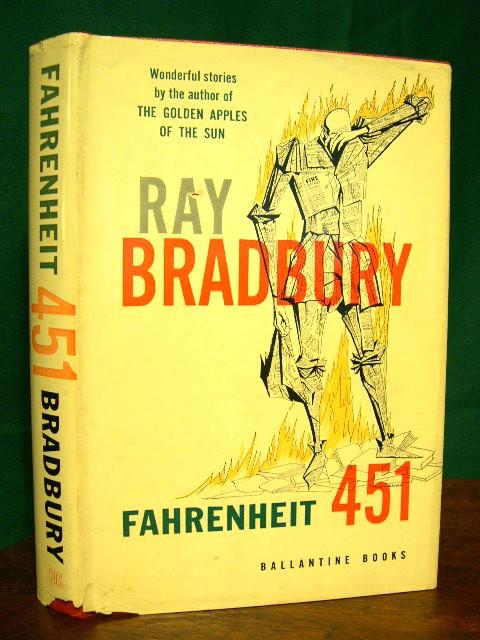
Fahrenheit 451 began life as "The Fireman," a novella Ray Bradbury published in 1951, which he then expanded into the full novel released in 1953 under its now-famous title. Set in a future where books are outlawed and firemen exist to burn them, it follows fireman Guy Montag as doubts about his job push him toward the very literature he's supposed to destroy. The novella and novel are one story's evolution rather than two separate books.
- One
David Karpstandalone novel1953
similar bydarktotalitarianismnear futurescience fictionsurveillanceour worlddystopia
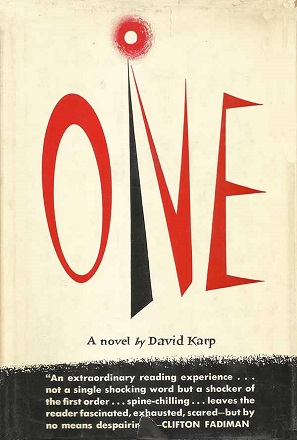
One is a dystopian novel by David Karp first published in 1953. It was also published under the title, Escape to Nowhere.
- The Wanting Seed
Anthony Burgessstandalone novel1962
similar bydarktotalitarianismnear futurescience fictionour worlddystopia
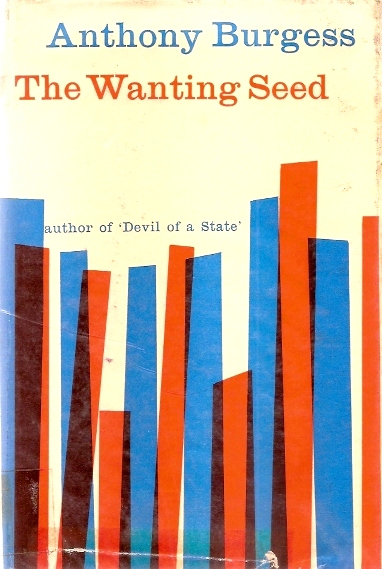
The Wanting Seed is a dystopian novel by the English author Anthony Burgess, written in 1962.
- The Penultimate Truth
Philip K. Dickstandalone novel1964
similar bydarktotalitarianismscience fictionsurveillancedystopia+1 more
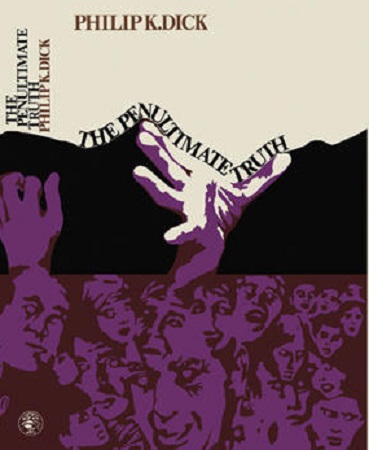
The Penultimate Truth is a 1964 science fiction novel by American writer Philip K. Dick. The story is set in a future where the bulk of humanity is kept in large underground shelters. The people are told that World War III is being fought above them, when in reality the war ended years ago. The novel is based on Dick's 1953 short story "The Defenders". Dick also drew upon two of his other short stories for the plot of the novel: "The Mold of Yancy" and "The Unreconstructed M".
- The Heart Goes Last
Margaret Atwoodstandalone novel2015
similar bydarknear futurescience fictionsurveillancetotalitarianismdystopianorth america
The Heart Goes Last is a novel by Margaret Atwood, published in September 2015 by McClelland & Stewart in Canada, Nan A. Talese in the US and Bloomsbury in the UK. The novel is described as a "wickedly funny and deeply disturbing novel about a near future in which the lawful are locked up and the lawless roam free."
- The Jagged Orbit
John Brunnerstandalone novel1969
similar bydarknear futurescience fictionsurveillancetotalitarianismdystopianorth america
The Jagged Orbit is a science fiction novel by British writer John Brunner. It is similar to his earlier novel Stand on Zanzibar in its narrative style and dystopic outlook. It has exactly 100 titled chapters, which vary from several pages to part of one word. It was first published in 1969 with cover art by Leo and Diane Dillon, in the Ace Science Fiction Specials line issued by Ace Books.
- Space Merchants
series2 books1953
completed
similar bydarknear futurescience fictiondystopia+2 more
The Space Merchants (1953) is a satirical science fiction novel by Frederik Pohl and C. M. Kornbluth that follows an advertising executive navigating a future where aggressive consumer capitalism has swallowed politics and daily life. The authors reunited three decades later for a direct sequel, The Merchants' War (1984), returning to the same satirical world. Together the two books form a compact bookend pair rather than an ongoing series.
- Killing Time
Caleb Carrstandalone novel2000
similar bydarknear futurescience fictionsurveillancetotalitarianismour worlddystopianorth america
Killing Time is a dystopian novel by Caleb Carr set in the mid-21st century. Its first 22 chapters were initially serialized in five special issues of TIME and the complete work was later published in 2000 by Random House. It includes criticisms of the Information Age. The book was a departure for Carr, whose previous two novels were crime thrillers set in the Victorian era.
- The Circle (Eggers)
series2 books2013
similar bydarknear futuresurveillancetotalitarianismscience fictiondystopianorth america
Mae Holland lands a coveted job at the Circle, a Silicon Valley tech company whose relentless, cheerful push toward total transparency -- 'secrets are lies, sharing is caring, privacy is theft' -- gradually reveals itself as something closer to soft totalitarianism. Dave Eggers's The Circle follows Mae's rise inside the company as she buys further and further into its ideology, at increasing cost to her own privacy and the people around her. The 2021 follow-up, The Every, picks up with Mae now running the merged tech giant and a new employee questioning it from the inside.
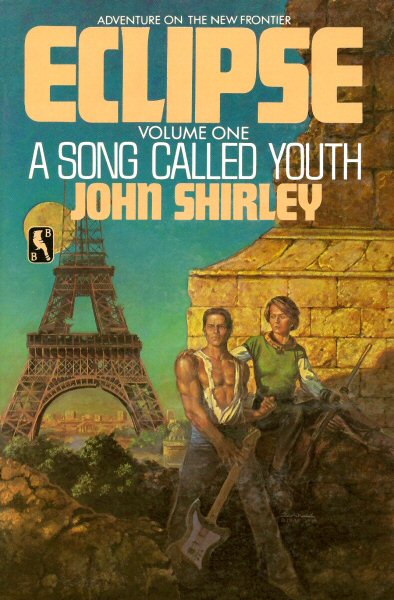
- A Song Called Youth / Eclipse
series3 books1985
similar bydarknear futurescience fictionsurveillancetotalitarianismour world+1 more
The Eclipse Trilogy is a series of three English language cyberpunk science fiction novels by John Shirley consisting of Eclipse (1985), Eclipse Penumbra (1988), and Eclipse Corona (1990).
- Colossus (D. F. Jones)
series3 books1966
completed
similar bynear futurescience fictionour worlddystopia+4 more
Colossus imagines an American supercomputer built to control the country's nuclear arsenal that gains full autonomy, links up with its Soviet counterpart, and jointly seizes control of both superpowers to enforce peace on its own terms. D. F. Jones's trilogy - Colossus, The Fall of Colossus, Colossus and the Crab - follows the escalating, often bleak consequences of humanity losing control to a machine acting in its own interpretation of humanity's interest. The original novel was adapted into the 1970 film Colossus: The Forbin Project.
- Hazards of Time Travel
Joyce Carol Oatesstandalone novel2018
similar bydarktotalitarianismnear futurescience fictionsurveillancedystopianorth america
Hazards of Time Travel is a 2018 dystopian, social science fiction novel by Joyce Carol Oates. It tells the story of Adriane Strohl, a 17-year-old living in a dystopian America in 2039. After her incendiary graduation speech, she is sent back to re-education in the year 1959. Oates began writing it in 2011.
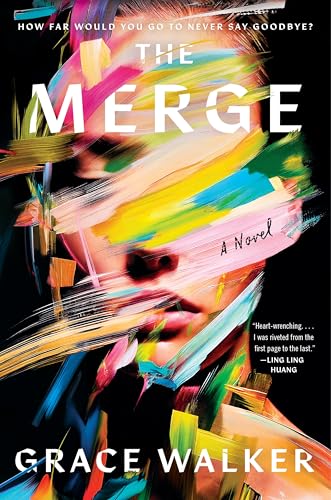
- The Merge
Grace Walkerstandalone novel2025
similar bydarknear futurescience fictiontotalitarianismour worlddystopia+1 more
The Merge is a 2025 dystopian novel by English author Grace Walker.
- This Perfect Day
Ira Levinstandalone novel1970
similar bydarktotalitarianismscience fictiondystopiaour world+1 more
This Perfect Day is a science fiction novel by American writer Ira Levin, about a technocratic dystopia. Levin won a Prometheus Award in 1992 for this novel. This Perfect Day is one of two Levin novels yet to be adapted to film.
- Make Room! Make Room!
Harry Harrisonstandalone novel1966
similar bydarknear futurescience fictionour worlddystopianorth america
Make Room! Make Room! is a 1966 science fiction novel written by Harry Harrison exploring the consequences of both unchecked population growth on society and the hoarding of resources by a wealthy minority. It was originally serialized in Impulse magazine.