More like Hideaway
anchored on:horrorpsychic powersour worldcontemporarytensethriller & suspense+4 more
but
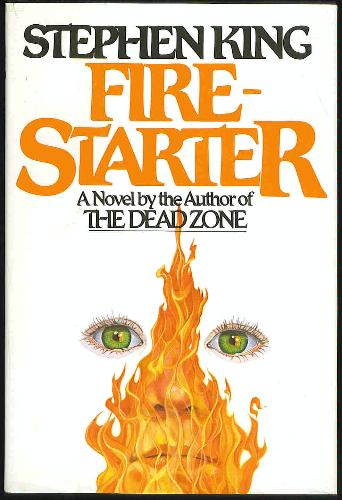
- Firestarter
Stephen Kingstandalone novel1980
similar bycontemporarytensepsychic powersdarkthriller & suspensenorth america+1 more
WorldCat: Innocence and beauty ignite with evil and terror... First, a man and a woman are subjects of a top-secret government experiment designed to produce extraordinary psychic powers. Then, they are married and have a child. A daughter. Early on the daughter shows signs of a wild and horrifying force growing within her. Desperately, her parents try to train her to keep that force in check, to 'act normal'. Now the government wants its brainchild back for its own insane ends.
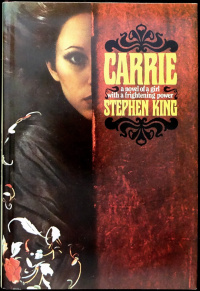
- Carrie
Stephen Kingstandalone novel1974
similar bycontemporarypsychic powerstensehorrordarknorth america
In one way or another, everybody abused Carrie. This sixteen-year-old misfit was forbidden everything that was young and fun by her fanatical mother. She was teased and taunted by her classmates, misunderstood by her teachers, and given up as hopeless by almost everyone. But Carrie had a secret: She possessed terrifying telekinetic powers that could make inanimate objects move, a lighted candle fall, or a door lock. Carrie could make all kinds of startling bizarre, and malevolent things happen. (WorldCat)
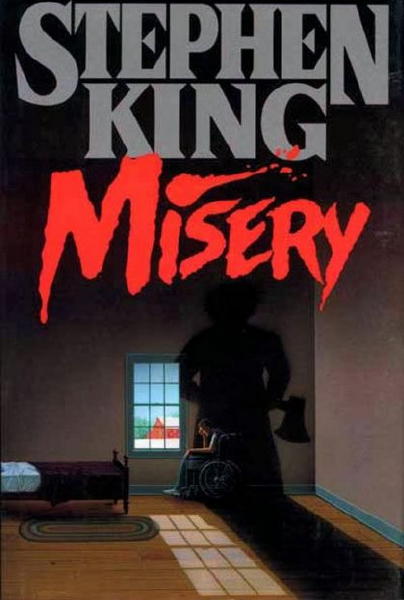
- Misery
Stephen Kingstandalone novel1987
similar bycontemporarytensedarkhorrorthriller & suspensepsychological thrillernorth america
Novelist Paul Sheldon finishes the manuscript that will finally kill off Misery Chastain, the heroine who made his career, when a snowstorm sends his car off a Colorado road. He wakes with both legs shattered, in the care of Annie Wilkes, a former nurse and 'number one fan' with no intention of taking him to a hospital. Annie manages his pain with drugs he comes to depend on, and her moods swing between doting and violent. When she learns Misery doesn't survive his new manuscript, her reaction makes clear Paul isn't just her patient, he's her hostage. A Stephen King novel about a writer at his most devoted fan's mercy.
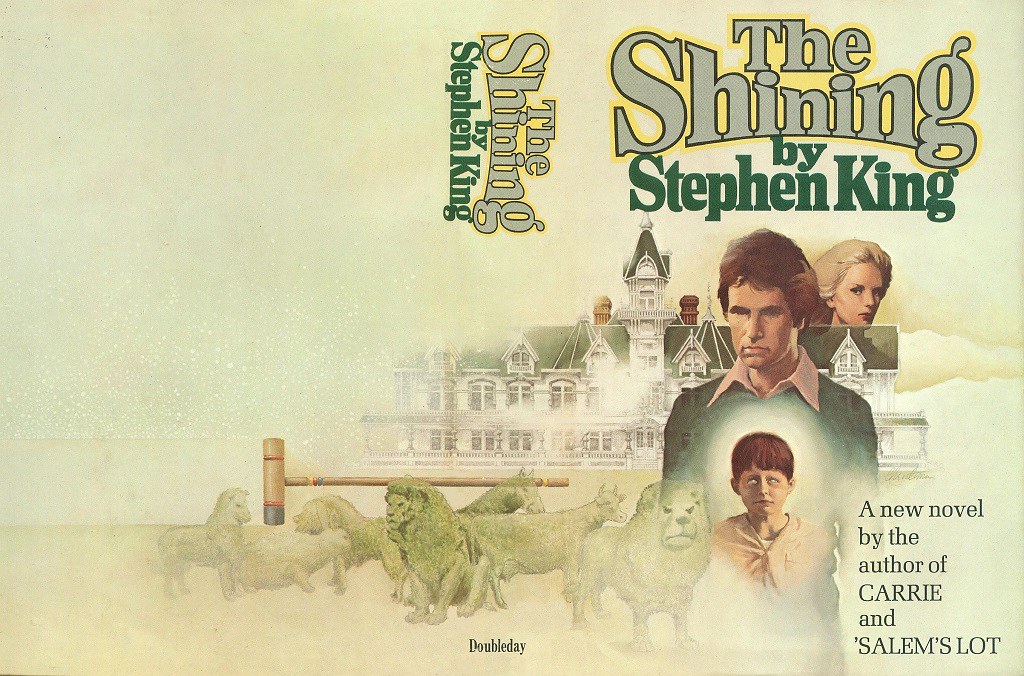
- The Shining
series5 books1977
similar bycontemporarydarktensehorrorpsychic powersnorth america
Stephen King's 1977 novel The Shining follows the Torrance family as winter caretakers of the isolated, malevolent Overlook Hotel, where father Jack is gradually consumed by the hotel's influence while his young son Danny's psychic "shining" draws its attention. Doctor Sleep (2013) picks up the story decades later, following Danny as an adult still marked by that childhood ordeal. Together the two form a horror duology spanning nearly forty years of real-world publication.
- The Institute
Stephen Kingstandalone novel2019
similar bycontemporarytensepsychic powersdarkhorrorthriller & suspensenorth america
The Institute is a 2019 American science fiction-horror novel by Stephen King, published by Scribner. The book follows twelve-year-old genius Luke Ellis. When his parents are murdered, he is kidnapped by intruders and awakens in the Institute, a facility that houses other abducted children who have telepathy or telekinesis. The Institute was published on September 10, 2019, and met with generally positive reviews.
- Jerusalem's Lot
series3 books1975
similar bycontemporarydarktensehorrorour worldnorth america
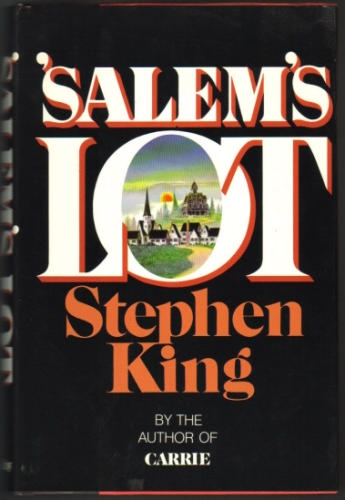
Stephen King's 1975 novel 'Salem's Lot follows writer Ben Mears as he returns to his childhood town of Jerusalem's Lot, Maine, only to discover that its residents are being turned into vampires by a newly arrived stranger. It transplants Gothic vampire horror into a small New England community, tracking that community's collapse under a supernatural siege. It is a single, self-contained novel.
- Made for You
Melissa Marrstandalone novel2014
similar bycontemporarytensepsychic powersdarkmurder investigationthriller & suspensepsychological thrillernorth america
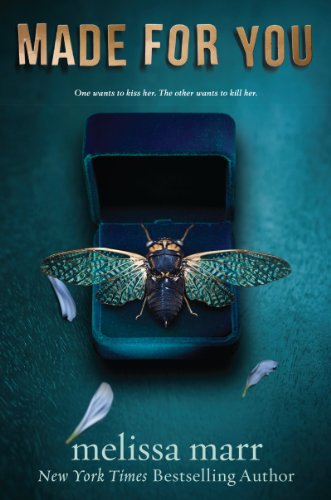
Southern small town darling Eva Tilling wakes up in the hospital with the frightening ability to see through the eyes of the victims of a serial killer, and realizes that she, too, is a target of the depraved stalker.
- Divine Evil
Nora Robertsstandalone novel1992
similar bycontemporarytensedarkmurder investigationhorrorthriller & suspensepsychological thrillernorth america
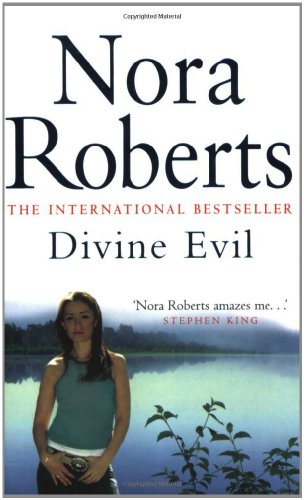
Kurzbeschreibung Dunkle Herzen (Divine Evil) - Nora Roberts Die erfolgreiche New Yorker Bildhauerin Clare Kimball wird immer wieder von einem Alptraum gequält: Auf einer einsamen Waldlichtung in der Nähe ihres Heimatortes Emmitsboro in Maryland zelebrieren maskierte Mnner orgiastisch eine schwarze Messe. Clare will endlich herausfinden, was es mit dem Traum auf sich hat. Sie kehrt zurück nach Emmitsboro, trotz der Warnungen guter Freunde. In Cameron Raffery, dem neuen Sheriff, findet Clare schnell einen Verbündeten. Aber auch er kann nicht ahnen, dass hinter der biederen Fassade der Kleinstadt Ungeheuerliches passiert - und dass Clare sich schon bald in ernster Gefahr befindet... Ein atemberaubender Psychothriller um satanische Rituale in einer amerikanischen Kleinstadt.
- In the Night Room
Peter Straubstandalone novel2004
similar bycontemporarydarktensehorrorour worldthriller & suspensenorth america+1 more
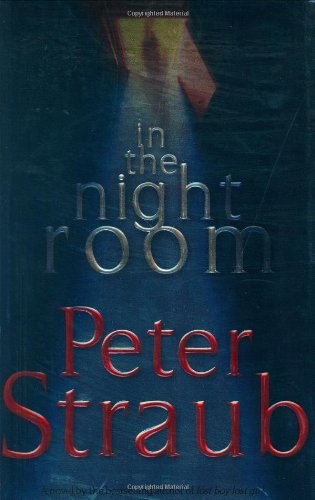
In the Night Room is a 2004 horror-thriller novel by American author Peter Straub, a sequel to his 2003 book Lost Boy, Lost Girl. The work was first published in hardback on October 26, 2004, through Random House and it won the 2004 Bram Stoker Award for Novel. Straub encountered some difficulties while writing In the Night Room and had written several different passages for the work before growing bored with each version before writing it using the same technique he used for its predecessor in which he "reached down inside the book and turned it inside out."
- Cell
Stephen Kingstandalone novel2006
similar bycontemporarytensedarkhorrorour worldnorth america
In Cell, King taps into readers fears of technological warfare and terrorism. Mobile phones deliver the apocalypse to millions of unsuspecting humans by wiping their brains of any humanity, leaving only aggressive and destructive impulses behind. Those without cell phones, like illustrator Clayton Riddell and his small band of "normies," must fight for survival, and their journey to find Clayton's estranged wife and young son rockets the book toward resolution.
- The Fury
series4 books1976
similar bycontemporarypsychic powerstensethriller & suspense+4 more
John Farris's The Fury centers on a teenage girl and boy with escalating psychic and telekinetic powers who become targets of a covert government program trying to weaponize them. The 1976 novel, adapted into Brian De Palma's 1978 film, gave rise to a string of later sequels following the same family's psychic bloodline across decades. Farris writes it as paranoid conspiracy thriller as much as horror, with the powers themselves treated as a violent, destabilizing force.
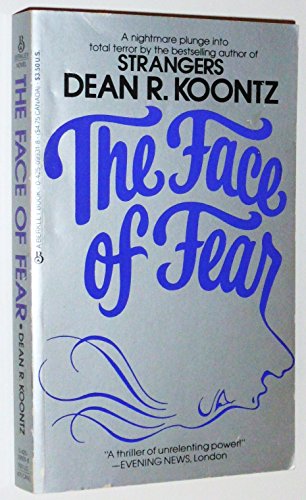
- The Face of Fear
Dean R. Koontzstandalone novel1977
similar bycontemporarytensedarkhorrorpsychic powersmurder investigationthriller & suspense
The Face of Fear is a suspense-horror novel by American writer Dean Koontz, first published in 1977. It was originally released under the pseudonym Brian Coffey.
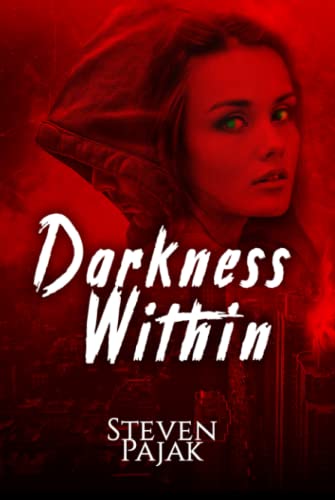
- Darkness Within
Steven Pajakstandalone novel2008
similar bycontemporarytensepsychic powersmurder investigationthriller & suspensenorth america+1 more
● " Reluctant psychic Susan Moore witnessed the brutal slaying of a young boy in a vision. Despite her psychic gifts, she is unable to save the boy from a brutal ending. In a small Texas town, Sheriff Steven Ames is desperate to catch a killer before tragedy strikes again. When fate brings Ames and Moore together, the two join forces to stop the killer before tragedy strikes again. In the midst of chaos and danger Susan must come to terms with the limitations of her psychic abilities while Ames must battle his own feelings of inadequacy and deal with a town that no longer has faith in his abilities as a peace officer." ― paraphrased from this book's product page on Amazon.com as of 2022-08-02.
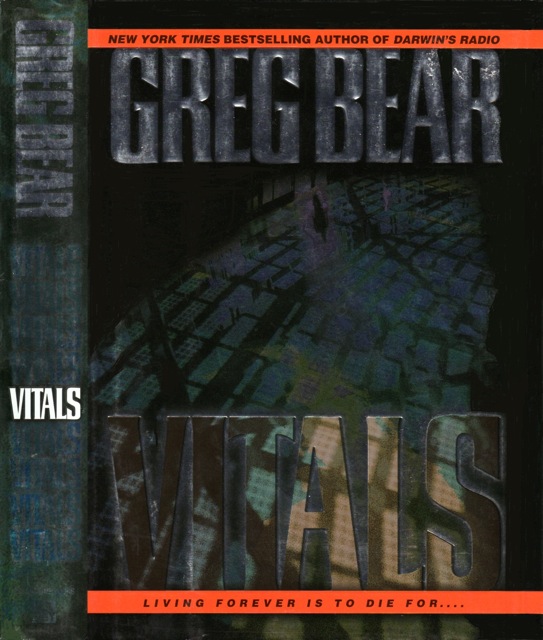
- Vitals
Greg Bearstandalone novel2002
similar bycontemporarytensemurder investigationour worldthriller & suspensenorth america+1 more
From the flaps of the Del Rey first edition: "Hal Cousins is one of a handful of scientists nearing the most sought after discovery in human history: the key to short-circuiting the aging process. Fueled by a wealth of research, an overdose of self-confidence, and the money of influential patrons to whom he makes outrageous promises, Hal experiments with organisms living in the hot thermal plumes in the ocean depths. But as he journeys beneath the sea, his other world is falling apart. Across the country, scientists are being inexplicably murdered - including Hal's identical twin brother, who is also working to unlock the key to immortality. Hal himself barely eludes a cold-blooded attack at sea, and when he returns home to Seattle, he finds himself walking into an eerie realm where voices speak to him from the dead ... where a once-brilliant historian turned crackpot is leading him on a deadly game of hide-and-seek ... and where the beautiful, rich widow of his twin is more than willing to pick up the pieces of Hal's life-and take him places he's never been before. Suddenly Hal is trapped inside an ever-twisting maze of shocking revelations. For he is not the first person to come close to ending aging forever - and those who came before him will stop at nothing to keep the secret to themselves. Now every person on earth is at risk of being made an unsuspecting player in one man's spectacular and horrifying master plan. From the bottom of Russia's Lake Baikal to a billionaire's bionic house built into the cliffs of the Washington seashore, from the darkest days of World War II and the reign of Josef Stalin to the capitalist free-for-all that is the United States, Vitals tells an astounding tale of the most unimaginable scientific secret of all - exposed by the quest for immortality itself..."
- Finders Keepers (Stephen King)
series7 books2014
similar bycontemporarytensemurder investigationthriller & suspensenorth america+2 more
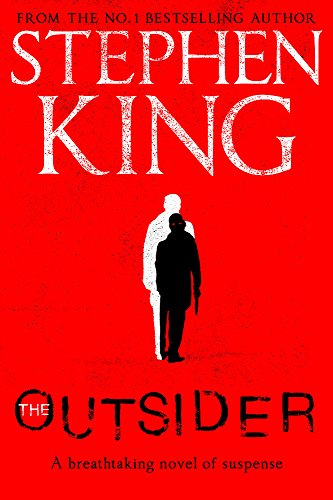
The books gathered here follow Holly Gibney, who first appeared as a supporting character in Stephen King's Bill Hodges trilogy (Mr. Mercedes, Finders Keepers, End of Watch) before graduating into her own strand of stories: a major role in The Outsider, then top billing in the novella If It Bleeds and the novels Holly and Never Flinch, where she works as a private investigator taking on cases with a supernatural edge. The mix of true-crime procedural instincts and creeping horror is a hallmark of King's later work with the character.
- Little Tall Island / In the Path of the Eclipse
series4 books1989
similar bytensecontemporarydarkhorrorpsychological thrillernorth america+2 more
Stephen King set three otherwise separate books on or near the fictional Little Tall Island off the coast of Maine: Gerald's Game, about a woman handcuffed to a bed after her husband's fatal heart attack; Dolores Claiborne, a housekeeper's decades-spanning confession narrated in a single unbroken monologue; and Storm of the Century, a novelization of King's own miniseries about a stranger who arrives during a historic blizzard demanding a terrible price from the town. The first two novels share a real total solar eclipse as a pivotal, connecting event despite having otherwise unrelated plots and characters.
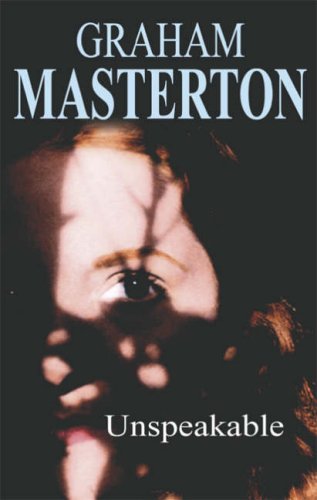
- Unspeakable
Graham Mastertonstandalone novel2002
similar bycontemporarytensedarkhorrormurder investigationour worldthriller & suspense+1 more
Using her talent for lip-reading to help the police investigate the disappearances of a string of women, little does Holly Summers, a deaf child welfare officer, suspect that one of the enemies she's made in her job has vowed a supernatural vengeance on her, and the horror begins when the one person Holly is living for is targeted.
- Psychic Killer
series2 books2008
similar bycontemporarytensepsychic powersdarkmurder investigationthriller & suspensenorth america
- Bury Me Deep
Christopher Pikestandalone novel1991
similar bycontemporarytensedarkhorrorthriller & suspense+2 more
THE DEAD BOY WOULD NOT GO AWAY. Jean is on her way to Hawaii for a week of fun in the sun. But the vacation gets off to a gruesome start. The boy sitting beside her on the plane suddenly chokes and dies. Jean tries to push the incident out of her mind when she arrives on the island, but that's impossible. Part of the reason is because Mike keeps coming back to her in her dreams. Horrible dreams filled with cold blood. Two of Jean's friends are waiting for her in Hawaii -- Mandy and Michele. They have already made friends with two young men who teach scuba diving at the hotel -- Dave and Johnny. Jean and Johnny quickly become friends. But there are problems in paradise. Dave and Johnny have recently lost a partner in the ocean. No one knows how he died. No one can find his body. But then Jean finds Mike's body. It isn't where it's supposed to be, and it seems as if it's still got some life in it.
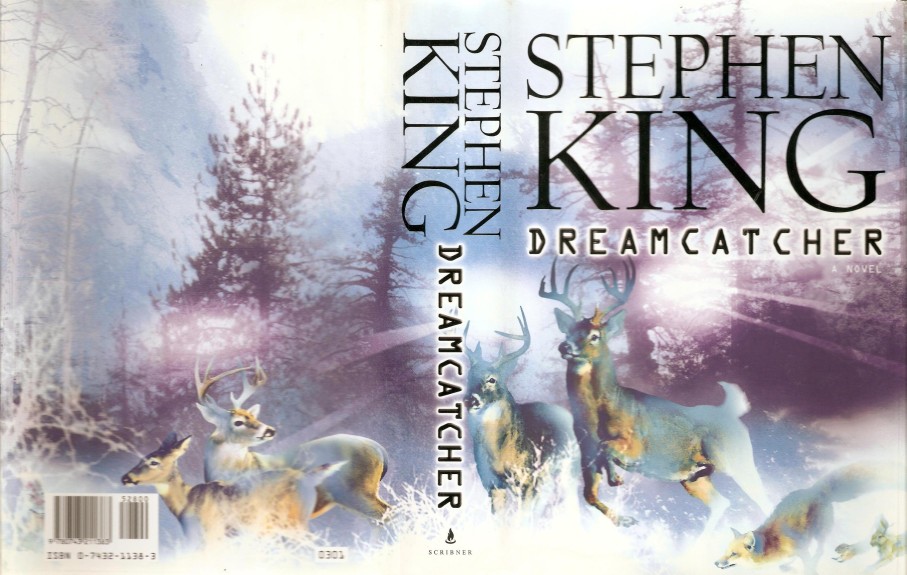
- Dreamcatcher
Stephen Kingstandalone novel2001
similar bycontemporarytensedarkhorrornorth america+1 more
Dreamcatcher is a 2001 science fiction horror novel by American writer Stephen King, featuring elements of body horror, suspense and alien invasion. The book, written in longhand, helped the author recuperate from a 1999 car crash, and was completed in half a year. According to the author in his afterword, the working title was Cancer. His wife, Tabitha King, persuaded him to change the title. A film adaptation was released in 2003.
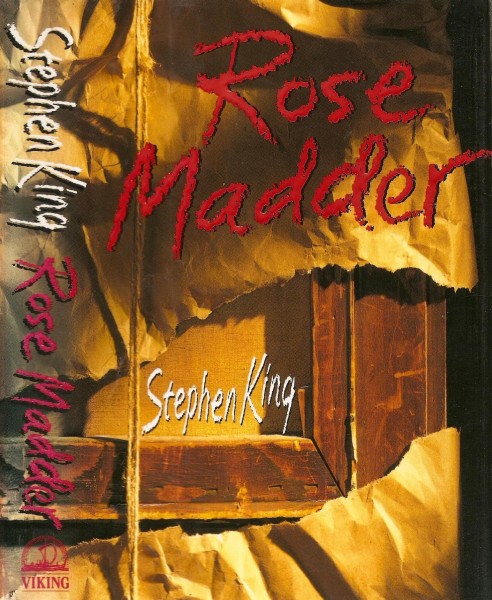
- Rose Madder
Stephen Kingstandalone novel1995
similar bycontemporarydarktensehorrorour worldnorth america
Rose Madder is a horror/fantasy novel by American writer Stephen King, published in 1995. It deals with the effects of domestic violence and, unusually for a King novel, relies for its fantastic element on Greek mythology. In his memoir, On Writing, King states that Rose Madder and Insomnia are "stiff, trying-too-hard novels."
- Whispers
Dean R. Koontzstandalone novel1980
similar bycontemporarytensedarkhorrorthriller & suspensenorth america
WorldCat: Hilary, a beautiful, successful Hollywood writer, lives alone and is being stalked. She has killed him once, but he keeps coming back.
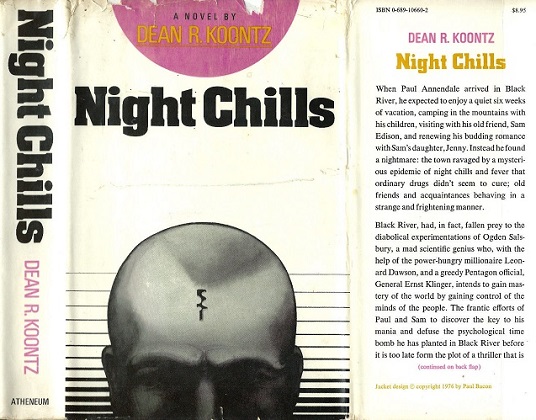
- Night Chills
Dean R. Koontzstandalone novel1976
similar bycontemporarytensedarkthriller & suspensenorth america+2 more
A single father and his 2 children, along with the father's love interest and her father, stumble upon a plot to perfect mind control via scientific means and must stop it before it is extended to everyone in the world.
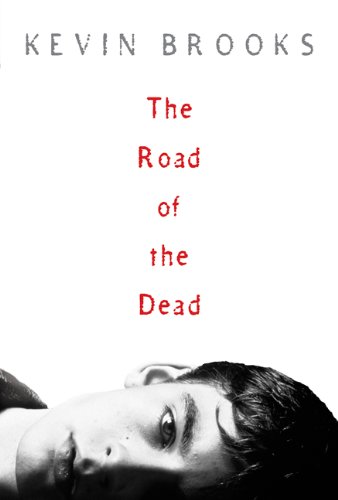
- The Road of the Dead
Kevin Brooksstandalone novel2006
similar bycontemporarytensedarkpsychic powersmurder investigationpsychological thriller
Two brothers, one with second sight, investigate their sister's murder.