More like Hope/Less
anchored on:science fictionnear futureour world
but
- Blade Runner Universe
series6 books1968
similar byscience fictionidentitynear futurerobots+3 more
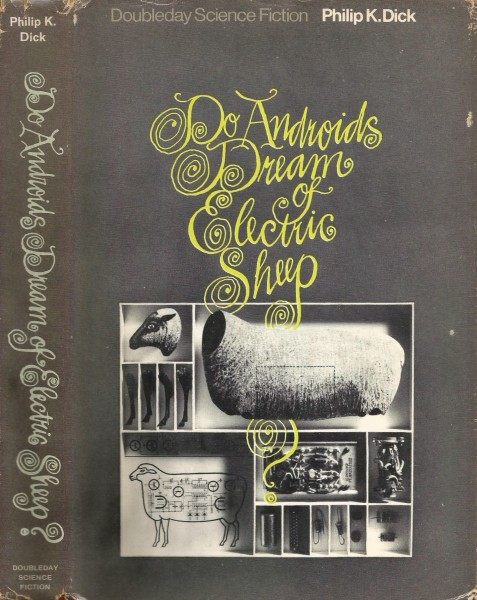
Philip K. Dick's 1968 novel Do Androids Dream of Electric Sheep? follows bounty hunter Rick Deckard as he tracks escaped androids through an irradiated, near-abandoned San Francisco, using the hunt to probe questions of empathy and what separates human from machine. The novel became the basis for Ridley Scott's 1982 film Blade Runner, and Marvel Comics later published an illustrated adaptation of that film. Together the two trace the story's path from prose original to screen and comic-page adaptation.
- Childhood's End
Arthur C. Clarkestandalone novel1953
similar byscience fictionidentityour worldnear futurereflective
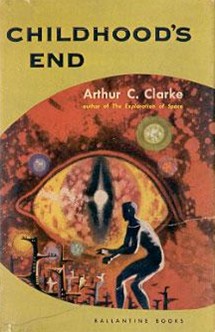
Childhood's End is a 1953 science fiction novel by the British author Arthur C. Clarke. The story follows a peaceful alien invasion of Earth by mysterious Overlords, whose arrival begins decades of apparent utopia under indirect alien rule, at the cost of human identity and culture.
- Stranger in a Strange Land
Robert A. Heinleinstandalone novel1961
similar byscience fictionidentitynear futurereflectiveour world
Stranger in a Strange Land is a 1961 science fiction novel by the American author Robert A. Heinlein. It tells the story of Valentine Michael Smith, a human who comes to Earth in early adulthood after being born on the planet Mars and raised by Martians, and explores his interaction with and eventual transformation of Terran culture.
- Time Is the Simplest Thing
Clifford D. Simakstandalone novel1961
similar byscience fictionnear futureour worldreflective+2 more
Time Is the Simplest Thing is a science fiction novel by American writer Clifford D. Simak, first published in 1961. The story combines paranormal abilities with themes of space and time travel. The underlying theme is intolerance of ordinary people towards those with unusual abilities.
- I Will Fear No Evil
Robert A. Heinleinstandalone novel1970
similar byscience fictionidentitynear futureour worldreflective
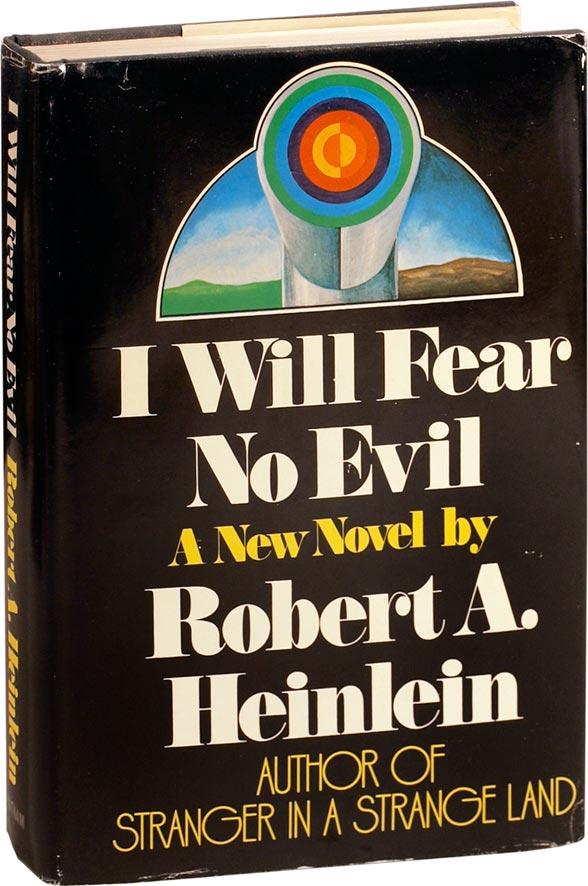
I Will Fear No Evil is a science fiction novel by American writer Robert A. Heinlein, originally serialised in Galaxy and published in hardcover in 1970. The title is taken from Psalm 23:4.
- The Light of Other Days
Arthur C. Clarke & Stephen Baxterstandalone novel2000
similar byscience fictionnear futureour worldtense+2 more
An industrialist devises a technique to use tiny wormholes as light pipes to enable viewing of any event anywhere; and subsequently it becomes possible to use them to view any event in the past as well. The effects on society are enormous.
- The Turing Option
Harry Harrison & Marvin Minskystandalone novel1992
similar byscience fictionnear futureour worldtenseartificial intelligence+2 more
Classic SF Harry Harrison enthralls with the discovery, loss and re-discovery of AI. Quaint but fairly accurate predictions of modern computing power. 24 style presentation.
- Beyond This Horizon
Robert A. Heinleinstandalone novel1948
similar byscience fictionour worldreflective+2 more
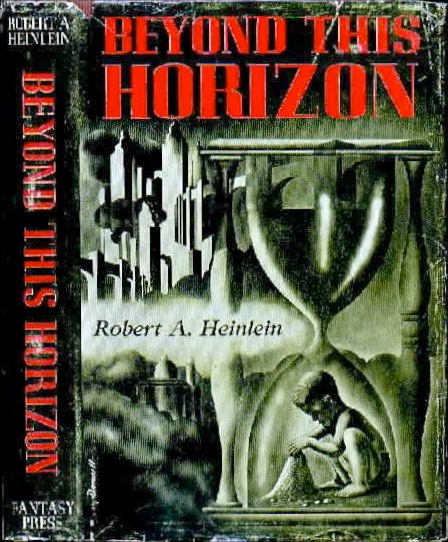
From the front flap of a 2001 Baen reprint: "Utopia has been achieved. For centuries, disease, hunger, poverty, and war have been things found only in the history tapes. And applied genetics has given men and women the bodies of athletes and a lifespan of over a century. They should all have been very happy... But Hamilton Felix is bored. And he is the culmination of a star line, each of his last thirty ancestors chosen for superior genes. Hamilton is, as far as genetics can produce one, the ultimate man. And this ultimate man can see no reason why the human race should survive, and has no intention of continuing the pointless comedy. However, Hamilton's life is about to become less boring. A secret cabal of revolutionaries who find utopia not just boring, but desperately in need of leaders who know just What Needs to be Done, are planning to revolt and put themselves in charge. Knowing of Hamilton's disenchantment with the modern world, they have recruited him to join their Glorious Revolution. Big mistake! The revolutionaries are about to find out that recruiting a superman was definitely not a good idea..."
- We Can Build You
Philip K. Dickstandalone novel1972
similar byscience fictionidentitynear futureour worldreflectiverobots
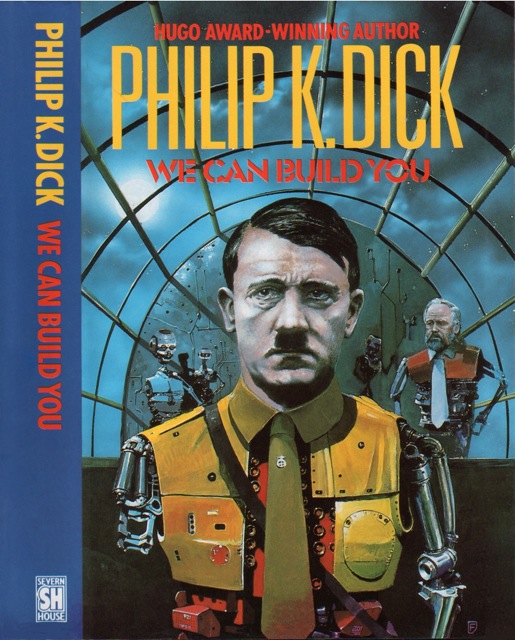
We Can Build You is a 1972 science fiction novel by American writer Philip K. Dick. Written in 1962 as The First in Our Family, it remained unpublished until appearing in serial form as A. Lincoln, Simulacrum in the November 1969 and January 1970 issues of Amazing Stories magazine, re-titled by editor Ted White. The novel was issued as a mass market paperback original by DAW Books in 1972, its final title provided by publisher Donald A. Wollheim. Its first hardcover edition was published in Italy in 1976, and Vintage issued a trade paperback in 1994.
- Hardwired
series3 books1986
similar byscience fictionnear futureour worldtense+2 more
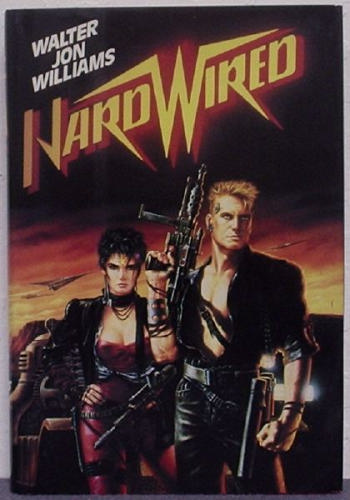
Walter Jon Williams' Hardwired (1986) is an early and influential cyberpunk novel. Voice of the Whirlwind, published three years later, is a loosely connected follow-up set in the same future, sharing its technological and political backdrop with a different cast of characters.
- Mindscan
Robert J. Sawyerstandalone novel2005
similar byscience fictionidentitynear futureour worldtenserobots+1 more
Transplanting his consciousness into an android body in order to escape death, Jake Sullivan falls in love with the android Karen, a situation that is further complicated when Jake's biological body takes hostages and demands its mind back.
- The Dream Master
Roger Zelaznystandalone novel1966
similar byscience fictionidentitynear futureour world+1 more
The Dream Master (1966) is a science fiction novel by American writer Roger Zelazny, based on the novella He Who Shapes. Zelazny's original title was The Ides of Octember. He Who Shapes won the 1965 Nebula Award for Best Novella.
- Eastern Standard Tribe
Cory Doctorowstandalone novel2004
similar byscience fictionidentitynear futureour world+2 more
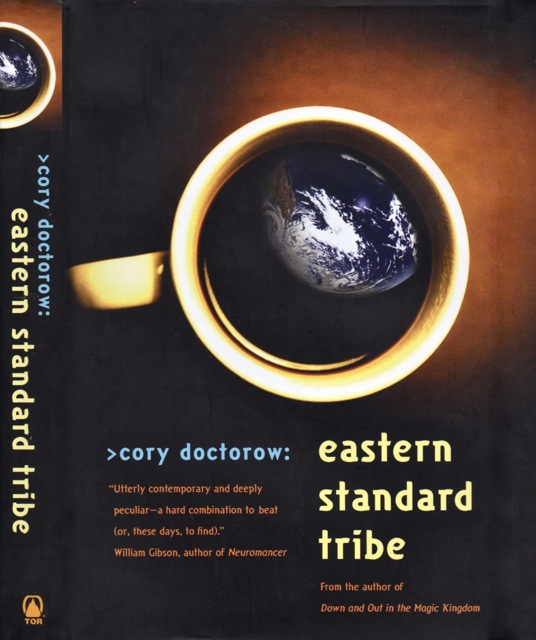
Eastern Standard Tribe is a 2004 science fiction novel by Canadian writer Cory Doctorow. Like Doctorow's first two books, the entire text was released under a Creative Commons license on Doctorow's website, allowing the whole text of the book to be read for free and distributed without the publisher's permission.
- Service Model
series3 books2024
similar byscience fictionidentitynear futureour worldartificial intelligencerobots+1 more
- Dogs of War (Adrian Tchaikovsky)
series3 books2017
similar byscience fictionour worldnear future+4 more
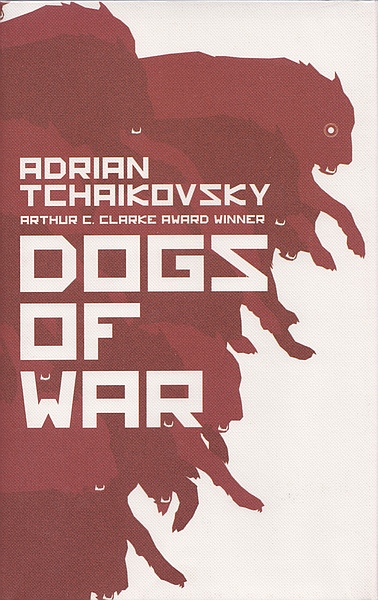
Adrian Tchaikovsky's Dogs of War follows Rex, a genetically engineered "Good Boy" - a hulking bioform supersoldier built for a private military contractor - as he begins to question the nature of his own obedience and personhood after his handler disappears. Dogs of War, Bear Head, and Bee Speaker widen from that first book's battlefield into questions of AI rights, corporate power, and non-human consciousness across a near-future Earth. The trilogy uses its engineered-animal soldiers to interrogate free will and loyalty rather than play them as straightforward action heroes.
- Shadrach in the Furnace
Robert Silverbergstandalone novel1976
similar byscience fictionidentitynear futureour world+1 more
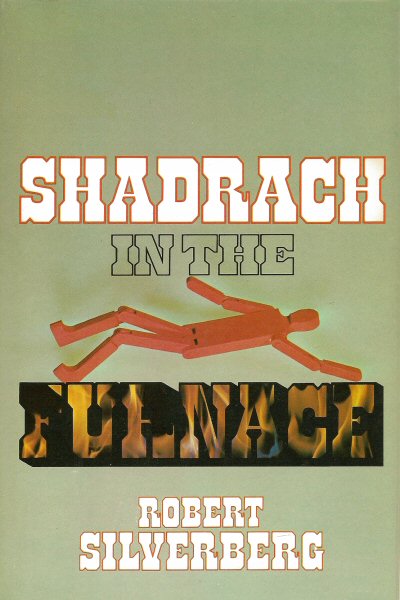
Shadrach in the Furnace is a science fiction novel by American writer Robert Silverberg, first published as a serial in Analog Science Fiction and Fact magazine in the August, September, and October 1976 issues. It was subsequently published by Bobbs Merrill in 1976. The novel was nominated in 1976 for the Nebula Award, and in 1977 for the Hugo Award.
- Where Late the Sweet Birds Sang
Kate Wilhelmstandalone novel1976
similar byscience fictionnear futureour world+2 more
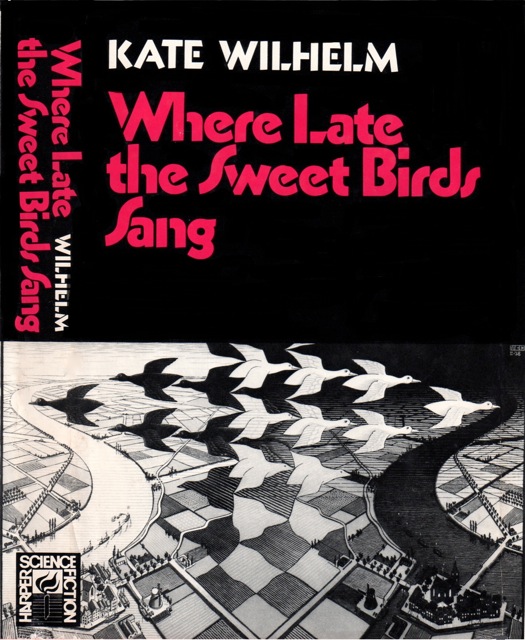
Where Late the Sweet Birds Sang is a science fiction novel by American writer Kate Wilhelm, published in 1976. The novel is composed of three parts, "Where Late the Sweet Birds Sang," "Shenandoah," and "At the Still Point," and is set in a post-apocalyptic era, a concept popular among authors who took part in the New Wave Science Fiction movement in the 1960s.
- The Zap Gun
Philip K. Dickstandalone novel1967
similar byscience fictionnear futureour world+2 more
The Zap Gun is a 1967 science fiction novel by American writer Philip K. Dick. It was first published as the two-part serial Project Plowshare in Worlds of Tomorrow in 1965 and 1966, before Pyramid Books issued it in paperback under its present title. The novel originated in a title-first commission devised by Pyramid editor Don Bensen and was written in 1964 during a period of rapid production in Dick's career.
- The Mind Cage
A. E. van Vogtstandalone novel1957
similar byscience fictionnear futureour worldtense+1 more
The Mind Cage is a 1957 science fiction novel by American writer A. E. van Vogt, adapted from the short story "The Great Judge" (1948).
- Never Let Me Go
Kazuo Ishigurostandalone novel2005
similar byscience fictionidentitynear futureour worldreflective
Never Let Me Go is a 2005 science fiction novel by the British author Kazuo Ishiguro. It was shortlisted for the 2005 Man Booker Prize, for the 2006 Arthur C. Clarke Award and the 2005 National Book Critics Circle Award. Time magazine named it the best novel of 2005. It included the novel in its '100 Best English-language novels published since 1923—the beginning of TIME'. It also received an ALA Alex Award in 2006. A film adaptation directed by Mark Romanek was released in 2010.
- Library of America P. K. Dick Collection
series9 books1962
completed
similar byscience fictionnear future+2 more
- Richard Forthrast
series2 books2011
similar byscience fictionour world+4 more
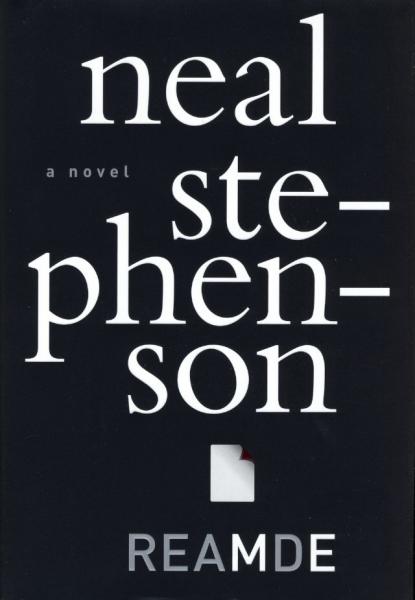
Neal Stephenson's Richard 'Dodge' Forthrast novels open with Reamde, a globe-spanning thriller that starts when ransomware inside an MMORPG economy pulls Richard's extended family into a real-world hostage crisis involving hackers, jihadists and Russian mobsters. The sequel Fall; or, Dodge in Hell shifts registers entirely, following Richard's digitally preserved mind after death into an afterlife simulation built from his scanned brain. The two books share a protagonist and family but differ sharply in genre and scale.
- Man Plus
series2 books1976
similar byscience fictionnear futuretenserobots+1 more
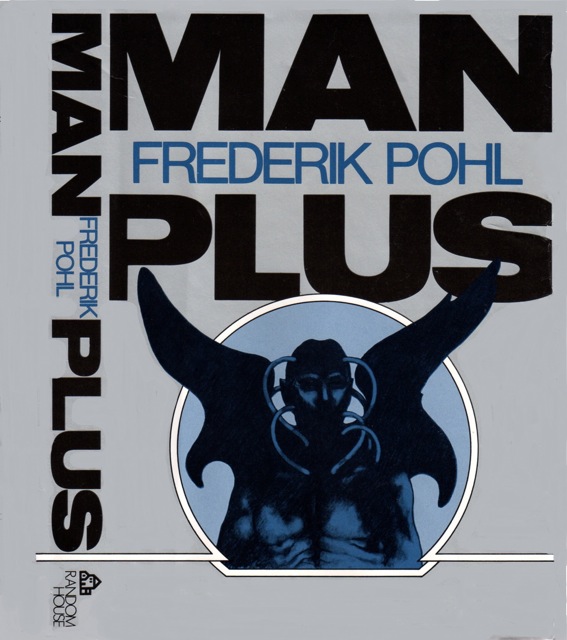
Frederik Pohl's Man Plus follows Roger Torraway, who is surgically and cybernetically rebuilt into a post-human organism able to survive unprotected on the Martian surface, as part of a crash program to colonize Mars ahead of a predicted global crisis. The 1976 novel, which won the Nebula Award, is a clinical, unsentimental look at what such a transformation costs a person's sense of self. Thomas T. Thomas wrote the sequel Mars Plus, continuing the story of the Martian colony years later.
- Flashforward
Robert J. Sawyerstandalone novel1999
similar byscience fictionidentitynear futureour worldtense
Flashforward is a science fiction novel by Canadian author Robert J. Sawyer first published in 1999. The novel is set in 2009. At CERN, the Large Hadron Collider accelerator is performing a run to search for the Higgs boson. The experiment has a unique side effect; the entire human race loses their consciousness for about two minutes. During that time, nearly everyone sees themselves roughly twenty-one years and six months in the future. Each individual experiences the future through the senses of their future self. This "flashforward" results in countless deaths and accidents involving vehicles, aircraft, and any other device needing human control at the time of the experiment. The novel was adapted into the 2009 television series FlashForward.