More like Hyperpelosity
anchored on:science fictiongenetic engineeringour worldnorth americafunnymid 20th century
but
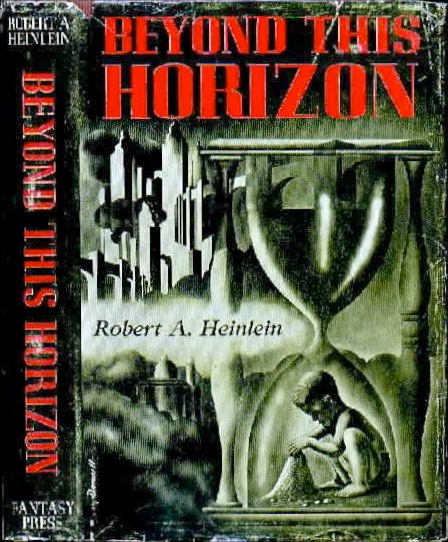
- Beyond This Horizon
Robert A. Heinleinstandalone novel1948
similar bygenetic engineeringscience fictionour worldnorth america
From the front flap of a 2001 Baen reprint: "Utopia has been achieved. For centuries, disease, hunger, poverty, and war have been things found only in the history tapes. And applied genetics has given men and women the bodies of athletes and a lifespan of over a century. They should all have been very happy... But Hamilton Felix is bored. And he is the culmination of a star line, each of his last thirty ancestors chosen for superior genes. Hamilton is, as far as genetics can produce one, the ultimate man. And this ultimate man can see no reason why the human race should survive, and has no intention of continuing the pointless comedy. However, Hamilton's life is about to become less boring. A secret cabal of revolutionaries who find utopia not just boring, but desperately in need of leaders who know just What Needs to be Done, are planning to revolt and put themselves in charge. Knowing of Hamilton's disenchantment with the modern world, they have recruited him to join their Glorious Revolution. Big mistake! The revolutionaries are about to find out that recruiting a superman was definitely not a good idea..."
- Cat's Cradle
Kurt Vonnegut & Jr.standalone novel1963
similar byfunnyscience fictionmid 20th centuryour world+1 more
Cat's Cradle is a satirical postmodern novel, with science fiction elements, by American writer Kurt Vonnegut. Vonnegut's fourth novel, it was first published on March 18, 1963, exploring and satirizing issues of science, technology, the purpose of religion, and the arms race, often through the use of morbid humor. The novel was nominated for the Hugo Award for Best Novel in 1964.
- Blood Music
Greg Bearstandalone novel1985
similar bygenetic engineeringscience fictionour worldnorth america
Blood Music is a 1985 science fiction novel by American writer Greg Bear. It is an expanded version of a short story of the same title, originally published in the June 1983 issue of Analog and the winner of both the 1983 Nebula and 1984 Hugo awards for Best Novelette. The novel won the 1986 Prix Apollo Award, given to the best science fiction novel published in France during the preceding year, under the title La Musique du sang.
- The Green Gene
Peter Dickinsonstandalone novel1973
similar bygenetic engineeringscience fictionfunnyour world
Green is the color of my true love's skin. The Irish were having green-skinned babies, until they all were "wearing of the green" permanently! The Scots kept right up with them and turned green too! And the Welsh, being fellow Celtics, also became grass-colored! In all the world only one meek little Indian genius had tracked down the wild gene that was doing it. So they called him to the British Isles - and thereby upset the whole delicately balanced green-apple cart! (from the back cover of the DAW Books first printing)
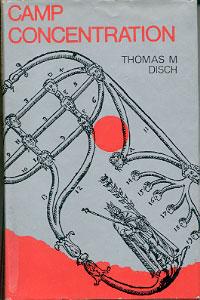
- Camp Concentration
Thomas M. Dischstandalone novel1968
similar byscience fictiongenetic engineeringmid 20th centuryour world+1 more
Camp Concentration is a science-fiction novel by Thomas M. Disch. It was first serialized in four parts in New Worlds from July to October 1967 and was published in book form in the United Kingdom in 1968, followed by a first U.S. edition in 1969.
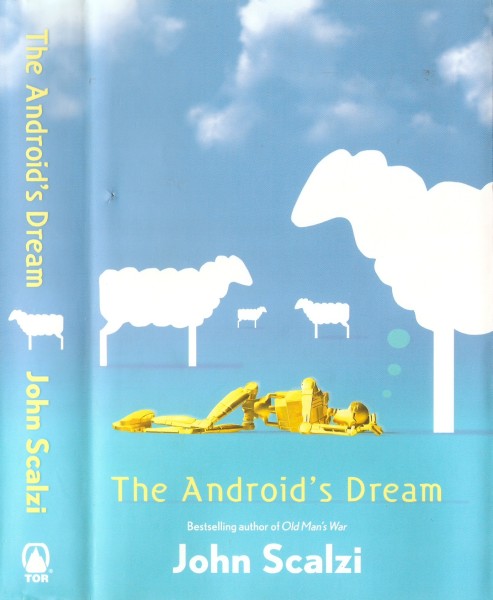
- The Android's Dream
series2 books2006
similar byscience fictionfunnygenetic engineering
A minor diplomatic insult with a genetically engineered sheep breed spirals into a full interstellar crisis when the last surviving specimen of the 'Android's Dream' breed, needed for a critical ceremony with the alien Nidu, turns out to have been hunted to extinction by a Nidu faction bent on provoking war. John Scalzi's The Android's Dream follows ex-soldier Harry Creek as the hunt for a replacement leads him to Robin Baker, an ordinary woman carrying hidden sheep DNA that makes her the key to avoiding a war. It's a standalone comic space opera rather than an ongoing series.
- Darwin
series2 books1999
completed
similar bygenetic engineeringscience fictionnorth america+1 more
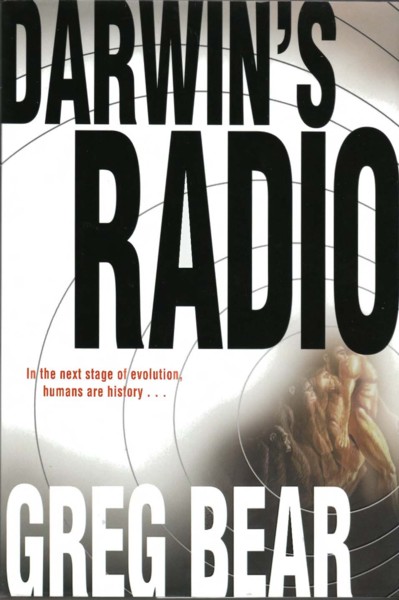
Greg Bear's Darwin's Radio imagines a dormant retrovirus in human DNA activating worldwide, triggering an accelerated leap in human evolution that governments respond to as a plague. The 1999 novel won the Nebula Award; its sequel Darwin's Children follows the first generation of changed children as society decides what to do with them. Together they're speculative near-future science fiction grounded in genetics rather than space opera.
- The Speed of Dark
Elizabeth Moonstandalone novel2002
similar bygenetic engineeringscience fictionour worldnorth america
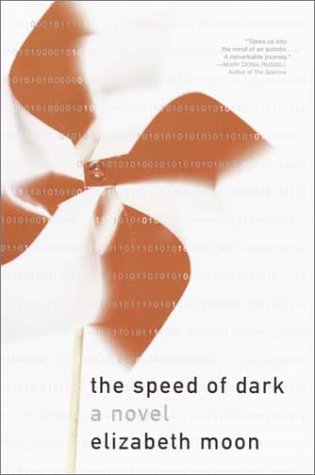
From the Penguin Random House website In the near future, disease will be a condition of the past. Most genetic defects will be removed at birth; the remaining during infancy. Lou Arrendale, a high-functioning autistic adult, is a member of the lost generation, born at the wrong time to reap the rewards of medical science. He lives a low-key, independent life. But then he is offered a chance to try a brand-new experimental "cure" for his condition. With this treatment Lou would think and act and be just like everyone else. But if he was suddenly free of autism, would he still be himself? Would he still love the same classical music — with its complications and resolutions? Would he still see the same colors and patterns in the world—shades and hues that others cannot see? Most important, would he still love Marjory, a woman who may never be able to reciprocate his feelings? Now Lou must decide if he should submit to a surgery that might completely change the way he views the world ... and the very essence of who he is.
- The Eyes of Heisenberg
Frank Herbertstandalone novel1966
similar bygenetic engineeringscience fictionour world
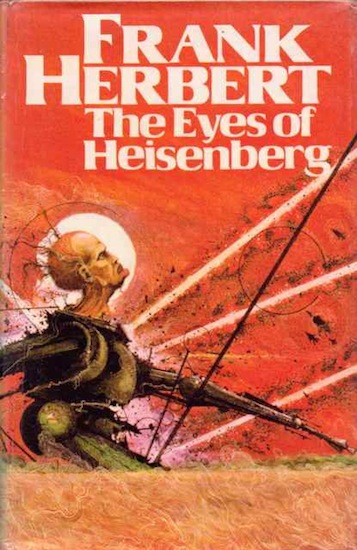
Tens of thousands of years in the future, Earth is ruled by the Optimen, a genetically engineered aristocracy that has made itself functionally immortal, while ordinary people, the Folk, live under strict reproductive control. When Harvey and Lizbeth Durant arrive to have their embryo genetically screened, the examining doctor finds something in the child no one has seen in a very long time: real potential for both fertility and life span, traits the Optimen have arrogated to themselves. Rather than destroy the embryo as policy demands, the doctor hesitates, setting off a chain of surveillance, suspicion and resistance. A tightly wound Frank Herbert thriller about genetic caste and rebellion.
- Black No More
George S. Schuylerstandalone novel1931
similar byfunnygenetic engineeringscience fictionnorth america
Black No More: Being an Account of the Strange and Wonderful Workings of Science in the Land of the Free, A.D. 1933-1940 is a 1931 Harlem Renaissance satire on American race relations by George S. Schuyler. In the novel, Schuyler targets both the Ku Klux Klan and NAACP in condemning the ways in which race functions as both an obsession and a commodity in early twentieth-century America. The central premise of the novel is that an African American scientist invents a process that can transform Black people into white people. Those who have internalized white racism, those who are tired of inferior opportunities socially and economically, and those who simply want to expand their sexual horizons, undergo the procedure. As the country "whitens", the economic importance of racial segregation in the South as a means of maintaining elite white economic and social status becomes increasingly apparent, as the South relies on Black labor through sharecropping.
- Dysfunctional Fiction
series5 books2011
similar byscience fictionfunnygenetic engineeringour worldnorth america
- The Food of the Gods and How It Came to Earth
H. G. Wellsstandalone novel1904
similar bygenetic engineeringscience fictionour world
The Food of the Gods and How It Came to Earth is a science fiction novel by H. G. Wells that was first published in 1904. Wells called it "a fantasia on the change of scale in human affairs. ... I had hit upon [the idea] while working out the possibilities of the near future in a book of speculations called Anticipations (1901)".
- Friday
Robert A. Heinleinstandalone novel1982
similar bygenetic engineeringscience fictionnorth america
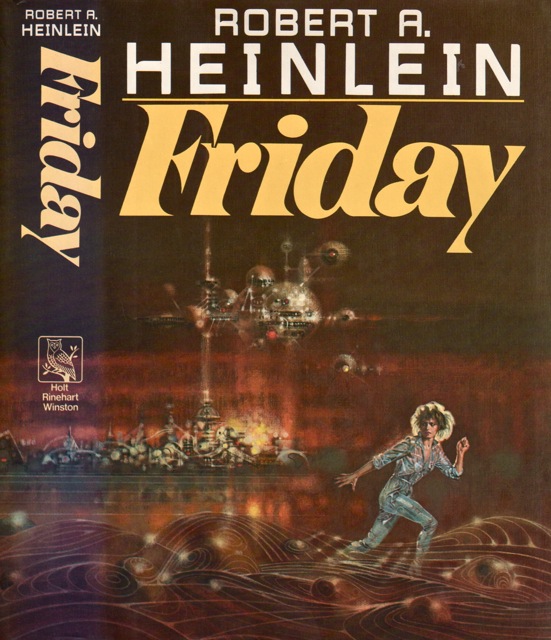
Friday is a 1982 science fiction novel by American writer Robert A. Heinlein. It is the story of a female "artificial person", the eponymous Friday, genetically engineered to be stronger, faster, smarter, and generally better than normal humans. Artificial humans are widely resented, and much of the story deals with Friday's struggle both against prejudice and to conceal her enhanced attributes from other humans. The story is set in a Balkanized 21st century, in which the nations of the North American continent have been split up into a number of smaller states.
- The Chrysalids
John Wyndhamstandalone novel1955
similar bygenetic engineeringscience fiction+1 more
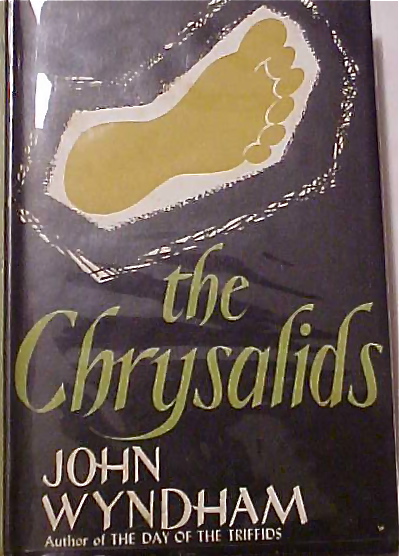
The Chrysalids is a science fiction novel by British writer John Wyndham, first published in 1955 by Michael Joseph. It is the least typical of Wyndham's major novels, but regarded by some as his best. An early manuscript version was entitled Time for a Change.
- The Child Buyer
John Herseystandalone novel1960
similar bygenetic engineeringscience fictionmid 20th centurynorth america
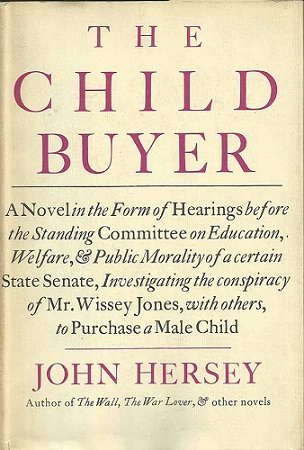
The Child Buyer is John Hersey's 1960 novel about a project to engineer super-intelligent persons for a project whose aim is never definitely stated. Told entirely in the form of minutes from a State Senate Standing Committee, it relates the story of the appearance and efforts of a mysterious stranger in the small town of Pequot, and the repercussions of his attempt to buy a boy, Barry Rudd.
- Mr. Adam
Pat Frankstandalone novel1946
similar byscience fictionfunnymid 20th centurynorth america
Publisher: Would you like to be the only man in the world who could be a father? Mr. Adam was that man! What happened to him after an atom bomb explosion made every other living male sterile is an extremely funny story.
- Extreme Makeover
Dan Wellsstandalone novel2016
similar byscience fictionfunnygenetic engineeringour world
Extreme Makeover is a 2016 satirical medical science fiction thriller novel by Dan Wells. It follows Lyle Fontanelle, a scientist at a cosmetics company, as he deals with the repercussions of creating an anti-wrinkle cream that clones people.
- Gladiator
Philip Wyliestandalone novel1930
similar bygenetic engineeringscience fictionnorth america
Gladiator is a science fiction novel by American author Philip Wylie, first published in 1930. The story concerns a scientist who invents an "alkaline free-radical" serum to "improve" humankind by granting the proportionate strength of an ant and the leaping ability of the grasshopper. The scientist injects his pregnant wife with the serum and his son Hugo Danner is born with superhuman strength, speed, and bulletproof skin. Hugo spends much of the novel hiding his powers, rarely getting a chance to openly use them.
- The Carefully Considered Rape of the World
Shepherd Meadstandalone novel1965
similar byscience fictionfunnymid 20th centuryour world+1 more
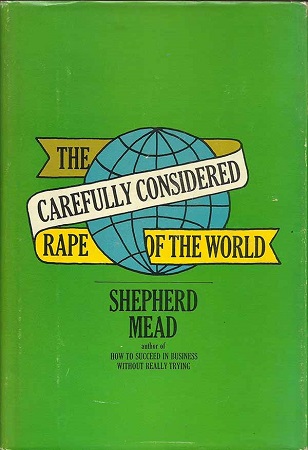
A penniless and cynical journalist, who has agreed to write articles about flying saucers to pay his rent, goes to a golf course where yet another spaceship from another planet has reportedly landed. This time, seemingly unconnected events, especially the strange visits of some distinguished gentlemen, posing as traveling salesmen for a perfume company, to the homes of young women, result in a phenomenon that is making the world blush: millions of women are inexplicably pregnant. Who are the invaders who have chosen the discreet path of seduction to assert their presence? What fate awaits our planet? [adapted from the Italian translation]
- Crosstalk
Connie Willisstandalone novel2016
similar byscience fictionfunnyour worldnorth america
Crosstalk is a science fiction novel by Connie Willis, published in 2016. It is a romantic comedy that explores the intersection of telephones and telepathy. In a similar situation to Bellwether and Passage, the main character, Briddey Flannigan, is part of a larger institution who gets caught up in series of escalating events. Additionally, Crosstalk like Bellwether and Passage feature themes of neuroscience, communication and technology.
- Up the Line
Robert Silverbergstandalone novel1969
similar byscience fictionfunnyour world+1 more
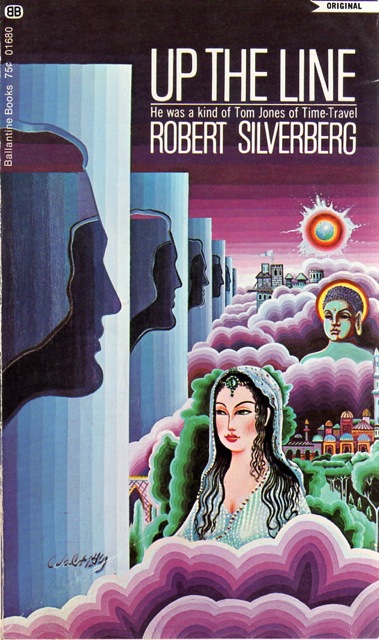
Up the Line (1969) is a time travel novel by American science fiction author Robert Silverberg. The plot revolves mainly around the paradoxes brought about by time travel and is considered an example of the more sexually-permissive era of late 1960s American science-fiction, a reflection of the counterculture of its day. It was nominated for a Nebula Award for Best Novel in 1969 and a Hugo Award for Best Novel in 1970 but lost to Ursula K. Le Guin's The Left Hand of Darkness both times.
- Lives of the Monster Dogs
Kirsten Bakisstandalone novel1997
similar bygenetic engineeringscience fictionour worldnorth america
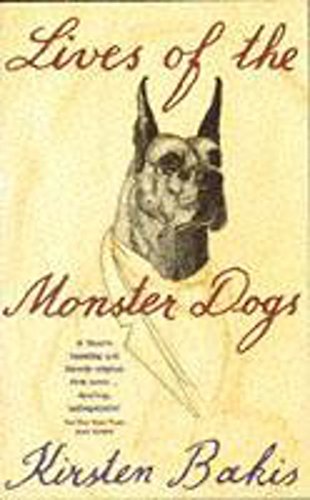
Lives of the Monster Dogs (1997) is a novel by Kirsten Bakis first published by Farrar, Straus & Giroux. It was named a New York Times Notable Book of the year in 1997, and one of the Best Books of the Year by the Village Voice. It was shortlisted for the Orange Prize for Fiction, and won the Bram Stoker Award for Best First Novel. It has been translated into eight languages and made into a stage play.