More like Ice
anchored on:literary & generalour worldscience fictionsurvivalmadnessecological collapse+3 more
but
- Make Room! Make Room!
Harry Harrisonstandalone novel1966
similar byour worldnear futuredarksurvivalecological collapsescience fictiondystopia
Make Room! Make Room! is a 1966 science fiction novel written by Harry Harrison exploring the consequences of both unchecked population growth on society and the hoarding of resources by a wealthy minority. It was originally serialized in Impulse magazine.
- The Drowned World
J. G. Ballardstandalone novel1962
similar bynear futureeeriesurvivalmadnessecological collapsescience fiction+1 more
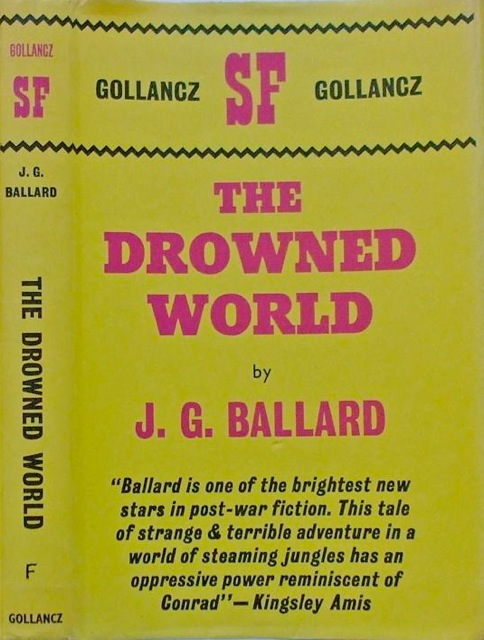
The Drowned World is a 1962 science fiction novel by J. G. Ballard. It first appeared in shortened form in the January 1962 issue of the UK edition of Science Fiction Adventures and was published in book form later that year by Victor Gollancz Ltd in London; an American edition followed from Berkley Medallion. Critics have grouped The Drowned World with Ballard's early science-fiction novels as part of an "ambiguous apocalypse" sequence that also includes The Drought and The Crystal World, from the period in which he was developing the ideas he described as "inner space". Set in a future in which solar radiation has melted the polar ice caps and transformed London into a flooded tropical lagoon, the novel follows biologist Robert Kerans as he becomes increasingly drawn toward the altered environment rather than toward restoring the old social order.
- High-Rise
J. G. Ballardstandalone novel1975
similar bynear futuredarkour worldliterary & generalmadnessscience fictiondystopia
High-Rise is a 1975 novel by British writer J. G. Ballard. The story describes the disintegration of a luxury high-rise building as its affluent residents gradually descend into violent chaos. As with Ballard's previous novels Crash (1973) and Concrete Island (1974), High-Rise inquires into the ways in which modern social and technological landscapes could alter the human psyche in provocative and hitherto unexplored ways. It was adapted into a film of the same name, in 2015, by director Ben Wheatley.
- The Ministry for the Future
Kim Stanley Robinsonstandalone novel2020
similar byour worldnear futuresurvivalecological collapsescience fictiondystopia+1 more
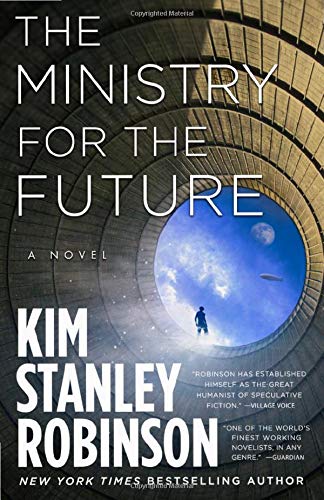
The Ministry for the Future is a climate fiction novel by American science fiction writer Kim Stanley Robinson, published in 2020. Set in the near future, the novel follows a subsidiary body, established under the Paris Agreement, whose mission is to act as an advocate for the world's future generations of citizens as if their rights were as valid as the present generation's. While the ministry pursues various ambitious projects, the effects of climate change are determined to be the most consequential. The plot primarily follows Mary Murphy, the head of the titular Ministry for the Future, and Frank May, an American aid worker traumatized by experiencing a deadly heat wave in India. Many chapters are devoted to other characters' accounts of future events, as well as their ideas about ecology, economics, and other subjects.
- The Lathe of Heaven
Ursula K. Le Guinstandalone novel1971
similar byour worldnear futureeeriescience fictiondystopia+2 more
The Lathe of Heaven is a 1971 science fiction novel by American writer Ursula K. Le Guin, first serialized in the American science fiction magazine Amazing Stories. It won the 1972 Locus Award for Best Novel and was a finalist for the 1971 Nebula Award for Best Novel and 1972 Hugo Award for Best Novel. Two television film adaptations were released: the PBS production, The Lathe of Heaven (1980), and Lathe of Heaven (2002), a remake produced by the A&E Network.
- Where Late the Sweet Birds Sang
Kate Wilhelmstandalone novel1976
similar byour worldnear futuredarksurvivalecological collapsescience fiction
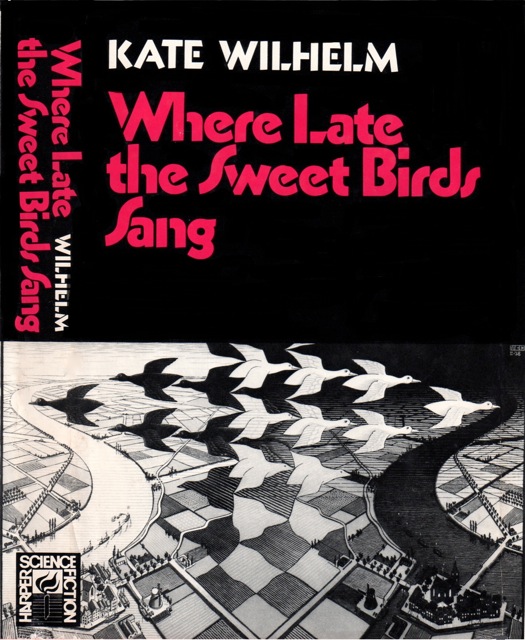
Where Late the Sweet Birds Sang is a science fiction novel by American writer Kate Wilhelm, published in 1976. The novel is composed of three parts, "Where Late the Sweet Birds Sang," "Shenandoah," and "At the Still Point," and is set in a post-apocalyptic era, a concept popular among authors who took part in the New Wave Science Fiction movement in the 1960s.
- How High We Go in the Dark
Sequoia Nagamatsustandalone novel2022
similar byour worldnear futuredarkecological collapsescience fictiondystopia+1 more
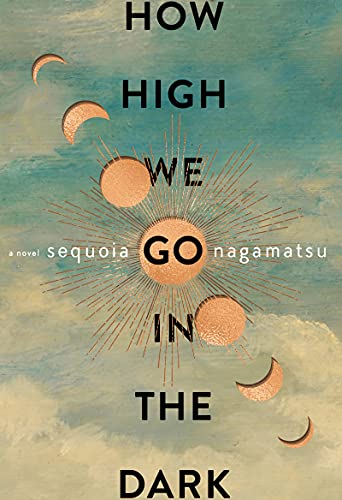
(Robin MacArthur, in Scientific American): "[A] dystopian narrative set in the near future about an ancient virus that is uncovered by a scientist ... while she is researching melting permafrost in the Arctic."
- A Clockwork Orange
series4 books1962
completed
similar bynear futureour worlddarkscience fictiondystopia+1 more
Anthony Burgess's 1962 novel is narrated by Alex, a teenage gang leader in a near-future Britain gripped by a youth subculture of extreme violence, recounting his crimes in Nadsat, an invented slang blending English with Russian-derived words. After his crimes catch up with him, Alex is made the subject of a controversial state program meant to forcibly reform his behavior, and the novel uses his ordeal to question whether imposed goodness is worth the loss of free will. It is a standalone novel.
- The Hopkins Manuscript
R. C. Sherriffstandalone novel1939
similar bynear futuredarkour worldsurvivalecological collapsescience fictiondystopia
The Hopkins Manuscript is a dystopian science fiction novel by R. C. Sherriff, first published in 1939 by Victor Gollancz. In 1958 it was reissued in a revised edition as a Pan paperback under the title The Cataclysm. The novel was later republished under its original title by The Macmillan Company in 1963 and by Persephone Books in 2002.
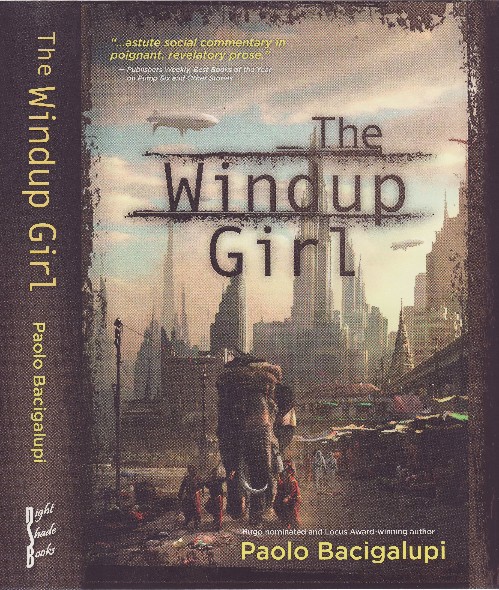
- The Windup Universe
series3 books2005
similar bynear futureour worlddarkecological collapsescience fictiondystopia
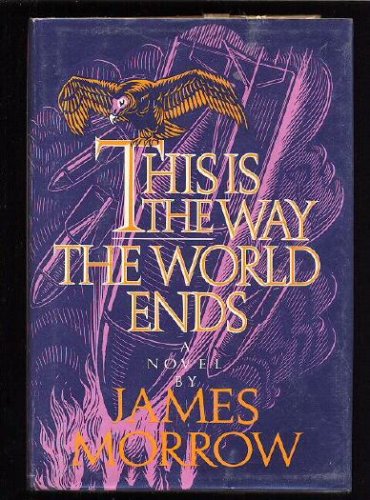
- This Is the Way the World Ends
James Morrowstandalone novel1986
similar byour worldnear futuredarksurvivalecological collapsescience fiction
This Is the Way the World Ends is a post-apocalyptic novel by American writer James K. Morrow, published in 1986.
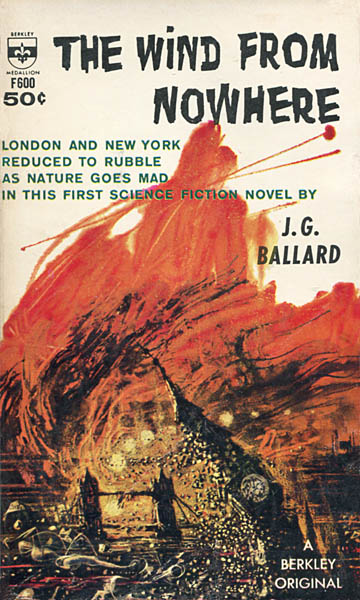
- The Wind from Nowhere
J. G. Ballardstandalone novel1962
similar byour worldnear futuredarksurvivalecological collapsescience fictiondystopia
The Wind from Nowhere is a science fiction novel by English author J. G. Ballard. Published in 1962, it was his debut novel. He had previously published only short stories.
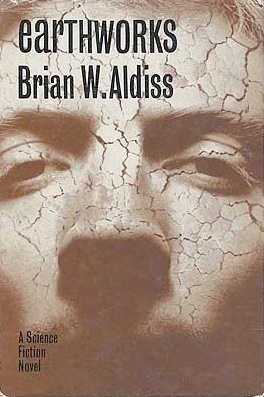
- Earthworks
Brian W. Aldissstandalone novel1965
similar byour worldnear futuredarkecological collapsescience fictiondystopia
Earthworks is a 1965 dystopian science fiction novel by British science fiction author Brian Aldiss. The novel draws its premise from prevalent fears about population growth and overcrowding of the Earth.
- Black Moon
Kenneth Calhounstandalone novel2014
similar byour worldnear futuredarkeeriesurvivalscience fiction+1 more
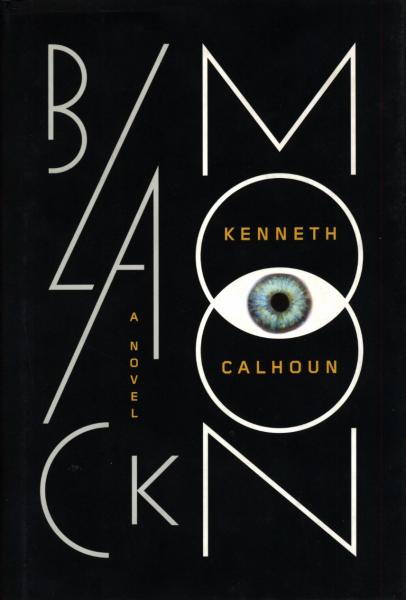
Insomnia has claimed everyone Biggs knows. Even his beloved wife, Carolyn, has succumbed to the telltale red-rimmed eyes, slurred speech and cloudy mind before disappearing into the quickly collapsing world. Yet Biggs can still sleep, and dream, so he sets out to find her.
- The Future
Naomi Aldermanstandalone novel2023
similar byour worldnear futuredarkecological collapsescience fictiondystopia
The Future is a 2023 science fiction novel by English writer Naomi Alderman, published by Simon & Schuster. The novel is set in a future dystopia where the world has been altered by environmental crisis and a powerful technocracy.
- The Genocides
Thomas M. Dischstandalone novel1965
similar byour worldnear futuredarksurvivalecological collapsescience fiction
The Genocides is a 1965 science fiction novel by Thomas M. Disch, first published by Berkley Books as a Berkley Medallion paperback. It was Disch's first novel and was nominated for the Nebula Award for Best Novel for 1965.
- Gold Fame Citrus
Claire Vaye Watkinsstandalone novel2015
similar byour worldnear futuredarksurvivalecological collapsescience fiction+1 more
Gold Fame Citrus is a 2015 speculative fiction novel by Claire Vaye Watkins. It is her second book, but her first novel. The work received positive reviews.
- Stand on Zanzibar
John Brunnerstandalone novel1968
similar byour worldnear futuredarkscience fictiondystopia
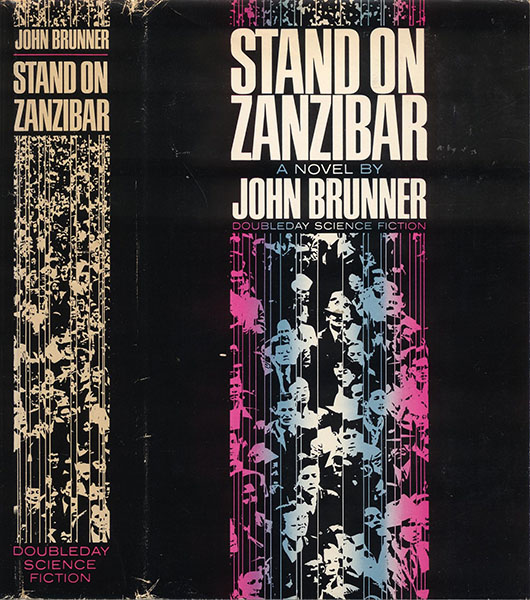
Stand on Zanzibar is a dystopian New Wave science fiction novel written by John Brunner and first in part published in New Worlds magazine in 1967 and in book form in 1968. The book won a Hugo Award for Best Novel at the 27th World Science Fiction Convention in 1969, as well as the 1969 BSFA Award and the 1973 Prix Tour-Apollo Award.
- In the Country of Last Things
Paul Austerstandalone novel1987
similar bynear futuredarkliterary & generalsurvivalscience fictiondystopia+2 more
In the Country of Last Things is a dystopian epistolary novel written by American author Paul Auster, first published in 1987.
- The Last Gasp
Trevor Hoylestandalone novel1983
similar byour worldnear futuredarksurvivalecological collapsescience fiction
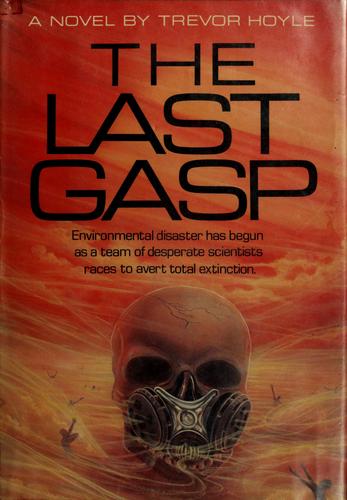
From the flaps of the Crown first edition: "When British marine biologist Gavin Chase stepped out into the windswept wastes at the Halley Bay antarctic research station one morning, the last thing he expected to see was a sled team coming out of nowhere carrying a half-mad, half-frozen Russian scientist babbling an incomprehensible warning. But that warning would threaten the future of the human race and force Chase to make some of the hardest decisions of his life. Months later, at a Geneva environmental conference, Chase meets Cheryl Detrick, the daughter of Theo Detrick, the grand old man of diatom research. Chase, the Detricks, and Soviet scientist Boris Stanovnik theorize that the oxygen-producing microscopic plants of the world's oceans are dying and the level of atmospheric pollutants has finally exceeded the ability of the planet's ecology to recycle them. There is also good reason to believe that the superpowers are planning to wage a new type of environmental warfare. Sooner or later there will be nothing left to breathe. So begins a race against the future. Chase and Cheryl, now lovers, struggle to avert ecological catastrophe as agents of the military-industrial complex hunt them down... and as a growing belt of unbreathable gases spreads outward from the equator, uprooting millions. Their enemies are Lloyd Madden, an insane military mastermind planning to seed the earth with poison and then repopulate it with a race of mutants, and Joseph Earl Gelstrom, a wealthy chemical manufacturer who has Cheryl's father killed to hide his involvement. But Gelstrom himself falls victim to pollution sickness, and he repents. To raise money to finance a research team, Chase must make an unholy alliance with the dying Gelstrom, but this is too much for Cheryl, who leaves him. As more and more of the world becomes uninhabitable, as industries and governments collapse and chaos reigns, as the oceans fill up with dioxin, as the climate changes and mutant life-forms encroach upon the last refuges of humankind, Chase leads a last desperate mission to find and rescue Cheryl and to lead his team of scientists to safety."
- Mother of Storms
John Barnesstandalone novel1994
similar byour worldnear futuresurvivalecological collapsescience fiction+1 more
From the flaps of the Tor first edition: "It is 2028. A strike to destroy an illegal Arctic weapons cache has a catastrophic side effect. Massive amounts of energy are liberated from the polar ice, suddenly warming the Earth's climate. In the middle of the Pacific, a gigantic hurricane thousands of miles across is forming, larger than any in human history. A storm with winds of supersonic speed. A storm that changes direction at whim. A storm that refuses to die. A storm so vast it spawns dozens more in its wake... Blinded by intrigue, expedience, and greed, the world's politicians and power brokers have ignored the killer storms threat until it is too late. Already the death toll is in the tens of millions, as it savages the Pacific coast, while its devil's brood of smaller storms are wreaking havoc across the face of the planet. While the survivors scramble for advantage, a handful of courageous men and women undertake a daring, desperate plan to save humanity from total destruction - a plan so visionary it may alter forever the future of the human race."
- MaddAddam
series3 books2003
similar bynear futuredarksurvivalecological collapsescience fictiondystopia
Margaret Atwood's MaddAddam trilogy (Oryx and Crake, The Year of the Flood, MaddAddam, 2003-2013) is set around a genetically engineered pandemic unleashed deliberately by the brilliant, disillusioned scientist Crake, who intends the deadly 'BlyssPluss' pill to wipe out humanity and clear the way for the gentler, engineered Crakers he has designed to replace it. Told from the perspectives of survivors including Crake's old friend Jimmy (now calling himself Snowman), the trilogy pieces together the pandemic's causes and its aftermath from multiple, overlapping vantage points.
- Earthseed
series7 books1993
similar bynear futuredarksurvivalscience fictiondystopia+1 more
Octavia E. Butler's Earthseed novels, Parable of the Sower and Parable of the Talents, follow Lauren Olamina as she survives the collapse of a climate-ravaged, near-future United States and founds a belief system built on the idea that "God is Change." The two-book series was left unfinished at Butler's death; a planned third novel, Parable of the Trickster, was never completed. Later graphic-novel adaptations retell the same two stories rather than continuing the narrative.
- O-Zone
Paul Therouxstandalone novel1986
similar byour worldnear futuredarkecological collapsescience fictiondystopia+1 more
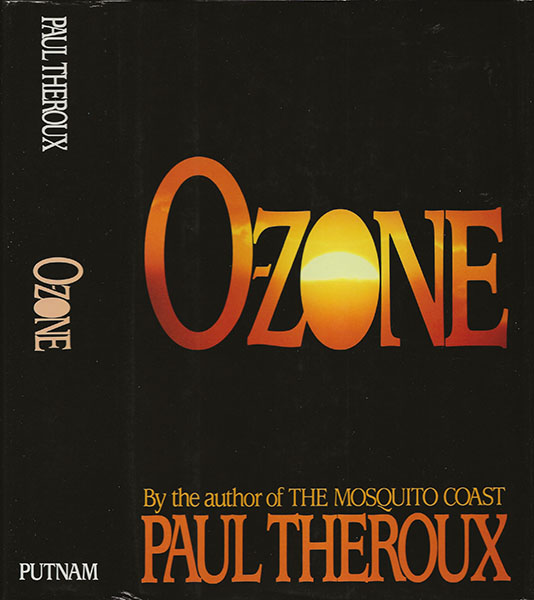
O-zone is a science fiction novel by the American author Paul Theroux published in 1986.