More like Immaterial Progress
anchored on:science fictionour worldnear futurevirtual reality
but
- The Dream Master
Roger Zelaznystandalone novel1966
similar byvirtual realityscience fictionour worldnear future+1 more
The Dream Master (1966) is a science fiction novel by American writer Roger Zelazny, based on the novella He Who Shapes. Zelazny's original title was The Ides of Octember. He Who Shapes won the 1965 Nebula Award for Best Novella.
- Childhood's End
Arthur C. Clarkestandalone novel1953
similar byscience fictionreflectiveour worldnear future+1 more
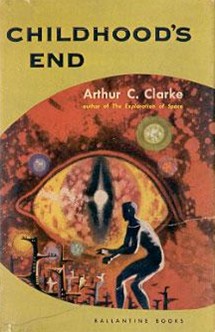
Childhood's End is a 1953 science fiction novel by the British author Arthur C. Clarke. The story follows a peaceful alien invasion of Earth by mysterious Overlords, whose arrival begins decades of apparent utopia under indirect alien rule, at the cost of human identity and culture.
- Richard Forthrast
series2 books2011
similar byvirtual realityscience fictionour world+2 more
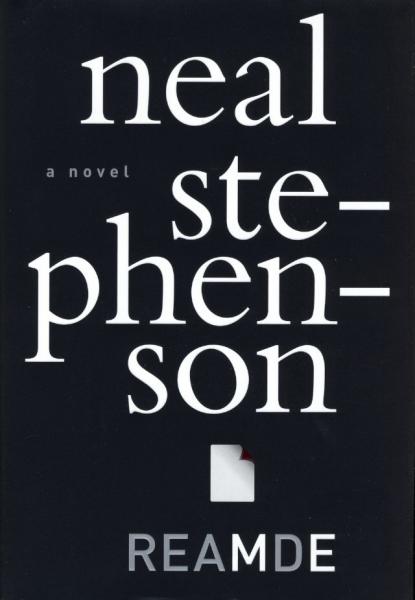
Neal Stephenson's Richard 'Dodge' Forthrast novels open with Reamde, a globe-spanning thriller that starts when ransomware inside an MMORPG economy pulls Richard's extended family into a real-world hostage crisis involving hackers, jihadists and Russian mobsters. The sequel Fall; or, Dodge in Hell shifts registers entirely, following Richard's digitally preserved mind after death into an afterlife simulation built from his scanned brain. The two books share a protagonist and family but differ sharply in genre and scale.
- Ready Player One
series3 books2011
similar byvirtual realityscience fictionnear future+2 more
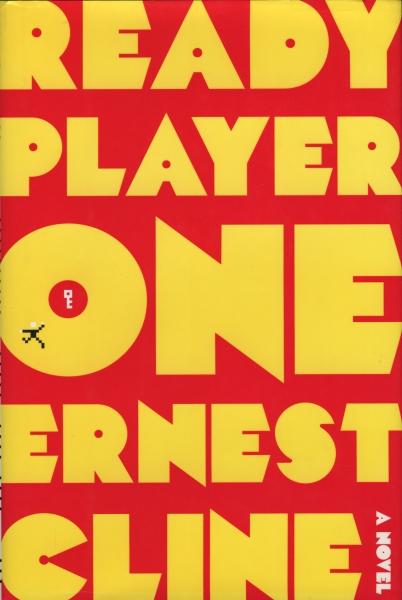
Ernest Cline's Ready Player One (2011) is set in a near-future dystopia where much of humanity escapes into the OASIS, a vast virtual-reality universe, and follows teenager Wade Watts as he chases an Easter egg hidden by the OASIS's late creator in a puzzle-based hunt worth a fortune. The 2020 sequel, Ready Player Two, picks up after Wade has gained control of the OASIS and follows him and his friends into a new quest built around a brain-computer interface the creator left behind.
- We Can Build You
Philip K. Dickstandalone novel1972
similar byscience fictionreflectiveour worldnear future+1 more
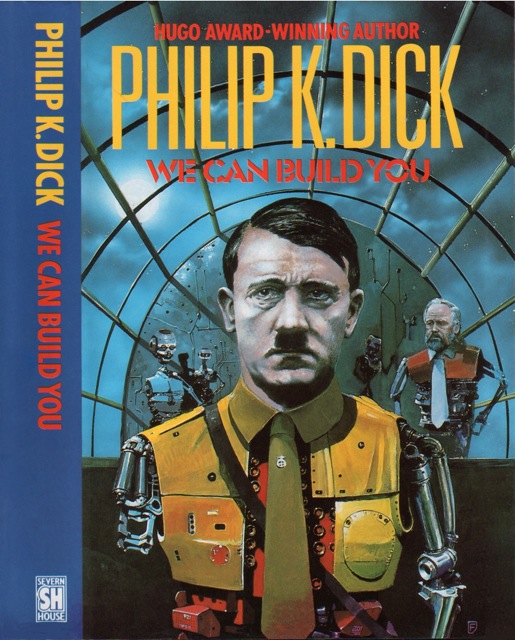
We Can Build You is a 1972 science fiction novel by American writer Philip K. Dick. Written in 1962 as The First in Our Family, it remained unpublished until appearing in serial form as A. Lincoln, Simulacrum in the November 1969 and January 1970 issues of Amazing Stories magazine, re-titled by editor Ted White. The novel was issued as a mass market paperback original by DAW Books in 1972, its final title provided by publisher Donald A. Wollheim. Its first hardcover edition was published in Italy in 1976, and Vintage issued a trade paperback in 1994.
- Armada
Ernest Clinestandalone novel2015
similar byvirtual realityscience fictionour worldnear futureyoung adult
Armada is a science fiction novel by Ernest Cline, published on July 14, 2015 by Crown Publishing Group. The story follows a teenager who plays an online video game about defending against an alien invasion, only to find out that the game is a simulator to prepare him and people around the world for defending against an actual alien invasion.
- Stranger in a Strange Land
Robert A. Heinleinstandalone novel1961
similar byscience fictionreflectivenear futureour world
Stranger in a Strange Land is a 1961 science fiction novel by the American author Robert A. Heinlein. It tells the story of Valentine Michael Smith, a human who comes to Earth in early adulthood after being born on the planet Mars and raised by Martians, and explores his interaction with and eventual transformation of Terran culture.
- Down and Out in the Magic Kingdom
Cory Doctorowstandalone novel2003
similar byvirtual realityscience fictionnear future+1 more
Down and Out in the Magic Kingdom is a 2003 science fiction book, the first novel by Canadian author and digital-rights activist Cory Doctorow. It depicts people competing over how new technology is being used at Walt Disney World, in a post-scarcity world with an economy based on reputation. Concurrent with its publication by Tor Books, Doctorow released the entire text of the novel under a Creative Commons noncommercial license on his website, allowing the whole text of the book to be freely read and distributed without needing any further permission from him or his publisher.
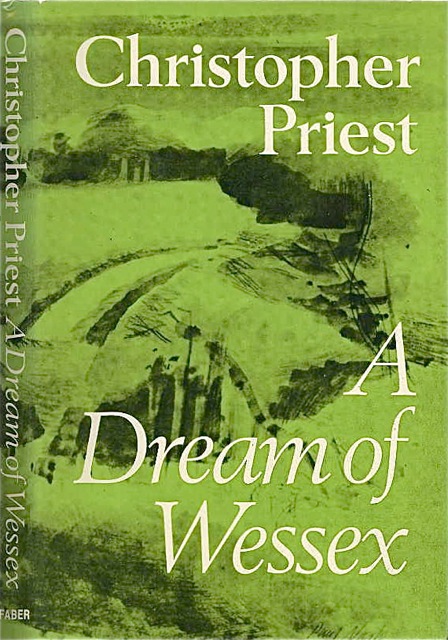
- A Dream of Wessex
Christopher Prieststandalone novel1977
similar byvirtual realityscience fictionreflectiveour world
A Dream of Wessex is a 1977 science fiction novel by British writer Christopher Priest. In the United States it was released under the title The Perfect Lover.
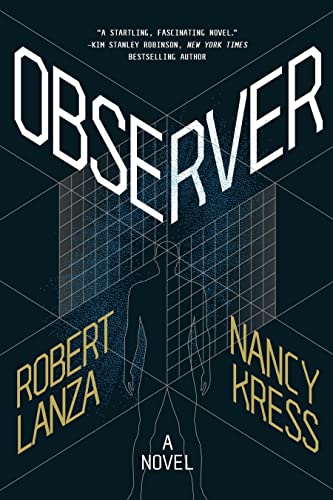
- Observer
Nancy Kress & Robert Lanzastandalone novel2023
similar byvirtual realityscience fictionour worldnear future+1 more
Observer is a 2023 science fiction novel by American medical doctor and scientist, Robert Lanza, and science fiction author, Nancy Kress. It is Lanza's first novel and Kress's first novel written in collaboration with another author.
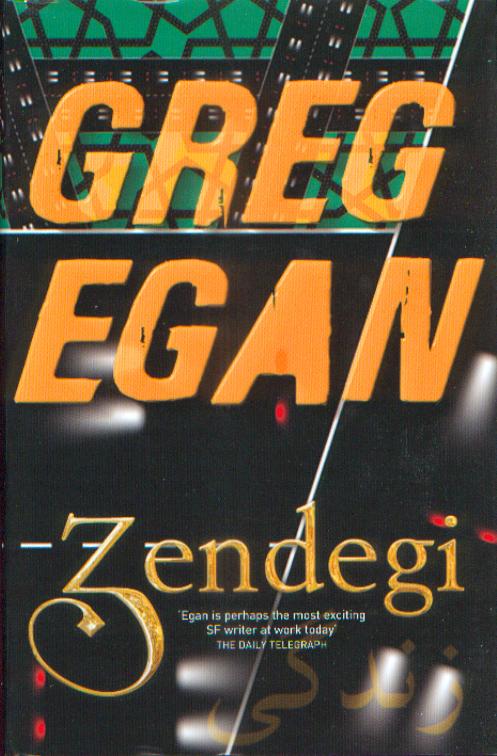
- Zendegi
Greg Eganstandalone novel2010
similar byvirtual realityscience fictionreflectivenear future
Zendegi is a science fiction novel by Australian author Greg Egan, first published in the United Kingdom by Gollancz in June 2010. It is set in Iran in the near future and deals with mapping the human brain, virtual reality and the liberalization of Iran. The title of the book means "life" in Persian; the name of the virtual reality system featured in the story is Zendegi-ye Behtar, Persian for "better life".
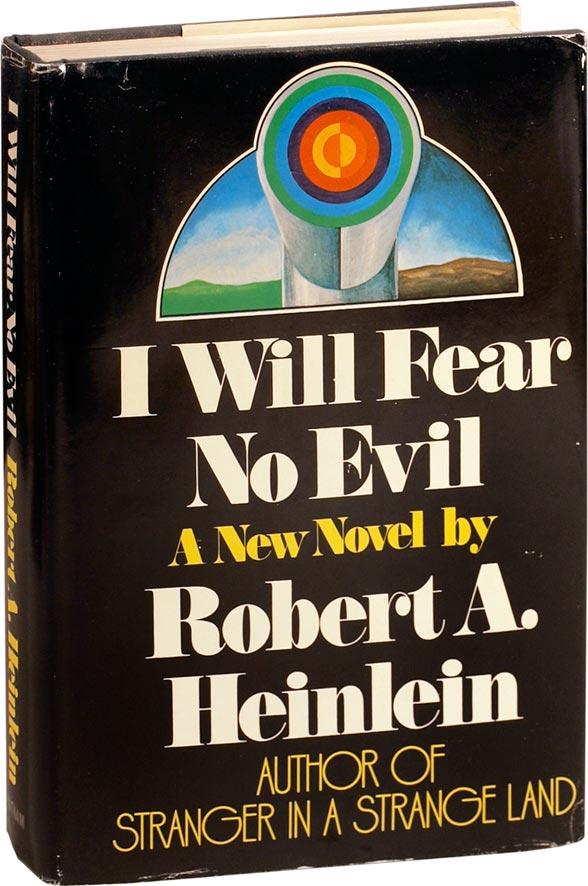
- I Will Fear No Evil
Robert A. Heinleinstandalone novel1970
similar byscience fictionreflectivenear futureour world
I Will Fear No Evil is a science fiction novel by American writer Robert A. Heinlein, originally serialised in Galaxy and published in hardcover in 1970. The title is taken from Psalm 23:4.
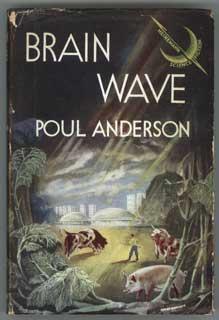
- Brain Wave
Poul Andersonstandalone novel1954
similar byscience fictionreflectiveour worldnear future
Brain Wave is a science fiction novel by American writer Poul Anderson, first published in serial form in Space Science Fiction in 1953, and then as a novel in 1954. Anderson had said that he could consider it one of his top five books. This is one of many science fiction works written at this time on the theme of heightened intelligence.
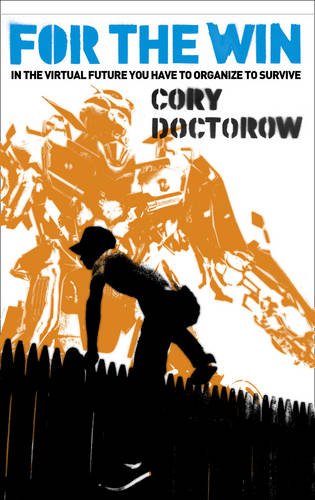
- For the Win
Cory Doctorowstandalone novel2010
similar byvirtual realityscience fictionour worldnear futureyoung adult
For the Win is the second young adult science fiction novel by Canadian author Cory Doctorow. It was released in May 2010. The novel is available free on the author's website as a Creative Commons download, and is also published in traditional paper form by Tor Books.
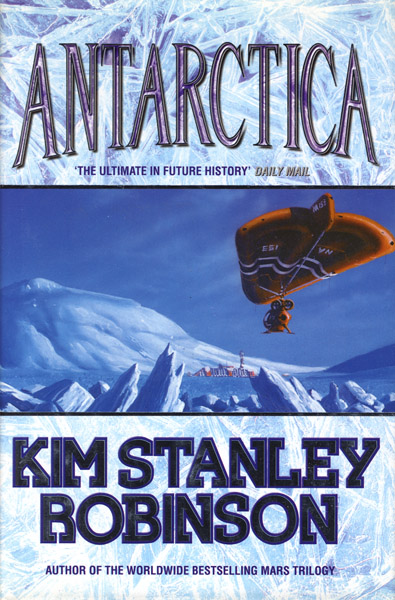
- Antarctica
Kim Stanley Robinsonstandalone novel1997
similar byscience fictionreflectiveour worldnear future
Antarctica (1997) is a science fiction novel by American writer Kim Stanley Robinson. It deals with a variety of characters living at or visiting an Antarctic research station. The novel incorporates many of Robinson's frequent themes, including scientific process and the importance of environmental protection.
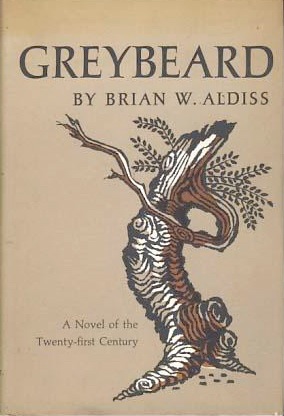
- Greybeard
Brian W. Aldissstandalone novel1964
similar byscience fictionreflectiveour worldnear future
Long after a catastrophe that has sterilized humans and most other mammals, the 54-year-old protagonists—Greybeard and Martha—take a tour of entropic England. In scattered self contained communities only the old survive, while outside these enclaves nature comes back into its own, peopling the land with new animal life.
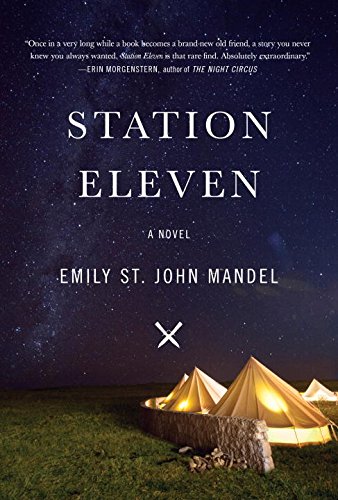
- Station Eleven
Emily St. John Mandelstandalone novel2014
similar byscience fictionreflectiveour worldnear future
"Set in the days of civilization's collapse, Station Eleven tells the story of a Hollywood star, his would-be savior, and a nomadic group of actors roaming the scattered outposts of the Great Lakes region, risking everything for art and humanity. One snowy night a famous Hollywood actor slumps over and dies onstage during a production of King Lear. Hours later, the world as we know it begins to dissolve. Moving back and forth in time — from the actor's early days as a film star to fifteen years in the future, when a theater troupe known as the Traveling Symphony roams the wasteland of what remains — this suspenseful, elegiac, spellbinding novel charts the strange twists of fate that connect five people: the actor, the man who tried to save him, the actor's first wife, his oldest friend, and a young actress with the Traveling Symphony, caught in the crosshairs of a dangerous self-proclaimed prophet." (source: Goodreads.com)
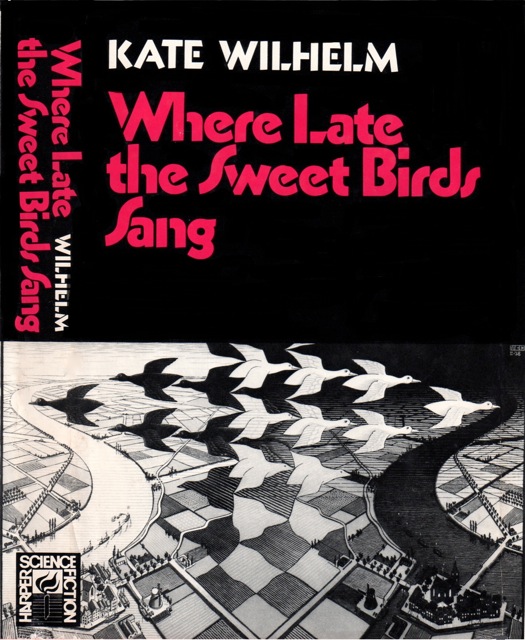
- Where Late the Sweet Birds Sang
Kate Wilhelmstandalone novel1976
similar byscience fictionour worldnear future+1 more
Where Late the Sweet Birds Sang is a science fiction novel by American writer Kate Wilhelm, published in 1976. The novel is composed of three parts, "Where Late the Sweet Birds Sang," "Shenandoah," and "At the Still Point," and is set in a post-apocalyptic era, a concept popular among authors who took part in the New Wave Science Fiction movement in the 1960s.
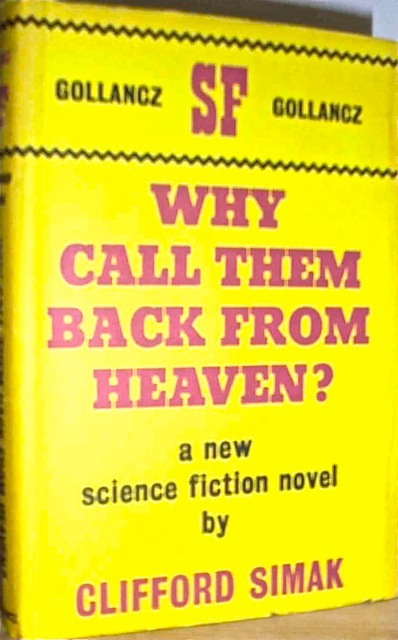
- Why Call Them Back from Heaven?
Clifford D. Simakstandalone novel1967
similar byscience fictionreflectiveour worldnear future
Why Call them Back From Heaven? is a 1967 science fiction novel by American writer Clifford D. Simak. It was the initial volume in the Ace Science Fiction Specials line.
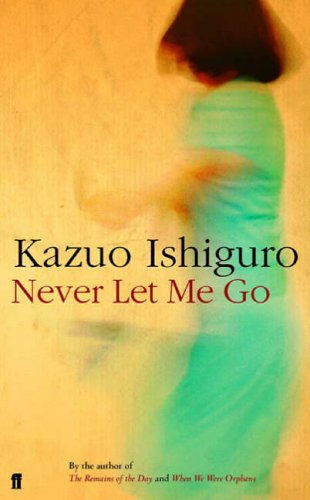
- Never Let Me Go
Kazuo Ishigurostandalone novel2005
similar byscience fictionreflectiveour worldnear future
Never Let Me Go is a 2005 science fiction novel by the British author Kazuo Ishiguro. It was shortlisted for the 2005 Man Booker Prize, for the 2006 Arthur C. Clarke Award and the 2005 National Book Critics Circle Award. Time magazine named it the best novel of 2005. It included the novel in its '100 Best English-language novels published since 1923—the beginning of TIME'. It also received an ALA Alex Award in 2006. A film adaptation directed by Mark Romanek was released in 2010.
- Time Is the Simplest Thing
Clifford D. Simakstandalone novel1961
similar byscience fictionreflectiveour worldnear future
Time Is the Simplest Thing is a science fiction novel by American writer Clifford D. Simak, first published in 1961. The story combines paranormal abilities with themes of space and time travel. The underlying theme is intolerance of ordinary people towards those with unusual abilities.
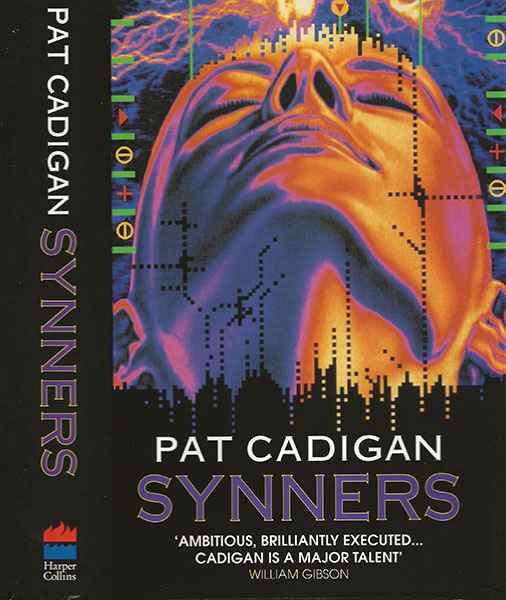
- Synners
Pat Cadiganstandalone novel1991
similar byvirtual realityscience fictionour worldnear future
In Synners, the line between technology and humanity is hopelessly slim. A constant stream of new technology spawns crime before it hits the streets; the human mind and the external landscape have fused to the point where any encounter with "reality" is incidental.
- The Shape of Things to Come
H. G. Wellsstandalone novel1933
similar byscience fictionreflectiveour worldnear future
The Shape of Things to Come is a science fiction novel written by the British writer H. G. Wells published in 1933. It takes the form of a future history that ends in 2106.