More like Incarnate
anchored on:horrorpsychological horror
but
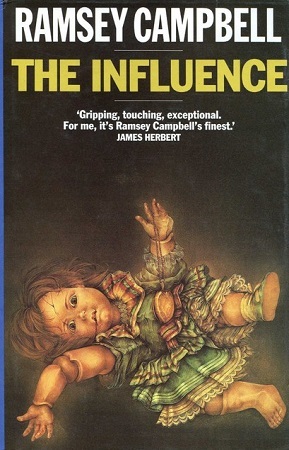
- The Influence
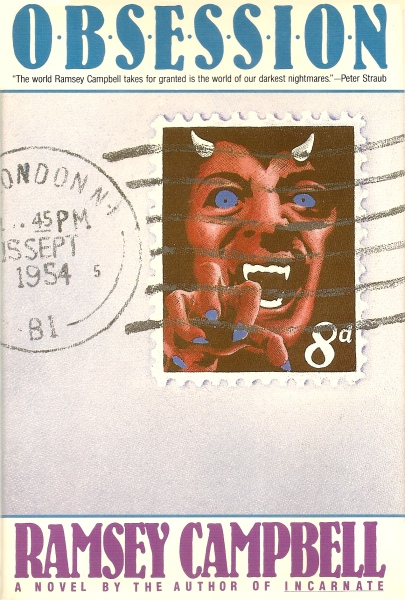
Ramsey Campbellstandalone novel1988
similar bycontemporaryhorrordarkeeriepsychological horrorour worldmadness+1 more
A young girl begins to take on the characteristics of her departed grandmother, an evil and oppressive woman.
- Dracula
universe144 books1897
Start hereDracula · Start here
similar byhorror
"Come freely. Go safely. And leave something of the happiness you bring" — so the Count greets his guest at the threshold of the Carpathians, and the great door shuts behind. Bram Stoker's Dracula (1897) is the wellspring of the modern vampire: the account of a centuries-old Transylvanian nobleman who quits his crumbling castle for the crowded lodging-houses of London, and the handful of ordinary people — a young solicitor, a doctor of the mad, a professor of stranger learning — who must piece together what he is before he makes the whole city his fold. It is told wholly in fragments: journal entries, letters, telegrams, ships' logs, phonograph cylinders, each hand recording only its own sliver of the dark. Around that single novel a whole crypt of continuations has grown, raised by many writers across a century. Fred Saberhagen's Dracula Sequence hands the Count the microphone, retelling the old events from his own wry, aggrieved lips and following him into later intrigues. Robert Lory's brisk 1970s Dracula Horror Series revives him as a reluctant weapon turned against fouler things; Peter Tremayne's trilogy reaches back along his bloodline; and further sequels, a Quincey Morris spin-off, and Dracula's Children carry the shadow onward. This is a loose shared world built upon a public-domain figure, not one governed continuity — each author remakes him as villain, antihero, or sympathetic narrator. Begin, always, with Stoker's original; the letters and the mounting dread stand entirely on their own. From there follow whichever door tempts you — Saberhagen's The Dracula Tape for the monster's own confession, Lory or Tremayne for tales that never glance back at the Borgo Pass again.
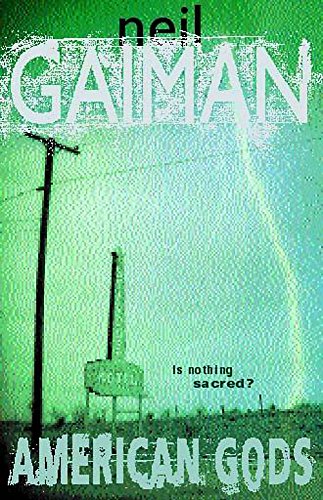
- American Gods
series10 books1999
similar bycontemporaryour world+1 more
Neil Gaiman's American Gods (2001) follows Shadow Moon, an ex-convict who takes a job as bodyguard to a mysterious drifter who is secretly the Norse god Odin, and is drawn into a brewing conflict between the old immigrant gods of myth and the new gods of media, technology, and modern American life. Gaiman's 2005 novel Anansi Boys is set in the same mythological world and shares the trickster god Mr. Nancy, but follows a different protagonist and story, making it a loose companion rather than a direct sequel.
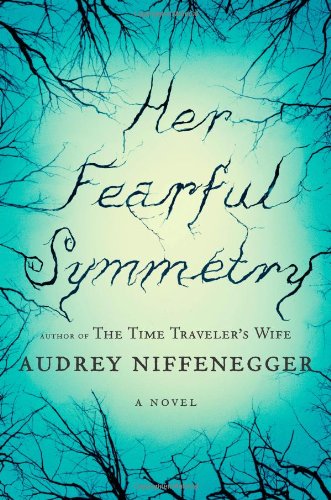
- Her Fearful Symmetry
Audrey Niffeneggerstandalone novel2009
similar bycontemporaryhorroreerieour worldbritish isles+2 more
Her Fearful Symmetry is a horror novel by the American writer Audrey Niffenegger. The book was published on October 1, 2009 and is set in and around London's Highgate Cemetery where, after a year of research for the book, Niffenegger acted as a tour guide.
- The Invisible Man
series6 books1897
similar bybritish isles+4 more
The Invisible Man is H. G. Wells's 1897 science fiction novel about Griffin, a scientist who works out how to make living tissue invisible and tests the process on himself, only to discover he has no way to reverse it. Unseen and increasingly cut off from other people, he turns to theft and violence while trying to survive and find a cure, making the book as much about his moral collapse as about the invisibility premise itself. It's a single self-contained novel; the two listed titles here are duplicate editions rather than separate books.
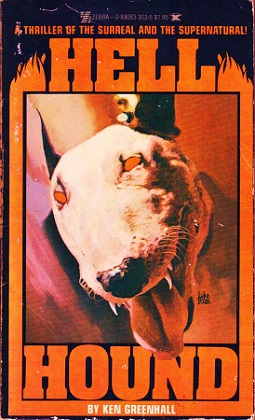
- Hell Hound
Ken Greenhallstandalone novel1977
similar bycontemporaryhorrordarkeeriepsychological horrorour worldmadness+1 more
The story of a dog who thinks like a human. Made into the French cult film "Baxter".
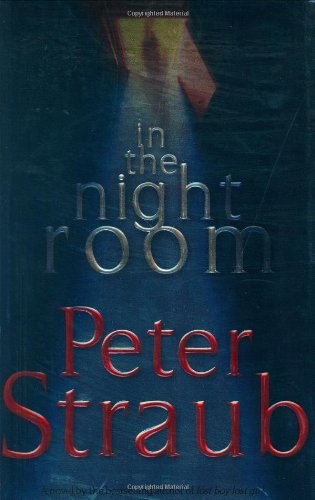
- In the Night Room
Peter Straubstandalone novel2004
similar byidentitycontemporaryhorrordarkpsychological horrorour worldmadness
In the Night Room is a 2004 horror-thriller novel by American author Peter Straub, a sequel to his 2003 book Lost Boy, Lost Girl. The work was first published in hardback on October 26, 2004, through Random House and it won the 2004 Bram Stoker Award for Novel. Straub encountered some difficulties while writing In the Night Room and had written several different passages for the work before growing bored with each version before writing it using the same technique he used for its predecessor in which he "reached down inside the book and turned it inside out."
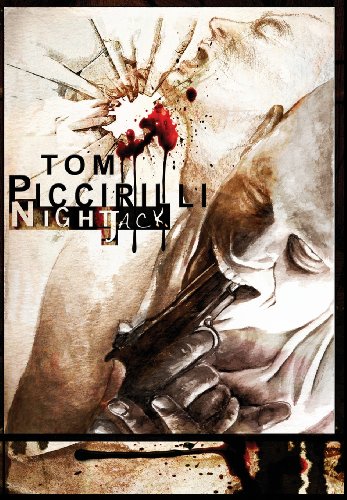
- Nightjack
Tom Piccirillistandalone novel2010
similar byidentitycontemporaryhorrordarkpsychological horrorour worldmadness+1 more
A horror/thriller about people with the multiple personality disorder and touches of surrealism.
- Moon
James Herbertstandalone novel1985
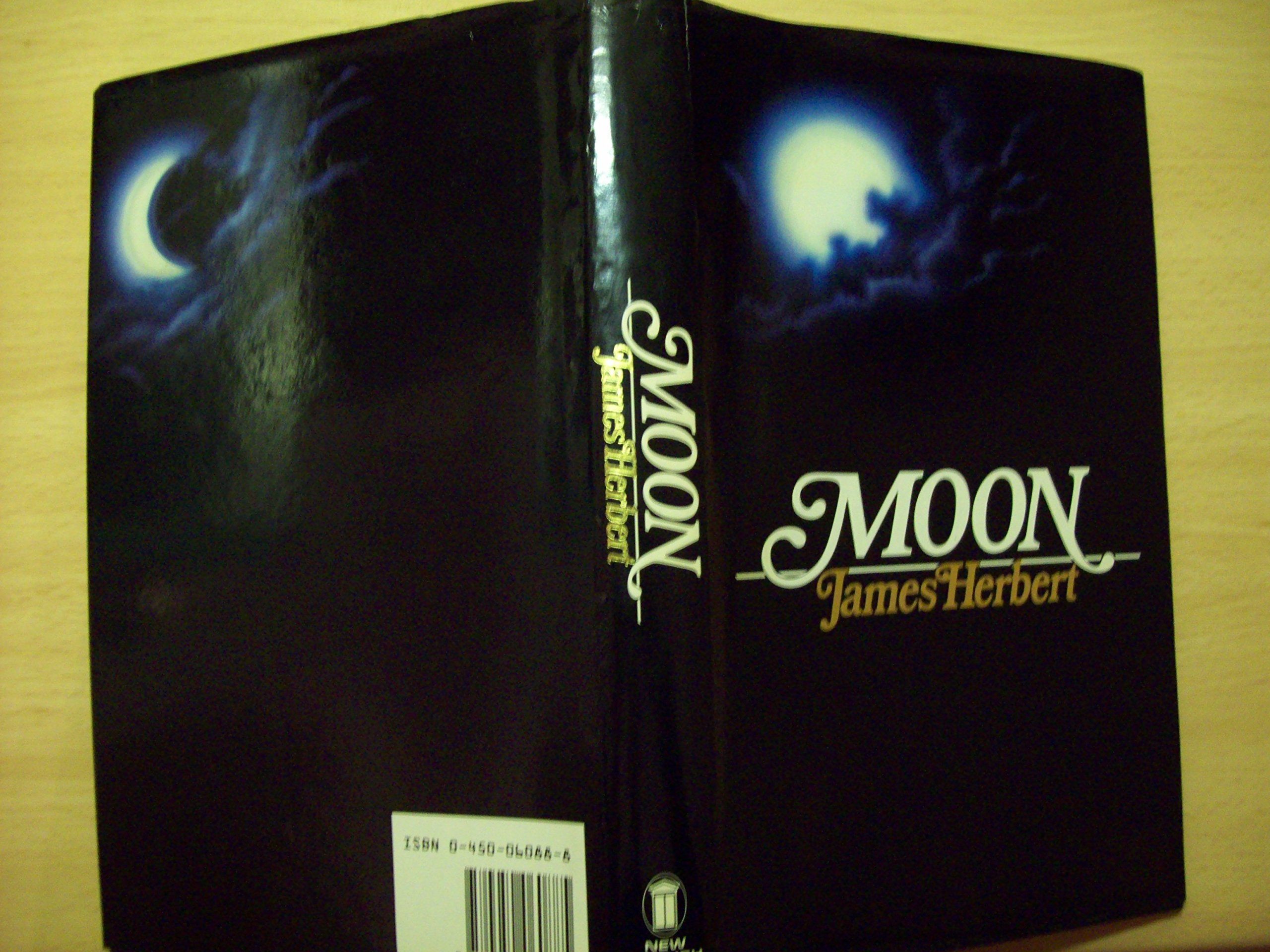
similar bycontemporaryhorrordarkeeriepsychological horrorour worldbritish islesmadness
Jon Childes is considered with suspicion by the inhabitants of the island he moved to. Yet, he has a respectable job in the local school; he misses the daughter, remained with the mother, but he feels free from the past nightmares... Suddenly everything restarts: visions, at first blurred and then clear. Sequences of atrocity and blood go through his mind as he sees the "slaughtering thing" in action, and cannot prevent it. [translated from back cover]
- The Shining
series5 books1977
similar bycontemporaryhorrordark+2 more
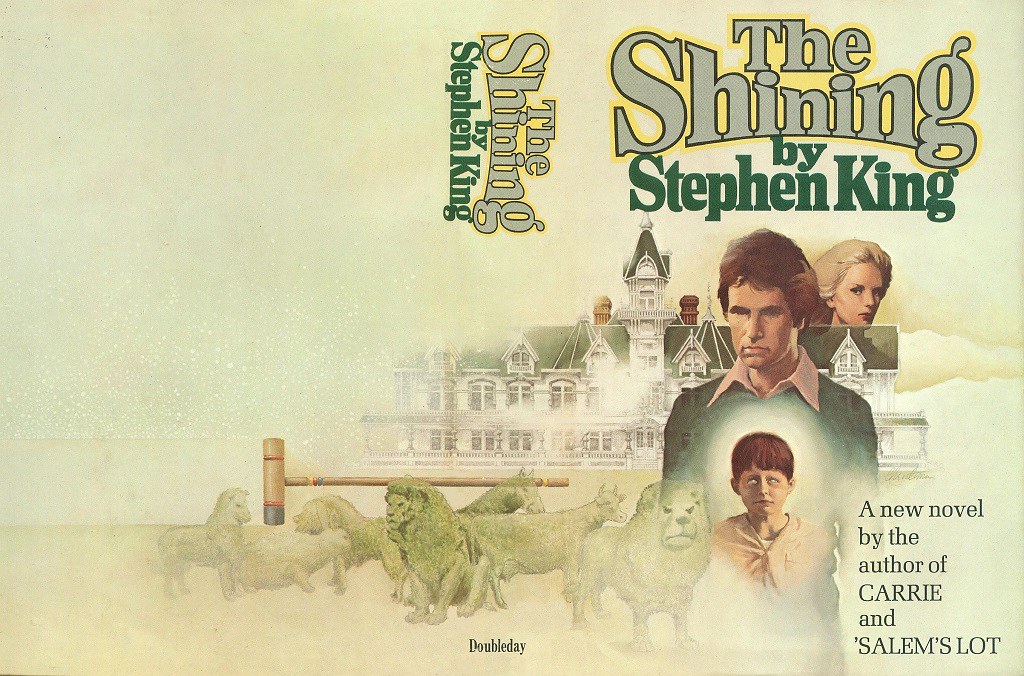
Stephen King's 1977 novel The Shining follows the Torrance family as winter caretakers of the isolated, malevolent Overlook Hotel, where father Jack is gradually consumed by the hotel's influence while his young son Danny's psychic "shining" draws its attention. Doctor Sleep (2013) picks up the story decades later, following Danny as an adult still marked by that childhood ordeal. Together the two form a horror duology spanning nearly forty years of real-world publication.
- The Hollow City
Dan Wellsstandalone novel2012
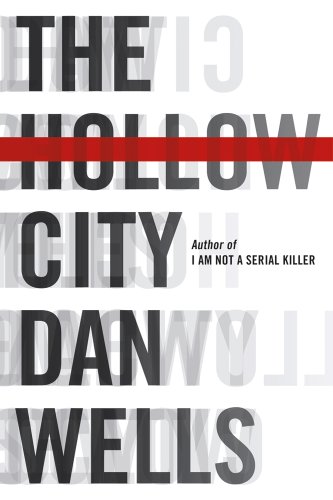
similar byidentitycontemporaryhorrordarkeeriepsychological horrorour worldmadness
Paranoid schizophrenic Michael Shipman has hallucinations and complex horror fantasies that are complicated by his discovery of what may or may not be real monsters.
- Frankenstein
universe128 books1818
Start hereFrankenstein, or, The Modern Prometheus · Start here
similar byhorror
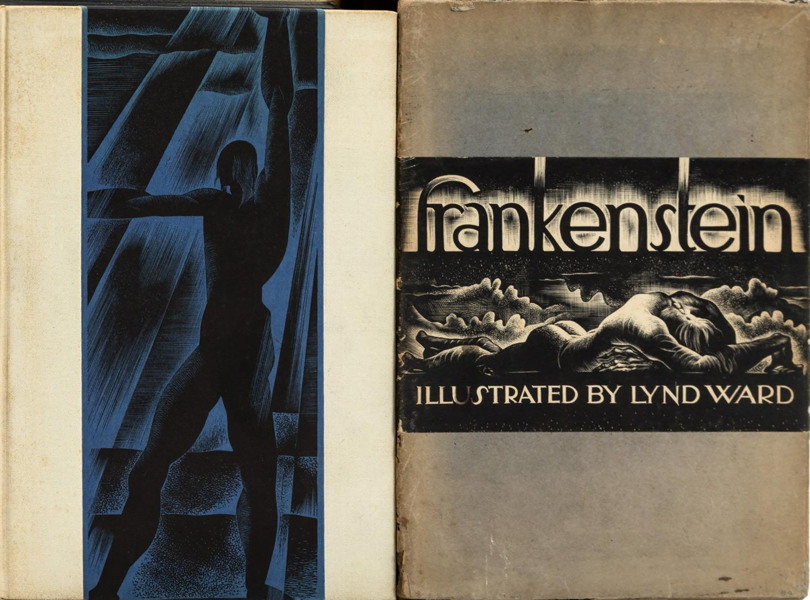
Light a candle against the November dark and consider what a single spark, rightly applied to dead matter, might wake. In a laboratory at Ingolstadt a student named Victor Frankenstein learns the secret of animating lifeless flesh, assembles a being from the harvest of charnel houses and graves, and, at the moment it draws breath, flees the thing he has made. What he abandons does not stay abandoned. This is the world Mary Shelley opened in 1818 with Frankenstein; or, The Modern Prometheus: the story of a maker and his unmothered creation, and the long ruin each works upon the other. Shelley's novel arrives as a nest of confessions, an explorer's letters from the frozen north enclosing Victor's account, which in turn encloses the Creature's own, an articulate and wounded voice that has read Milton and wants only not to be alone. From that single volume two centuries of other hands have built outward, not as one continuity but as a gathering of independent returns to the same fire. Dean Koontz transplants the myth to modern New Orleans across a five-book cycle, Prodigal Son through The Dead Town, where the original Creature, now called Deucalion, hunts a Victor who never died. Donald F. Glut's New Adventures and Frank Schildiner's Quest of Frankenstein run the monster through pulp adventure; the mid-century French novels published as Benoit Becker chase him across a ruined Europe; Scott Sonneborn's Frankenstein Journals and the comic Frankenstein's Aunt turn the legend toward younger and lighter readers. What binds them is the question the book asks and never settles: which is the monster, the forsaken creature who kills, or the man whose ambition and cowardice made and abandoned him? Expect little comfort and few clean villains; the abiding note is grief, sublime and articulate, set against Alpine ice and candlelit hubris. Begin where it began, with Shelley's own novel; the later cycles reward you only once you have heard the Creature speak for himself.
- Books of Blood
series10 books1984
similar bycontemporaryhorrordarkour world+3 more
Books of Blood is a series of six horror fiction anthologies collecting original stories written by English author, playwright, and filmmaker Clive Barker in 1984 and 1985. Known primarily for writing stage plays beforehand, Barker gained a wider audience and fanbase through this anthology series, leading to a successful career as a novelist. Originally presented as six volumes, the anthologies were subsequently re-published in two omnibus editions containing three volumes each. Each volume contains four, five or six stories. The Volume 1–3 omnibus contained a foreword by Barker's fellow Liverpudlian horror writer Ramsey Campbell. Author Stephen King praised Books of Blood, leading to a quote from him appearing on the first US edition of the book: "I have seen the future of horror and his name is Clive Barker."
- Crash
J. G. Ballardstandalone novel1973
similar bycontemporarydarkour worldbritish islesmadness+1 more
Crash is a novel by J. G. Ballard, first published in 1973 with a cover designed by Bill Botten. It follows a group of car-crash fetishists who, inspired by the famous crashes of celebrities, become sexually aroused by staging and participating in car accidents.
- David Ash
series3 books1988
completed
similar bycontemporaryhorroreeriebritish isles+4 more
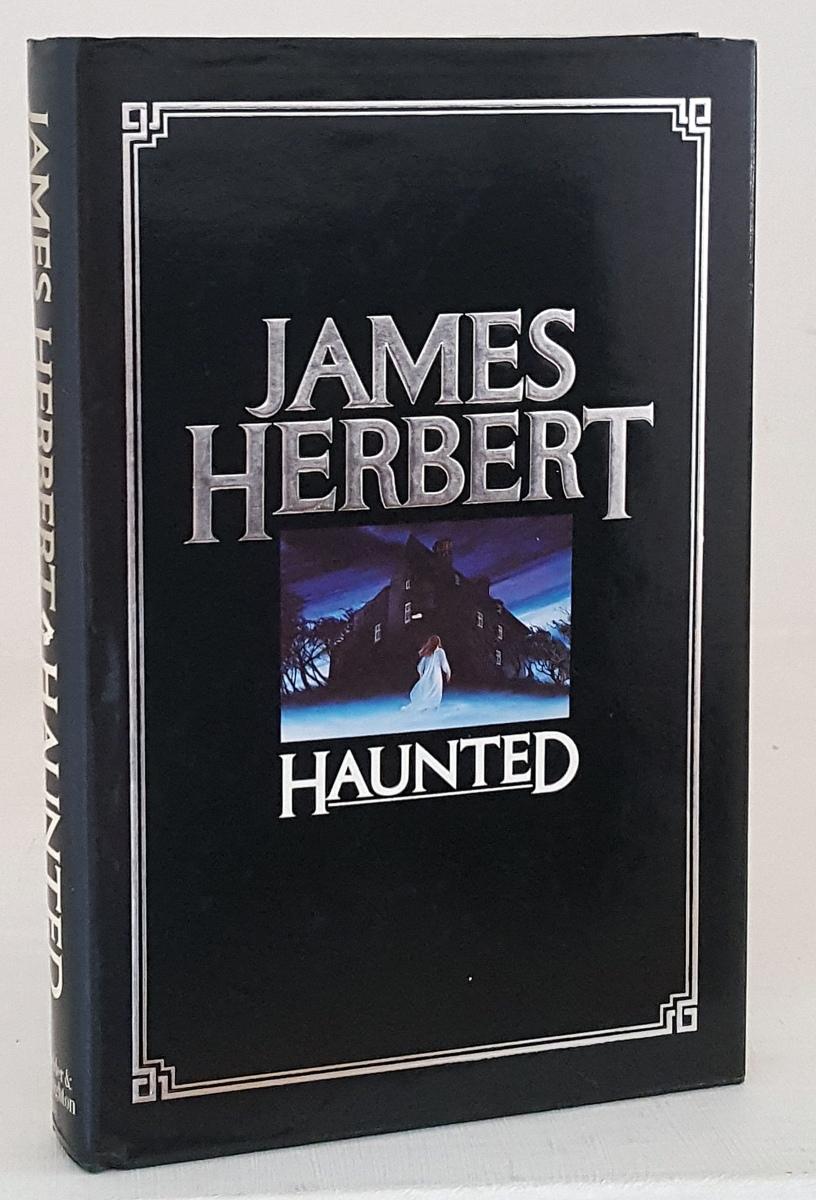
David Ash is a professional skeptic, a paranormal investigator who makes his living debunking hauntings until a case in an old English house convinces him something genuinely malicious is at work. James Herbert's Haunted, which began life as a BBC screenplay, launches Ash into a trilogy that continues through The Ghosts of Sleath and Ash, each pitting his hard-won doubt against increasingly undeniable horrors. The character's skepticism is the series' throughline, making each haunting a test of what he's willing to believe.
- Conjure Wife
Fritz Leiberstandalone novel1943
similar byhorroreeriepsychological horrorour world+2 more
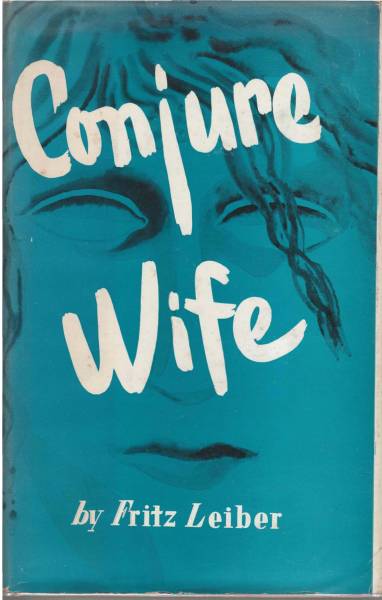
From the front cover of the Lion first paperback: "Potions in the house... evil in the air... and a witch in his bed." From the back cover of the Lion first paperback: ""Conjure Wife... is easily the most frightening (and necessarily) the most thoroughly convincing of all modern horror stories. Its premise is that witchcraft still flourishes, or at any rate survives, an open secret among women, a closed book to men. Under the rational overlay of 20th-century civilization this sickly growth, uncultivated, unsuspected, still manages to propagate itself. Leiber develops this theme with the utmost dexterity, piling up alternate layers of the mundane and outre, until at the story's real climax, the shocker at the end of chapter 14, I am not ashamed to say that I jumped an inch out of my seat. From that point onward the story anticlimax so skillfully managed that I am not really certain I touched the slipcover again until after the last page. Leiber has never written anything better... which perhaps is all that needed to be said." Damon Knight, Science Fiction Adventures"
- The Vampire Chronicles
series15 books1976
completed
similar bycontemporarydarkhorrorour world+1 more
The Vampire Chronicles is a series of Gothic vampire novels and a media franchise, created by American author Anne Rice, that revolves around the fictional character Lestat de Lioncourt, a French nobleman turned into a vampire in the 18th century.
- Castle Rock
series16 books1978
similar bycontemporaryhorror+2 more
Castle Rock is the fictional Maine town that links a cluster of otherwise separate Stephen King novels and novellas, including The Dead Zone, Cujo, The Dark Half, Needful Things, and Elevation. Rather than telling one continuous story, the books share a setting and occasional recurring figures, such as Sheriff Alan Pangborn, while each follows its own self-contained plot and cast. Any title can be read on its own without needing the others.
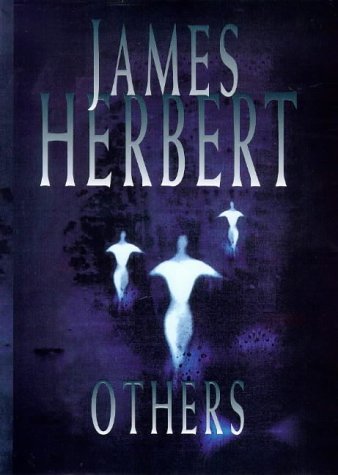
- Others
James Herbertstandalone novel1999
similar byidentitycontemporaryhorrordarkeerieour world
Nicholas Dismas is a Private Investigator like no other. He carries a secret about himself to which not even he has the answer. He is hired to find a baby taken at birth and his investigation leads him to a mysterious place called "Perfect Rest." It is supposed to be a home for the elderly, but there is a lot more to this place than meets the eye. Here Dismas will discover the dark secret of the Others. And in an astonishing and spectacular finale he will resolve the enigma of his own existence. As chilling, as memorable and as timely as only James Herbert can be, Others will join the classics for which he is remembered with fear.