More like Independence
anchored on:science fictiontime travelnorth americaalternate historywartense
but
- The Guns of the South
Harry Turtledovestandalone novel1992
similar bytensenorth americawarscience fictionalternate history+2 more
The Guns of the South is an alternate history science fiction novel set during the American Civil War by Harry Turtledove. It was released in the United States on September 22, 1992.
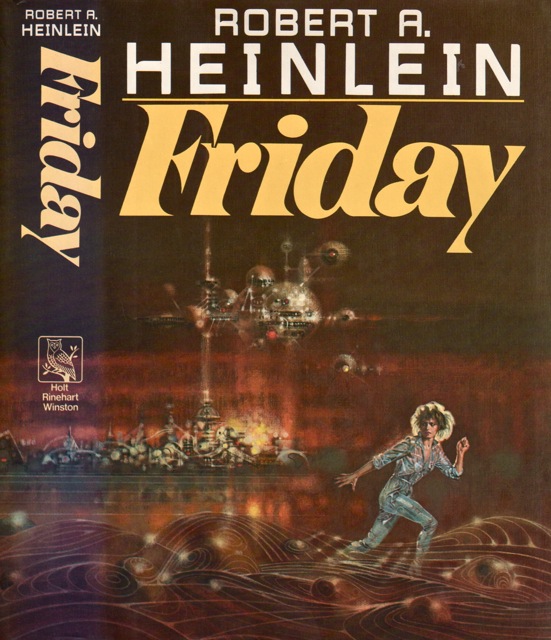
- Friday
Robert A. Heinleinstandalone novel1982
similar bytensenorth americascience fictionidentity+1 more
Friday is a 1982 science fiction novel by American writer Robert A. Heinlein. It is the story of a female "artificial person", the eponymous Friday, genetically engineered to be stronger, faster, smarter, and generally better than normal humans. Artificial humans are widely resented, and much of the story deals with Friday's struggle both against prejudice and to conceal her enhanced attributes from other humans. The story is set in a Balkanized 21st century, in which the nations of the North American continent have been split up into a number of smaller states.
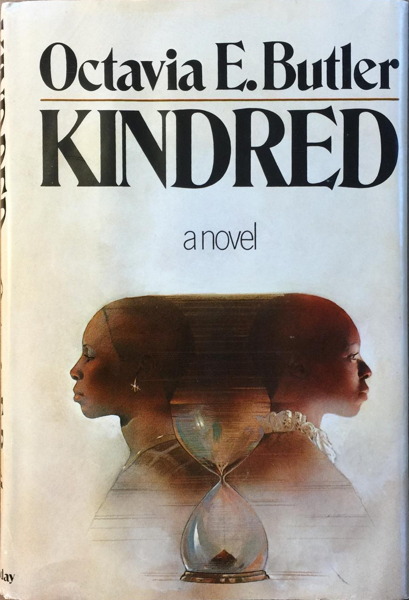
- Kindred
Octavia E. Butlerstandalone novel1979
similar bytensenorth americascience fictiontime travel+1 more
Kindred (1979) is a novel by American writer Octavia E. Butler that incorporates time travel and is modeled on slave narratives. Widely popular, it has frequently been chosen as a text by community-wide reading programs and book organizations, and for high school and college courses.
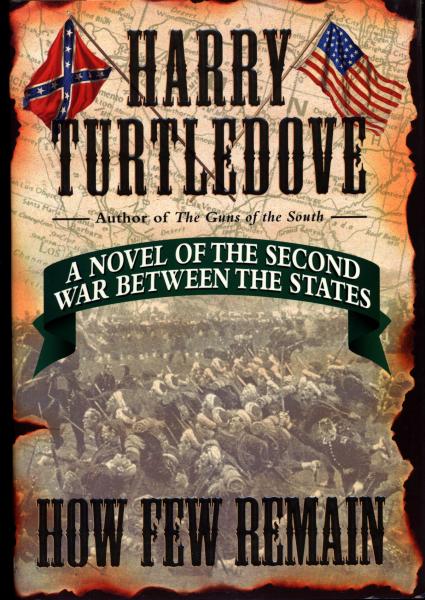
- How Few Remain Universe
series11 books1997
similar bytensenorth americawarpolitical intriguealternate history
How Few Remain opens Harry Turtledove's Southern Victory timeline, imagining a North America where the Confederacy won the Civil War. Set mostly in 1881-1882, it follows political and military figures on both sides of a divided continent as old grievances resurface into a new war. It's a single novel here, but the starting point for a much longer alternate-history sequence Turtledove extended across both twentieth-century world wars.
- 11/22/63
Stephen Kingstandalone novel2011
similar bytensenorth americascience fictiontime travelalternate history+1 more
11/22/63 is a novel by American author Stephen King about a time traveler who attempts to prevent the assassination of United States President John F. Kennedy, which occurred on November 22, 1963. It is the 60th book published by Stephen King, his 49th novel, and the 42nd under his own name. The novel required considerable research to accurately portray the late 1950s and early 1960s. King commented on the amount of research it required, saying, "I've never tried to write anything like this before. It was really strange at first, like breaking in a new pair of shoes."
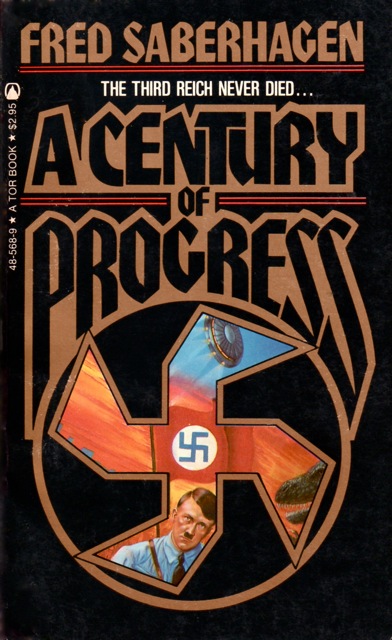
- A Century of Progress
Fred Saberhagenstandalone novel1983
similar bytensewarnorth americascience fictiontime travelalternate history+1 more
For centuries two meg-powers from the future have been waging war for control of timelines of history. Alan Norlund, a WWII airman vet, is promised a life saving cure for his granddaughter, if he will undertake a mission fifty years back in time to the 1933 Chicago World's Fair. Hitler with his 'angels' from the opposing power would like to take over our timeline and 1933 Chicago may be just the place to start.
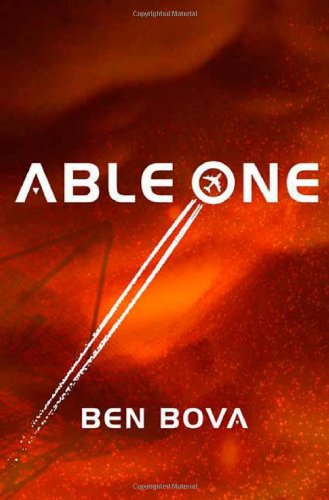
- Able One
Ben Bovastandalone novel2010
similar bytensenorth americawarscience fictionpolitical intrigue
Can an experimental defense system stop North Korean missile strikes? "Able One" is a timely thrill-ride by one of science fiction's most respected novelists.
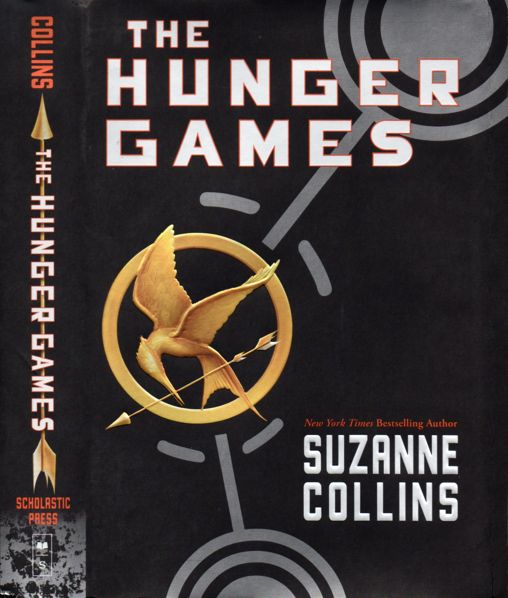
- The Hunger Games
series3 books2008
part of The Hunger Games Universe
similar bytensenorth americascience fiction+1 more
The Hunger Games is a series of young adult dystopian novels written by American author Suzanne Collins. The series consists of a trilogy that follows teenage protagonist Katniss Everdeen, as well as two prequels. The Hunger Games universe is a dystopia set in Panem, a post-apocalyptic North American country consisting of the wealthy Capitol and 12 districts in varying states of poverty. As punishment for rebellion, the Capitol hosts an annual battle royale competition called The Hunger Games. Each of the 12 districts must send two children between the ages of 12 and 18 to participate, and the last surviving child is dubbed the victor.
- The Zap Gun
Philip K. Dickstandalone novel1967
similar bywarnorth americascience fiction+3 more
The Zap Gun is a 1967 science fiction novel by American writer Philip K. Dick. It was first published as the two-part serial Project Plowshare in Worlds of Tomorrow in 1965 and 1966, before Pyramid Books issued it in paperback under its present title. The novel originated in a title-first commission devised by Pyramid editor Don Bensen and was written in 1964 during a period of rapid production in Dick's career.
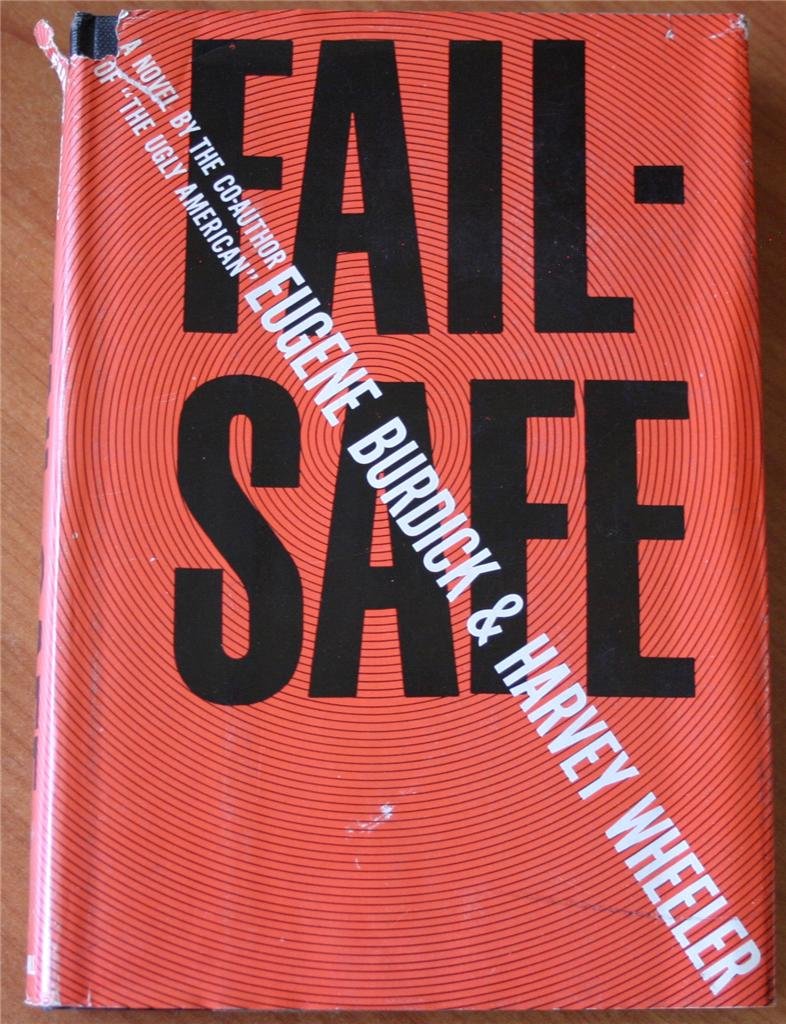
- Fail-Safe
Harvey Wheeler & Eugene Burdickstandalone novel1962
similar bytensenorth americawar+1 more
Fail-Safe is a bestselling American novel by Eugene Burdick and Harvey Wheeler. Expanded from Wheeler's short story "Abraham '59", it was initially serialized in three installments in the Saturday Evening Post on October 13, 20, and 27, 1962, during the Cuban Missile Crisis.
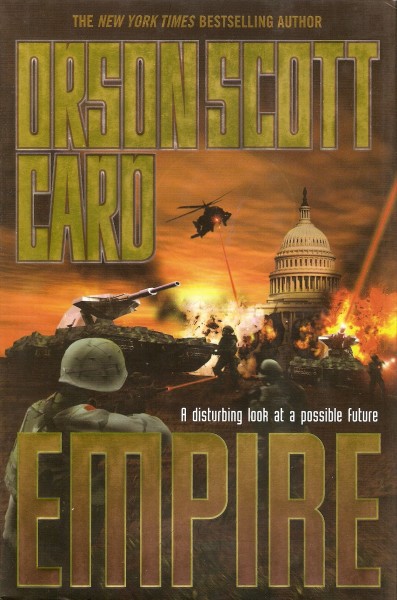
- Empire (Orson Scott Card)
series2 books2006
similar bytensenorth americawarscience fictionpolitical intrigue
The Empire Duet is a two-book series written by Orson Scott Card under license from Chair Entertainment, beginning with Empire in 2006. The sequel Hidden Empire was released December 22, 2009.
- The Hunger Games Universe
universe5 books2008
Start hereThe Hunger Games · Start here
similar bytensenorth americascience fiction+2 more
Panem, they call it now — a nation raised on the drowned bones of North America, a glittering Capitol ringed by twelve districts it once starved into obedience. Every year the Capitol collects its debt in children: two tributes from each district, drawn by lottery, dropped into an engineered arena, and made to kill one another on live television while the whole country is required to watch. This is the Hunger Games — entertainment, punishment, and government at once. Suzanne Collins tells it in a compact, unified body of work. The founding trilogy — The Hunger Games, Catching Fire, and Mockingjay — follows Katniss Everdeen, a girl from the coal-mining District 12 who volunteers in her sister's place and becomes something the Capitol never scripted. Two prequels reach back into the same machinery: The Ballad of Songbirds and Snakes traces a young Coriolanus Snow long before he is President, and Sunrise on the Reaping returns to District 12 a generation ahead of Katniss. Begin with the trilogy, in order — it is Katniss's voice, close and present-tense, that makes Panem breathe, and the prequels land hardest once you know how her story ends. Beneath the spectacle sits one steady, uncomfortable question: who profits when we agree to look away.
- Gettysburg / Civil War Trilogy
series3 books2003
similar bytensenorth americawaralternate history+1 more
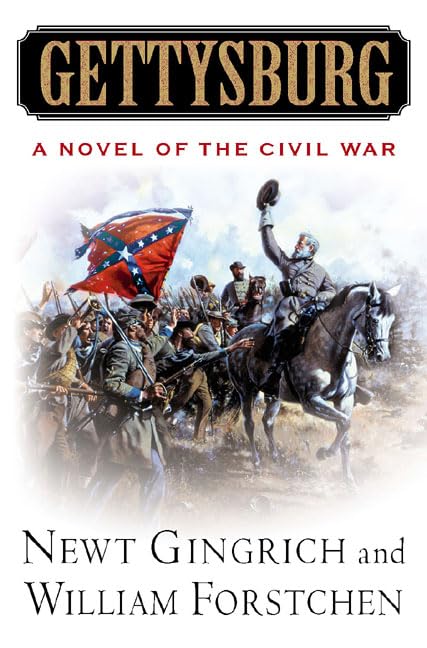
Gettysburg opens Newt Gingrich and William R. Forstchen's alternate-history trilogy imagining a Confederate victory at the battle of Gettysburg, then follows the shifted course of the Civil War across two further novels tracking the changed war's political and military fallout. The series leans on close military detail and real historical figures reimagined under altered circumstances. It was published between 2003 and 2005.
- The Execution Channel
Ken MacLeodstandalone novel2007
similar bytensewarnorth americascience fictionpolitical intrigue+1 more
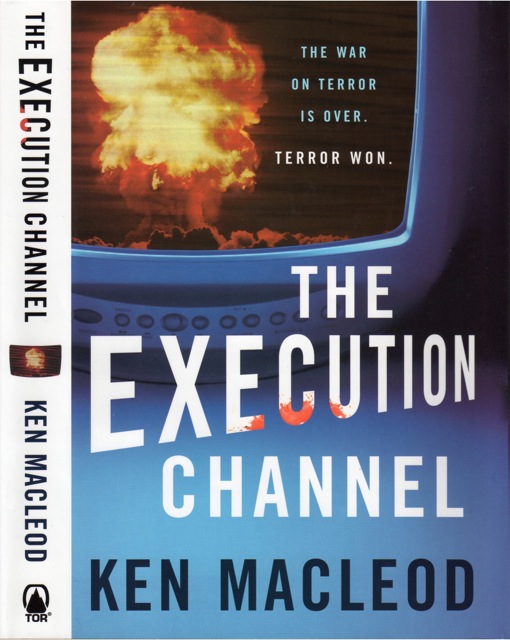
Al Gore is elected American president and the War on Terror takes on new dimensions.
- The Handmaid's Tale
series3 books1985
similar bytensenorth americascience fiction+1 more
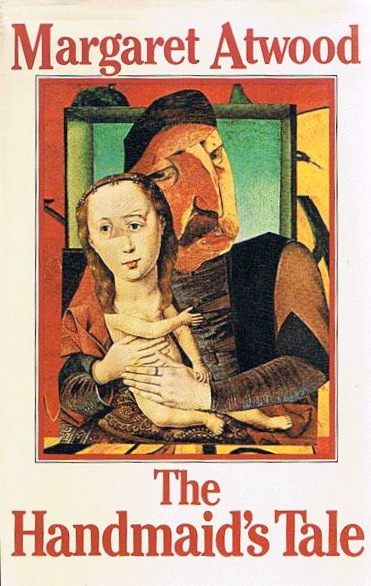
The Handmaid's Tale is Margaret Atwood's 1985 novel set in Gilead, a totalitarian theocracy that has overthrown the United States and forces fertile women into reproductive servitude as Handmaids; it is narrated by one such woman, Offred. Atwood returned to the world in her 2019 sequel The Testaments, set fifteen years later and narrated by three women, including the regime's Aunt Lydia. Together the two novels move from Gilead's grip on power toward the first cracks in it.
- 1920: America's Great War
Robert Conroystandalone novel2013
similar bytensenorth americawarscience fictionpolitical intriguealternate history
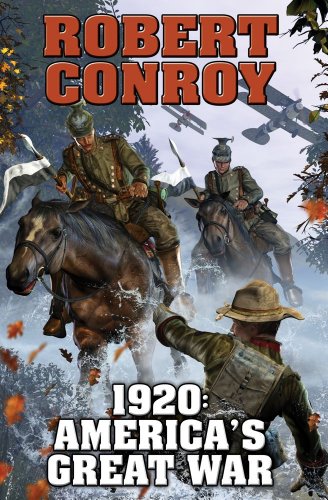
1920: America's Great War is an alternate history novel by the Michigan economics professor Robert Conroy. It was first published as an ebook by Baen Books in November 2013. A hardcover edition followed in December of the same year and then a paperback edition in March 2015. The novel depicts a fictional world in which Imperial Germany had emerged victorious early in World War I and launches a surprise invasion of the United States in 1920 from Mexico. The book's premise is based on an actual plan that Germany had proposed to Mexico during the war.
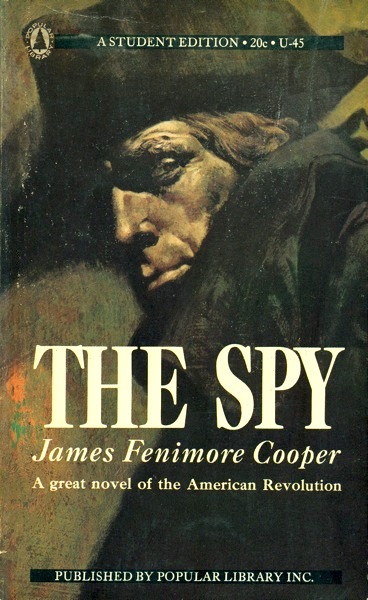
- The Spy
James Fenimore Cooperstandalone novel1821
similar bytensenorth americawarpolitical intriguealternate history
Alternate history, U.S. Revolutionary War.
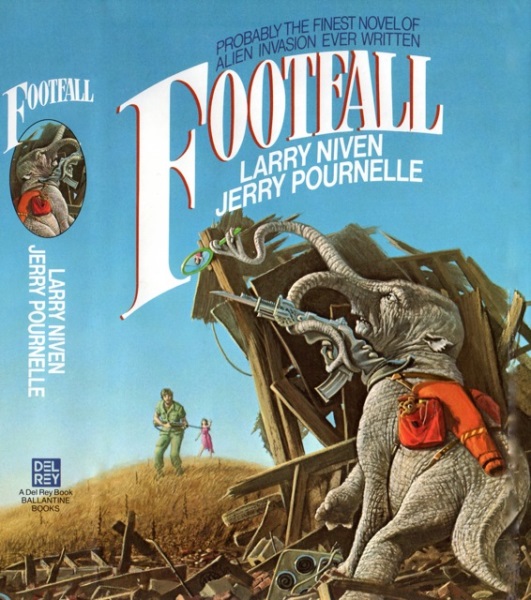
- Footfall
Larry Niven & Jerry Pournellestandalone novel1985
similar bytensewarnorth americascience fiction
When aliens travel to Earth from Alpha Centauri, differences between alien and human psychology result in an unprovoked invasion, and the resulting resistance results in the aliens' use of a devastating weapon.
- The Proteus Operation
James P. Hoganstandalone novel1985
similar bytensewarscience fictiontime travelalternate history
The Proteus Operation is a science fiction alternate history novel written by James P. Hogan. The plot focuses on an Anglo-American team of soldiers and civilians sent back in time from the Nazi-dominated world of 1975 to prevent an Axis victory in World War II that was engineered by more advanced time travelers from the 21st century.
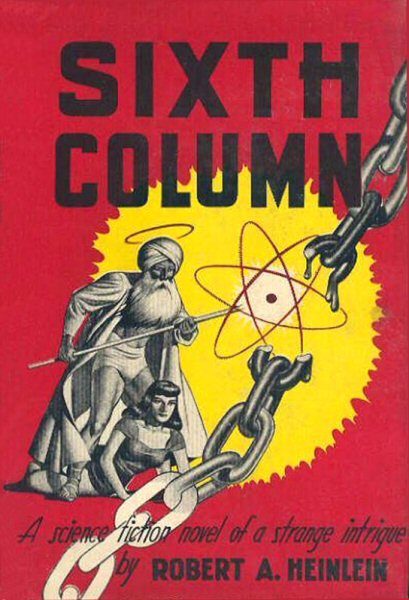
- Sixth Column
Robert A. Heinleinstandalone novel1949
similar bytensenorth americawarscience fiction
The United States falls to Asian invasion and occupation. The US military is demolished, but a lone outpost is developing fantastic new technology that will empower the Resistance.
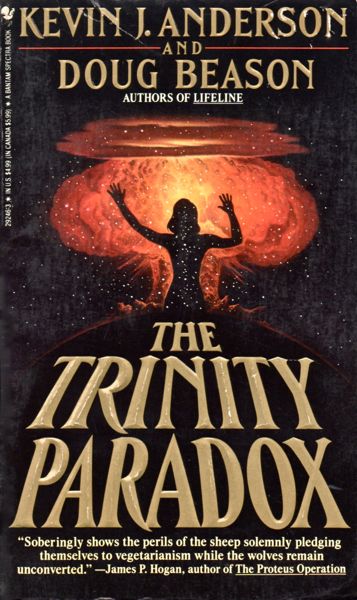
- The Trinity Paradox
Kevin J. Anderson & Doug Beasonstandalone novel1991
similar bytensewarnorth americascience fictiontime travel+1 more
The Trinity Paradox is a time travel novel by Kevin J. Anderson and Doug Beason, exploring the premise of an anti-nuclear activist from 1990s being transported back in time to the Manhattan Project, giving her the potential to sabotage the project in an attempt to prevent the development of nuclear weapons altogether.
- Days of Infamy
series2 books2004
similar bytensenorth americawaralternate history
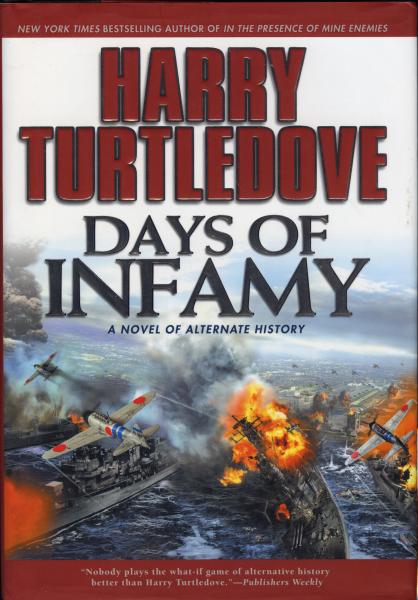
Harry Turtledove's Days of Infamy duology reimagines the Pacific theater of World War II with an alternate outcome at Pearl Harbor: a Japanese invasion and occupation of Hawaii rather than a single carrier strike. Days of Infamy covers the invasion itself, while End of the Beginning follows the ensuing occupation and eventual counter-invasion. As in his other alternate-history work, Turtledove follows the changed war through a wide, rotating cast of civilian and military viewpoints.
- Without Warning
series3 books2008
similar bytensewarnorth americapolitical intriguescience fictionalternate history
- One Second After / John Matherson
series4 books2009
similar bytensenorth americawarscience fiction+1 more
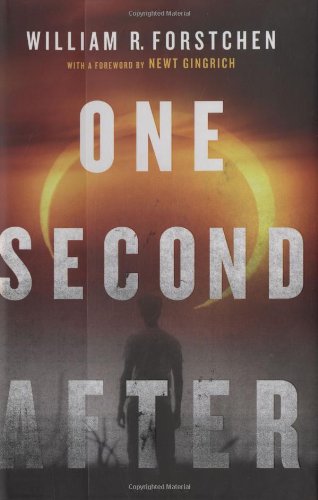
Retired army colonel and college professor John Matherson is living an ordinary life in a small North Carolina town when every piece of modern electronics around him dies at once -- the opening move of an electromagnetic pulse attack on the United States. William R. Forstchen's One Second After follows Matherson and his neighbors as they try to hold their community together with no power, no vehicles, and no outside help, and the sequels track the same slow, grinding rebuilding over the following years. The series leans hard into plausible, granular detail about what actually happens to a country when its grid goes down.