More like Indoctrinaire
anchored on:science fictionlatin americafar futurepost-apocalyptictime travelsurvival+2 more
but
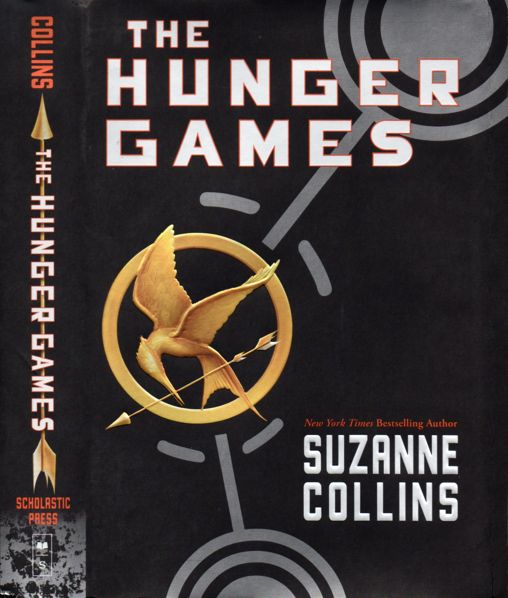
- The Hunger Games
series3 books2008
part of The Hunger Games Universe
similar bysurvivaldarkfar futurescience fictionpost-apocalyptic
The Hunger Games is a series of young adult dystopian novels written by American author Suzanne Collins. The series consists of a trilogy that follows teenage protagonist Katniss Everdeen, as well as two prequels. The Hunger Games universe is a dystopia set in Panem, a post-apocalyptic North American country consisting of the wealthy Capitol and 12 districts in varying states of poverty. As punishment for rebellion, the Capitol hosts an annual battle royale competition called The Hunger Games. Each of the 12 districts must send two children between the ages of 12 and 18 to participate, and the last surviving child is dubbed the victor.
- The Hunger Games Universe
universe5 books2008
Start hereThe Hunger Games · Start here
similar bysurvivaldarkfar futurescience fiction+1 more
Panem, they call it now — a nation raised on the drowned bones of North America, a glittering Capitol ringed by twelve districts it once starved into obedience. Every year the Capitol collects its debt in children: two tributes from each district, drawn by lottery, dropped into an engineered arena, and made to kill one another on live television while the whole country is required to watch. This is the Hunger Games — entertainment, punishment, and government at once. Suzanne Collins tells it in a compact, unified body of work. The founding trilogy — The Hunger Games, Catching Fire, and Mockingjay — follows Katniss Everdeen, a girl from the coal-mining District 12 who volunteers in her sister's place and becomes something the Capitol never scripted. Two prequels reach back into the same machinery: The Ballad of Songbirds and Snakes traces a young Coriolanus Snow long before he is President, and Sunrise on the Reaping returns to District 12 a generation ahead of Katniss. Begin with the trilogy, in order — it is Katniss's voice, close and present-tense, that makes Panem breathe, and the prequels land hardest once you know how her story ends. Beneath the spectacle sits one steady, uncomfortable question: who profits when we agree to look away.
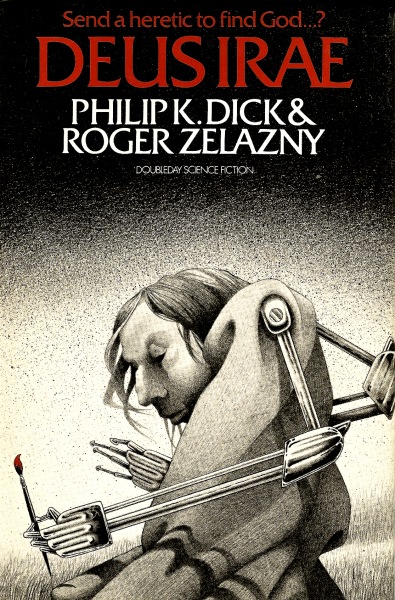
- Deus Irae
Philip K. Dick & Roger Zelaznystandalone novel1976
similar bysurvivaldarkfar futurescience fictionpost-apocalyptic
Deus Irae is a post-apocalyptic science fiction novel written by two American authors; it was started by Philip K. Dick and finished with the help of Roger Zelazny. It was published in 1976. The novel's title, Deus irae, means 'God of Wrath' in Latin; the title is a play on words on the phrase Dies Irae, meaning 'Day of Wrath' or 'Judgment Day'. The novel was based on Dick's short stories "The Great C" and "Planet for Transients".
- City at World's End
Edmond Hamiltonstandalone novel1951
similar bysurvivaldarkfar futurescience fictionpost-apocalyptic
An experimental atomic weapons test in small-town America goes catastrophically wrong, hurling the entire town of Middletown, buildings, streets and all, untold ages into Earth's future, to a time when the sun is dying and humanity's last city struggles on beneath a darkening sky. Cut off from everything and everyone they knew, the townspeople have to find a way to survive in a world that has nothing left to spare for latecomers. Edmond Hamilton's novel strands a slice of mid-century America at the literal end of the world.
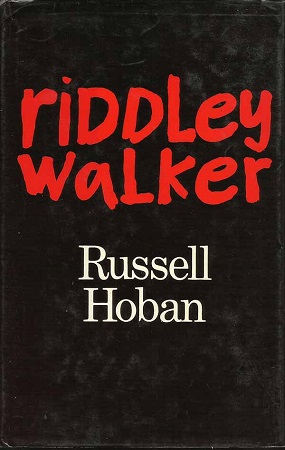
- Riddley Walker
Russell Hobanstandalone novel1980
similar bysurvivaldarkfar futurescience fictionpost-apocalyptic
WorldCat: Composed in an English which has never been spoken and laced with a storytelling tradition that predates the written word, RIDDLEY WALKER is the world waiting for us at the bitter end of the nuclear road. It is desolate, dangerous and harrowing, and a modern masterpiece.
- The Stars My Destination
Alfred Besterstandalone novel1956
similar bysurvivaldarkfar futurescience fiction
When a passing spaceship refuses to rescue the lone survivor from the drifting wreck of another ship, he dedicates his life to discovering who made that decision and exacting his revenge, in the process altering human history and his own character.
- Hawksbill Station
Robert Silverbergstandalone novel1968
similar bysurvivaldarkfar futurescience fictiontime travel
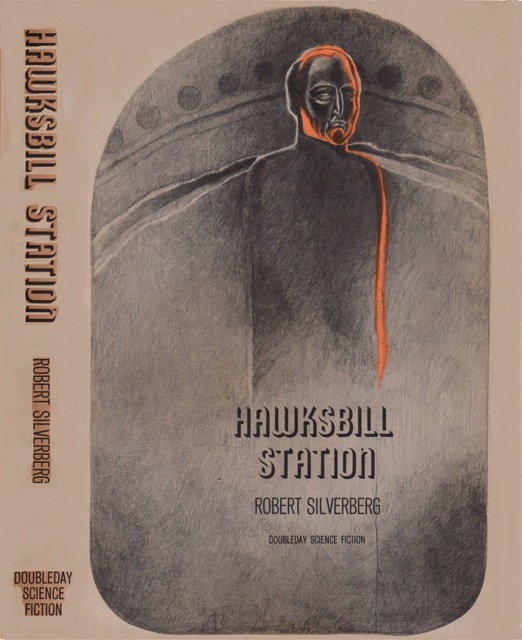
Hawksbill Station is a science fiction novel by American writer Robert Silverberg. The novel is an expanded version of a short story first published in Galaxy Science Fiction in August 1967. The novel was published in 1968 and was released in the United Kingdom under the title The Anvil of Time.
- The Ice Schooner
Michael Moorcockstandalone novel1969
similar bysurvivaldarkfar futurepost-apocalypticscience fiction
The Ice Schooner is a post-apocalyptic fantasy novel by Michael Moorcock first published in 1966. It is a grimdark retelling of Moby Dick combined with elements of Joseph Conrad's sailing adventures.
- Terminal World
Alastair Reynoldsstandalone novel2010
similar bysurvivaldarkfar futurescience fictionpost-apocalyptic
Terminal World is a 2010 science fiction novel by Welsh author Alastair Reynolds. It is a standalone novel set in the distant future, which chronicles the journey of Quillon, a pathologist forced into exile. The Gollancz hardcover edition of the book was published in March 2010 in the United Kingdom. The Ace Books hardcover edition was published in June 2010 in the United States.
- Hungry City Chronicles / Mortal Engines
series5 books2001
part of Mortal Engines Universe
similar bysurvivalfar futurescience fictionpost-apocalyptic+1 more
The Mortal Engines Quartet, also known as the Predator Cities Quartet, is a series of epic young adult science fiction novels by the English novelist and illustrator Philip Reeve. He began the first volume of the series, Mortal Engines, in the 1980s, and it was published in 2001. Reeve then published three further novels, Predator's Gold (2003), Infernal Devices (2005), and A Darkling Plain (2006).
- Cowl
Neal Asherstandalone novel2004
similar bysurvivaldarkfar futurescience fictiontime travel
In the far future, the Heliothane Dominion is triumphant in the solar system, after a bitter war with their Umbrathane progenitors. But some of the Umbrathane have escaped into the distant past, where they can position themselves to wreak havoc across time and undo their defeat. The most fanatical of them is the superhuman Cowl, more monstrous than any of the creatures outside his prehistoric redoubt. Cowl sends his terrifying hyperdimensional pet, the torbeast, hunting through all the timelines for human specimens. It sheds its scales - each one an organic time machine - where its master orders. Anyone who picks one up is dragged back to the dawn of time, where Cowl awaits. Then the beast can feed, growing ever larger... In our own near-future, Tack is one of U-gov’s programmable killers. When a scale latches onto him, his doom seems inevitable, but the Heliothane have other ideas: they can use Tack against Cowl. Tack is no stranger to violence, but the Heliothane, hardened in their struggle for humanity’s very existence, have much to teach him. He will need it all for his encounter with Cowl.Once one of Tack’s targets, Polly escaped with her life when a torbeast scale snatched her. Now, like Tack, she must learn fast as she is dragged back to Day Zero. To cheat death again, she will have to help him save the human race.
- Dark Is the Sun
Philip José Farmerstandalone novel1979
similar bysurvivaldarkfar futurescience fictionpost-apocalyptic
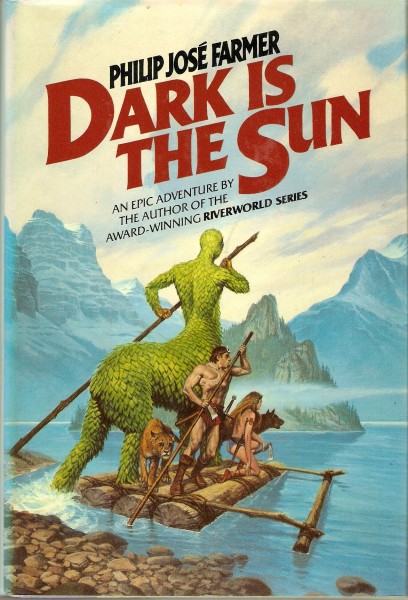
Dark Is The Sun is a science fiction novel by American writer Philip José Farmer, first published in 1979. It tells the story of the people and creatures left on Earth when the Sun is dead and the universe is heading towards the Big Crunch.
- The Kraken Wakes
John Wyndhamstandalone novel1953
similar bysurvivaldarkscience fictionpost-apocalyptic+1 more
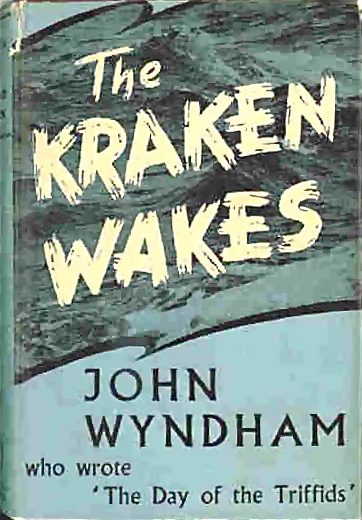
" Behind a spectacular meteor shower actually hides the beginning of an invasion by a mysterious and powerful alien race. Earth's life is disrupted by the attacks of extraterrestrials whose war machines, emerging from the depths of the oceans, seem indestructible. The coalitioned forces of the whole world are worthless, powerless in the face of the indecipherable and deadly plans of a superior intelligence, capable of bringing the entire planet to the brink of catastrophe" Goodreads May 20, 2022
- Saint Leibowitz
series6 books1955
completed
similar byfar futurescience fictionpost-apocalyptic+2 more
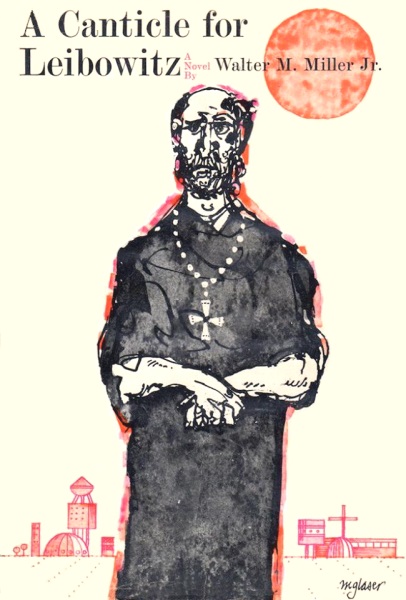
Walter M. Miller Jr.'s A Canticle for Leibowitz (1959), assembled from three novellas he had published earlier in the decade, follows the monks of a Catholic monastery in the post-nuclear American Southwest as they preserve fragments of scientific knowledge across centuries, watching civilization slowly rebuild itself and edge back toward the mistakes that destroyed it. Miller's posthumous sequel, Saint Leibowitz and the Wild Horse Woman, completed by Terry Bisson from his notes after his death and published in 1997, returns to the same abbey and its world decades later. Together the two novels form a sparse, decades-spanning series about memory, faith, and the cycles of civilization.
- The Triffids
series3 books1951
similar bysurvivaldarkscience fictionpost-apocalyptic
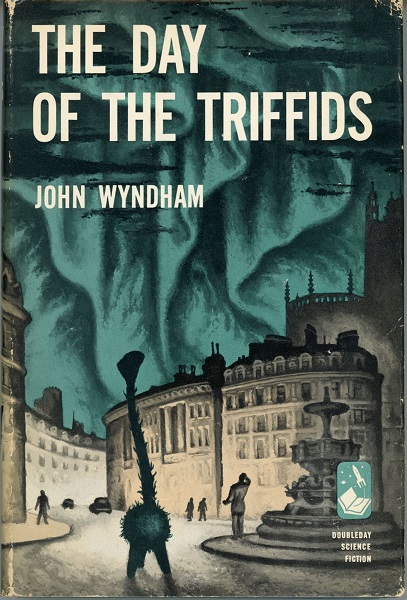
John Wyndham's The Day of the Triffids (1951) opens with a meteor-shower-like event that leaves most of Britain's population blind, throwing civilization into collapse just as triffids, an aggressive and mobile species of poisonous plant, become free to hunt the helpless survivors. Simon Clark's authorized sequel The Night of the Triffids (2001) picks up a generation later, narrated by the original protagonist's son as he confronts a new triffid-dominated world, and John Whitbourn's The Age of the Triffids extends the shared setting further still. Together the three novels form a loose post-apocalyptic trilogy built on Wyndham's original premise rather than a tightly plotted single story.
- The Status Civilization
Robert Sheckleystandalone novel1960
similar bysurvivaldarkfar futurescience fiction
"Will Barrent had no memory of his crime ... but he found himself shipped across space to a brutal prison-planet. On Omega, his only chance to advance himself -- and stay alive -- is to commit an endless series of violent crimes. The average inmate's life expectancy from time of arrival is three years. Can Barrett survive, escape, and return to Earth to clear his name?" - From the cover of the 2007 Wildside paperback edition.
- The Chrysalids
John Wyndhamstandalone novel1955
similar bysurvivalfar futurescience fictionpost-apocalyptic
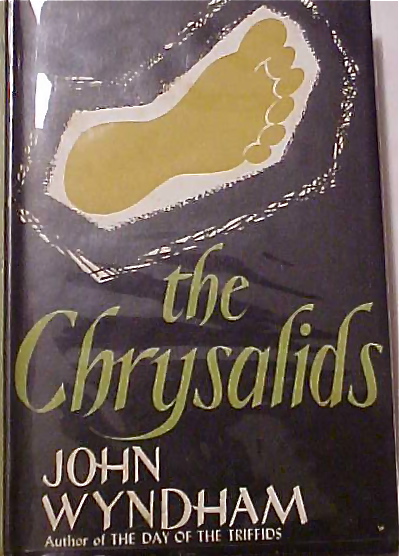
The Chrysalids is a science fiction novel by British writer John Wyndham, first published in 1955 by Michael Joseph. It is the least typical of Wyndham's major novels, but regarded by some as his best. An early manuscript version was entitled Time for a Change.
- We Who Are About to ...
Joanna Russstandalone novel1977
similar bysurvivaldarkfar futurescience fictionpost-apocalyptic
We Who Are About To... is a feminist science fiction novella by Joanna Russ. It first appeared in magazine form in the January 1976 and February 1976 issues of Galaxy Science Fiction and was first published in book form by Dell Publishing in July 1977.
- Farnham's Freehold
Robert A. Heinleinstandalone novel1964
similar bysurvivalscience fictionpost-apocalyptictime travel+1 more
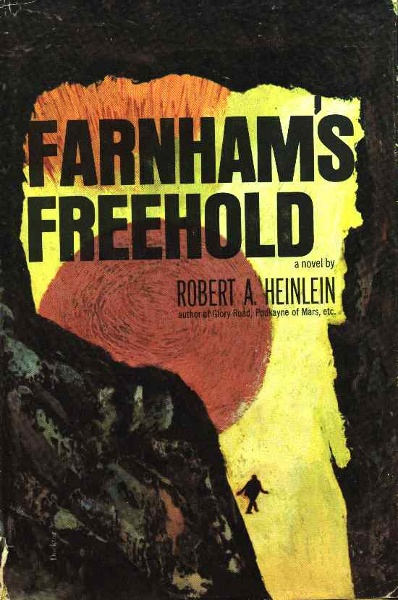
Farnham's Freehold is a science fiction novel by American writer Robert A. Heinlein. A serialized version, edited by Frederik Pohl, appeared in Worlds of If magazine. The complete version was published in novel form by G. P. Putnam later in 1964.
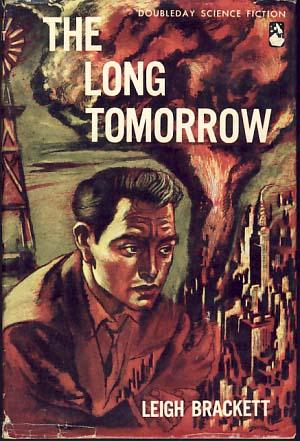
- The Long Tomorrow
Leigh Brackettstandalone novel1955
similar bysurvivalfar futurescience fictionpost-apocalyptic+1 more
The Long Tomorrow is a post-apocalyptic science fiction novel by American writer Leigh Brackett, originally published by Doubleday & Company, Inc in 1955. Set in the aftermath of a nuclear war, it portrays a world where scientific knowledge is feared and restricted. It was nominated for a Hugo Award in 1956.
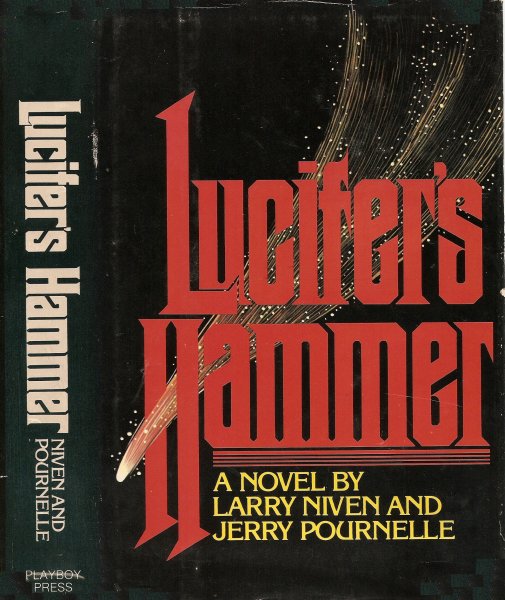
- Lucifer's Hammer
Larry Niven & Jerry Pournellestandalone novel1977
similar bysurvivaldarkscience fictionpost-apocalyptic
Lucifer's Hammer is a science fiction post-apocalypse-survival novel by American writers Larry Niven and Jerry Pournelle that was first published in 1977. It was nominated for the Hugo Award for Best Novel in 1978.
- Earthseed
series7 books1993
similar bysurvivaldarkscience fictionpost-apocalyptic
Octavia E. Butler's Earthseed novels, Parable of the Sower and Parable of the Talents, follow Lauren Olamina as she survives the collapse of a climate-ravaged, near-future United States and founds a belief system built on the idea that "God is Change." The two-book series was left unfinished at Butler's death; a planned third novel, Parable of the Trickster, was never completed. Later graphic-novel adaptations retell the same two stories rather than continuing the narrative.
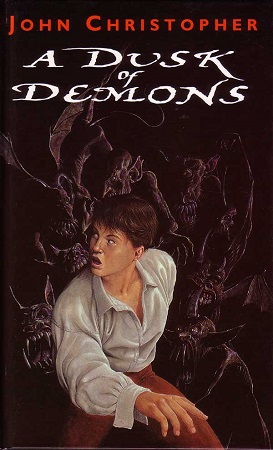
- A Dusk of Demons
John Christopherstandalone novel1993
similar bysurvivaldarkfar futurescience fictionpost-apocalyptic
A Dusk of Demons is a young adult science fiction novel written by the British author John Christopher and published in 1993. The story is set in a post-apocalyptic future in England where it is believed that demons rule Earth.
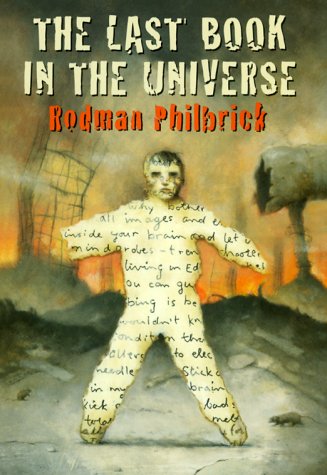
- The Last Book in the Universe
Rodman Philbrickstandalone novel2000
similar bysurvivaldarkfar futurescience fictionpost-apocalyptic
The Last Book in the Universe is a 2000 post-apocalyptic science fiction novel by Rodman Philbrick. Set in a cyberpunk dystopia, its protagonist and narrator is a teenage boy named Spaz who has epilepsy.