More like Induction
anchored on:science fictionnear futureartificial intelligenceour worldchallenging
but
- Stranger in a Strange Land
Robert A. Heinleinstandalone novel1961
similar byscience fictionnear futurechallengingour worldidentityreflective
Stranger in a Strange Land is a 1961 science fiction novel by the American author Robert A. Heinlein. It tells the story of Valentine Michael Smith, a human who comes to Earth in early adulthood after being born on the planet Mars and raised by Martians, and explores his interaction with and eventual transformation of Terran culture.
- Genesis
Bernard Beckettstandalone novel2006
similar byscience fictionartificial intelligencechallengingnear futureidentityreflective
Genesis (2006) is a philosophical science fiction novel by New Zealand author Bernard Beckett. It won the 2007 Esther Glen Award for children's literature, and the 2007 New Zealand Post Book Awards for Children and Young Adults. As of 2008 it has been published in 22 countries.
- The Light of Other Days
Arthur C. Clarke & Stephen Baxterstandalone novel2000
similar byscience fictionchallengingnear futureour world+2 more
An industrialist devises a technique to use tiny wormholes as light pipes to enable viewing of any event anywhere; and subsequently it becomes possible to use them to view any event in the past as well. The effects on society are enormous.
- Void Star
Zachary Masonstandalone novel2017
similar byscience fictionartificial intelligencechallengingnear futureour worldidentityreflective
Void Star is a 2017 near-future science fiction novel by American writer Zachary Mason. It is his second novel, published after The Lost Books of the Odyssey. Set in a near-future San Francisco, the book explores themes of artificial intelligence, philosophy, linguistics and immortality.
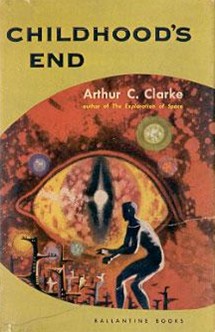
- Childhood's End
Arthur C. Clarkestandalone novel1953
similar byscience fictionour worldnear futureidentityreflective
Childhood's End is a 1953 science fiction novel by the British author Arthur C. Clarke. The story follows a peaceful alien invasion of Earth by mysterious Overlords, whose arrival begins decades of apparent utopia under indirect alien rule, at the cost of human identity and culture.
- A Clockwork Orange
series4 books1962
completed
similar byscience fictionour worldchallengingnear future+1 more
Anthony Burgess's 1962 novel is narrated by Alex, a teenage gang leader in a near-future Britain gripped by a youth subculture of extreme violence, recounting his crimes in Nadsat, an invented slang blending English with Russian-derived words. After his crimes catch up with him, Alex is made the subject of a controversial state program meant to forcibly reform his behavior, and the novel uses his ordeal to question whether imposed goodness is worth the loss of free will. It is a standalone novel.
- The Turing Option
Harry Harrison & Marvin Minskystandalone novel1992
similar byscience fictionartificial intelligencenear futureour world+2 more
Classic SF Harry Harrison enthralls with the discovery, loss and re-discovery of AI. Quaint but fairly accurate predictions of modern computing power. 24 style presentation.
- Quantum Night
Robert J. Sawyerstandalone novel2016
similar byscience fictionartificial intelligencenear futureour world+2 more
Quantum Night is a 2016 science-fiction thriller novel written by Canadian novelist Robert J. Sawyer. Set in 2020, the book touches on themes of quantum physics, psychology, current politics and ethics.
- Service Model
series3 books2024
similar byscience fictionartificial intelligencenear futureour worldidentity+1 more
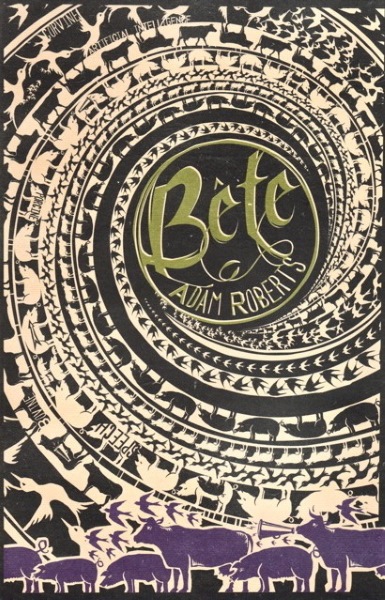
- Bête
Adam Robertsstandalone novel2014
similar byscience fictionartificial intelligencechallengingnear futureour worldidentityreflective
A man is about to kill a cow. He discusses life and death and his right to kill with the compliant animal. He begins to suspect he may be about to commit murder. But kills anyway. It began when the animal rights movement injected domestic animals with artificial intelligences in bid to have the status of animals realigned by the international court of human rights. But what is an animal that can talk? Where does its intelligence end at its machine intelligence begin? And where might its soul reside?
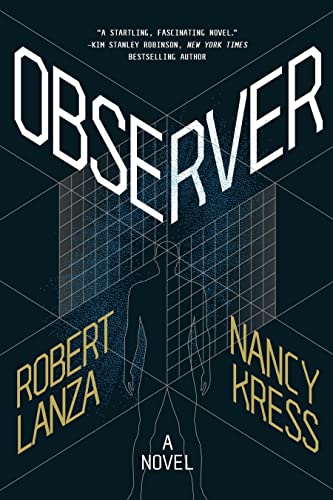
- Observer
Nancy Kress & Robert Lanzastandalone novel2023
similar byscience fictionartificial intelligencechallengingnear futureour worldidentity+1 more
Observer is a 2023 science fiction novel by American medical doctor and scientist, Robert Lanza, and science fiction author, Nancy Kress. It is Lanza's first novel and Kress's first novel written in collaboration with another author.
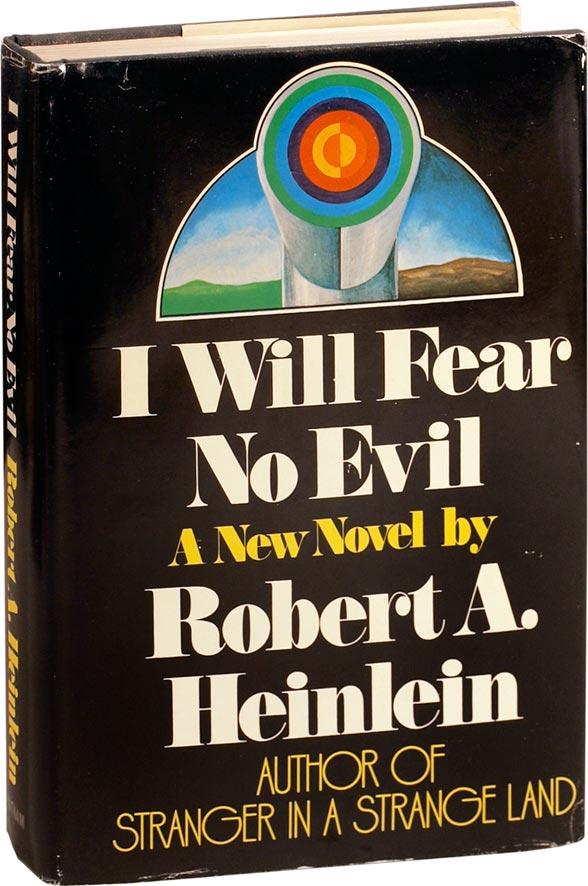
- I Will Fear No Evil
Robert A. Heinleinstandalone novel1970
similar byscience fictionnear futureour worldidentityreflective
I Will Fear No Evil is a science fiction novel by American writer Robert A. Heinlein, originally serialised in Galaxy and published in hardcover in 1970. The title is taken from Psalm 23:4.
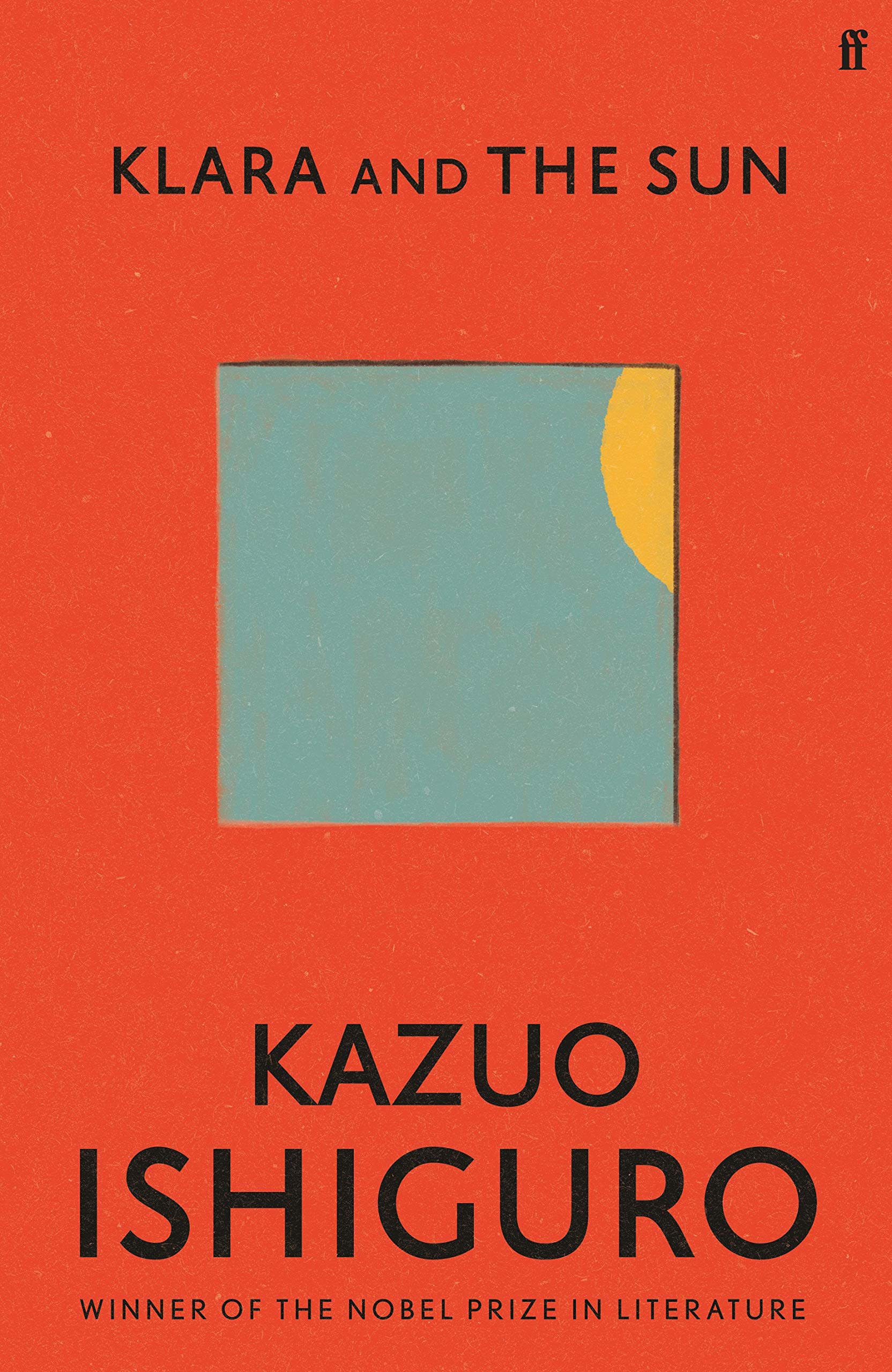
- Klara and the Sun
Kazuo Ishigurostandalone novel2021
similar byscience fictionartificial intelligencenear futureour worldreflective
Klara and the Sun is the eighth novel by the Japanese-British writer Kazuo Ishiguro, published on 2 March 2021. It is a dystopian science fiction story.
- The Stone Gods
Jeanette Wintersonstandalone novel2007
similar byscience fictionartificial intelligencechallengingnear futureour world
The Stone Gods is a novel written by Jeanette Winterson. Published in the year 2007, the novel is a post-apocalyptic, postmodern, dystopian love story, with themes of corporate government control, the harshness of war, artificial intelligence, and technology. The novel is self-referential as characters make inter-textual references, while certain characters’ story arcs repeat. The novel aims to warn against history's tendency to repeat itself, as well as humanity's inability to learn from past mistakes.
- Blade Runner Universe
series6 books1968
similar byscience fictionnear futureidentity+2 more
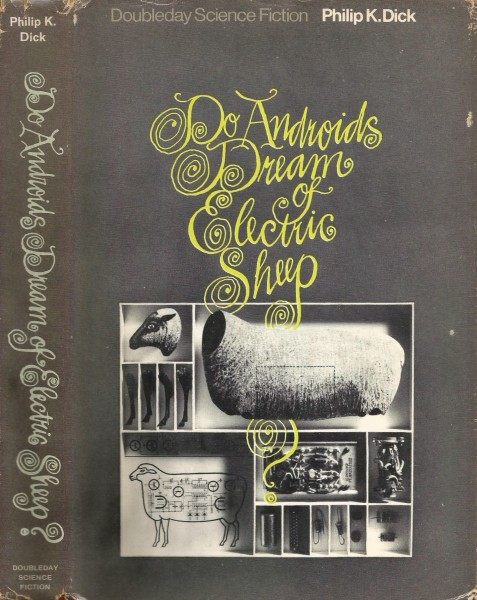
Philip K. Dick's 1968 novel Do Androids Dream of Electric Sheep? follows bounty hunter Rick Deckard as he tracks escaped androids through an irradiated, near-abandoned San Francisco, using the hunt to probe questions of empathy and what separates human from machine. The novel became the basis for Ridley Scott's 1982 film Blade Runner, and Marvel Comics later published an illustrated adaptation of that film. Together the two trace the story's path from prose original to screen and comic-page adaptation.
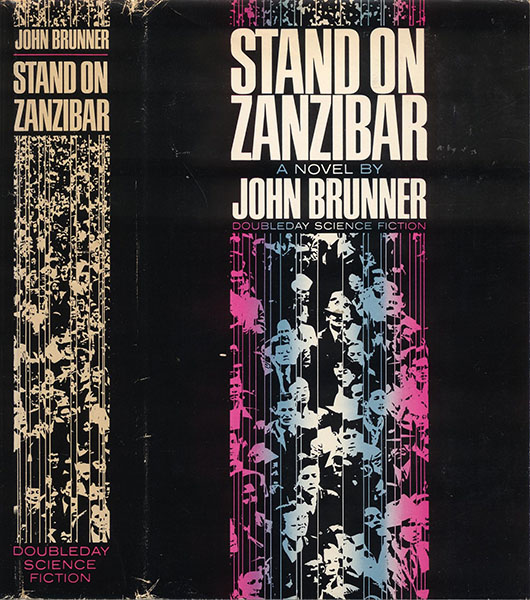
- Stand on Zanzibar
John Brunnerstandalone novel1968
similar byscience fictionchallengingnear futureour world
Stand on Zanzibar is a dystopian New Wave science fiction novel written by John Brunner and first in part published in New Worlds magazine in 1967 and in book form in 1968. The book won a Hugo Award for Best Novel at the 27th World Science Fiction Convention in 1969, as well as the 1969 BSFA Award and the 1973 Prix Tour-Apollo Award.
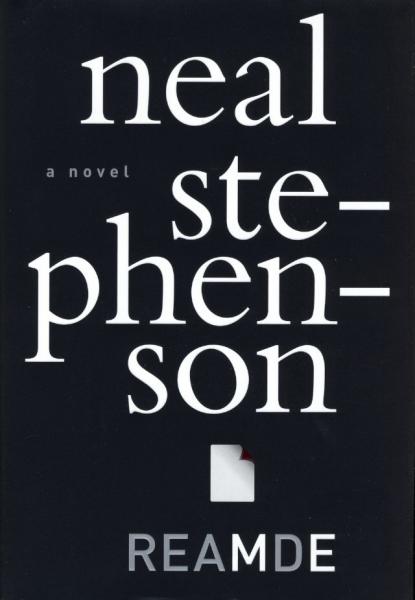
- Richard Forthrast
series2 books2011
similar byscience fictionour world+4 more
Neal Stephenson's Richard 'Dodge' Forthrast novels open with Reamde, a globe-spanning thriller that starts when ransomware inside an MMORPG economy pulls Richard's extended family into a real-world hostage crisis involving hackers, jihadists and Russian mobsters. The sequel Fall; or, Dodge in Hell shifts registers entirely, following Richard's digitally preserved mind after death into an afterlife simulation built from his scanned brain. The two books share a protagonist and family but differ sharply in genre and scale.
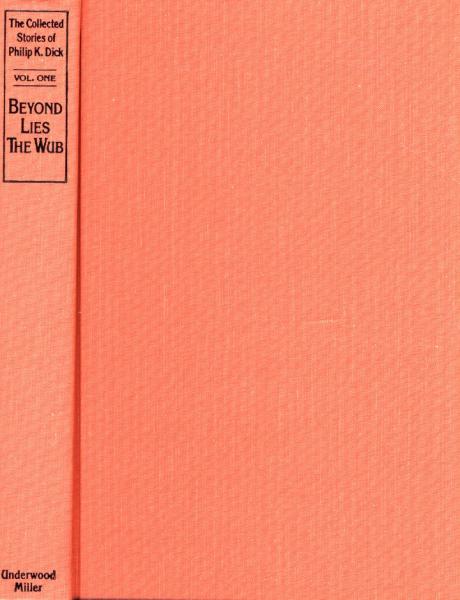
- The Collected Stories of Philip K. Dick
series11 books1987
completed
similar byscience fictionour worldidentity+4 more
The Collected Stories of Philip K. Dick is a collection of 118 science fiction stories by American writer Philip K. Dick. It was first published by Underwood-Miller in 1987 as a five volume set. See Philip K. Dick bibliography for information about the mass market reprints.
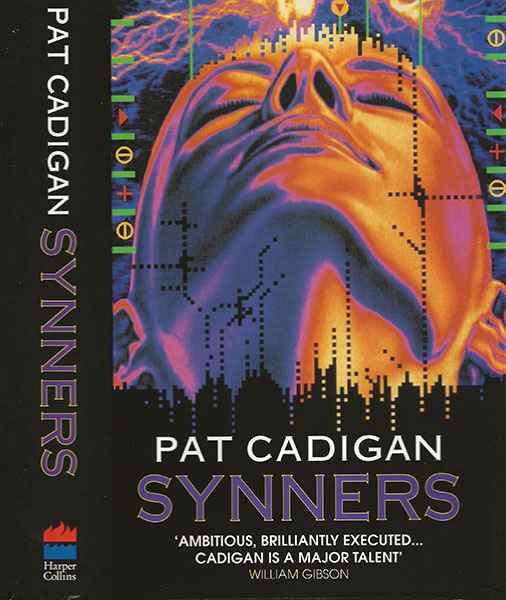
- Synners
Pat Cadiganstandalone novel1991
similar byscience fictionartificial intelligencenear futureour world+1 more
In Synners, the line between technology and humanity is hopelessly slim. A constant stream of new technology spawns crime before it hits the streets; the human mind and the external landscape have fused to the point where any encounter with "reality" is incidental.
- The Dream Master
Roger Zelaznystandalone novel1966
similar byscience fictionnear futureour worldidentity+1 more
The Dream Master (1966) is a science fiction novel by American writer Roger Zelazny, based on the novella He Who Shapes. Zelazny's original title was The Ides of Octember. He Who Shapes won the 1965 Nebula Award for Best Novella.
- Blood Music
Greg Bearstandalone novel1985
similar byscience fictionnear futureour world+2 more
Blood Music is a 1985 science fiction novel by American writer Greg Bear. It is an expanded version of a short story of the same title, originally published in the June 1983 issue of Analog and the winner of both the 1983 Nebula and 1984 Hugo awards for Best Novelette. The novel won the 1986 Prix Apollo Award, given to the best science fiction novel published in France during the preceding year, under the title La Musique du sang.
- Makers
Cory Doctorowstandalone novel2009
similar byscience fictionartificial intelligencenear futureour world+1 more
Makers is a novel by Canadian-British science fiction author Cory Doctorow released in October 2009. It was nominated for the Prometheus Award.