Loreful
HomeDiscover
Search series, authors…⌘K
Loreful

Reading orders for SF/F series and shared universes — with your place kept in every one.

Explore

UniversesSeriesWorksAuthorsAtlas

Help

FAQAboutSite map

Account & legal

Sign inCreate accountPrivacyTerms

Data

Built on ISFDB, Wikipedia, Wikidata and Open Library. Curated reading orders carry their reasoning on the page; the rest follow publication order. Data sources & licenses

© Loreful · data: ISFDB · CC BY

More like Jackaby

anchored on:fantasymystery & detectivemurder investigationour world19th centurymysterious+5 more

but

Mood

The mood the book leaves you in.

  • The reading experience is propelled by journeys, exploration, and physical risk; excitement and forward momentum dominate over dread or introspection.
  • Joy and loss are deliberately mixed; the resolution grants characters something real while taking something else away, leaving warmth and sorrow together.
  • The book demands work from the reader — dense prose, difficult structure, unfamiliar ideas, or morally uncomfortable material — as part of its intended effect.
  • Grim events, cruelty, or despair dominate the atmosphere, and the book does not soften them with comfort or comic relief.
  • The atmosphere is quietly unsettling — wrongness, unease, and the uncanny pervade the book without necessarily escalating into overt horror.
  • The book is built to move the reader; character feeling is foregrounded and major scenes aim at a strong emotional response.
  • Humor is a primary aim and the prose plays for laughs — comic situations, wit, or dialogue produce sustained comedy, not occasional levity.
  • The book insists that things can improve; effort and decency are shown to matter, and the arc bends toward better outcomes even through hardship.
  • The book teaches as it goes — real facts, history, science, or craft are conveyed in enough depth that learning is part of the reading experience.
  • The book is designed to uplift and motivate, presenting perseverance or achievement in a way that invites the reader to aspire or act.
  • The overall register is cheerful and easygoing; stakes are kept gentle and the book avoids dwelling on pain or dread.
  • Withheld information drives the experience; the book sustains enigmas and secrets the reader wants resolved, whatever its genre.
  • The book is contemplative and inward-looking, giving more weight to thought, memory, and meaning than to external events.
  • The book works as comfort reading — low tension, a soothing pace, and an atmosphere the reader can unwind in.
  • Grief, loss, or melancholy set the dominant register, and the book lets sorrow stand rather than resolving it into comfort.
  • Sustained suspense is the point; the book keeps the reader braced for what happens next through danger, pressure, or impending revelation.
  • Playful invention and charm define the register — fanciful conceits, light absurdity, and a narration that delights in its own oddity.

About

What the story runs on.

  • Stories in which extraterrestrial beings are central — as characters, cultures, or the object of the plot.
  • Stories structured as a quest — a journey undertaken to find, deliver, or destroy something of great import.
  • Stories in which staying alive against nature, catastrophe, or scarcity is the central problem.
  • Stories of lovers kept apart by law, family, faith, or station, where the obstacle to love is the plot.
  • Stories in which a friendship — its making, testing, or loss — is the emotional center.
  • Stories of growing up — a young protagonist crossing from childhood into adult knowledge and responsibility.
  • Stories about who a character truly is — self-discovery, doubled lives, and the search for a self.
  • Stories about mourning — living through the death of a loved one and what loss does to the survivors.
  • Stories in which a buried family truth — hidden parentage, crimes, or shames — surfaces and reorders the present.
  • Stories driven by maneuvering for power — factions, conspiracies, and statecraft conducted in shadow.
  • Stories in which war itself is the subject — combat, occupation, and what warfare does to soldiers and civilians.
  • Stories organized around investigating a killing — the case, the clues, and the pursuit of the killer, in any genre's clothing.

Shelf

Where it sits in the library.

    • Fiction built on magic or other supernatural elements that have no scientific explanation.
    • Secondary-world fantasy at large scale, where the fate of nations or the world turns on the protagonists' struggle.
    • Fantasy set in a recognizably modern city or contemporary world where the supernatural intrudes on everyday life.
    • Fantasy that blends in horror's atmosphere and imagery, keeping a fantastical frame around grim or frightening material.
    • Action-driven fantasy following warriors or rogues with personal stakes against sorcerous threats, rather than world-spanning conflicts.
    • Fantasy set in a real historical period or a close analogue of one, with magic woven into the era.
    • Fantasy in which protagonists cross from the ordinary world into another world through a portal or similar passage.
    • Fiction that retells or reworks a traditional fairy tale in a new form or setting.
    • Fantasy drawing directly on myths, legends, and folklore, retelling them or building on their figures and logic.
    • Fantasy of ghosts, vampires, shapeshifters, psychics, and similar phenomena, usually set in an otherwise ordinary world.
    • Fiction mixing science-fictional trappings with overtly magical or impossible elements in one setting.
    • Low-stakes fantasy emphasizing comfort, community, and everyday pleasures over conflict and peril.
    • Speculative fiction of pervasive moral ambiguity, violence, and cynicism that rejects heroic conventions — fantasy and SF alike.
      • Fiction that extrapolates from science and technology — future societies, space travel, or speculative inventions — within at least nominally natural laws.
      • Science fiction of interstellar scope — starships, galactic polities, and adventure across star systems.
      • Science fiction committed to scientific rigor, where technical plausibility constrains the story.
      • Science fiction centered on armed forces and warfare, told largely from a military point of view.
      • Science fiction of networked, corporate-dominated near futures, pairing high technology with social decay.
      • Science fiction styled on nineteenth-century steam-powered technology, often in a Victorian or pseudo-Victorian setting.
      • Fiction depicting an oppressive or catastrophic society, presented as a warning.
      • Fiction set after civilization's collapse, following survivors in the ruins of the old world.
      • Fiction in which characters move between past and future, and the mechanics or consequences of that travel drive the plot.
      • Fiction exploring a world where a historical event went differently and history diverged from ours.
      • Science fiction about humanity's first encounter and communication with an alien intelligence.
      • Science fiction in which extraterrestrial forces attack or occupy Earth and humanity resists.
      • Fiction whose primary aim is to frighten or unsettle the reader through dread, menace, or the monstrous.
      • Horror of vast, indifferent, incomprehensible entities before which humanity is insignificant, in the Lovecraft tradition.
      • Horror of decaying houses, buried family secrets, and oppressive atmosphere in the Gothic literary tradition.
      • Horror centered on hauntings and the returning dead.
      • Horror located in the mind — paranoia, obsession, and unreliable perception rather than external monsters.
      • Horror built around the reanimated dead and survival amid their outbreaks.
      • Horror defined by explicit, transgressive gore that refuses to cut away from violence.
      • Speculative fiction of the strange and uncanny that resists both natural explanation and standard genre categories.
      • Fiction organized around solving a crime or puzzle, typically following an investigator toward the identification of a culprit.
      • A puzzle-first mystery that lays out clues so the culprit's identity can be deduced before the reveal.
      • Crime fiction of moral ambiguity, fatalism, and hard-edged style, set among the corrupt and the doomed.
      • A mystery following the realistic routines of police work — forensics, interviews, and case-building.
      • A gentle mystery with an amateur sleuth, a small community, and violence kept off the page.
      • A mystery set in a past era, where the investigation works within that period's methods and society.
      • Fast-paced fiction driven by imminent danger, pursuit, or high-stakes conspiracy, built to sustain tension.
      • A thriller of espionage — agents, tradecraft, and intelligence services in conflict.
      • A thriller centered on lawyers and the courtroom, where litigation carries the suspense.
      • A thriller driven by detailed contemporary or near-future technology, often military or scientific.
      • A thriller whose tension comes from mental states and manipulation between characters rather than external action.
      • Fiction whose central plot is a romantic relationship and its development toward an emotionally satisfying resolution.
      • Romance in which one or both partners are supernatural beings, blending fantasy elements into the love story.
      • A fantasy-romance hybrid in which the romantic arc and the fantasy plot carry equal weight.
      • Romance set in a past era, with courtship shaped by the period's society and manners.
      • Romance set in the present day, without supernatural or historical elements.
      • Fiction set in a real past period, where the historical setting materially shapes characters and events.
        • General and literary fiction emphasizing prose style, character interiority, or formal ambition over genre plot conventions.
        • Fiction in a realistic world where magical events occur and are treated as ordinary, in the tradition of Latin American literature.
        • Fiction that ridicules people, institutions, or society in order to criticize them.
        • Fiction of dreamlike, irrational imagery and logic that breaks from realistic representation.
        • Fiction that plays with narrative convention through metafiction, fragmentation, and self-reference.
        • Fiction propelled by journeys, exploration, and physical peril, where action and survival carry the plot.
        • Adventure fiction of ships and seafaring — naval engagements, voyages, and life at sea.
        • Fiction of the American frontier West — gunmen, ranchers, and lawmen, typically in the late nineteenth century.
        • Fiction centered on soldiers, campaigns, and the experience of warfare, historical or imagined.
          • Fiction written primarily to amuse, using comedic situations, wit, or parody as its organizing principle.
            • Multi-generational fiction following a family or dynasty across decades, with inheritance and kinship as the through-line.
              • Fiction whose world runs on explicit game mechanics — levels, stats, and skills that characters can see and exploit.
                • Fiction about costumed or superpowered heroes and their conflicts with comparable villains.

                Practical

                How long a commitment, whether it stands alone, and whether it has finished.

                Tap a chip to ask for it · tap again to rule it out · once more to clear. Numbers show what would be left.

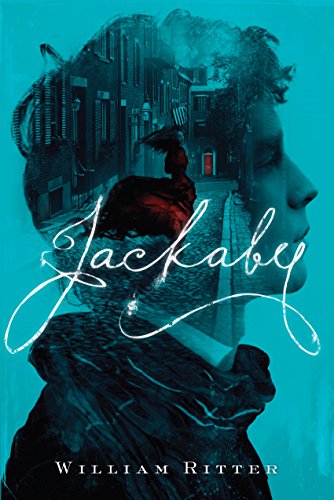
                • Cover of Jackaby
                  Jackaby

                  series · 5 books · 2014

                  similar by19th centurymurder investigationmysteriousmystery & detectivefantasy+7 more

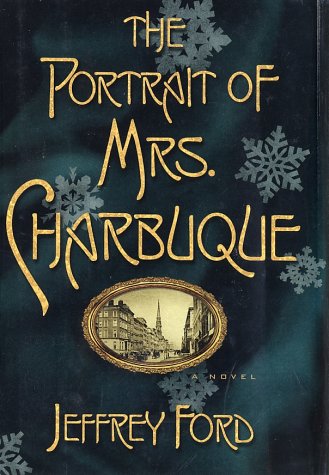
                • Cover of The Portrait of Mrs. Charbuque
                  The Portrait of Mrs. Charbuque

                  Jeffrey Ford · standalone novel · 2002

                  similar by19th centurymurder investigationmysteriousfirst personmystery & detectiveeerienorth america+1 more

                  "The toast of 1893 New York society, the portraitist Piero Piambo has his pick of choice assignments. Acclaimed by his peers and his "betters," he is a fixture in the city's most opulent salons, yet he fears he has sold his soul to arrive there. But then comes a commission unlike any other - one that will test Piambo's talents, his will .. and his sanity.". "The client is a Mrs. Charbuque, and the offer she makes to the artist is as bizarre and intriguing as it is financially rewarding. Piambo must paint the lady's portrait, and for the service he may name any price. However, though he may question her at length on any topic, he must never look upon his subject. And if the painting ends up a true likeness, his payment will be doubled.". "With sketchbook in hand and his "model" hidden behind an elegant screen, the artist begins his haunting descent into her life and mind. Carried by her words through a strange childhood in a world of ice - where she aided an obsessed, perhaps murderous, father in his study of the divine language of snowflakes - and across a history marked by fame and despair, desire and rage, phantasm and myth, Piambo is alternately seduced and repulsed by the story she has to tell. Yet each session leaves him more determined than ever to unwrap the enigma that is Mrs. Charbuque.". "But while he struggles to capture in oils the face of a woman he has never seen, a series of horrific and inexplicable deaths rocks the outside city. On street corners, in the alleys off the bustling shopping areas, and between the crumbling tenements, anonymous women are dying, their lifeblood flowing freely like tears from their eyes. And the deeper Piambo is drawn into Mrs. Charbuque's world, the more he begins to suspect that these terrible events, his impossible task, and his odd "benefactress" are somehow intimately connected."--BOOK JACKET.

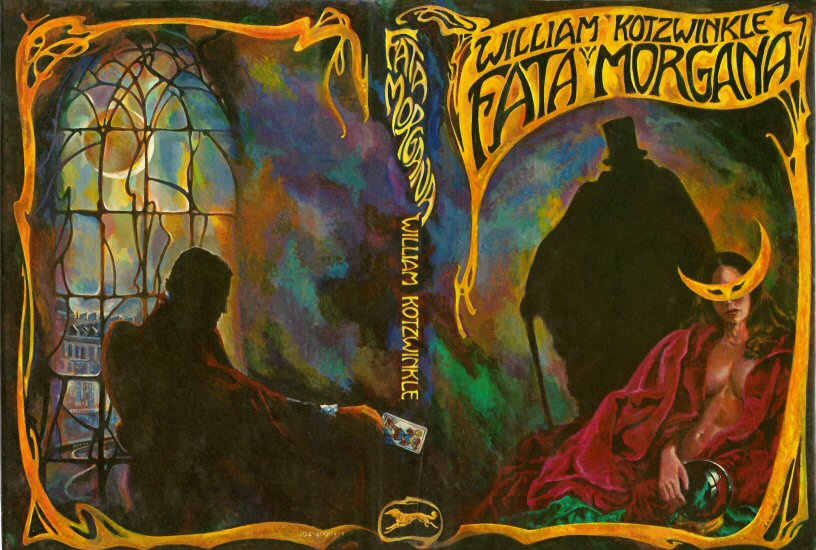
                • Cover of Fata Morgana
                  Fata Morgana

                  William Kotzwinkle · standalone novel · 1977

                  similar by19th centurymysteriousmurder investigationhistorical fantasymystery & detectiveeerie+1 more

                  From the flaps of the Knopf first edition: "In Fata Morgana a celebrated novelist turns conjurer to bring us a supremely theatrical magic show - a rich exotic entertainment of crime, treble-trickery, and legerdermain, with Europe as its stage and the golden leaders of the Uppercrust and the Underworld as its players. The time and place are Paris, 1861 - the extravagant capital of Louis Napoleon and his Empress Eugenie, the gaudy, blatant public arena of Great Whores and fabulous charlatans; the treacherous private labyrinth of Police Inspector Paul Picard and the human prey he stalks. Picard is a hunter of the purest instincts, with an appetite for the ladies, a taste for lemon tarts, and a policeman's nose for hard realities. As the book opens he is on his way to the Opera, for music and murder: among the guests is as elegant a killer as ever sliced his way through Parisian high society, and on his arm is the young woman he means to decapitate tonight. A strange encounter with them precipitates Picard into a new and (apparently) trivial assignment - a case that is fated to disrupt and then transform, irrevocably, his life. At first it seems routine: a man - Ric Lazare - has recently arrived in Paris and in a short time has captured the jaded attention and the favors of the entire city. His aura of opulence, his bewitching wife, Rene, and, above all, his unearthly fortune-telling machine have won him entree to the salons (and the bank vaults) of the most dazzling leaders of society, including, it is whispered, the Emperor himself. But, who - and what - is Lazare? Is he a crook? A master of illusions? A real magician? Or - more terrible - a reincarnation from an Older World? To find the answer, Picard must follow the thread of the man's past. His quest takes him from Paris to Vienna, Nuremberg, Budapest, and on to the dark, menacing valleys and steppes of eastern Hungary, uncovering a trail of deceit and violent death: a fabled toy maker driven to destroy himself and a lifetime's priceless creations... a man ruthlessly killed over a dice game... a beautiful woman purchased at auction, then stolen away... the sudden death of a priest. Beset by intimations of his own mortality, by a sense of inexplicable entrapment in a malign world of mechanical and deadly playthings, by a slowly suffocating conviction that he is undertaking a journey he has made before, Picard, caught up in the quickening pace, returns to Paris - and to a terrifying confrontation with his quarry and his own destiny."

                • Cover of Gemma Doyle
                  Gemma Doyle

                  series · 4 books · 2003

                  similar by19th centuryfantasyyoung adulthistorical fantasyfriendship+2 more

                  The Gemma Doyle Trilogy is a trilogy of fantasy novels by American writer Libba Bray. They are told from the perspective of Gemma Doyle, a girl in the late nineteenth century. The Gemma Doyle Trilogy consists of three books: A Great and Terrible Beauty, Rebel Angels, and The Sweet Far Thing.

                • Cover of Fire, Burn!
                  Fire, Burn!

                  John Dickson Carr · standalone novel · 1957

                  similar by19th centurymurder investigationmysteriousmystery & detective

                  Fire, Burn! is a 1957 historical mystery novel by John Dickson Carr. Carr considered this one of his best impossible crime novels.

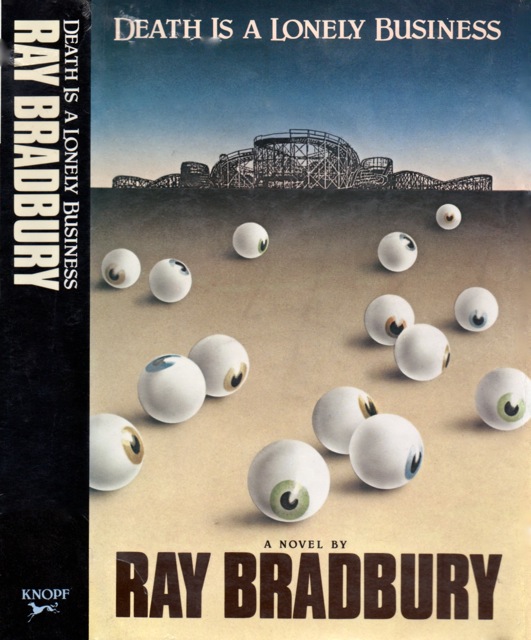
                • Cover of Death Is a Lonely Business
                  Death Is a Lonely Business

                  Ray Bradbury · standalone novel · 1985

                  similar bymurder investigationmysteriousmystery & detectivefirst personeerienorth america

                  Death Is a Lonely Business is a mystery novel by American writer Ray Bradbury, published in 1985. The story, set in 1949, is about a series of murders that happen in Venice, California, then a declining seaside community in Los Angeles where Bradbury lived from 1942 to 1950. The main character and narrator is a sensitive, modest writer, with a girlfriend studying in Mexico City. In the course of the story he meets Elmo Crumley, a detective who helps him solve the mystery behind all the semi-murders occurring among a series of eccentric characters in the forgotten town.

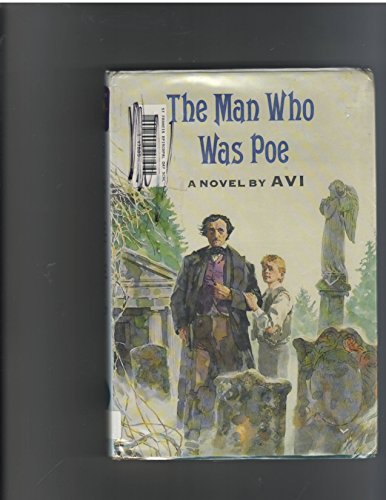
                • Cover of The Man Who Was Poe
                  The Man Who Was Poe

                  Avi · standalone novel · 1989

                  similar by19th centurymurder investigationmysteriouseerienorth america

                  In Providence, R.I., in 1848, Edgar Allan Poe reluctantly investigates the problems of eleven-year-old Edmund, whose family has mysteriously disappeared and whose story suggests a new Poe tale with a ghastly final twist.

                • Cover of Black Dragon
                  Black Dragon

                  series · 2 books · 1983

                  similar bymysteriousfantasymystery & detectiveour worldfriendshipnorth america+1 more

                  R. A. MacAvoy's Tea with the Black Dragon pairs Martha Macnamara, a folk musician searching for her missing daughter, with Mayland Long, a courtly stranger who reveals himself to be a dragon living in human form, as they investigate a computer-fraud scheme in 1980s San Francisco. Its low-key blend of contemporary mystery and gentle fantasy proved popular enough to spawn a sequel, Twisting the Rope, following the same pair into a new case years later.

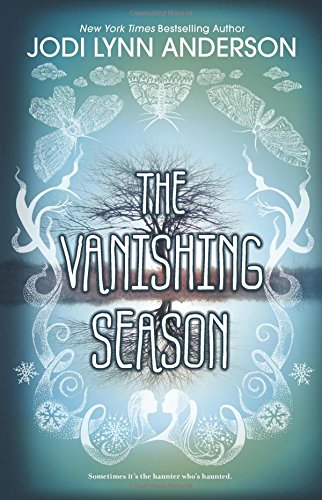
                • Cover of The Vanishing Season
                  The Vanishing Season

                  Jodi Lynn Anderson · standalone novel · 2014

                  similar bymurder investigationmysteriousmystery & detectiveyoung adultfriendshipnorth americasmall town

                  For Maggie Larsen, the town of Gill Creek is only a stopgap before college and freedom. Until she meets Pauline and Liam. What starts as an uneventful year suddenly changes. Someone is killing teenaged girls, and the town reels from the tragedy.

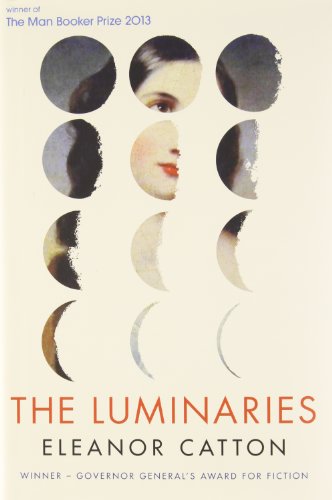
                • Cover of The Luminaries
                  The Luminaries

                  Eleanor Catton · standalone novel · 2013

                  similar by19th centurymurder investigationmysteriousmystery & detectivesmall town

                  The Luminaries is a 2013 novel by Eleanor Catton. Set in New Zealand's South Island in 1866, the novel follows Walter Moody, a prospector who travels to the West Coast settlement of Hokitika to make his fortune on the goldfields. Instead, he stumbles into a tense meeting between twelve local men, and is drawn into a complex mystery involving a series of unsolved crimes. The novel's complex structure is based on the system of Western astrology, with each of the twelve local men representing one of the twelve signs of the zodiac, and with another set of characters representing planets in the Solar System.

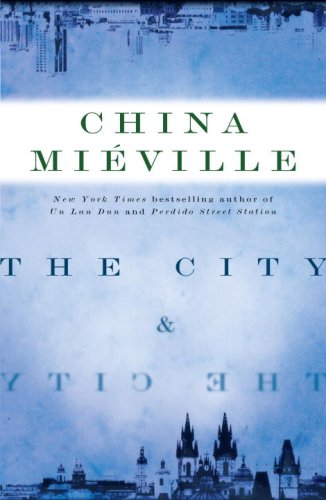
                • Cover of The City & the City
                  The City & the City

                  China Miéville · standalone novel · 2009

                  similar bymurder investigationmysteriousmystery & detectiveeerie+1 more

                  Inspector Tyador Borlú must travel to Ul Qoma to search for answers in the murder of a woman found in the city of Besźel. (Source: OCLC record)

                • Cover of Forensic Mystery
                  Forensic Mystery

                  series · 2 books · 2006

                  similar bymurder investigationmysteriousmystery & detectiveyoung adultour worldnorth americasmall town

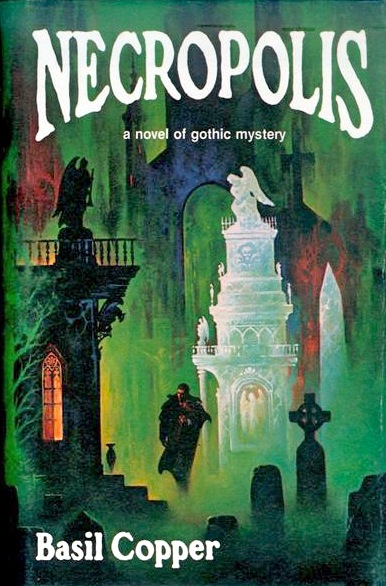
                • Cover of Necropolis
                  Necropolis

                  Basil Copper · standalone novel · 1980

                  similar by19th centurymurder investigationmysteriousmystery & detectiveeerie+1 more

                  Amazon: Set in an alternate Victorian London, where Sherlock Holmes and Dr. Watson are not just fictional characters, Basil Copper's Necropolis (1980) is a tale of mystery and intrigue worthy of Arthur Conan Doyle or Wilkie Collins. Private detective Clyde Beatty, a rival of the great Holmes, has been hired by the lovely Angela Meredith to inquire into her father's suspicious death. As Beatty's investigation unfolds, the danger intensifies: more murders ensue, and attempts are made on his life. It is clear there is more to Mr. Meredith's death than meets the eye, and it may have something to do with the brazen robbery of a fortune in gold bullion. The clues lead Beatty to the eerie Brookwood Cemetery, where fatal secrets lie hidden in the catacombs beneath a city of the dead....

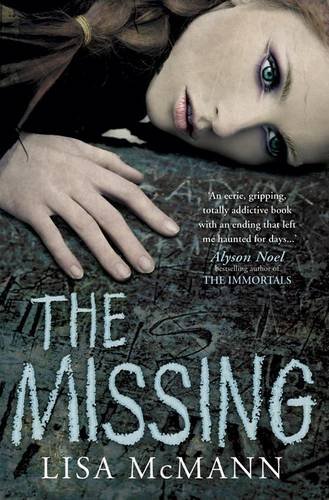
                • Cover of The Missing
                  The Missing

                  Lisa McMann · standalone novel · 2011

                  similar bymurder investigationmysteriousmystery & detectiveyoung adulteerienorth americasmall town+1 more

                  Seventeen-year-old Kendall, who suffers from obsessive-compulsive disorder, lives with her parents on a potato farm in a tiny community in Montana, where two teenagers go missing within months of each other, with no explanation. A paranormal mystery.

                • Cover of The Colorado Kid
                  The Colorado Kid

                  Stephen King · standalone novel · 2005

                  similar bymurder investigationmysteriousmystery & detectivenorth americasmall town

                  The Colorado Kid is a mystery novel by American writer Stephen King, published by the Hard Case Crime imprint in 2005. The book was initially issued in one paperback-only edition by the specialty crime and mystery publishing house. King's next novel for Hard Case Crime was Joyland, which was published in June 2013. Hard Case Crime reissued The Colorado Kid in an illustrated paperback edition in May 2019.

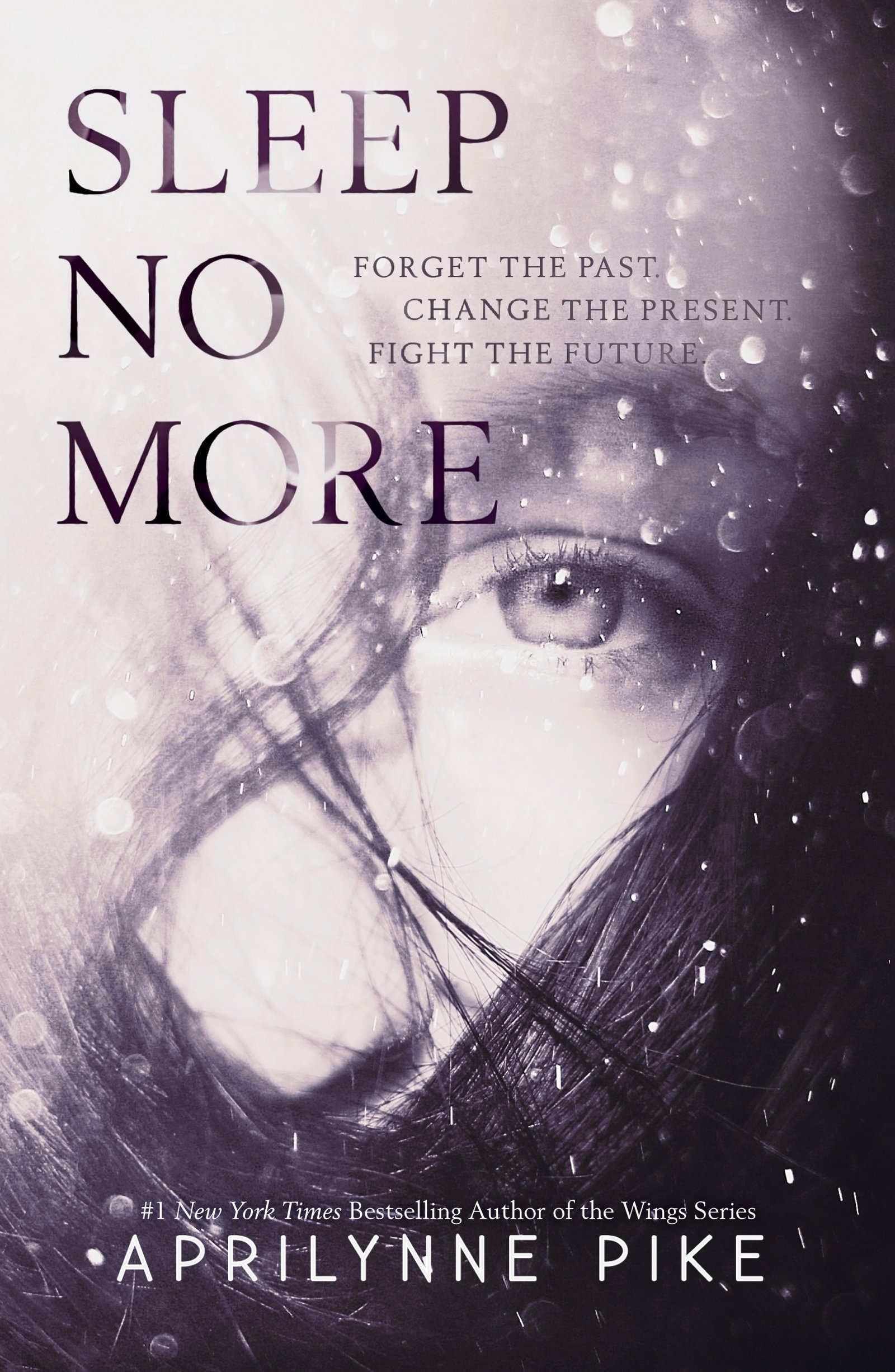
                • Cover of Sleep No More
                  Sleep No More

                  Aprilynne Pike · standalone novel · 2014

                  similar bymurder investigationmysteriousfantasyyoung adultmystery & detectiveour worldnorth america+1 more

                  "Charlotte is a sixteen-year-old Oracle who is not supposed to interfere with her visions of the future, but when she foresees a classmate's murder, she realizes she must break the rules to stop the killer"-- Charlotte is a 16-yr-old Oracle who is not supposed to interfere with her visions of the future, but when she foresees a classmate's murder, she realizes she must break the rules to stop the killer. The plot contains profanity and graphic violence.

                • Cover of Sally Lockhart
                  Sally Lockhart

                  series · 4 books · 1985

                  similar by19th centurymurder investigationmystery & detective+3 more

                  Philip Pullman's Sally Lockhart quartet follows a resourceful, unconventional heroine navigating Victorian London - a sharpshooting, mathematically gifted young orphan who builds an improbable career as a financial consultant against the era's expectations for women. The Ruby in the Smoke opens with Sally investigating her father's death and a mysterious jewel; the following novels widen out into fraud, opium-trade crime, and international intrigue, tracking Sally's evolving relationships, including with the journalist Daniel Goldberg, across four Victorian-set mysteries.

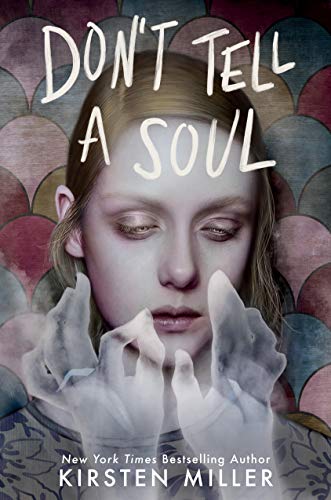
                • Cover of Don't Tell a Soul
                  Don't Tell a Soul

                  Kirsten Miller · standalone novel · 2021

                  similar bymysteriousmurder investigationmystery & detectiveeerienorth americasmall town+1 more

                  Summary: "Bram moves to the small town of Louth in order to help her uncle start his new inn, but when she discovers a legacy of silenced women tied to her new home, she sets out to investigate the truth behind the town's 'Dead Girl' myths"--Provided by publisher. [end quotation of CIP data]

                • Cover of Eli Mothersbaugh
                  Eli Mothersbaugh

                  series · 13 books · 1998

                  similar bymonster huntingmurder investigationmysteriousmystery & detectivefantasyour worldeerie

                • Cover of The Bedlam Detective
                  The Bedlam Detective

                  Stephen Gallagher · standalone novel · 2012

                  similar by19th centurymysteriousmurder investigationmystery & detectiveeeriesmall town

                  "Sebastian Becker, a former policeman and Pinkerton agent who now works as the special investigator to the Masters of Lunacy, looking into cases involving any man of property whose sanity is under question. His latest assignment takes him to the small town of Arnmouth to determine whether Sir Owain Lancaster has gone around the bend."--Provided by publisher.

                • Cover of Clare Fern
                  Clare Fern

                  series · 2 books · 2011

                  similar bymysteriousmurder investigationmystery & detectiveyoung adult+5 more

                • Cover of List of 7
                  List of 7

                  series · 2 books · 1993

                  similar by19th centurymurder investigationmysterious+3 more

                • Cover of Magic Can Be Murder
                  Magic Can Be Murder

                  Vivian Vande Velde · standalone novel · 2000

                  similar bymurder investigationmysteriousfantasyyoung adultmystery & detectiveour world+1 more

                  Set apart from other people because of their unusual abilities, Nola, a teenage witch, and her mother find themselves in great danger when Nola uses her power to call up images and witnesses a murder.

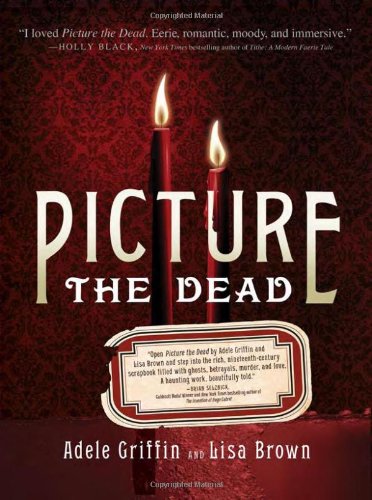
                • Cover of Picture the Dead
                  Picture the Dead

                  Adele Griffin & Lisa Brown · standalone novel · 2010

                  similar by19th centurymurder investigationmysteriousyoung adultmystery & detectiveeerienorth america

                  After Jennie Lovell's fiance , Will, is killed during the Civil War, she forms an alliance with a spirit photographer and uses her ability to talk to the dead to investigate the secrets Will was hiding and how he really died.