More like Kindred
anchored on:science fictiontime travelslaveryrace and racismnorth america19th century+5 more
but
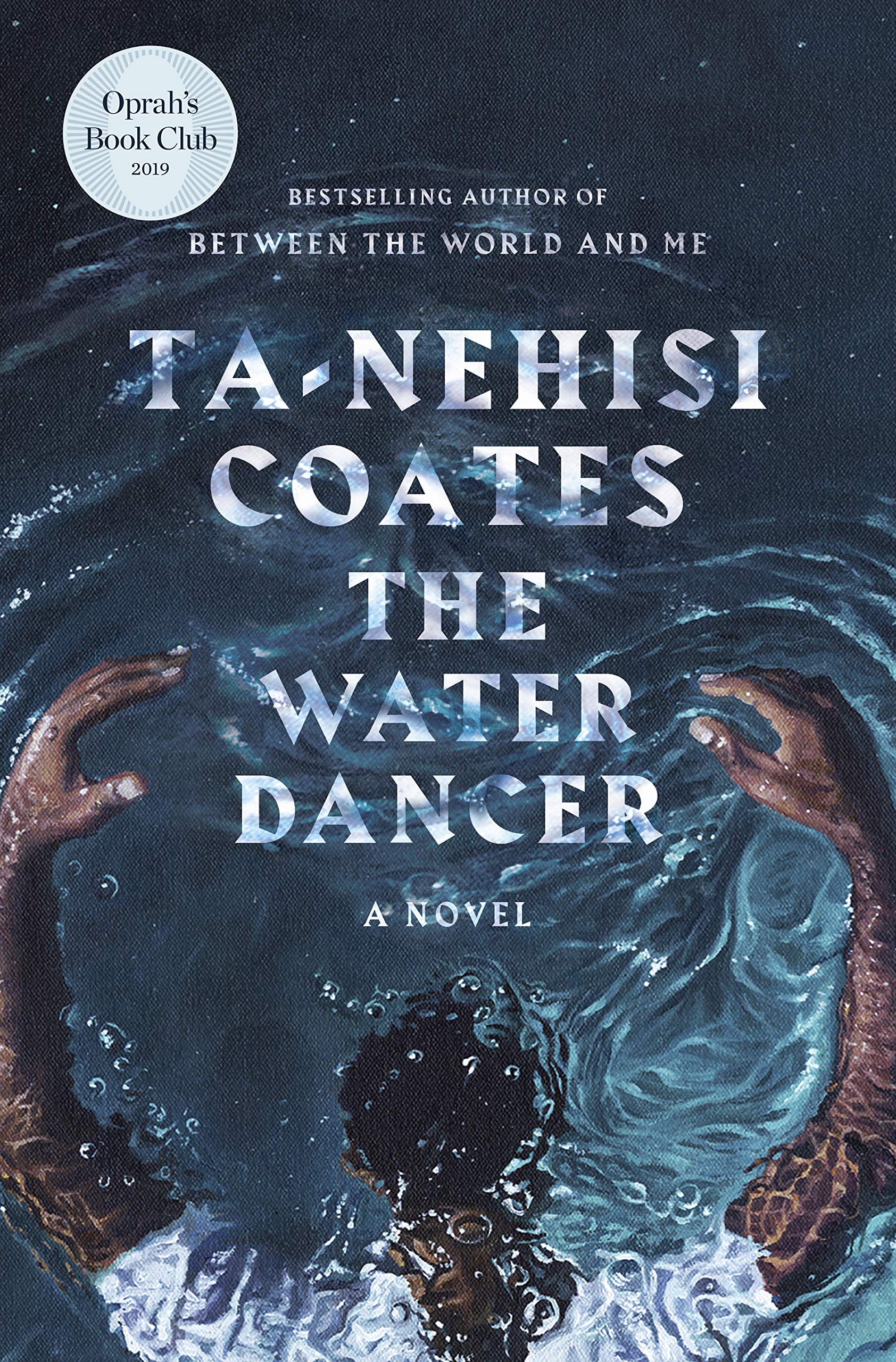
- The Water Dancer
Ta-Nehisi Coatesstandalone novel2019
similar bynorth america19th centuryemotionalslaveryfirst personhistorical fictionidentity+1 more
A Virginia slave narrowly escapes a drowning death through the intervention of a mysterious force that compels his escape and personal underground war against slavery.
- 11/22/63
Stephen Kingstandalone novel2011
similar bynorth americaemotionaltensescience fictiontime travelfirst person+1 more
11/22/63 is a novel by American author Stephen King about a time traveler who attempts to prevent the assassination of United States President John F. Kennedy, which occurred on November 22, 1963. It is the 60th book published by Stephen King, his 49th novel, and the 42nd under his own name. The novel required considerable research to accurately portray the late 1950s and early 1960s. King commented on the amount of research it required, saying, "I've never tried to write anything like this before. It was really strange at first, like breaking in a new pair of shoes."
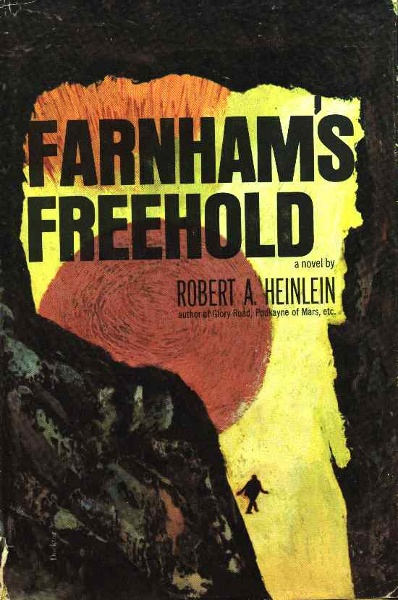
- Farnham's Freehold
Robert A. Heinleinstandalone novel1964
similar bytensenorth americascience fictionsurvivalrace and racismtime travel+1 more
Farnham's Freehold is a science fiction novel by American writer Robert A. Heinlein. A serialized version, edited by Frederik Pohl, appeared in Worlds of If magazine. The complete version was published in novel form by G. P. Putnam later in 1964.
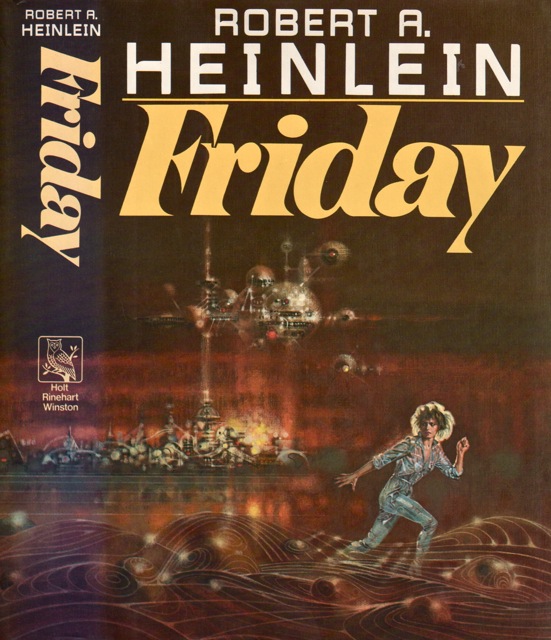
- Friday
Robert A. Heinleinstandalone novel1982
similar bynorth americatensescience fictionfirst personrace and racismidentity
Friday is a 1982 science fiction novel by American writer Robert A. Heinlein. It is the story of a female "artificial person", the eponymous Friday, genetically engineered to be stronger, faster, smarter, and generally better than normal humans. Artificial humans are widely resented, and much of the story deals with Friday's struggle both against prejudice and to conceal her enhanced attributes from other humans. The story is set in a Balkanized 21st century, in which the nations of the North American continent have been split up into a number of smaller states.
- Beloved
Toni Morrisonstandalone novel1987
similar bynorth america19th centuryemotionalslaveryhistorical fictionidentity
Beloved is a 1987 novel by American novelist Toni Morrison. Set in the period after the American Civil War, the novel tells the story of formerly enslaved people whose Cincinnati home is haunted by a malevolent spirit. Sethe, a formerly enslaved mother of four, grapples with her traumatic past. Morrison sought to depict the limitations that enslaved women faced and to present a physical manifestation that was lacking in the world of literature. Moreover, Beloved explores the interior life of the formerly enslaved.
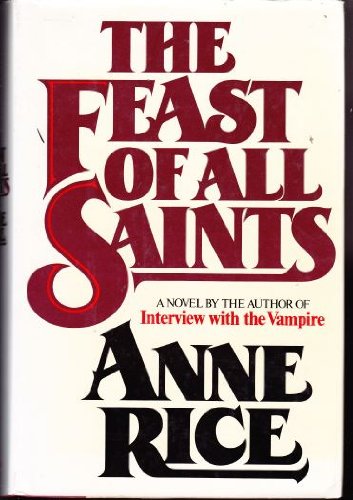
- The Feast of All Saints
Anne Ricestandalone novel1980
similar bynorth america19th centuryemotionalrace and racismhistorical fictionidentity+1 more
WorldCat: Rice explores a unique but little-known society, the "gens de couleur libre," free people of color, who flourished in New Orleans in the years prior to the Civil War.
- Fire on the Mountain
Terry Bissonstandalone novel1988
similar bynorth america19th centurytenseslaveryrace and racismscience fiction
Alternate history, where John Brown's raid on Harper's Ferry succeeds and sparks a slave rebellion in 1859.
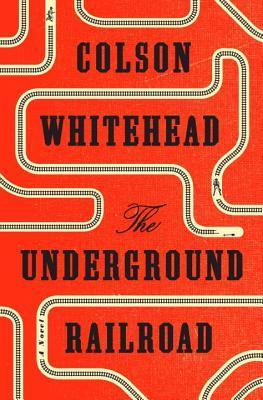
- The Underground Railroad
Colson Whiteheadstandalone novel2016
similar bynorth america19th centuryslaveryrace and racismsurvivalhistorical fiction
The Underground Railroad is a historical fiction novel by American author Colson Whitehead, published by Doubleday in 2016. The alternate history novel tells the story of Cora, a slave in the Antebellum South during the 19th century, who makes a bid for freedom from her Georgia plantation by following the Underground Railroad, which the novel depicts as an actual rail transport system with safe houses and secret routes.
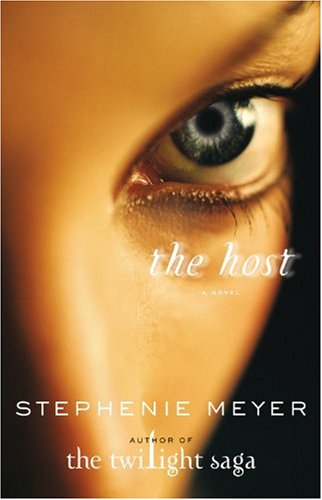
- The Host
Stephenie Meyerstandalone novel2008
similar byemotionaltensenorth americascience fictionsurvivalidentity+1 more
The earth has been invaded by a species that take over the minds of their human hosts while leaving their bodies intact, and most of humanity has succumbed. But Melanie Stryder refuses to fade away. Wanderer, the invading "soul" who has been given Melanie's body, knew about the challenges of living inside a human: the overwhelming emotions, the too vivid memories. But there was one difficulty Wanderer didn't expect: the former tenant of her body refusing to relinquish possession of her mind. Melanie fills Wanderer's thoughts with visions of the man Melanie loves--Jared, a human who still lives in hiding. Unable to separate herself from her body's desires, Wanderer yearns for a man she's never met. As outside forces make Wanderer and Melanie unwilling allies, they set off to search for the man they both love.--From publisher description.
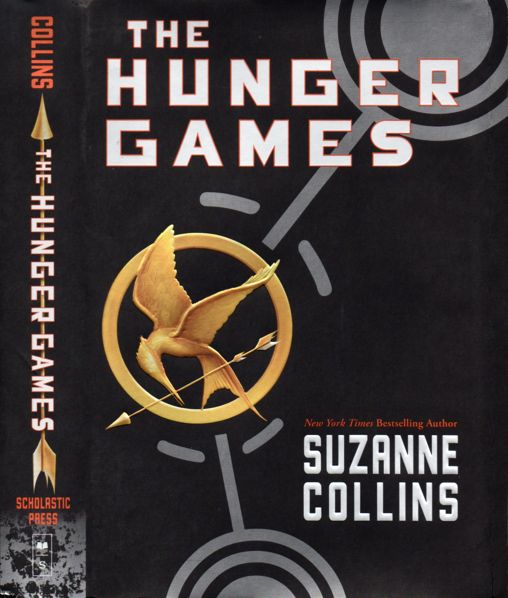
- The Hunger Games
series3 books2008
part of The Hunger Games Universe
similar bynorth americatensescience fictionfirst personsurvival
The Hunger Games is a series of young adult dystopian novels written by American author Suzanne Collins. The series consists of a trilogy that follows teenage protagonist Katniss Everdeen, as well as two prequels. The Hunger Games universe is a dystopia set in Panem, a post-apocalyptic North American country consisting of the wealthy Capitol and 12 districts in varying states of poverty. As punishment for rebellion, the Capitol hosts an annual battle royale competition called The Hunger Games. Each of the 12 districts must send two children between the ages of 12 and 18 to participate, and the last surviving child is dubbed the victor.
- Flowers for Algernon
Daniel Keyesstandalone novel1966
similar bynorth americaemotionalscience fictionfirst personidentity
A man with a low IQ becomes the subject of an experimental medical procedure which raises his IQ well over genius level.
- Time and Again
series2 books1970
completed
similar bynorth americascience fictiontime travel+3 more
Time and Again (1970) follows Si Morley, a commercial artist recruited into a secret government project that sends him back to Manhattan in 1882, where he falls for a woman named Julia while weighing whether he can, or should, alter the past; Jack Finney illustrates the story with period photographs and engravings. The sequel, From Time to Time (1995), continues Si's story with a further trip into the past.
- The Guns of the South
Harry Turtledovestandalone novel1992
similar bynorth america19th centurytensescience fiction+2 more
The Guns of the South is an alternate history science fiction novel set during the American Civil War by Harry Turtledove. It was released in the United States on September 22, 1992.
- Fevre Dream
George R. R. Martinstandalone novel1982
similar bynorth america19th centuryslaveryhistorical fiction+2 more
Fevre Dream is a 1982 vampire novel written by American author George R. R. Martin. It is set on the antebellum Mississippi River, beginning in 1857, and has been described by critics and Martin himself as "Bram Stoker meets Mark Twain". About writing the novel, Martin said that "It was strongly influenced by the time I spent in Dubuque, Iowa, where river steamboats were once built".
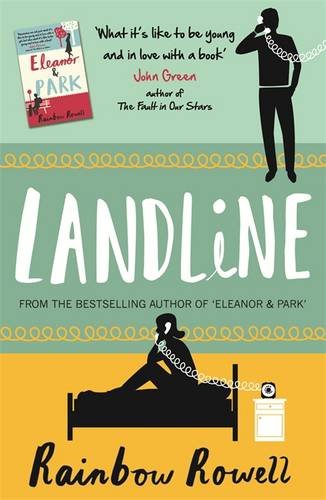
- Landline
Rainbow Rowellstandalone novel2014
similar bynorth americaemotionalscience fictiontime travelfirst personidentity
Landline is a 2014 American sci-fi novel by Rainbow Rowell. It tells the story of 37-year-old Georgie McCool who discovers that she is able to call her husband's 22-year-old self through his landline. Rowell stated that aspects from the novel are loosely based on her own life such as the fact that Georgie is incredibly career-driven while her husband is a stay-at-home dad. The character of Georgie McCool was named after the song Georgy Girl and the village of McCool Junction.
- Bring the Jubilee
Ward Moorestandalone novel1953
similar bynorth america19th centuryscience fictiontime travel
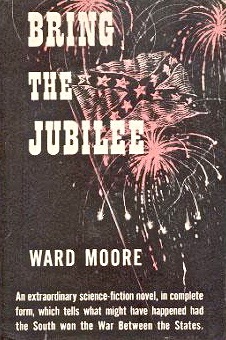
From the flaps of the Farrar, Straus and Young first edition: ""Although I am writing this in the year 1877, I was not born until 1921." So Hodge Backmaker begins his story of the harsh and curious world he lived in, a world in which the South won the Civil War and the all-powerful Confederacy dominated the poor and backward North; a North that had neither a transcontinental railroad, and where television was undreamed of. Like most Northerners, Hodge was poor - but he had ambition. A printer's handyman in 1938, he had since become an eminent historian. Hodge's special interest was the American past, when the States had been united and had seemed to be on the brink of prosperity and technical progress. And then he was offered an opportunity no historian could resist - he could go back in time. Hodge chsoe to return to a certain field near Gettysburg on a day in July, 1863... Bring the Jubilee is a novel of curious events, of adventures and reflection, of passions and comment. It at time Hodge's world, its horse-carriages and gas-lights, minibles and tinugraphs and the Great Emperors' War of 1914 faintly resembles our own, it is perhaps, because that world might well become a reality: on the battlefield of Gettysburg there is a small hill called Little Round Top. One July morning in 1863 the Confederate Army made the tactical error of not occupying this hill. It was a mistake that cost them victory in a battle which - in the view of many historians - was the turning point of the Civil War."
- The Handmaid's Tale
series3 books1985
similar bynorth americatensescience fiction+2 more
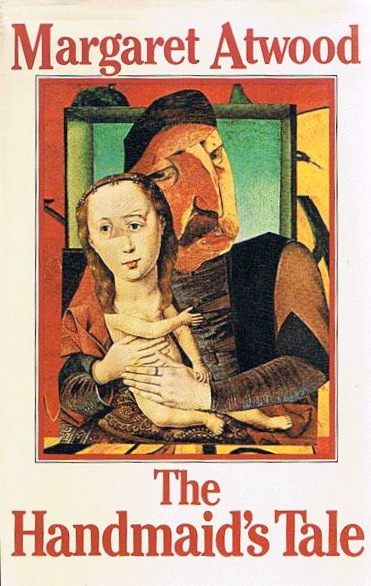
The Handmaid's Tale is Margaret Atwood's 1985 novel set in Gilead, a totalitarian theocracy that has overthrown the United States and forces fertile women into reproductive servitude as Handmaids; it is narrated by one such woman, Offred. Atwood returned to the world in her 2019 sequel The Testaments, set fifteen years later and narrated by three women, including the regime's Aunt Lydia. Together the two novels move from Gilead's grip on power toward the first cracks in it.
- Oxford Time Travel
series6 books1982
similar bytensescience fictiontime travelsurvival+2 more
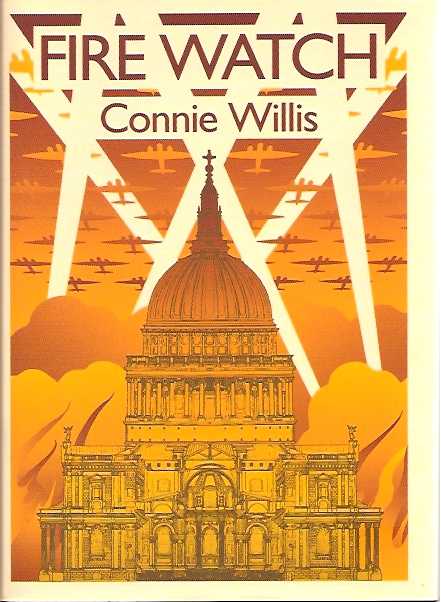
Connie Willis's Oxford Time Travel novels are set at a near-future Oxford University where historians travel into the past as observers, constrained by a version of history that resists any change large enough to alter real events. Doomsday Book sends a medieval historian to what should be 1320 but turns out to be the Black Death year of 1348, intercut with a present-day epidemic at Oxford; To Say Nothing of the Dog returns to the same time-travel program for a lighter, Victorian-set story with different characters. The two novels share their setting and rules rather than a directly continuing plot.
- Flight
Sherman Alexiestandalone novel2007
similar bynorth americaemotionalfirst personrace and racismscience fictiontime travelidentity
Flight is a 2007 novel written by Sherman Alexie. It is written in the first-person, from the viewpoint of a Native American teenager who calls himself Zits. Zits is a foster child, having spent the majority of his life moving from one negative or abusive family experience to another. After running away from his most recent foster home, he is detained by police and put into jail. While in his cell, he meets a new friend, Justice, who introduces Zits to a new way of thinking. A new ideology of making white people pay for their historic treatment of Native Americans. Justice provides the weapons, sending Zits on a mass shooting in a downtown Seattle bank. Shot in the back of the head by security, Zits is suddenly transported to the past and thrust into the body of a stranger; this is the first of many similar incidents. The story confronts Zits' feelings of vulnerability as a misunderstood teenager, an orphan, and as a biracial person with Native American ancestry and how forgiveness across multiple generations is an inside job.
- I Am Legend
Richard Mathesonstandalone novel1954
similar bytensenorth americafirst personsurvivalscience fiction
The last human survivor of the vampire epidemic has to maintain his defences against their onslaught, while attempting to research the cause and possibly solution to the plague. Robert Neville is the last living man on Earth... but he is not alone. Every other man, woman and child on the planet has become a vampire, and they are hungry for Neville's blood. By day he is the hunter, stalking the undead through the ruins of civilization. By night, he barricades himself in his home and prays for the dawn. How long can a man survive like this?
- The Hunger Games Universe
universe5 books2008
Start hereThe Hunger Games · Start here
similar bynorth americatensescience fictionsurvival+1 more
Panem, they call it now — a nation raised on the drowned bones of North America, a glittering Capitol ringed by twelve districts it once starved into obedience. Every year the Capitol collects its debt in children: two tributes from each district, drawn by lottery, dropped into an engineered arena, and made to kill one another on live television while the whole country is required to watch. This is the Hunger Games — entertainment, punishment, and government at once. Suzanne Collins tells it in a compact, unified body of work. The founding trilogy — The Hunger Games, Catching Fire, and Mockingjay — follows Katniss Everdeen, a girl from the coal-mining District 12 who volunteers in her sister's place and becomes something the Capitol never scripted. Two prequels reach back into the same machinery: The Ballad of Songbirds and Snakes traces a young Coriolanus Snow long before he is President, and Sunrise on the Reaping returns to District 12 a generation ahead of Katniss. Begin with the trilogy, in order — it is Katniss's voice, close and present-tense, that makes Panem breathe, and the prequels land hardest once you know how her story ends. Beneath the spectacle sits one steady, uncomfortable question: who profits when we agree to look away.
- An Ocean of Minutes
Thea Limstandalone novel2018
similar byemotionaltensenorth americascience fictiontime travel+1 more
An Ocean of Minutes is a 2018 Canadian novel by Thea Lim.
- Alas, Babylon
Pat Frankstandalone novel1959
similar bynorth americatensescience fictionsurvival
Classic novel of nuclear war and aftermath in rural Florida. From the back cover of a Bantam Pathfinder edition: "The day that the bomb dropped the thousands of years of "progress" that had covered the treacheries and weaknesses of ordinary man with a thin veneer of civilization were dissolved and melted like snow on the desert's dusty face. Then - the law of the jungle reigned but in the wreckage a few courageous survivors, men and women with the guts to have hope, were determined to build a new and better world on the ruins of the old. This is their story."
- Underground Airlines
Ben H. Wintersstandalone novel2016
similar bynorth americatenseslaveryrace and racismscience fiction
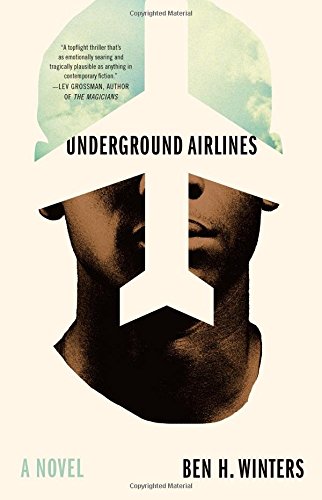
Underground Airlines is a 2016 science fiction novel by American writer Ben Winters, set in a contemporary alternate-history United States where the American Civil War never occurred because Abraham Lincoln was assassinated prior to his 1861 inauguration and a version of the Crittenden Compromise was adopted instead. As a result, slavery has remained legal in a group of Southern states known as the "Hard Four": Alabama, Louisiana, Mississippi and a unified Carolina. Its name evokes the Underground Railroad in relations to its setting. The novel attracted praise for exploring racism through the alternate-history mechanism.