Loreful
HomeDiscover
Search series, authors…⌘K
Loreful

Reading orders for SF/F series and shared universes — with your place kept in every one.

Explore

UniversesSeriesWorksAuthorsAtlas

Help

FAQAboutSite map

Account & legal

Sign inCreate accountPrivacyTerms

Data

Built on ISFDB, Wikipedia, Wikidata and Open Library. Curated reading orders carry their reasoning on the page; the rest follow publication order. Data sources & licenses

© Loreful · data: ISFDB · CC BY

More like Locks

but

Mood

The mood the book leaves you in.

  • The reading experience is propelled by journeys, exploration, and physical risk; excitement and forward momentum dominate over dread or introspection.
  • Joy and loss are deliberately mixed; the resolution grants characters something real while taking something else away, leaving warmth and sorrow together.
  • The book demands work from the reader — dense prose, difficult structure, unfamiliar ideas, or morally uncomfortable material — as part of its intended effect.
  • Grim events, cruelty, or despair dominate the atmosphere, and the book does not soften them with comfort or comic relief.
  • The atmosphere is quietly unsettling — wrongness, unease, and the uncanny pervade the book without necessarily escalating into overt horror.
  • The book is built to move the reader; character feeling is foregrounded and major scenes aim at a strong emotional response.
  • Humor is a primary aim and the prose plays for laughs — comic situations, wit, or dialogue produce sustained comedy, not occasional levity.
  • The book insists that things can improve; effort and decency are shown to matter, and the arc bends toward better outcomes even through hardship.
  • The book teaches as it goes — real facts, history, science, or craft are conveyed in enough depth that learning is part of the reading experience.
  • The book is designed to uplift and motivate, presenting perseverance or achievement in a way that invites the reader to aspire or act.
  • The overall register is cheerful and easygoing; stakes are kept gentle and the book avoids dwelling on pain or dread.
  • Withheld information drives the experience; the book sustains enigmas and secrets the reader wants resolved, whatever its genre.
  • The book is contemplative and inward-looking, giving more weight to thought, memory, and meaning than to external events.
  • The book works as comfort reading — low tension, a soothing pace, and an atmosphere the reader can unwind in.
  • Grief, loss, or melancholy set the dominant register, and the book lets sorrow stand rather than resolving it into comfort.
  • Sustained suspense is the point; the book keeps the reader braced for what happens next through danger, pressure, or impending revelation.
  • Playful invention and charm define the register — fanciful conceits, light absurdity, and a narration that delights in its own oddity.

About

What the story runs on.

  • Stories centered on witches and the practice of witchcraft — covens, hedge magic, familiars, and the witch's place in her community.
  • Stories centered on wizards, mages, and other learned practitioners of magic as protagonists or masters.
  • Stories in which gods and deities act as characters — walking the world, meddling in mortal lives, or dying.
  • Stories structured as a quest — a journey undertaken to find, deliver, or destroy something of great import.
  • Stories in which staying alive against nature, catastrophe, or scarcity is the central problem.
  • Stories of lovers kept apart by law, family, faith, or station, where the obstacle to love is the plot.
  • Stories in which a friendship — its making, testing, or loss — is the emotional center.
  • Stories of growing up — a young protagonist crossing from childhood into adult knowledge and responsibility.
  • Stories about who a character truly is — self-discovery, doubled lives, and the search for a self.
  • Stories in which a buried family truth — hidden parentage, crimes, or shames — surfaces and reorders the present.
  • Stories driven by maneuvering for power — factions, conspiracies, and statecraft conducted in shadow.
  • Stories in which war itself is the subject — combat, occupation, and what warfare does to soldiers and civilians.

Shelf

Where it sits in the library.

    • Fiction built on magic or other supernatural elements that have no scientific explanation.
    • Secondary-world fantasy at large scale, where the fate of nations or the world turns on the protagonists' struggle.
    • Fantasy set in a recognizably modern city or contemporary world where the supernatural intrudes on everyday life.
    • Fantasy that blends in horror's atmosphere and imagery, keeping a fantastical frame around grim or frightening material.
    • Action-driven fantasy following warriors or rogues with personal stakes against sorcerous threats, rather than world-spanning conflicts.
    • Fantasy set in a real historical period or a close analogue of one, with magic woven into the era.
    • Fantasy in which protagonists cross from the ordinary world into another world through a portal or similar passage.
    • Fiction that retells or reworks a traditional fairy tale in a new form or setting.
    • Fantasy drawing directly on myths, legends, and folklore, retelling them or building on their figures and logic.
    • Fantasy of ghosts, vampires, shapeshifters, psychics, and similar phenomena, usually set in an otherwise ordinary world.
    • Fiction mixing science-fictional trappings with overtly magical or impossible elements in one setting.
    • Low-stakes fantasy emphasizing comfort, community, and everyday pleasures over conflict and peril.
    • Speculative fiction of pervasive moral ambiguity, violence, and cynicism that rejects heroic conventions — fantasy and SF alike.
      • Fiction that extrapolates from science and technology — future societies, space travel, or speculative inventions — within at least nominally natural laws.
      • Science fiction of interstellar scope — starships, galactic polities, and adventure across star systems.
      • Science fiction committed to scientific rigor, where technical plausibility constrains the story.
      • Science fiction centered on armed forces and warfare, told largely from a military point of view.
      • Science fiction of networked, corporate-dominated near futures, pairing high technology with social decay.
      • Science fiction styled on nineteenth-century steam-powered technology, often in a Victorian or pseudo-Victorian setting.
      • Fiction depicting an oppressive or catastrophic society, presented as a warning.
      • Fiction set after civilization's collapse, following survivors in the ruins of the old world.
      • Fiction in which characters move between past and future, and the mechanics or consequences of that travel drive the plot.
      • Fiction exploring a world where a historical event went differently and history diverged from ours.
      • Science fiction about humanity's first encounter and communication with an alien intelligence.
      • Science fiction in which extraterrestrial forces attack or occupy Earth and humanity resists.
      • Fiction whose primary aim is to frighten or unsettle the reader through dread, menace, or the monstrous.
      • Horror of vast, indifferent, incomprehensible entities before which humanity is insignificant, in the Lovecraft tradition.
      • Horror of decaying houses, buried family secrets, and oppressive atmosphere in the Gothic literary tradition.
      • Horror centered on hauntings and the returning dead.
      • Horror located in the mind — paranoia, obsession, and unreliable perception rather than external monsters.
      • Horror built around the reanimated dead and survival amid their outbreaks.
      • Horror defined by explicit, transgressive gore that refuses to cut away from violence.
      • Speculative fiction of the strange and uncanny that resists both natural explanation and standard genre categories.
      • Fiction organized around solving a crime or puzzle, typically following an investigator toward the identification of a culprit.
      • A puzzle-first mystery that lays out clues so the culprit's identity can be deduced before the reveal.
      • Crime fiction of moral ambiguity, fatalism, and hard-edged style, set among the corrupt and the doomed.
      • A mystery following the realistic routines of police work — forensics, interviews, and case-building.
      • A gentle mystery with an amateur sleuth, a small community, and violence kept off the page.
      • A mystery set in a past era, where the investigation works within that period's methods and society.
      • Fast-paced fiction driven by imminent danger, pursuit, or high-stakes conspiracy, built to sustain tension.
      • A thriller of espionage — agents, tradecraft, and intelligence services in conflict.
      • A thriller centered on lawyers and the courtroom, where litigation carries the suspense.
      • A thriller driven by detailed contemporary or near-future technology, often military or scientific.
      • A thriller whose tension comes from mental states and manipulation between characters rather than external action.
      • Fiction whose central plot is a romantic relationship and its development toward an emotionally satisfying resolution.
      • Romance in which one or both partners are supernatural beings, blending fantasy elements into the love story.
      • A fantasy-romance hybrid in which the romantic arc and the fantasy plot carry equal weight.
      • Romance set in a past era, with courtship shaped by the period's society and manners.
      • Romance set in the present day, without supernatural or historical elements.
      • Fiction set in a real past period, where the historical setting materially shapes characters and events.
        • General and literary fiction emphasizing prose style, character interiority, or formal ambition over genre plot conventions.
        • Fiction in a realistic world where magical events occur and are treated as ordinary, in the tradition of Latin American literature.
        • Fiction that ridicules people, institutions, or society in order to criticize them.
        • Fiction of dreamlike, irrational imagery and logic that breaks from realistic representation.
        • Fiction that plays with narrative convention through metafiction, fragmentation, and self-reference.
        • Fiction propelled by journeys, exploration, and physical peril, where action and survival carry the plot.
        • Adventure fiction of ships and seafaring — naval engagements, voyages, and life at sea.
        • Fiction of the American frontier West — gunmen, ranchers, and lawmen, typically in the late nineteenth century.
        • Fiction centered on soldiers, campaigns, and the experience of warfare, historical or imagined.
          • Fiction written primarily to amuse, using comedic situations, wit, or parody as its organizing principle.
            • Multi-generational fiction following a family or dynasty across decades, with inheritance and kinship as the through-line.
              • Fiction whose world runs on explicit game mechanics — levels, stats, and skills that characters can see and exploit.
                • Fiction about costumed or superpowered heroes and their conflicts with comparable villains.

                Practical

                How long a commitment, whether it stands alone, and whether it has finished.

                Tap a chip to ask for it · tap again to rule it out · once more to clear. Numbers show what would be left.

                • Cover of Firestarter
                  Firestarter

                  Stephen King · standalone novel · 1980

                  similar byparenthood+1 more

                  WorldCat: Innocence and beauty ignite with evil and terror... First, a man and a woman are subjects of a top-secret government experiment designed to produce extraordinary psychic powers. Then, they are married and have a child. A daughter. Early on the daughter shows signs of a wild and horrifying force growing within her. Desperately, her parents try to train her to keep that force in check, to 'act normal'. Now the government wants its brainchild back for its own insane ends.

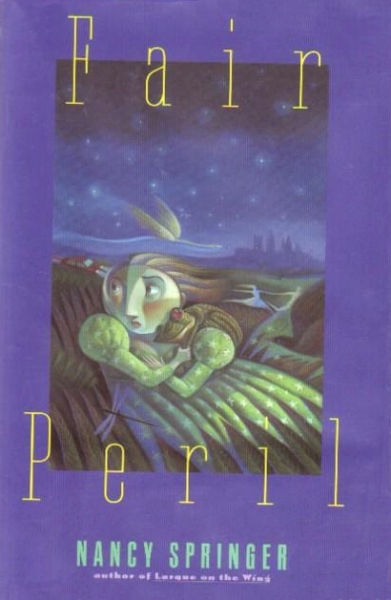
                • Cover of Fair Peril
                  Fair Peril

                  Nancy Springer · standalone novel · 1996

                  similar byparenthoodfantasyfairy tale retelling

                  Buffy -- a fat, fortyish, divorced mother -- encounters a talking frog and, ignoring the warnings of fairy tales, does not turn the frog back into a prince. Trouble ensues when Buffy's rebellious teenage daughter Emily does kiss the frog; soon she and handsome Prince Adamus disappear into the enchanted land of Fair Peril. It is up to Buffy to rescue Emily and, in the process, learn that magic does exist in the most ordinary of lives.

                • Cover of Scarborough Fair
                  Scarborough Fair

                  series · 3 books · 2008

                  similar byfantasy+2 more

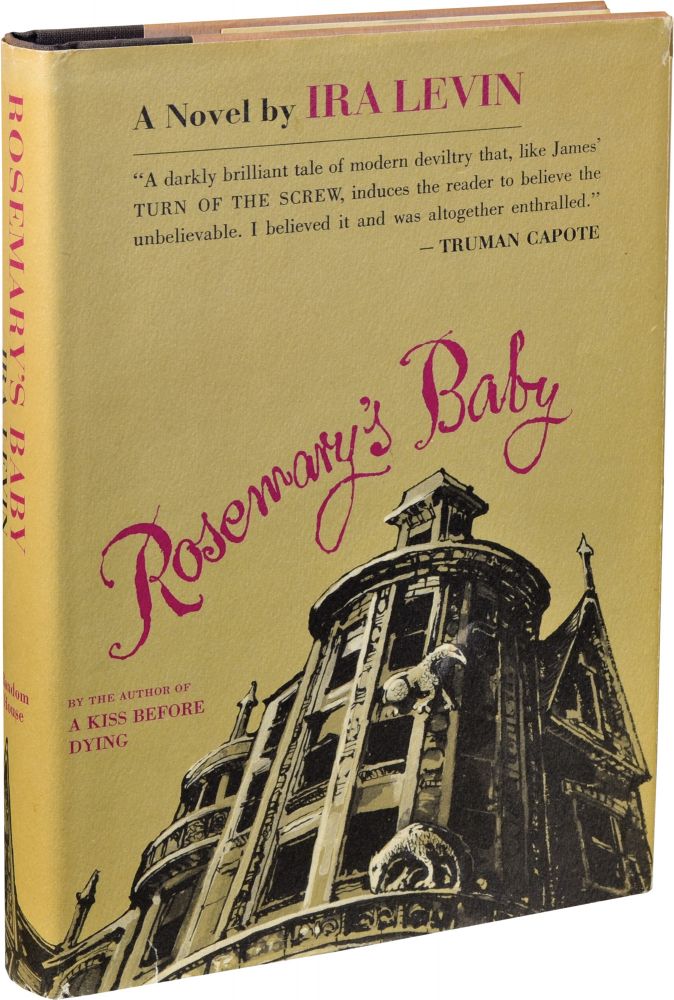
                • Cover of Rosemary Reilly
                  Rosemary Reilly

                  series · 2 books · 1967

                  completed

                  similar byparenthood+1 more

                  Rosemary's Baby follows a young wife in a Gothic Manhattan apartment building who grows increasingly convinced that her elderly neighbors, and even her own husband, are part of a conspiracy surrounding her pregnancy. Ira Levin returned to the character thirty years later in the 1997 sequel Son of Rosemary. Together the two novels form a short, self-contained horror series about faith, control, and motherhood.

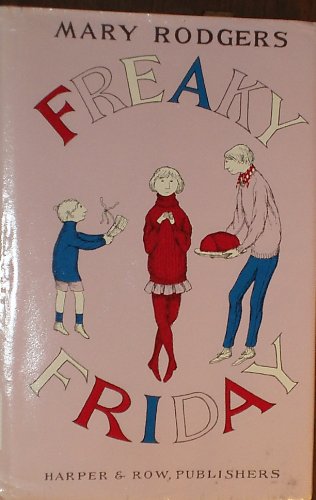
                • Cover of Andrews Family
                  Andrews Family

                  series · 3 books · 1972

                  completed

                  similar byfantasy+1 more

                  Mary Rodgers wrote a loose set of comic novels about one suburban family, each built around a different fantastical role-reversal: a mother and daughter swap bodies for a day in Freaky Friday, a boy discovers a television that shows tomorrow's news in A Billion for Boris, and a father and son trade places in Summer Switch. The books share characters and tone rather than a continuing plot.

                • Cover of The Lion of Boaz-Jachin and Jachin-Boaz
                  The Lion of Boaz-Jachin and Jachin-Boaz

                  Russell Hoban · standalone novel · 1973

                  similar byparenthoodfantasy

                  The Lion of Boaz-Jachin and Jachin-Boaz is a novel by American writer Russell Hoban published in 1973, and was his first book for adult readers. The novel is set in an unspecified location in the Middle East, and was written when Hoban lived in London, and was initially published by British publisher Jonathan Cape. Initially appearing to be written as a kind of fable, Boaz-Jachin and Jachin-Boaz are a father and son, both map-makers; the narrative then places both father and son in contemporary London.

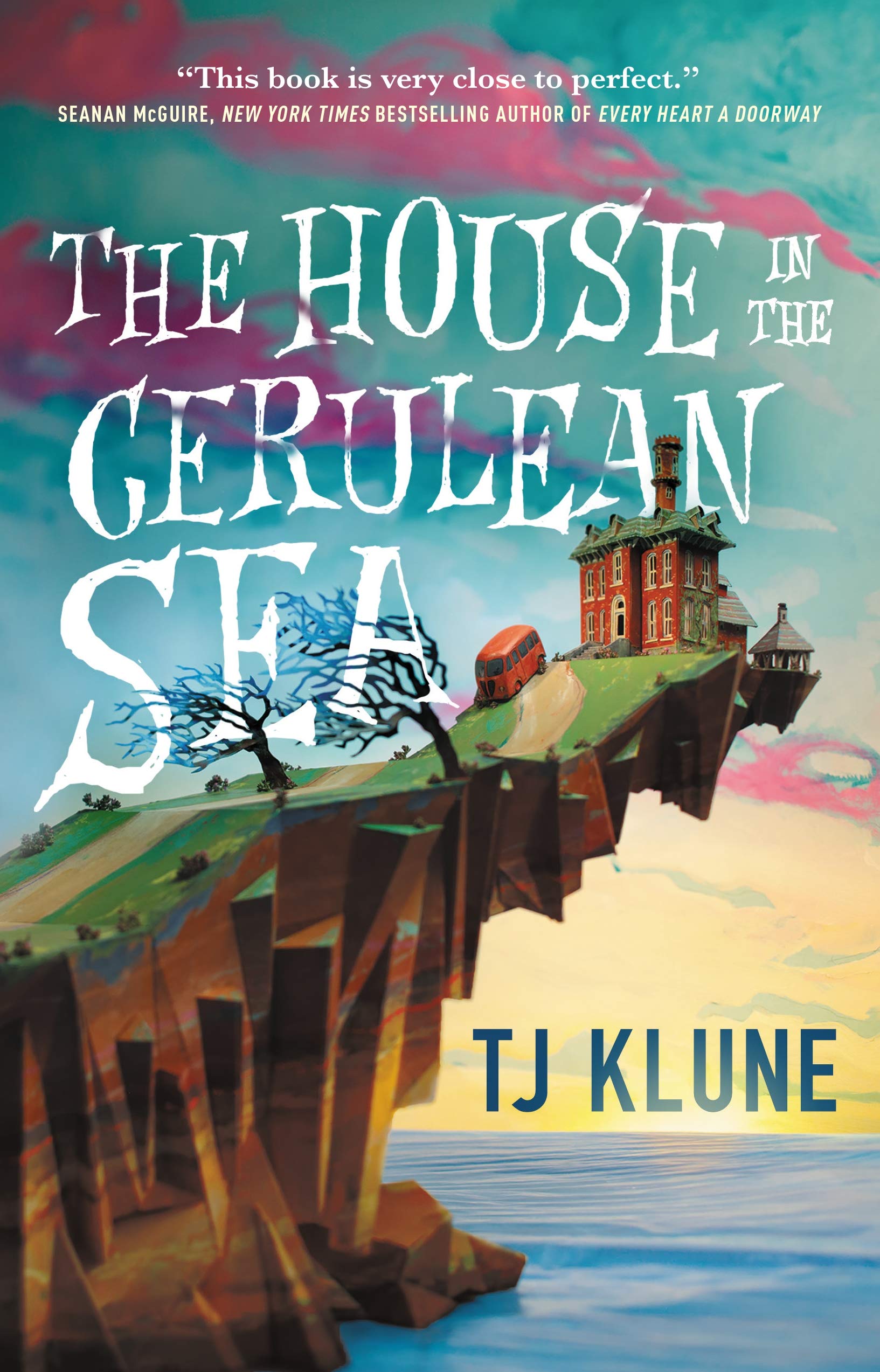
                • Cover of Cerulean Chronicles
                  Cerulean Chronicles

                  series · 2 books · 2020

                  similar byfantasy+1 more

                  TJ Klune's The House in the Cerulean Sea follows Linus Baker, a caseworker for a bureaucratic agency overseeing magical children, sent to investigate an orphanage whose six unusual residents, including the literal antichrist, complicate his usual detachment. Somewhere Beyond the Sea shifts to a new protagonist connected to the same island and its found family. Both books use a gentle, whimsical tone to work through themes of institutional prejudice and belonging.

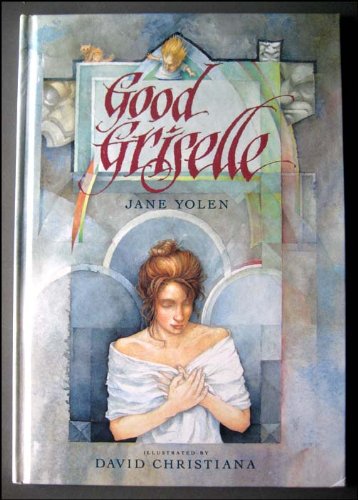
                • Cover of Good Griselle
                  Good Griselle

                  Jane Yolen · standalone novel · 1994

                  similar byparenthoodfantasyfairy tale retelling

                  Angels and gargoyles test a woman's goodness by providing her with an ugly baby to love.

                • Cover of Only Begotten Daughter
                  Only Begotten Daughter

                  James Morrow · standalone novel · 1990

                  similar byparenthoodfantasy

                  Only Begotten Daughter is a 1990 fantasy novel by American writer James K. Morrow, setting the stage for his later Godhead Trilogy. The book shared the 1991 World Fantasy Award with Ellen Kushner's Thomas the Rhymer. It was also nominated for the Nebula Award for Best Novel in 1990, and both the Locus and John W. Campbell Memorial Awards in 1991.

                • Cover of Sorrowland
                  Sorrowland

                  Rivers Solomon · standalone novel · 2021

                  similar byparenthood+1 more

                  Sorrowland is a 2021 gothic science fiction novel by American writer Rivers Solomon.

                • Cover of Kaikeyi
                  Kaikeyi

                  Vaishnavi Patel · standalone novel · 2022

                  similar byfantasy+1 more

                  Kaikeyi is a 2022 novel, the debut novel by Vaishnavi Patel. The work is a re-imagining of the life of the titular character, who first appeared in the ancient Sanskrit epic, the Ramayana. The character of Kaikeyi has long been vilified for her role in banishing her stepson Rama from the kingdom of Kosala. Patel's novel tells the story from Kaikeyi's perspective.

                • Cover of Charlie Asher
                  Charlie Asher

                  series · 2 books · 2006

                  similar by+2 more

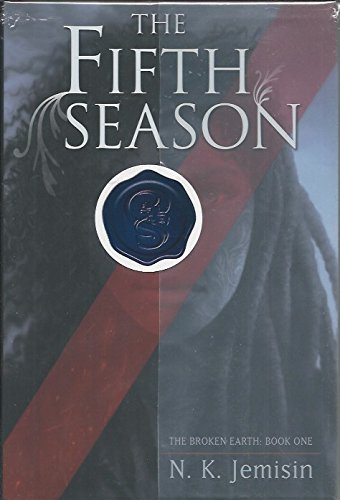
                • Cover of The Broken Earth
                  The Broken Earth

                  series · 5 books · 2014

                  similar byfantasy+1 more

                  N. K. Jemisin's Broken Earth trilogy is set on the Stillness, a single supercontinent wracked every few centuries by civilization-ending climate catastrophes called Fifth Seasons. It follows orogenes, people born with the power to move earth and quell earthquakes, who are trained and controlled by the state even as they are feared and despised. The Fifth Season, the opening volume, traces three women revealed to be the same person at different stages of her life, setting up the two sequels that follow her search for her daughter after an orogene shatters the continent.

                • Cover of Corvis Rebaine
                  Corvis Rebaine

                  series · 2 books · 2010

                  similar byparenthoodfantasy

                • Cover of Time at the Top
                  Time at the Top

                  series · 2 books · 1963

                  completed

                  similar by+2 more

                • Cover of Flightless Falcon
                  Flightless Falcon

                  Mickey Zucker Reichert · standalone novel · 2000

                  similar byparenthoodfantasy

                  From the flaps of the DAW first edition: "Set in a land of scattered rival cities, this is the story of a poignant and dangerous quest, the tale of a man manipulated into a mission against his will in the hopes of regaining the only thing of importance in his life - his family. Tamison had been a miner until the cave-in which killed his brother and father, and left him trapped behind a wall of rubble, cut off from light and life for what seemed like eternity. When he was finally rescued, Tamison was so traumatized by the experience that he was left with a paralyzing fear of venturing underground. With the passing years and the growth of his new family, Tamison was willing to turn his hand to any trade that would feed his wife and children. But in a realm where guilds ruled - and where his own guild could no longer support him - Tamison became more and more desperate as even jobs for unskilled guildless laborers became impossible to obtain. Eventually Tamison was forced to what once would have been unimaginable to him. But he had no other choice. Either he must steal food of see his family starve. Caught in the act, Tamison is sentenced to a chain gang. And when he was finally released, he discovered that his family had vanished. Searching for them, Tamison became so despondent that when a guard named Dallan claimed to know of their fate he was only too ready to listen. And when Dallan said that he, too, had had someone taken by the same villains, Tamison agreed to join forces with him. But before setting out on their quest, Tamison visited a fortune-teller, hoping to be told that his mission would prove successful. Instead of learning about his own destiny, Tamison found himself acquiring a new alley as Rifkah, the fortune-teller, suddenly discovered a pressing need to leave the city. Together the three set out for the rival trading town where Dallan was certain the people they sought were being held. Tamison's initial search had led him into an encounter with a thief, who now seemed determined to attach himself to their group, and the unlikely foursome soon concocted a daring plan to break into the seemingly impenetrable city. Yet even if they succeeded in this venture it might well prove their doom, for gaining entrance to the town did not mean that they would find what they sought - or survive to win free of the place again!"

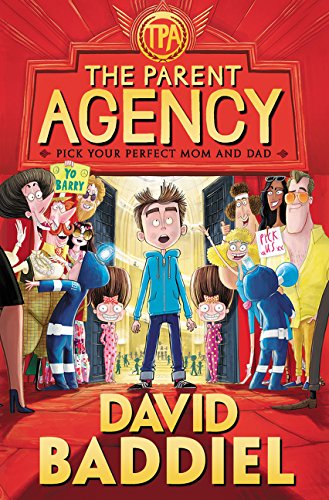
                • Cover of The Parent Agency
                  The Parent Agency

                  David Baddiel · standalone novel · 2014

                  similar byparenthoodfantasy

                  The Parent Agency is a children's fiction novel written by David Baddiel and illustrated by Jim Field. It was published on 9 October 2014 by HarperCollins Children's Books. The book follows a 9-year-old boy named Barry Bennett, who gets transported to an alternate universe where children choose their parents. As of 2016, a film adaptation is in the works.

                • Cover of The Changeling
                  The Changeling

                  Victor LaValle · standalone novel · 2017

                  similar byparenthoodfantasy

                  The Changeling is a 2017 fantasy horror novel by Victor LaValle. The novel received critical acclaim, winnings awards including the 2017 Dragon Award for Best Horror Novel, 2018 British Fantasy Award for Best Horror Novel, 2018 Locus Award for Best Horror Novel, and 2018 World Fantasy Award—Novel. The novel was adapted into a television show of the same name which premiered in 2023.

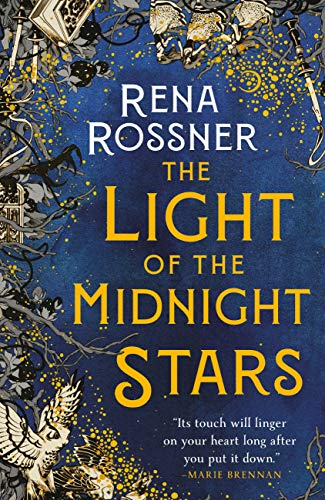
                • Cover of The Light of the Midnight Stars
                  The Light of the Midnight Stars

                  Rena Rossner · standalone novel · 2021

                  similar by+2 more

                • Cover of Dalmatians
                  Dalmatians

                  series · 2 books · 1956

                  completed

                  similar by+2 more

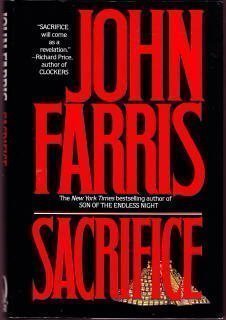
                • Cover of Sacrifice
                  Sacrifice

                  John Farris · standalone novel · 1994

                  similar byparenthood+1 more

                  A southern TV repairman with a seventeen-year-old daughter turns out to be a creature who achieves immortality by sacrificing a virgin every nineteen years.

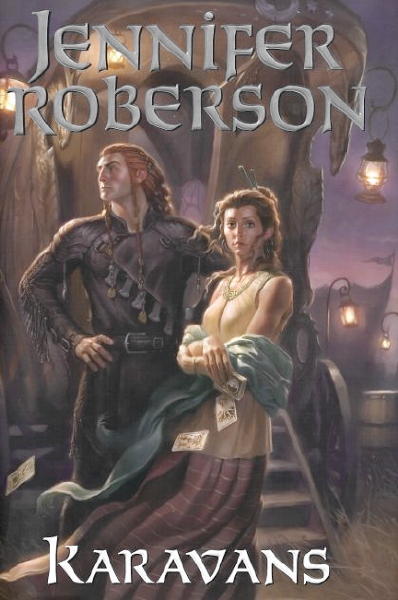
                • Cover of Karavans
                  Karavans

                  series · 4 books · 2002

                  similar byparenthoodfantasy

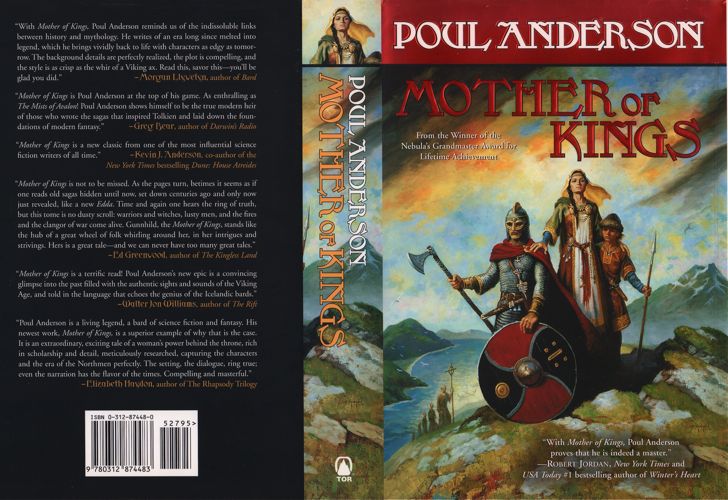
                • Cover of Mother of Kings
                  Mother of Kings

                  Poul Anderson · standalone novel · 2001

                  similar by+2 more

                  From the front flap of the Tor first edition: "With this new novel, science fiction and fantasy grandmaster Poul Anderson has crafted a powerful story of a mighty queen, magic, and the mastery of ancient nations. Blending characters both historical and mythological, Mother of Kings is the tale of Gunnhild, Queen of England and Norway, who loomed so large in the tenth century - at the end of the Age of the Vikings - that she became a figure of legend, even of myth. As a child of just seven summers, Gunnhild finds herself fascinated with the powers of a witchwoman who is concubine of her father's, a powerful Norse chieftain. She also finds another fascination in handsome and lordly Eirik, son of their king. When her mother dies, Gunnhild promises, "I will never yield," and that, "through me, our blood shall flow greatly." Gunnhild has learned from her chieftain father the way the powerful use the weak. But there are other lessons and other powers she seeks. Sent away to learn the magic of a pair of shamans, Gunnhild becomes a Spaewife - a knower of the Gods, a master in the ways of witchcraft and sorcery. Aided by her new abilities, Gunnhild marries Eirik. She is destined to become queen, and her magic is a fearsome complement to Eirik's strength. But Eirik's enemies are cunning, and Gunnhild is soon without his might. If Gunnhild can keep the promise she made as a child to never yield, her family's blood will flow greatly, and the sons she bore Eirik will each become a king. Her own struggles, though, are far from over..."

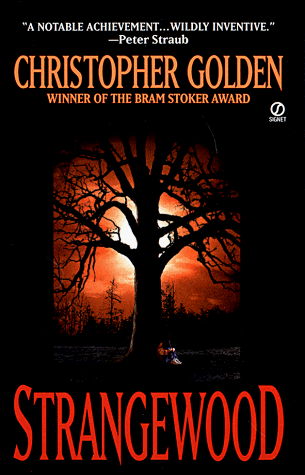
                • Cover of Strangewood
                  Strangewood

                  Christopher Golden · standalone novel · 1999

                  similar byparenthoodfantasy

                  A fantasy horror novel. Strangewood is the name of the fantasy world that made T. J. Randall a bestselling children's writer. But sometimes his imagination goes too far. Sometimes the story is too dark. Sometimes the creatures are too real. And now, they've taken away Randall's son...