More like Made
anchored on:litrpgvirtual worldscience fiction
but
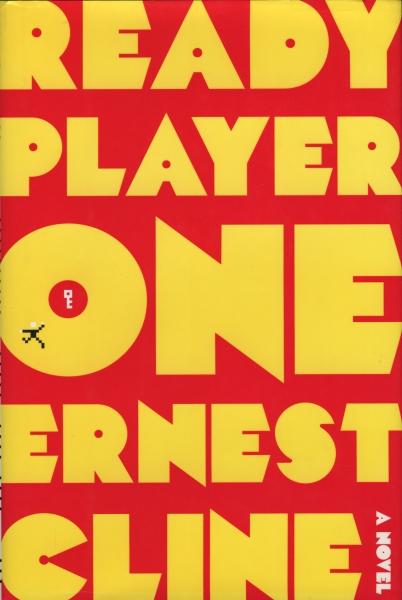
- Ready Player One
series3 books2011
similar byvirtual realityadventurousvirtual worldnear futurescience fiction+1 more
Ernest Cline's Ready Player One (2011) is set in a near-future dystopia where much of humanity escapes into the OASIS, a vast virtual-reality universe, and follows teenager Wade Watts as he chases an Easter egg hidden by the OASIS's late creator in a puzzle-based hunt worth a fortune. The 2020 sequel, Ready Player Two, picks up after Wade has gained control of the OASIS and follows him and his friends into a new quest built around a brain-computer interface the creator left behind.
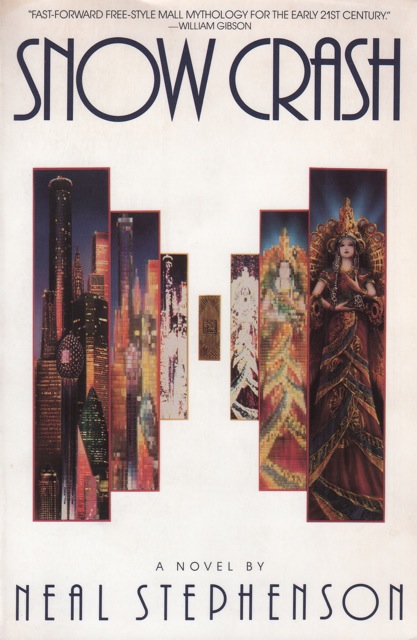
- Snow Crash
Neal Stephensonstandalone novel1992
similar byvirtual realityadventurousnear futurescience fiction+1 more
Snow Crash is a 1992 science fiction novel by Neal Stephenson. Like many of Stephenson's novels, its themes include history, linguistics, anthropology, archaeology, religion, computer science, politics, cryptography, memetics, and philosophy.
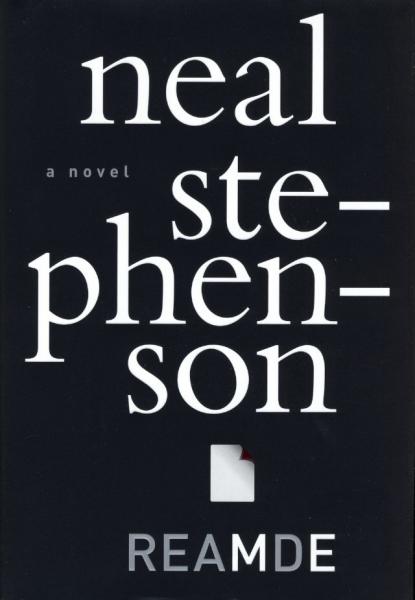
- Richard Forthrast
series2 books2011
similar byvirtual realityvirtual worldscience fiction+2 more
Neal Stephenson's Richard 'Dodge' Forthrast novels open with Reamde, a globe-spanning thriller that starts when ransomware inside an MMORPG economy pulls Richard's extended family into a real-world hostage crisis involving hackers, jihadists and Russian mobsters. The sequel Fall; or, Dodge in Hell shifts registers entirely, following Richard's digitally preserved mind after death into an afterlife simulation built from his scanned brain. The two books share a protagonist and family but differ sharply in genre and scale.
- Rasmussem Corporation Games
series3 books1991
similar byvirtual realityvirtual worldnear futurescience fiction+1 more
Vivian Vande Velde's Rasmussem Corporation Games books each drop a different protagonist into a malfunctioning virtual-reality game built by the fictional Rasmussem company, where the usual escape routes stop working and the stakes turn unexpectedly real. User Unfriendly, Heir Apparent, and Deadly Pink share the same premise and company rather than a continuing cast or plot. Vande Velde, an American children's and YA author, wrote the three books more than two decades apart.
- Avatar Chronicles
series3 books2004
similar byvirtual realityvirtual worldnear futurescience fiction+1 more
- The Mortality Doctrine
series4 books2013
similar byvirtual realitynear futurevirtual worldscience fiction+1 more
The Eye of Minds opens James Dashner's Mortality Doctrine trilogy in a near-future where a teenage gamer is recruited to help stop a rogue hacker named Kaine who threatens mass destruction from inside the virtual world he haunts. Dashner has said he didn't intend the series as dystopian in the way of his Maze Runner books, though he saw it sharing their tone and spirit. The trilogy continues with The Rule of Thoughts and The Game of Lives.
- Omnitopia
series2 books2010
similar byvirtual realitynear futurevirtual worldscience fiction
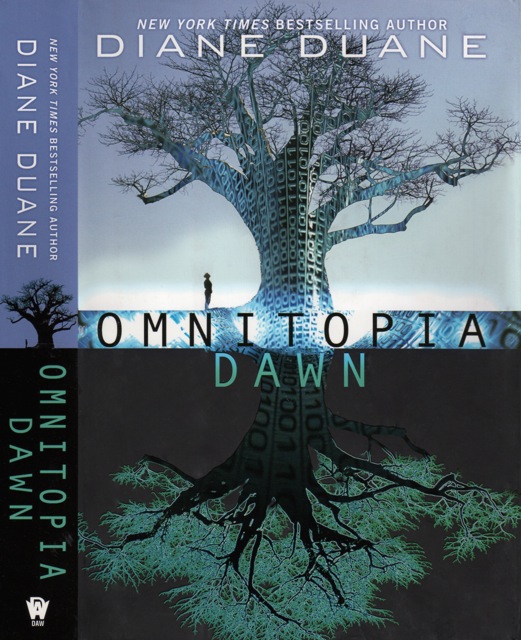
Omnitopia Dawn introduces Diane Duane's near-future thriller about Dev Logan, the genius programmer behind Omnitopia, the world's most popular massive-multiplayer game, who is hiding a secret that could upend the entire industry: Omnitopia isn't just code anymore, it has become sentient, and keeping that fact contained is Dev's most important job. The story follows the fallout as that secret becomes harder to protect. East Wind continues the story as the second book.
- Last Reality
series3 books2017
similar byvirtual realitynear futurevirtual worldscience fiction+1 more
- Archemi Online Chronicles
series3 books2018
similar byvirtual realityadventurousvirtual worldnear futurelitrpg+1 more
- Web
series14 books1997
similar byvirtual realitynear futurevirtual worldscience fiction+1 more
The Web is a series of 12 books for young adults, novellas about the Internet of the future, edited by Simon Spanton, written by English language science fiction and fantasy authors like Stephen Baxter, Stephen Bowkett, Eric Brown, Pat Cadigan, Maggie Furey, Peter F. Hamilton, Graham Joyce, James Lovegrove, and Ken MacLeod.
- Самый странный нуб / The Weirdest Noob
series3 books2014
similar byvirtual realityadventurousnear futurelitrpgvirtual world+1 more
- The Imperium Game
K. D. Wentworthstandalone novel1994
similar byvirtual realityvirtual worldnear futurescience fiction+1 more
From the back cover of the Del Rey first edition: "Deus ex machina - Slaves, an Underworld, and gods who walked the earth - the Roman city that housed the Imperium Game was authentic from top to bottom. Of course the players knew that it was all run by computers - but after years of role-playing, most had put that pesky little detail out of their minds. Now, though, not only the players had lost track of reality: the deity programs had mysteriously begun to exceed their parameters. And the reigning Emperor had been murdered - for real. The prime murder suspect was Kerickson, the Game's main programmer, whose ex-wife had left him for the role of Empress. Fired from his job, pursued by a policeman convinced of his guilt, the hapless Kerickson sneaked into the Game to find the real murderer. As the gods ran rampant, the Game turned more violent and chaotic every day. And now, as a lowly gladiator trainee, Kerickson had no access to his beloved control room. All he had was the unwelcome aid of Minerva, the mouse-munching owl who was the Goddess of Wisdom - if only she were programmed correctly. But Minerva had more bugs than Cerberus had teeth..."
- Armada
Ernest Clinestandalone novel2015
similar byvirtual realityadventurousnear futurescience fiction
Armada is a science fiction novel by Ernest Cline, published on July 14, 2015 by Crown Publishing Group. The story follows a teenager who plays an online video game about defending against an alien invasion, only to find out that the game is a simulator to prepare him and people around the world for defending against an actual alien invasion.
- Forever War
series10 books1972
similar byscience fiction
Joe Haldeman's The Forever War (1974) follows a soldier conscripted into a centuries-long interstellar war against the alien Taurans, using relativistic space travel so that months spent in transit correspond to years or decades passing back on Earth. Haldeman later returned to the same conflict in Forever Peace (1997), a thematically connected but separate story, and Forever Free (1999), a direct sequel set years after the original war's end. The first novel won the Hugo, Nebula, and Locus awards and is considered a foundational work of military science fiction.