More like Mallworld
anchored on:science fiction
but
- Glasshouse
Charles Strossstandalone novel2006
similar byvirtual realityscience fictionvirtual worldfar future
Robin wakes in a rehabilitation clinic with his memory deliberately erased, convinced that whoever tried to kill him before is still out there. To disappear completely, he volunteers for an experimental study recreating a vanished slice of 20th/21st-century society inside a closed habitat called the glasshouse -- a former high-security detention facility for war criminals -- and is assigned a female body and a new name, Reeve. As the simulation's rules of gender and conformity close in, Reeve starts to suspect the experiment's organizers are running something considerably darker than sociology. A standalone posthuman-future novel by Charles Stross.
- Brave New World
series8 books1932
similar byscience fictionfar future
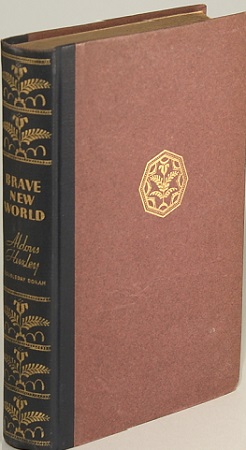
Aldous Huxley's 1932 novel imagines a future World State where reproduction, social caste, and desire are all engineered before birth, and the population is kept content through conditioning, sleep-hypnosis, and a mood-altering drug called soma. The story follows the disruption this seemingly stable order suffers when an outsider raised beyond its reach is brought into it, exposing what the society traded away for comfort and order. Some editions pair the novel with Huxley's own 1958 nonfiction essay collection, Brave New World Revisited, which reassesses the book's ideas rather than continuing its story.
- Ijon Tichy
series32 books1954
completed
similar byscience fictionfar futurefunnysatire
Ijon Tichy is a fictional character who appears in several works of the Polish science fiction writer Stanisław Lem: initially in The Star Diaries, later in The Futurological Congress, Peace on Earth, and Observation on the Spot. Tichy is also the narrator in a 1973 novel Professor A. Dońda, being the professor's sidekick.
- Hitchhiker's Guide to the Galaxy
series16 books1979
part of The Hitchhiker's Guide to the Galaxy Universe
similar byscience fictionfar futurefunny+1 more
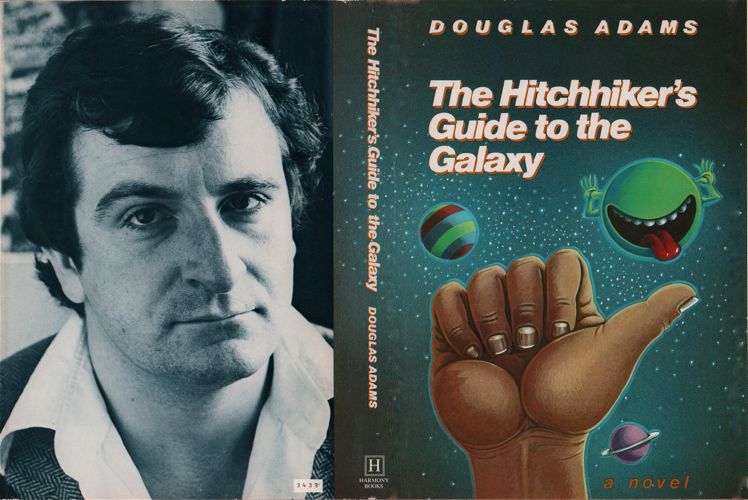
The Hitchhiker's Guide to the Galaxy is a comedy science fiction franchise created by Douglas Adams. Originally a radio sitcom broadcast over two series on BBC Radio 4 between 1978 and 1980, it was soon adapted to other formats, including both novels and comic books, a 1981 BBC television series, a 1984 text adventure game, stage shows and a 2005 feature film.
- Sprawl Trilogy
series10 books1981
similar byvirtual realityscience fiction
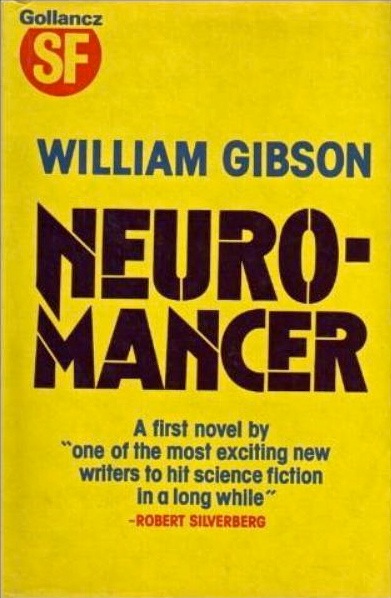
The Sprawl Trilogy is William Gibson's foundational cyberpunk sequence: Neuromancer (1984), in which hacker Case is drawn into a high-stakes heist alongside an artificial intelligence and a damaged ex-soldier, followed by Count Zero (1986) and Mona Lisa Overdrive (1988), which widen the same near-future world of corporate power and networked cyberspace to new characters. Johnny Mnemonic, an early short story set in the same fictional milieu, predates the novels and introduces the courier Molly Millions before her role in the trilogy. Together these works established much of cyberpunk's visual and thematic vocabulary.
- Diaspora
Greg Eganstandalone novel1997
similar byscience fictionfar future+2 more
Diaspora is a hard science fiction novel by the Australian writer Greg Egan which first appeared in print in 1997. It originated as the short story "Wang's Carpets" which originally appeared in the Greg Bear-edited anthology New Legends. The story appears as a chapter of the novel.
- Ready Player One
series3 books2011
similar byvirtual realityscience fictionvirtual world
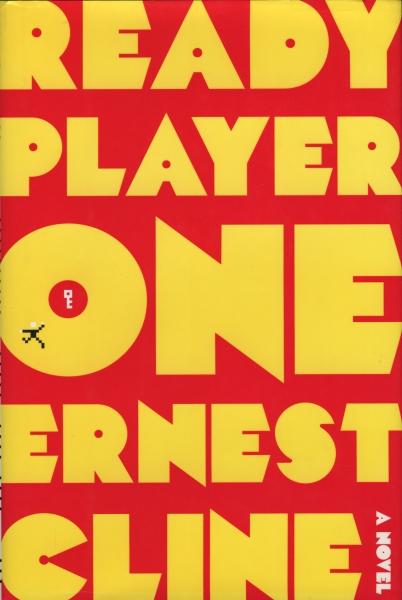
Ernest Cline's Ready Player One (2011) is set in a near-future dystopia where much of humanity escapes into the OASIS, a vast virtual-reality universe, and follows teenager Wade Watts as he chases an Easter egg hidden by the OASIS's late creator in a puzzle-based hunt worth a fortune. The 2020 sequel, Ready Player Two, picks up after Wade has gained control of the OASIS and follows him and his friends into a new quest built around a brain-computer interface the creator left behind.
- Snow Crash
Neal Stephensonstandalone novel1992
similar byvirtual realityscience fiction+1 more
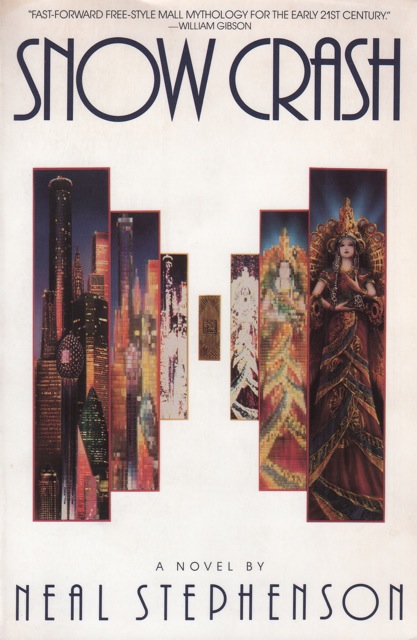
Snow Crash is a 1992 science fiction novel by Neal Stephenson. Like many of Stephenson's novels, its themes include history, linguistics, anthropology, archaeology, religion, computer science, politics, cryptography, memetics, and philosophy.
- The Rapture of the Nerds
Cory Doctorow & Charles Strossstandalone novel2012
similar byscience fictionfar futurefunny+1 more
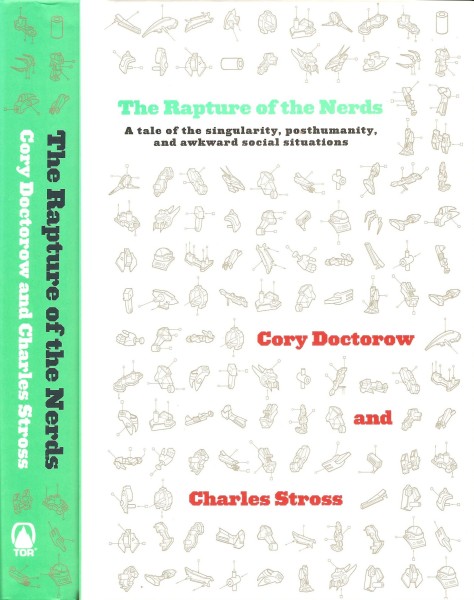
The Rapture of the Nerds is a 2012 novel by Cory Doctorow and Charles Stross. It was released on 4 September 2012 through Tor Books and as an ebook, DRM free, under the CC BY-NC-ND. The book can also be downloaded for free.
- God Game
Andrew M. Greeleystandalone novel1986
similar byvirtual realityscience fictionvirtual world+1 more
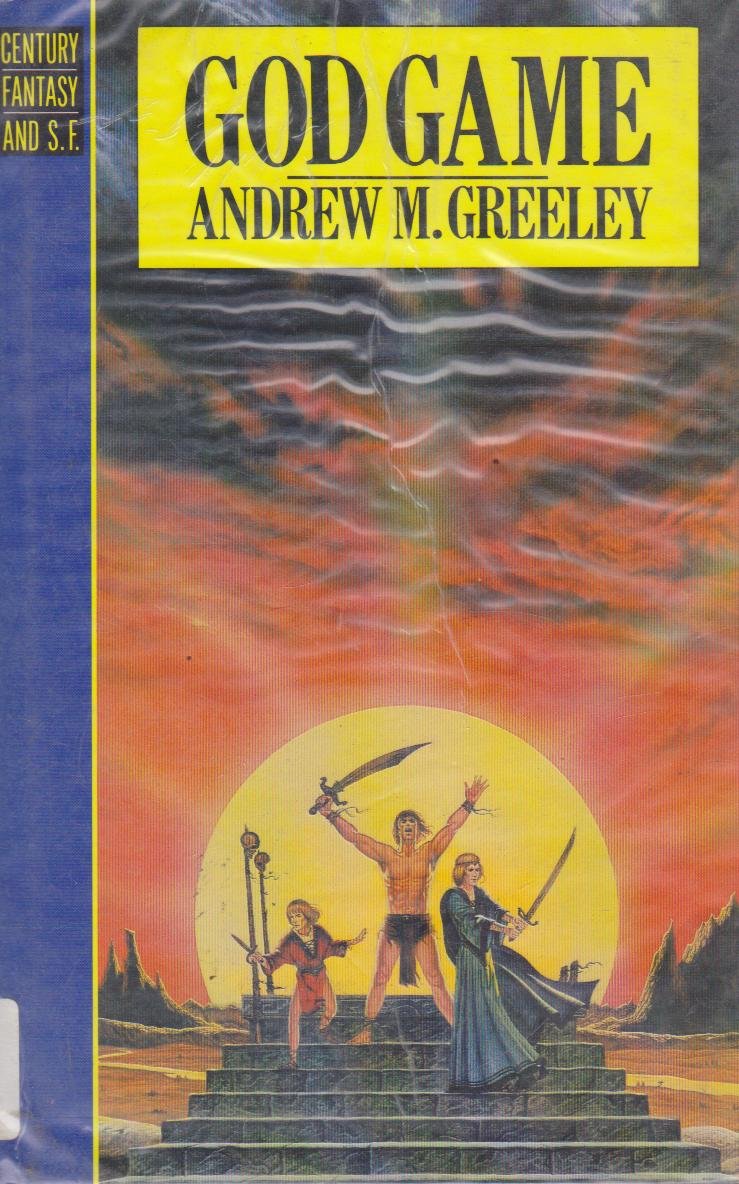
From the back cover of the second Tor printing: "One day at the beach... I was given the kingdom, the power and the glory, and let me tell you, it wasn't any fun. I was trying out a new computer game called "Duke and Duchess" when lightning struck my satellite dish. Maybe that's what caused it; I'll never know for sure. But the people I saw on the screen were real, and their trouble was desperate. And my trouble was just beginning."
- Culture
series15 books1987
completed
part of The Culture
similar byscience fictionfar future
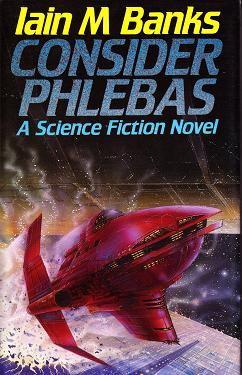
The Culture series is a science fiction series written by Scottish author Iain M. Banks and released from 1987 until 2012. The stories centre on The Culture, a utopian, post-scarcity space society of humanoid aliens and advanced superintelligent artificial intelligences living in artificial habitats spread across the Milky Way galaxy. The main themes of the series are the dilemmas that an idealistic, more-advanced civilization faces in dealing with smaller, less-advanced civilizations that do not share its ideals, and whose behaviour it sometimes finds barbaric. In some of the stories, action takes place mainly in non-Culture environments, and the leading characters are often on the fringes of the Culture, sometimes acting as agents of the Culture in its plans to civilize the galaxy. Each novel is a self-contained story with new characters, although reference is occasionally made to the events of previous novels.
- Svetz
series9 books1969
similar byscience fiction+4 more
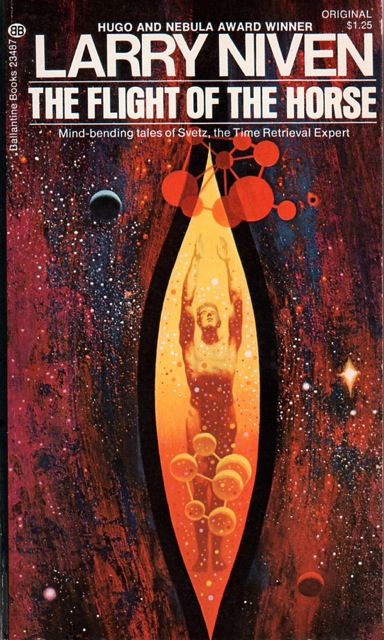
Larry Niven's Svetz stories follow Hanville Svetz, a dimension-traveling agent sent to retrieve unusual specimens and creatures, with titles like The Flight of the Horse (1971) and Leviathan! built around individual retrieval missions gone strange. The separate tales were later gathered together with new material into the novel Rainbow Mars (1999).
- Void Trilogy
series4 books2007
part of Commonwealth Universe
similar byscience fictionfar future+1 more
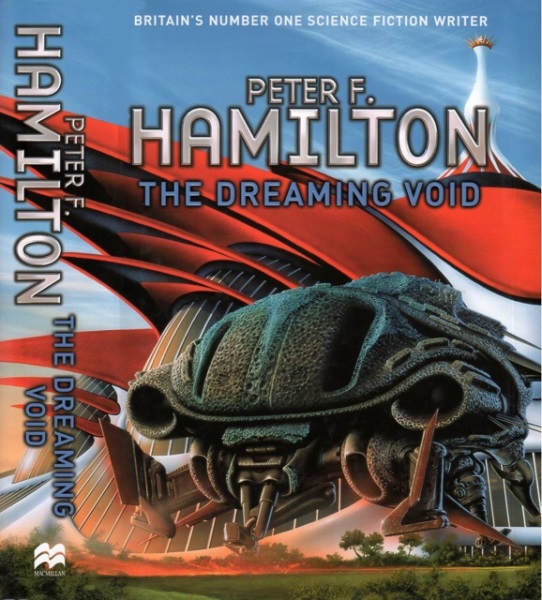
The Void Trilogy is a space opera series by British author Peter F. Hamilton. The series is set in the same universe as The Commonwealth Saga, 1,200 years after the end of Judas Unchained.
- Vurt
series4 books1993
similar byscience fiction+2 more
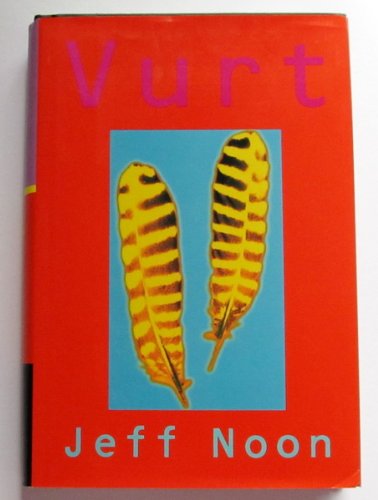
In Jeff Noon's alternate Manchester, an entire subculture has formed around Vurt: a hallucinogenic, colour-coded feather that plunges users into a shared alternate reality as vivid and dangerous as real life. Vurt follows Scribble and his gang, the Stash Riders, on a search for his sister, lost somewhere inside a Vurt trip gone catastrophically wrong. The sequel Pollen continues directly from its fallout, while Noon's other novels of the period, including Automated Alice and Nymphomation, circle the same fevered, drug-soaked version of the city.
- Schrödinger's Cat
series3 books1979
completed
similar byscience fiction+4 more
The Schrödinger's Cat Trilogy is a trilogy of novels by American writer Robert Anton Wilson consisting of Schrödinger's Cat: The Universe Next Door (1979), Schrödinger's Cat II: The Trick Top Hat (1980), and Schrödinger's Cat III: The Homing Pigeons (1981), each illustrating a different interpretation of quantum physics. They were collected into an omnibus edition in 1988.
- Jean le Flambeur
series3 books2010
similar byvirtual realityscience fictionfar future
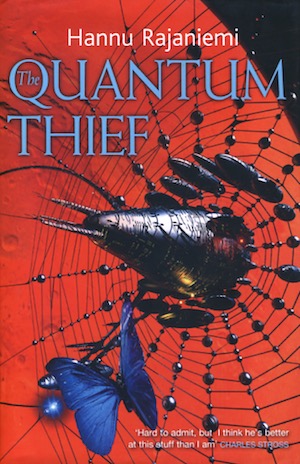
Jean le Flambeur is a master thief broken out of a virtual prison to pull off one more impossible heist, in a solar system reshaped by uploaded minds, post-human factions, and economies built on memory and privacy themselves. Hannu Rajaniemi's trilogy - The Quantum Thief, The Fractal Prince, The Causal Angel - is dense, idea-heavy hard SF that trusts readers to piece its future together from context rather than exposition.
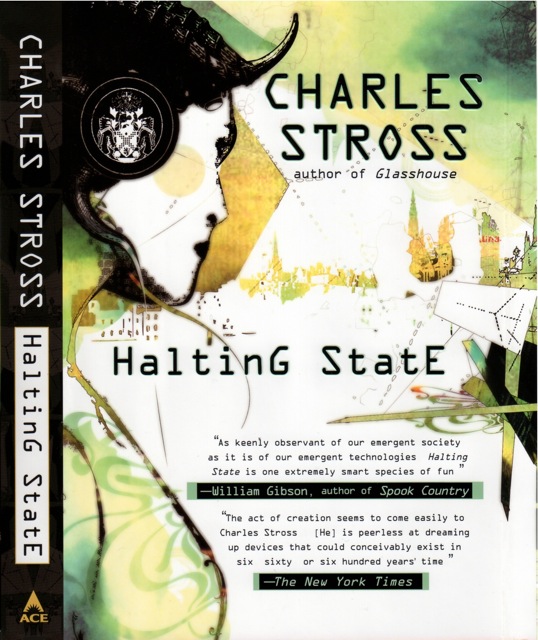
- Halting State
series2 books2007
similar byscience fiction+2 more
Charles Stross's Halting State opens as a near-future police procedural: a bank robbery inside a massively multiplayer online game turns out to mask a much larger cybercrime, investigated through shifting narrators using augmented-reality glasses and always-on networks. Its loose sequel, Rule 34, follows an Edinburgh police officer investigating a string of deaths linked by nothing but an obscure internet meme, in the same near-future Scotland. Both are standalone technothrillers connected by setting and tone rather than a continuing plot.