More like Metropolitan
anchored on:big cityurban fantasyclass conflicttense
but
- Metropolitan
series2 books1995
similar byclass conflicttensebig city+2 more
Metropolitan is set on a world entirely covered by one interconnected city and enclosed by a Shield that provides light and heat while burning away anything that rises too high, leaving a planet with no day, night, or seasons. It follows Aiah, a refugee working for the Plasm Authority, who discovers a powerful reserve of the city's magical power source and shares it with Constantine, an exiled political operator with revolutionary ambitions for a new order. Walter Jon Williams continued the story in a direct sequel, City on Fire, two years later.
- Make Room! Make Room!
Harry Harrisonstandalone novel1966
similar byclass conflicttensebig cityscience fiction
Make Room! Make Room! is a 1966 science fiction novel written by Harry Harrison exploring the consequences of both unchecked population growth on society and the hoarding of resources by a wealthy minority. It was originally serialized in Impulse magazine.
- Oath of Fealty
Larry Niven & Jerry Pournellestandalone novel1981
similar byclass conflicttensebig cityscience fiction
Oath of Fealty is a 1981 novel by American writers Larry Niven and Jerry Pournelle, published originally by Phantasia Press, then by Timescape Books, with numerous reprints. Set in the near future, it involves an arcology, a large inhabited structure, called Todos Santos, which rises above a crime-ridden Los Angeles, California, but has little beyond casual contact with the city. The novel popularized the phrase "think of it as evolution in action", which occurs elsewhere in Niven's books. The novel anticipated the building of the Los Angeles subway. It was included in David Pringle's book Science Fiction: The 100 Best Novels.
- High-Rise
J. G. Ballardstandalone novel1975
similar byclass conflicttensebig cityscience fiction
High-Rise is a 1975 novel by British writer J. G. Ballard. The story describes the disintegration of a luxury high-rise building as its affluent residents gradually descend into violent chaos. As with Ballard's previous novels Crash (1973) and Concrete Island (1974), High-Rise inquires into the ways in which modern social and technological landscapes could alter the human psyche in provocative and hitherto unexplored ways. It was adapted into a film of the same name, in 2015, by director Ben Wheatley.
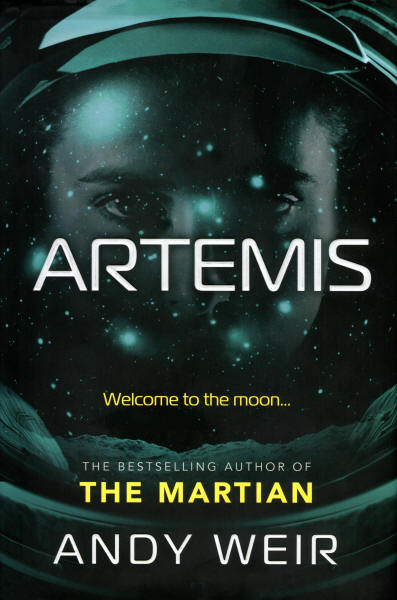
- Artemis
Andy Weirstandalone novel2017
similar byclass conflicttensebig cityscience fiction
Artemis is a 2017 science fiction novel by American writer Andy Weir. It takes place in the late 2080s in Artemis, the first and only city on the Moon. It follows the life of porter and smuggler Jasmine "Jazz" Bashara as she gets caught up in a conspiracy for control of the city. The book received mixed reviews from critics.
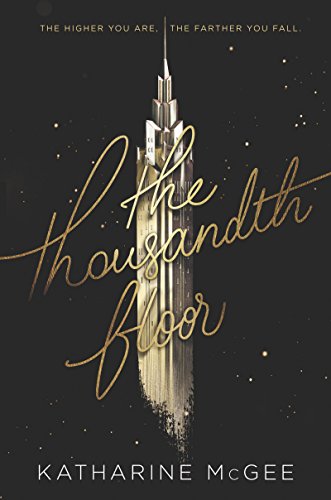
- The Thousandth Floor
series3 books2016
similar byclass conflicttensebig cityscience fiction
Katharine McGee's trilogy imagines Manhattan in 2118 as a single thousand-story tower housing every stratum of society, following five teenagers whose ambitions collide as they climb toward, or fall from, its highest floors. Across The Thousandth Floor, The Dazzling Heights, and The Towering Sky, addiction, surveillance, genetic privilege, and family betrayal play out as soap-opera drama in a meticulously built near-future setting.
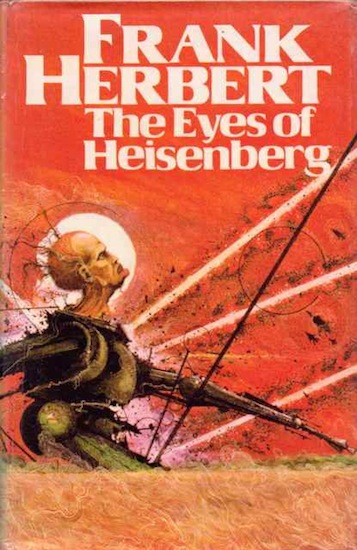
- The Eyes of Heisenberg
Frank Herbertstandalone novel1966
similar byclass conflicttensescience fiction
Tens of thousands of years in the future, Earth is ruled by the Optimen, a genetically engineered aristocracy that has made itself functionally immortal, while ordinary people, the Folk, live under strict reproductive control. When Harvey and Lizbeth Durant arrive to have their embryo genetically screened, the examining doctor finds something in the child no one has seen in a very long time: real potential for both fertility and life span, traits the Optimen have arrogated to themselves. Rather than destroy the embryo as policy demands, the doctor hesitates, setting off a chain of surveillance, suspicion and resistance. A tightly wound Frank Herbert thriller about genetic caste and rebellion.
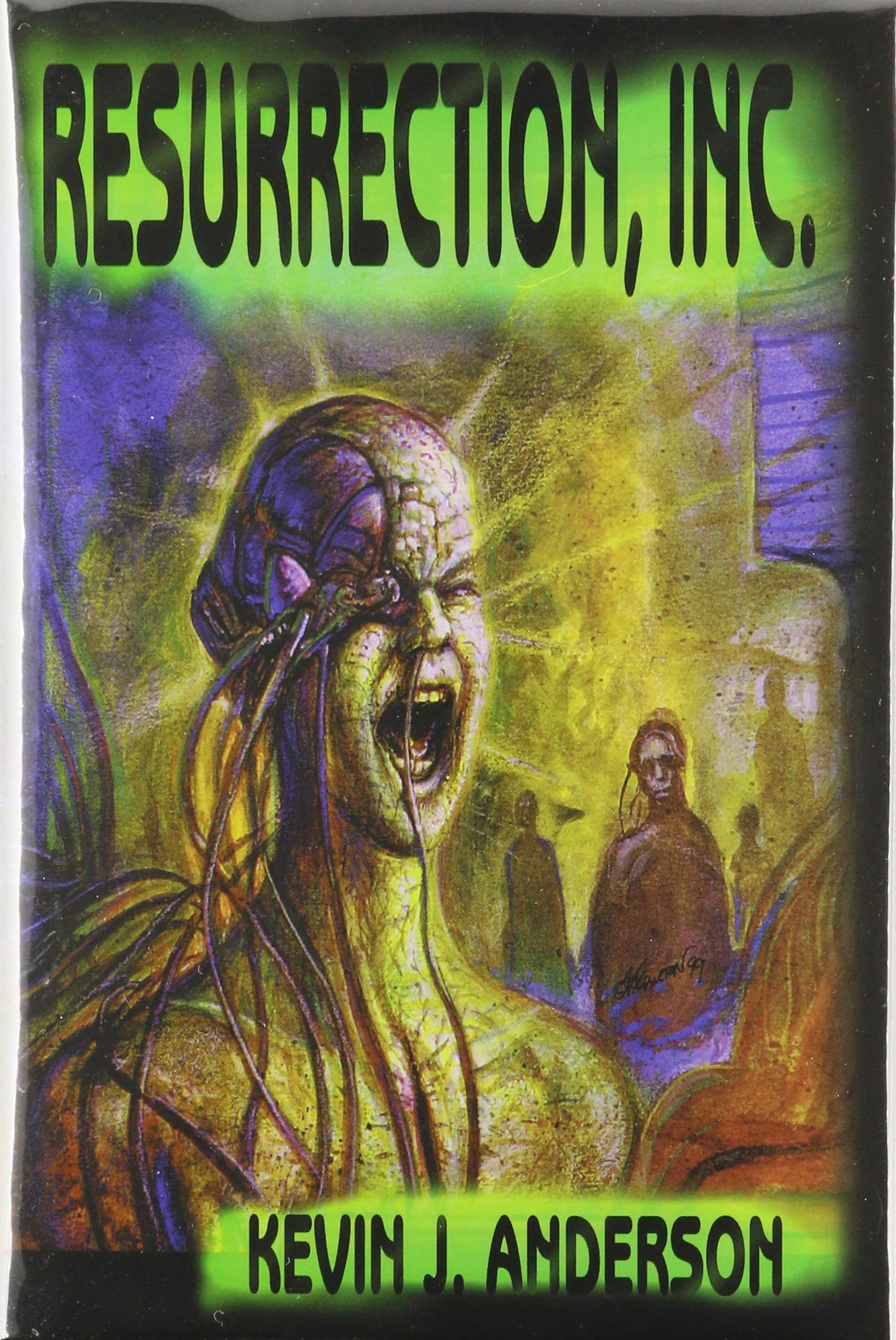
- Resurrection, Inc.
Kevin J. Andersonstandalone novel1988
similar byclass conflicttensebig cityscience fiction
It is the future--and the dead walk the streets, resurrected by technology to become servants to the living. Resurrection, Inc. found a profitable way to do it: a microprocessor brain, a synthetic heart, artificial blood--and anyone with money could buy a Servant with no mind of its own, trained to obey any command. But for every Servant created a living worker was out of a job, and suddenly the profits of Resurrection, Inc. became everyone else's loss. Some take to rioting in the streets, their rampages ruthlessly ended by heavily armed Enforcers, eager for the kill. Others join the ever-growing cult of Neo-Satanism, seeking Heaven in the depths of Hell. Only one man tries to save the world. His name is Danal, and he is the last hope of the living. He is dead, but he remembers everything.
- City of Bohane
Kevin Barrystandalone novel2011
similar byclass conflicttensebig cityscience fiction
City of Bohane is the debut novel by Ireland's Kevin Barry. The book is set in the year 2053, in a world with minimal technology. It received largely positive reviews and won the 2013 International Dublin Literary Award.
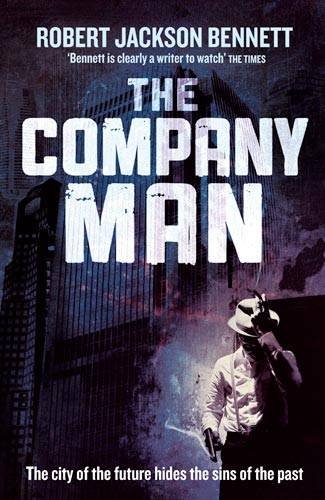
- The Company Man
Robert Jackson Bennettstandalone novel2009
similar byclass conflicttensebig city+1 more
The Company Man (ISBN 978-0-316-05470-6) is a novel written by Robert Jackson Bennett and published by Orbit Books on 11 April 2011 which later went on to win the Edgar Award for Best Paperback Original in 2012.
- Market Forces
Richard Morganstandalone novel2004
similar byclass conflicttensebig cityscience fiction
Synopsis here.
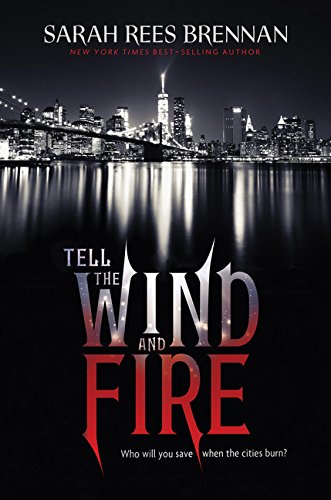
- Tell the Wind and Fire
Sarah Rees Brennanstandalone novel2016
similar byclass conflicttenseurban fantasybig city
In this near-future retelling of the Dickens classic "A Tale of Two Cities," a deadly revolution breaks out in a New York City divided by light and dark magic.
- Noir
K. W. Jeterstandalone novel1998
similar byclass conflicttensebig cityscience fiction
Noir is a science fiction novel by American writer K. W. Jeter, published in 1998. It uses the conventions of film noir – the alienated, doomed hero, the cynical private detective, the femme fatale, universal corruption and moral breakdown – to portray a dystopian vision of capitalism run riot.
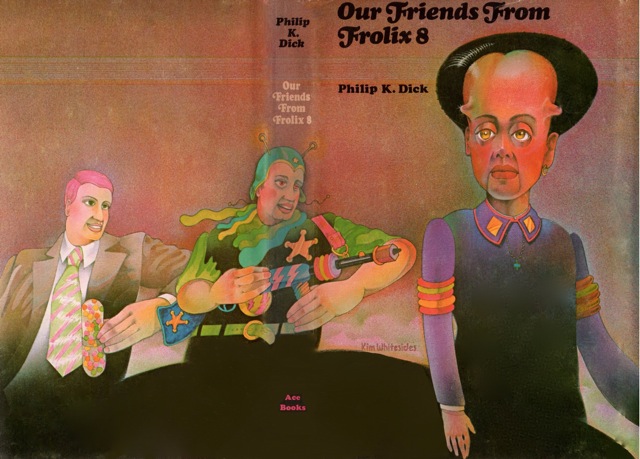
- Our Friends from Frolix 8
Philip K. Dickstandalone novel1970
similar byclass conflicttensescience fiction
Our Friends from Frolix 8 is a science fiction novel by American writer Philip K. Dick. It was written from 1968 to 1969 and was published in 1970 by Ace Books. The novel is set in the 22nd century, when humanity is ruled by mutated humans, "New Men" and "Unusuals", while normal "Old Men" are discriminated against. The story follows Nick Appleton, a low-class Old Man worker who becomes a subversive to the system, and Willis Gram, the Unusual ruler of the Earth. Separately, resistance leader Thors Provoni has left the planet to find an ally to the Old Men, finally returning with an alien from far away in space. The novel is best known for a single scene where the characters discuss the dead body of God having been found in space.
- The Status Civilization
Robert Sheckleystandalone novel1960
similar byclass conflicttensescience fiction
"Will Barrent had no memory of his crime ... but he found himself shipped across space to a brutal prison-planet. On Omega, his only chance to advance himself -- and stay alive -- is to commit an endless series of violent crimes. The average inmate's life expectancy from time of arrival is three years. Can Barrett survive, escape, and return to Earth to clear his name?" - From the cover of the 2007 Wildside paperback edition.
- The Air Trust
George Allan Englandstandalone novel1915
similar byclass conflicttensescience fiction+1 more
From the foreword to the 1915 edition: "This book is the result of an attempt to carry the monopolistic principle to its logical conclusion." Publisher's description (2006): "Isaac Flint, a greedy billionaire businessmen plots to extract oxygen from the air and then sell it back to people if they want to live. Through bribes, blackmail and threats, he forces a group of scientists to develop a means of extracting the oxygen and forces politicians to cooperate with his plan. Soon, surrounded by a private army of guards to prevent the outraged populace from stopping him, Flint has "cornered" the oxygen market, and people everywhere have no choice but to pay for the air they breathe--or see themselves and their families die for lack of oxygen."
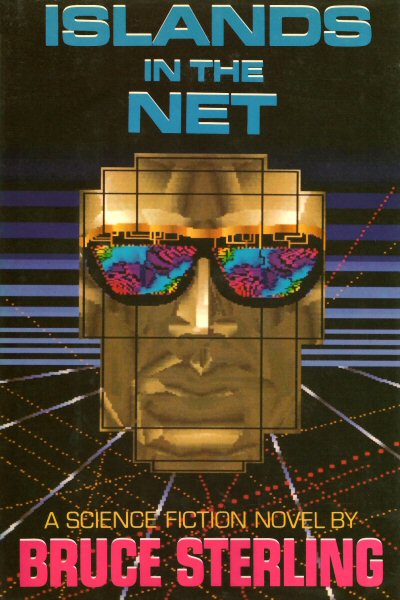
- Islands in the Net
Bruce Sterlingstandalone novel1988
similar byclass conflicttensescience fiction
Islands in the Net is a 1988 science fiction novel by American writer Bruce Sterling. It won the John W. Campbell Memorial Award for Best Science Fiction Novel in 1989, and was nominated for both the Hugo and Locus Awards that same year. It offers a view of an early 21st century world, apparently peaceful, with delocalised, networking corporations. The protagonist, swept up in events beyond her control, finds herself in places that are off the net, from a datahaven in Grenada, to a Singapore under terrorist attack, to the poorest and most disaster-struck parts of Africa.
- To Live Forever
Jack Vancestandalone novel1956
similar byclass conflicttensescience fiction
To Live Forever is a science fiction novel by American writer Jack Vance, first published in 1956. In the Vance Integral Edition, it was retitled Clarges.
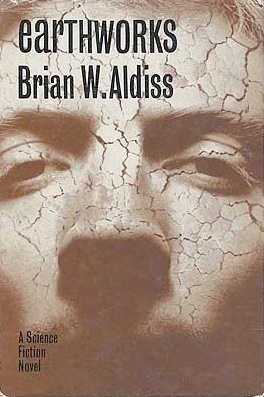
- Earthworks
Brian W. Aldissstandalone novel1965
similar byclass conflicttensescience fiction
Earthworks is a 1965 dystopian science fiction novel by British science fiction author Brian Aldiss. The novel draws its premise from prevalent fears about population growth and overcrowding of the Earth.
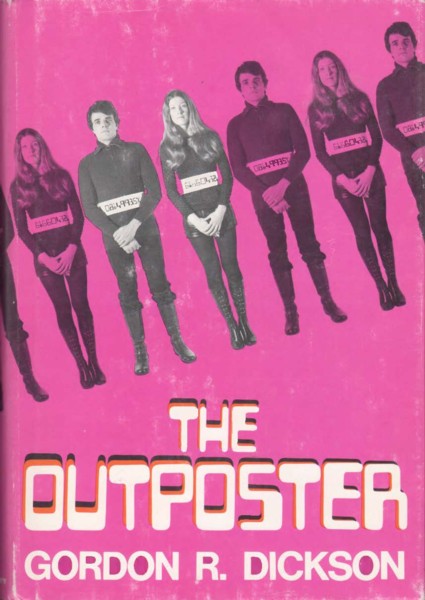
- The Outposter
Gordon R. Dicksonstandalone novel1972
similar byclass conflicttensescience fiction
From the flap of the Lippincott first edition: "Rich man, poor man, beggarman, thief - the lottery played no favorites. If your number came up, you joined the rest of the losers marked for exile from overcrowded Earth. Shipped to a raw new outpost in space, you were officially called a colonist. But your whispered name was "garbage," your destination was oblivion, and you had few illusions about your chances of survival. The Outposters - a token band of specially trained personnel - were given the impossible task of guiding and protecting these outcasts in their harsh new environment. Will indifferent support from Earth, supply lines ran thin and raids by hostile aliens were increasing unchecked. Only one young Outposter, Mark Ten Roos, dared to challenge the system and change the odds. To help him, Mark hand-picked a strange assortment of allies from the new shipment of colonists: a brash opportunist, every instinct honed for personal survival; a midget woman with a professorship in philosophy; a widowed mathematician, expert in position astrophysics; an ex-marine with a dishonorable discharge. And help came to Mark from a source he had not expected - the daughter of the Outer Navy's ranking officer. When Mark Ten Roo put his plan into action, he knew he was also putting his life on the line."
- The Water Knife
Paolo Bacigalupistandalone novel2015
similar byclass conflicttensescience fiction
The Water Knife is a 2015 science fiction novel by Paolo Bacigalupi. It is Bacigalupi's sixth novel, and is based on his short story, The Tamarisk Hunter, first published in the news magazine High Country News. It takes place in the near future, where drought brought on by climate change has devastated the Southwestern United States.
- Wolfling
Gordon R. Dicksonstandalone novel1969
similar byclass conflicttensescience fiction
From the flaps of the Baen/SFBC edition: "Is Earth merely the lost colony of a superior race? - She was well over six feet tall, and beautiful in a sculpted, abstract way. She had skin the color of white onyx, and her eyes... her eyes were large and feline - a startling lemon yellow in color. She was the Princess Afuan, one of the High-born, and she had chosen the Earthman Kim Keil to return to the Throne World with her - for she had decided that his performance in the bull-ring might amuse the Emperor. She didn't know that Jim was a bull-fighter only by virtue of six months' intensive training, nor that the bull was programmed - his behavior following and impressively fierce but unswerving pattern. Jim was just another wolfling to Afuan - a lesser being from a backward colony world. Jim, however, was keenly aware that he was playing a role, one which might prove to be extremely dangerous. Up until 10 years earlier, when their first ship had reached Alpha Centauri, the people of Earth hadn't even known that the vast Empire of human-occupied worlds existed. The discovery had been a profound shock. Had we evolved independently? Or were we merely descendants of the Empire's first space pioneers - a lost colony found at last, perhaps with devastating consequences? That's what Jim Keil had to find out. Chosen from among numerous highly qualified candidates - an anthropologist trained, mentally and physically, beyond the limits of his profession - it was his mission to observe the Throne World and the High-born... to determine whether or not they posed a threat to Earth. One thing was apparent from the start. The High-born were superior beings - physically taller and stronger than other humans, endowed with faster reflexes, superior mental capacity... and extraordinary technological resources. Their contempt for the new wolfling in their midst was open, their intrigues complex. An enormous gulf separated the people of the Throne World from Earthlings. But that gulf was not so wide that Jim couldn't recognize an enemy when he met one. Clearly, if he remained merely a passive observer of the High-born, he'd never survive among them."
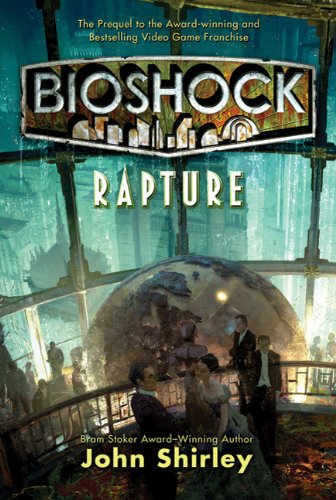
- Bioshock: Rapture
John Shirleystandalone novel2011
similar byclass conflicttensescience fiction
BioShock: Rapture is a 2011 science fiction novel written by John Shirley, published by Tor Books in the United States and by Titan Books in the United Kingdom. Rapture forms part of the BioShock retrofuturistic media franchise created by Ken Levine and published by 2K Games and developed by several studios, including Irrational Games and 2K Marin. A prequel to the first BioShock game the novel tells the story of how Andrew Ryan founded the underwater city of Rapture. The book follows multiple BioShock characters. The cover art was designed by Craig Mullins, who also produced the cover art for BioShock 2. It was released July 19, 2011.
- The Guardians
John Christopherstandalone novel1970
similar byclass conflicttensescience fiction
The Guardians is a young-adult science fiction novel written by John Christopher and published by Hamilton in 1970.