More like Michael
anchored on:horrorundeadour worldcontemporarydarkdark fantasy+2 more
but
- Jerusalem's Lot
series3 books1975
similar bycontemporaryhorrordarktenseour worldnorth america+1 more
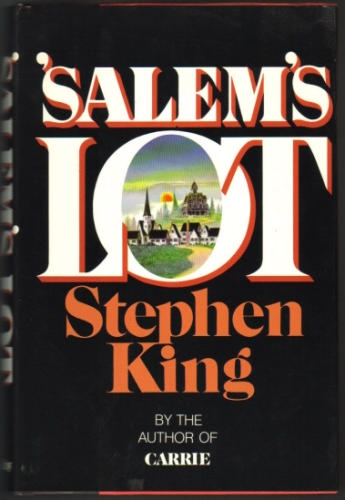
Stephen King's 1975 novel 'Salem's Lot follows writer Ben Mears as he returns to his childhood town of Jerusalem's Lot, Maine, only to discover that its residents are being turned into vampires by a newly arrived stranger. It transplants Gothic vampire horror into a small New England community, tracking that community's collapse under a supernatural siege. It is a single, self-contained novel.
- Carrion
Gary Brandnerstandalone novel1986
similar byundeadcontemporaryhorrordarktenseour worldnorth america
Synopsis - He is the nation’s new hero. For he possesses the most awesome sill any man can master – he can reach beyond the grave and reawaken the dear departed. He can bring the dead back to life! But their souls no longer inhabit their resurrected bodies. The creatures that now walk the earth are carrion – dead flesh! They are mindless things that only know he is responsible for their agony… As their bodies decay into hideous travesties of what they once were, they have only one mission left – To destroy their savior.
- The Damnation Game
Clive Barkerstandalone novel1985
similar bycontemporaryhorrordarkdark fantasytenseour world
Marty Strauss is a compulsive gambler fresh out of prison when he's hired as bodyguard for Joseph Whitehead, a reclusive tycoon whose fortune and continued existence trace back to a bargain struck decades earlier, during World War II, with a man named Mamoulian. That bargain is coming due: Mamoulian, who commands powers reaching well past death, wants what he's owed, and Whitehead's household -- his wife, his daughter Carys, his previous bodyguard -- is caught in the middle of a decades-old debt finally being called in. Marty, out of his depth from the start, finds himself the only one willing to stand against Mamoulian. Clive Barker's first novel.
- Cell
Stephen Kingstandalone novel2006
similar bycontemporaryhorrordarktenseour worldnorth america
In Cell, King taps into readers fears of technological warfare and terrorism. Mobile phones deliver the apocalypse to millions of unsuspecting humans by wiping their brains of any humanity, leaving only aggressive and destructive impulses behind. Those without cell phones, like illustrator Clayton Riddell and his small band of "normies," must fight for survival, and their journey to find Clayton's estranged wife and young son rockets the book toward resolution.
- The Dark
James Herbertstandalone novel1980
similar bycontemporaryhorrordarkdark fantasytenseour world
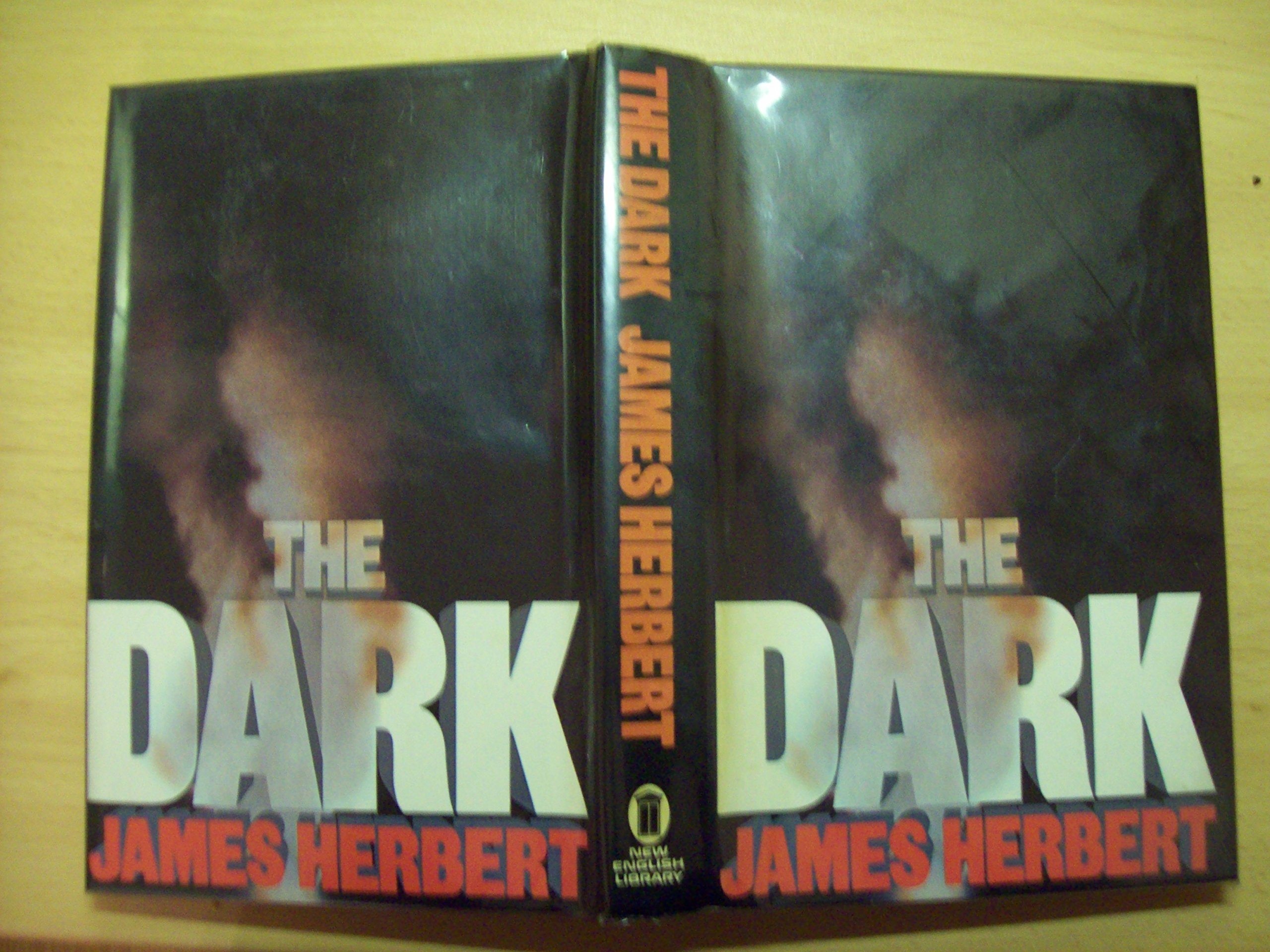
WorldCat: It came like a malignant shadow with seductive promises of power. And somewhere in the night, a small girl smiled as her mother burned. Asylum inmates slaughtered their attendants. In slimy tunnels, once-human creatures gathered. Madness raged as the lights began to fade and humanity was attacked by an ancient, unstoppable evil.
- Necroscope
series26 books1982
completed
similar byhorrordarkundeadcontemporarytense+2 more
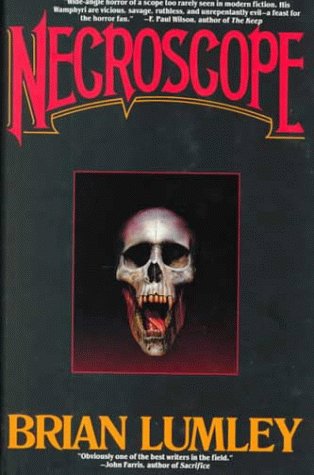
Brian Lumley's Necroscope opens an eighteen-book horror saga (1982-2017) centered on Harry Keogh, a man who can speak with the dead. Harry turns that gift against Thibor Ferenczy, a vampire buried since the Middle Ages, and against Ferenczy's agent Boris Dragosani, a Soviet spy who has learned to tear secrets from corpses in pursuit of world domination. Later volumes follow Harry's descendants and successors through further wars against the vampiric Wamphyri, across sequel trilogies and story collections.
- I Am Legend
Richard Mathesonstandalone novel1954
similar byhorrordarktenseour worldlonelinessnorth america
The last human survivor of the vampire epidemic has to maintain his defences against their onslaught, while attempting to research the cause and possibly solution to the plague. Robert Neville is the last living man on Earth... but he is not alone. Every other man, woman and child on the planet has become a vampire, and they are hungry for Neville's blood. By day he is the hunter, stalking the undead through the ruins of civilization. By night, he barricades himself in his home and prays for the dawn. How long can a man survive like this?
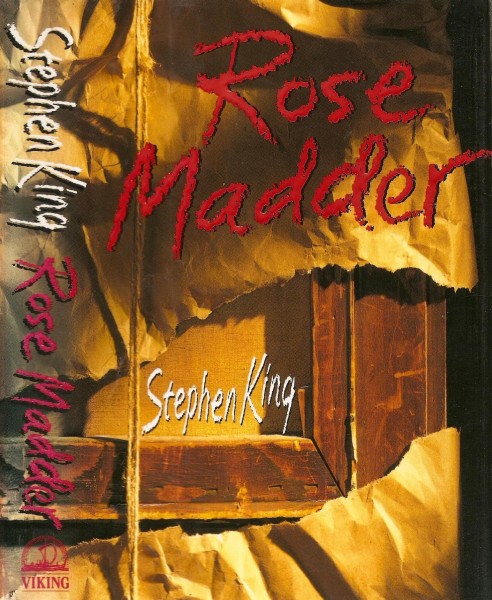
- Rose Madder
Stephen Kingstandalone novel1995
similar bycontemporaryhorrordarktenseour worldnorth america
Rose Madder is a horror/fantasy novel by American writer Stephen King, published in 1995. It deals with the effects of domestic violence and, unusually for a King novel, relies for its fantastic element on Greek mythology. In his memoir, On Writing, King states that Rose Madder and Insomnia are "stiff, trying-too-hard novels."
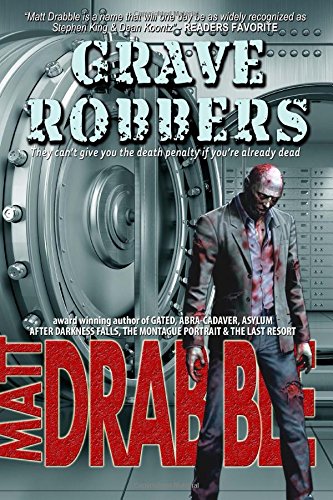
- Grave Robbers
Matt Drabblestandalone novel2017
similar byundeadcontemporaryhorrordarktenseour worldnorth america
● "Bayport is a grim town run by a crime lord with half the police in his pocket and no one willing to take a stand. But now something is happening, something that makes no sense. Bank robbers who won't stay down despite being shot multiple times, men returning from the dead to wreak havoc and death on Bayport's streets. Saddled with a new partner Lucas Grant can't trust and forced into an uneasy alliance with the criminal who ruined his town Grant will finally have to make a stand." ― paraphrased from this book's product page on Amazon.com as of 2024-06-04.
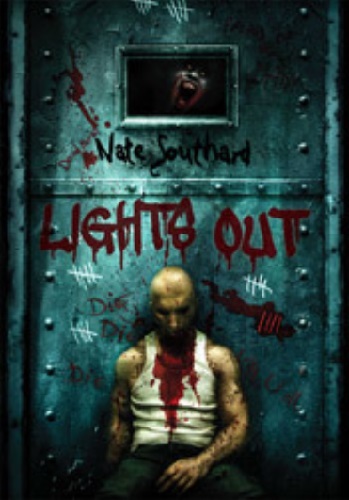
- Lights Out
Nate Southardstandalone novel2012
similar bycontemporaryhorrordarkdark fantasytenseour worldnorth america
● "Burnham State Maximum Security Penitentiary holds the worst criminals humanity has to offer. Murderers, rapists, and others who have preyed upon humanity populate the prison, creating a food chain of violence and fear. But something new has come to Burnham, something ancient and powerful. It is deadly and merciless, a force of pure evil. And it is hungry. Now, those who call Burnham home must band together if they hope to survive. After years of being called monsters, they will face something much worse, and they will know how it feels to be prey." ― quoted from this book's Amazon product page as of 2025-02-22.
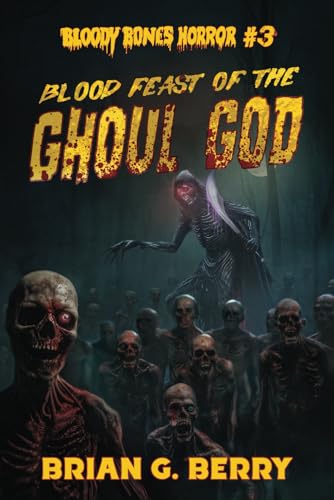
- Blood Feast of the Ghoul God
Brian G. Berrystandalone novel2024
similar byundeadcontemporaryhorrordarkdark fantasytensenorth america
● "Encased in stone, the Ghoul God awaits resurrection from its servitors' hands. During a raid on a seemingly innocent abbey, a mercenary team acquires the 'Relic'. Unknown to the team sent to retrieve this object of antiquity, it possesses a latent power of domination over weak and vulnerable minds. Now, on their way back to the US, an event onboard the plane sends it plunging into the backwater swamps of Brackenville, a pinpoint, no-nothing town on the map. As the days pass, bodies are turning up in appalling numbers for the small town." ― paraphrased from this book's product page on Amazon.com as of 2024-09-24.
- Three Quarters Dead
Richard Peckstandalone novel2010
similar byundeadcontemporaryhorrordarktensenorth america+1 more
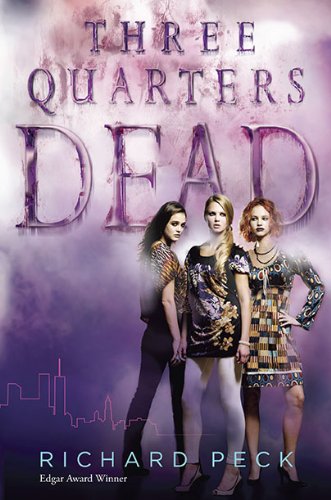
Sophomore loner Kerry is overjoyed when three popular senior girls pick her to be in their clique until the seniors die in a car crash, return from the dead, and insist that Kerry help them exact revenge on a disloyal classmate.
- The Loveliest Dead
Ray Gartonstandalone novel2006
similar byundeadcontemporaryhorrordarktensenorth america
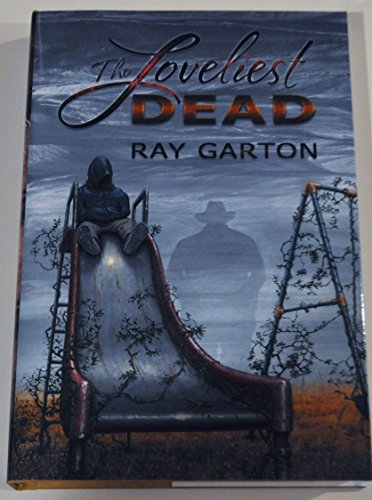
The Kellar family finds their illusions of starting over shattered when they discover that their new home harbors an unimaginable evil as the dead, determined to destroy the living, come to life.
- The Lost
Jonathan Aycliffestandalone novel1996
similar byundeadcontemporaryhorrordarkdark fantasy
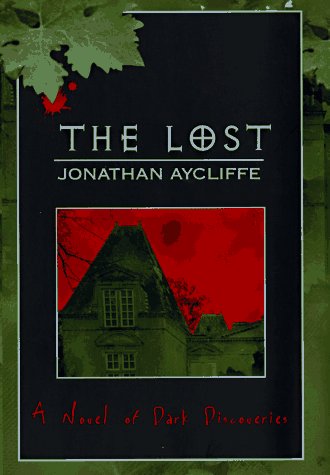
From the dust jacket flaps of the US HarperPrism first edition: "It all started when the gypsy fortune-teller looked him in the eye - and ran away screaming. Michael was a teacher at a prep school in Cambridge. Barely thirty, he felt immensely old. He was tired of his life, tired of his job, tired of dreary England. An though he didn't know it yet - tired of Sophie and her safe undemanding love. So Michael took a sabbatical and went to Romania, hoping to claim the property his grandparents had abandoned after World War II. He found he was a titled lord, and more - the owner of an ancient stronghold in the Transylvanian Alps, Castel Vlaicu. Thus, Michael Feraru became Count Mihai Vlahuta. It was all a lark; or at most, an adventure. Until the gypsy recognized him - or something about him - in the streets of Bucharest. Until he picked up the doll. And of course, the girl - the unexpected, unexplainable, irresistible dark-eyed girl. At Castel Vlaicu, Michael was to learn of an evil older than time, an evil that reached back to the very origins of his shattered family - and into his own dark future. He was to learn the secret of the strigoï. The undead. Not vampires. Something far, far worse. And far more seductive... The Lost is a novel of dark discoveries, of a man who loses his soul, and more, in the search for his secret destiny. It is a story of passion and horror, and of the doomed love that links the two."
- Soulless
Christopher Goldenstandalone novel2008
similar byundeadcontemporaryhorrordarktensenorth america
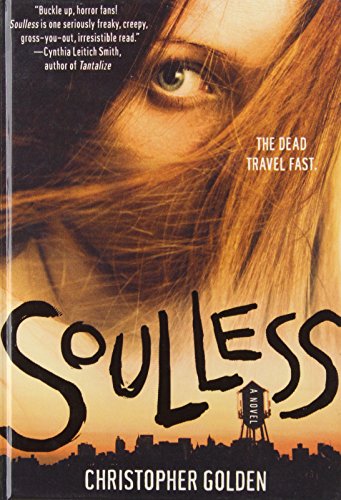
The attempt of three powerful mediums to open up communication between the living and the dead has disastrous consequences when every corpse within a three-hundred-mile radius of New York City is animated and begins to prey on the living.
- The Shining
series5 books1977
similar byhorrorcontemporarydarktensenorth america
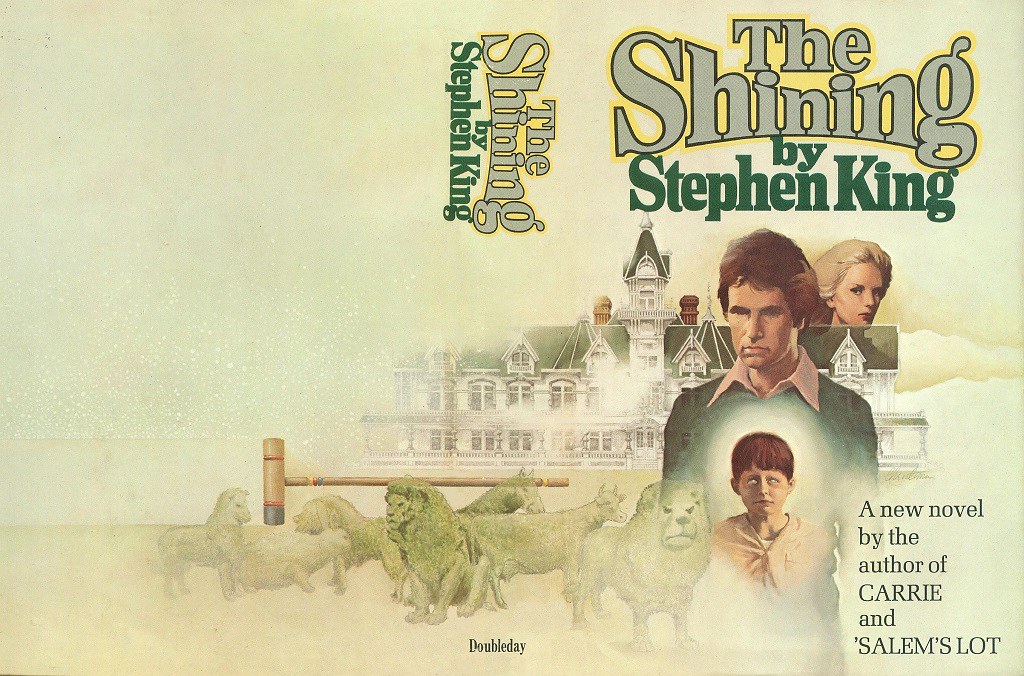
Stephen King's 1977 novel The Shining follows the Torrance family as winter caretakers of the isolated, malevolent Overlook Hotel, where father Jack is gradually consumed by the hotel's influence while his young son Danny's psychic "shining" draws its attention. Doctor Sleep (2013) picks up the story decades later, following Danny as an adult still marked by that childhood ordeal. Together the two form a horror duology spanning nearly forty years of real-world publication.
- Horns
Joe Hillstandalone novel2010
similar bycontemporarydarkdark fantasyhorrorour worldnorth america
WorldCat: After his childhood sweetheart is brutally killed and suspicion falls on him, Ig Parrish goes on a drinking binge and wakes up with horns on his head, hate in his heart, and an incredible new power which he uses in the name of vengeance.
- Carrie
Stephen Kingstandalone novel1974
similar bycontemporaryhorrortensedarknorth america
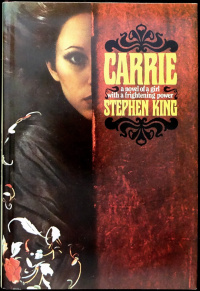
In one way or another, everybody abused Carrie. This sixteen-year-old misfit was forbidden everything that was young and fun by her fanatical mother. She was teased and taunted by her classmates, misunderstood by her teachers, and given up as hopeless by almost everyone. But Carrie had a secret: She possessed terrifying telekinetic powers that could make inanimate objects move, a lighted candle fall, or a door lock. Carrie could make all kinds of startling bizarre, and malevolent things happen. (WorldCat)
- The Night Boat
Robert R. McCammonstandalone novel1980
similar byundeadcontemporaryhorrordarktense
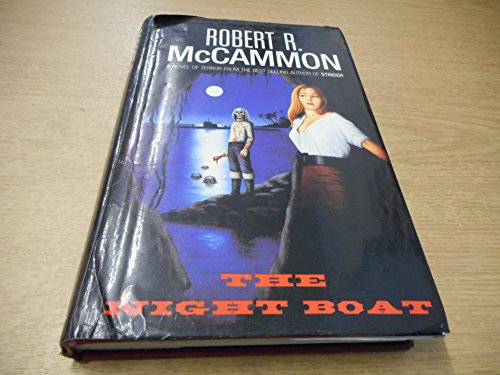
WorldCat: The story begins with a vividly written prologue in which a German U-boat--sometimes known as an "Iron Coffin"--Attacks an unsuspecting merchant vessel, and is itself attacked by a pair of Allied sub chasers. The action then shifts to the present day and to the idyllic Caribbean island of Coquina, where life is about to change in unimaginable ways. David Moore, a young man with a tragic and haunted past, is skin-diving in the waters off Coquina, searching for the salvageable remnants of shipwrecks. He accidentally detonates a long-unexploded depth charge, uncovering and releasing a submarine that has lain beneath those waters, virtually intact, for decades. The battered vessel that rises to the surface contains a bizarre and terrifying cargo that will transform a once peaceful island into a landscape of unrelenting nightmare. The Night Boat is a story of cannibalism, ancient voodoo curses, and shambling, undead entities filled with a bottomless rage and an equally bottomless hunger. But it is also the story of a past that refuses to die, that lies in wait just beneath the surface of the unsuspecting present.
- The Cold One
Christopher Pikestandalone novel1995
similar bycontemporaryhorrordarkdark fantasytenseour worldnorth america
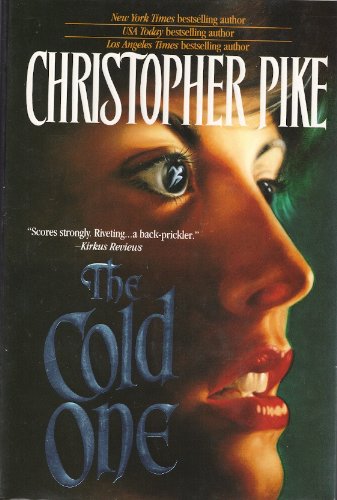
Existing only to destroy humankind, a demonic force, disguised as a beautiful woman, ravages the lives of several people, including former street gang member Jerry Washington and journalist Peter James.
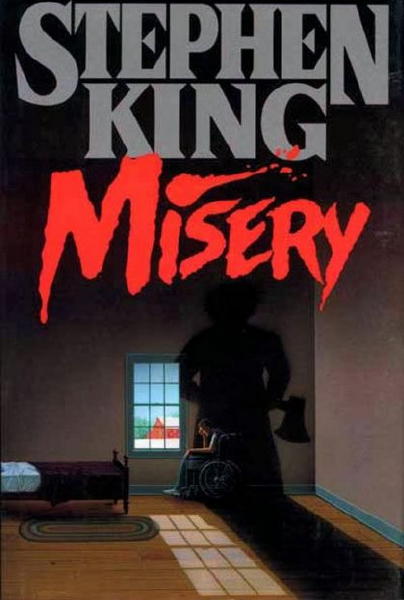
- Misery
Stephen Kingstandalone novel1987
similar bycontemporaryhorrordarktensenorth america+1 more
Novelist Paul Sheldon finishes the manuscript that will finally kill off Misery Chastain, the heroine who made his career, when a snowstorm sends his car off a Colorado road. He wakes with both legs shattered, in the care of Annie Wilkes, a former nurse and 'number one fan' with no intention of taking him to a hospital. Annie manages his pain with drugs he comes to depend on, and her moods swing between doting and violent. When she learns Misery doesn't survive his new manuscript, her reaction makes clear Paul isn't just her patient, he's her hostage. A Stephen King novel about a writer at his most devoted fan's mercy.
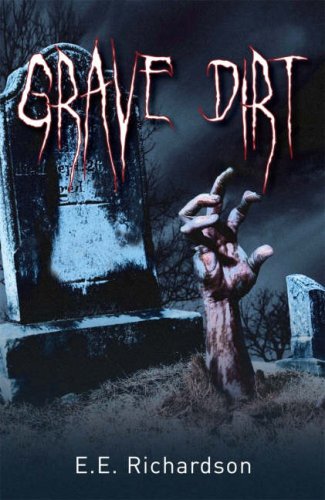
- Grave Dirt
E. E. Richardsonstandalone novel2008
similar byundeadcontemporaryhorrordarkdark fantasytenseour world
When Darren's best friend Luke dies, he raises him from the dead, and an evil worse than death begins to stalk him.
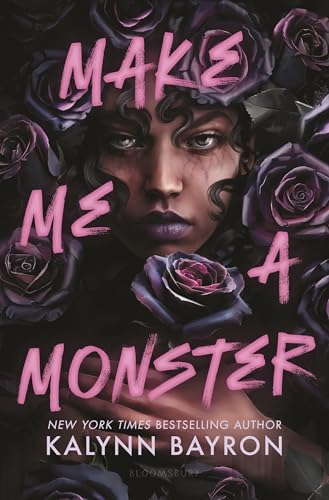
- Make Me a Monster
Kalynn Bayronstandalone novel2025
similar byundeadcontemporaryhorrordarkour world
Meka is used to death. After all, it's the family business. As a newly certified mortician's assistant at her parents' funeral home, her days are not for the faint of heart. Luckily her boyfriend Noah isn't squeamish, and Meka is finally feeling ready to say the three little words that will change everything. But then tragedy strikes, and Meka's world is torn apart. Nothing makes sense, especially the strange things start happening. Ravens are circling her home. Strangers are following her. Someone is leaving mysterious items at her door. And worst of all . . . The dead don't seem to be staying dead. Meka thought she understood death better than anyone. Turns out, the family business is a bit more complicated than it seems. And Meka isn't the only one desperate to unearth their secrets . . . because the truth may be worth dying for.
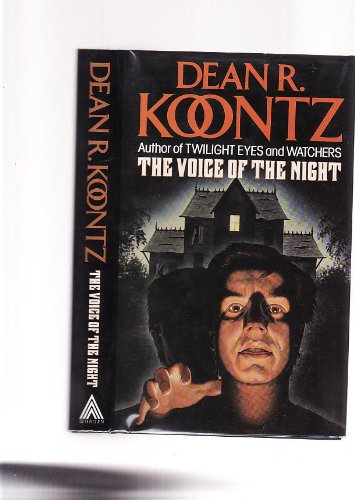
- The Voice of the Night
Dean R. Koontzstandalone novel1980
similar bycontemporaryhorrordarktenseour worldnorth america
WorldCat: No one could understand why Colin and Roy were best friends. Colin was so shy; Roy was so popular. Colin was nervous around girls; Roy was a ladies' man. Colin was fascinated by Roy--and Roy was fascinated with death. Then one day Roy asked his timid friend, "You ever killed anything?" And from that moment on, the two were bound together in a game too terrifying to imagine...and too irresistible to stop.