More like Midsummer
anchored on:horrorour world
but
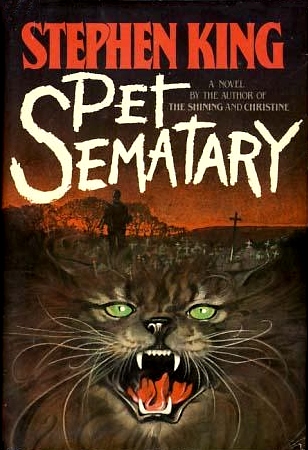
- Pet Sematary
Stephen Kingstandalone novel1983
similar bycurseshorroreeriecontemporary
Pet Sematary is a 1983 horror novel by American writer Stephen King. It tells the story of a family moving to Maine and settling closer to a pet cemetery in the woods, which is home to a terrifying force that brings death and sorrow. The novel was nominated for a World Fantasy Award for Best Novel in 1984, and adapted into two films: one in 1989 and another in 2019 as well as several spinoffs.
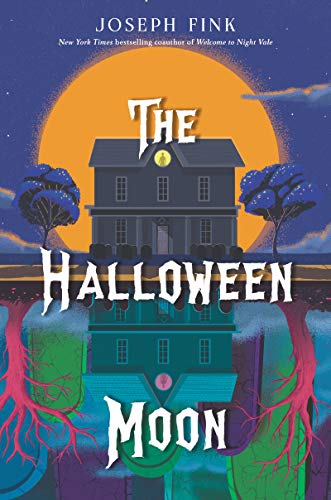
- The Halloween Moon
Joseph Finkstandalone novel2021
similar bycurseshorroreerieour worldcontemporary
Esther Gold loves Halloween more than anything in the world. So she is determined to go trick-or-treating again this year despite the fact that her parents think she is officially too old. Esther has it all planned out, from her costume to her candy-collecting strategy. But when the night rolls around, something feels... off. No one is answering their door. The moon is an unnatural shade of orange. Strange children wander the streets, wearing creepy costumes that might not be costumes at all. And it seems like the only people besides Esther who are awake to see it all are her best friend, her school bully, and her grown-up next-door neighbor. Together, this unlikely crew must find a way to lift the curse that has been placed upon their small town before it’s too late. Because someone is out to make sure Halloween never comes to an end. And even Esther doesn’t want to be trapped in this night forever.
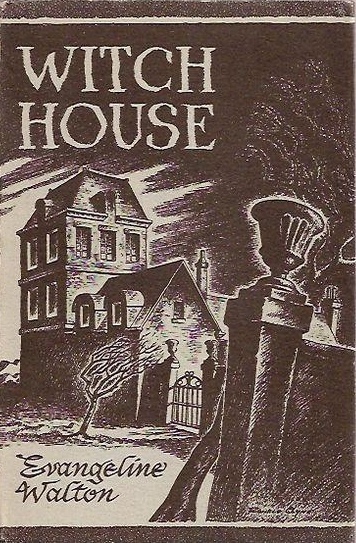
- Witch House
Evangeline Waltonstandalone novel1945
similar bycurseseeriehorrorour worldcontemporary
Witch House is a fantasy novel by American writer Evangeline Walton. It was published in 1945 by Arkham House in an edition of 3,000 copies. It was the first full-length novel to be published by Arkham House and was listed as the initial book in the Library of Arkham House Novels of Fantasy and Terror. An expanded version, with a newly written 20,000-word prologue, was published in England in 1950. In 2013, Centipede Press issued the first American edition of this revised version, also including previously unpublished writings by Walton and several of her short stories.
- The House That Jack Built
Graham Mastertonstandalone novel1996
similar byhorroreerieour worldcontemporary+1 more
When he and his wife stumble across a derelict house, "Valhalla", Craig Bellman becomes fascinated by it, even to the extent of trying to buy it, regardless of local tales which say the house is dogged by tragedy. As Craig becomes more obsessed day by day, injury and death return to "Valhalla"
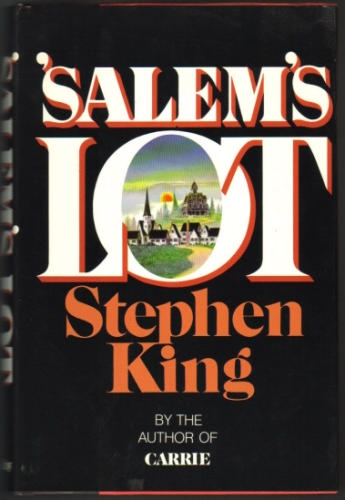
- Jerusalem's Lot
series3 books1975
similar byhorroreeriecontemporaryour world
Stephen King's 1975 novel 'Salem's Lot follows writer Ben Mears as he returns to his childhood town of Jerusalem's Lot, Maine, only to discover that its residents are being turned into vampires by a newly arrived stranger. It transplants Gothic vampire horror into a small New England community, tracking that community's collapse under a supernatural siege. It is a single, self-contained novel.
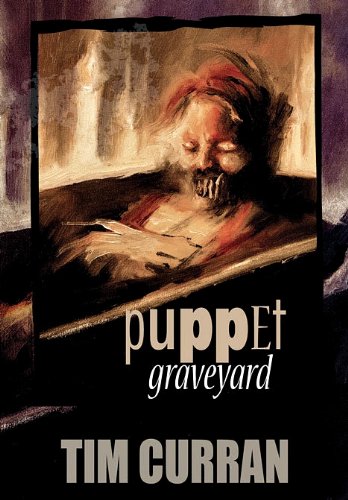
- Puppet Graveyard
Tim Curranstandalone novel2012
similar byhorroreerieour worldcontemporary+1 more
"Five months after her sister Gloria disappeared, Kitty Seevers receives a lock of Gloria's hair in the mail. No return address. Just a cryptic message that brings Kitty to the Bamboo Lounge and into the twisted realm of ventriloquist Ronny McBane and his dummy, Piggy. Kitty descends into a haunted place where reality is frayed, where the puppetmaster and puppet seem to have reversed roles--a nightmare place where a dummy moves and speaks when his master is nowhere near him. Kitty suspects not only is there something wrong with McBane and his dummy, but a greater evil is at work as those named by the dummy are dying horrible deaths. And now she has been named by the same soul-eater that destroyed her sister." -- quoted from Amazon.com's product page for this book on 2017-06-17
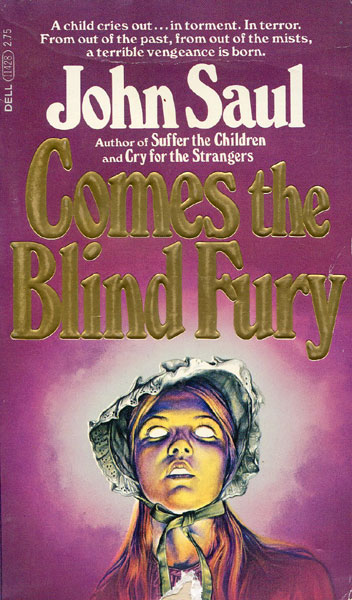
- Comes the Blind Fury
John Saulstandalone novel1980
similar bycurseshorroreeriecontemporary
WorldCat: When Michelle comes to visit on Paradise Point, she sees the hand of a blind girl who died a century ago, reaching out to her from the swirling mists.
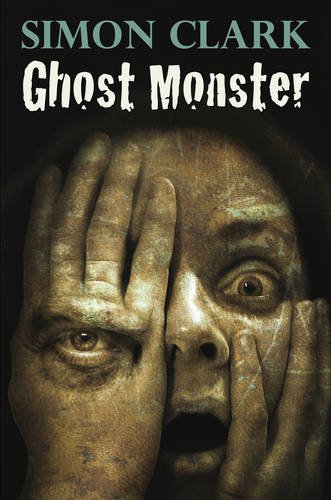
- Ghost Monster
Simon Clarkstandalone novel2009
similar bycurseshorroreerieour worldcontemporary
The local children call it "ghost monster," a disturbing mosaic on a mausoleum wall in the old cemetery. For centuries the grim portrait has imprisoned the spirits of the notorious Justice Murrain and his vicious gang of misfits. But now somone has taken the portrait, and the spirits of the sadists are free to enjoy the darkest of pleasures.
- The Fifty Year Sword
Mark Z. Danielewskistandalone novel2012
similar bycurseshorroreerieour worldcontemporary
The Fifty Year Sword is a novella by Mark Z. Danielewski. Danielewski created the book with the Dutch artist Peter van Sambeek. The recto pages of the book are empty except for page numbers and van Sambeek's art. The Dutch publishing house De Bezige Bij published 1000 first editions on October 31, 2005, and 1000 second editions on October 31, 2006.
- The Montague Portrait
Matt Drabblestandalone novel2014
similar bycurseshorroreerieour worldcontemporary
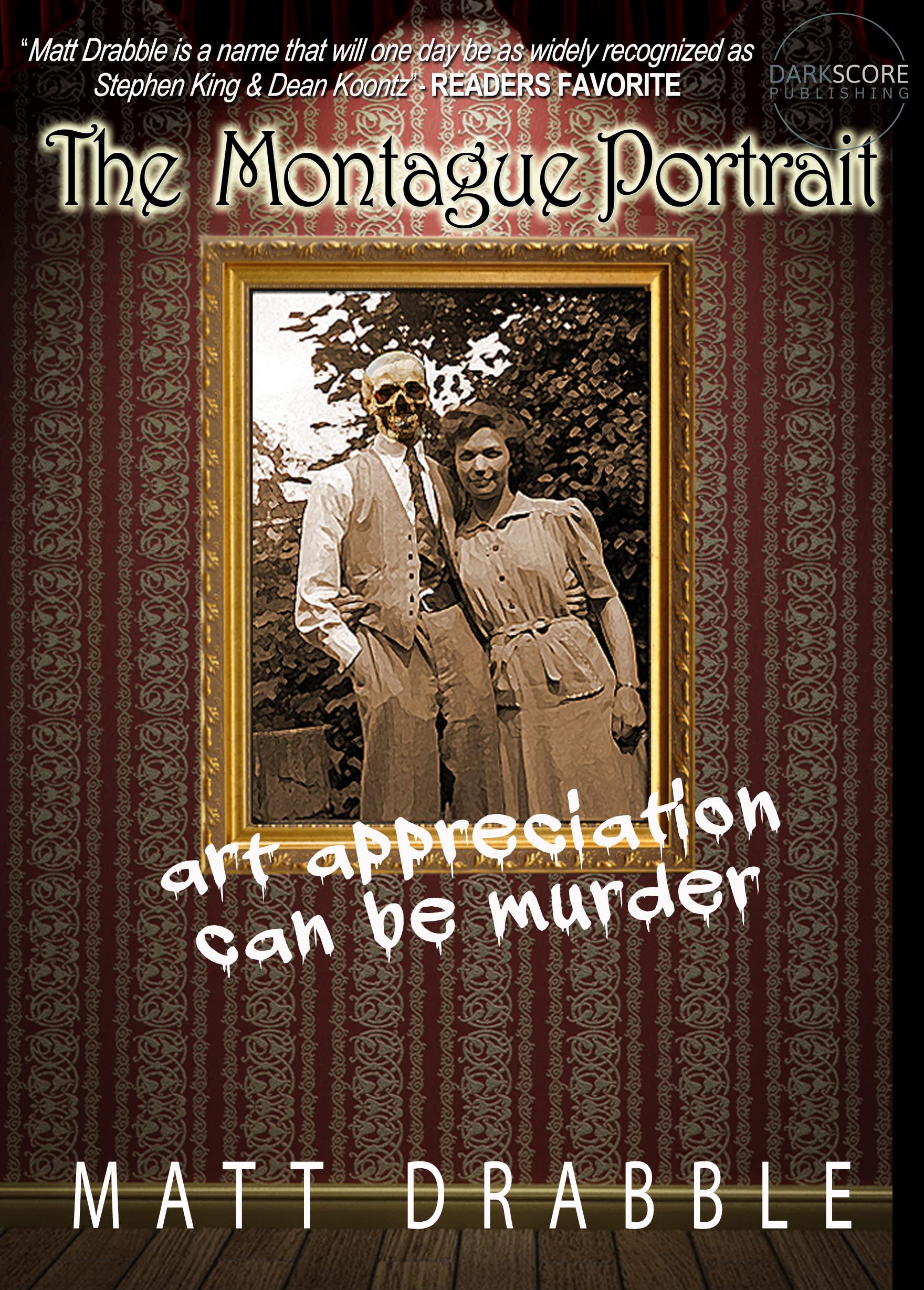
● "Hugo Montague was a man of boundless cruelty and evil. His evil has survived beyond his mortal days and the portrait that he commissioned has hung on many walls, but has always overseen tragedy and murder. While the painting was long thought destroyed in a fire, it may have survived, and now it's up to a broken-down insurance investigator to track it down." ― paraphrased from this book's product page on Amazon.com as of 2024-06-06.
- Midnight Sun
Ramsey Campbellstandalone novel1990
similar bycurseshorroreeriecontemporary
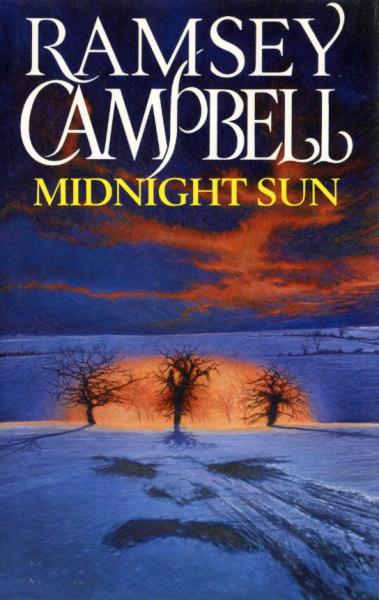
Las viejas leyendas de los pueblos de las llanuras árticas refieren la necesidad de evitar que desaparezca el sol de medianoche, esa pálida luz que mantiene dormidos al os espíritus maléficos del frío. Un frío que en esos parajes sombríos es implacable, letal, en el que se ocultan misterios insondables. Ben, biznieto del folclorista Edward Sterling, empezó a sentirse atraído por el misterio del niño. Y la fascinación se reavivó cuando, de adulto, decidió irse a vivir con su familia al mismo caserón en que había pasado su infancia. Un lugar demasiado cercano al cementerio; demasiado cercano al bosque plantado en memoria de su bisabuelo; en el que no hay ninguna puerta que impida que responda a laimperiosa llamada que surge de la espesura, sobre todo cuando el frío se hace insoportable… Ramsey Cambell es uno de los pocos autores de novelas de terror que consiguen que las más escalofriantes pesadillas abandonen el territorio de lo soñado y asalten la vigilia del lector.
- Darkness
John Saulstandalone novel1991
similar bycurseshorroreeriecontemporary
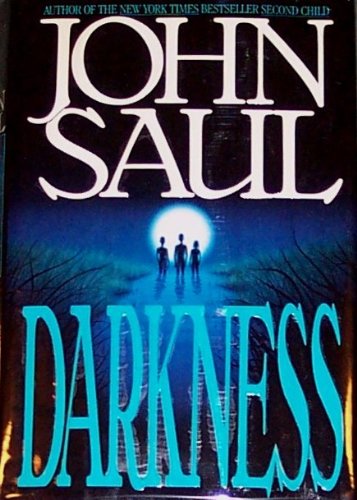
Darkness is a horror novel by John Saul published in 1991. Set in the fictional hamlet of Villejeune, Florida, a town shrouded by a dark, evil force. On the edge of an eerie swamp, the townsfolk act out gruesome rituals to appease the dark spirit that lies within the watery fortress enveloping the village. The Andersons return to the town, and soon realize they must confront this evil head on.
- The Lost
Jonathan Aycliffestandalone novel1996
similar byhorroreeriecontemporary+1 more
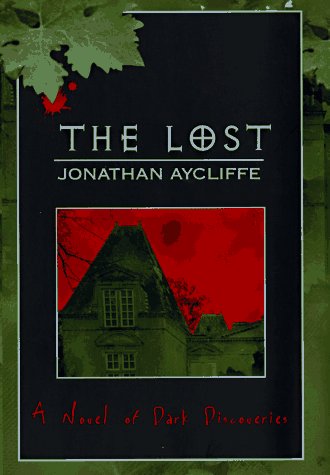
From the dust jacket flaps of the US HarperPrism first edition: "It all started when the gypsy fortune-teller looked him in the eye - and ran away screaming. Michael was a teacher at a prep school in Cambridge. Barely thirty, he felt immensely old. He was tired of his life, tired of his job, tired of dreary England. An though he didn't know it yet - tired of Sophie and her safe undemanding love. So Michael took a sabbatical and went to Romania, hoping to claim the property his grandparents had abandoned after World War II. He found he was a titled lord, and more - the owner of an ancient stronghold in the Transylvanian Alps, Castel Vlaicu. Thus, Michael Feraru became Count Mihai Vlahuta. It was all a lark; or at most, an adventure. Until the gypsy recognized him - or something about him - in the streets of Bucharest. Until he picked up the doll. And of course, the girl - the unexpected, unexplainable, irresistible dark-eyed girl. At Castel Vlaicu, Michael was to learn of an evil older than time, an evil that reached back to the very origins of his shattered family - and into his own dark future. He was to learn the secret of the strigoï. The undead. Not vampires. Something far, far worse. And far more seductive... The Lost is a novel of dark discoveries, of a man who loses his soul, and more, in the search for his secret destiny. It is a story of passion and horror, and of the doomed love that links the two."
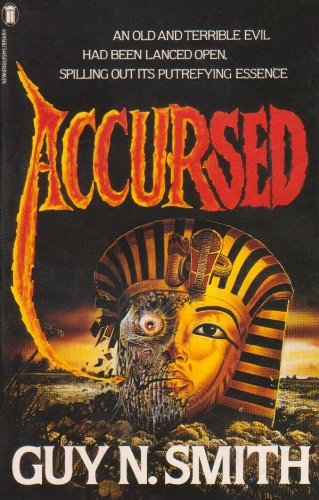
- Accursed
Guy N. Smithstandalone novel1983
similar bycurseshorroreerieour worldcontemporary
Something old and vile had been brought back from a trip to Egypt. Something that had lain in darkness for 3,000 years, feeding on the juices of it's own hatred and decay like some gigantic chrysalis of evil. Until it was disturbed, dug up and split open to allow its vengeful bile to seep out, releasing the curse of ancient Gods into the English countryside.
- Dead End House
Bryan Smithstandalone novel2023
similar bycurseshorroreerieour worldcontemporary
●"The abandoned house at the end of Millhaven Road stands on blighted and barren ground, as if nature itself shuns this tainted place. Unspeakably terrible things have happened there long ago. Murder, torture, mutilations, cannibalism, and necrophilia. Vile deeds spawning an enduring legend of horror. But the Dead End House only looks abandoned. Behind its blacked-out windows and crumbling facade, the evil endures." ― paraphrased from this book's product page on Amazon.com as of 2023-04-02.
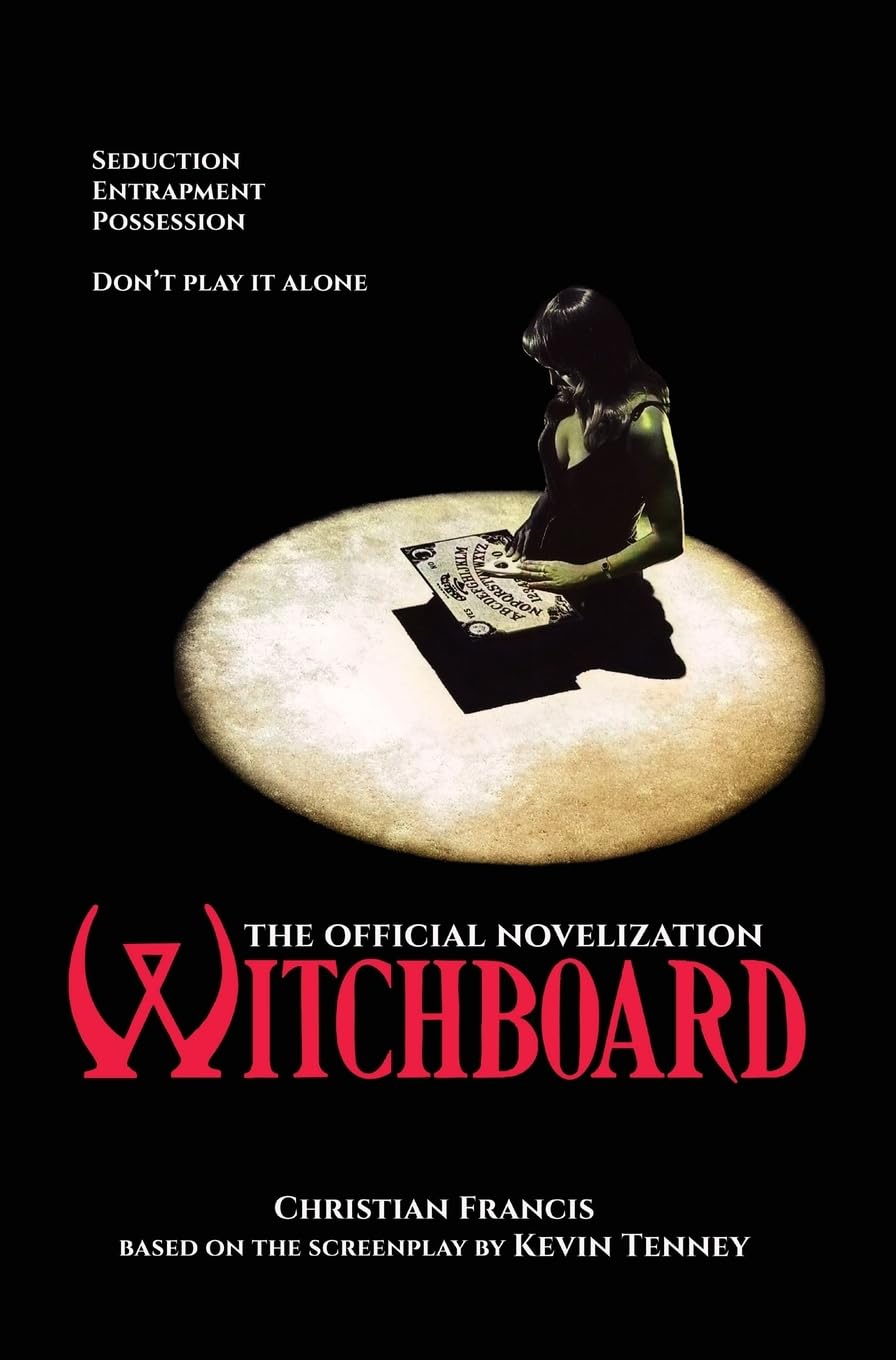
- Witchboard
Christian Francisstandalone novel2025
similar bycurseshorroreerieour worldcontemporary
From the publisher website (Echo On): "When Linda Brewster agrees to try a Ouija board at a party, she never imagines it will open a door to terror. But what starts as a harmless game quickly becomes a living nightmare as the spirit she contacts seems friendly—at first. Soon, unexplained accidents, terrifying visions, and sinister forces invade her life. As her boyfriend Jim and his estranged friend Brandon are drawn into the mystery, they realize the spirit's intentions are far from benign. Together, they must unravel the secrets behind the board before Linda—and everyone she loves—falls victim to an evil beyond imagining."
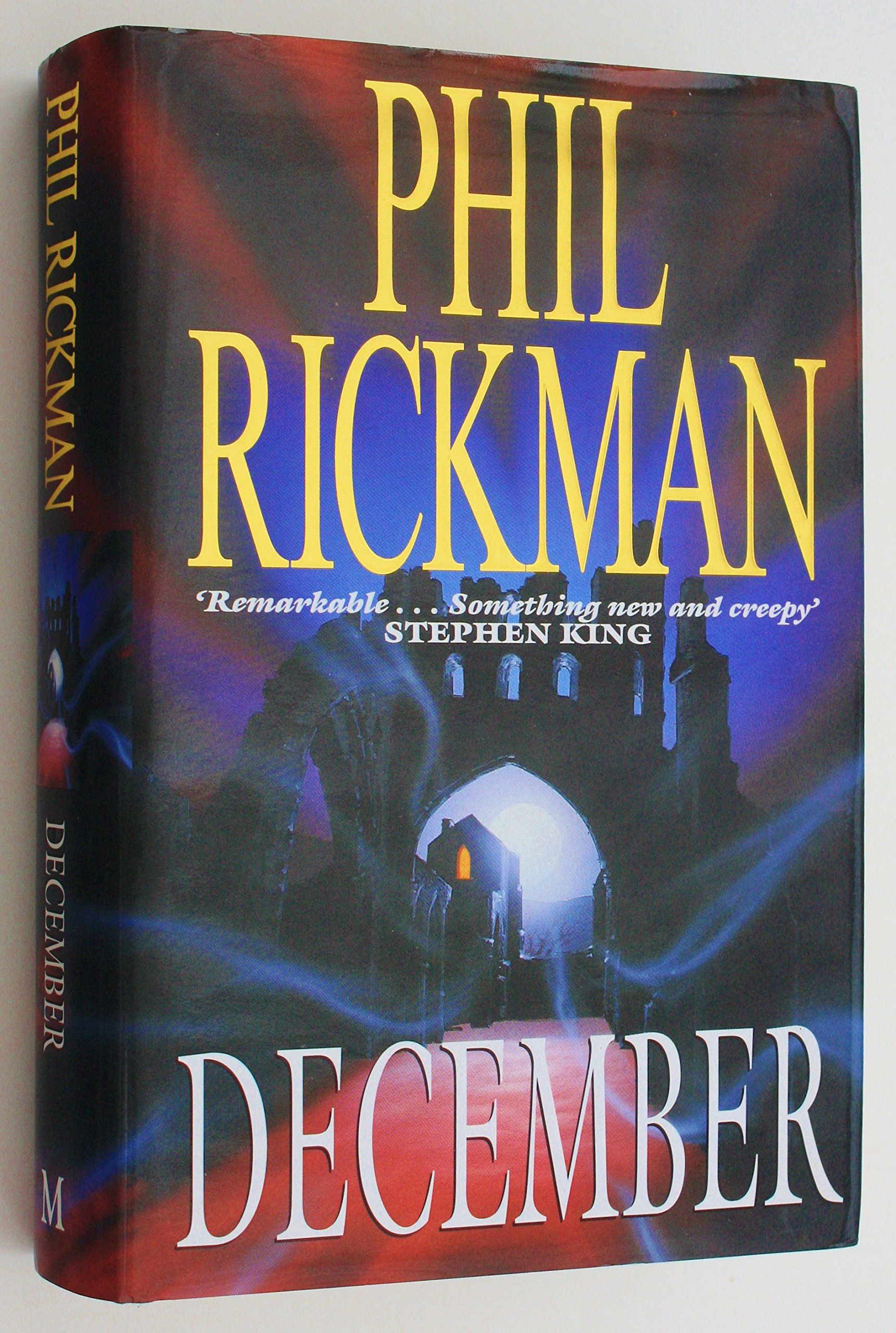
- December
Phil Rickmanstandalone novel1994
similar bycurseshorroreerieour world
In the twelfth-century ruins of the Abbey, it is said every stone was cemented in blood. On December 8, 1980, that blood will run again... The Abbey's tower house is now a recording studio, and a hot young band called The Philosopher's Stone has gathered to tap into the site's dark history. But no one could predict the powerful forces that rise the night of December 8. The explosive tragedy. The horrifying death. And in the aftermath of that fateful session, the members of the band agree to destroy their tapes... and never meet again. But thirteen years later, the Abbey tapes—known as The Black Album—resurface. And the scattered members of The Philosopher's Stone know that it's time for a reunion. Time to return to that dark December night—for one last performance...
- The Thief of Always
Clive Barkerstandalone novel1992
similar byeerie+3 more
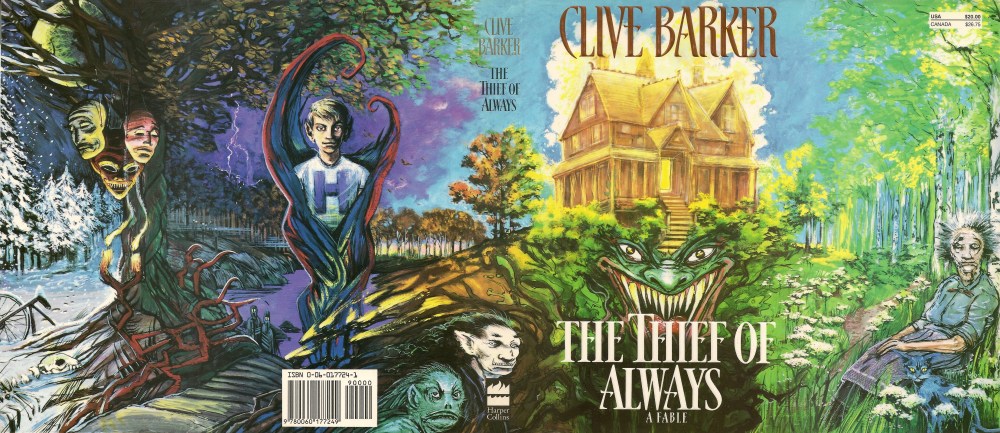
Ten-year-old Harvey Swick is bored out of his mind when a stranger named Rictus offers him a way out: Holiday House, a place where every season of the year -- Christmas, Halloween, summer -- arrives in a single glorious day, one after another. Once inside, Harvey meets fellow children Wendell and Lulu, the elderly caretaker Mrs. Griffin and her cats, and settles into a routine of enchantment that starts to feel too perfect. Their host, the mysterious Mr. Hood, never appears, rumors about a figure called Carna keep surfacing, and something in the nearby lake is very wrong. One of Clive Barker's best-known standalone books, written for younger readers.
- The Bog Wife
Kay Chronisterstandalone novel2024
similar bycurseshorroreeriecontemporary
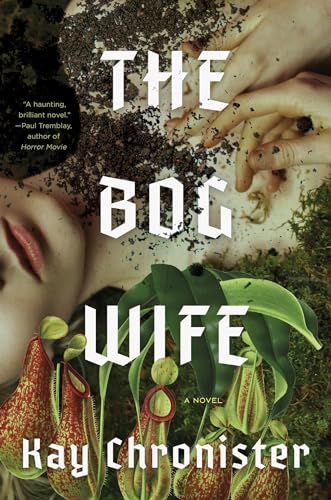
The Bog Wife is a 2024 horror novel by Kay Chronister that incorporates elements of Southern Gothic literature. It tells the story of the Haddesley family, in which family members sacrifice their family patriarch to a bog in order receive a wife in return. The story has received praise for its exploration of patriarchal family dynamics and traditions.
- The Man in the Picture
Susan Hillstandalone novel2007
similar bycurseshorroreeriecontemporary
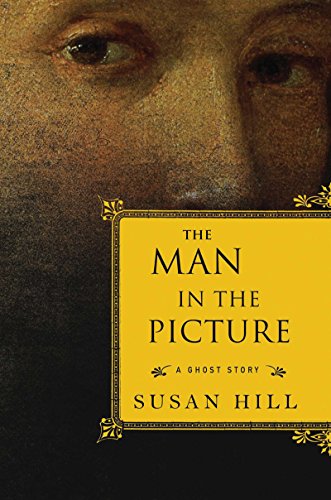
The Man in the Picture: A Ghost Story, is a novel by English author Susan Hill, first published in 2007 by Profile Books. It has been featured as BBC Radio 4's Book at Bedtime.
- Thirteen Days by Sunset Beach
Ramsey Campbellstandalone novel2015
similar byhorroreeriecontemporary+1 more
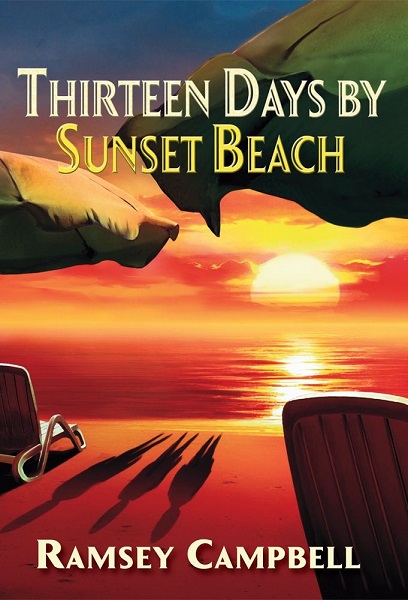
It's Ray's and Sandra's first family holiday in Greece, on the newly developed island of Vasilema. The family weren't to know that the skies are cloudier above the island than anywhere else in Greece, and they're mostly intrigued by the local eccentricities and customs—the lack of mirrors, the outsize beach umbrellas, the saint's day celebrated with an odd nocturnal ritual. Only why are there islanders who seem to follow the family wherever they go? Why do Sandra and the teenage grandchildren have strangely similar dreams? "I was in this huge place with no light and I didn't want to see. Something sounded... huge." And has Sandra been granted a wish she didn't even know she made? Before their holiday is over, some of the family may learn more than they can bear about the secret that keeps the island alive...
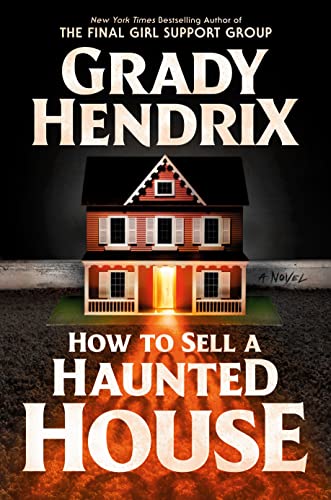
- How to Sell a Haunted House
Grady Hendrixstandalone novel2023
similar byhorrorour worldcontemporary+1 more
How to Sell a Haunted House is a 2023 horror novel by American author Grady Hendrix. The book was first published on January 17, 2023.
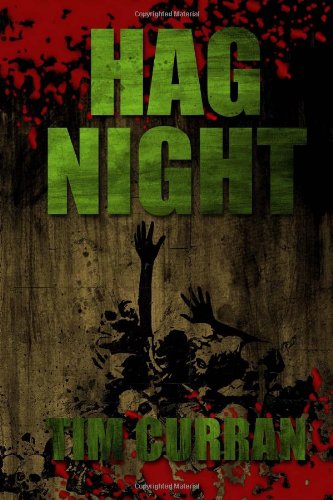
- Hag Night
Tim Curranstandalone novel2013
similar byhorroreerieour worldcontemporary+1 more
“Nearly 200 years ago they turned Cobton into a graveyard. They rose from the darkness and drained it dry, feeding off its citizens, one by one by one, their terrible thirst sparing no one. The village was shunned as cursed ground, its tall, narrow houses fell to decay. The Resurrection. Now the haunted ruins of Cobton have been rebuilt as a tourist trap. A TV crew descends on it one cold winter night and is trapped there by a howling blizzard that shuts them off from the world. And in the subterranean, charnel darkness below…the evil is reawakening, ancient hungers renewed. The Colony is rising. Their thirst is unspeakable. And for the TV crew, it's Hell on Earth.” — quoted from both the back cover of the Severed Press edition and this book's product page as of 2013-07-02.