More like Mindkiller
anchored on:science fictionaddictionnorth americalate 20th centurycyberpunksurveillance+2 more
but
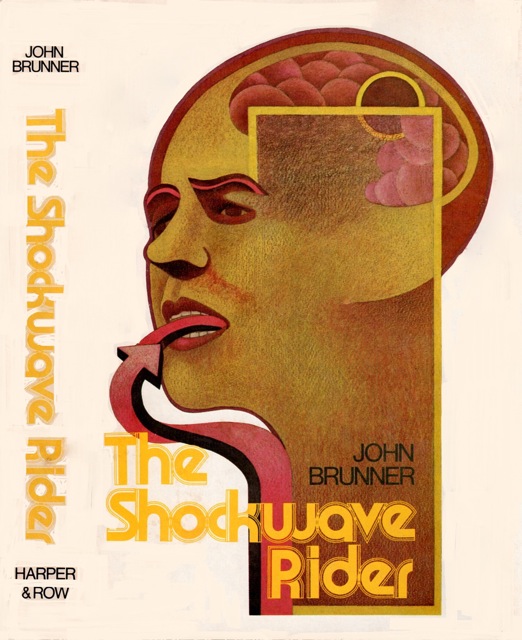
- The Shockwave Rider
John Brunnerstandalone novel1975
similar bynorth americascience fictiondarktensesurveillancecyberpunktotalitarianism
The Shockwave Rider is a science fiction novel by John Brunner, originally published in 1975. It is notable for its hero's use of computer hacking skills to escape pursuit in a dystopian future, and for the coining of the word "worm" to describe a program that propagates itself through a computer network. It also introduces the concept of a Delphi pool, perhaps derived from the RAND Corporation's Delphi method – a prediction market on world events which bears close resemblance to DARPA's controversial and cancelled Policy Analysis Market.
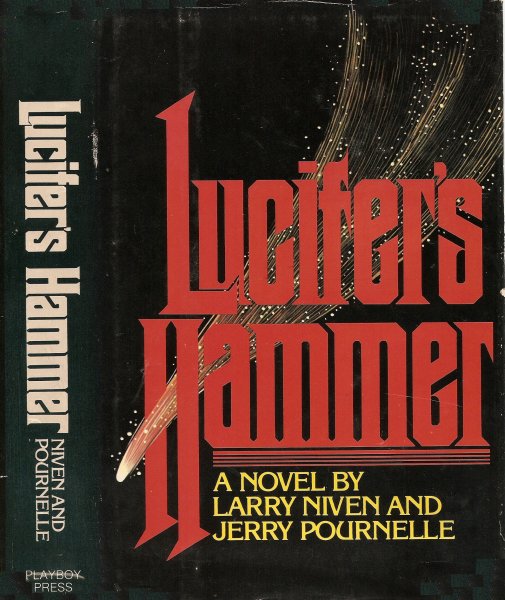
- Lucifer's Hammer
Larry Niven & Jerry Pournellestandalone novel1977
similar bynorth americalate 20th centuryscience fictiondarktense
Lucifer's Hammer is a science fiction post-apocalypse-survival novel by American writers Larry Niven and Jerry Pournelle that was first published in 1977. It was nominated for the Hugo Award for Best Novel in 1978.
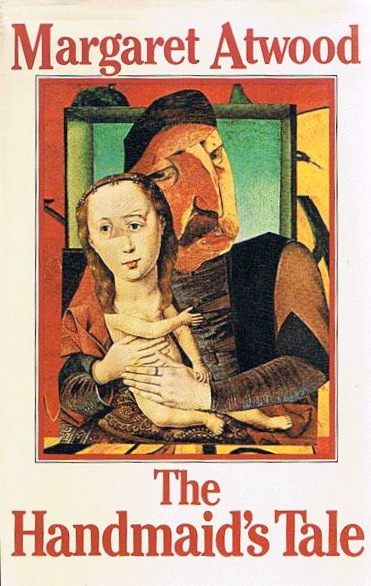
- The Handmaid's Tale
series3 books1985
similar bynorth americascience fictiondarktensetotalitarianism+1 more
The Handmaid's Tale is Margaret Atwood's 1985 novel set in Gilead, a totalitarian theocracy that has overthrown the United States and forces fertile women into reproductive servitude as Handmaids; it is narrated by one such woman, Offred. Atwood returned to the world in her 2019 sequel The Testaments, set fifteen years later and narrated by three women, including the regime's Aunt Lydia. Together the two novels move from Gilead's grip on power toward the first cracks in it.
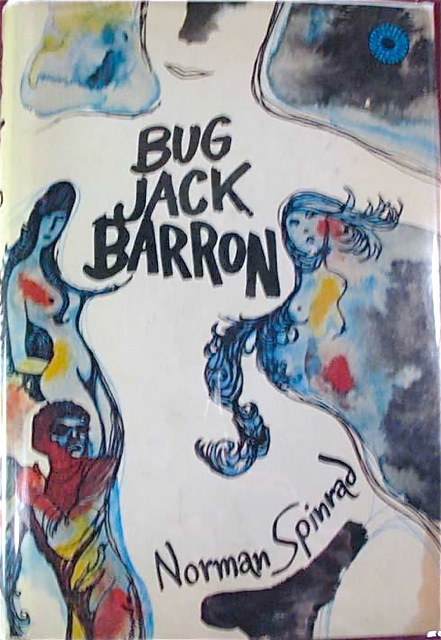
- Bug Jack Barron
Norman Spinradstandalone novel1969
similar bynorth americascience fictiontensesurveillancecyberpunk+1 more
Bug Jack Barron is a 1969 science fiction novel by American writer Norman Spinrad, first serialized in the New Worlds magazine under the editorship of Michael Moorcock. It was nominated for the 1970 Hugo Award. The novel is notable for its lyrical style and unique use of cut-up phrases. In this regard, Spinrad has cited the influence of Beat writers William S. Burroughs, Allen Ginsberg, and Jack Kerouac.
- Radio Free Albemuth
Philip K. Dickstandalone novel1986
similar bylate 20th centuryscience fictiontensenorth americasurveillancetotalitarianism
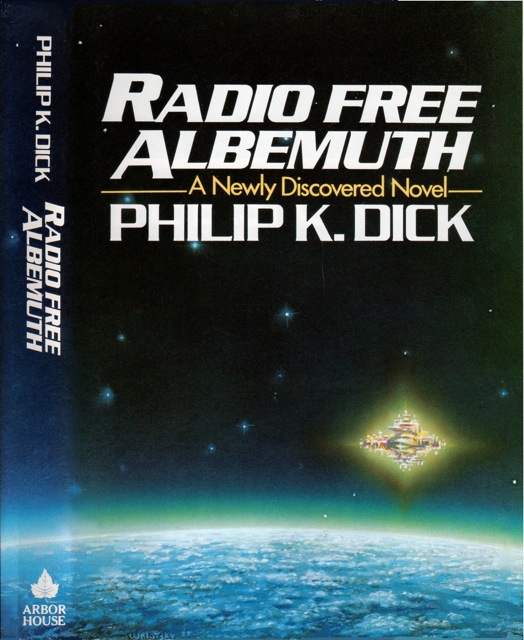
Radio Free Albemuth is a dystopian novel by Philip K. Dick, written in 1976 and published posthumously in 1985. Originally titled VALISystem A, it was his first attempt to deal in fiction with his experiences of early 1974. When his publishers at Bantam requested extensive rewrites he canned the project and reworked it into the VALIS trilogy. Arbor House acquired the rights to Radio Free Albemuth in 1985. They then published an edition under the current title, prepared from the corrected typescript given by Dick to his friend Tim Powers.
- Christine
Stephen Kingstandalone novel1983
similar bynorth americalate 20th centurydarktenseaddiction
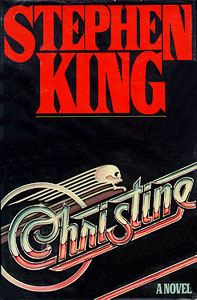
Christine is a horror novel by American writer Stephen King, published in 1983. It tells the story of a car possessed by malevolent supernatural forces.
- The Hunger Games
series3 books2008
part of The Hunger Games Universe
similar bynorth americascience fictiondarktensetotalitarianism
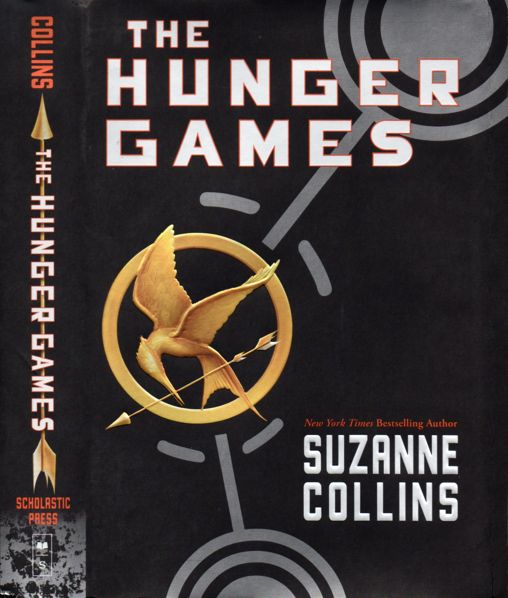
The Hunger Games is a series of young adult dystopian novels written by American author Suzanne Collins. The series consists of a trilogy that follows teenage protagonist Katniss Everdeen, as well as two prequels. The Hunger Games universe is a dystopia set in Panem, a post-apocalyptic North American country consisting of the wealthy Capitol and 12 districts in varying states of poverty. As punishment for rebellion, the Capitol hosts an annual battle royale competition called The Hunger Games. Each of the 12 districts must send two children between the ages of 12 and 18 to participate, and the last surviving child is dubbed the victor.
- Sprawl Trilogy
series10 books1981
similar byscience fictiontensedarkcyberpunk
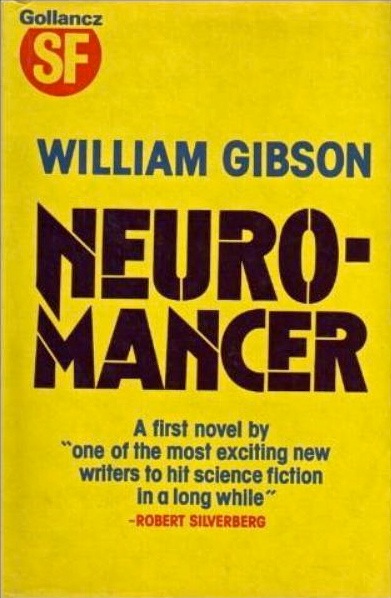
The Sprawl Trilogy is William Gibson's foundational cyberpunk sequence: Neuromancer (1984), in which hacker Case is drawn into a high-stakes heist alongside an artificial intelligence and a damaged ex-soldier, followed by Count Zero (1986) and Mona Lisa Overdrive (1988), which widen the same near-future world of corporate power and networked cyberspace to new characters. Johnny Mnemonic, an early short story set in the same fictional milieu, predates the novels and introduces the courier Molly Millions before her role in the trilogy. Together these works established much of cyberpunk's visual and thematic vocabulary.
- The Hunger Games Universe
universe5 books2008
Start hereThe Hunger Games · Start here
similar byscience fictionnorth americadarktensetotalitarianism
Panem, they call it now — a nation raised on the drowned bones of North America, a glittering Capitol ringed by twelve districts it once starved into obedience. Every year the Capitol collects its debt in children: two tributes from each district, drawn by lottery, dropped into an engineered arena, and made to kill one another on live television while the whole country is required to watch. This is the Hunger Games — entertainment, punishment, and government at once. Suzanne Collins tells it in a compact, unified body of work. The founding trilogy — The Hunger Games, Catching Fire, and Mockingjay — follows Katniss Everdeen, a girl from the coal-mining District 12 who volunteers in her sister's place and becomes something the Capitol never scripted. Two prequels reach back into the same machinery: The Ballad of Songbirds and Snakes traces a young Coriolanus Snow long before he is President, and Sunrise on the Reaping returns to District 12 a generation ahead of Katniss. Begin with the trilogy, in order — it is Katniss's voice, close and present-tense, that makes Panem breathe, and the prequels land hardest once you know how her story ends. Beneath the spectacle sits one steady, uncomfortable question: who profits when we agree to look away.
- The Circle (Eggers)
series2 books2013
similar bynorth americadarktensesurveillancescience fictiontotalitarianism
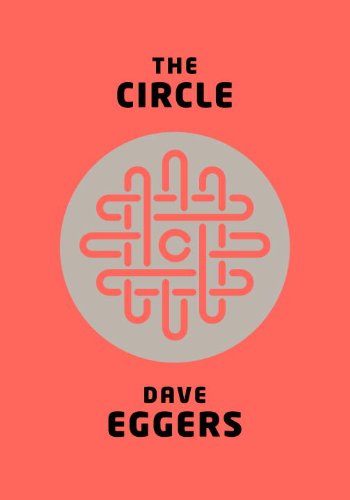
Mae Holland lands a coveted job at the Circle, a Silicon Valley tech company whose relentless, cheerful push toward total transparency -- 'secrets are lies, sharing is caring, privacy is theft' -- gradually reveals itself as something closer to soft totalitarianism. Dave Eggers's The Circle follows Mae's rise inside the company as she buys further and further into its ideology, at increasing cost to her own privacy and the people around her. The 2021 follow-up, The Every, picks up with Mae now running the merged tech giant and a new employee questioning it from the inside.
- Feed
M. T. Andersonstandalone novel2002
similar bynorth americascience fictiondarksurveillancecyberpunk
Feed (2002) is a cyberpunk, satirical, dystopian, young-adult novel by M. T. Anderson, focusing on issues such as American hegemony, corporate power, consumerism, information technology, data mining, and environmental decline, with a sometimes sardonic, sometimes somber tone. From the first-person perspective of a teenaged boy, the book takes place in a near-futuristic American culture completely dominated by advertising and corporate exploitation, corresponding to the enormous popularity of internetworking brain implants called feeds.
- Hazards of Time Travel
Joyce Carol Oatesstandalone novel2018
similar bynorth americascience fictiondarktensesurveillancetotalitarianism
Hazards of Time Travel is a 2018 dystopian, social science fiction novel by Joyce Carol Oates. It tells the story of Adriane Strohl, a 17-year-old living in a dystopian America in 2039. After her incendiary graduation speech, she is sent back to re-education in the year 1959. Oates began writing it in 2011.
- Carrion Comfort
Dan Simmonsstandalone novel1989
similar bylate 20th centurydarktensenorth americascience fiction
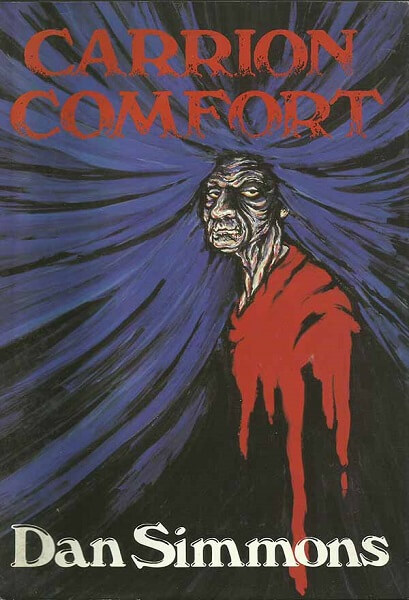
Carrion Comfort is a science fiction/horror novel by American writer Dan Simmons, published in 1989 in hardcover by Dark Harvest and in 1990 in paperback by Warner Books. It won the Bram Stoker Award, the Locus Poll Award for Best Horror Novel, and the August Derleth Award for Best Novel. It is based on a novelette of the same title, published in 1983 in the magazine Omni. The first half of the novelette makes up chapter 1 of the novel, while the second half forms chapter 3.
- Firestarter
Stephen Kingstandalone novel1980
similar bynorth americadarktensescience fiction+1 more
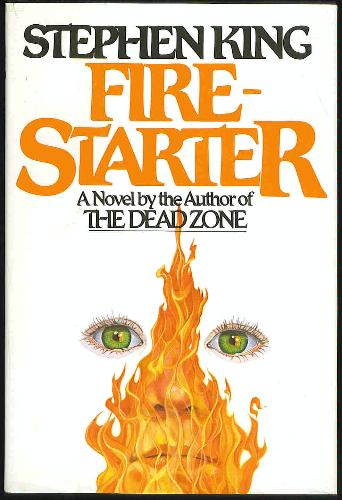
WorldCat: Innocence and beauty ignite with evil and terror... First, a man and a woman are subjects of a top-secret government experiment designed to produce extraordinary psychic powers. Then, they are married and have a child. A daughter. Early on the daughter shows signs of a wild and horrifying force growing within her. Desperately, her parents try to train her to keep that force in check, to 'act normal'. Now the government wants its brainchild back for its own insane ends.
- Hellstrom's Hive
Frank Herbertstandalone novel1973
similar bynorth americascience fictiontensesurveillancetotalitarianism
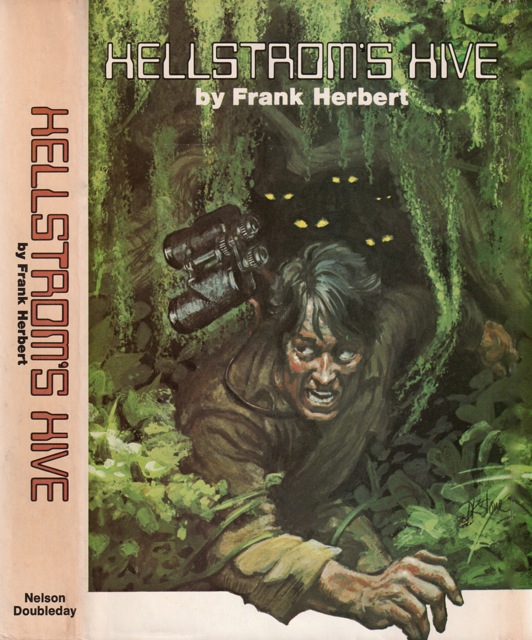
Hellstrom's Hive is a 1973 science fiction novel by Frank Herbert. It is about a secret group of humans who model their lives upon social insects and the unsettling events that unfold after they are discovered by a deep undercover agency of the U.S. government.
- City of Cain
Kate Wilhelmstandalone novel1974
similar bynorth americascience fictiondarktensesurveillancetotalitarianism
Publisher: "Peter Roos cannot help knowing the thoughts of those around him. A rare physical condition has given him that power. Now he has ''heard'' about the government's secret plan to give up control of America to the military - to build an underground city for themselves in the event of a nuclear attack. Unfortunately for Roos, the government knows he knows. And the project's sponsors - including his senator brother - have no choice."
- Rash
Pete Hautmanstandalone novel2006
similar bynorth americascience fictiondarktensesurveillancetotalitarianism
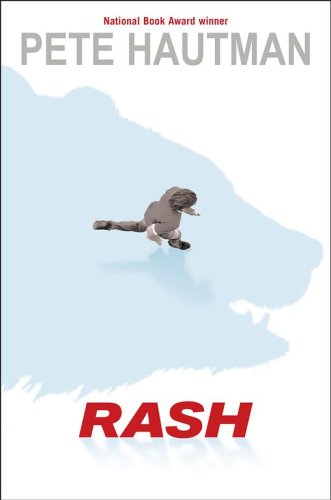
Rash is a 2006 novel written by Pete Hautman. It is set in the year 2074, in a futuristic America, that has become obsessed with safety and security. Nearly every potentially unsafe action has been criminalized, to the point that 24% of the population is incarcerated. Ironically, this large criminal population also provides the manpower that fuels the large corporations that now dominate the country.
- The Shining Girls
Lauren Beukesstandalone novel2013
similar bylate 20th centuryscience fictiondarktensenorth america
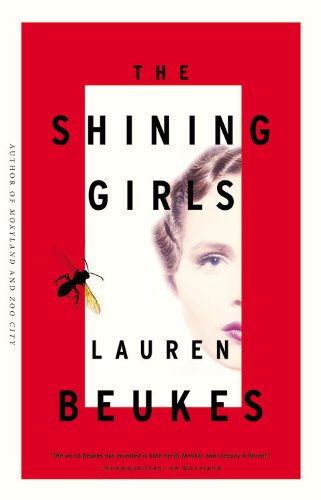
The Shining Girls is a science fiction thriller novel by South African author Lauren Beukes. The book centers on a mysterious drifter who murders the titular "shining girls" and one victim's attempts to expose him.
- Space Merchants
series2 books1953
completed
similar byscience fictiondark+4 more
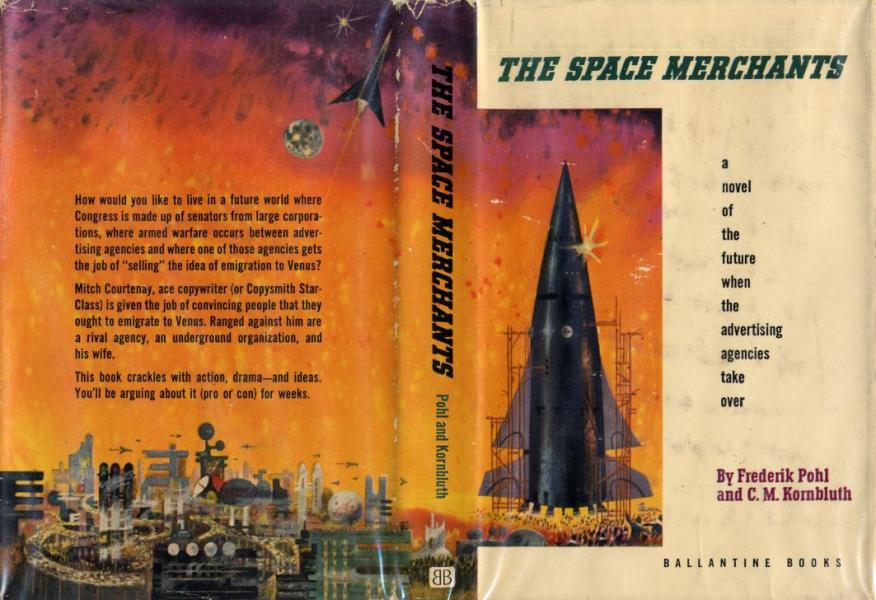
The Space Merchants (1953) is a satirical science fiction novel by Frederik Pohl and C. M. Kornbluth that follows an advertising executive navigating a future where aggressive consumer capitalism has swallowed politics and daily life. The authors reunited three decades later for a direct sequel, The Merchants' War (1984), returning to the same satirical world. Together the two books form a compact bookend pair rather than an ongoing series.
- Make Room! Make Room!
Harry Harrisonstandalone novel1966
similar byscience fictiondarktensenorth america+1 more
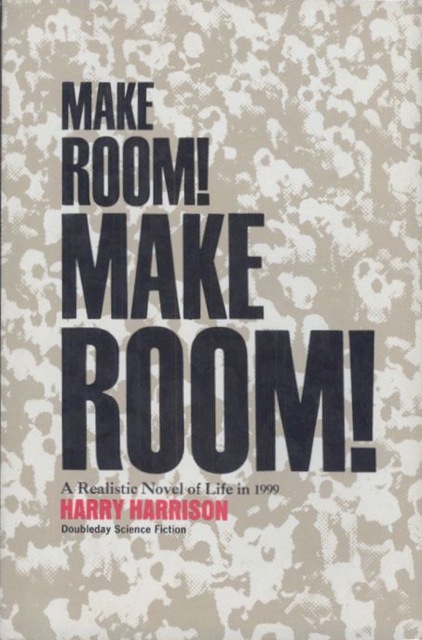
Make Room! Make Room! is a 1966 science fiction novel written by Harry Harrison exploring the consequences of both unchecked population growth on society and the hoarding of resources by a wealthy minority. It was originally serialized in Impulse magazine.
- The Shining
series5 books1977
similar bynorth americadarktenseaddiction
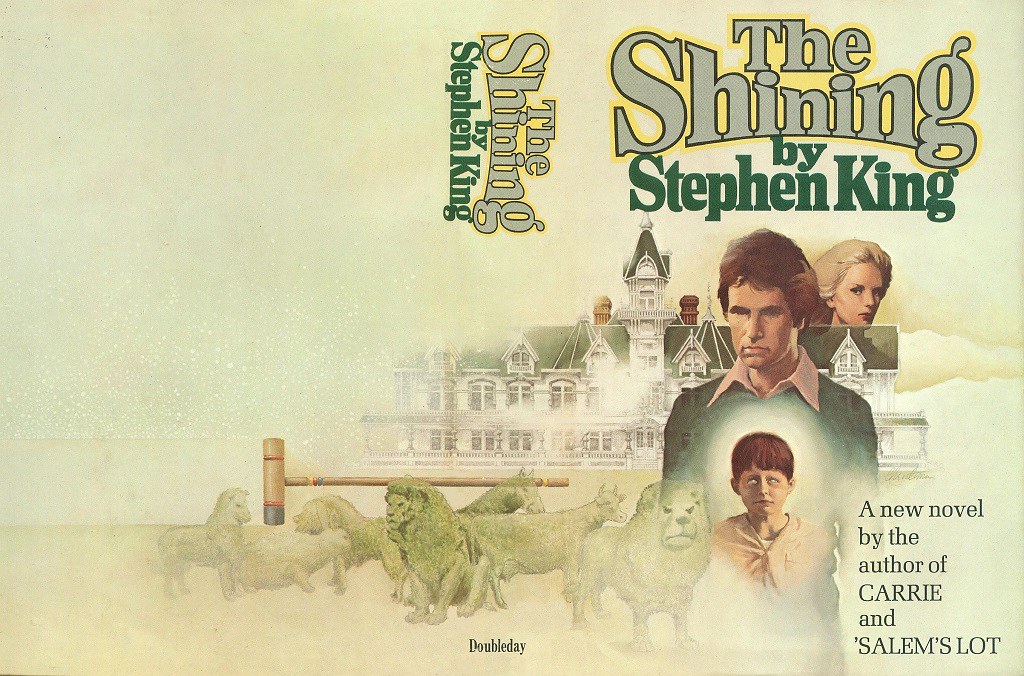
Stephen King's 1977 novel The Shining follows the Torrance family as winter caretakers of the isolated, malevolent Overlook Hotel, where father Jack is gradually consumed by the hotel's influence while his young son Danny's psychic "shining" draws its attention. Doctor Sleep (2013) picks up the story decades later, following Danny as an adult still marked by that childhood ordeal. Together the two form a horror duology spanning nearly forty years of real-world publication.
- Moxyland
Lauren Beukesstandalone novel2008
similar bydarktensesurveillancescience fictioncyberpunktotalitarianism
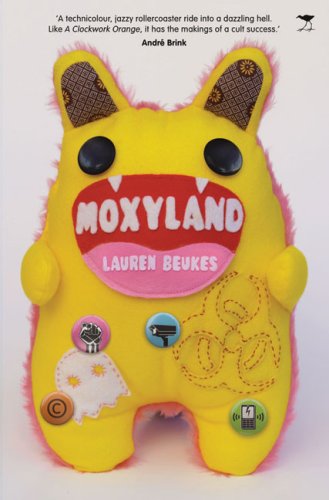
Moxyland is a cyberpunk dystopian novel written by South African author, Lauren Beukes. The book was published in 2008.
- Ghost Story
Peter Straubstandalone novel1979
similar bynorth americalate 20th centurydarktense
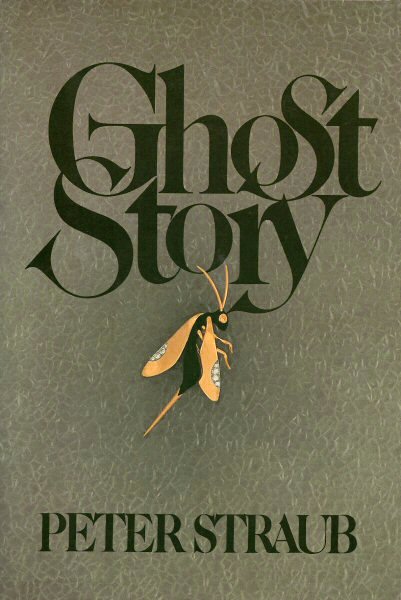
Four prominent citizens of a small town in upstate New York who share guilt over something that happened in their youth are revisited late in life by a destructive evil force which uses their guilt as an opportunity to destroy them as well as the entire town.
- The Running Man
Stephen Kingstandalone novel1982
similar bynorth americascience fictiondarktensetotalitarianism
The Running Man is a dystopian thriller novel by American writer Stephen King, first published under the pseudonym Richard Bachman in 1982 as a paperback original. It was collected in 1985 in the omnibus The Bachman Books. The novel is set in a dystopian United States during the year 2025, in which the nation's economy is in ruins and world violence is rising. The story follows protagonist Ben Richards as he participates in the reality show The Running Man, in which contestants win money by evading a team of hitmen sent to kill them.