More like Mutants
anchored on:science fictiongenetic engineeringidentityour worldshort story cycle
but
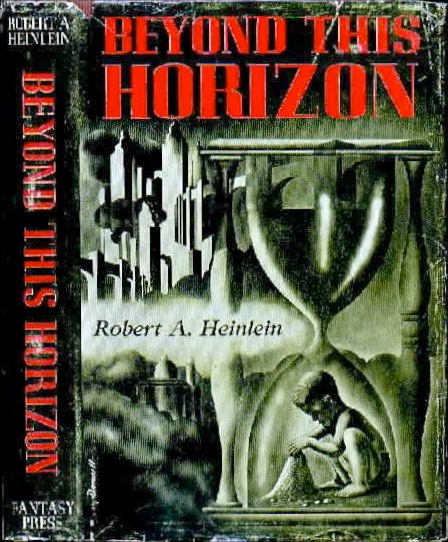
- Beyond This Horizon
Robert A. Heinleinstandalone novel1948
similar byscience fictiongenetic engineeringour worldreflective+1 more
From the front flap of a 2001 Baen reprint: "Utopia has been achieved. For centuries, disease, hunger, poverty, and war have been things found only in the history tapes. And applied genetics has given men and women the bodies of athletes and a lifespan of over a century. They should all have been very happy... But Hamilton Felix is bored. And he is the culmination of a star line, each of his last thirty ancestors chosen for superior genes. Hamilton is, as far as genetics can produce one, the ultimate man. And this ultimate man can see no reason why the human race should survive, and has no intention of continuing the pointless comedy. However, Hamilton's life is about to become less boring. A secret cabal of revolutionaries who find utopia not just boring, but desperately in need of leaders who know just What Needs to be Done, are planning to revolt and put themselves in charge. Knowing of Hamilton's disenchantment with the modern world, they have recruited him to join their Glorious Revolution. Big mistake! The revolutionaries are about to find out that recruiting a superman was definitely not a good idea..."
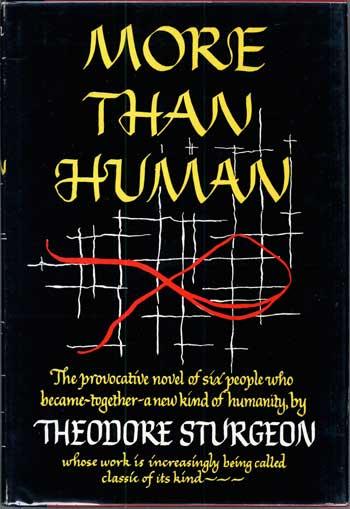
- More Than Human
Theodore Sturgeonstandalone novel1953
similar byscience fictionour worldidentityreflectiveshort story cycle
More Than Human is a 1953 science fiction fix-up novel by American writer Theodore Sturgeon. It is a revision and expansion of his 1952 novella Baby Is Three, which is bracketed by two additional parts written for the novel, "The Fabulous Idiot" and "Morality". It won the 1954 International Fantasy Award, which was also given to works in science fiction. It was additionally nominated in 2004 for a "Retro Hugo" award for the year 1954. Science fiction critic and editor David Pringle included it in his book Science Fiction: The 100 Best Novels.
- The Dreaming Jewels
Theodore Sturgeonstandalone novel1950
similar byscience fictionour worldgenetic engineeringidentity+1 more
The Dreaming Jewels (1950), also known as The Synthetic Man, is a science fiction novel by American writer Theodore Sturgeon. It was his first published novel.
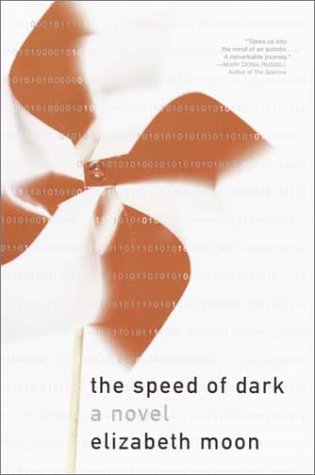
- The Speed of Dark
Elizabeth Moonstandalone novel2002
similar byscience fictiongenetic engineeringour worldidentityreflective
From the Penguin Random House website In the near future, disease will be a condition of the past. Most genetic defects will be removed at birth; the remaining during infancy. Lou Arrendale, a high-functioning autistic adult, is a member of the lost generation, born at the wrong time to reap the rewards of medical science. He lives a low-key, independent life. But then he is offered a chance to try a brand-new experimental "cure" for his condition. With this treatment Lou would think and act and be just like everyone else. But if he was suddenly free of autism, would he still be himself? Would he still love the same classical music — with its complications and resolutions? Would he still see the same colors and patterns in the world—shades and hues that others cannot see? Most important, would he still love Marjory, a woman who may never be able to reciprocate his feelings? Now Lou must decide if he should submit to a surgery that might completely change the way he views the world ... and the very essence of who he is.
- Childhood's End
Arthur C. Clarkestandalone novel1953
similar byscience fictionour worldidentityreflective
Childhood's End is a 1953 science fiction novel by the British author Arthur C. Clarke. The story follows a peaceful alien invasion of Earth by mysterious Overlords, whose arrival begins decades of apparent utopia under indirect alien rule, at the cost of human identity and culture.
- Stranger in a Strange Land
Robert A. Heinleinstandalone novel1961
similar byscience fictionidentityreflectiveour world
Stranger in a Strange Land is a 1961 science fiction novel by the American author Robert A. Heinlein. It tells the story of Valentine Michael Smith, a human who comes to Earth in early adulthood after being born on the planet Mars and raised by Martians, and explores his interaction with and eventual transformation of Terran culture.
- Blood Music
Greg Bearstandalone novel1985
similar byscience fictiongenetic engineeringour worlddark
Blood Music is a 1985 science fiction novel by American writer Greg Bear. It is an expanded version of a short story of the same title, originally published in the June 1983 issue of Analog and the winner of both the 1983 Nebula and 1984 Hugo awards for Best Novelette. The novel won the 1986 Prix Apollo Award, given to the best science fiction novel published in France during the preceding year, under the title La Musique du sang.
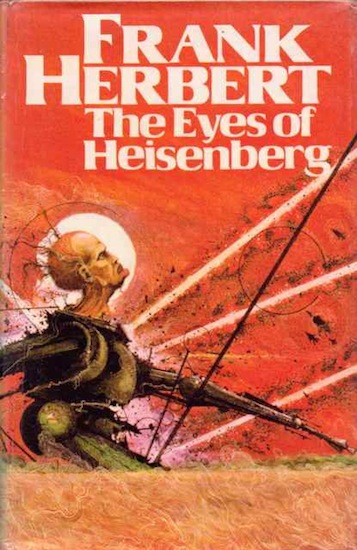
- The Eyes of Heisenberg
Frank Herbertstandalone novel1966
similar byscience fictiongenetic engineeringour worlddark
Tens of thousands of years in the future, Earth is ruled by the Optimen, a genetically engineered aristocracy that has made itself functionally immortal, while ordinary people, the Folk, live under strict reproductive control. When Harvey and Lizbeth Durant arrive to have their embryo genetically screened, the examining doctor finds something in the child no one has seen in a very long time: real potential for both fertility and life span, traits the Optimen have arrogated to themselves. Rather than destroy the embryo as policy demands, the doctor hesitates, setting off a chain of surveillance, suspicion and resistance. A tightly wound Frank Herbert thriller about genetic caste and rebellion.
- The Food of the Gods and How It Came to Earth
H. G. Wellsstandalone novel1904
similar byscience fictiongenetic engineeringour world+1 more
The Food of the Gods and How It Came to Earth is a science fiction novel by H. G. Wells that was first published in 1904. Wells called it "a fantasia on the change of scale in human affairs. ... I had hit upon [the idea] while working out the possibilities of the near future in a book of speculations called Anticipations (1901)".
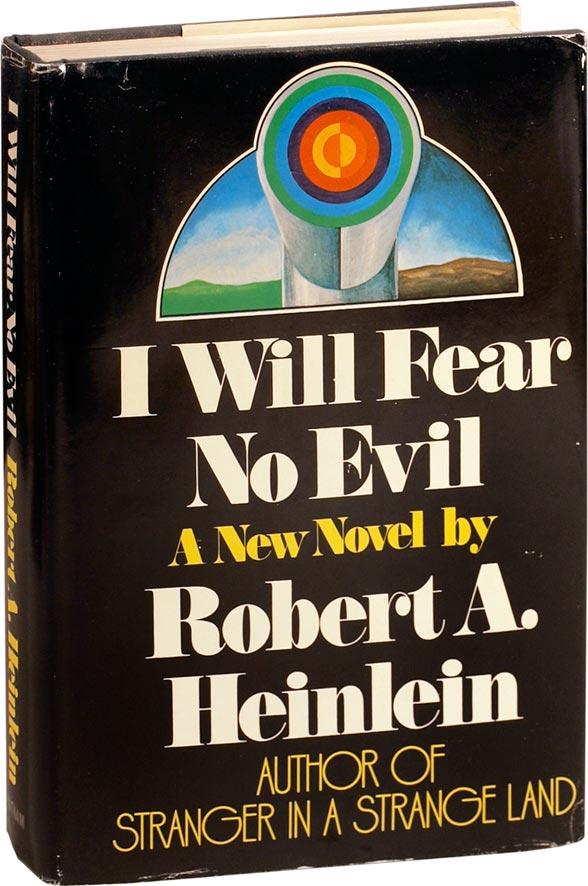
- I Will Fear No Evil
Robert A. Heinleinstandalone novel1970
similar byscience fictionour worldidentityreflective
I Will Fear No Evil is a science fiction novel by American writer Robert A. Heinlein, originally serialised in Galaxy and published in hardcover in 1970. The title is taken from Psalm 23:4.
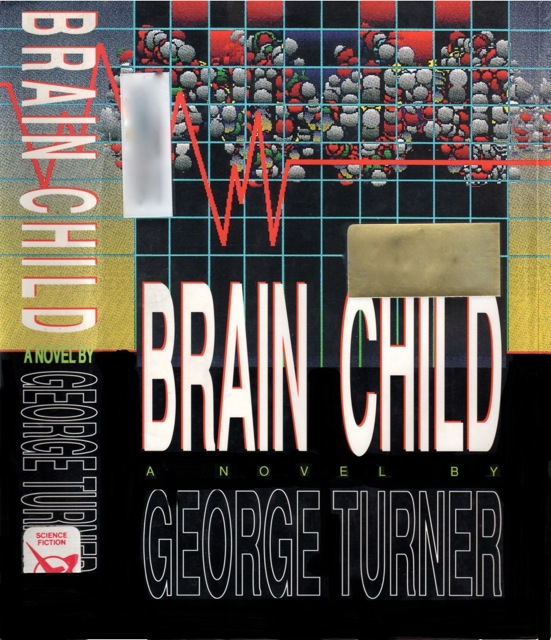
- Brain Child
George Turnerstandalone novel1991
similar byscience fictiongenetic engineeringour worldidentitydark
From the rear flap of the William Morrow first edition: Now, in Brain Child, Turner has created an intense novel of murder and science that sounds the great themes of human identity and the nature of intelligence. Set a few decades in the future, he tells the story of a man searching for his roots and, through layers of discovery, the story of a complex and astounding scientific experiment. David Chance has been raised in an orphanage and, now an adult, finds that he is the child of a man genetically altered before birth by a group of scientists experimenting in increasing human intelligence and creativity. But his father is dead. He pursues the search for the true nature of his father and, through it, the true nature of the experiments and the survivors of the final disaster that ended them. Chance exposes his roots and find them entangled in horror, deceit, vengeance, and perverse scientific illumination. Peace and self-knowledge are achieved only at great risk and terrible cost.
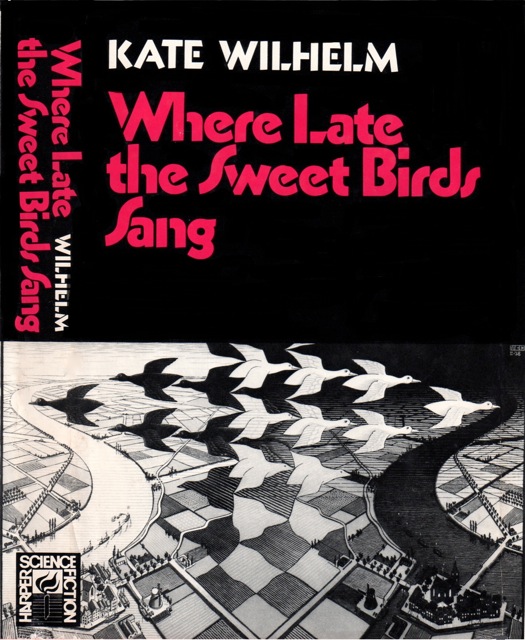
- Where Late the Sweet Birds Sang
Kate Wilhelmstandalone novel1976
similar byscience fictionour worlddark+2 more
Where Late the Sweet Birds Sang is a science fiction novel by American writer Kate Wilhelm, published in 1976. The novel is composed of three parts, "Where Late the Sweet Birds Sang," "Shenandoah," and "At the Still Point," and is set in a post-apocalyptic era, a concept popular among authors who took part in the New Wave Science Fiction movement in the 1960s.
- Stand on Zanzibar
John Brunnerstandalone novel1968
similar byscience fictionour worldgenetic engineeringdark
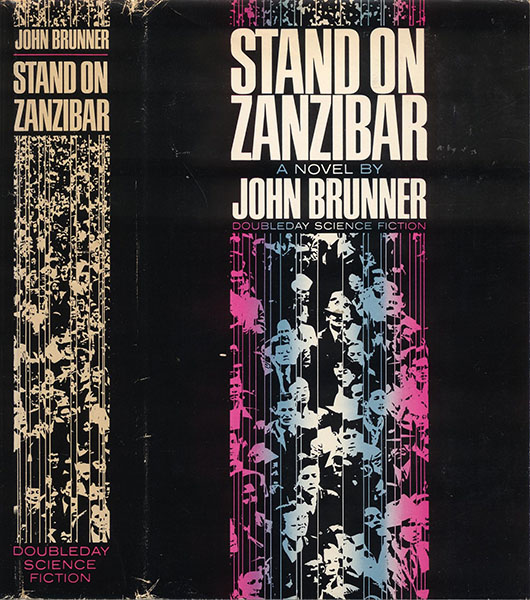
Stand on Zanzibar is a dystopian New Wave science fiction novel written by John Brunner and first in part published in New Worlds magazine in 1967 and in book form in 1968. The book won a Hugo Award for Best Novel at the 27th World Science Fiction Convention in 1969, as well as the 1969 BSFA Award and the 1973 Prix Tour-Apollo Award.
- The Child Garden
Geoff Rymanstandalone novel1989
similar byscience fictiongenetic engineeringour worlddark+1 more
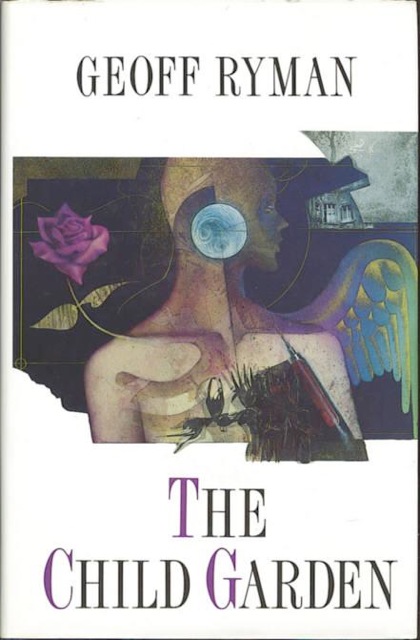
The Child Garden is a 1989 science fiction novel by Canadian writer Geoff Ryman.
- Dogs of War (Adrian Tchaikovsky)
series3 books2017
similar byscience fictionour world+3 more
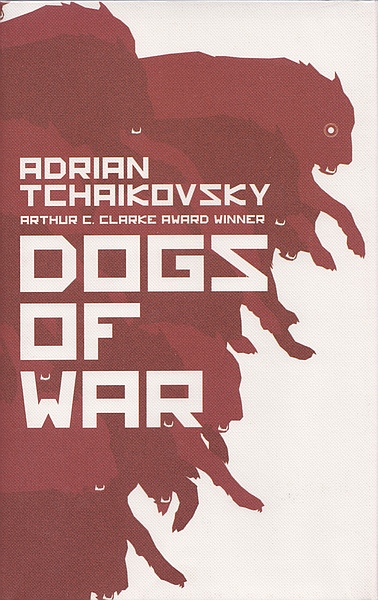
Adrian Tchaikovsky's Dogs of War follows Rex, a genetically engineered "Good Boy" - a hulking bioform supersoldier built for a private military contractor - as he begins to question the nature of his own obedience and personhood after his handler disappears. Dogs of War, Bear Head, and Bee Speaker widen from that first book's battlefield into questions of AI rights, corporate power, and non-human consciousness across a near-future Earth. The trilogy uses its engineered-animal soldiers to interrogate free will and loyalty rather than play them as straightforward action heroes.
- Genetic Soldier
George Turnerstandalone novel1994
similar byscience fictiongenetic engineeringidentitydark+2 more
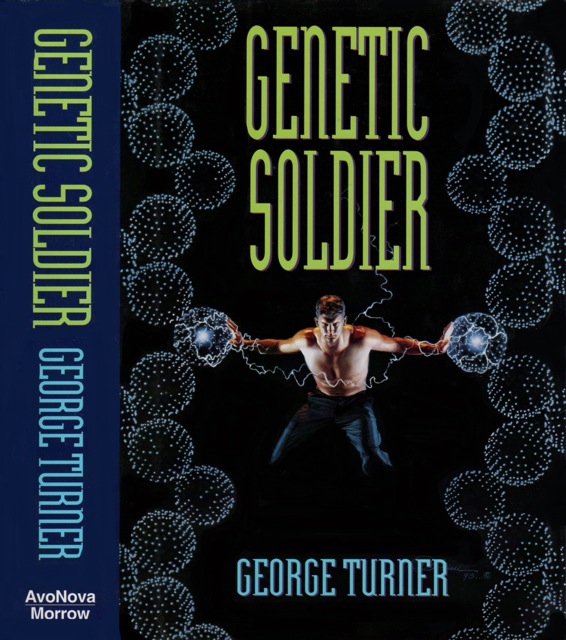
From the flaps of the AvoNova first edition: This is the story of Soldier, fated to stand at the crossroads of history and there question everything he had been raised to believe and cherish. And, with only self-respect for a weapon, save his life - if he could. In a distant future, on an Earth populated by a scant few hundred thousand humans, the Atkins's Thomas performs without question the duties for which he was genetically bred. Called "Soldier" by one and all, he is a man of honor and ability, responsible for keeping the peace, for maintaining the status quo... and, most important, for guarding the great Book House on the hill - a vast repository of Last Culture knowledge presided over by Libary. Soldier's mentor, the most senior of the mystic Celibate scholars. Such is Thomas's life in the serene, semi-primitive world without nations and cities and governments - until the night the starship comes home. Having fled a dangerously overcrowded Earth years before the Collapse and the Twilight that followed, for seven centuries the men and women of the space-going vessel Search have been combing the galaxy for inhabitable planets - their aging processes dramatically slowed by the relative magic of light speed travel and cryogenic sleep. And now, lonely and frustrated, the weary voyagers have returned to a homeworld unrecognizably altered by the relentless tides of time - a world that does not want them back. A bitter welcome awaits the Searchers, as old Libary fathers Earth's Ordinands and Elders together to tap the terrifying power of the collective unconscious - in preparation of the Carnival night when they will sweep the helpless intruders back to their lonely sky in the name of Holy Science. And it is Soldier who stands in the middle, silent and alone - bound by duty to evict the homesick star-travelers... yet cursed by a preordained genetic destiny that has decreed their eviction will mean Soldier's death.
- Stronger, Faster, and More Beautiful
Arwen Elys Daytonstandalone novel2018
similar byscience fictiongenetic engineeringour worldidentity+1 more
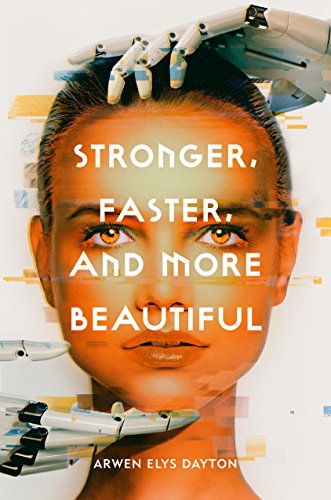
Stronger, Faster and More Beautiful is a 2018 science fiction novel by Arwen Elys Dayton. It explores the ethical question of how far humans will go in their pursuit of physical perfection. It was well received critically, with Tom Shippey of the Wall Street Journal citing it as one of the best science fiction novels of 2018, and has won a number of awards.
- Beasts
John Crowleystandalone novel1976
similar byscience fictionour worldgenetic engineeringidentityreflective
Beasts is a novel by American writer John Crowley, published in 1976 by Doubleday.
- The Twilight of Briareus
Richard Cowperstandalone novel1974
similar byscience fictionour worldgenetic engineeringidentitydark
It took the light of the supernova Briareus Delta one hundred and thirty-two years to cross space to the Solar System. But the night it exploded in our sky was a night that would never be forgotten in the history of the world. For in that bath of cosmic particles, all things changed. Not only the weather and the flora and fauna, but humanity itself received what seemed to be its death sentence. Sterility signalled the end of man, until the strange children known as the Zeta-mutants began to appear. Richard Cowper, author of Clone and other sf novels, has produced in this new novel a gripping story of how one man coped with the terrible dilemma of his world - how he attempted to solve the problem of the girls with the amber eyes and what he did when he found out what he himself had become during The Twilight of Briarseus. (from the back cover of the DAW Books first printing)
- Gladiator
Philip Wyliestandalone novel1930
similar byscience fictiongenetic engineeringidentity+1 more
Gladiator is a science fiction novel by American author Philip Wylie, first published in 1930. The story concerns a scientist who invents an "alkaline free-radical" serum to "improve" humankind by granting the proportionate strength of an ant and the leaping ability of the grasshopper. The scientist injects his pregnant wife with the serum and his son Hugo Danner is born with superhuman strength, speed, and bulletproof skin. Hugo spends much of the novel hiding his powers, rarely getting a chance to openly use them.
- Blade Runner Universe
series6 books1968
similar byscience fictiondarkidentity+1 more
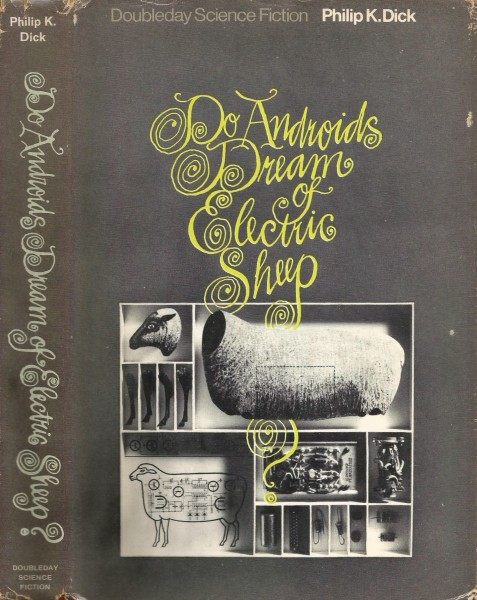
Philip K. Dick's 1968 novel Do Androids Dream of Electric Sheep? follows bounty hunter Rick Deckard as he tracks escaped androids through an irradiated, near-abandoned San Francisco, using the hunt to probe questions of empathy and what separates human from machine. The novel became the basis for Ridley Scott's 1982 film Blade Runner, and Marvel Comics later published an illustrated adaptation of that film. Together the two trace the story's path from prose original to screen and comic-page adaptation.
- Brave New World
series8 books1932
similar byscience fiction+4 more
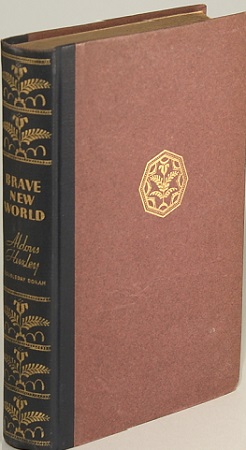
Aldous Huxley's 1932 novel imagines a future World State where reproduction, social caste, and desire are all engineered before birth, and the population is kept content through conditioning, sleep-hypnosis, and a mood-altering drug called soma. The story follows the disruption this seemingly stable order suffers when an outsider raised beyond its reach is brought into it, exposing what the society traded away for comfort and order. Some editions pair the novel with Huxley's own 1958 nonfiction essay collection, Brave New World Revisited, which reassesses the book's ideas rather than continuing its story.
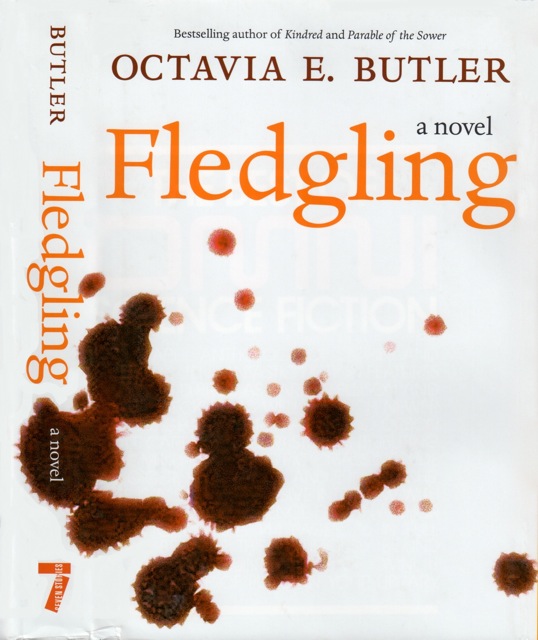
- Fledgling
Octavia E. Butlerstandalone novel2005
similar byscience fictionour worldidentitydark+1 more
Fledgling is a science fiction vampire novel by American writer Octavia E. Butler, published in 2005. It was the author's final book published before her death in 2006.