Loreful
HomeDiscover
Search series, authors…⌘K
Loreful

Reading orders for SF/F series and shared universes — with your place kept in every one.

Explore

UniversesSeriesWorksAuthorsAtlas

Help

FAQAboutSite map

Account & legal

Sign inCreate accountPrivacyTerms

Data

Built on ISFDB, Wikipedia, Wikidata and Open Library. Curated reading orders carry their reasoning on the page; the rest follow publication order. Data sources & licenses

© Loreful · data: ISFDB · CC BY

More like One Step Beyond

anchored on:our worldmid 20th centuryshort story cycleparanormalpsychic powerseerie+1 more

but

Mood

The mood the book leaves you in.

  • The reading experience is propelled by journeys, exploration, and physical risk; excitement and forward momentum dominate over dread or introspection.
  • Joy and loss are deliberately mixed; the resolution grants characters something real while taking something else away, leaving warmth and sorrow together.
  • The book demands work from the reader — dense prose, difficult structure, unfamiliar ideas, or morally uncomfortable material — as part of its intended effect.
  • Grim events, cruelty, or despair dominate the atmosphere, and the book does not soften them with comfort or comic relief.
  • The atmosphere is quietly unsettling — wrongness, unease, and the uncanny pervade the book without necessarily escalating into overt horror.
  • The book is built to move the reader; character feeling is foregrounded and major scenes aim at a strong emotional response.
  • Humor is a primary aim and the prose plays for laughs — comic situations, wit, or dialogue produce sustained comedy, not occasional levity.
  • The book insists that things can improve; effort and decency are shown to matter, and the arc bends toward better outcomes even through hardship.
  • The book teaches as it goes — real facts, history, science, or craft are conveyed in enough depth that learning is part of the reading experience.
  • The book is designed to uplift and motivate, presenting perseverance or achievement in a way that invites the reader to aspire or act.
  • The overall register is cheerful and easygoing; stakes are kept gentle and the book avoids dwelling on pain or dread.
  • Withheld information drives the experience; the book sustains enigmas and secrets the reader wants resolved, whatever its genre.
  • The book is contemplative and inward-looking, giving more weight to thought, memory, and meaning than to external events.
  • The book works as comfort reading — low tension, a soothing pace, and an atmosphere the reader can unwind in.
  • Grief, loss, or melancholy set the dominant register, and the book lets sorrow stand rather than resolving it into comfort.
  • Sustained suspense is the point; the book keeps the reader braced for what happens next through danger, pressure, or impending revelation.
  • Playful invention and charm define the register — fanciful conceits, light absurdity, and a narration that delights in its own oddity.

About

What the story runs on.

  • Stories in which extraterrestrial beings are central — as characters, cultures, or the object of the plot.
  • Stories about minds with paranormal abilities — telepathy, telekinesis, precognition, empathy — and how societies handle those who have them.
  • Stories structured as a quest — a journey undertaken to find, deliver, or destroy something of great import.
  • Stories in which staying alive against nature, catastrophe, or scarcity is the central problem.
  • Stories of lovers kept apart by law, family, faith, or station, where the obstacle to love is the plot.
  • Stories of growing up — a young protagonist crossing from childhood into adult knowledge and responsibility.
  • Stories about who a character truly is — self-discovery, doubled lives, and the search for a self.
  • Stories about mourning — living through the death of a loved one and what loss does to the survivors.
  • Stories in which a buried family truth — hidden parentage, crimes, or shames — surfaces and reorders the present.
  • Stories driven by maneuvering for power — factions, conspiracies, and statecraft conducted in shadow.
  • Stories in which war itself is the subject — combat, occupation, and what warfare does to soldiers and civilians.
  • Stories organized around investigating a killing — the case, the clues, and the pursuit of the killer, in any genre's clothing.

Shelf

Where it sits in the library.

    • Fiction built on magic or other supernatural elements that have no scientific explanation.
    • Secondary-world fantasy at large scale, where the fate of nations or the world turns on the protagonists' struggle.
    • Fantasy set in a recognizably modern city or contemporary world where the supernatural intrudes on everyday life.
    • Fantasy that blends in horror's atmosphere and imagery, keeping a fantastical frame around grim or frightening material.
    • Action-driven fantasy following warriors or rogues with personal stakes against sorcerous threats, rather than world-spanning conflicts.
    • Fantasy set in a real historical period or a close analogue of one, with magic woven into the era.
    • Fantasy in which protagonists cross from the ordinary world into another world through a portal or similar passage.
    • Fiction that retells or reworks a traditional fairy tale in a new form or setting.
    • Fantasy drawing directly on myths, legends, and folklore, retelling them or building on their figures and logic.
    • Fantasy of ghosts, vampires, shapeshifters, psychics, and similar phenomena, usually set in an otherwise ordinary world.
    • Fiction mixing science-fictional trappings with overtly magical or impossible elements in one setting.
    • Low-stakes fantasy emphasizing comfort, community, and everyday pleasures over conflict and peril.
    • Speculative fiction of pervasive moral ambiguity, violence, and cynicism that rejects heroic conventions — fantasy and SF alike.
      • Fiction that extrapolates from science and technology — future societies, space travel, or speculative inventions — within at least nominally natural laws.
      • Science fiction of interstellar scope — starships, galactic polities, and adventure across star systems.
      • Science fiction committed to scientific rigor, where technical plausibility constrains the story.
      • Science fiction centered on armed forces and warfare, told largely from a military point of view.
      • Science fiction of networked, corporate-dominated near futures, pairing high technology with social decay.
      • Science fiction styled on nineteenth-century steam-powered technology, often in a Victorian or pseudo-Victorian setting.
      • Fiction depicting an oppressive or catastrophic society, presented as a warning.
      • Fiction set after civilization's collapse, following survivors in the ruins of the old world.
      • Fiction in which characters move between past and future, and the mechanics or consequences of that travel drive the plot.
      • Fiction exploring a world where a historical event went differently and history diverged from ours.
      • Science fiction about humanity's first encounter and communication with an alien intelligence.
      • Science fiction in which extraterrestrial forces attack or occupy Earth and humanity resists.
      • Fiction whose primary aim is to frighten or unsettle the reader through dread, menace, or the monstrous.
      • Horror of vast, indifferent, incomprehensible entities before which humanity is insignificant, in the Lovecraft tradition.
      • Horror of decaying houses, buried family secrets, and oppressive atmosphere in the Gothic literary tradition.
      • Horror centered on hauntings and the returning dead.
      • Horror located in the mind — paranoia, obsession, and unreliable perception rather than external monsters.
      • Horror built around the reanimated dead and survival amid their outbreaks.
      • Horror defined by explicit, transgressive gore that refuses to cut away from violence.
      • Speculative fiction of the strange and uncanny that resists both natural explanation and standard genre categories.
      • Fiction organized around solving a crime or puzzle, typically following an investigator toward the identification of a culprit.
      • A puzzle-first mystery that lays out clues so the culprit's identity can be deduced before the reveal.
      • Crime fiction of moral ambiguity, fatalism, and hard-edged style, set among the corrupt and the doomed.
      • A mystery following the realistic routines of police work — forensics, interviews, and case-building.
      • A gentle mystery with an amateur sleuth, a small community, and violence kept off the page.
      • A mystery set in a past era, where the investigation works within that period's methods and society.
      • Fast-paced fiction driven by imminent danger, pursuit, or high-stakes conspiracy, built to sustain tension.
      • A thriller of espionage — agents, tradecraft, and intelligence services in conflict.
      • A thriller centered on lawyers and the courtroom, where litigation carries the suspense.
      • A thriller driven by detailed contemporary or near-future technology, often military or scientific.
      • A thriller whose tension comes from mental states and manipulation between characters rather than external action.
      • Fiction whose central plot is a romantic relationship and its development toward an emotionally satisfying resolution.
      • Romance in which one or both partners are supernatural beings, blending fantasy elements into the love story.
      • A fantasy-romance hybrid in which the romantic arc and the fantasy plot carry equal weight.
      • Romance set in a past era, with courtship shaped by the period's society and manners.
      • Romance set in the present day, without supernatural or historical elements.
      • Fiction set in a real past period, where the historical setting materially shapes characters and events.
        • General and literary fiction emphasizing prose style, character interiority, or formal ambition over genre plot conventions.
        • Fiction in a realistic world where magical events occur and are treated as ordinary, in the tradition of Latin American literature.
        • Fiction that ridicules people, institutions, or society in order to criticize them.
        • Fiction of dreamlike, irrational imagery and logic that breaks from realistic representation.
        • Fiction that plays with narrative convention through metafiction, fragmentation, and self-reference.
        • Fiction propelled by journeys, exploration, and physical peril, where action and survival carry the plot.
        • Adventure fiction of ships and seafaring — naval engagements, voyages, and life at sea.
        • Fiction of the American frontier West — gunmen, ranchers, and lawmen, typically in the late nineteenth century.
        • Fiction centered on soldiers, campaigns, and the experience of warfare, historical or imagined.
          • Fiction written primarily to amuse, using comedic situations, wit, or parody as its organizing principle.
            • Multi-generational fiction following a family or dynasty across decades, with inheritance and kinship as the through-line.
              • Fiction whose world runs on explicit game mechanics — levels, stats, and skills that characters can see and exploit.
                • Fiction about costumed or superpowered heroes and their conflicts with comparable villains.

                Practical

                How long a commitment, whether it stands alone, and whether it has finished.

                Tap a chip to ask for it · tap again to rule it out · once more to clear. Numbers show what would be left.

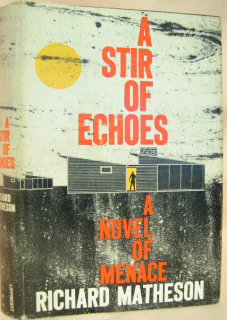
                • Cover of A Stir of Echoes
                  A Stir of Echoes

                  Richard Matheson · standalone novel · 1958

                  similar byparanormalpsychic powersour worldmid 20th centuryeerie

                  A Stir of Echoes is a supernatural novel by American writer Richard Matheson, published in 1958. It served as the inspiration for the 1999 film Stir of Echoes.

                • Cover of The Green Eyes of Bast
                  The Green Eyes of Bast

                  Sax Rohmer · standalone novel · 1920

                  similar byparanormalpsychic powersour worldeeriemysterious

                  Psychic investigator Dr. Damar Greefe encounters ancient sorcery and a cult whose leader is possessed by the murderous cat-goddess Bast!

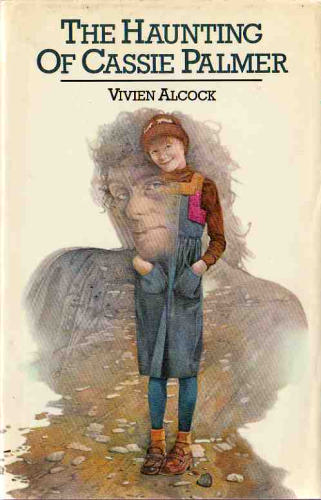
                • Cover of The Haunting of Cassie Palmer
                  The Haunting of Cassie Palmer

                  Vivien Alcock · standalone novel · 1980

                  similar byparanormalpsychic powersour worldeeriemysterious

                  WorldCat: Thirteen-year-old Cassie, the seventh child of a seventh child, begins to exhibit the gift of second sight which enables her to communicate with the Other World.

                • Cover of The Unforeseen
                  The Unforeseen

                  Dorothy Macardle · standalone novel · 1946

                  similar byparanormalpsychic powersmid 20th centuryeerie

                  Nan Wide is subjected to psychic visions, while contending with a local influx of Gypsies.

                • Cover of The Gift
                  The Gift

                  Peter Dickinson · standalone novel · 1973

                  similar byparanormalpsychic powersour worldmysterious+1 more

                  A Welsh youth with extrasensory perception is warned by his grandmother that bad luck happens to family members who try to use the ability.

                • Cover of Blue Is for Nightmares
                  Blue Is for Nightmares

                  series · 5 books · 2003

                  similar byparanormalpsychic powers+3 more

                  Blue Is for Nightmares is a young adult mystery novel and subsequent eponymous series by Laurie Faria Stolarz. The first book in the series, Blue is for Nightmares, was made an "ALA’s Young Adult Library Services Association as a Quick Pick for Reluctant Readers in 2005 and as a Popular Paperback for Young Adults in 2007."

                • Cover of Witch
                  Witch

                  Christopher Pike · standalone novel · 1990

                  similar byparanormalpsychic powersour worldwitches

                  From Publishers Weekly In this hokey, meandering novel, Julia is a girl gifted with a healing touch and the power to glimpse the future. When she sees a vision of her best friend's boyfriend, Jim, shot and bleeding to death, she does her best to keep him out of danger. But then another friend is shot while witnessing a gas station holdup, and Julia and Jim set out to wreak revenge on the gunman. Meanwhile, Julia's best friend discovers that the gunman just happens to be the deranged former boyfriend of Kary, the recently deceased half-sister Julia never knew. Julia's mother--also a healer--had died in an attempt to save Kary's life. In another part of town, a carload of good witches is hot on Julia's trail, determined to keep her from abusing her powers. Typically, Pike's writing is peppy enough to animate his most tangled plots; here, however, his style becomes choppy and unconvincing--unable to sustain the coincidence-riddled story. In addition, the text is littered with sexist one-liners which, along with a humorless running "joke," are as irritating as they are offensive. Ages 13-up. Copyright 1990 Reed Business Information, Inc.

                • Cover of Nela Farley
                  Nela Farley

                  series · 1 book · 2012

                  similar byparanormalpsychic powersour worldmysterious

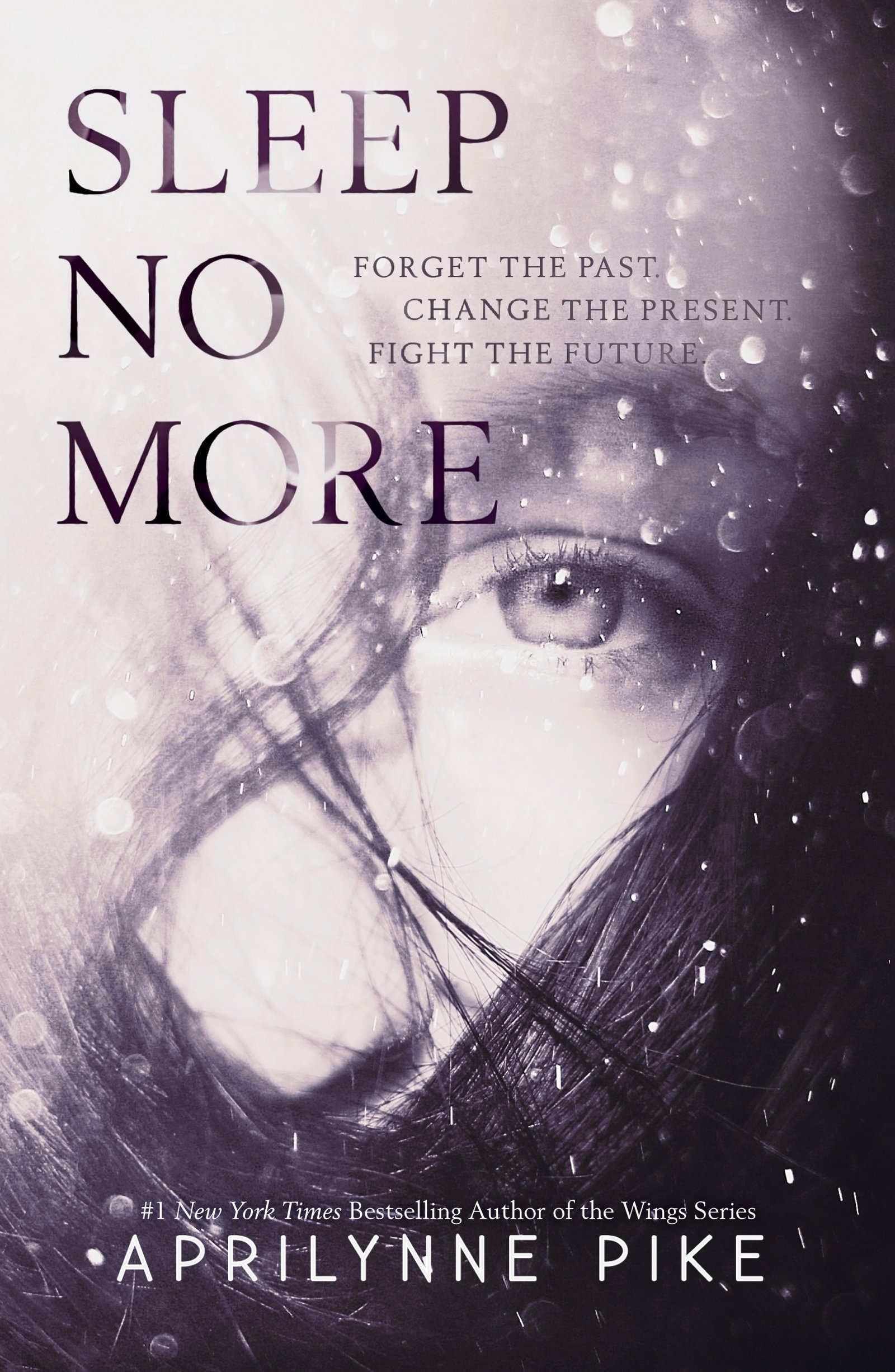
                • Cover of Sleep No More
                  Sleep No More

                  Aprilynne Pike · standalone novel · 2014

                  similar byparanormalpsychic powersour worldmysterious

                  "Charlotte is a sixteen-year-old Oracle who is not supposed to interfere with her visions of the future, but when she foresees a classmate's murder, she realizes she must break the rules to stop the killer"-- Charlotte is a 16-yr-old Oracle who is not supposed to interfere with her visions of the future, but when she foresees a classmate's murder, she realizes she must break the rules to stop the killer. The plot contains profanity and graphic violence.

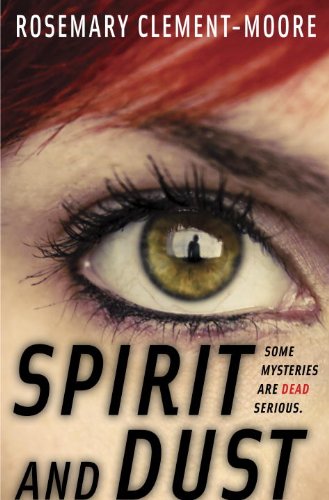
                • Cover of Spirit and Dust
                  Spirit and Dust

                  Rosemary Clement-Moore · standalone novel · 2013

                  similar byparanormalpsychic powersmysteriouswitches

                  Raised in a family of psychics and witches, teen Daisy Goodnight is happy to help local police solve cold cases but when the FBI seeks her talents, she becomes involved in a mess that even has the spirits terrified.

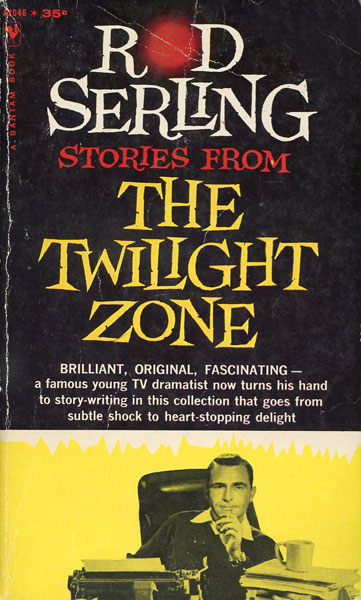
                • Cover of Twilight Zone Collections
                  Twilight Zone Collections

                  series · 8 books · 1960

                  part of Twilight Zone

                  similar byour worldmid 20th centuryeerieshort story cycle+1 more

                • Cover of The Astrologer's Daughter
                  The Astrologer's Daughter

                  Rebecca Lim · standalone novel · 2014

                  similar byparanormalpsychic powersour worldmysterious

                  Avicenna Crowe's mother, Joanne, is an astrologer with uncanny predictive powers and a history of being stalked. Now she is missing. The police are called, but they're not asking the right questions. Like why Joanne lied about her past, and what she saw in her stars that made her so afraid. But Avicenna has inherited her mother's gift. Finding an unlikely ally in the brooding Simon Thorn, she begins to piece together the mystery.

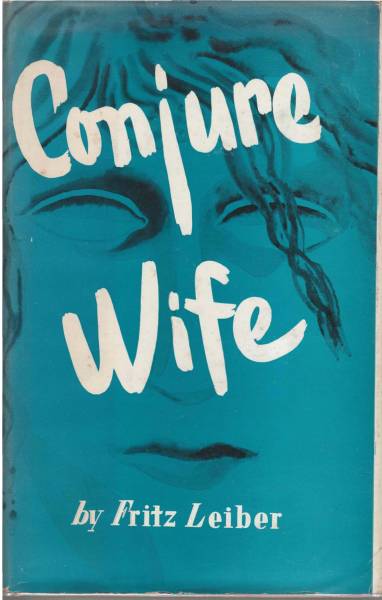
                • Cover of Conjure Wife
                  Conjure Wife

                  Fritz Leiber · standalone novel · 1943

                  similar byour worldmid 20th centuryeeriewitches

                  From the front cover of the Lion first paperback: "Potions in the house... evil in the air... and a witch in his bed." From the back cover of the Lion first paperback: ""Conjure Wife... is easily the most frightening (and necessarily) the most thoroughly convincing of all modern horror stories. Its premise is that witchcraft still flourishes, or at any rate survives, an open secret among women, a closed book to men. Under the rational overlay of 20th-century civilization this sickly growth, uncultivated, unsuspected, still manages to propagate itself. Leiber develops this theme with the utmost dexterity, piling up alternate layers of the mundane and outre, until at the story's real climax, the shocker at the end of chapter 14, I am not ashamed to say that I jumped an inch out of my seat. From that point onward the story anticlimax so skillfully managed that I am not really certain I touched the slipcover again until after the last page. Leiber has never written anything better... which perhaps is all that needed to be said." Damon Knight, Science Fiction Adventures"

                • Cover of On Her Majesty's Psychic Service
                  On Her Majesty's Psychic Service

                  series · 1 book · 2015

                  similar byparanormalpsychic powersmysterious+1 more

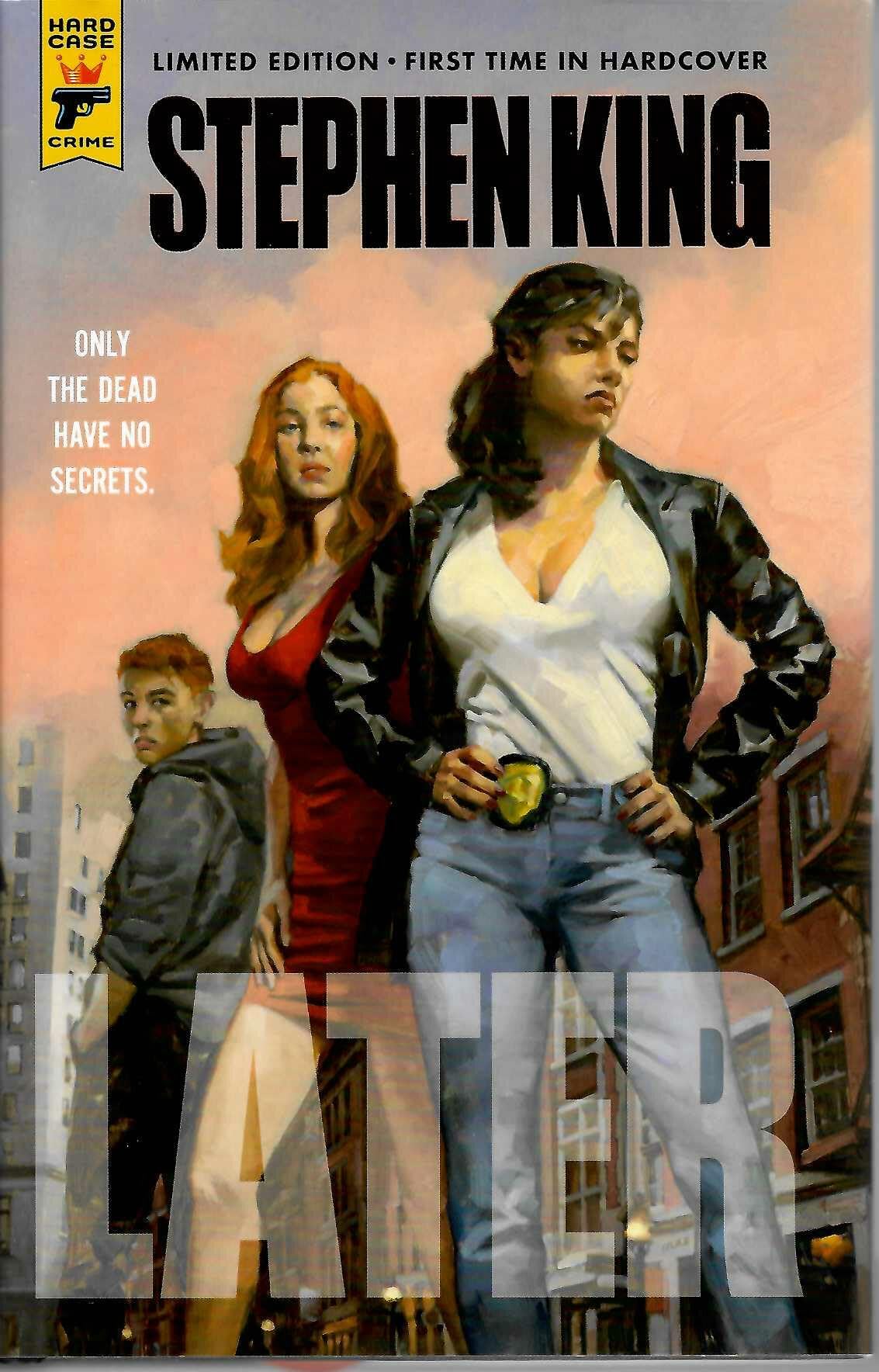
                • Cover of Later
                  Later

                  Stephen King · standalone novel · 2021

                  similar bypsychic powersour worldeerie+1 more

                  A young boy, with the power of seeing and talking with the recently deceased, and his single mother try to avoid personal and financial disasters.

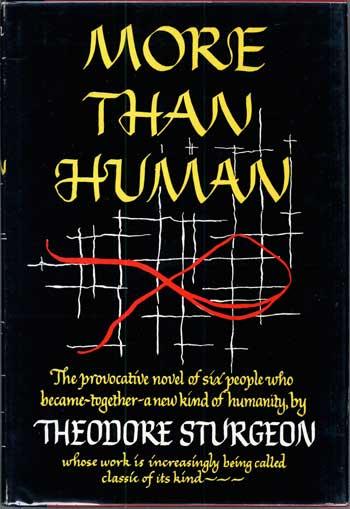
                • Cover of More Than Human
                  More Than Human

                  Theodore Sturgeon · standalone novel · 1953

                  similar bypsychic powersour worldshort story cycle+1 more

                  More Than Human is a 1953 science fiction fix-up novel by American writer Theodore Sturgeon. It is a revision and expansion of his 1952 novella Baby Is Three, which is bracketed by two additional parts written for the novel, "The Fabulous Idiot" and "Morality". It won the 1954 International Fantasy Award, which was also given to works in science fiction. It was additionally nominated in 2004 for a "Retro Hugo" award for the year 1954. Science fiction critic and editor David Pringle included it in his book Science Fiction: The 100 Best Novels.

                • Cover of Beautiful Lies
                  Beautiful Lies

                  Jessica Warman · standalone novel · 2012

                  similar byparanormalpsychic powersour worldmysterious

                  Identical twins share a psychic bond.

                • Cover of Secrets
                  Secrets

                  series · 1 book · 2015

                  similar byparanormalpsychic powerseeriemysterious

                • Cover of Clare Fern
                  Clare Fern

                  series · 2 books · 2011

                  similar byparanormalpsychic powersmysterious+1 more

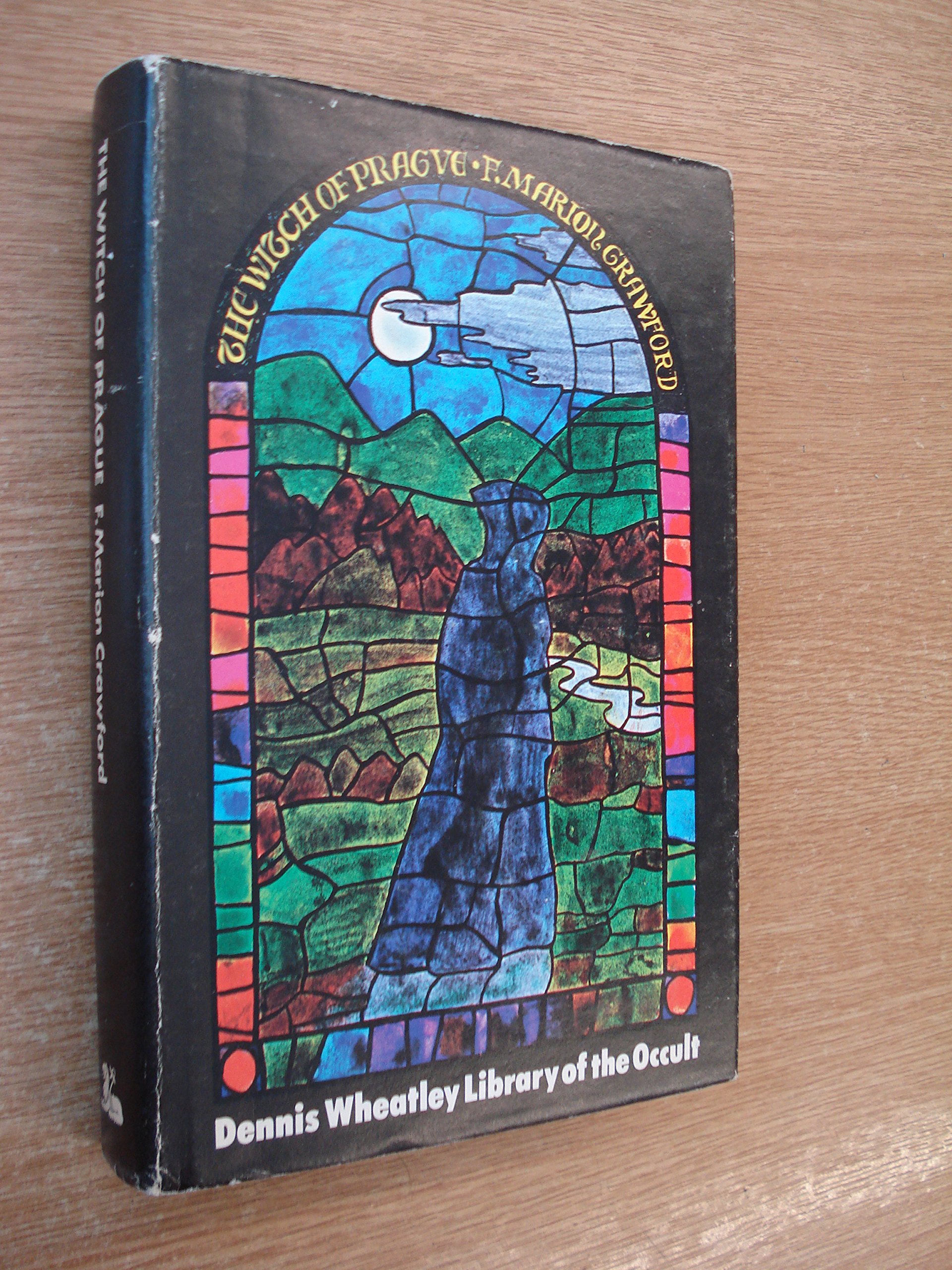
                • Cover of The Witch of Prague
                  The Witch of Prague

                  F. Marion Crawford · standalone novel · 1891

                  similar byparanormalpsychic powers+1 more

                  "The Witch of Prague (1891), with Byronic overtones, uses the motif of the Femme Fatale to explore powers of the mind." (underscore represents linked cross-reference) --Encyclopedia of Fantasy, Crawford biographical entry by Mike Ashley

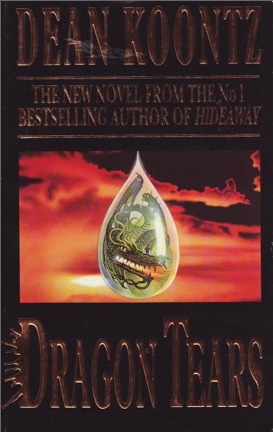
                • Cover of Dragon Tears
                  Dragon Tears

                  Dean R. Koontz · standalone novel · 1993

                  similar byparanormalpsychic powersour worldeerie

                  Dragon Tears is a 1993 paranormal/horror novel by the best selling author Dean Koontz.

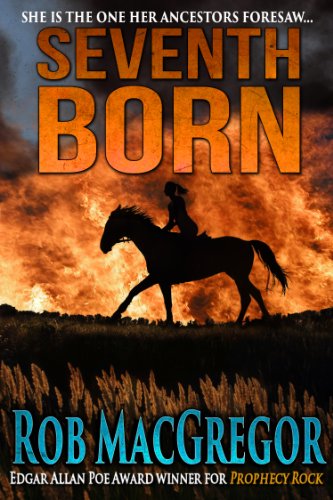
                • Cover of Seventh Born
                  Seventh Born

                  Rob MacGregor · standalone novel · 2014

                  similar byparanormalpsychic powersour worldmysterious

                  ● "When a suspicious barn fire claims the life of her aging pony, Merlina Lund inadvertently triggers her inherited psychic talents to track the arsonist. The deeper she digs, the more dangerous the quest turns as she closes in on the truth about the Cosa Caballo, a mysterious horse mafia centered in her pristine equestrian village." ― quoted from this book's Amazon product page as of 2025-01-20.

                • Cover of The Lathe of Heaven
                  The Lathe of Heaven

                  Ursula K. Le Guin · standalone novel · 1971

                  similar bypsychic powersour worldeerie

                  The Lathe of Heaven is a 1971 science fiction novel by American writer Ursula K. Le Guin, first serialized in the American science fiction magazine Amazing Stories. It won the 1972 Locus Award for Best Novel and was a finalist for the 1971 Nebula Award for Best Novel and 1972 Hugo Award for Best Novel. Two television film adaptations were released: the PBS production, The Lathe of Heaven (1980), and Lathe of Heaven (2002), a remake produced by the A&E Network.

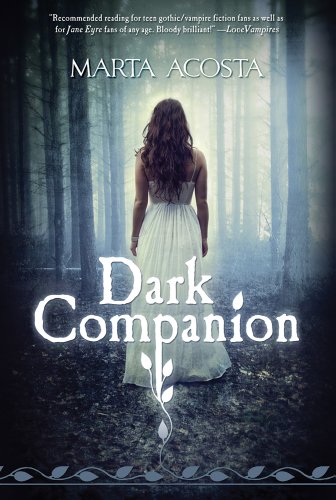
                • Cover of Dark Companion
                  Dark Companion

                  Marta Acosta · standalone novel · 2012

                  similar byparanormalour worldeeriemysterious

                  Brought back to life and orphaned at the age of six, Jane Williams grows up in a series of foster homes and wins a scholarship to the exclusive Birch Grove Academy, where dark secrets abound.