More like Osiris
anchored on:science fictionecological collapseour worldunderwaternear futuredystopia+5 more
but
- Make Room! Make Room!
Harry Harrisonstandalone novel1966
similar bynear futurescience fictiondarktensedystopiaclass conflictecological collapseour world+1 more
Make Room! Make Room! is a 1966 science fiction novel written by Harry Harrison exploring the consequences of both unchecked population growth on society and the hoarding of resources by a wealthy minority. It was originally serialized in Impulse magazine.
- Earthworks
Brian W. Aldissstandalone novel1965
similar bynear futurescience fictionecological collapsedarktensedystopiaclass conflictour world
Earthworks is a 1965 dystopian science fiction novel by British science fiction author Brian Aldiss. The novel draws its premise from prevalent fears about population growth and overcrowding of the Earth.
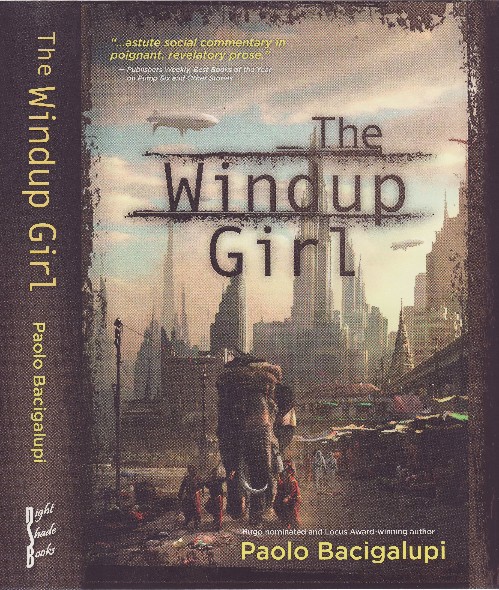
- The Windup Universe
series3 books2005
similar bynear futurescience fictiondarkdystopiaecological collapseour world+3 more
- The Water Knife
Paolo Bacigalupistandalone novel2015
similar bynear futurescience fictionecological collapsedarktensedystopiaclass conflict
The Water Knife is a 2015 science fiction novel by Paolo Bacigalupi. It is Bacigalupi's sixth novel, and is based on his short story, The Tamarisk Hunter, first published in the news magazine High Country News. It takes place in the near future, where drought brought on by climate change has devastated the Southwestern United States.
- The Sheep Look Up
John Brunnerstandalone novel1972
similar bynear futurescience fictionecological collapsedarkdystopiabig city+1 more
The Sheep Look Up is a 1972 dystopian science fiction novel by British author John Brunner, dealing with the deterioration of the environment in the United States. It was nominated for the 1972 Nebula Award for Best Novel.
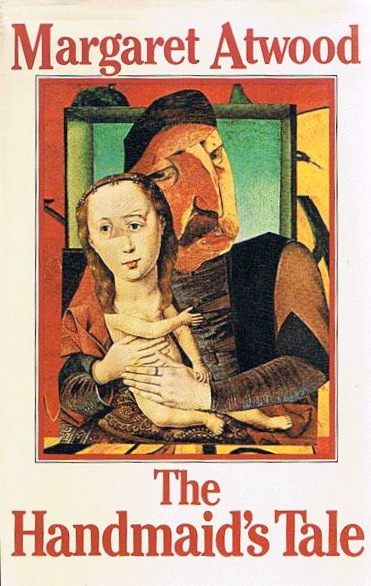
- The Handmaid's Tale
series3 books1985
similar bynear futurescience fictiondarktensedystopiarebellion and revolution
The Handmaid's Tale is Margaret Atwood's 1985 novel set in Gilead, a totalitarian theocracy that has overthrown the United States and forces fertile women into reproductive servitude as Handmaids; it is narrated by one such woman, Offred. Atwood returned to the world in her 2019 sequel The Testaments, set fifteen years later and narrated by three women, including the regime's Aunt Lydia. Together the two novels move from Gilead's grip on power toward the first cracks in it.
- The Future
Naomi Aldermanstandalone novel2023
similar bynear futurescience fictionecological collapsedarktensedystopiaour world
The Future is a 2023 science fiction novel by English writer Naomi Alderman, published by Simon & Schuster. The novel is set in a future dystopia where the world has been altered by environmental crisis and a powerful technocracy.
- The Children of Men
P. D. Jamesstandalone novel1992
similar bynear futurescience fictiondarktensedystopiarebellion and revolutionour world
"The human race has become infertile, and under the despotic rule of Xan Lyppiatt, the Warden of England the old are despairing and the young cruel. Theo Faren, a cousin of the Warden, lives a solitary life in this ominous atmosphere. That is, until a chance encounter with a young woman leads him into contact with a group of dissenters. Suddenly his life is changed irrevocably, as he faces agonising choices which could affect the future of mankind." (pdjames.co.uk)
- Player Piano
Kurt Vonnegut & Jr.standalone novel1952
similar bynear futurescience fictiondarkdystopiarebellion and revolutionclass conflict
In the near future, when cybernetic automation has effectively separated people into two castes, the "engineers and managers", and the remainder of the population who can find work only in "recycling and reclamation" or the largely useless military, an underground movement arises with the intention of rolling back those changes and giving the masses the dignity of owning their own, productive, work once more.
- Stand on Zanzibar
John Brunnerstandalone novel1968
similar bynear futurescience fictiondarkdystopiaour worldbig city+2 more
Stand on Zanzibar is a dystopian New Wave science fiction novel written by John Brunner and first in part published in New Worlds magazine in 1967 and in book form in 1968. The book won a Hugo Award for Best Novel at the 27th World Science Fiction Convention in 1969, as well as the 1969 BSFA Award and the 1973 Prix Tour-Apollo Award.
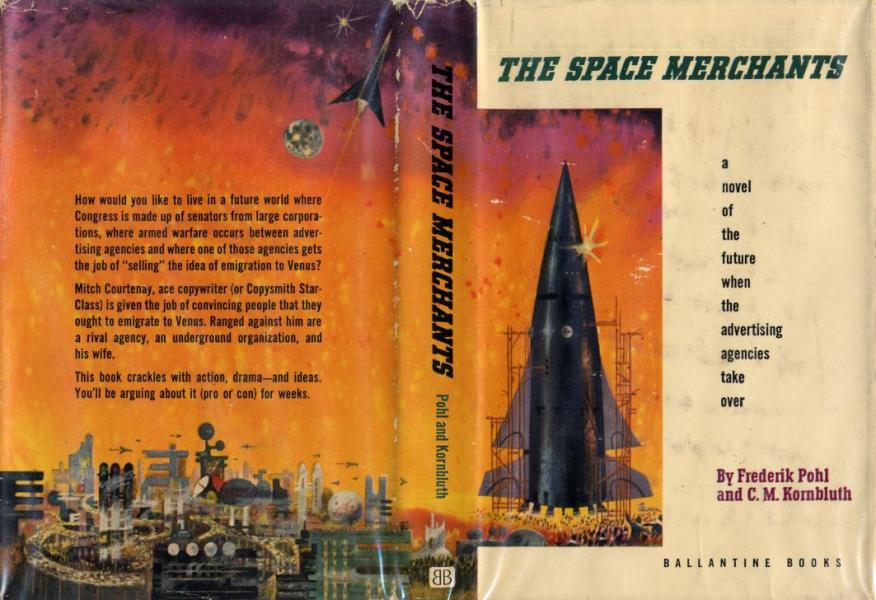
- Space Merchants
series2 books1953
completed
similar bynear futurescience fictiondarkdystopiaclass conflict+1 more
The Space Merchants (1953) is a satirical science fiction novel by Frederik Pohl and C. M. Kornbluth that follows an advertising executive navigating a future where aggressive consumer capitalism has swallowed politics and daily life. The authors reunited three decades later for a direct sequel, The Merchants' War (1984), returning to the same satirical world. Together the two books form a compact bookend pair rather than an ongoing series.
- High-Rise
J. G. Ballardstandalone novel1975
similar bynear futuredarktensedystopiascience fictionclass conflictour worldbig city
High-Rise is a 1975 novel by British writer J. G. Ballard. The story describes the disintegration of a luxury high-rise building as its affluent residents gradually descend into violent chaos. As with Ballard's previous novels Crash (1973) and Concrete Island (1974), High-Rise inquires into the ways in which modern social and technological landscapes could alter the human psyche in provocative and hitherto unexplored ways. It was adapted into a film of the same name, in 2015, by director Ben Wheatley.
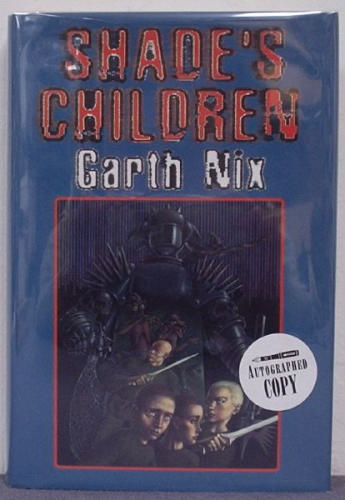
- Shade's Children milieu
series2 books1997
similar bynear futurescience fictiondarktensedystopiarebellion and revolution+1 more
Shade's Children is set on an Earth where all adults vanished overnight fourteen years earlier, leaving children to be harvested at puberty by the machines that now run the world, unless they escape into hiding with Shade, a mysterious AI-like protector. Garth Nix's 1997 novel is a single, self-contained book rather than a series, though its bleak post-apocalyptic premise has drawn comparisons to his other work.
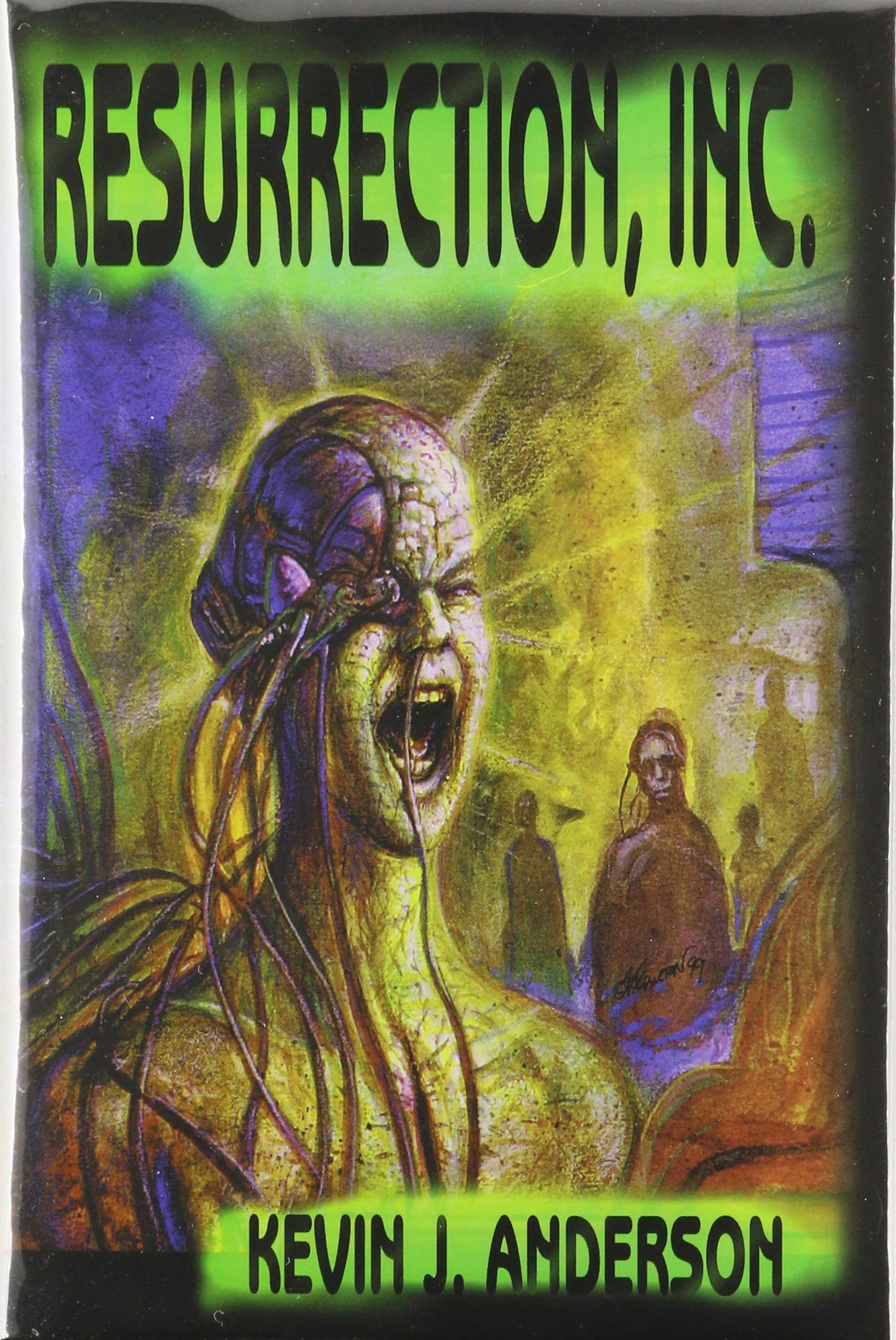
- Resurrection, Inc.
Kevin J. Andersonstandalone novel1988
similar bynear futurescience fictiondarktensedystopiaclass conflictour worldbig city
It is the future--and the dead walk the streets, resurrected by technology to become servants to the living. Resurrection, Inc. found a profitable way to do it: a microprocessor brain, a synthetic heart, artificial blood--and anyone with money could buy a Servant with no mind of its own, trained to obey any command. But for every Servant created a living worker was out of a job, and suddenly the profits of Resurrection, Inc. became everyone else's loss. Some take to rioting in the streets, their rampages ruthlessly ended by heavily armed Enforcers, eager for the kill. Others join the ever-growing cult of Neo-Satanism, seeking Heaven in the depths of Hell. Only one man tries to save the world. His name is Danal, and he is the last hope of the living. He is dead, but he remembers everything.
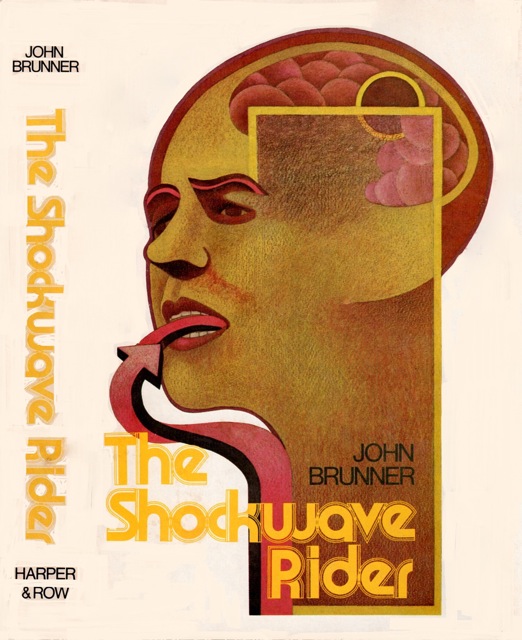
- The Shockwave Rider
John Brunnerstandalone novel1975
similar bynear futurescience fictiondarktensedystopiabig city+1 more
The Shockwave Rider is a science fiction novel by John Brunner, originally published in 1975. It is notable for its hero's use of computer hacking skills to escape pursuit in a dystopian future, and for the coining of the word "worm" to describe a program that propagates itself through a computer network. It also introduces the concept of a Delphi pool, perhaps derived from the RAND Corporation's Delphi method – a prediction market on world events which bears close resemblance to DARPA's controversial and cancelled Policy Analysis Market.
- The Hopkins Manuscript
R. C. Sherriffstandalone novel1939
similar bynear futurescience fictiondarktensedystopiaecological collapseour world
The Hopkins Manuscript is a dystopian science fiction novel by R. C. Sherriff, first published in 1939 by Victor Gollancz. In 1958 it was reissued in a revised edition as a Pan paperback under the title The Cataclysm. The novel was later republished under its original title by The Macmillan Company in 1963 and by Persephone Books in 2002.
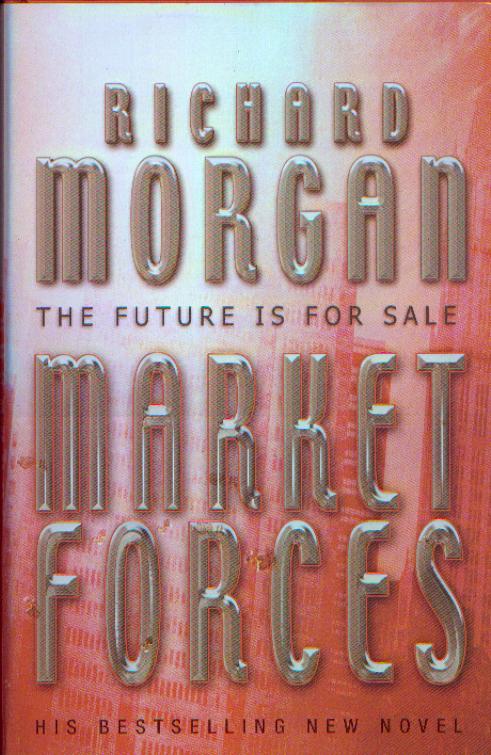
- Market Forces
Richard Morganstandalone novel2004
similar bynear futurescience fictiondarktensedystopiaclass conflictour worldbig city
Synopsis here.
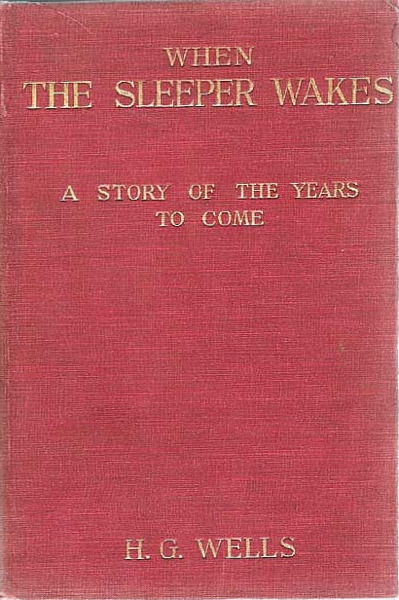
- When the Sleeper Wakes
H. G. Wellsstandalone novel1899
similar byscience fictiondarktensedystopiarebellion and revolutionour world+1 more
Graham, an insomniac Englishman in 1890s London, takes a course of sleep-inducing drugs and falls into a coma that lasts two centuries. He wakes in the year 2100 to find his investments have compounded, through a ruling body called the White Council, into effective ownership of most of the world's wealth and power, making him, on paper, humanity's master, and in practice, its prisoner, held under guard while the Council governs in his name. A rebel faction led by a man named Ostrog frees him, hoping to use his symbolic authority to spark an uprising against the Council. An early H. G. Wells dystopia about inherited power and manufactured consent.
- Oath of Fealty
Larry Niven & Jerry Pournellestandalone novel1981
similar bynear futurescience fictiontenseclass conflictdystopiaour worldbig city
Oath of Fealty is a 1981 novel by American writers Larry Niven and Jerry Pournelle, published originally by Phantasia Press, then by Timescape Books, with numerous reprints. Set in the near future, it involves an arcology, a large inhabited structure, called Todos Santos, which rises above a crime-ridden Los Angeles, California, but has little beyond casual contact with the city. The novel popularized the phrase "think of it as evolution in action", which occurs elsewhere in Niven's books. The novel anticipated the building of the Los Angeles subway. It was included in David Pringle's book Science Fiction: The 100 Best Novels.
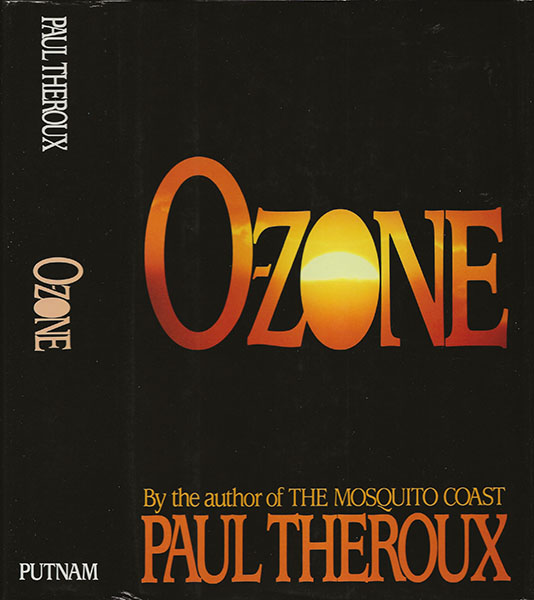
- O-Zone
Paul Therouxstandalone novel1986
similar bynear futurescience fictiondarkdystopiaclass conflictecological collapseour world+1 more
O-zone is a science fiction novel by the American author Paul Theroux published in 1986.
- The Guardians
John Christopherstandalone novel1970
similar bynear futurescience fictiontensedystopiaclass conflictour world+2 more
The Guardians is a young-adult science fiction novel written by John Christopher and published by Hamilton in 1970.
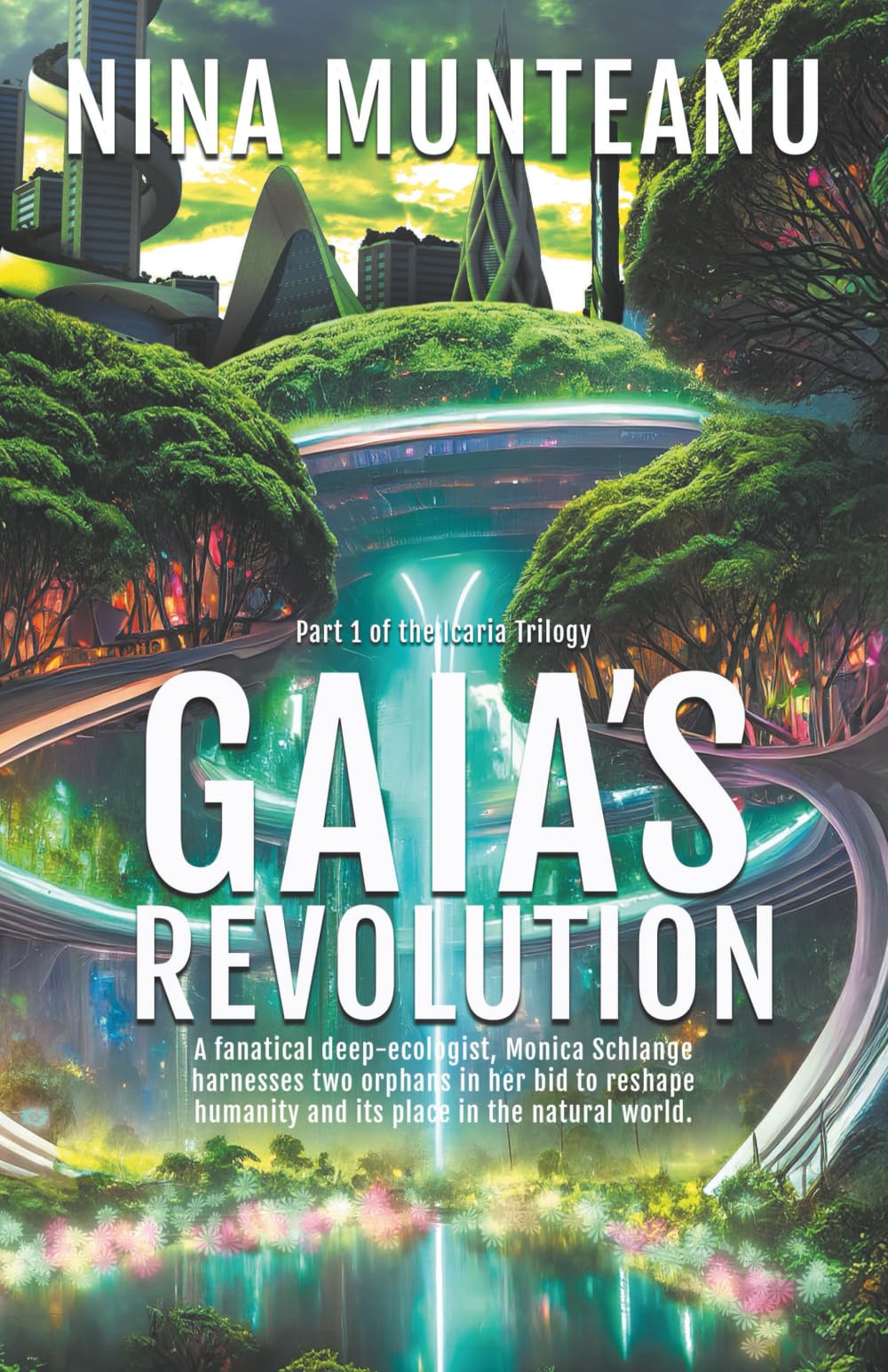
- The Icaria Trilogy
series3 books2007
similar bynear futurescience fictionecological collapsedarktensedystopiarebellion and revolutionour world+1 more
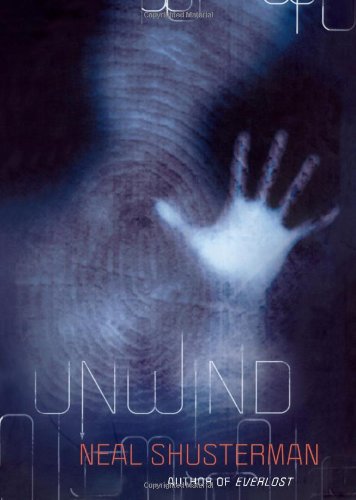
- Unwind Dystology
series5 books2007
similar bynear futurescience fictiontensedarkdystopiarebellion and revolution+1 more
Neal Shusterman's Unwind Dystology opens in a United States reshaped by the resolution to a war over reproductive rights: parents can retroactively have a teenager "unwound," their body disassembled for transplant on the premise that nothing technically dies since every part lives on in someone else. The first novel follows three teens fleeing that fate, and the sequels widen the same dystopia's cast and consequences across a four-book arc plus companion material. It is grim speculative fiction built to ask hard bioethical questions rather than offer comfort.
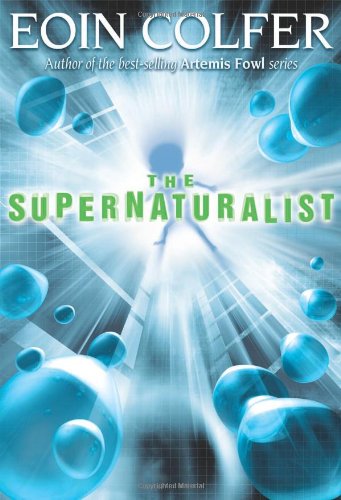
- The Supernaturalist
Eoin Colferstandalone novel2004
similar bynear futurescience fictiondarktensedystopiabig city+1 more
The Supernaturalist is a science fiction cyberpunk novel by Irish author Eoin Colfer. The book was influenced by film noir and other predecessors of the cyberpunk science fiction movement. Colfer has outlined plans for a sequel, Avernus.