More like Outer Dark
anchored on:literary & generalfamily secretsnorth americaearly 20th centurydarkgothic+3 more
but
- The Other
Thomas Tryonstandalone novel1971
similar byearly 20th centuryfamily secretsdarknorth americagothiccountryside & villagemadnesshorror
On a rural New England farm in 1935, thirteen-year-old identical twins Niles and Holland Perry share an unnervingly close bond, finishing each other's thoughts the way twins in family lore are supposed to. But the boys are not alike underneath: one is gentle and well-liked, the other carries something cold and cruel that the adults around them keep failing to notice. As a string of unsettling accidents and small cruelties start happening around the family's property, the people who love the twins begin, too slowly, to wonder whether both of them are really still there to blame. Thomas Tryon's debut novel, a work of quiet, Gothic-inflected horror.
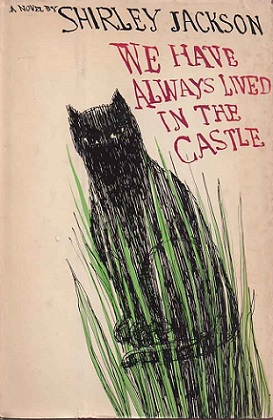
- We Have Always Lived in the Castle
Shirley Jacksonstandalone novel1962
similar byfamily secretsliterary & generalgothicnorth americamadnesshorror+2 more
A young woman lives with her older sister and sickly uncle in their old family house, after a mysterious tragedy turns the townsfolk against them.
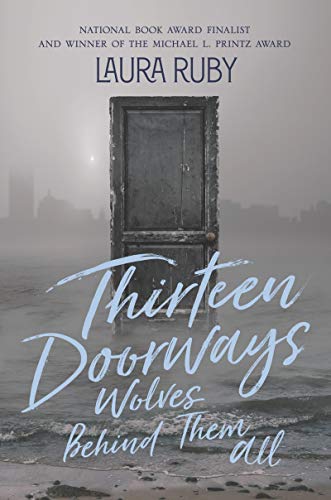
- Thirteen Doorways, Wolves Behind Them All
Laura Rubystandalone novel2019
similar byearly 20th centuryliterary & generalgrief and losssadnorth america+1 more
Thirteen Doorways, Wolves Behind Them All is a young adult novel by Laura Ruby, published October 1, 2019, by Balzer + Bray.
- The Reformatory
Tananarive Duestandalone novel2023
similar byearly 20th centurydarkgrief and lossnorth americaliterary & generalhorror
The Reformatory is a 2023 novel by Tananarive Due which combines elements of horror, historical fiction, and literary fiction. It is loosely based on the Dozier School for Boys and the atrocities committed there. The novel received critical acclaim, including a win for the 2024 Bram Stoker Award for Best Novel and 2024 World Fantasy Award for Best Novel.
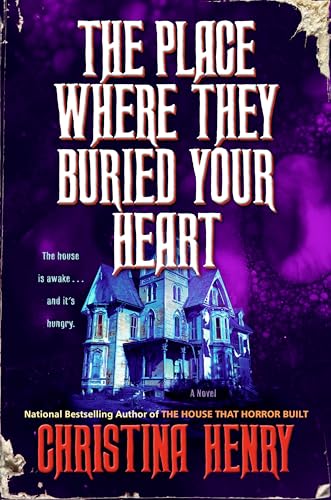
- The Place Where They Buried Your Heart
Christina Henrystandalone novel2025
similar bydarkgrief and lossfamily secretsnorth americagothichorror+1 more
On an otherwise ordinary street in Chicago, there is a house. An abandoned house where, once upon a time, terrible things happened. The children who live on this block are told by their parents to stay away from that house. But of course, children don’t listen. Children think it’s fun to be scared, to dare each other to go inside. Jessie Campanelli did what many older sisters do and dared her little brother Paul. But unlike all the other kids who went inside that abandoned house, Paul didn’t return. His two friends, Jake and Richie, said that the house ate Paul. Of course adults didn’t believe that. Adults never believe what kids say. They thought someone kidnapped Paul, or otherwise hurt him. They thought Paul had disappeared in a way that was ordinary, explainable. The disappearance of her little brother broke Jessie’s family apart in ways that would never be repaired. Jessie grew up, had a child of her own, kept living on the same street where the house that ate her brother sat, crouched and waiting. And darkness seemed to spread out from that house, a darkness that was alive—alive and hungry.
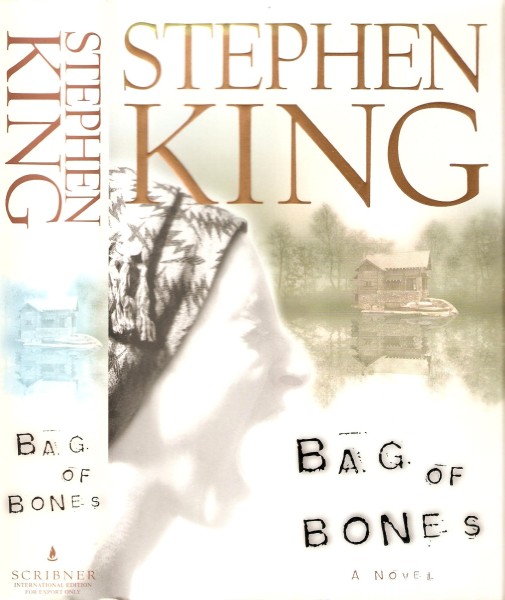
- Bag of Bones
Stephen Kingstandalone novel1998
similar bygrief and lossdarknorth americacountryside & villagemadnesshorror+1 more
Bag of Bones is a 1998 horror novel by American writer Stephen King. It focuses on an author who suffers severe writer's block and delusions at an isolated lake house four years after the death of his wife. It won the 1999 Bram Stoker Award for Best Novel, the 1999 British Fantasy Award for Best Novel, and the 1999 Locus Award for Best Dark Fantasy/Horror Novel.
- Shards
Tom Piccirillistandalone novel1996
similar bydarkliterary & generalgrief and losssadnorth americamadness+1 more
"Nathaniel Follows Jr., an emotionally distraught Long Island crime novelist, narrates this affecting look at a mixed-up young woman's suicide. Nathaniel's compulsion to investigate Susan's death may have some connection to his brother's conviction as a serial child killer. Piccirilli marks the plot with bizarre twists, singular images, and dark emotion. Very good prose, memorably detailed." — quoted from the Library Journal's review on this book's Kindle product page on Amazon as of 2018-04-26.
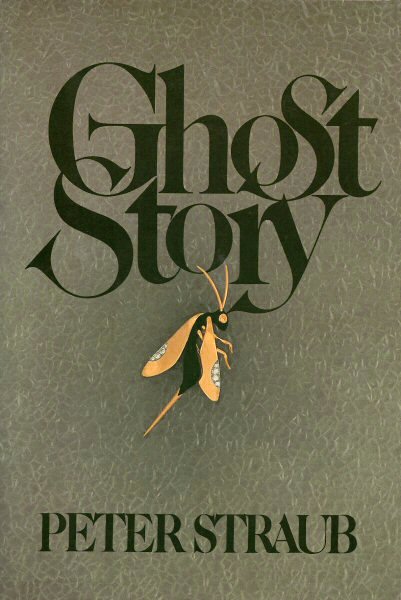
- Ghost Story
Peter Straubstandalone novel1979
similar bydarkgrief and lossfamily secretsnorth americahorror
Four prominent citizens of a small town in upstate New York who share guilt over something that happened in their youth are revisited late in life by a destructive evil force which uses their guilt as an opportunity to destroy them as well as the entire town.
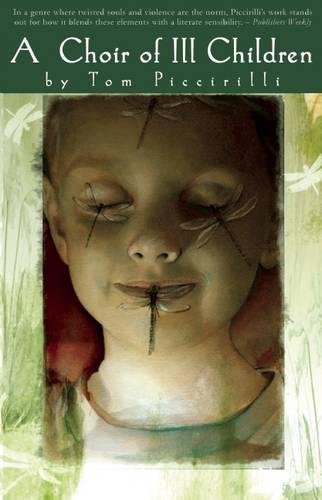
- A Choir of Ill Children
Tom Piccirillistandalone novel2003
similar bydarkgrief and lossfamily secretsnorth americagothichorror+1 more
This lyrical tale of evil, loss, and redemption is a stunning addition to the Southern gothic tradition of Flannery O'Connor and Harry Crews.A Choir of Ill Children is the startling story of Kingdom Come, a decaying, swamp backwater that draws the lost, ill-fated, and damned. Since his mother's disappearance and his father's suicide, Thomas has cared for his three brothers--conjoined triplets with separate bodies but one shared brain--and the town's only industry, the Mill.Because of his family's prominence, Thomas is feared and respected by the superstitious swamp folk. Granny witches cast hexes while Thomas's childhood sweetheart drifts through his life like a vengeful ghost and his best friend, a reverend suffering from the power of tongues, is overcome with this curse as he tries to warn of impending menace. All Thomas learns is that "the carnival is coming."Torn by responsibility and rage, Thomas must face his tormented past as well as the mysterious forces surging toward the town he loves and despises.From the Paperback edition.
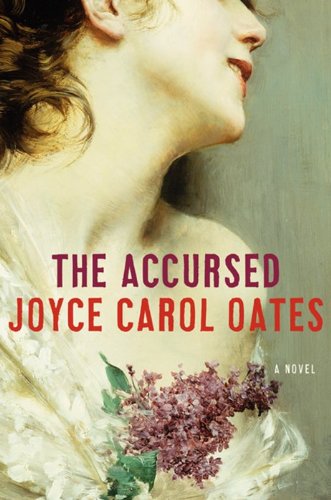
- The Accursed
Joyce Carol Oatesstandalone novel2013
similar byearly 20th centuryfamily secretsdarknorth americagothic+1 more
The Accursed is the fifth volume of United States writer Joyce Carol Oates's Gothic series following Bellefleur (1980), A Bloodsmoor Romance (1982), Mysteries of Winterthurn (1984), and My Heart Laid Bare (1998). The novel was published by Ecco on March 5, 2013. It is set in and around Princeton, New Jersey in the early twentieth century, and explores a variety of supernatural themes, tracing their effect upon members of several families who reside in the area. The Accursed contains a number of historical figures used in a fictional context, among them President Woodrow Wilson, and writers Mark Twain, Jack London and Upton Sinclair and his first wife Meta.
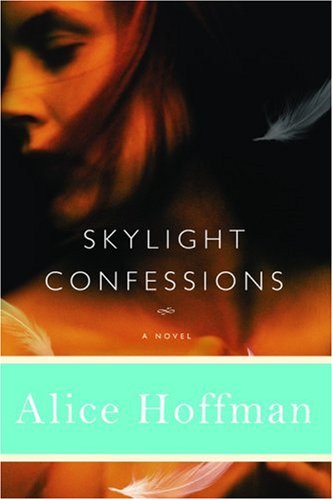
- Skylight Confessions
Alice Hoffmanstandalone novel2007
similar byliterary & generalgrief and lossfamily secretssadnorth america+1 more
Writing at the height of her powers, Alice Hoffman conjures three generations of a family haunted by love. Cool, practical, and deliberate, John is dreamy Arlyn's polar opposite. Yet the two are drawn powerfully together even when it is clear they are bound to bring each other grief. Their difficult marriage leads them and their children to a house made of glass in theConnecticut countryside, to the avenues of Manhattan , and to the blue waters of Long Island Sound. Glass breaks, love hurts, and families make their own rules. Ultimately, it falls to their grandson, Will, to solve the emotional puzzle of his family and of his own identity.
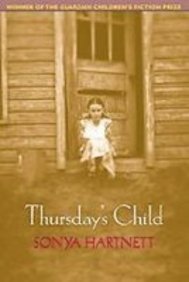
- Thursday's Child
Sonya Hartnettstandalone novel2000
similar byearly 20th centuryliterary & generalfamily secretssadcountryside & village+1 more
Thursday's Child is young adult novel by the Australian writer Sonya Hartnett, published in 2000 by Penguin Books. Set during the 1930s Great Depression in Australia, it features a young woman Harper Flute and her family, who live in poverty. It won the annual Aurealis Award for best young-adult novel.
- My Sweet Audrina
V. C. Andrewsstandalone novel1982
similar byfamily secretsdarkgrief and lossnorth americagothicmadnesshorror
Audrina Adare wanted so to be as good as her dead sister, because she knew her father could not care about her as he did her sister [WorldCat].
- If You Could See Me Now
Peter Straubstandalone novel1976
similar bydarkgrief and lossgothicnorth americahorror+1 more
If You Could See Me Now is a horror novel by American author Peter Straub. It is his third novel and his second work of gothic or supernatural fiction. The book was published by Jonathan Cape in June 1977 – the same London publisher who published Julia in 1976. Coward, McCann & Geoghegan published an American edition also in June 1977.
- Julia
Peter Straubstandalone novel1975
similar bygrief and lossfamily secretsdarkgothichorror+1 more
Julia is a 1975 novel by American writer Peter Straub. The work is Straub's first novel to deal with the supernatural and was published through Coward, McCann & Geoghegan. Julia was later adapted into the 1977 film Full Circle, starring Mia Farrow.
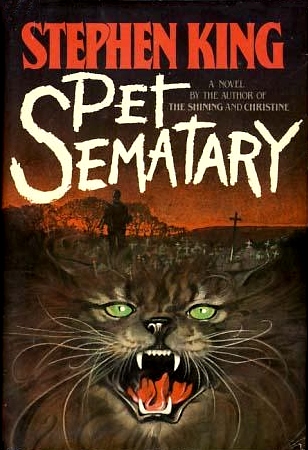
- Pet Sematary
Stephen Kingstandalone novel1983
similar bydarkgrief and lossnorth americahorror+1 more
Pet Sematary is a 1983 horror novel by American writer Stephen King. It tells the story of a family moving to Maine and settling closer to a pet cemetery in the woods, which is home to a terrifying force that brings death and sorrow. The novel was nominated for a World Fantasy Award for Best Novel in 1984, and adapted into two films: one in 1989 and another in 2019 as well as several spinoffs.
- The Edge of Running Water
William Sloanestandalone novel1939
similar byearly 20th centurydarkgrief and losshorror+1 more
After the death of his beloved wife, a physicist tries to build a machine that will enable him to communicate with the dead, with horrible consequences.
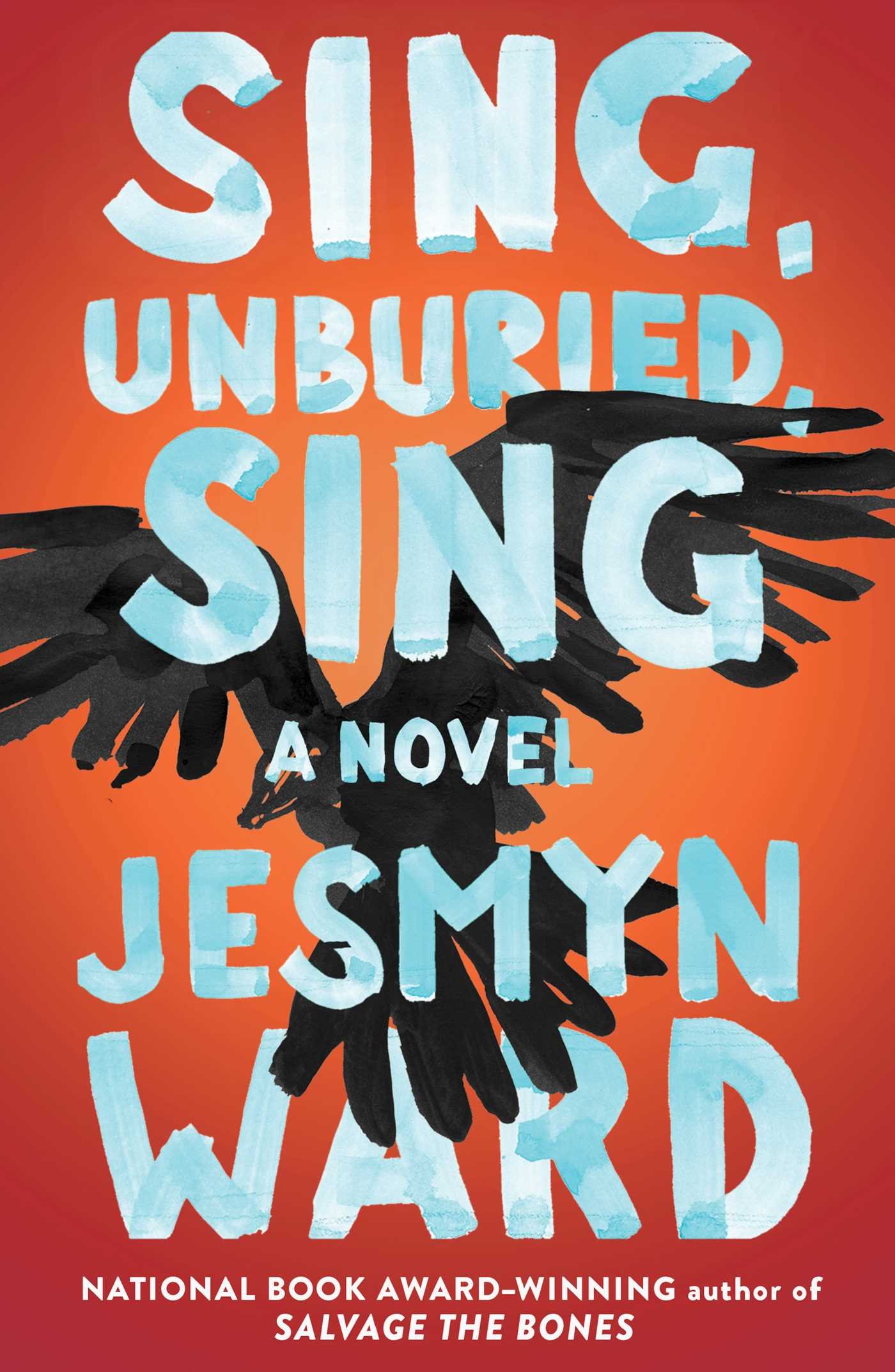
- Sing, Unburied, Sing
Jesmyn Wardstandalone novel2017
similar byliterary & generalgrief and lossfamily secretssadnorth america
Sing, Unburied, Sing is the third novel by the American author Jesmyn Ward and published by Scribner in 2017. It focuses on a family in the fictional town of Bois Sauvage, Mississippi. The novel received overwhelmingly positive reviews, and was named by The New York Times as one of the 10 Best Books of 2017. The novel won the 2017 National Book Award for Fiction.
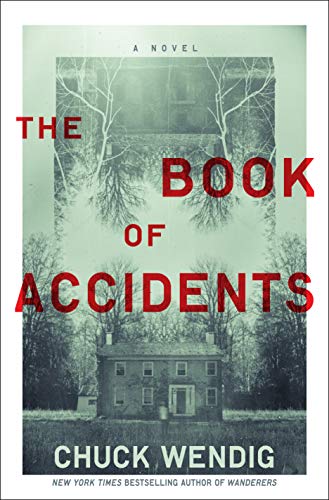
- The Book of Accidents
Chuck Wendigstandalone novel2021
similar byfamily secretsgrief and lossdarknorth americahorror+1 more
Long ago, Nathan lived in a house in the country with his abusive father—and has never told his family what happened there. Long ago, Maddie was a little girl making dolls in her bedroom when she saw something she shouldn’t have—and is trying to remember that lost trauma by making haunting sculptures. Long ago, something sinister, something hungry, walked in the tunnels and the mountains and the coal mines of their hometown in rural Pennsylvania. Now, Nate and Maddie Graves are married, and they have moved back to their hometown with their son, Oliver. And now what happened long ago is happening again . . . and it is happening to Oliver. He meets a strange boy who becomes his best friend, a boy with secrets of his own and a taste for dark magic. This dark magic puts them at the heart of a battle of good versus evil and a fight for the soul of the family—and perhaps for all of the world. But the Graves family has a secret weapon in this battle: their love for one another.
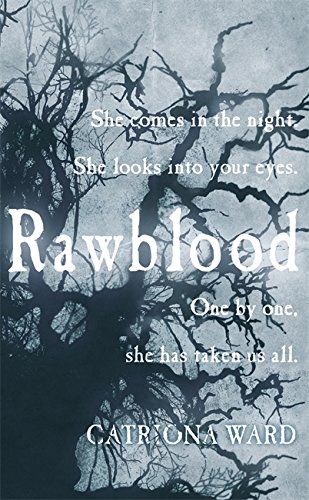
- Rawblood
Catriona Wardstandalone novel2015
similar byfamily secretsdarkgothiccountryside & villagemadnesshorror+1 more
Rawblood is the 2015 debut horror novel by Catriona Ward. The book was first published in the United Kingdom on September 24, 2015 through Weidenfeld & Nicolson. The novel was later published in the USA on March 1, 2017 by Sourcebooks as The Girl from Rawblood.
- Time's Arrow
Martin Amisstandalone novel1991
similar byearly 20th centurydarkliterary & general+2 more
From Amazon description: In this icy, knife's-edge story of a life that progresses backward through time, unfolding into one of the darkest episodes of the 20th century, Amis ("at his intriguing, heedful, and powerful best" —Time Out), finds a chillingly original approach to the Holocaust in fiction • From the acclaimed author of Zone of Interest "The narrative moves with irresistible momentum.... [Amis is] a daring, exacting writer willing to defy the odds in pursuit of his art." —Newsday Tod. T. Friendly is living his life in reverse. Doctor Friendly has just died, but he moves "out of blackest sleep" to find himself surrounded by doctors and on the deathbed of a man in whose body he is imprisoned. After weeks of improving in the hospital, he is sent home to his affable, melting-pot, primary-colors existence in suburban America. As Friendly breaks up with his lovers in a prelude to seducing them and mangles his patients before he sends them home, his life races backward toward the one appalling moment in modern history when such reversals make sense. From the fresh-cut lawns of his retirement to the hustle of New York, and then back to the boat which reverses his course to the war-torn Europe Friendly came from, Amis brings the steeliest nerve to the job of realizing the novel's inevitable logic. Trapped in his body from grave to cradle, Friendly's consciousness can only watch as he struggles to make sense of the good doctor's most ambitious project yet—the final solution.
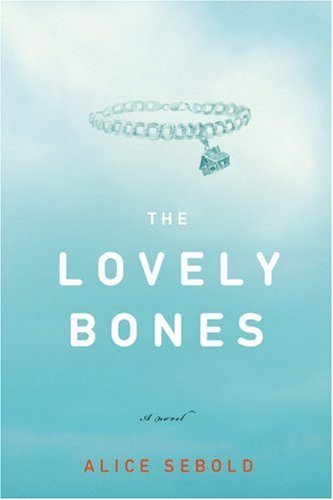
- The Lovely Bones
Alice Seboldstandalone novel2001
similar byliterary & generalgrief and losssadnorth america+1 more
The Lovely Bones is a 2002 novel by American writer Alice Sebold. It is the story of a teenage girl who, after being raped and murdered, watches from a personal heaven as her family and friends struggle to move on with their lives while she comes to terms with her own death. The novel received critical praise and became an instant bestseller.
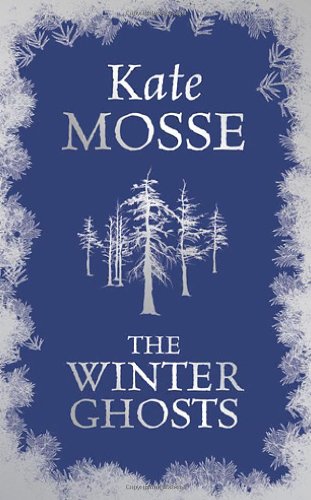
- The Winter Ghosts
Kate Mossestandalone novel2009
similar byearly 20th centurygrief and lossfamily secretssad+1 more
The Winter Ghosts is a 2009 historical fiction novel by English author Kate Mosse based on The Cave, a novella she wrote earlier that year as part of the Quick Reads initiative.
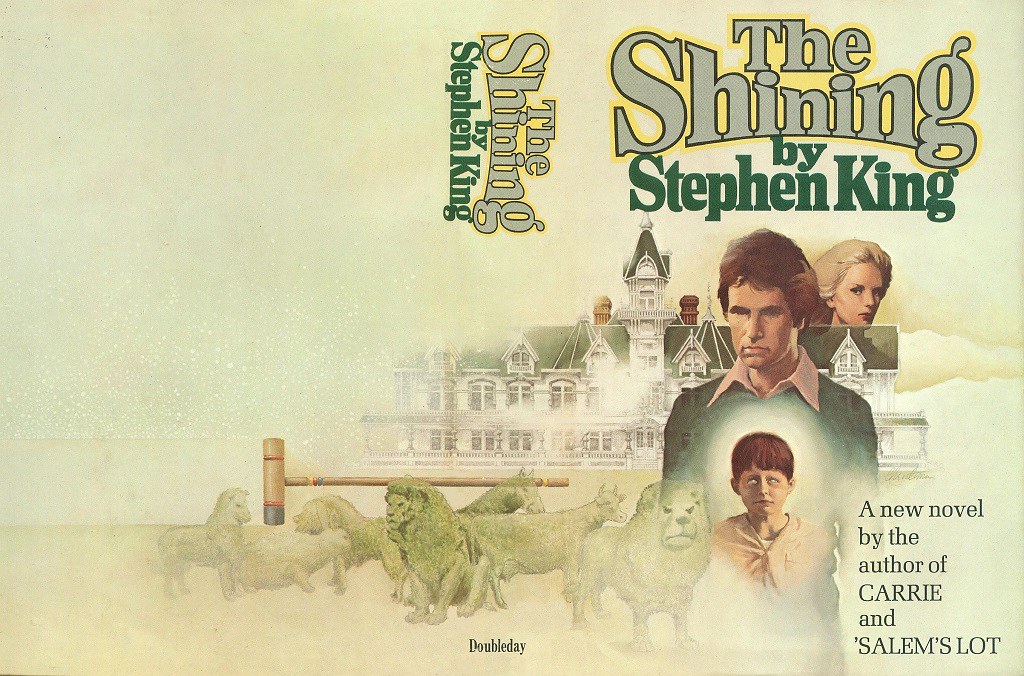
- The Shining
series5 books1977
similar bydarknorth americahorror+3 more
Stephen King's 1977 novel The Shining follows the Torrance family as winter caretakers of the isolated, malevolent Overlook Hotel, where father Jack is gradually consumed by the hotel's influence while his young son Danny's psychic "shining" draws its attention. Doctor Sleep (2013) picks up the story decades later, following Danny as an adult still marked by that childhood ordeal. Together the two form a horror duology spanning nearly forty years of real-world publication.