More like Outlaw School
anchored on:science fictiondystopiaour worldnear futureidentityrebellion and revolution+2 more
but
- A Clockwork Orange
series4 books1962
completed
similar bydarknear futuredystopiaour worldscience fictiontotalitarianismchallenging+1 more
Anthony Burgess's 1962 novel is narrated by Alex, a teenage gang leader in a near-future Britain gripped by a youth subculture of extreme violence, recounting his crimes in Nadsat, an invented slang blending English with Russian-derived words. After his crimes catch up with him, Alex is made the subject of a controversial state program meant to forcibly reform his behavior, and the novel uses his ordeal to question whether imposed goodness is worth the loss of free will. It is a standalone novel.
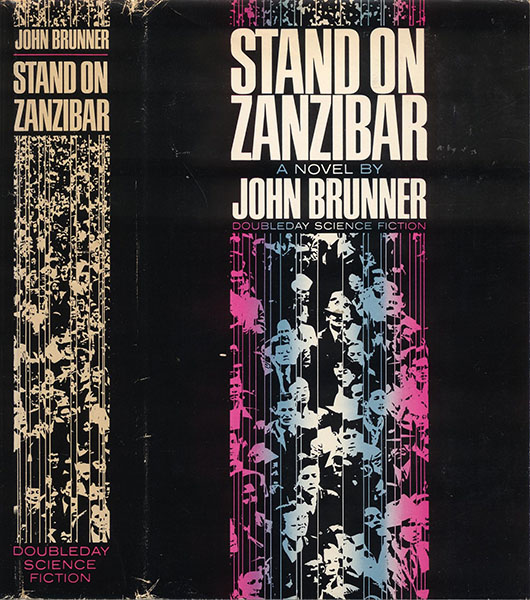
- Stand on Zanzibar
John Brunnerstandalone novel1968
similar bydarkour worldnear futurescience fictiondystopiachallenging+2 more
Stand on Zanzibar is a dystopian New Wave science fiction novel written by John Brunner and first in part published in New Worlds magazine in 1967 and in book form in 1968. The book won a Hugo Award for Best Novel at the 27th World Science Fiction Convention in 1969, as well as the 1969 BSFA Award and the 1973 Prix Tour-Apollo Award.
- The Children of Men
P. D. Jamesstandalone novel1992
similar bydarkour worldnear futurescience fictiondystopiarebellion and revolutiontotalitarianism
"The human race has become infertile, and under the despotic rule of Xan Lyppiatt, the Warden of England the old are despairing and the young cruel. Theo Faren, a cousin of the Warden, lives a solitary life in this ominous atmosphere. That is, until a chance encounter with a young woman leads him into contact with a group of dissenters. Suddenly his life is changed irrevocably, as he faces agonising choices which could affect the future of mankind." (pdjames.co.uk)
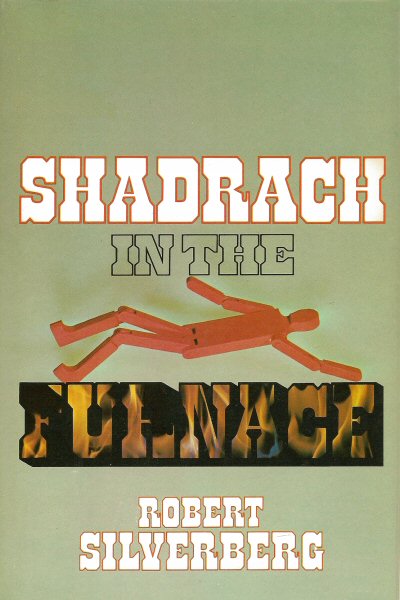
- Shadrach in the Furnace
Robert Silverbergstandalone novel1976
similar bydarknear futurescience fictionour worldidentitytotalitarianismdystopia+1 more
Shadrach in the Furnace is a science fiction novel by American writer Robert Silverberg, first published as a serial in Analog Science Fiction and Fact magazine in the August, September, and October 1976 issues. It was subsequently published by Bobbs Merrill in 1976. The novel was nominated in 1976 for the Nebula Award, and in 1977 for the Hugo Award.
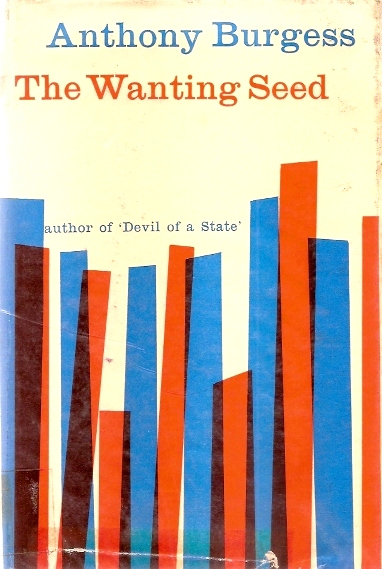
- The Wanting Seed
Anthony Burgessstandalone novel1962
similar bydarkour worldnear futurescience fictiondystopiatotalitarianismchallenging
The Wanting Seed is a dystopian novel by the English author Anthony Burgess, written in 1962.
- This Perfect Day
Ira Levinstandalone novel1970
similar bydarkscience fictiondystopiaour worldidentityrebellion and revolutiontotalitarianism
This Perfect Day is a science fiction novel by American writer Ira Levin, about a technocratic dystopia. Levin won a Prometheus Award in 1992 for this novel. This Perfect Day is one of two Levin novels yet to be adapted to film.
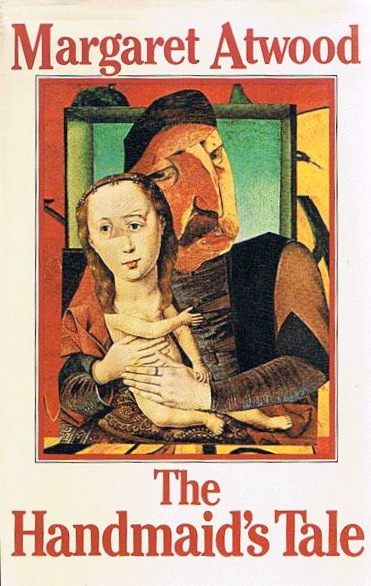
- The Handmaid's Tale
series3 books1985
similar bydarknear futuredystopiascience fictiontotalitarianismrebellion and revolution
The Handmaid's Tale is Margaret Atwood's 1985 novel set in Gilead, a totalitarian theocracy that has overthrown the United States and forces fertile women into reproductive servitude as Handmaids; it is narrated by one such woman, Offred. Atwood returned to the world in her 2019 sequel The Testaments, set fifteen years later and narrated by three women, including the regime's Aunt Lydia. Together the two novels move from Gilead's grip on power toward the first cracks in it.
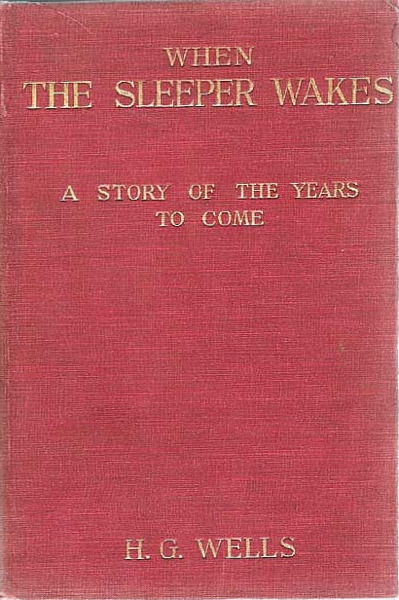
- When the Sleeper Wakes
H. G. Wellsstandalone novel1899
similar bydarkour worldscience fictiondystopiarebellion and revolutiontotalitarianism
Graham, an insomniac Englishman in 1890s London, takes a course of sleep-inducing drugs and falls into a coma that lasts two centuries. He wakes in the year 2100 to find his investments have compounded, through a ruling body called the White Council, into effective ownership of most of the world's wealth and power, making him, on paper, humanity's master, and in practice, its prisoner, held under guard while the Council governs in his name. A rebel faction led by a man named Ostrog frees him, hoping to use his symbolic authority to spark an uprising against the Council. An early H. G. Wells dystopia about inherited power and manufactured consent.
- The Future
Naomi Aldermanstandalone novel2023
similar bydarkour worldnear futurescience fictiondystopiatotalitarianism
The Future is a 2023 science fiction novel by English writer Naomi Alderman, published by Simon & Schuster. The novel is set in a future dystopia where the world has been altered by environmental crisis and a powerful technocracy.
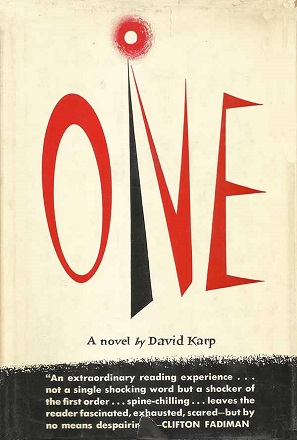
- One
David Karpstandalone novel1953
similar bydarkour worldnear futurescience fictiondystopiaidentitytotalitarianism
One is a dystopian novel by David Karp first published in 1953. It was also published under the title, Escape to Nowhere.
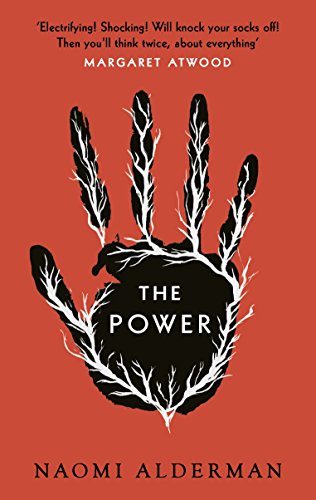
- The Power
Naomi Aldermanstandalone novel2016
similar bydarkour worldnear futurescience fictiondystopiachallenging+1 more
The Power is a 2016 science fiction novel by the British writer Naomi Alderman. Its central premise is of women developing the ability to release electrical jolts from their fingers, which allows them to become the dominant sex. In 2017, it won the Baileys Women's Prize for Fiction.
- The R-Master
Gordon R. Dicksonstandalone novel1973
similar bydarkour worldnear futurescience fictionidentitydystopia+2 more
The World Economic Council said the world had become Utopia. There should be no cause for dissatisfaction. But for those who were still restless, there was the new mind-stimulating drug R-47. Those who took R-47 were engaging in a sort of lottery whose rare winners would be super-geniuses and whose losers might be fit only for asylums. Etter Ho, whose brother was one of the losers, took the drug on the chance that, if he won, he could cure his brother. But what he became when he emerged from the mainlining was something none expected. For he became a menace to Utopian order, a danger to those who knew him, and the only man who might, just possibly, diagnose the real illnesses of the world. (from the back cover of the DAW Books first printing)
- The Simulacra
Philip K. Dickstandalone novel1964
similar bydarkour worldnear futurescience fictiontotalitarianismdystopia
The Simulacra is a 1964 science fiction novel by American writer Philip K. Dick. The novel portrays a future totalitarian society apparently dominated by a matriarch, Nicole Thibodeaux. It revolves around the themes of reality and illusionary beliefs, as do many of Dick's works. Additionally, it touches on Nazi ideology.
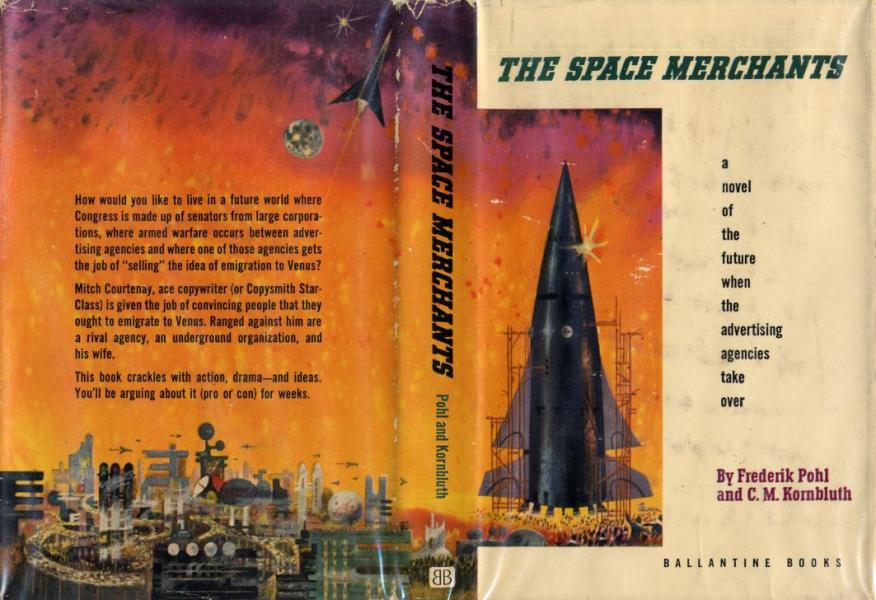
- Space Merchants
series2 books1953
completed
similar bydarknear futurescience fictiondystopia+1 more
The Space Merchants (1953) is a satirical science fiction novel by Frederik Pohl and C. M. Kornbluth that follows an advertising executive navigating a future where aggressive consumer capitalism has swallowed politics and daily life. The authors reunited three decades later for a direct sequel, The Merchants' War (1984), returning to the same satirical world. Together the two books form a compact bookend pair rather than an ongoing series.
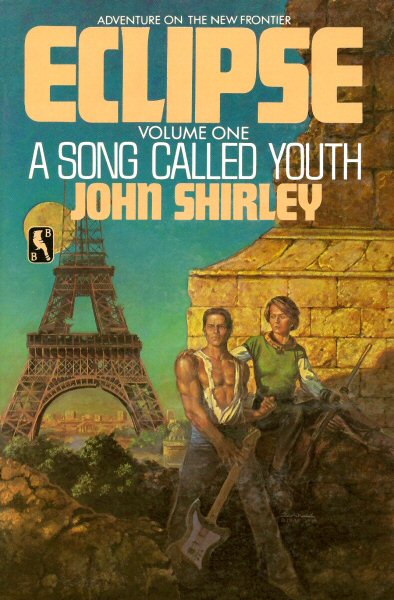
- A Song Called Youth / Eclipse
series3 books1985
similar bydarkour worldnear futurescience fictionrebellion and revolutiontotalitarianism+1 more
The Eclipse Trilogy is a series of three English language cyberpunk science fiction novels by John Shirley consisting of Eclipse (1985), Eclipse Penumbra (1988), and Eclipse Corona (1990).
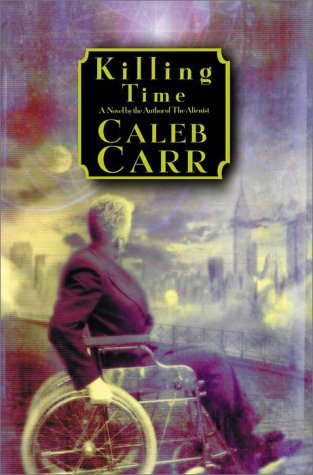
- Killing Time
Caleb Carrstandalone novel2000
similar bydarkour worldnear futurescience fictiondystopiatotalitarianism+1 more
Killing Time is a dystopian novel by Caleb Carr set in the mid-21st century. Its first 22 chapters were initially serialized in five special issues of TIME and the complete work was later published in 2000 by Random House. It includes criticisms of the Information Age. The book was a departure for Carr, whose previous two novels were crime thrillers set in the Victorian era.
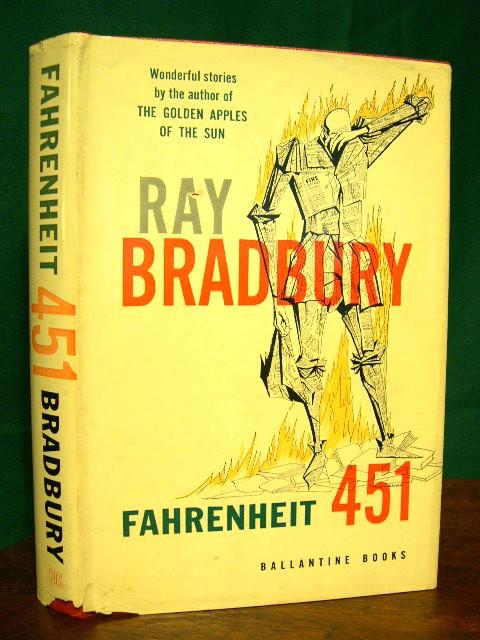
- Fahrenheit 451
series2 books1951
completed
similar bydystopiascience fictionnear futuretotalitarianism+2 more
Fahrenheit 451 began life as "The Fireman," a novella Ray Bradbury published in 1951, which he then expanded into the full novel released in 1953 under its now-famous title. Set in a future where books are outlawed and firemen exist to burn them, it follows fireman Guy Montag as doubts about his job push him toward the very literature he's supposed to destroy. The novella and novel are one story's evolution rather than two separate books.
- Make Room! Make Room!
Harry Harrisonstandalone novel1966
similar bydarkour worldnear futurescience fictiondystopia
Make Room! Make Room! is a 1966 science fiction novel written by Harry Harrison exploring the consequences of both unchecked population growth on society and the hoarding of resources by a wealthy minority. It was originally serialized in Impulse magazine.
- Facial Justice
L. P. Hartleystandalone novel1960
similar bydarkour worldnear futurescience fictiondystopiatotalitarianism
Post World War III novel with underground population again coming to live on the surface.
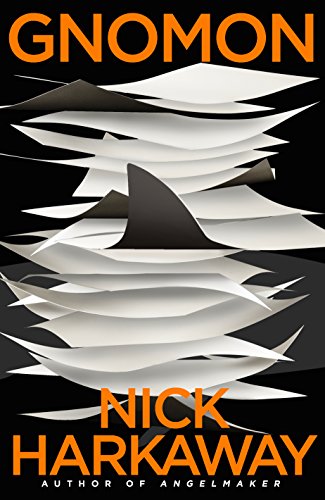
- Gnomon
Nick Harkawaystandalone novel2017
similar byour worldnear futurescience fictionidentitytotalitarianismdystopiachallenging
Gnomon is a 2017 science fiction novel by British author Nick Harkaway. The book deals with a state that exerts ubiquitous surveillance on its population. A detective investigates a murder through unconventional methods that leads to questions about her society's very nature.
- Player Piano
Kurt Vonnegut & Jr.standalone novel1952
similar bydarknear futurescience fictiondystopiarebellion and revolution
In the near future, when cybernetic automation has effectively separated people into two castes, the "engineers and managers", and the remainder of the population who can find work only in "recycling and reclamation" or the largely useless military, an underground movement arises with the intention of rolling back those changes and giving the masses the dignity of owning their own, productive, work once more.
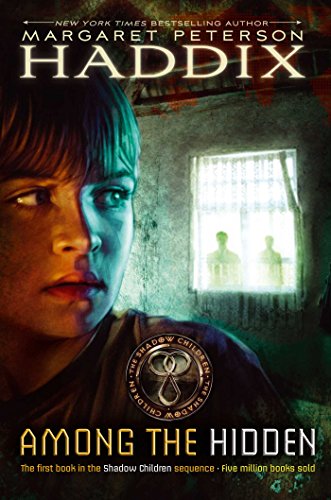
- Shadow Children
series7 books1998
similar bydarknear futuredystopiascience fictiontotalitarianism+2 more
Shadow Children is a series of seven books by Margaret Peterson Haddix about a dystopian country which suffers food shortages due to a drought and the effects of the government's totalitarian attempts to control resources as a way to solidify its power. The Population Police enforce the government's Population Law, killing or imprisoning "shadow children," any child born after their first two siblings. In some cases, a parent may choose to forge a child's identification card so a shadow child can live a normal life.
- Blood Music
Greg Bearstandalone novel1985
similar bydarkour worldnear futurescience fiction+1 more
Blood Music is a 1985 science fiction novel by American writer Greg Bear. It is an expanded version of a short story of the same title, originally published in the June 1983 issue of Analog and the winner of both the 1983 Nebula and 1984 Hugo awards for Best Novelette. The novel won the 1986 Prix Apollo Award, given to the best science fiction novel published in France during the preceding year, under the title La Musique du sang.
- The Stone Gods
Jeanette Wintersonstandalone novel2007
similar bydarkour worldnear futurescience fictiondystopiachallenging
The Stone Gods is a novel written by Jeanette Winterson. Published in the year 2007, the novel is a post-apocalyptic, postmodern, dystopian love story, with themes of corporate government control, the harshness of war, artificial intelligence, and technology. The novel is self-referential as characters make inter-textual references, while certain characters’ story arcs repeat. The novel aims to warn against history's tendency to repeat itself, as well as humanity's inability to learn from past mistakes.