More like Paradox Lost
anchored on:science fictiontime travelcontemporarythriller & suspenserobotsrebellion and revolution+4 more
but
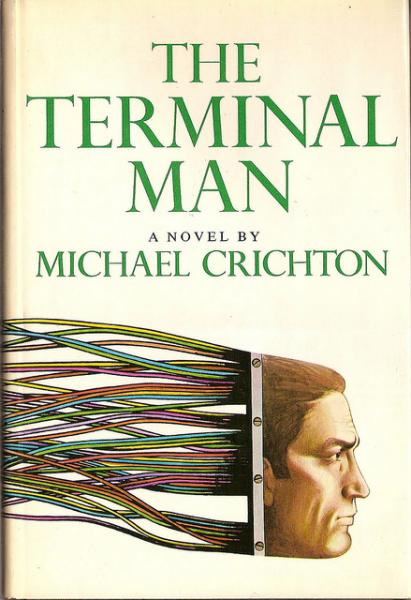
- The Terminal Man
Michael Crichtonstandalone novel1972
similar bycontemporarydarktensescience fictionthriller & suspense
The Terminal Man is a novel by American writer Michael Crichton. It is his second novel under his own name, his 12th overall, and is about the dangers of mind control. It was published in April 1972 and also serialized in Playboy in March, April, and May 1972. In 1974, it was made into a film of the same name.
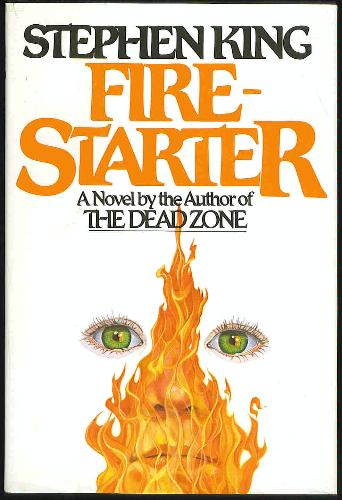
- Firestarter
Stephen Kingstandalone novel1980
similar bycontemporarydarktensescience fictionthriller & suspense
WorldCat: Innocence and beauty ignite with evil and terror... First, a man and a woman are subjects of a top-secret government experiment designed to produce extraordinary psychic powers. Then, they are married and have a child. A daughter. Early on the daughter shows signs of a wild and horrifying force growing within her. Desperately, her parents try to train her to keep that force in check, to 'act normal'. Now the government wants its brainchild back for its own insane ends.
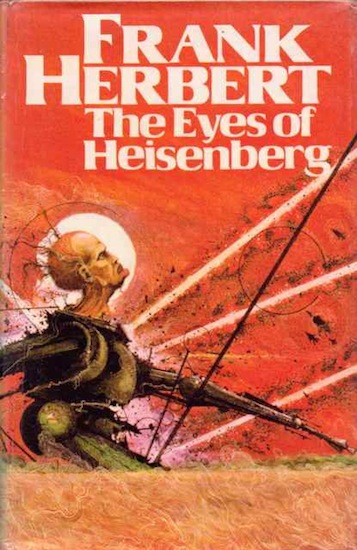
- The Eyes of Heisenberg
Frank Herbertstandalone novel1966
similar bydarktensescience fictionrebellion and revolutionthriller & suspense+1 more
Tens of thousands of years in the future, Earth is ruled by the Optimen, a genetically engineered aristocracy that has made itself functionally immortal, while ordinary people, the Folk, live under strict reproductive control. When Harvey and Lizbeth Durant arrive to have their embryo genetically screened, the examining doctor finds something in the child no one has seen in a very long time: real potential for both fertility and life span, traits the Optimen have arrogated to themselves. Rather than destroy the embryo as policy demands, the doctor hesitates, setting off a chain of surveillance, suspicion and resistance. A tightly wound Frank Herbert thriller about genetic caste and rebellion.
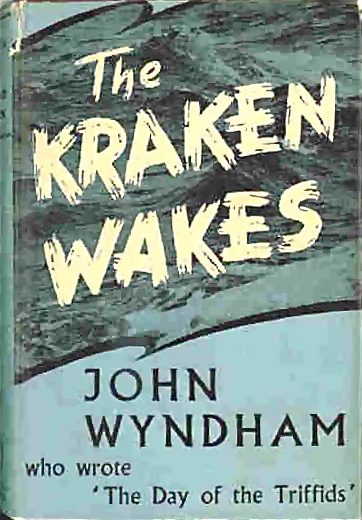
- The Kraken Wakes
John Wyndhamstandalone novel1953
similar bydarktensescience fictionwar+1 more
" Behind a spectacular meteor shower actually hides the beginning of an invasion by a mysterious and powerful alien race. Earth's life is disrupted by the attacks of extraterrestrials whose war machines, emerging from the depths of the oceans, seem indestructible. The coalitioned forces of the whole world are worthless, powerless in the face of the indecipherable and deadly plans of a superior intelligence, capable of bringing the entire planet to the brink of catastrophe" Goodreads May 20, 2022
- Jerusalem's Lot
series3 books1975
similar bycontemporarydarktense+1 more
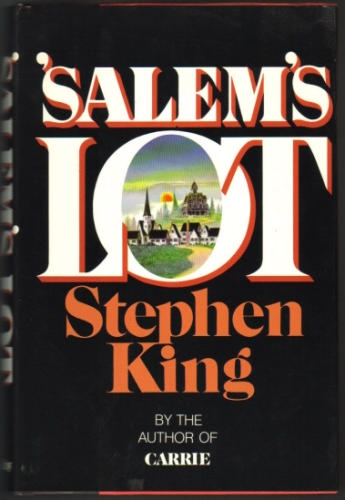
Stephen King's 1975 novel 'Salem's Lot follows writer Ben Mears as he returns to his childhood town of Jerusalem's Lot, Maine, only to discover that its residents are being turned into vampires by a newly arrived stranger. It transplants Gothic vampire horror into a small New England community, tracking that community's collapse under a supernatural siege. It is a single, self-contained novel.
- Night Chills
Dean R. Koontzstandalone novel1976
similar bycontemporarydarktensescience fictionthriller & suspense
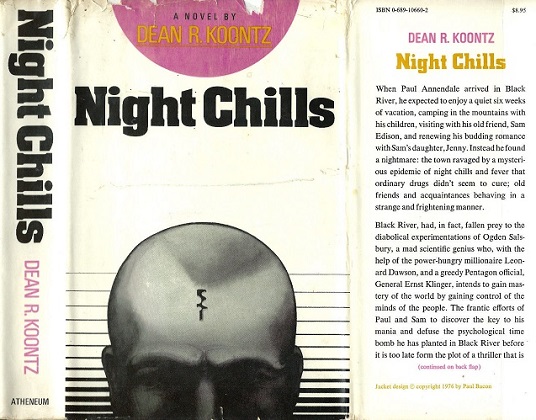
A single father and his 2 children, along with the father's love interest and her father, stumble upon a plot to perfect mind control via scientific means and must stop it before it is extended to everyone in the world.
- The Ruins
Scott Smith (screenwriter)standalone novel2006
similar bycontemporarylatin americadarktense
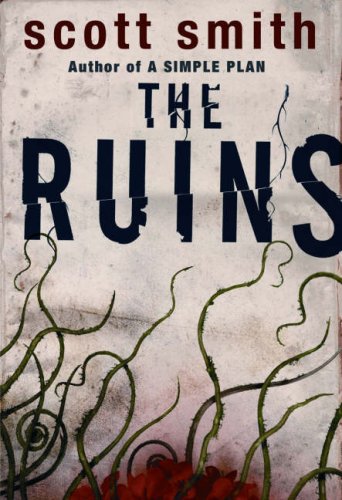
The Ruins is a 2006 horror novel by American author Scott Smith, set on Mexico's Yucatán Peninsula. The book fits specifically into the survival horror genre, which is marked by people doing whatever it takes to conquer their environment and stay alive. The novel was released on July 18, 2006 (ISBN 1-4000-4387-5).
- Misery
Stephen Kingstandalone novel1987
similar bycontemporarydarktensethriller & suspense
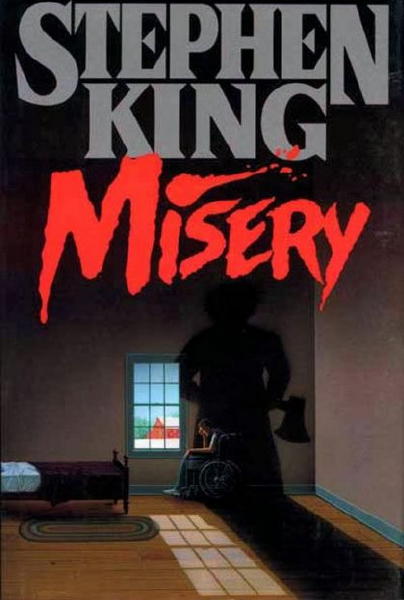
Novelist Paul Sheldon finishes the manuscript that will finally kill off Misery Chastain, the heroine who made his career, when a snowstorm sends his car off a Colorado road. He wakes with both legs shattered, in the care of Annie Wilkes, a former nurse and 'number one fan' with no intention of taking him to a hospital. Annie manages his pain with drugs he comes to depend on, and her moods swing between doting and violent. When she learns Misery doesn't survive his new manuscript, her reaction makes clear Paul isn't just her patient, he's her hostage. A Stephen King novel about a writer at his most devoted fan's mercy.
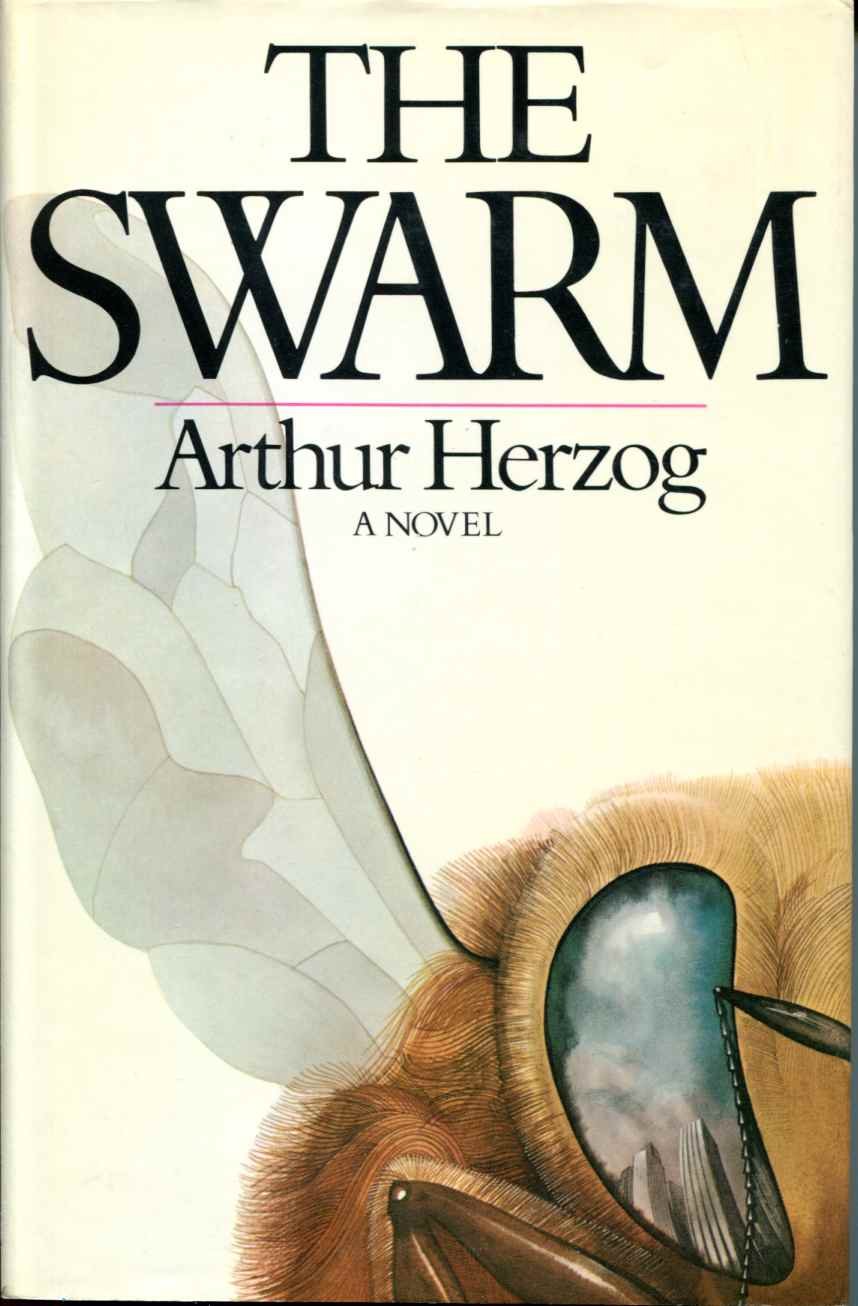
- The Swarm
Arthur Herzogstandalone novel1974
similar bycontemporarydarktensescience fictionthriller & suspense
The United States faces an outbreak of offspring of Africanized honeybees, mutated so as to enhance their rapid spread as well as their aggressiveness and lethality.
- The Swarm
Frank Schätzingstandalone novel2004
similar bycontemporarydarktensescience fictionthriller & suspense
The Swarm is a science fiction novel by German author Frank Schätzing. It was first published in 2004 and soon became a bestseller.
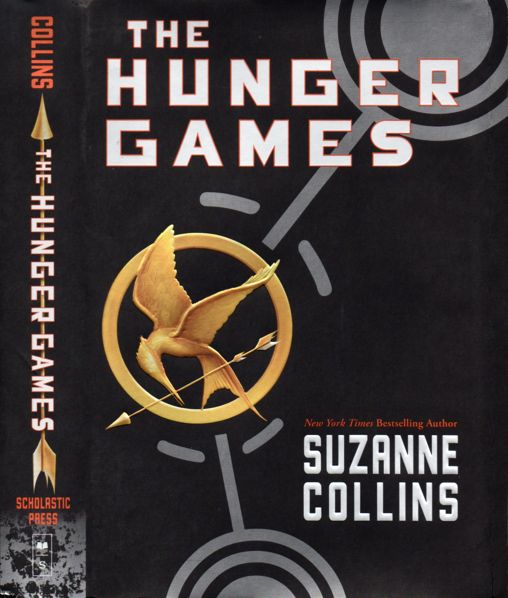
- The Hunger Games
series3 books2008
part of The Hunger Games Universe
similar bydarktensescience fictionrebellion and revolution+1 more
The Hunger Games is a series of young adult dystopian novels written by American author Suzanne Collins. The series consists of a trilogy that follows teenage protagonist Katniss Everdeen, as well as two prequels. The Hunger Games universe is a dystopia set in Panem, a post-apocalyptic North American country consisting of the wealthy Capitol and 12 districts in varying states of poverty. As punishment for rebellion, the Capitol hosts an annual battle royale competition called The Hunger Games. Each of the 12 districts must send two children between the ages of 12 and 18 to participate, and the last surviving child is dubbed the victor.
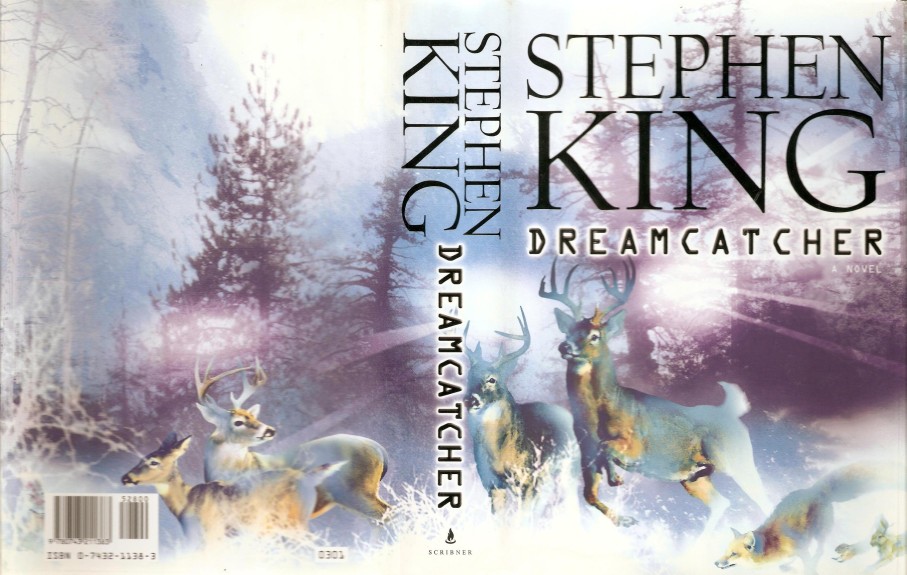
- Dreamcatcher
Stephen Kingstandalone novel2001
similar bycontemporarydarktensescience fiction
Dreamcatcher is a 2001 science fiction horror novel by American writer Stephen King, featuring elements of body horror, suspense and alien invasion. The book, written in longhand, helped the author recuperate from a 1999 car crash, and was completed in half a year. According to the author in his afterword, the working title was Cancer. His wife, Tabitha King, persuaded him to change the title. A film adaptation was released in 2003.
- The Andromeda Strain
series2 books1969
similar bycontemporarytensescience fiction+1 more
Michael Crichton's 1969 novel The Andromeda Strain follows a team of scientists racing to contain a lethal extraterrestrial microorganism that crash-lands in Arizona, told in the clinical, document-driven style that helped establish the techno-thriller genre. Daniel H. Wilson's authorized 2019 sequel The Andromeda Evolution revisits the same threat five decades later. Together the two books form a two-part outbreak story separated by a fifty-year gap in publication.
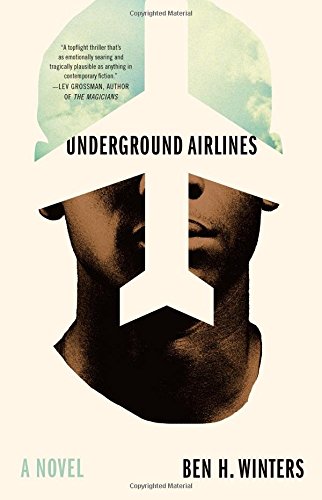
- Underground Airlines
Ben H. Wintersstandalone novel2016
similar bycontemporarydarktensescience fictionthriller & suspense
Underground Airlines is a 2016 science fiction novel by American writer Ben Winters, set in a contemporary alternate-history United States where the American Civil War never occurred because Abraham Lincoln was assassinated prior to his 1861 inauguration and a version of the Crittenden Compromise was adopted instead. As a result, slavery has remained legal in a group of Southern states known as the "Hard Four": Alabama, Louisiana, Mississippi and a unified Carolina. Its name evokes the Underground Railroad in relations to its setting. The novel attracted praise for exploring racism through the alternate-history mechanism.
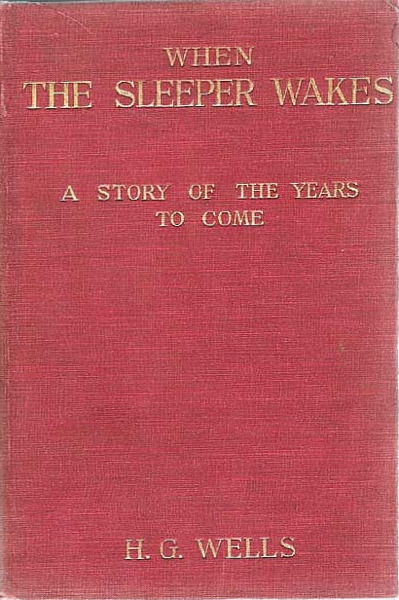
- When the Sleeper Wakes
H. G. Wellsstandalone novel1899
similar bydarktensescience fictionrebellion and revolutiontime travel
Graham, an insomniac Englishman in 1890s London, takes a course of sleep-inducing drugs and falls into a coma that lasts two centuries. He wakes in the year 2100 to find his investments have compounded, through a ruling body called the White Council, into effective ownership of most of the world's wealth and power, making him, on paper, humanity's master, and in practice, its prisoner, held under guard while the Council governs in his name. A rebel faction led by a man named Ostrog frees him, hoping to use his symbolic authority to spark an uprising against the Council. An early H. G. Wells dystopia about inherited power and manufactured consent.
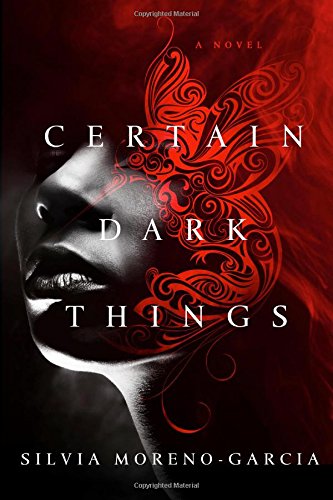
- Certain Dark Things
Silvia Moreno-Garciastandalone novel2016
similar bycontemporarylatin americadarktense
"Certain Dark Things combines elements of Latin American mythology with a literary voice that leads readers on an exhilarating and fast-paced journey. Welcome to Mexico City, an oasis in a sea of vampires. Here in the city, heavily policed to keep the creatures of the night at bay, Domingo is another trash-picking street kid, just hoping to make enough to survive. Then he meets Atl, the descendant of Aztec blood drinkers. Domingo is smitten. He clings to her like a barnacle until Atl relents and decides to let him stick around. But Atl's problems, Nick and Rodrigo, have come to find her. When they start to raise the body count in the city, it attracts the attention of police officers, local crime bosses, and the vampire community. Atl has to get out before Mexico City is upended, and her with it. In 2015, Silvia's debut, Signal to Noise, was named on seven year's best lists: B & N's Sci-Fi & Fantasy Blog, RT, BookRiot, Buzzfeed, i09, Vice, and Tor.com. Certain Dark Things was also listed on B & N's Sci-Fi & Fantasy Blog as one of 42 books they can't wait to read in 2016 and on io9 as one of 40 Science Fiction and Fantasy Books That Will Rock Your World In 2016!"--
- The Institute
Stephen Kingstandalone novel2019
similar bycontemporarydarktensescience fictionthriller & suspense
The Institute is a 2019 American science fiction-horror novel by Stephen King, published by Scribner. The book follows twelve-year-old genius Luke Ellis. When his parents are murdered, he is kidnapped by intruders and awakens in the Institute, a facility that houses other abducted children who have telepathy or telekinesis. The Institute was published on September 10, 2019, and met with generally positive reviews.
- The Killer Thing
Kate Wilhelmstandalone novel1967
similar bycontemporarydarktensescience fictionrobots
A robot destroys its inventor and programs itself to kill all life. How much must be sacrificed to stop it?
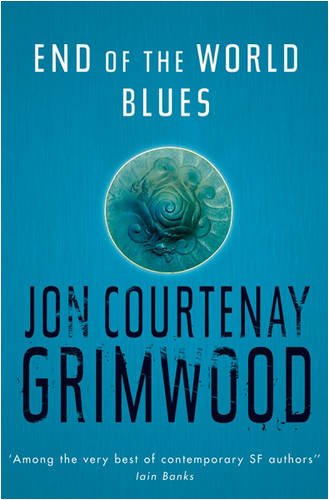
- End of the World Blues
Jon Courtenay Grimwoodstandalone novel2006
similar bycontemporarydarktensescience fictionthriller & suspense
"Kit Nouveau didn't escape himself when he fled to Japan. Now running a biker bar in the Roppongi district of Tokyo, he's also sleeping with the wife of a High Yakusa ganglord. All things considered, being held up at gunpoint isn't a complete shock. The pale girl in the red cloak appearing from nowhere and punching an ivory spike into his attacker's head on the other hand." "Nijie has stolen fifteen million dollars, she's on the run, she's just killed a man and she has a cat who knows more than it should. It's a lot to deal with when you haven't even left school." "But Nijie is also Lady Neku, and in a sentient castle at the end of the world Lady Neku otherwise known as Baroness Nawa-no-ukiyo. Countess High Strange and chatelaine of Schlass Omga realizes that Kit has stolen some of her memories. What happens to a man who finally realises he can't outrun himself? Kit Nouveau is about to find out."--BOOK JACKET. "Kit Nouveau figured he'd already come to the end of the world. An Iraqi war veteran, expatriate, and part owner of Pirate Mary's, the best Irish bar in Tokyo, Kit had settled down to await the inevitable with barely a whimper. It wasn't exactly how Kit thought he'd end up, and he was right." "It's going to end up a lot worse." "A teenage runaway with fifteen million dollars in stolen cash and a taste for cosplay is about to save Kit's life in a lethal swirl of scarlet and bridal lace. Lady Neku, a.k.a. Countess of High Strange, has her own dangerous destiny to fulfill and it's mysteriously connected to Kit's ravaged past. Now Kit's only hope for redemption is to save an ex-girlfriend he tragically failed once before. But everyone says it's already too late. And she's left behind only one ominous clue: her suicide note."--BOOK JACKET.
- Under the Dome
Stephen Kingstandalone novel2009
similar bycontemporarydarktensescience fiction
A small town in Maine finds itself suddenly cut off from the outside world by an impenetrable barrier, and the clash of personalities of the trapped people takes its inexorable devastating course.
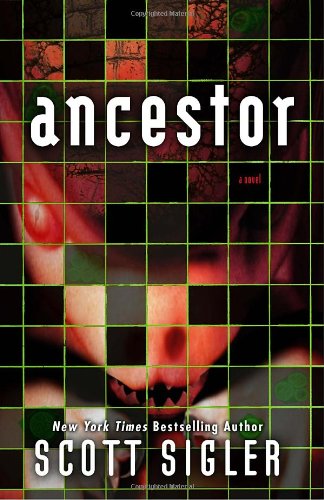
- Ancestor
Scott Siglerstandalone novel2007
similar bycontemporarydarktensescience fictionthriller & suspense
Ancestor is a science fiction thriller novel by American writer Scott Sigler. The novel was released in podcast format in 2006, with it also being released in print via Dragon Moon Press in 2007. Ancestor was later re-released by Crown Publishing in 2010.
- Cell
Stephen Kingstandalone novel2006
similar bycontemporarydarktensescience fiction
In Cell, King taps into readers fears of technological warfare and terrorism. Mobile phones deliver the apocalypse to millions of unsuspecting humans by wiping their brains of any humanity, leaving only aggressive and destructive impulses behind. Those without cell phones, like illustrator Clayton Riddell and his small band of "normies," must fight for survival, and their journey to find Clayton's estranged wife and young son rockets the book toward resolution.
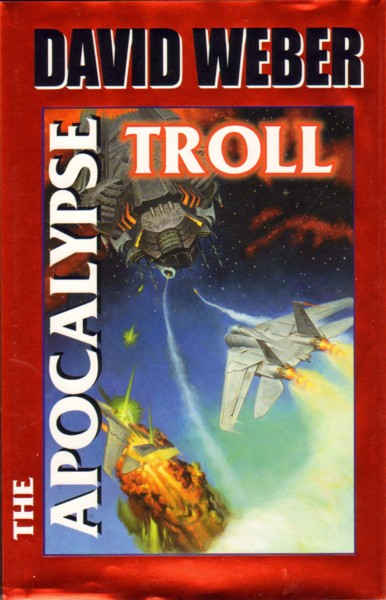
- The Apocalypse Troll
David Weberstandalone novel1999
similar bycontemporarytensescience fictiontime travelwar
The Apocalypse Troll is a novel by American writer David Weber, first published by Baen Books in January 1999. It is a story about time travel and alien invasion.
- The Hunger Games Universe
universe5 books2008
Start hereThe Hunger Games · Start here
similar bydarktensescience fictionrebellion and revolution+1 more
Panem, they call it now — a nation raised on the drowned bones of North America, a glittering Capitol ringed by twelve districts it once starved into obedience. Every year the Capitol collects its debt in children: two tributes from each district, drawn by lottery, dropped into an engineered arena, and made to kill one another on live television while the whole country is required to watch. This is the Hunger Games — entertainment, punishment, and government at once. Suzanne Collins tells it in a compact, unified body of work. The founding trilogy — The Hunger Games, Catching Fire, and Mockingjay — follows Katniss Everdeen, a girl from the coal-mining District 12 who volunteers in her sister's place and becomes something the Capitol never scripted. Two prequels reach back into the same machinery: The Ballad of Songbirds and Snakes traces a young Coriolanus Snow long before he is President, and Sunrise on the Reaping returns to District 12 a generation ahead of Katniss. Begin with the trilogy, in order — it is Katniss's voice, close and present-tense, that makes Panem breathe, and the prequels land hardest once you know how her story ends. Beneath the spectacle sits one steady, uncomfortable question: who profits when we agree to look away.