More like Parasol Against the Axe
anchored on:literary & generalcontemporary
but
- Quichotte
Salman Rushdiestandalone novel2019
similar byliterary & generalidentitycontemporarymetafictionwhimsical+3 more
Quichotte is a 2019 novel by Salman Rushdie. It is his fourteenth novel, published on 29 August 2019 by Jonathan Cape in the United Kingdom and Penguin Books India in India. It was published in the United States on 3 September 2019 by Random House. Inspired by Miguel de Cervantes's classic novel Don Quixote, Quichotte is a metafiction that tells the story of an addled Indian-American man who travels across America in pursuit of a celebrity television host with whom he has become obsessed.
- The Cemetery of Untold Stories
Julia Alvarezstandalone novel2024
similar byliterary & generalreflectiveidentitybooks and readingcontemporarymagical realism+1 more
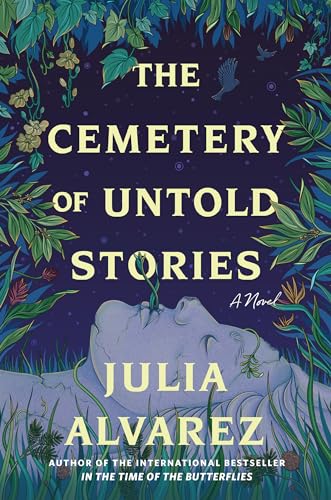
The Cemetery of Untold Stories: A Novel (2024) is a work of magical realism and the seventh novel by Dominican-American writer Julia Alvarez. The book follows Alma, a prolific author who, after retiring from her teaching job and writing career, inherits a plot of land in the Dominican Republic where she decides to create a cemetery for her unfinished manuscripts and notes.
- Ægypt
series5 books1987
completed
similar byreflectiveidentitybooks and readingcontemporaryliterary & general+1 more
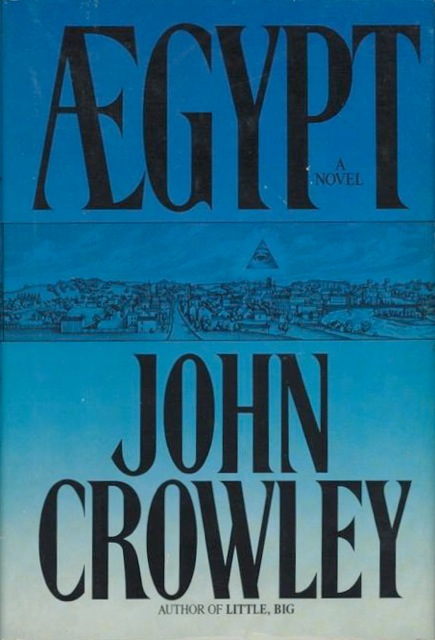
Ægypt is a fantasy tetralogy written by American author John Crowley. The series describes the life and work of Pierce Moffett, a history professor who prepares a manuscript for publication even as it prepares him for some as-yet unknown destiny, all set amidst strange and subtle Hermetic manipulations among the Faraway Hills at the border of New York, New Jersey and Pennsylvania.
- Concrete Island
J. G. Ballardstandalone novel1974
similar byliterary & generalreflectiveidentityeuropecontemporary
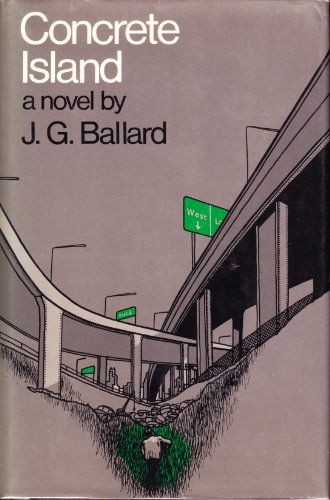
Architect Robert Maitland crashes his car onto a stretch of wasteland trapped between three converging motorways -- visible from thousands of cars, reachable by none of them. Injured and unable to climb back to the road, Maitland adapts to life on what he starts calling the Island, scavenging food thrown from car windows, and discovers he isn't alone: a runaway sex worker hiding in a bunker, and a brain-damaged former circus acrobat, both long past expecting rescue. What begins as a survival story turns into a question of whether Maitland even wants to leave. A J. G. Ballard novel of urban isolation, grouped with Crash and High-Rise.
- Mother Night
Kurt Vonnegut & Jr.standalone novel1962
similar byliterary & generalreflectiveidentityeuropemetafiction
Howard W. Campbell Jr., an American playwright who grew up in Germany, writes his memoirs from an Israeli prison cell awaiting trial for war crimes. As the Nazis rose to power, Campbell stayed on, married a German actress, and was recruited by an American agent to serve as a double agent, broadcasting Nazi propaganda over the radio while secretly passing coded intelligence to the Allies. The catch, as Campbell tells it, is that he became one of the war's most effective propagandists in the process, whatever his loyalties. Kurt Vonnegut's darkest novel asks what a person becomes when the mask he wears for a cause is indistinguishable from his face.
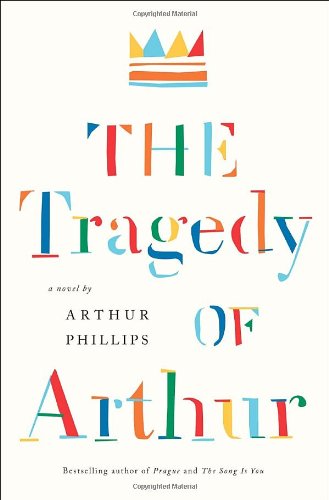
- The Tragedy of Arthur
Arthur Phillipsstandalone novel2011
similar byliterary & generalreflectiveidentitybooks and readingcontemporarymetafictionmysterious
The Tragedy of Arthur is a 2011 novel by the American author Arthur Phillips. The narrative concerns the publication of a recently discovered Arthurian play attributed to William Shakespeare, which the main narrator, "Arthur Phillips", believes to be a forgery produced by his father. It was published by Random House.
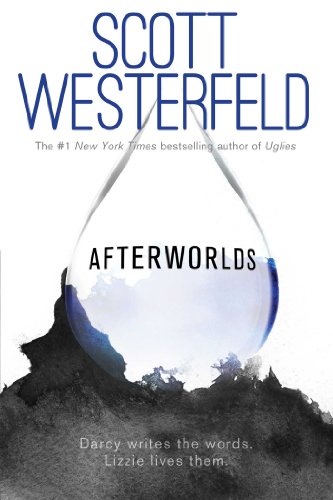
- Afterworlds
Scott Westerfeldstandalone novel2014
similar byliterary & generalreflectiveidentitybooks and readingcontemporarymetafiction
Alternates between a realistic story of a young author writing a "young adult Hindu paranormal romance" novel in New York City and chapters from that novel.
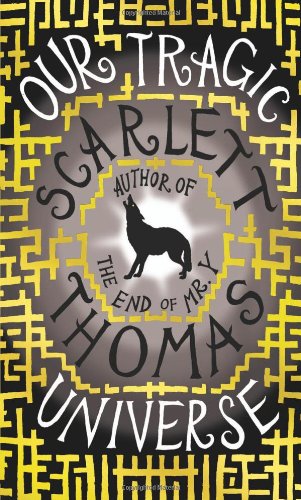
- Our Tragic Universe
Scarlett Thomasstandalone novel2010
similar byliterary & generalreflectiveidentitybooks and readingcontemporary
'I was reading about the end of the universe when I got a text message from my friend Libby . . .' If Kelsey Newman's theory about the end of time is true, we are all going to live forever. But for Meg – locked in a dead-end relationship and with a deadline long-gone for a book that she can't write – this thought fills her with dread. Meg is lost in a labyrinth of her own devising. But could there be an important connection between a wild beast living on Dartmoor, a ship in a bottle, the science of time, a knitting pattern for the shape of the universe and the Cottingley Fairies? Or is her life just one long chain of coincidences? Smart, entrancing and buzzing with big ideas, Our Tragic Universe is a book about how relationships are created and destroyed, and how a story might just save your life.
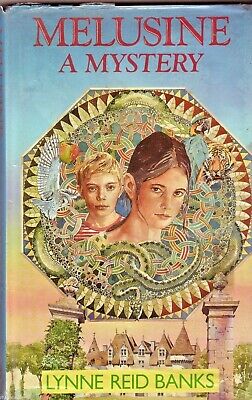
- Melusine
Lynne Reid Banksstandalone novel1988
similar byliterary & generalreflectiveidentityeuropecontemporary+1 more
A teenaged boy becomes embroiled in the mysterious life of a farm girl while on vacation in the south of France.
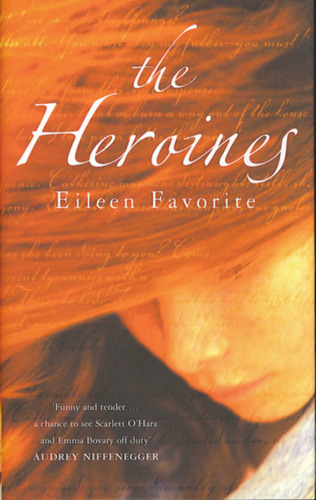
- The Heroines
Eileen Favoritestandalone novel2007
similar byliterary & generalreflectivebooks and readingcontemporary+2 more
Adolescent Penny resents the way her mother cares for the literary Heroines who stay at their prairie bed-and-breakfast.
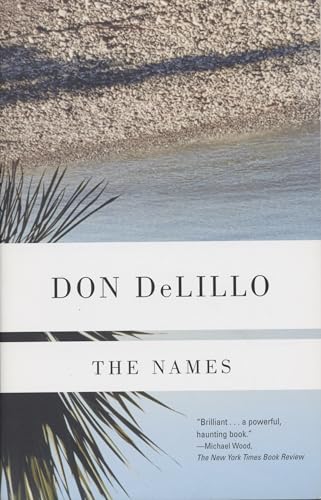
- The Names
Don DeLillostandalone novel1982
similar byliterary & generalreflectiveidentitybooks and readingeuropemysterious
The Names is the seventh novel by American novelist Don DeLillo, published in 1982. The novel, set mostly in Greece, is primarily a series of character studies, interwoven with a plot about a mysterious "language cult" that is behind a number of unexplained murders. Among the many themes explored throughout the work is the intersection of language and culture, the perception of American culture from both within and outside its borders, and the impact that narration has on the facts of a story.
- The Satanic Verses
Salman Rushdiestandalone novel1988
similar byliterary & generalidentitycontemporarymagical realism+1 more
The Satanic Verses is the fourth novel by British–Indian writer Salman Rushdie. First published in September 1988, the book was inspired by the life of the Islamic prophet Muhammad. As with his previous books, Rushdie used magical realism and relied on contemporary events and people to create his characters. The title refers to the Satanic Verses, a group of Quranic verses about three pagan Meccan goddesses: Allāt, Al-Uzza, and Manāt. The part of the story that deals with the satanic verses was based on accounts from the historians al-Waqidi and al-Tabari.
- Travels in the Scriptorium
Paul Austerstandalone novel2007
similar byliterary & generalidentitybooks and readingcontemporarymetafictionmysterious
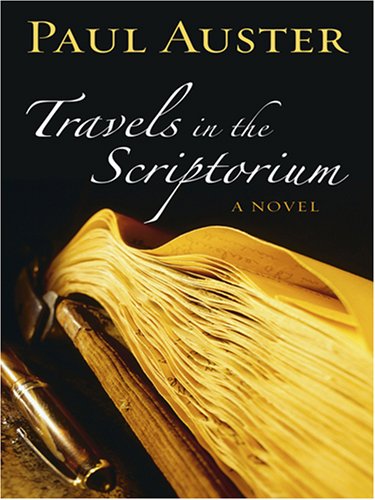
Travels in the Scriptorium is a novel by Paul Auster first published in 2006.
- Mr. Mee
Andrew Crumeystandalone novel2000
similar byliterary & generalreflectiveidentitybooks and readingeuropecontemporary
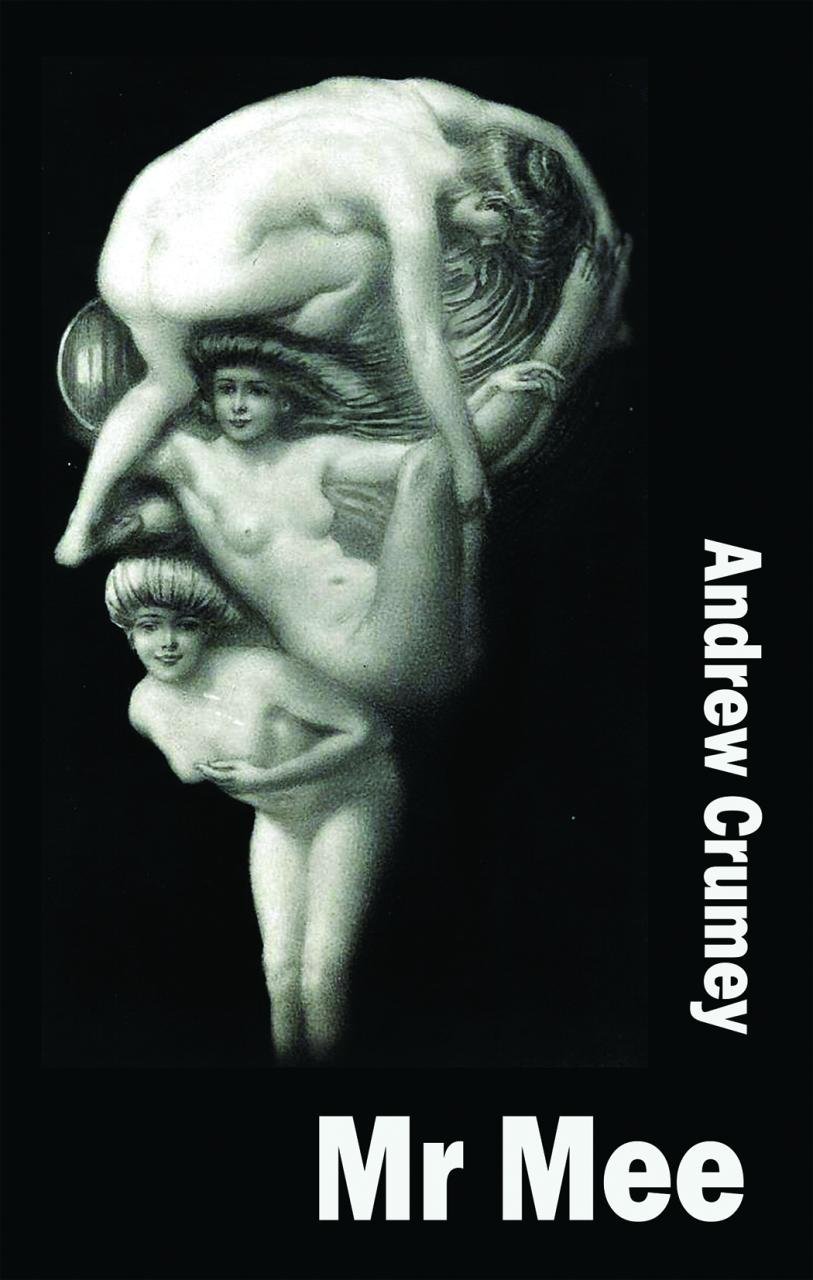
Mr Mee is a novel by Andrew Crumey, his third set wholly or partly in the eighteenth century. It has three alternating story-lines: one featuring a pair of 18th-century French copyists, and two with modern protagonists - elderly Scottish book collector Mr Mee and university lecturer Dr Petrie. The lecturer's strand is serious in tone. Dissatisfied with his marriage and suffering ill health, he muses on French literature and becomes infatuated with a student. The other two strands are comic. The copyists become guardians of an esoteric encyclopaedia, and Mr Mee wishes to find it. He turns to the World Wide Web and discovers pornography and drugs, with farcical consequences.
- The House of Rumour
Jake Arnottstandalone novel2012
similar byliterary & generalbooks and readingeuropemysterious+2 more
A secret history novel featuring numerous SF-related people including Robert A. Heinlein and L. Ron Hubbard.
- Vianne Rocher / Chocolat
series4 books1999
similar byeuropeliterary & generalcontemporarymagical realism+2 more
- Life of Pi
Yann Martelstandalone novel2001
similar byliterary & generalreflectiveidentitycontemporary
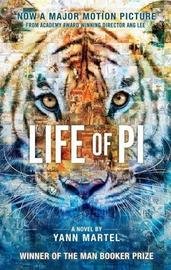
Life of Pi is a Canadian philosophical novel by Yann Martel published in 2001. The protagonist is Piscine Molitor "Pi" Patel, an Indian boy from Pondicherry, who explores issues of spirituality and metaphysics from an early age. After a shipwreck, he survives 227 days while stranded on a lifeboat in the Pacific Ocean with a Bengal tiger named Richard Parker, raising questions about the nature of reality and how it is perceived and told.
- The Lion of Boaz-Jachin and Jachin-Boaz
Russell Hobanstandalone novel1973
similar byliterary & generalreflectiveidentitycontemporary+1 more
The Lion of Boaz-Jachin and Jachin-Boaz is a novel by American writer Russell Hoban published in 1973, and was his first book for adult readers. The novel is set in an unspecified location in the Middle East, and was written when Hoban lived in London, and was initially published by British publisher Jonathan Cape. Initially appearing to be written as a kind of fable, Boaz-Jachin and Jachin-Boaz are a father and son, both map-makers; the narrative then places both father and son in contemporary London.
- The Blue Ant Trilogy
series3 books2003
similar bycontemporarymysterious+2 more
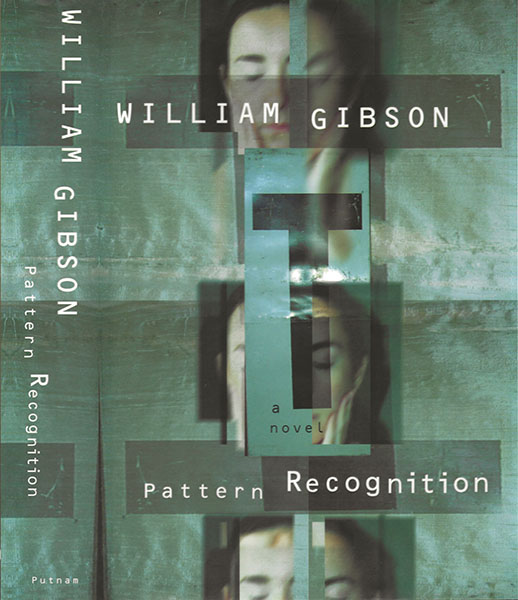
Hubertus Bigend is a fictional character appearing in the third trilogy of novels of science fiction and literary author William Gibson. Bigend is the antihero of Gibson's Pattern Recognition (2003), Spook Country (2007) and Zero History (2010). In an interview Gibson says "I've always had a sense of Bigend as someone who presents himself as though he knows what's going on, but who in fact doesn't. It's just my sense of the subtext of the character: he's bullshitting himself, at the same time as he's bullshitting all of us."
- The Particular Sadness of Lemon Cake
Aimee Benderstandalone novel2010
similar byliterary & generalreflectiveidentitycontemporarymagical realism
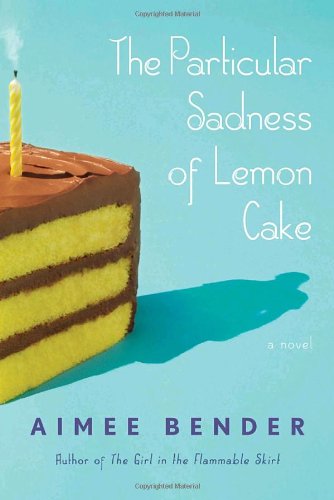
The story follows a girl with a talent, from childhood to young adulthood. Rose has the ability to taste emotions in the food she eats, which she discovers on her ninth birthday, tasting in her birthday cake the emotions of her mother who baked it.
- Pale Fire
Vladimir Nabokovstandalone novel1962
similar byliterary & generalidentitybooks and readingcontemporarymetafictionmysterious
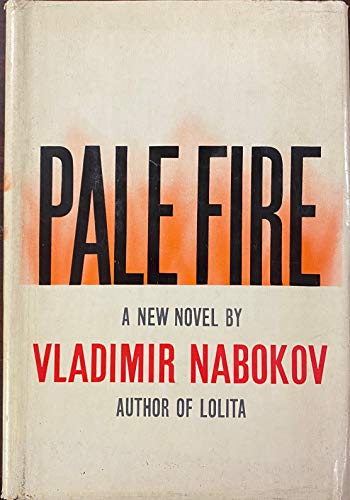
Novel, written in the form of an epic poem by a fictional author, and scholarly commentary by a fictional biographer.
- The Unconsoled
Kazuo Ishigurostandalone novel1995
similar byliterary & generalreflectiveidentityeuropecontemporary
The Unconsoled is a novel by Kazuo Ishiguro, first published in 1995 by Faber and Faber, and winner of the Cheltenham Prize that year.