More like Perfect Circle
anchored on:urban fantasynorth americacontemporaryfirst personparanormalgrief and loss+4 more
but
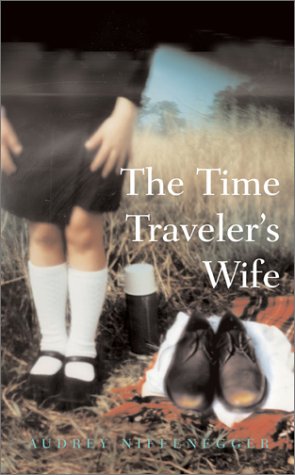
- The Time Traveler's Wife
Audrey Niffeneggerstandalone novel2003
similar bybittersweetcontemporarygrief and lossnorth americascience fiction+1 more
The Time Traveler's Wife is the debut novel by American author Audrey Niffenegger, published in 2003. It is a love story about Henry, a man with a genetic disorder that causes him to time travel unpredictably, and about Clare, his wife, an artist who has to cope with his frequent absences. Niffenegger, who was frustrated with love when she began the novel, wrote the story as a metaphor for her failed relationships. The tale's central relationship came to Niffenegger suddenly and subsequently supplied the novel's title. The novel has been classified as both science fiction and romance.
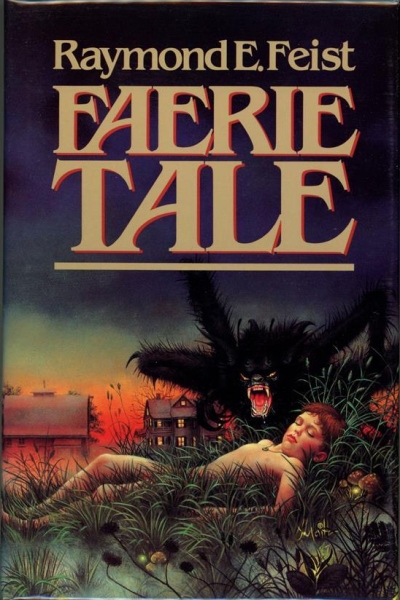
- Faerie Tale
Raymond E. Feiststandalone novel1988
similar bycontemporaryfamily secretsnorth americaurban fantasyeeriefantasy
Faerie Tale is a supernatural thriller, falling within the subgenre of contemporary fantasy, by American writer Raymond E. Feist, first published in 1988.
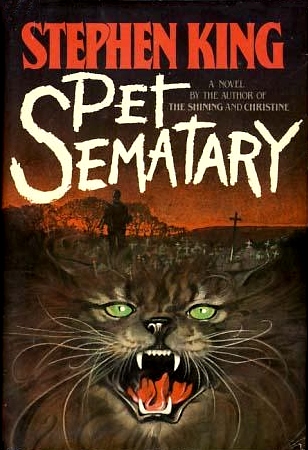
- Pet Sematary
Stephen Kingstandalone novel1983
similar bycontemporarygrief and lossnorth americaeerie+1 more
Pet Sematary is a 1983 horror novel by American writer Stephen King. It tells the story of a family moving to Maine and settling closer to a pet cemetery in the woods, which is home to a terrifying force that brings death and sorrow. The novel was nominated for a World Fantasy Award for Best Novel in 1984, and adapted into two films: one in 1989 and another in 2019 as well as several spinoffs.
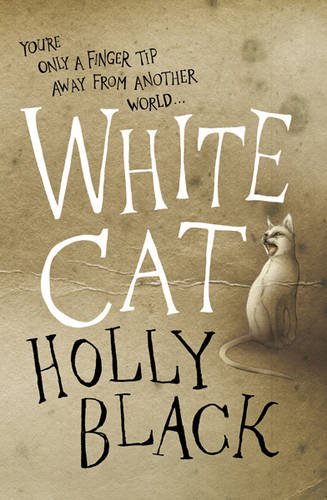
- The Curse Workers
series3 books2010
similar bycontemporaryfamily secretsurban fantasynorth americafantasyfirst person+2 more
Holly Black's Curse Workers trilogy is set in an alternate America where 'curse work' — magic that harms or transforms through touch — is illegal, enforced through gloves and Prohibition-era-style crime families. It follows Cassel Sharpe, the only non-worker in a family of con artists and workers, as he tries to stay out of his family's schemes despite his own hidden connection to their world. The series runs from White Cat through two further novels.
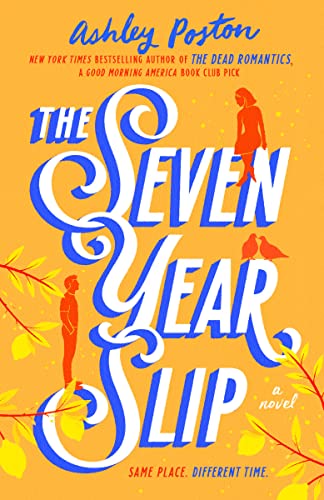
- The Seven Year Slip
Ashley Postonstandalone novel2023
similar bybittersweetcontemporarygrief and lossnorth americafirst person+1 more
Sometimes, the worst day of your life happens, and you have to figure out how to live after it. So Clementine forms a plan to keep her heart safe: work hard, find someone decent to love, and try to remember to chase the moon. The last one is silly and obviously metaphorical, but her aunt always told her that you needed at least one big dream to keep going. And for the last year, that plan has gone off without a hitch. Mostly. The love part is hard because she doesn’t want to get too close to anyone—she isn’t sure her heart can take it. And then she finds a strange man standing in the kitchen of her late aunt’s apartment. A man with kind eyes and a Southern drawl and a taste for lemon pies. The kind of man that, before it all, she would’ve fallen head-over-heels for. And she might again. Except, he exists in the past. Seven years ago, to be exact. And she, quite literally, lives seven years in his future. Her aunt always said the apartment was a pinch in time, a place where moments blended together like watercolors. And Clementine knows that if she lets her heart fall, she’ll be doomed. After all, love is never a matter of time—but a matter of timing.
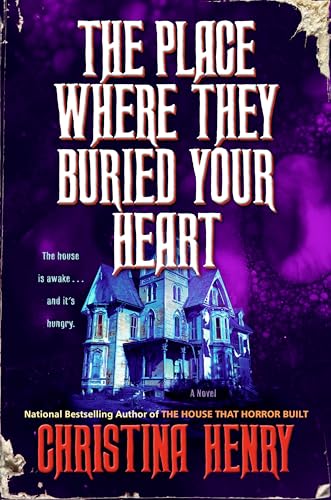
- The Place Where They Buried Your Heart
Christina Henrystandalone novel2025
similar bycontemporarygrief and lossfamily secretsnorth americaeeriebig city
On an otherwise ordinary street in Chicago, there is a house. An abandoned house where, once upon a time, terrible things happened. The children who live on this block are told by their parents to stay away from that house. But of course, children don’t listen. Children think it’s fun to be scared, to dare each other to go inside. Jessie Campanelli did what many older sisters do and dared her little brother Paul. But unlike all the other kids who went inside that abandoned house, Paul didn’t return. His two friends, Jake and Richie, said that the house ate Paul. Of course adults didn’t believe that. Adults never believe what kids say. They thought someone kidnapped Paul, or otherwise hurt him. They thought Paul had disappeared in a way that was ordinary, explainable. The disappearance of her little brother broke Jessie’s family apart in ways that would never be repaired. Jessie grew up, had a child of her own, kept living on the same street where the house that ate her brother sat, crouched and waiting. And darkness seemed to spread out from that house, a darkness that was alive—alive and hungry.
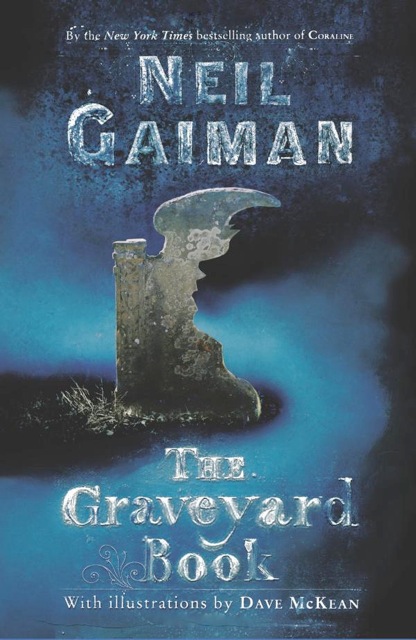
- Bod Owens
series3 books2007
similar bycontemporarybittersweeteeriefound familyfantasy+1 more
The Graveyard Book follows Nobody "Bod" Owens, a toddler who escapes the murder of his family and is raised among the ghosts of an old English graveyard, absorbing their otherworldly customs while a threat from his past waits beyond the gates. Neil Gaiman's 2008 novel won both the Newbery and Carnegie Medals, and illustrator P. Craig Russell later adapted it into a two-volume graphic novel. Bod's story spans the original novel and that graphic-novel retelling rather than continuing in a prose sequel.
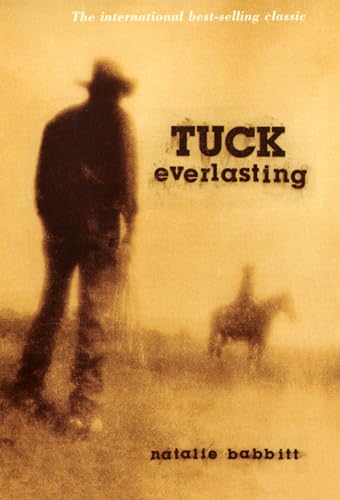
- Tuck Everlasting
Natalie Babbittstandalone novel1975
similar bybittersweetcontemporarynorth americafantasy+1 more
Publisher's description: "The Tuck family is confronted with an agonizing situation when they discover that a ten-year-old girl and a malicious stranger now share their secret about a spring whose water prevents one from ever growing any older."
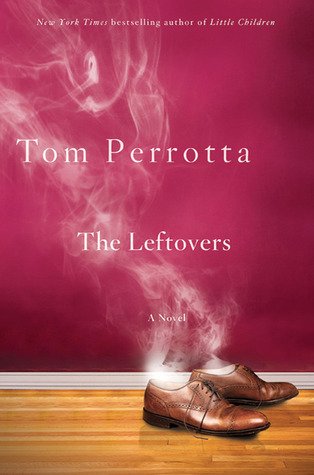
- The Leftovers
Tom Perrottastandalone novel2011
similar bybittersweetcontemporarygrief and lossnorth america+1 more
The Leftovers is a 2011 satirical supernatural novel by American author Tom Perrotta. Set in the aftermath of a Rapture-like event in which 2% of Earth's human population vanished into thin air, it chronicles the lives of several individuals from a small New York town attempting to adjust to the significant cultural shift brought about by the event, while also navigating their personal trauma and losses.
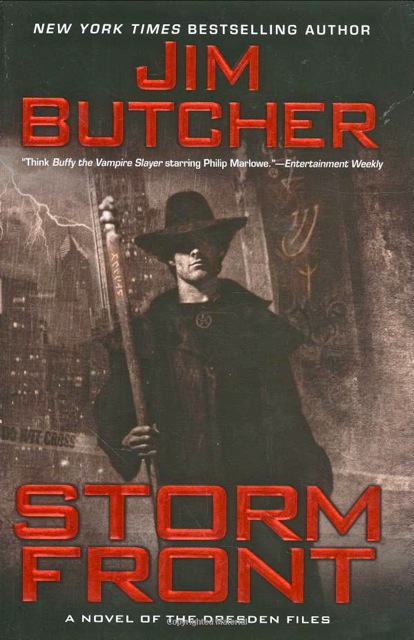
- The Dresden Files
series56 books2000
similar bycontemporaryurban fantasynorth americafirst personbig city+1 more
The Dresden Files is an urban fantasy series written by American author Jim Butcher. The novels are narrated from the first-person perspective of Harry Dresden, a private detective and wizard, as he investigates supernatural disturbances in contemporary Chicago. The first entry, Storm Front, was published in 2000 by Roc Books.
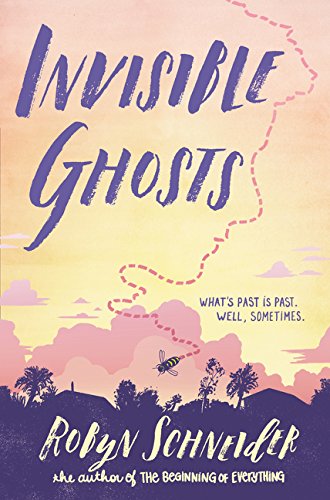
- Invisible Ghosts
Robyn Schneiderstandalone novel2018
similar bybittersweetcontemporarygrief and lossnorth americafirst person+2 more
Rose Asher believes in ghosts. She should, since she has one for a best friend: Logan, her annoying, Netflix-addicted brother, who is forever stuck at fifteen. But Rose is growing up, and when an old friend moves back to Laguna Canyon and appears in her drama class, things get complicated. Jamie Aldridge is charming, confident, and a painful reminder of the life Rose has been missing out on since her brother's death. She watches as Jamie easily rejoins their former friends--a group of magnificently silly theater nerds--while she struggles to choose between the boy who makes her feel alive and the brother she isn't ready to lose.
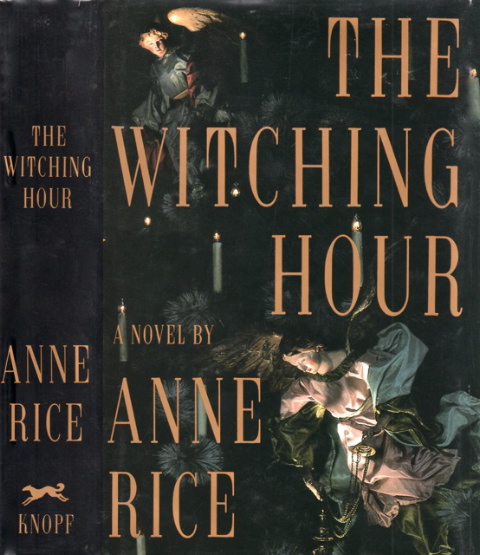
- The Mayfair Witches Saga
series3 books1990
completed
similar bycontemporaryfamily secretseerienorth americafantasy+1 more
Lives of the Mayfair Witches is a trilogy of Gothic supernatural horror fantasy novels by American author Anne Rice. It centers on a family of witches whose fortunes have been guided for generations by a spirit named Lasher. The series began in 1990 with The Witching Hour, which was followed by the sequels Lasher (1993) and Taltos (1994). All three novels debuted at No. 2 on The New York Times Best Seller list.
- The Dark Artifices
series4 books2016
part of The Mortal Instruments
similar bycontemporarynorth americaurban fantasyfound familybig cityfantasy+1 more
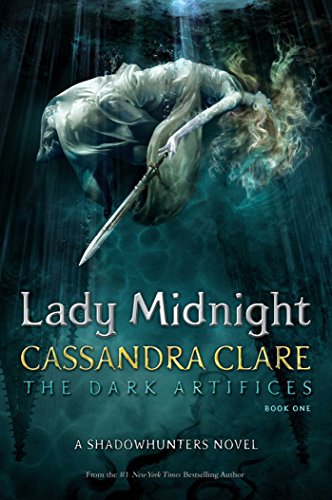
The Dark Artifices is a trilogy written by Cassandra Clare. The series is chronologically the fourth series in The Shadowhunter Chronicles and a sequel to The Mortal Instruments. It is set in Los Angeles. The series consists of three books: Lady Midnight, Lord of Shadows and Queen of Air and Darkness, in that particular order. Centered around the protagonist, Emma Carstairs, the series follows her journey as a Shadowhunter at the Los Angeles Institute, and her life with her best-friend and parabatai, Julian Blackthorn, and his family. The series is about a sacred bond of "parabatai", two bonded Shadowhunters, and it is more valuable than any bond in this world. This bond makes the two more powerful and strong, but there is only one drawback - it is forbidden to fall in love with your parabatai. It so happens that Emma and Julian, two parabatai, have fallen in love. The Dark Artifices is a trilogy about their struggle against their enemies and how the two protagonists deal with their forbidden love and the resulting consequences. The series is told from the point-of-view of the various different characters in the story.
- Mistwalker
Saundra Mitchellstandalone novel2014
similar bycontemporarygrief and lossfamily secretsnorth americaeerieparanormalfantasy
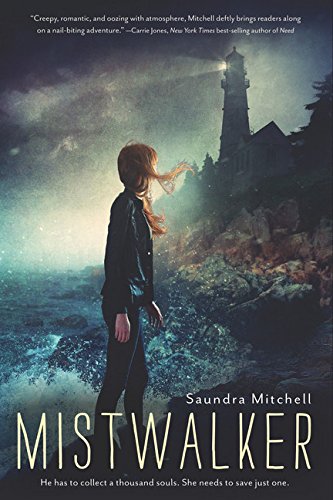
Forbidden to set foot on her family's lobster boat after her brother's death, sixteen-year-old Willa will do anything to help her grieving, financially-troubled family, even turn to the weird Grey Man who haunts the lighthouse near her small Maine village.
- Fault Lines (Tim Powers)
series3 books1992
similar bycontemporarynorth americaeerieurban fantasyfantasy+1 more
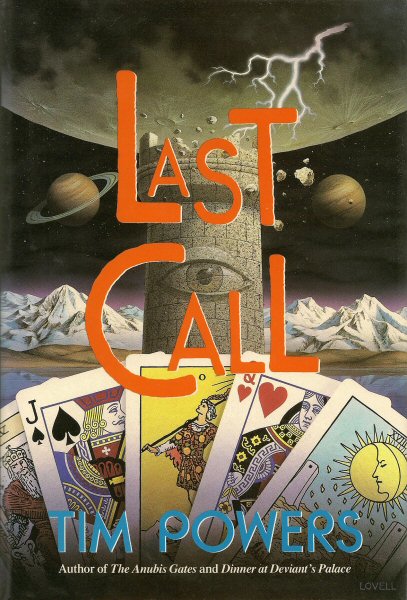
Tim Powers' Fault Lines novels (Last Call, 1992; Expiration Date, 1996; Earthquake Weather, 1997) are loosely connected supernatural thrillers set in a hidden-magic version of California. Last Call builds its occult conflict around a tarot-based magic system playing out between Los Angeles and Las Vegas; Expiration Date is only obliquely tied to it; and Earthquake Weather draws the threads of both earlier books into a single closing story.
- Fledgling
Octavia E. Butlerstandalone novel2005
similar bycontemporarynorth americaparanormalfantasyscience fiction+2 more
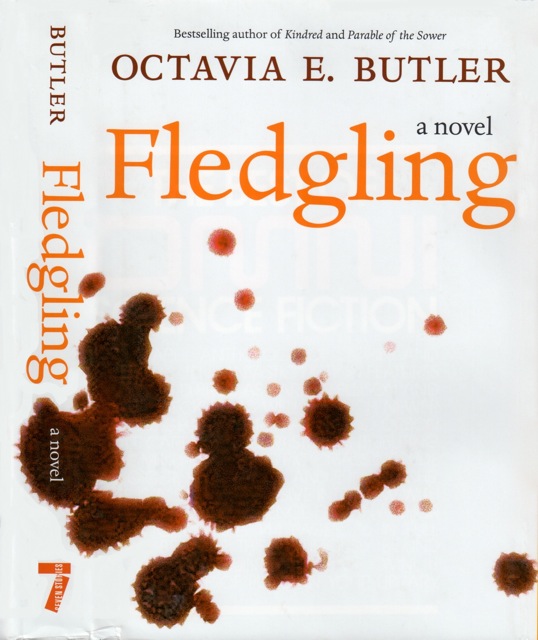
Fledgling is a science fiction vampire novel by American writer Octavia E. Butler, published in 2005. It was the author's final book published before her death in 2006.
- Gale Family
series3 books2009
similar bycontemporaryurban fantasynorth america+5 more
Tanya Huff's urban fantasy trilogy follows Alysha Gale, a member of a Canadian family whose charms can reshape reality, after she inherits her grandmother's junk shop in Calgary and discovers it doubles as a gateway into the fae world. Across The Enchantment Emporium, The Wild Ways, and The Future Falls, different Gale women take the lead as the family is repeatedly called on to contain magical trouble the ordinary world can't handle.
- A Head Full of Ghosts
Paul Tremblaystandalone novel2015
similar bycontemporaryfamily secretsnorth americaeeriefirst person+1 more
A Head Full of Ghosts is a 2015 horror novel by American writer Paul Tremblay. The plot involves a Massachusetts family under financial and emotional strain while their fourteen-year-old daughter, Marjorie Barrett, exhibits signs of severe mental illness. The Barretts come to believe she is possessed by a demon, and her behavior is publicized when the family stars in a reality TV show. Marjorie's younger sister, Merry Barrett, relays the experiences of her childhood fifteen years later. Themes include elements of Catholic exorcism and reality television exploitation.
- Bag of Bones
Stephen Kingstandalone novel1998
similar bycontemporarygrief and lossnorth americafirst person+1 more
Bag of Bones is a 1998 horror novel by American writer Stephen King. It focuses on an author who suffers severe writer's block and delusions at an isolated lake house four years after the death of his wife. It won the 1999 Bram Stoker Award for Best Novel, the 1999 British Fantasy Award for Best Novel, and the 1999 Locus Award for Best Dark Fantasy/Horror Novel.
- Midnight Bayou
Nora Robertsstandalone novel2001
similar bycontemporarygrief and lossfamily secretsnorth americaeerie
A novel set deep in the bayou of Louisiana--where the only witness to a long-ago tragedy is a once-grand house... Declan Fitzgerald had always been the family maverick, but even he couldn't understand his impulse to buy a dilapidated mansion on the outskirts of New Orleans. All he knew was that ever since he first saw Manet Hall, he'd been enchanted-and obsessed-with it. So when the opportunity to buy the house comes up, Declan jumps at the chance to live out a dream. Determined to restore Manet Hall to its former splendor, Declan begins the daunting renovation room by room, relying on his own labor and skills. But the days spent in total isolation in the empty house take a toll. He is seeing visions of days from a century past, and experiencing sensations of terror and nearly unbearable grief-sensations not his own, but those of a stranger. Local legend has it that the house is haunted, and with every passing day Declan's belief in the ghostly presence grows. Only the companionship of alluring Angelina Simone can distract him from the mysterious happenings in the house, but Angelina too has her own surprising connection to Manet Hall-a connection that will help Declan uncover a secret that's been buried for a hundred years.
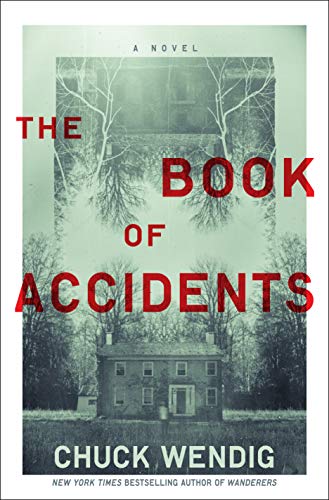
- The Book of Accidents
Chuck Wendigstandalone novel2021
similar bycontemporarygrief and lossfamily secretsnorth americaeerie
Long ago, Nathan lived in a house in the country with his abusive father—and has never told his family what happened there. Long ago, Maddie was a little girl making dolls in her bedroom when she saw something she shouldn’t have—and is trying to remember that lost trauma by making haunting sculptures. Long ago, something sinister, something hungry, walked in the tunnels and the mountains and the coal mines of their hometown in rural Pennsylvania. Now, Nate and Maddie Graves are married, and they have moved back to their hometown with their son, Oliver. And now what happened long ago is happening again . . . and it is happening to Oliver. He meets a strange boy who becomes his best friend, a boy with secrets of his own and a taste for dark magic. This dark magic puts them at the heart of a battle of good versus evil and a fight for the soul of the family—and perhaps for all of the world. But the Graves family has a secret weapon in this battle: their love for one another.
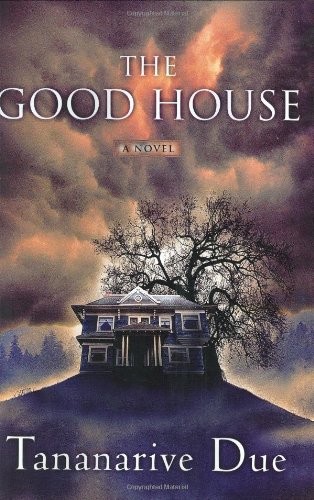
- The Good House
Tananarive Duestandalone novel2003
similar bycontemporarygrief and lossfamily secretsnorth americaeerie+1 more
The Good House is a horror novel by American writer Tananarive Due, first published in 2003 by Atria Books. The story follows Angela Toussaint as she returns to her late grandmother's home in Sacajawea, Washington.
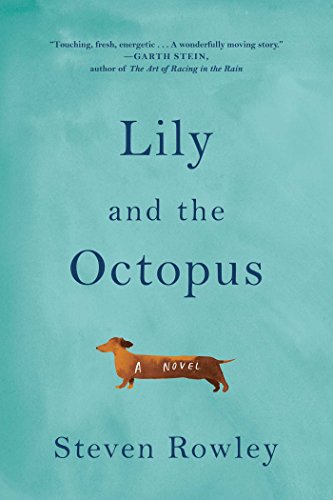
- Lily and the Octopus
Steven Rowleystandalone novel2016
similar bybittersweetcontemporarygrief and lossnorth americafirst person
Lily and the Octopus is the 2016 debut novel of Steven Rowley.
- The Lost Bride Trilogy
series3 books2023
similar bycontemporaryfamily secretsnorth americafantasy+2 more
Inheritance opens Nora Roberts's Lost Bride trilogy, following a woman who inherits a Maine house entangled with a generations-old family curse and the restless spirit of a bride who never got to live in it. The series mixes contemporary romance with haunted-house suspense as the heroine works to unravel the curse's origins. It runs across three novels published between 2023 and 2025.