More like Permutation City
anchored on:science fictionhard science fictionvirtual realitymind uploadingvirtual worldnear future+4 more
but
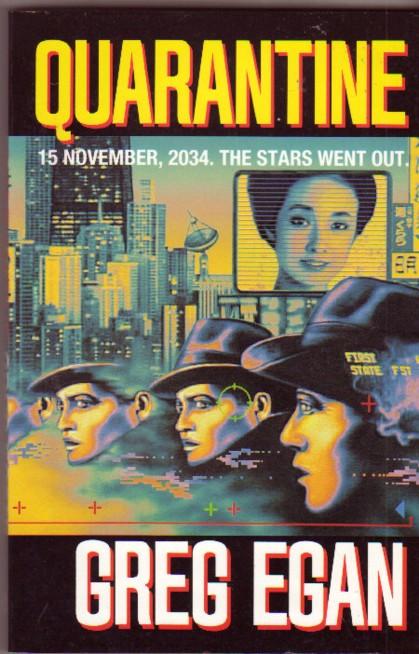
- Subjective Cosmology
series3 books1992
similar bynear futurechallengingscience fictionhard science fiction+7 more
- Stranger in a Strange Land
Robert A. Heinleinstandalone novel1961
similar bynear futurescience fictionreflectivechallengingidentity+1 more
Stranger in a Strange Land is a 1961 science fiction novel by the American author Robert A. Heinlein. It tells the story of Valentine Michael Smith, a human who comes to Earth in early adulthood after being born on the planet Mars and raised by Martians, and explores his interaction with and eventual transformation of Terran culture.
- Richard Forthrast
series2 books2011
similar byscience fictionvirtual worldvirtual reality+6 more
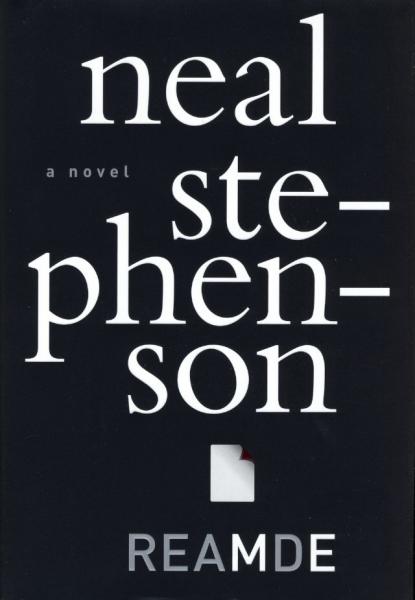
Neal Stephenson's Richard 'Dodge' Forthrast novels open with Reamde, a globe-spanning thriller that starts when ransomware inside an MMORPG economy pulls Richard's extended family into a real-world hostage crisis involving hackers, jihadists and Russian mobsters. The sequel Fall; or, Dodge in Hell shifts registers entirely, following Richard's digitally preserved mind after death into an afterlife simulation built from his scanned brain. The two books share a protagonist and family but differ sharply in genre and scale.
- Genesis
Bernard Beckettstandalone novel2006
similar bynear futurescience fictionchallengingreflectiveartificial intelligenceidentity
Genesis (2006) is a philosophical science fiction novel by New Zealand author Bernard Beckett. It won the 2007 Esther Glen Award for children's literature, and the 2007 New Zealand Post Book Awards for Children and Young Adults. As of 2008 it has been published in 22 countries.
- Childhood's End
Arthur C. Clarkestandalone novel1953
similar bynear futurescience fictionreflectiveidentity+2 more
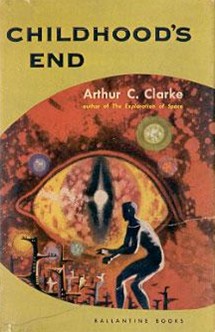
Childhood's End is a 1953 science fiction novel by the British author Arthur C. Clarke. The story follows a peaceful alien invasion of Earth by mysterious Overlords, whose arrival begins decades of apparent utopia under indirect alien rule, at the cost of human identity and culture.
- Zendegi
Greg Eganstandalone novel2010
similar bynear futurescience fictionreflectivevirtual realityartificial intelligencemind uploadingidentity
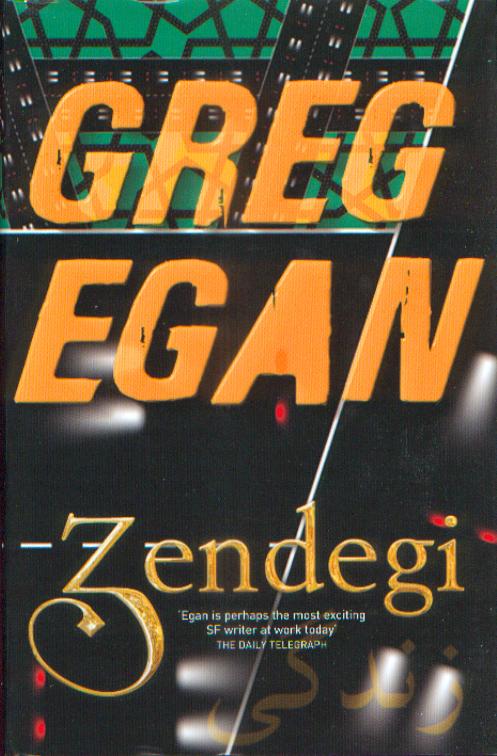
Zendegi is a science fiction novel by Australian author Greg Egan, first published in the United Kingdom by Gollancz in June 2010. It is set in Iran in the near future and deals with mapping the human brain, virtual reality and the liberalization of Iran. The title of the book means "life" in Persian; the name of the virtual reality system featured in the story is Zendegi-ye Behtar, Persian for "better life".
- Diaspora
Greg Eganstandalone novel1997
similar bychallengingscience fictionhard science fictionmind uploadingartificial intelligence+3 more
Diaspora is a hard science fiction novel by the Australian writer Greg Egan which first appeared in print in 1997. It originated as the short story "Wang's Carpets" which originally appeared in the Greg Bear-edited anthology New Legends. The story appears as a chapter of the novel.
- Ready Player One
series3 books2011
similar bynear futurevirtual worldscience fictionvirtual reality+1 more
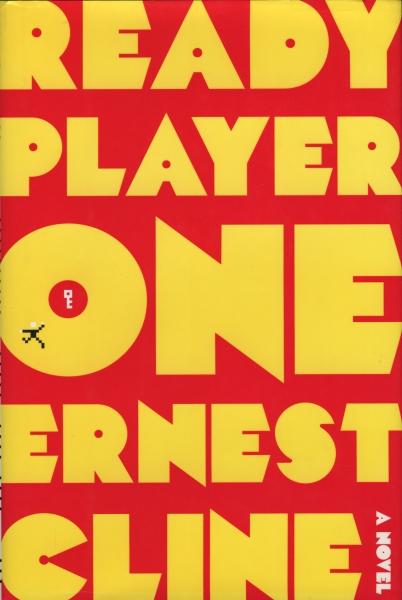
Ernest Cline's Ready Player One (2011) is set in a near-future dystopia where much of humanity escapes into the OASIS, a vast virtual-reality universe, and follows teenager Wade Watts as he chases an Easter egg hidden by the OASIS's late creator in a puzzle-based hunt worth a fortune. The 2020 sequel, Ready Player Two, picks up after Wade has gained control of the OASIS and follows him and his friends into a new quest built around a brain-computer interface the creator left behind.
- The God Hater
Bill Myersstandalone novel2010
similar bynear futurevirtual worldscience fictionreflectivevirtual realityartificial intelligence+1 more
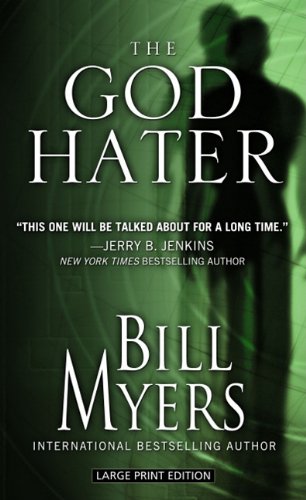
A cranky, atheistic philosophy professor is chosen to create a philosophy for a computer world exactly like ours. Much to his frustration, every model he introduces - Darwinism, Existentialism, Buddhism - fails. The only way to preserve the computer world is to introduce laws from outside their system through a Law Giver. Even then, the world requires a computer character like himself to personally explain it. Then a rival introduces a virus into the world...
- The Light of Other Days
Arthur C. Clarke & Stephen Baxterstandalone novel2000
similar bynear futurescience fictionchallenging+5 more
An industrialist devises a technique to use tiny wormholes as light pipes to enable viewing of any event anywhere; and subsequently it becomes possible to use them to view any event in the past as well. The effects on society are enormous.
- Otherland
series6 books1996
similar bynear futurevirtual worldscience fictionvirtual realityartificial intelligence
Otherland is a science fiction tetralogy by American writer Tad Williams, published between 1996 and 2001. The story is set on Earth near the end of the 21st century, probably between 2082 and 2089, in a world where technology has advanced somewhat beyond the present. The most notable advancement is the widespread availability of full-immersion virtual reality installations, which allow people from all walks of life to access an online world, called simply the Net. Tad Williams weaves an intricate plot spanning four thick volumes, and creates a picture of a future society where virtual worlds are fully integrated into everyday life.
- Seveneves
Neal Stephensonstandalone novel2015
similar bynear futurescience fictionhard science fictionchallengingpost-apocalyptic
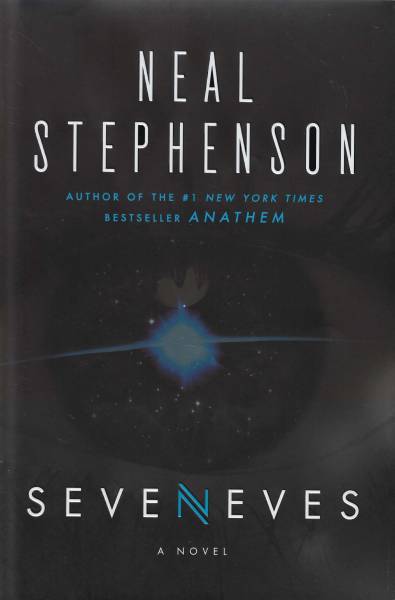
Seveneves is a science fiction novel by Neal Stephenson published in 2015. The story tells of the desperate efforts to preserve Homo sapiens in the wake of apocalyptic events on Earth after the unexplained disintegration of the Moon and the remaking of human society as a space-based civilization after a severe genetic bottleneck.
- The Diamond Age
Neal Stephensonstandalone novel1995
similar bynear futurescience fictionhard science fictionartificial intelligencenanotechnology+1 more
The Diamond Age: Or, A Young Lady's Illustrated Primer is a science fiction novel by Neal Stephenson. It is to some extent a Bildungsroman or coming-of-age story, focused on a young girl named Nell, set in a future world in which nanotechnology affects all aspects of life. The novel deals with themes of education, social class, ethnicity, and the nature of artificial intelligence. The Diamond Age was first published in 1995 by Bantam Books, as a Bantam Spectra hardcover edition. In 1996, it won both the Hugo and Locus Awards, and was shortlisted for the Nebula and other awards.
- Sprawl Trilogy
series10 books1981
similar bynear futurescience fictionartificial intelligencevirtual reality
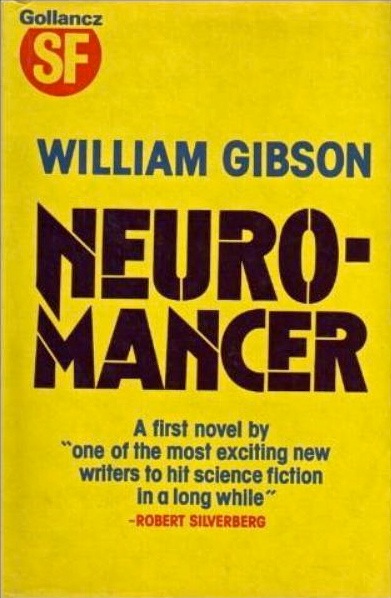
The Sprawl Trilogy is William Gibson's foundational cyberpunk sequence: Neuromancer (1984), in which hacker Case is drawn into a high-stakes heist alongside an artificial intelligence and a damaged ex-soldier, followed by Count Zero (1986) and Mona Lisa Overdrive (1988), which widen the same near-future world of corporate power and networked cyberspace to new characters. Johnny Mnemonic, an early short story set in the same fictional milieu, predates the novels and introduces the courier Molly Millions before her role in the trilogy. Together these works established much of cyberpunk's visual and thematic vocabulary.
- I Will Fear No Evil
Robert A. Heinleinstandalone novel1970
similar bynear futurescience fictionreflectiveidentity
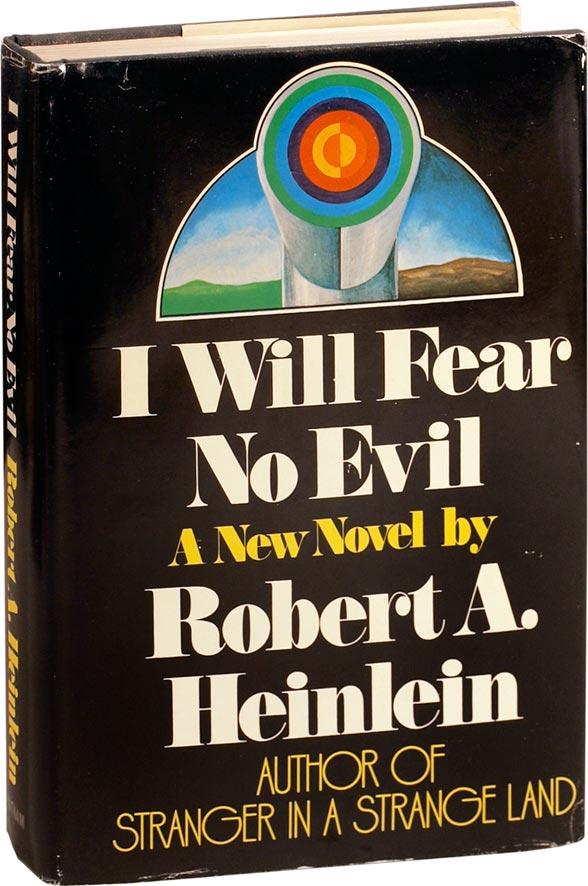
I Will Fear No Evil is a science fiction novel by American writer Robert A. Heinlein, originally serialised in Galaxy and published in hardcover in 1970. The title is taken from Psalm 23:4.
- Void Star
Zachary Masonstandalone novel2017
similar bynear futurescience fictionchallengingreflectiveartificial intelligenceidentity
Void Star is a 2017 near-future science fiction novel by American writer Zachary Mason. It is his second novel, published after The Lost Books of the Odyssey. Set in a near-future San Francisco, the book explores themes of artificial intelligence, philosophy, linguistics and immortality.
- Rainbows End
Vernor Vingestandalone novel2006
similar bynear futurescience fictionvirtual realityhard science fiction+3 more
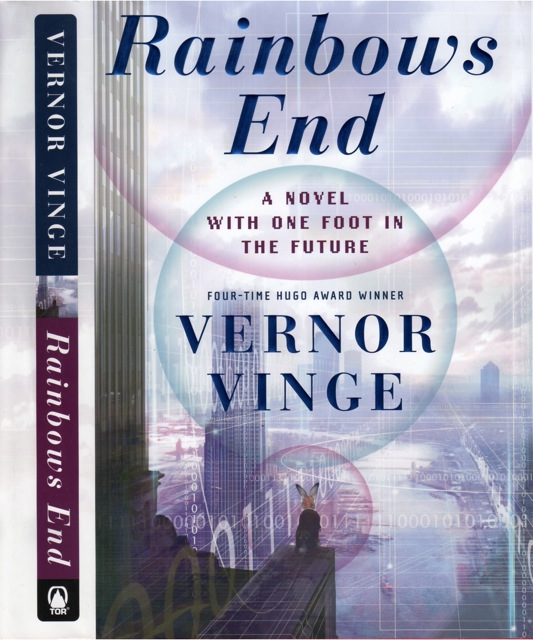
A science-fiction thriller set in a place and time as exciting and strange as any far-future world: San Diego, California, 2025. Robert Gu is a recovering Alzheimer’s patient. The world that he remembers was much as we know it today. Now, as he regains his faculties through a cure developed during the years of his near-fatal decline, he discovers that the world has changed and so has his place in it. He was a world-renowned poet. Now he is seventy-five years old, though by a medical miracle he looks much younger, and he’s starting over, for the first time unsure of his poetic gifts. Living with his son’s family, he has no choice but to learn how to cope with a new information age in which the virtual and the real are a seamless continuum, layers of reality built on digital views seen by a single person or millions, depending on your choice. But the consensus reality of the digital world is available only if, like his thirteen-year-old granddaughter Miri, you know how to wear your wireless access—through nodes designed into smart clothes—and to see the digital context—through smart contact lenses. With knowledge comes risk. When Robert begins to re-train at Fairmont High, learning with other older people what is second nature to Miri and other teens at school, he unwittingly becomes part of a wide-ranging conspiracy to use technology as a tool for world domination. In a world where every computer chip has Homeland Security built-in, this conspiracy is something that baffles even the most sophisticated security analysts, including Robert’s son and daughter-in law, two top people in the U.S. military. And even Miri, in her attempts to protect her grandfather, may be entangled in the plot. As Robert becomes more deeply involved in conspiracy, he is shocked to learn of a radical change planned for the UCSD Geisel Library; all the books there, and worldwide, would cease to physically exist. He and his fellow re-trainees feel compelled to join protests against the change. With forces around the world converging on San Diego, both the conspiracy and the protest climax in a spectacular moment as unique and satisfying as it is unexpected.
- Snow Crash
Neal Stephensonstandalone novel1992
similar bynear futurescience fictionvirtual reality+3 more
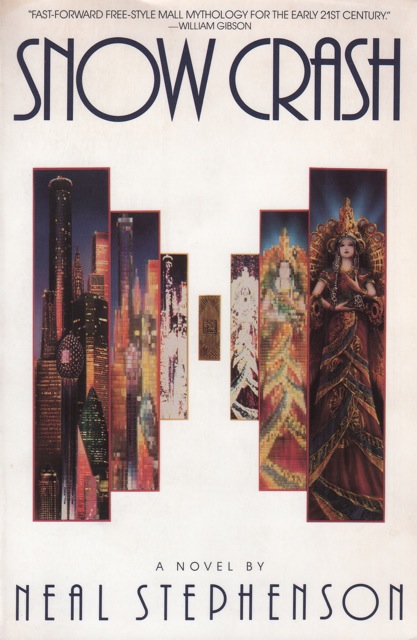
Snow Crash is a 1992 science fiction novel by Neal Stephenson. Like many of Stephenson's novels, its themes include history, linguistics, anthropology, archaeology, religion, computer science, politics, cryptography, memetics, and philosophy.
- Blood Music
Greg Bearstandalone novel1985
similar bynear futurescience fictionhard science fictionnanotechnology+2 more
Blood Music is a 1985 science fiction novel by American writer Greg Bear. It is an expanded version of a short story of the same title, originally published in the June 1983 issue of Analog and the winner of both the 1983 Nebula and 1984 Hugo awards for Best Novelette. The novel won the 1986 Prix Apollo Award, given to the best science fiction novel published in France during the preceding year, under the title La Musique du sang.
- Aurora
Kim Stanley Robinsonstandalone novel2015
similar byscience fictionhard science fictionchallengingreflectiveartificial intelligence
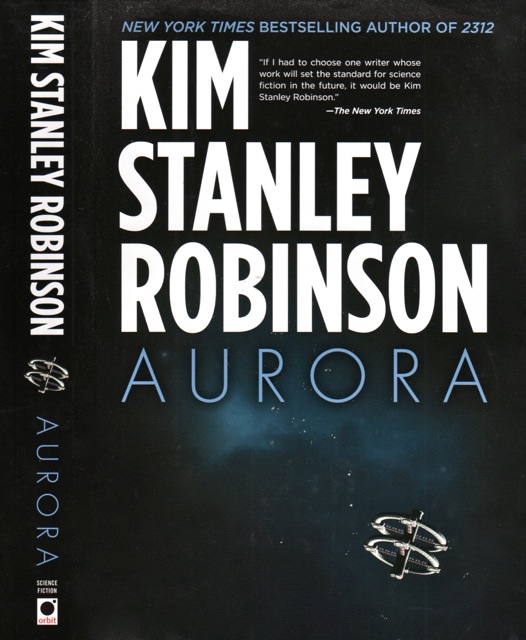
Aurora is a 2015 novel by American science fiction author Kim Stanley Robinson. The novel concerns a generation ship built in the style of a Stanford torus, traveling to Tau Ceti to start a human colony. The novel's primary narrative voice is that of the starship's artificial intelligence. Aurora was well received by critics.
- The Dream Master
Roger Zelaznystandalone novel1966
similar bynear futurescience fictionvirtual realityidentity+1 more
The Dream Master (1966) is a science fiction novel by American writer Roger Zelazny, based on the novella He Who Shapes. Zelazny's original title was The Ides of Octember. He Who Shapes won the 1965 Nebula Award for Best Novella.
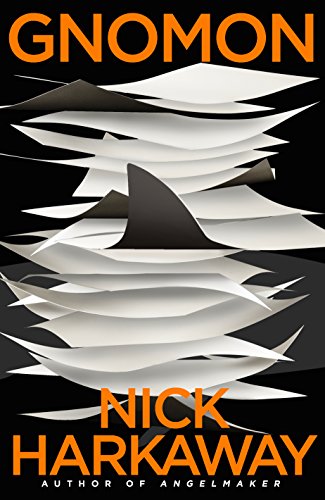
- Gnomon
Nick Harkawaystandalone novel2017
similar bynear futurechallengingscience fictionidentitymurder investigation+1 more
Gnomon is a 2017 science fiction novel by British author Nick Harkaway. The book deals with a state that exerts ubiquitous surveillance on its population. A detective investigates a murder through unconventional methods that leads to questions about her society's very nature.
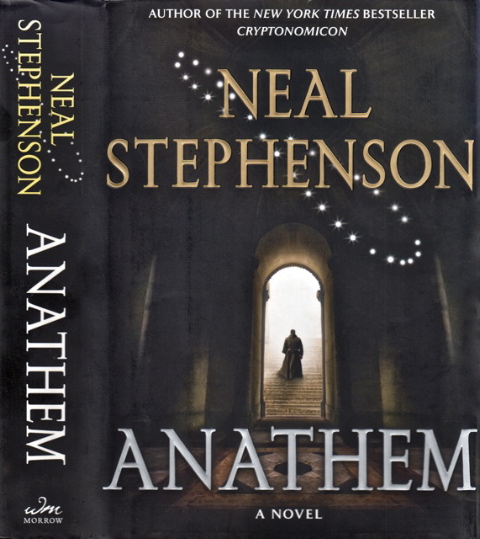
- Anathem
Neal Stephensonstandalone novel2008
similar bychallengingscience fictionreflectivehard science fiction+1 more
On a planet where quasi-monastic academic institutions have existed alongside the secular world for thousands of years, a young scholar from one such institution becomes part of a planetwide effort to muster an appropriate reaction to a shocking discovery.
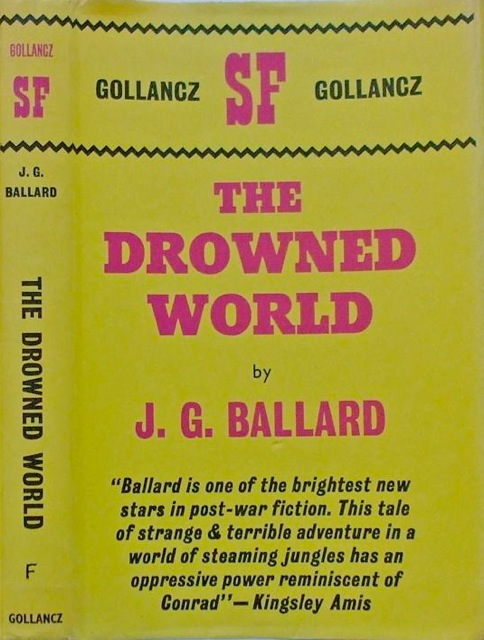
- The Drowned World
J. G. Ballardstandalone novel1962
similar bynear futurescience fictionreflectivepost-apocalyptic+1 more
The Drowned World is a 1962 science fiction novel by J. G. Ballard. It first appeared in shortened form in the January 1962 issue of the UK edition of Science Fiction Adventures and was published in book form later that year by Victor Gollancz Ltd in London; an American edition followed from Berkley Medallion. Critics have grouped The Drowned World with Ballard's early science-fiction novels as part of an "ambiguous apocalypse" sequence that also includes The Drought and The Crystal World, from the period in which he was developing the ideas he described as "inner space". Set in a future in which solar radiation has melted the polar ice caps and transformed London into a flooded tropical lagoon, the novel follows biologist Robert Kerans as he becomes increasingly drawn toward the altered environment rather than toward restoring the old social order.