Loreful
HomeDiscover
Search series, authors…⌘K
Loreful

Reading orders for SF/F series and shared universes — with your place kept in every one.

Explore

UniversesSeriesWorksAuthorsAtlas

Help

FAQAboutSite map

Account & legal

Sign inCreate accountPrivacyTerms

Data

Built on ISFDB, Wikipedia, Wikidata and Open Library. Curated reading orders carry their reasoning on the page; the rest follow publication order. Data sources & licenses

© Loreful · data: ISFDB · CC BY

More like Phantom

anchored on:historical fictioneurope19th centurygothicromanceforbidden love+4 more

but

Mood

The mood the book leaves you in.

  • The reading experience is propelled by journeys, exploration, and physical risk; excitement and forward momentum dominate over dread or introspection.
  • Joy and loss are deliberately mixed; the resolution grants characters something real while taking something else away, leaving warmth and sorrow together.
  • The book demands work from the reader — dense prose, difficult structure, unfamiliar ideas, or morally uncomfortable material — as part of its intended effect.
  • Grim events, cruelty, or despair dominate the atmosphere, and the book does not soften them with comfort or comic relief.
  • The atmosphere is quietly unsettling — wrongness, unease, and the uncanny pervade the book without necessarily escalating into overt horror.
  • The book is built to move the reader; character feeling is foregrounded and major scenes aim at a strong emotional response.
  • Humor is a primary aim and the prose plays for laughs — comic situations, wit, or dialogue produce sustained comedy, not occasional levity.
  • The book insists that things can improve; effort and decency are shown to matter, and the arc bends toward better outcomes even through hardship.
  • The book teaches as it goes — real facts, history, science, or craft are conveyed in enough depth that learning is part of the reading experience.
  • The book is designed to uplift and motivate, presenting perseverance or achievement in a way that invites the reader to aspire or act.
  • The overall register is cheerful and easygoing; stakes are kept gentle and the book avoids dwelling on pain or dread.
  • Withheld information drives the experience; the book sustains enigmas and secrets the reader wants resolved, whatever its genre.
  • The book is contemplative and inward-looking, giving more weight to thought, memory, and meaning than to external events.
  • The book works as comfort reading — low tension, a soothing pace, and an atmosphere the reader can unwind in.
  • Grief, loss, or melancholy set the dominant register, and the book lets sorrow stand rather than resolving it into comfort.
  • Sustained suspense is the point; the book keeps the reader braced for what happens next through danger, pressure, or impending revelation.
  • Playful invention and charm define the register — fanciful conceits, light absurdity, and a narration that delights in its own oddity.

About

What the story runs on.

  • Stories in which extraterrestrial beings are central — as characters, cultures, or the object of the plot.
  • Stories structured as a quest — a journey undertaken to find, deliver, or destroy something of great import.
  • Stories in which staying alive against nature, catastrophe, or scarcity is the central problem.
  • Stories of lovers kept apart by law, family, faith, or station, where the obstacle to love is the plot.
  • Stories of growing up — a young protagonist crossing from childhood into adult knowledge and responsibility.
  • Stories about who a character truly is — self-discovery, doubled lives, and the search for a self.
  • Stories about mental unraveling — descent into madness, delusion, and minds at war with themselves.
  • Stories about mourning — living through the death of a loved one and what loss does to the survivors.
  • Stories in which a buried family truth — hidden parentage, crimes, or shames — surfaces and reorders the present.
  • Stories driven by maneuvering for power — factions, conspiracies, and statecraft conducted in shadow.
  • Stories in which war itself is the subject — combat, occupation, and what warfare does to soldiers and civilians.
  • Stories organized around investigating a killing — the case, the clues, and the pursuit of the killer, in any genre's clothing.

Shelf

Where it sits in the library.

    • Fiction built on magic or other supernatural elements that have no scientific explanation.
    • Secondary-world fantasy at large scale, where the fate of nations or the world turns on the protagonists' struggle.
    • Fantasy set in a recognizably modern city or contemporary world where the supernatural intrudes on everyday life.
    • Fantasy that blends in horror's atmosphere and imagery, keeping a fantastical frame around grim or frightening material.
    • Action-driven fantasy following warriors or rogues with personal stakes against sorcerous threats, rather than world-spanning conflicts.
    • Fantasy set in a real historical period or a close analogue of one, with magic woven into the era.
    • Fantasy in which protagonists cross from the ordinary world into another world through a portal or similar passage.
    • Fiction that retells or reworks a traditional fairy tale in a new form or setting.
    • Fantasy drawing directly on myths, legends, and folklore, retelling them or building on their figures and logic.
    • Fantasy of ghosts, vampires, shapeshifters, psychics, and similar phenomena, usually set in an otherwise ordinary world.
    • Fiction mixing science-fictional trappings with overtly magical or impossible elements in one setting.
    • Low-stakes fantasy emphasizing comfort, community, and everyday pleasures over conflict and peril.
    • Speculative fiction of pervasive moral ambiguity, violence, and cynicism that rejects heroic conventions — fantasy and SF alike.
      • Fiction that extrapolates from science and technology — future societies, space travel, or speculative inventions — within at least nominally natural laws.
      • Science fiction of interstellar scope — starships, galactic polities, and adventure across star systems.
      • Science fiction committed to scientific rigor, where technical plausibility constrains the story.
      • Science fiction centered on armed forces and warfare, told largely from a military point of view.
      • Science fiction of networked, corporate-dominated near futures, pairing high technology with social decay.
      • Science fiction styled on nineteenth-century steam-powered technology, often in a Victorian or pseudo-Victorian setting.
      • Fiction depicting an oppressive or catastrophic society, presented as a warning.
      • Fiction set after civilization's collapse, following survivors in the ruins of the old world.
      • Fiction in which characters move between past and future, and the mechanics or consequences of that travel drive the plot.
      • Fiction exploring a world where a historical event went differently and history diverged from ours.
      • Science fiction about humanity's first encounter and communication with an alien intelligence.
      • Science fiction in which extraterrestrial forces attack or occupy Earth and humanity resists.
      • Fiction whose primary aim is to frighten or unsettle the reader through dread, menace, or the monstrous.
      • Horror of vast, indifferent, incomprehensible entities before which humanity is insignificant, in the Lovecraft tradition.
      • Horror of decaying houses, buried family secrets, and oppressive atmosphere in the Gothic literary tradition.
      • Horror centered on hauntings and the returning dead.
      • Horror located in the mind — paranoia, obsession, and unreliable perception rather than external monsters.
      • Horror built around the reanimated dead and survival amid their outbreaks.
      • Horror defined by explicit, transgressive gore that refuses to cut away from violence.
      • Speculative fiction of the strange and uncanny that resists both natural explanation and standard genre categories.
      • Fiction organized around solving a crime or puzzle, typically following an investigator toward the identification of a culprit.
      • A puzzle-first mystery that lays out clues so the culprit's identity can be deduced before the reveal.
      • Crime fiction of moral ambiguity, fatalism, and hard-edged style, set among the corrupt and the doomed.
      • A mystery following the realistic routines of police work — forensics, interviews, and case-building.
      • A gentle mystery with an amateur sleuth, a small community, and violence kept off the page.
      • A mystery set in a past era, where the investigation works within that period's methods and society.
      • Fast-paced fiction driven by imminent danger, pursuit, or high-stakes conspiracy, built to sustain tension.
      • A thriller of espionage — agents, tradecraft, and intelligence services in conflict.
      • A thriller centered on lawyers and the courtroom, where litigation carries the suspense.
      • A thriller driven by detailed contemporary or near-future technology, often military or scientific.
      • A thriller whose tension comes from mental states and manipulation between characters rather than external action.
      • Fiction whose central plot is a romantic relationship and its development toward an emotionally satisfying resolution.
      • Romance in which one or both partners are supernatural beings, blending fantasy elements into the love story.
      • A fantasy-romance hybrid in which the romantic arc and the fantasy plot carry equal weight.
      • Romance set in a past era, with courtship shaped by the period's society and manners.
      • Romance set in the present day, without supernatural or historical elements.
      • Fiction set in a real past period, where the historical setting materially shapes characters and events.
        • General and literary fiction emphasizing prose style, character interiority, or formal ambition over genre plot conventions.
        • Fiction in a realistic world where magical events occur and are treated as ordinary, in the tradition of Latin American literature.
        • Fiction that ridicules people, institutions, or society in order to criticize them.
        • Fiction of dreamlike, irrational imagery and logic that breaks from realistic representation.
        • Fiction that plays with narrative convention through metafiction, fragmentation, and self-reference.
        • Fiction propelled by journeys, exploration, and physical peril, where action and survival carry the plot.
        • Adventure fiction of ships and seafaring — naval engagements, voyages, and life at sea.
        • Fiction of the American frontier West — gunmen, ranchers, and lawmen, typically in the late nineteenth century.
        • Fiction centered on soldiers, campaigns, and the experience of warfare, historical or imagined.
          • Fiction written primarily to amuse, using comedic situations, wit, or parody as its organizing principle.
            • Multi-generational fiction following a family or dynasty across decades, with inheritance and kinship as the through-line.
              • Fiction whose world runs on explicit game mechanics — levels, stats, and skills that characters can see and exploit.
                • Fiction about costumed or superpowered heroes and their conflicts with comparable villains.

                Practical

                How long a commitment, whether it stands alone, and whether it has finished.

                Tap a chip to ask for it · tap again to rule it out · once more to clear. Numbers show what would be left.

                • Cover of Lady Athlyne
                  Lady Athlyne

                  Bram Stoker · standalone novel · 1908

                  similar by19th centuryemotionalforbidden loveidentityromancehistorical fictioneurope

                  "Joy Ogilvie, the beautiful young daughter of a Kentucky colonel, plays a joke with her friends, pretending to be "Lady Athlyne", after hearing a story about the dashing Irish nobleman Lord Athlyne. Little does she know that half a world away, the real Lord Athlyne is a prisoner of war in a South African camp, where word reaches him that a woman in America is impersonating his wife. Upon his release, he decides to investigate the situation and travels to New York, where a near-fatal accident introduces him to Joy and her father. Athlyne and Joy fall instantly in love-but a series of misadventures and dangerous obstacles threatens to prevent their marriage. And when Colonel Ogilvie learns of their affair and challenges Athlyne to a duel to the death, their love just may end in tragedy!" --quoting the Amazon product page for the 2007 Valancourt Books edition as of 2017-08-29

                • Cover of Beloved
                  Beloved

                  Toni Morrison · standalone novel · 1987

                  similar by19th centurydarkemotionalhistorical fictionidentitygrief and loss

                  Beloved is a 1987 novel by American novelist Toni Morrison. Set in the period after the American Civil War, the novel tells the story of formerly enslaved people whose Cincinnati home is haunted by a malevolent spirit. Sethe, a formerly enslaved mother of four, grapples with her traumatic past. Morrison sought to depict the limitations that enslaved women faced and to present a physical manifestation that was lacking in the world of literature. Moreover, Beloved explores the interior life of the formerly enslaved.

                • Cover of The Dark Descent of Elizabeth Frankenstein
                  The Dark Descent of Elizabeth Frankenstein

                  Kiersten White · standalone novel · 2018

                  similar by19th centurydarkhistorical fictionidentityeuropegothic

                  Elizabeth Lavenza hasn't had a proper meal in weeks. Her thin arms are covered with bruises from her "caregiver," and she is on the verge of being thrown into the streets . . . until she is brought to the home of Victor Frankenstein, an unsmiling, solitary boy who has everything--except a friend. Victor is her escape from misery. Elizabeth does everything she can to make herself indispensable--and it works. She is taken in by the Frankenstein family and rewarded with a warm bed, delicious food, and dresses of the finest silk. Soon she and Victor are inseparable. But her new life comes at a price. As the years pass, Elizabeth's survival depends on managing Victor's dangerous temper and entertaining his every whim, no matter how depraved. Behind her blue eyes and sweet smile lies the calculating heart of a girl determined to stay alive no matter the cost . . . as the world she knows is consumed by darkness.

                • Cover of The Mysteries of Udolpho
                  The Mysteries of Udolpho

                  Ann Radcliffe · standalone novel · 1794

                  similar bydarkeuropegothichistorical fiction+3 more

                  After the deaths of her loving mother and father, a young 18th century French woman of fine character, intelligence, and sensibility is removed from the company of the young man she has come to love when she becomes the ward of her foolish, vain and materialistic aunt; who brings them both suffering and misery when she marries an Italian count who reveals himself as a treacherous schemer, and brings them to live in the decrepit, desolate, gloomy, remote Castle of Udolpho where he works his unsavory plans.

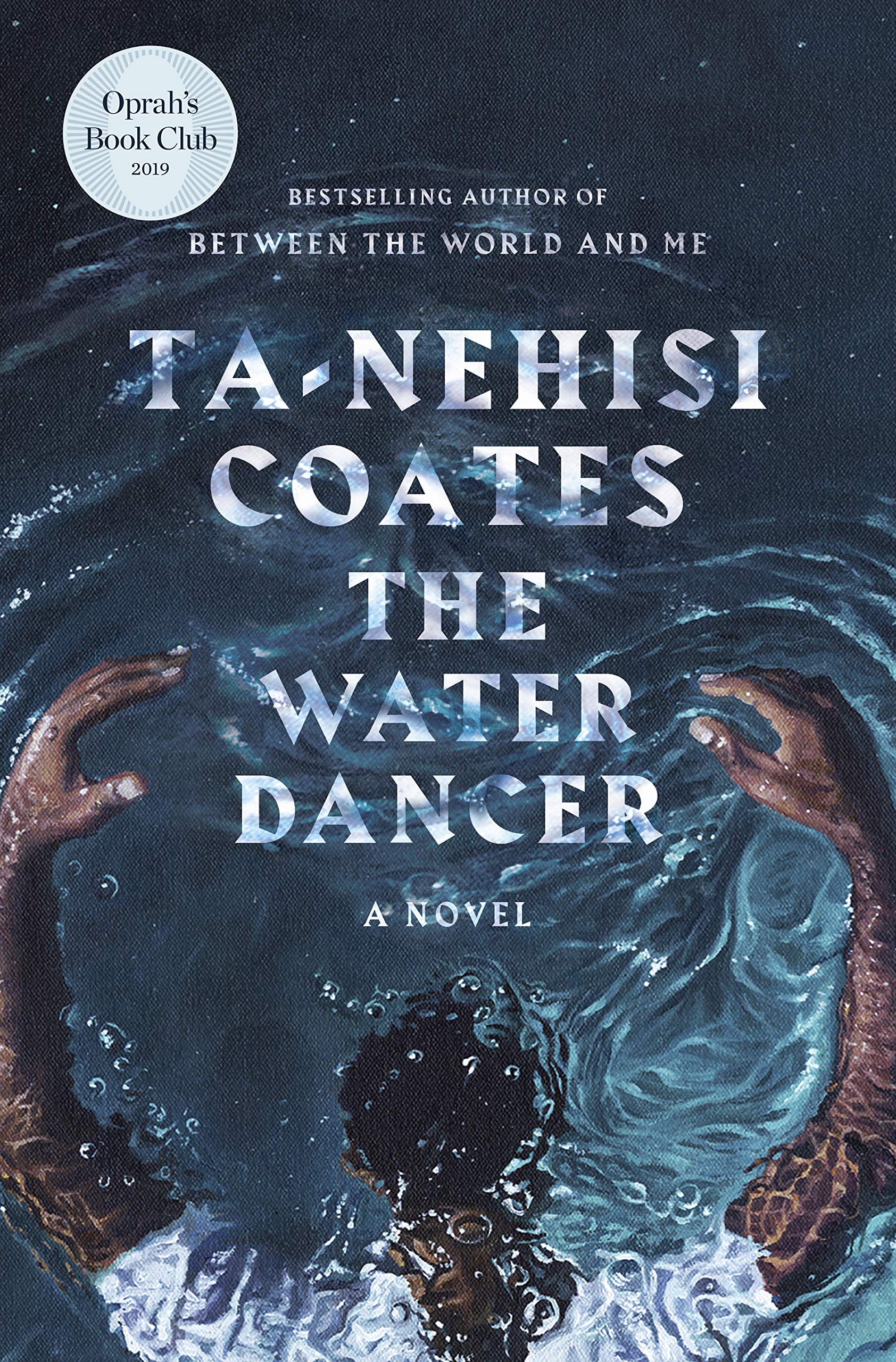
                • Cover of The Water Dancer
                  The Water Dancer

                  Ta-Nehisi Coates · standalone novel · 2019

                  similar by19th centurydarkemotionalhistorical fictionidentity

                  A Virginia slave narrowly escapes a drowning death through the intervention of a mysterious force that compels his escape and personal underground war against slavery.

                • Cover of Mary Reilly
                  Mary Reilly

                  Valerie Martin · standalone novel · 1990

                  similar by19th centurydarkhistorical fictionidentitygothic

                  Mary Reilly is a 1990 parallel novel by American writer Valerie Martin. It is inspired by Robert Louis Stevenson's classic 1886 novella Strange Case of Dr. Jekyll and Mr. Hyde. It was nominated for the Nebula Award for Best Novel in 1990 and the World Fantasy Award for Best Novel in 1991. Martin's novel was the basis for the 1996 film of the same name starring Julia Roberts in the title role.

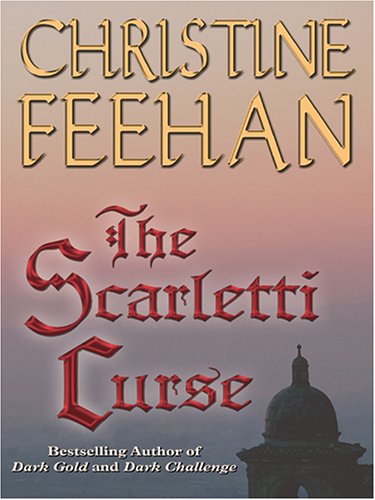
                • Cover of The Scarletti Curse
                  The Scarletti Curse

                  Christine Feehan · standalone novel · 2001

                  similar bydarkemotionalforbidden loveeuropegothicromance

                  The Beast Strange, twisted carvings and hideous gargoyles adorned the palazzo of the great Scarletti family. But a still more fearful secret lurked within its storm-tossed turrets. For every bride who entered its forbidding walls was doomed to leave in a casket. The Bride Mystical and unfettered, Nicoletta had no terror of ancient curses and no fear of marriage...until she looked into the dark, mesmerizing eyes of Don Scarletti. She had sworn no man would command her, had thought her gift of healing set her apart, but his was the right to choose a bride from among his people. And he had chosen her. The Bargain Compelled by duty, drawn by desire, she gave her body into his keeping, and prayed the powerful, tormented don would be her heart's destiny, and not her soul's demise.

                • Cover of The Private Memoirs and Confessions of a Justified Sinner
                  The Private Memoirs and Confessions of a Justified Sinner

                  James Hogg · standalone novel · 1824

                  similar by19th centurydarkidentitygothic+1 more

                  The Private Memoirs and Confessions of a Justified Sinner: Written by Himself: With a detail of curious traditionary facts and other evidence by the editor is a novel by the Scottish author James Hogg, published anonymously in 1824.

                • Cover of The Secret Life of Laszlo, Count Dracula
                  The Secret Life of Laszlo, Count Dracula

                  Roderick Anscombe · standalone novel · 1994

                  similar by19th centurydarkhistorical fictionidentityeurope

                  From the front flap of the Hyperion first edition: "In his mesmerizing fictional debut, psychiatrist Roderick Anscombe takes readers into the fevered mind of Count Dracula the man - aristocrat, doctor, and helpless killer of young women. There are no vampires in this stunningly erotic reinvention of the classic myth, only tormented human beings. Tortured by his own perverse desires, the distinguished Dr. Dracula is drawn to possess and destroy young women, first in Paris where he is studying with the renowned pioneer of hypnosis, Charcot, and then in the Hungarian countryside, as the Count takes over the deteriorating family estate. Even as he maintains the facade of the aristocratic life, Dracula is drawn inexorably into a world of violent emotion, blood lust, and self-loathing. Swirling between the scientific fact and superstition of the day - and propelled into the medical epidemics and politics of the Austro-Hungarian empire - Dracula becomes a public saint and a private savage, and all the while a plausible and pitiable human being."

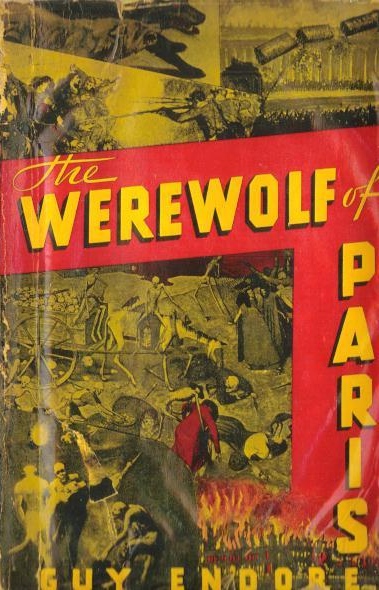
                • Cover of The Werewolf of Paris
                  The Werewolf of Paris

                  Guy Endore · standalone novel · 1933

                  similar by19th centurydarkeuropegothic+1 more

                  The Werewolf of Paris (1933) is a Gothic horror novel by American writer Guy Endore. The novel follows Bertrand Caillet, the eponymous werewolf, throughout the tumultuous events of the Franco-Prussian War and the Paris Commune of 1870–71. Some literature experts have compared this book with Dracula by Bram Stoker and they have identified it as the Dracula of werewolf fiction.

                • Cover of Zulu Nation
                  Zulu Nation

                  series · 1 book · 1892

                  similar by19th centuryemotionalhistorical fictionforbidden love

                  H. Rider Haggard's Nada the Lily is set during the rise of the Zulu king Shaka, following Umslopogaas, Shaka's unacknowledged son, and his love for the celebrated beauty Nada. Haggard weaves real Zulu history and figures together with invented characters and supernatural elements, building a tragic story of forbidden love against a backdrop of war and court intrigue. It's a standalone 1892 novel rather than a series.

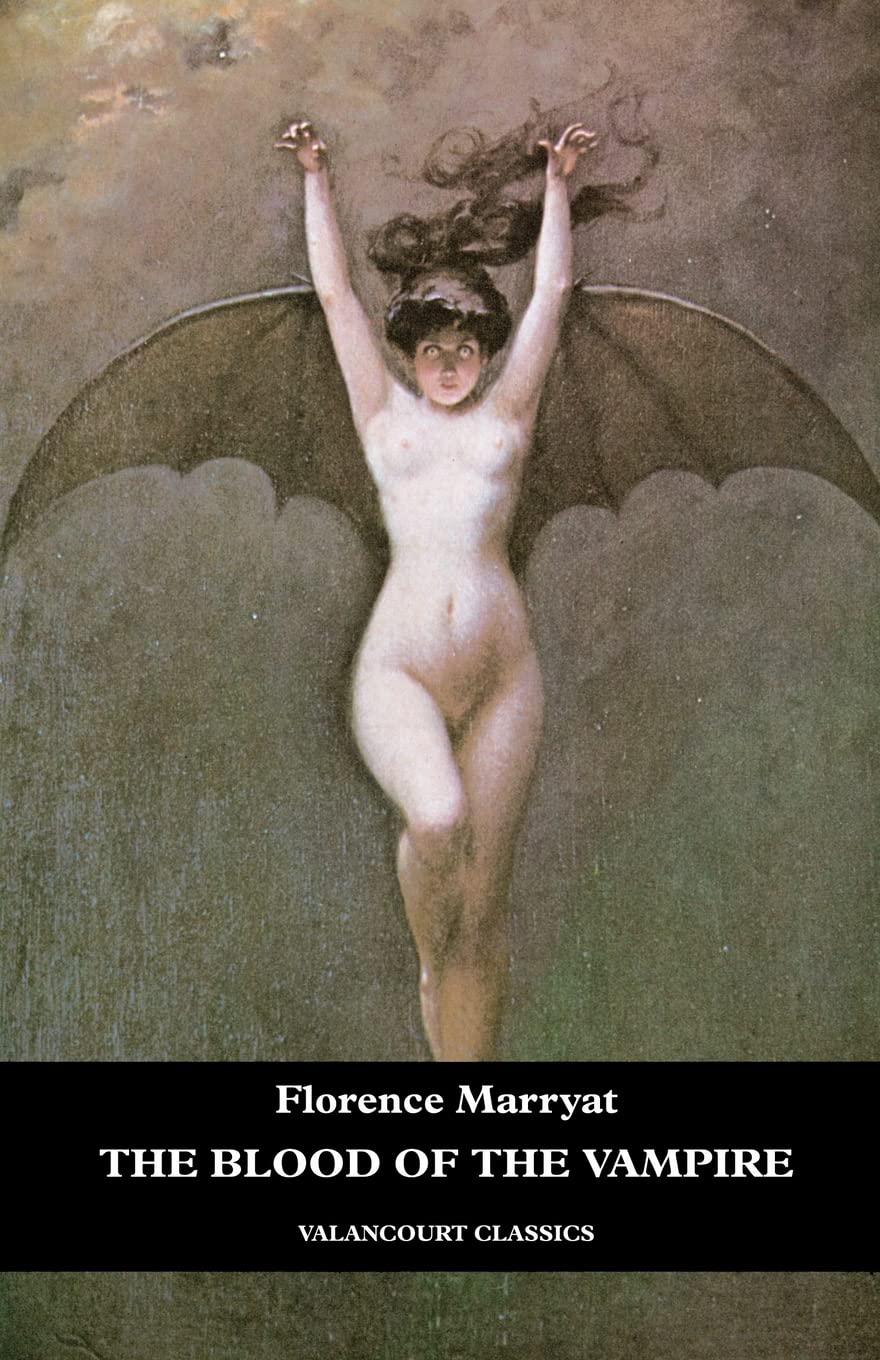
                • Cover of The Blood of the Vampire
                  The Blood of the Vampire

                  Florence Marryat · standalone novel · 1897

                  similar by19th centurydarkidentitygothiceurope

                  The Blood of the Vampire is a Gothic novel by Florence Marryat, published in 1897. The protagonist, Harriet Brandt, is a mixed-race psychic vampire who kills unintentionally. The novel follows Harriet after she leaves a Jamaican convent for Europe, and her ill-fated attempts to integrate with Victorian society.

                • Cover of Incantation
                  Incantation

                  Alice Hoffman · standalone novel · 2006

                  similar byemotionalhistorical fictionidentityeuropegrief and loss+1 more

                  Estrella is a Marrano: During the time of the Spanish Inquisition, she is one of a community of Spanish Jews living double lives as Catholics. And she is living in a house of secrets, raised by a family who practices underground the ancient and mysterious way of wisdom known as kabbalah. When Estrella discovers her family's true identity--and her family's secrets are made public--she confronts a world she's never imagined, where new love burns and where friendship ends in flame and ash, where trust is all but vanquished and betrayal has tragic and bitter consequences.Infused with the rich context of history and faith, in her most profoundly moving work to date, Alice Hoffman's first historical novel is a transcendent journey of discovery and loss, rebirth and remembrance.

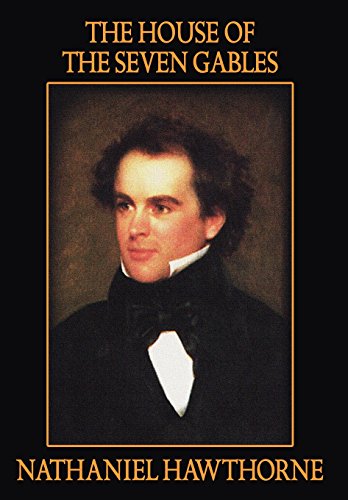
                • Cover of The House of the Seven Gables
                  The House of the Seven Gables

                  Nathaniel Hawthorne · standalone novel · 1851

                  similar by19th centurydarkgothichistorical fiction+1 more

                  The House of the Seven Gables: A Romance is a Gothic novel written beginning in mid-1850 by American author Nathaniel Hawthorne and published in April 1851 by Ticknor and Fields of Boston. The novel follows a New England family and their ancestral home. In the book, Hawthorne explores themes of guilt, retribution, and atonement, and colors the tale with suggestions of the supernatural and witchcraft. The setting for the book was inspired by the Turner-Ingersoll Mansion, a gabled house in Salem, Massachusetts, belonging to Hawthorne's cousin Susanna Ingersoll, as well as ancestors of Hawthorne who had played a part in the Salem Witch Trials of 1692. The book was well received upon publication and has been adapted several times to film and television.

                • Cover of Rappaccini
                  Rappaccini

                  series · 2 books · 1844

                  completed

                  similar by19th centurydarkforbidden lovegothiceurope

                • Cover of A Taste for Monsters
                  A Taste for Monsters

                  Matthew J. Kirby · standalone novel · 2016

                  similar by19th centurydarkidentityeurope+2 more

                  In 1888 seventeen-year-old Evelyn Fallow, herself disfigured by the phosphorus in the match factory where she worked, has been hired as a maid to Joseph Merrick, the Elephant Man--but when the Jack the Ripper murders begin she and Merrick find themselves haunted by the ghosts of the slain women, and Evelyn is caught up in the mystery of Jack's identity.

                • Cover of Green Darkness
                  Green Darkness

                  Anya Seton · standalone novel · 1972

                  similar byemotionalhistorical fictionforbidden loveromanceeurope+1 more

                  A tragic 16th century love story inexplicably affects a modern couple.

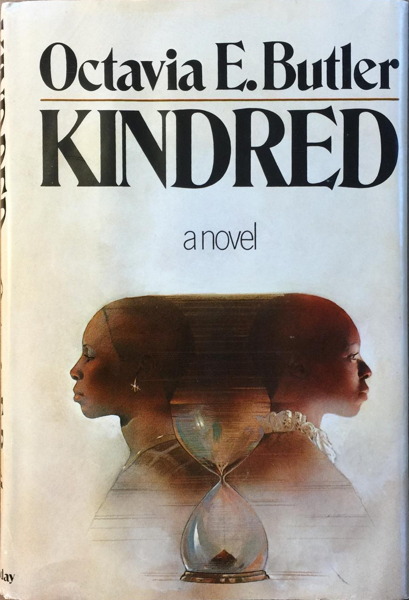
                • Cover of Kindred
                  Kindred

                  Octavia E. Butler · standalone novel · 1979

                  similar by19th centuryemotionalhistorical fiction+1 more

                  Kindred (1979) is a novel by American writer Octavia E. Butler that incorporates time travel and is modeled on slave narratives. Widely popular, it has frequently been chosen as a text by community-wide reading programs and book organizations, and for high school and college courses.

                • Cover of Lovely War
                  Lovely War

                  Julie Berry · standalone novel · 2019

                  similar byemotionalforbidden loveeuroperomancehistorical fiction+1 more

                  Lovely War is a young adult romance novel by Julie Berry, published March 5, 2019 by Viking Books for Young Readers. The book is a New York Times Bestseller and was well-received by critics.

                • Cover of Drood
                  Drood

                  Dan Simmons · standalone novel · 2009

                  similar by19th centurydarkhistorical fictiongothic

                  Drood is a novel written by Dan Simmons. The book was initially published on February 1, 2009 by Little, Brown and Company. It is a fictionalized account of the last five years of Charles Dickens' life.

                • Cover of The Terror
                  The Terror

                  Dan Simmons · standalone novel · 2007

                  similar by19th centurydarkhistorical fiction+1 more

                  The Terror is a 2007 novel by American author Dan Simmons. It is a fictionalized account of Captain Sir John Franklin's lost expedition, on HMS Erebus and HMS Terror, to the Arctic, in 1845–1848, to locate the Northwest Passage. In the novel, while Franklin and his crew are plagued by starvation and illness, and forced to contend with mutiny and cannibalism, they are stalked across the bleak Arctic landscape by a monster.

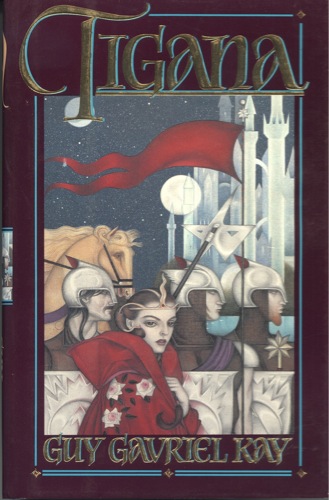
                • Cover of Tigana
                  Tigana

                  Guy Gavriel Kay · standalone novel · 1990

                  similar bydarkemotionalidentity+1 more

                  Tigana is a 1990 fantasy novel by Canadian writer Guy Gavriel Kay. The novel is set in a region called the Peninsula of the Palm, which somewhat resembles Renaissance Italy as well as the Peloponnese in shape.

                • Cover of Island Magic
                  Island Magic

                  Elizabeth Goudge · standalone novel · 1934

                  similar by19th centuryemotionalhistorical fictionromance+1 more

                  A lonely wanderer... A magical island... And Two People Bewitched By Love.... The Channel Islands were divided in allegiance between France and England. Of French blood, and yet subjects of Queen Victoria, the islanders were curious hybrid creatures. But now, in 1888, England is slowly stretching out her arms to them. Colin du Frocq is eight years old, and his dreams are of the sea that surrounds his home. By day he steals away and takes to the sea in any boat that is sailing. At night he lies in bed listening to the waves beating against the shore. Then one night, in a wild storm, a ship drives onto the nearby cliffs and a strange man enters Colin's life, changing Colin's course forever. A twist of fate brought Ranulph back to a springtime place that had forgotten him. A proud and beautiful woman offered him refuge, even though she did not understand why, as she trembled before his gaze. Now Ranulph could feel the spell of the Island twisting around him, binding him to the world of love and companionship he had rejected forever. A storm-wracked sea had brought him home. It was the magnificent fury of another storm that taught him the splendor of life and the power of love.

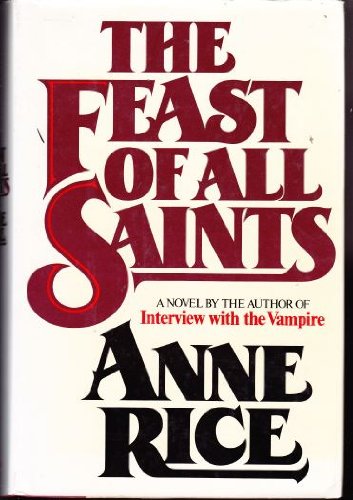
                • Cover of The Feast of All Saints
                  The Feast of All Saints

                  Anne Rice · standalone novel · 1980

                  similar by19th centuryemotionalhistorical fictionidentity

                  WorldCat: Rice explores a unique but little-known society, the "gens de couleur libre," free people of color, who flourished in New Orleans in the years prior to the Civil War.