More like Pilgermann
anchored on:historical fictionmedievalliterary & generalquestsfaith and religioneurope+2 more
but
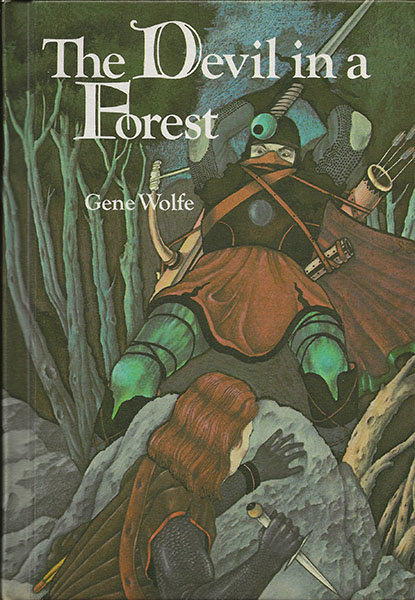
- The Devil in a Forest
Gene Wolfestandalone novel1976
similar byreflectivemedievalhistorical fictionfaith and religioneurope
The Devil in a Forest is a short novel by American writer Gene Wolfe about the conflict between Christianity and an earlier pagan religion in Europe during the Middle Ages.
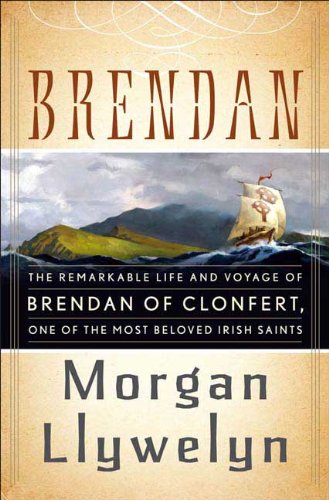
- Brendan
Morgan Llywelynstandalone novel2010
similar byreflectivemedievalhistorical fictionfaith and religioneurope
A historical novel about an early Irish saint, whose SF elements are apparently limited to describing the miracles performed by Brendan.
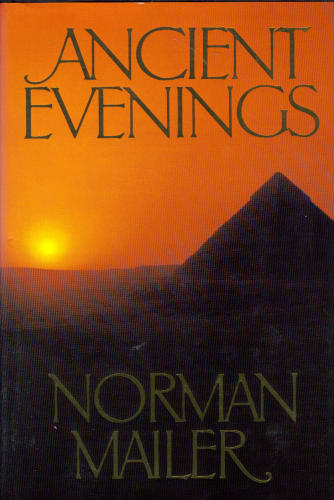
- Ancient Evenings
Norman Mailerstandalone novel1983
similar byreflectivehistorical fictionfaith and religionliterary & generalmiddle east
Ancient Evenings is a 1983 historical novel by American author Norman Mailer. Set in ancient Egypt and dealing with the lives of the characters Menenhetet One and Meni, the novel received mixed reviews. Reviewers noted the historical research that went into writing it and considered Mailer successful at conveying the nature of ancient Egyptian life. However, they also criticized the novel's narration and questioned its literary merit. Ancient Evenings has been compared to the work of the poet James Merrill and the novelist Thomas Pynchon, as well as to Mailer's novel Harlot's Ghost (1991). Some have suggested that its opening passage is its strongest part. Ancient Evenings served as an inspiration for the artist Matthew Barney's operatic film River of Fundament (2014).
- Grendel
John Gardnerstandalone novel1971
similar byreflectivemedievalliterary & generaleurope
Between bouts of his war on the king of the Danish Norsemen, the monster philosophizes about life and fate.
- Victory City
Salman Rushdiestandalone novel2023
similar byreflectivemedievalhistorical fictionliterary & general
Victory City is a novel by Salman Rushdie published in February 2023. It is Rushdie's fifteenth novel.
- The Pilgrim's Progress
John Bunyanstandalone novel1678
similar byreflectivequestsfaith and religionliterary & general
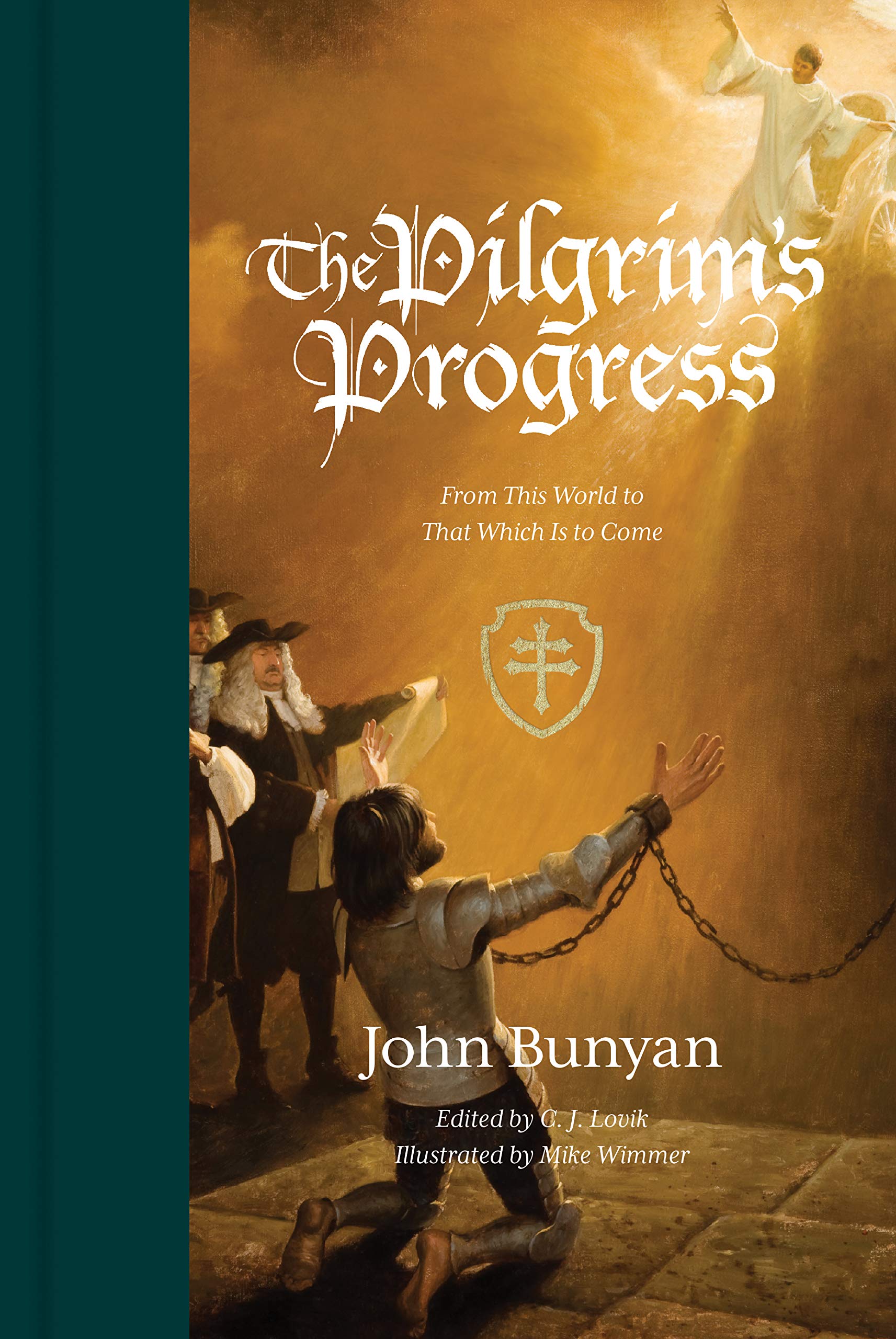
The Pilgrim's Progress from This World, to That Which Is to Come is a 1678 Christian allegory written by the English nonconformist preacher John Bunyan. It is commonly regarded as one of the most significant works of Protestant devotional literature and of wider early modern English literature. It has been translated into more than 200 languages and has never been out of print. It appeared in Dutch in 1681, in German in 1703 and in Swedish in 1727. The first North American edition was issued in 1681. It has also been cited as the first novel written in English. According to literary editor Robert McCrum, "there's no book in English, apart from the Bible, to equal Bunyan's masterpiece for the range of its readership, or its influence on writers as diverse as William Hogarth, C. S. Lewis, Nathaniel Hawthorne, Herman Melville, Charles Dickens, Louisa May Alcott, George Bernard Shaw, William Thackeray, Charlotte Brontë, Mark Twain, John Steinbeck and Enid Blyton." The lyrics of the hymn "To be a Pilgrim" are based on the novel.
- The Years of Rice and Salt
Kim Stanley Robinsonstandalone novel2002
similar byreflectivemedievalhistorical fiction+1 more
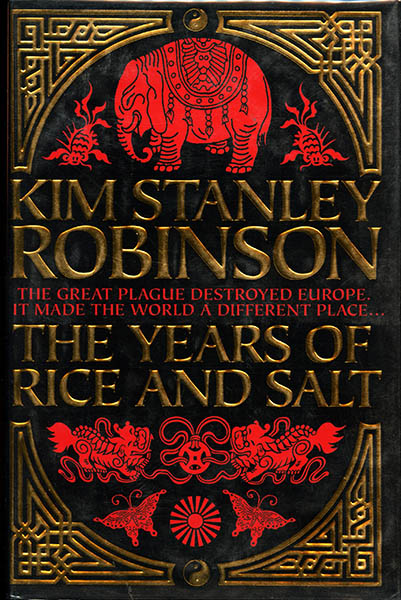
What if the Black Death had killed nearly everyone in Europe instead of a third of it? Kim Stanley Robinson opens on that premise with a Mongol scout named Bold, who finds a Hungarian city emptied by plague and only narrowly escapes execution meant to contain the contagion; sold into slavery, he ends up serving aboard a Chinese treasure fleet alongside a young African companion. From there the novel follows a recurring cast of souls, reincarnated across centuries and identifiable book to book by the first letter of their names, through an alternate history in which Islamic and Chinese civilizations, not a devastated Europe, shape the world's future.
- The Scarlet Letter
Nathaniel Hawthornestandalone novel1850
similar byreflectivehistorical fictionfaith and religionliterary & general
In 17th-century Puritan Boston, Massachusetts of 1642-1649, a woman conceives a daughter through an adulterous affair, then struggles to create a new life of repentance and dignity.
- Lavinia
Ursula K. Le Guinstandalone novel2008
similar byreflectivehistorical fictionliterary & generaleurope+1 more
Lavinia is a Locus Award-winning novel by American author Ursula K. Le Guin. Published in 2008, it was Le Guin's last novel. It is written in a first-person, self-conscious style that recounts the life of Lavinia, a minor character in Virgil's epic poem the Aeneid.
- The Celtic Crusades
series3 books1998
similar bymedievalhistorical fictionquestsfaith and religioneurope+1 more
- Creation
Gore Vidalstandalone novel1981
similar byreflectivehistorical fictionfaith and religionliterary & generalmiddle east
Creation is an epic historical fiction novel by Gore Vidal published in 1981. In 2002 he published a restored version, reinstating four chapters that a previous editor had cut and adding a brief foreword explaining what had happened and why he had restored the cut chapters.
- The Good Man Jesus and the Scoundrel Christ
Philip Pullmanstandalone novel2009
similar byreflectivefaith and religionliterary & generalmiddle east
Philip Pullman retells the gospel story with one change: Mary gives birth to twin sons, not one. Jesus grows into the moral teacher and healer familiar from scripture, while his brother, given the name Christ, watches from the sidelines, recording and reshaping his brother's story with an eye toward the institution he believes should be built on it. As Jesus preaches humility and doubt, Christ is drawn into a bargain with a mysterious stranger who wants his account shaped into something more useful for the church that will one day claim to speak for both of them. Part of Canongate's Myth series, Pullman's short, provocative reworking of the New Testament.
- Christ the Lord
series2 books2005
completed
similar byreflectivehistorical fictionfaith and religionmiddle east
- Lost Horizon
James Hiltonstandalone novel1933
similar byreflectivefaith and religionliterary & general
Lost Horizon is a 1933 novel by the English writer James Hilton. The book was adapted into a film, also called Lost Horizon, in 1937 by director Frank Capra; and a musical film remake in 1973 by producer Ross Hunter with music by Burt Bacharach. It is the origin of Shangri-La, a fictional utopian lamasery located high in the mountains of Tibet.
- The Inheritors
William Goldingstandalone novel1955
similar byreflectivehistorical fictionliterary & generaleurope
A small tribe of Neanderthalians suddenly comes in contact with modern Homo sapiens, which leads to mutual incomprehension : the former's awe and fear in front of "the new people" has for counterpart the horror and disgust for these forest-dwelling devils they inspire to the latter. Golding opposes, in his usual, pessimistic way, the doomed, slow-witted but gentle and unselfish Homo neanderthalensis to their "inheritors", more intelligent and inventive, but already affected by inner quarrels, jealousy and violence.
- Todd Family
series2 books2013
similar byreflectivehistorical fictionliterary & general+1 more
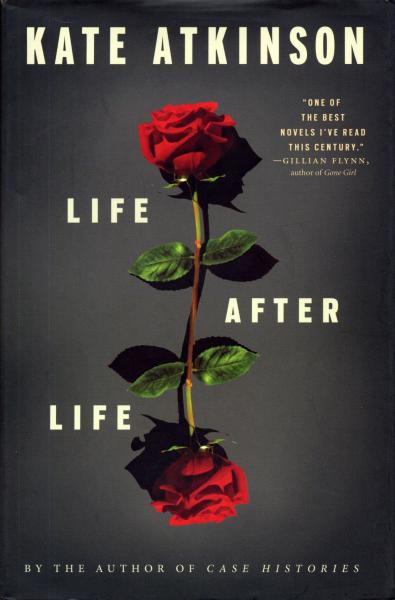
Kate Atkinson's Life After Life gives Ursula Todd, born on a snowy night in 1910, a strange gift: whenever she dies, she's born again into a slightly altered version of the same life, gradually piecing together enough intuition across her many deaths to try to change the course of the twentieth century's worst events. The companion novel A God in Ruins turns to Ursula's brother Teddy, a bomber pilot, following his one, single life forward from the war through old age. The two books share a family and a set of preoccupations -- memory, war, chance -- without forming a conventional sequential series.
- Shaman
Kim Stanley Robinsonstandalone novel2013
similar byreflectivehistorical fictioneurope+1 more
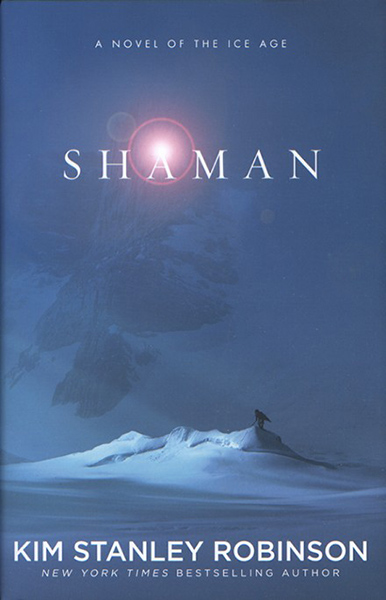
Shaman: A Novel of the Ice Age is a 2013 novel by Kim Stanley Robinson. Set during the Ice Age, it tells the story of a trainee shaman, from a tribe of European early modern humans, who must learn the skills needed to survive and to aid his people.
- The Wandering Jew
Stefan Heymstandalone novel1981
similar byreflectivefaith and religionhistorical fictionliterary & general+2 more
Ahasver is a 1981 German-language novel by Stefan Heym. It was published in English as The Wandering Jew in 1984.
- The Amazing Adventures of Kavalier & Clay
Michael Chabonstandalone novel2000
similar byreflectivehistorical fictionliterary & generalimmigration and exile
The Amazing Adventures of Kavalier & Clay is a 2000 novel by American author Michael Chabon. A historical fiction novel, it follows the lives of two Jewish cousins, Josef "Joe" Kavalier, a Czech artist and magician who escapes Nazi-occupied Prague, and Sammy Clay, a Brooklyn-born writer. Together, they create The Escapist, a fictional superhero inspired by Joe’s desire to fight fascism and his struggle to rescue his family from Europe. In the story, Kavalier and Clay become major figures in the comics industry during its Golden Age.
- Karl Glogauer
series2 books1969
similar byreflective+4 more
Michael Moorcock's two Karl Glogauer novels share a character rather than a plot. In Behold the Man (1969), Glogauer travels back in time seeking the historical Jesus, discovers the real man is severely disabled, and takes on the role of Christ himself, engineering his own crucifixion to fulfill the story he grew up reading. Breakfast in the Ruins (1972) recasts him across seventeen variant lives spanning 1871 to 1990, each one crueler than the last, framed around a present-day encounter in London -- using the same protagonist for a different formal experiment rather than continuing a single narrative.
- Orsinia
series16 books1961
completed
similar byreflectiveliterary & generalhistorical fiction+1 more
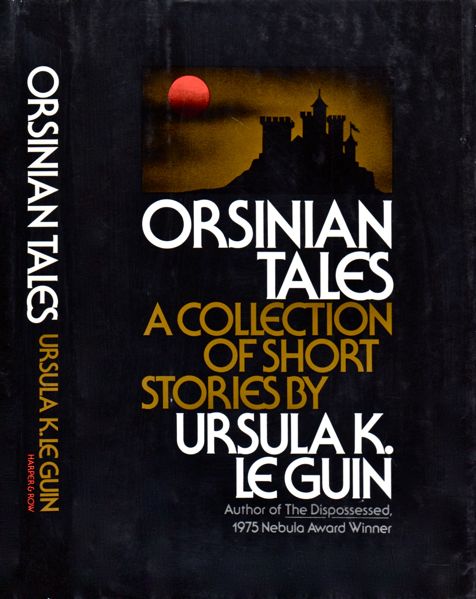
Orsinia is Ursula K. Le Guin's invented Central European country, used as the setting for character-driven historical fiction rather than her more famous science fiction and fantasy: the linked short stories of Orsinian Tales and the novel Malafrena, set among failed 1820s revolutionaries. There's no ongoing plot connecting the pieces; Orsinia functions more as a shared place and history than a series with continuing characters.
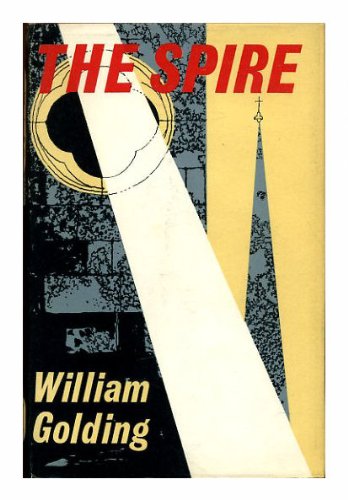
- The Spire
William Goldingstandalone novel1964
similar byreflectivemedievalfaith and religionliterary & general
The Spire is a 1964 novel by English author William Golding. "A dark and powerful portrait of one man's will", it deals with the construction of a 404-foot-high spire loosely based on Salisbury Cathedral, the vision of the fictional Dean Jocelin. In the novel, Golding utilises stream-of-consciousness writing with an omniscient but increasingly fallible narrator to show Jocelin's demise as he chooses to follow his own will as opposed to the will of God.
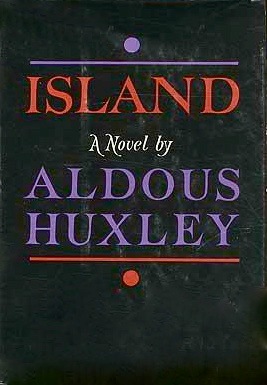
- Island
Aldous Huxleystandalone novel1962
similar byreflectivefaith and religionliterary & general
Island is a 1962 utopian manifesto and novel by English writer Aldous Huxley, the author's final work before his death in 1963. Although it has a plot, the plot largely serves to further conceptual explorations rather than setting up and resolving conventional narrative tension.