Loreful
HomeDiscover
Search series, authors…⌘K
Loreful

Reading orders for SF/F series and shared universes — with your place kept in every one.

Explore

UniversesSeriesWorksAuthorsAtlas

Help

FAQAboutSite map

Account & legal

Sign inCreate accountPrivacyTerms

Data

Built on ISFDB, Wikipedia, Wikidata and Open Library. Curated reading orders carry their reasoning on the page; the rest follow publication order. Data sources & licenses

© Loreful · data: ISFDB · CC BY

More like Pixie for Hire

anchored on:urban fantasyour worldcontemporaryfantasynoirfae+2 more

but

Mood

The mood the book leaves you in.

  • The reading experience is propelled by journeys, exploration, and physical risk; excitement and forward momentum dominate over dread or introspection.
  • Joy and loss are deliberately mixed; the resolution grants characters something real while taking something else away, leaving warmth and sorrow together.
  • The book demands work from the reader — dense prose, difficult structure, unfamiliar ideas, or morally uncomfortable material — as part of its intended effect.
  • Grim events, cruelty, or despair dominate the atmosphere, and the book does not soften them with comfort or comic relief.
  • The atmosphere is quietly unsettling — wrongness, unease, and the uncanny pervade the book without necessarily escalating into overt horror.
  • The book is built to move the reader; character feeling is foregrounded and major scenes aim at a strong emotional response.
  • Humor is a primary aim and the prose plays for laughs — comic situations, wit, or dialogue produce sustained comedy, not occasional levity.
  • The book insists that things can improve; effort and decency are shown to matter, and the arc bends toward better outcomes even through hardship.
  • The book teaches as it goes — real facts, history, science, or craft are conveyed in enough depth that learning is part of the reading experience.
  • The book is designed to uplift and motivate, presenting perseverance or achievement in a way that invites the reader to aspire or act.
  • The overall register is cheerful and easygoing; stakes are kept gentle and the book avoids dwelling on pain or dread.
  • Withheld information drives the experience; the book sustains enigmas and secrets the reader wants resolved, whatever its genre.
  • The book is contemplative and inward-looking, giving more weight to thought, memory, and meaning than to external events.
  • The book works as comfort reading — low tension, a soothing pace, and an atmosphere the reader can unwind in.
  • Grief, loss, or melancholy set the dominant register, and the book lets sorrow stand rather than resolving it into comfort.
  • Sustained suspense is the point; the book keeps the reader braced for what happens next through danger, pressure, or impending revelation.
  • Playful invention and charm define the register — fanciful conceits, light absurdity, and a narration that delights in its own oddity.

About

What the story runs on.

  • Stories in which extraterrestrial beings are central — as characters, cultures, or the object of the plot.
  • Stories structured as a quest — a journey undertaken to find, deliver, or destroy something of great import.
  • Stories in which staying alive against nature, catastrophe, or scarcity is the central problem.
  • Stories of lovers kept apart by law, family, faith, or station, where the obstacle to love is the plot.
  • Stories in which a friendship — its making, testing, or loss — is the emotional center.
  • Stories of growing up — a young protagonist crossing from childhood into adult knowledge and responsibility.
  • Stories about who a character truly is — self-discovery, doubled lives, and the search for a self.
  • Stories about mourning — living through the death of a loved one and what loss does to the survivors.
  • Stories in which a buried family truth — hidden parentage, crimes, or shames — surfaces and reorders the present.
  • Stories driven by maneuvering for power — factions, conspiracies, and statecraft conducted in shadow.
  • Stories in which war itself is the subject — combat, occupation, and what warfare does to soldiers and civilians.
  • Stories organized around investigating a killing — the case, the clues, and the pursuit of the killer, in any genre's clothing.

Shelf

Where it sits in the library.

    • Fiction built on magic or other supernatural elements that have no scientific explanation.
    • Secondary-world fantasy at large scale, where the fate of nations or the world turns on the protagonists' struggle.
    • Fantasy set in a recognizably modern city or contemporary world where the supernatural intrudes on everyday life.
    • Fantasy that blends in horror's atmosphere and imagery, keeping a fantastical frame around grim or frightening material.
    • Action-driven fantasy following warriors or rogues with personal stakes against sorcerous threats, rather than world-spanning conflicts.
    • Fantasy set in a real historical period or a close analogue of one, with magic woven into the era.
    • Fantasy in which protagonists cross from the ordinary world into another world through a portal or similar passage.
    • Fiction that retells or reworks a traditional fairy tale in a new form or setting.
    • Fantasy drawing directly on myths, legends, and folklore, retelling them or building on their figures and logic.
    • Fantasy of ghosts, vampires, shapeshifters, psychics, and similar phenomena, usually set in an otherwise ordinary world.
    • Fiction mixing science-fictional trappings with overtly magical or impossible elements in one setting.
    • Low-stakes fantasy emphasizing comfort, community, and everyday pleasures over conflict and peril.
    • Speculative fiction of pervasive moral ambiguity, violence, and cynicism that rejects heroic conventions — fantasy and SF alike.
      • Fiction that extrapolates from science and technology — future societies, space travel, or speculative inventions — within at least nominally natural laws.
      • Science fiction of interstellar scope — starships, galactic polities, and adventure across star systems.
      • Science fiction committed to scientific rigor, where technical plausibility constrains the story.
      • Science fiction centered on armed forces and warfare, told largely from a military point of view.
      • Science fiction of networked, corporate-dominated near futures, pairing high technology with social decay.
      • Science fiction styled on nineteenth-century steam-powered technology, often in a Victorian or pseudo-Victorian setting.
      • Fiction depicting an oppressive or catastrophic society, presented as a warning.
      • Fiction set after civilization's collapse, following survivors in the ruins of the old world.
      • Fiction in which characters move between past and future, and the mechanics or consequences of that travel drive the plot.
      • Fiction exploring a world where a historical event went differently and history diverged from ours.
      • Science fiction about humanity's first encounter and communication with an alien intelligence.
      • Science fiction in which extraterrestrial forces attack or occupy Earth and humanity resists.
      • Fiction whose primary aim is to frighten or unsettle the reader through dread, menace, or the monstrous.
      • Horror of vast, indifferent, incomprehensible entities before which humanity is insignificant, in the Lovecraft tradition.
      • Horror of decaying houses, buried family secrets, and oppressive atmosphere in the Gothic literary tradition.
      • Horror centered on hauntings and the returning dead.
      • Horror located in the mind — paranoia, obsession, and unreliable perception rather than external monsters.
      • Horror built around the reanimated dead and survival amid their outbreaks.
      • Horror defined by explicit, transgressive gore that refuses to cut away from violence.
      • Speculative fiction of the strange and uncanny that resists both natural explanation and standard genre categories.
      • Fiction organized around solving a crime or puzzle, typically following an investigator toward the identification of a culprit.
      • A puzzle-first mystery that lays out clues so the culprit's identity can be deduced before the reveal.
      • Crime fiction of moral ambiguity, fatalism, and hard-edged style, set among the corrupt and the doomed.
      • A mystery following the realistic routines of police work — forensics, interviews, and case-building.
      • A gentle mystery with an amateur sleuth, a small community, and violence kept off the page.
      • A mystery set in a past era, where the investigation works within that period's methods and society.
      • Fast-paced fiction driven by imminent danger, pursuit, or high-stakes conspiracy, built to sustain tension.
      • A thriller of espionage — agents, tradecraft, and intelligence services in conflict.
      • A thriller centered on lawyers and the courtroom, where litigation carries the suspense.
      • A thriller driven by detailed contemporary or near-future technology, often military or scientific.
      • A thriller whose tension comes from mental states and manipulation between characters rather than external action.
      • Fiction whose central plot is a romantic relationship and its development toward an emotionally satisfying resolution.
      • Romance in which one or both partners are supernatural beings, blending fantasy elements into the love story.
      • A fantasy-romance hybrid in which the romantic arc and the fantasy plot carry equal weight.
      • Romance set in a past era, with courtship shaped by the period's society and manners.
      • Romance set in the present day, without supernatural or historical elements.
      • Fiction set in a real past period, where the historical setting materially shapes characters and events.
        • General and literary fiction emphasizing prose style, character interiority, or formal ambition over genre plot conventions.
        • Fiction in a realistic world where magical events occur and are treated as ordinary, in the tradition of Latin American literature.
        • Fiction that ridicules people, institutions, or society in order to criticize them.
        • Fiction of dreamlike, irrational imagery and logic that breaks from realistic representation.
        • Fiction that plays with narrative convention through metafiction, fragmentation, and self-reference.
        • Fiction propelled by journeys, exploration, and physical peril, where action and survival carry the plot.
        • Adventure fiction of ships and seafaring — naval engagements, voyages, and life at sea.
        • Fiction of the American frontier West — gunmen, ranchers, and lawmen, typically in the late nineteenth century.
        • Fiction centered on soldiers, campaigns, and the experience of warfare, historical or imagined.
          • Fiction written primarily to amuse, using comedic situations, wit, or parody as its organizing principle.
            • Multi-generational fiction following a family or dynasty across decades, with inheritance and kinship as the through-line.
              • Fiction whose world runs on explicit game mechanics — levels, stats, and skills that characters can see and exploit.
                • Fiction about costumed or superpowered heroes and their conflicts with comparable villains.

                Practical

                How long a commitment, whether it stands alone, and whether it has finished.

                Tap a chip to ask for it · tap again to rule it out · once more to clear. Numbers show what would be left.

                • Cover of Artemis Fowl
                  Artemis Fowl

                  series · 15 books · 2001

                  similar byfaecontemporaryour worldfantasy+2 more

                  Artemis Fowl is a series of eleven fantasy novels by Irish author Eoin Colfer, revolving around various members of the Fowl family. The first cycle, the Artemis Fowl series, consists of eight books, and the second cycle, The Fowl Twins series, is a trilogy. Both releases have received commercial success and positive critical reception in the children's literature genre, and also originated graphic novel adaptations. As of 2013, the novels have sold more than 21 million copies in 44 languages, and are one of the best-selling series of all time. In 2010, Artemis Fowl was voted by readers as their favorite Puffin Books title of all time.

                • Cover of How to Ditch Your Fairy
                  How to Ditch Your Fairy

                  Justine Larbalestier · standalone novel · 2008

                  similar byfunnyfaecontemporaryour worldfantasyurban fantasy+1 more

                  How to Ditch Your Fairy is a young adult novel by Australian writer Justine Larbalestier. It was published in 2008 by Bloomsbury.

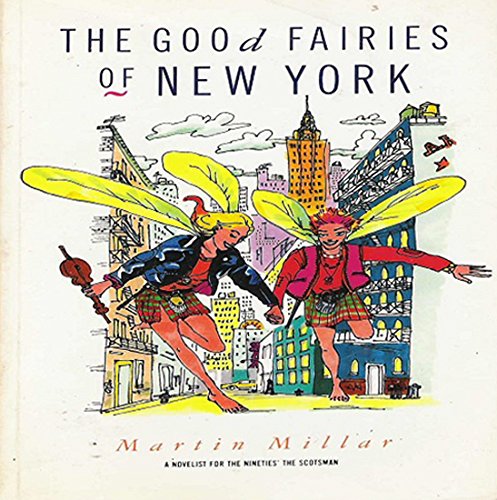
                • Cover of The Good Fairies of New York
                  The Good Fairies of New York

                  Martin Millar · standalone novel · 1992

                  similar byfunnyfaecontemporaryurban fantasybig city+1 more

                  Finding themselves in the very unusual world of Manhattan, a pair of Scottish thimble fairies apply their folk wisdom to assist a pair of down-and-out humans, including Kerry, who struggles with a colostomy bag, and Dinnie, who exhibits anti-social behaviors.

                • Cover of Barking
                  Barking

                  Tom Holt · standalone novel · 2007

                  similar byfunnycontemporaryour worldfantasyurban fantasy+2 more

                  Duncan's boss doesn't think he's cut out to be a lawyer. He isn't a pack animal. He lacks the killer instinct. But when his best friend from school barges his way back into Duncan's life, with a full supporting cast of lawyers, ex-wives, zombies, and snow-white unicorns, it's not long before things become distinctly unsettling. Hairy, even.

                • Cover of The Iron Druid Chronicles
                  The Iron Druid Chronicles

                  series · 70 books · 2011

                  similar bycontemporaryurban fantasy+4 more

                  The Iron Druid Chronicles is a series of urban fantasy novels, novellas, novelettes and short stories, written by Kevin Hearne and published by Del Rey Books. All the books, including short stories, have recorded audiobooks narrated by Luke Daniels and Christopher Ragland

                • Cover of Monster
                  Monster

                  A. Lee Martinez · standalone novel · 2009

                  similar byfunnycontemporarydragonsurban fantasyour worldfantasybig city

                  Meet Monster. Meet Judy. Two humans who don't like each other much, but together must fight dragons, fire-breathing felines, trolls, Inuit walrus dogs, and a crazy cat lady - for the future of the universe.Monster runs a pest control agency. He's overworked and has domestic troubles - like having the girlfriend from hell.Judy works the night shift at the local Food Plus Mart. Not the most glamorous life, but Judy is happy. No one bothers her and if she has to spell things out for the night-manager every now and again, so be it.But when Judy finds a Yeti in the freezer aisle eating all the Rocky Road, her life collides with Monster's in a rather alarming fashion. Because Monster doesn't catch raccoons; he catches the things that go bump in the night. Things like ogres, trolls, and dragons.Oh, and his girlfriend from Hell? She actually is from Hell.

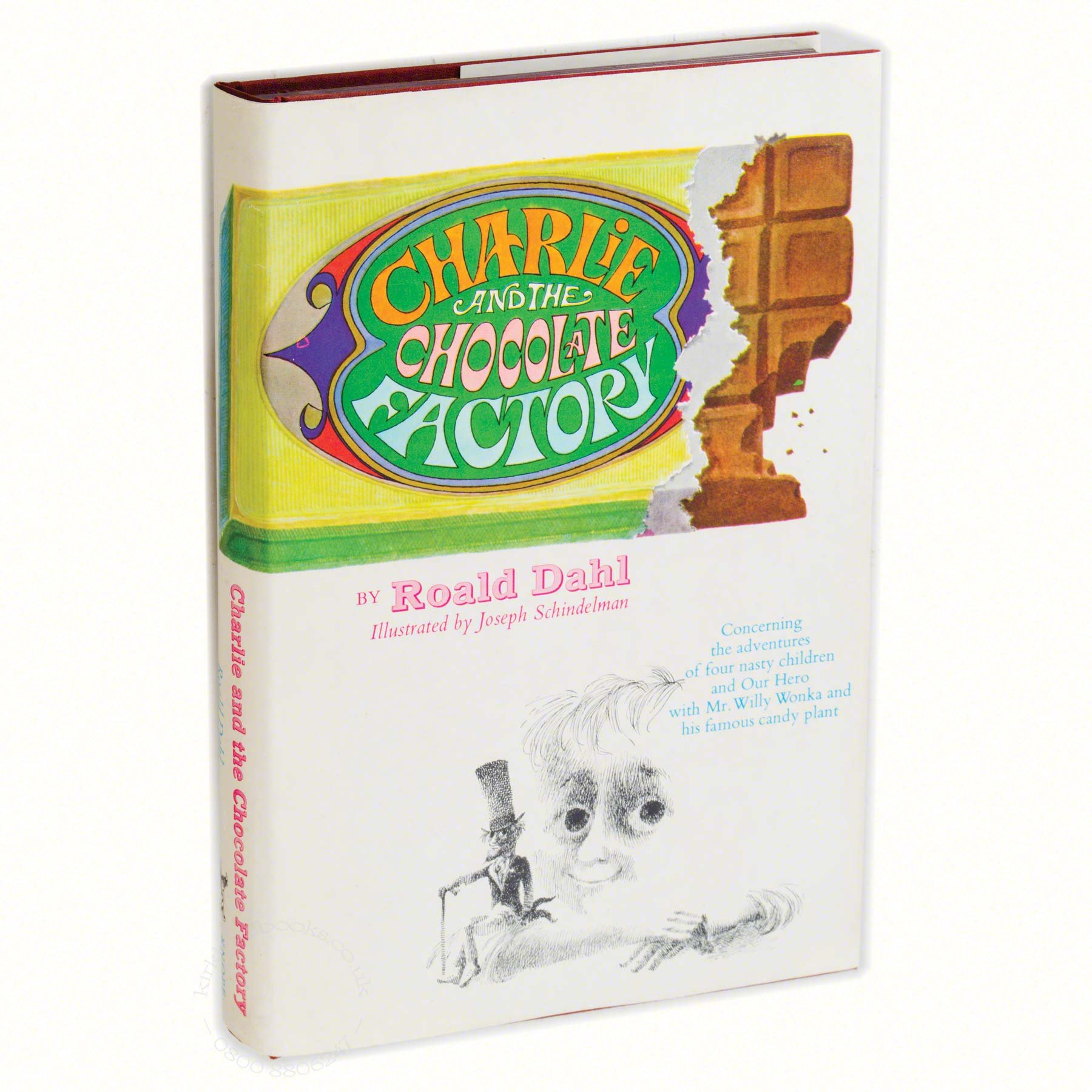
                • Cover of Charlie (Roald Dahl)
                  Charlie (Roald Dahl)

                  series · 6 books · 1964

                  completed

                  similar byfunnycontemporaryfantasyour world

                • Cover of Little People
                  Little People

                  Tom Holt · standalone novel · 2002

                  similar byfunnyfaecontemporaryour worldfantasy

                  Brilliant and outrageously funny comic fantasy'I was eight years old when I saw my first elf'… And for unlikely hero Michael it wasn't his last. Michael's unfortunately (but accurately) named girlfriend Cruella, doesn't approve of his obsession with the little people, but the problem is that they won't leave him alone. And who can blame them when it is his own stepfather who is responsible for causing them so much misery. Oh yes. Daddy George knows that elves can do so much more than the gardening.LITTLE PEOPLE is the hilarious new comic novel from Tom Holt.

                • Cover of Billy
                  Billy

                  series · 15 books · 2005

                  completed

                  similar byfunnycontemporaryour worldshort story cyclefantasy+1 more

                • Cover of Modern Tale of Faerie
                  Modern Tale of Faerie

                  series · 4 books · 2002

                  similar byfaecontemporaryurban fantasyour worldfantasy+1 more

                  Tithe opens Holly Black's Modern Faerie Tales with Kaye Fierch, a teenage drifter who discovers she's a changeling with real faerie blood after returning to her childhood home on the Jersey Shore, and gets pulled into the political violence of the local faerie courts. The trilogy, continuing through Valiant and Ironside, keeps its "suburban fantasy" grounded in ordinary New Jersey settings rather than a storybook otherworld.

                • Cover of Highfire
                  Highfire

                  Eoin Colfer · standalone novel · 2020

                  similar byfunnycontemporarydragonsurban fantasy+1 more

                  Wyvern, Lord Highfire of the Highfire Eyrie, is the last dragon on Earth and is hiding out in a Louisiana swamp. He strikes a deal with Cajun swamp rat Squib: Squib will keep him company and fetch supplies for him and Vern will protect Squib from the dirty cop that is chasing him. However, there will be soon be a firery reckoning, in which dragons wither finally become extinct or Ver's glory days are back.

                • Cover of War for the Oaks
                  War for the Oaks

                  series · 2 books · 1987

                  similar byfaecontemporaryurban fantasyfantasybig city+1 more

                  Emma Bull's 1987 urban fantasy debut follows Minneapolis rock singer Eddi McCandry after a faerie noble conscripts her into the ancient war between the Seelie and Unseelie Courts, forcing her to keep her band and her life together while fighting a battle she never asked for in her own city. Widely credited with helping found the urban fantasy genre, it won the Locus Award for Best First Novel.

                • Cover of Harry the Book
                  Harry the Book

                  series · 16 books · 2007

                  completed

                  similar byfunnycontemporaryour worldshort story cyclefantasyurban fantasybig city

                • Cover of The Cold Cereal Trilogy
                  The Cold Cereal Trilogy

                  series · 3 books · 2012

                  similar byfunnyfaecontemporaryfantasyour world+1 more

                • Cover of The Arcana Familia / Finn Fancy
                  The Arcana Familia / Finn Fancy

                  series · 3 books · 2015

                  similar byfunnycontemporaryurban fantasyour world+2 more

                • Cover of Gods Behaving Badly
                  Gods Behaving Badly

                  Marie Phillips · standalone novel · 2007

                  similar byfunnycontemporaryurban fantasyfantasybig city

                  Gods Behaving Badly is a novel by the British author Marie Phillips. It was first published by Jonathan Cape in 2007. Set in London, it tells the tale of the twelve gods of Mount Olympus living in a rundown flat as their powers wane. It was selected for The Atlantic's 1book140 Twitter book club's book of the month for August 2011.

                • Cover of Bromeliad
                  Bromeliad

                  series · 3 books · 1989

                  completed

                  similar bycontemporaryour worldfantasy+2 more

                  The Nome Trilogy, also known as The Bromeliad, is a trilogy of children's books by British writer Terry Pratchett, consisting of the books Truckers (1989), Diggers (1990) and Wings (1990). The trilogy tells the story of the Nomes, a race of tiny people from another world who now live hidden among humans. Through the books they struggle to survive in the human world and, once they learn of their history from an artefact known as "The Thing", make plans to return home.

                • Cover of Rivers of London
                  Rivers of London

                  series · 32 books · 2011

                  similar bycontemporaryurban fantasybig city+3 more

                  The Rivers of London series is a series of urban fantasy novels by English author Ben Aaronovitch, and comics/graphic novels by Aaronovitch and Andrew Cartmel, illustrated by Lee Sullivan.

                • Cover of Bobby Dollar
                  Bobby Dollar

                  series · 3 books · 2012

                  similar bycontemporaryurban fantasyour world+3 more

                • Cover of The Crock of Gold
                  The Crock of Gold

                  James Stephens · standalone novel · 1912

                  similar byfunnyfaefantasy+1 more

                  The Crock of Gold is a comic novel written by Irish author James Stephens, first published in 1912.

                • Cover of Meredith Gentry
                  Meredith Gentry

                  series · 10 books · 2000

                  similar byfaecontemporaryurban fantasyour world+1 more

                  The Merry Gentry series is a series of urban fantasy novels by New York Times bestselling author Laurell K. Hamilton. The series is told through the lens of the titular character Meredith "Merry" Gentry, a faerie princess turned private investigator in a world where faeries exist and are known to the general public. The first book in the series, A Kiss of Shadows, was released by Del Rey on October 3, 2000. There are currently nine books in the series.

                • Cover of InCryptid
                  InCryptid

                  series · 53 books · 2012

                  similar bycontemporaryurban fantasyour world+2 more

                  InCryptid is a series of urban fantasy novels by American author Seanan McGuire, published by DAW Books. They follow multiple generations of a family of cryptozoologists who protect supernatural beings from discovery by humankind.

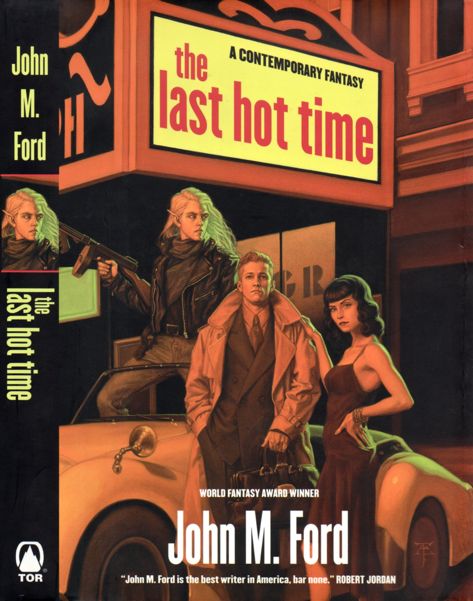
                • Cover of The Last Hot Time
                  The Last Hot Time

                  John M. Ford · standalone novel · 2000

                  similar byfaecontemporaryurban fantasyour worldfantasynoirbig city

                  From the front flap: When Danny Holman leaves the cornfields of Iowa for the bright lights of the City, he expects his life to change. He just can't guess who much and how fast. A violent incident on the road brings Danny the favor of a man known only as Mr. Patrise, who gives Danny a job, a home, and a new identity. The City is a different world from the one Danny (now called Doc) knew, and literally so. The long-vanished lands of the Elves have again opened doors into our reality. Humans cannot cross these thresholds, but the Elves can. Mr. Patrise is a power in the Levee, the shadowy, lawless region between the two worlds, where elf and human gangsters skirmish with sorcery and submachine guns and where anything can be sold, smuggled, or stolen. But the nature of that power--over his people, the City, and the unpredictable new forces of magic--is a mystery. The more Doc learns about the City and his responsibilities in it, the more he wonders if he's in over his head...


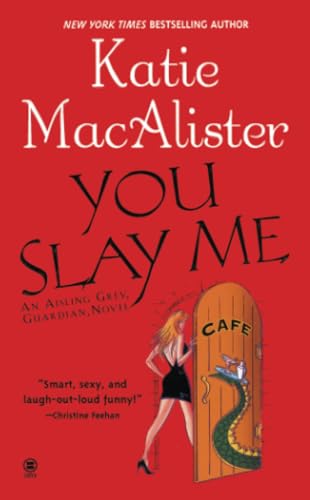
                • Cover of Aisling Grey, Guardian
                  Aisling Grey, Guardian

                  series · 5 books · 2004

                  similar byfunnycontemporaryurban fantasyour world+1 more