More like Players
anchored on:literary & generallate 20th centuryidentitypolitical intriguenorth americabig city+1 more
but
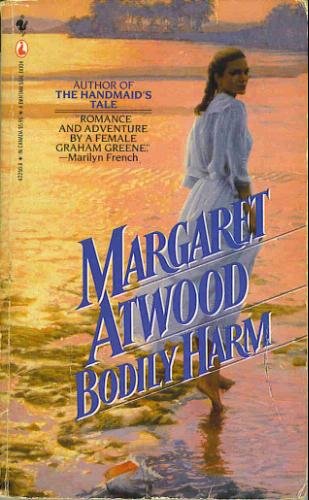
- Bodily Harm
Margaret Atwoodstandalone novel1981
similar byliterary & generaltenselate 20th centuryidentity+2 more
Bodily Harm is a novel by Margaret Atwood. It was first published by McClelland and Stewart in 1981.
- The Edible Woman
Margaret Atwoodstandalone novel1969
similar byliterary & generallate 20th centuryidentityreflectivenorth america
The Edible Woman is the first published novel by Canadian writer Margaret Atwood, published in 1969. It is the story of a young woman, Marian, whose sane, structured, consumer-oriented world starts to slip out of focus. Following her engagement, Marian feels her body and her self are becoming separated. Marian begins endowing food with human qualities that cause her to identify with it, and finds herself unable to eat, repelled by metaphorical cannibalism. In a foreword written in 1979 for the Virago edition of the novel, Atwood described it as a protofeminist rather than feminist work.
- Shadow of a Hero
Peter Dickinsonstandalone novel1994
similar byliterary & generaltenselate 20th centuryidentitypolitical intrigue+1 more
In 1989, Letta, an English teenager, learns of her heritage from her grandfather, great-grandson of the legendary hero of Varina, as he becomes involved in the nationalistic political struggles in Eastern Europe.
- Phases of Gravity
Dan Simmonsstandalone novel1989
similar byliterary & generallate 20th centuryidentityreflectivenorth america
Follows Richard Baedecker, an Apollo astronaut who walked on the moon, through his midlife crisis. He meanders through India, Glen Oak Illinois, the mountains of Colorado, and the coastline of Oregon, checking up on his son and his former Apollo crewmates.
- Moon Palace
Paul Austerstandalone novel1989
similar byliterary & generallate 20th centuryidentityreflectivenorth americabig cityloneliness
Moon Palace is a novel written by Paul Auster that was first published in 1989.
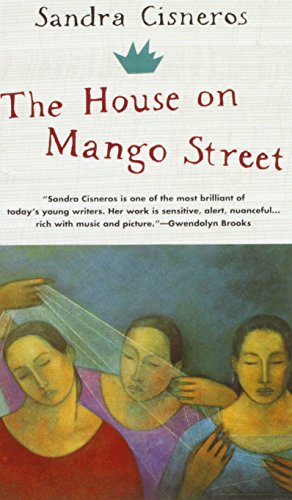
- The House on Mango Street
Sandra Cisnerosstandalone novel1984
similar byliterary & generallate 20th centuryidentityreflectivenorth americabig city
In a series of inter-connected vignettes, this is the story of a young girl growing up in the Hispanic quarter of Chicago. Contains magical realism.
- The Gum Thief
Douglas Couplandstandalone novel2007
similar byliterary & generalidentityreflectivenorth americabig cityloneliness
The Gum Thief is Canadian author Douglas Coupland's twelfth novel. It was published on September 25, 2007 , by Random House Canada in Canada and Bloomsbury Publishing in the United States.
- Beautyland
Marie-Helene Bertinostandalone novel2024
similar byliterary & generallate 20th centuryreflectivenorth americaloneliness+1 more
Beautyland is a novel by Marie-Helene Bertino. It was published on January 16, 2024, by Farrar, Straus and Giroux. The book follows Adina, who is sent by aliens before birth to find out if they could live on earth and reports to them via a fax machine. The book starts with Adina's birth, which takes place in 1977 when Voyager 1 was launched.
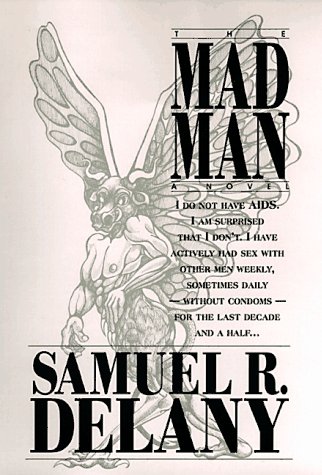
- The Mad Man
Samuel R. Delanystandalone novel1994
similar byliterary & generallate 20th centuryidentitynorth americabig city+1 more
The Mad Man is a literary novel by Samuel R. Delany, first published in 1994 by Richard Kasak. In a disclaimer that appears at the beginning of the book, Delany describes it as a "pornotopic fantasy". It was originally published in 1994, republished and slightly revised in 1996, and republished again with significant changes in 2002 and again in an e-book version with further corrections in 2015. Delany considers the 2015 version the definitive edition.
- My Life As an Ice Cream Sandwich
Ibi Zoboistandalone novel2019
similar byliterary & generallate 20th centuryidentityreflectivenorth americabig city
Twelve-year-old Ebony-Grace Norfleet has lived with her beloved grandfather Jeremiah in Huntsville, Alabama ever since she was little. As one of the first black engineers to integrate NASA, Jeremiah has nurtured Ebony-Grace’s love for all things outer space and science fiction—especially Star Wars and Star Trek. But in the summer of 1984, when trouble arises with Jeremiah, it’s decided she’ll spend a few weeks with her father in Harlem. Harlem is an exciting and terrifying place for a sheltered girl from Hunstville, and Ebony-Grace’s first instinct is to retreat into her imagination. But soon 126th Street begins to reveal that it has more in common with her beloved sci-fi adventures than she ever thought possible, and by summer's end, Ebony-Grace discovers that Harlem has a place for a girl whose eyes are always on the stars.
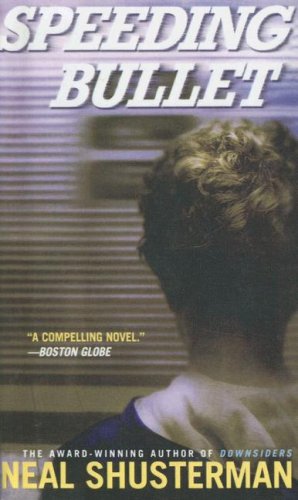
- Speeding Bullet
Neal Shustermanstandalone novel1991
similar byliterary & generallate 20th centuryidentityreflectivenorth americabig city
After becoming famous and getting the attention of the daughter of a wealthy New York City developer following his rescue of a little girl from a speeding subway train, Nick looks for other people to rescue.
- Voices from the Street
Philip K. Dickstandalone novel2007
similar byliterary & generalidentitynorth americabig city+2 more
A young salesman in a San Francisco radio and electronics store in 1952 feels a vague dissatisfaction with his job, his wife, and newborn son, wishing for better things. He encounters religious revivalists, Nazi magazine editors, socialists, and spirited women, but rather than provide an answer they just exacerbate his emotional pain, and he finally has a complete emotional breakdown.
- Even Cowgirls Get the Blues
Tom Robbinsstandalone novel1976
similar byliterary & generallate 20th centuryidentitynorth america
Sissy Hankshaw was born with unusually oversized thumbs, and instead of seeing them as a flaw turns them into a gift: the greatest hitchhiking thumbs in America, carrying her across the country on a restless road life. Her travels take her to New York, where she becomes star model for the Countess, a feminine-hygiene tycoon, before a stint at a Dakota ranch called the Rubber Rose brings her into the orbit of Bonanza Jellybean's cowgirls and a mountain mystic known only as the Chink. Around Sissy's wandering, Robbins builds a philosophical comedy about freedom and gender, with a flock of endangered whooping cranes crossing her path. Tom Robbins's best-known novel.
- Life Before Man
Margaret Atwoodstandalone novel1979
similar byliterary & generallate 20th centuryreflectivenorth america+2 more
Life Before Man is a novel by Canadian writer Margaret Atwood. It was first published by McClelland and Stewart in 1979 and was a finalist for the Governor General's Award.
- Infinite Jest
David Foster Wallacestandalone novel1996
similar byliterary & generallate 20th centuryidentitynorth america+2 more
Infinite Jest is a 1996 novel by American writer David Foster Wallace. Often considered Wallace’s magnum opus, the book has been categorized as an encyclopedic novel due to its unconventional narrative structure and hundreds of extensive endnotes, some with footnotes of their own.
- Concrete Island
J. G. Ballardstandalone novel1974
similar byliterary & generalidentityreflectivebig cityloneliness
Architect Robert Maitland crashes his car onto a stretch of wasteland trapped between three converging motorways -- visible from thousands of cars, reachable by none of them. Injured and unable to climb back to the road, Maitland adapts to life on what he starts calling the Island, scavenging food thrown from car windows, and discovers he isn't alone: a runaway sex worker hiding in a bunker, and a brain-damaged former circus acrobat, both long past expecting rescue. What begins as a survival story turns into a question of whether Maitland even wants to leave. A J. G. Ballard novel of urban isolation, grouped with Crash and High-Rise.
- Galatea 2.2
Richard Powersstandalone novel1995
similar byliterary & generallate 20th centuryidentityreflectivenorth america
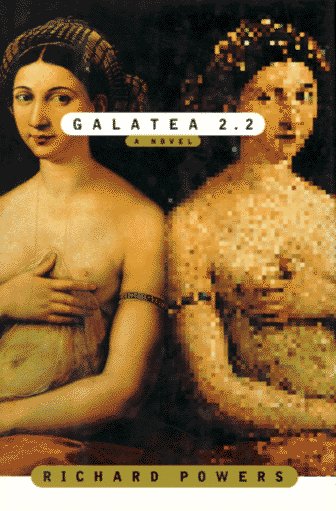
Galatea 2.2 is a 1995 pseudo-autobiographical novel by American writer Richard Powers and a contemporary reworking of the Pygmalion myth. The book's narrator shares the same name as Powers, with the book referencing events and books in the author's life while mentioning other events that may or may not be based upon Powers' life.
- 253
Geoff Rymanstandalone novel1998
similar byliterary & generallate 20th centuryidentityreflectivebig cityloneliness
253 is about the 253 people on a London Underground train travelling between Embankment station and Elephant & Castle on January 11, 1995. The basic structure of the novel is explained in the foreword: There are seven carriages on a Bakerloo Line train, each with 36 seats. A train in which every passenger has a seat will carry 252 people. With the driver, that makes 253. Each character is introduced in a separate section containing 253 words, which give general details and describe the thoughts going through the characters' heads. In the online version, hypertext links lead to other characters who are nearby or who have some connection to the current character; in the print version, the links are partly replaced by a traditional index. The reader can proceed from one character to another using these devices or can read the novel in positional order, e.g. from one seat and one train car to the next, but there is no overall chronological order except in the final section.
- Act Well Your Part
Don Sakersstandalone novel1986
similar byliterary & generallate 20th centuryidentitynorth americaloneliness+1 more
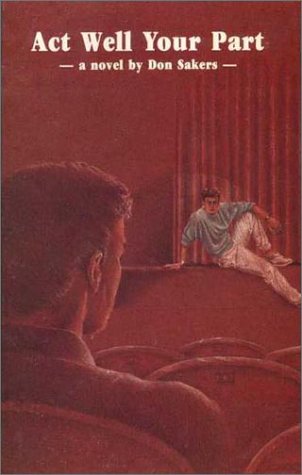
Lonely and unhappy in his new high school, Keith joins the drama club where he meets the good-looking Bran and falls in love.
- 1982 Janine
Alasdair Graystandalone novel1984
similar byliterary & generallate 20th centuryidentityloneliness+1 more
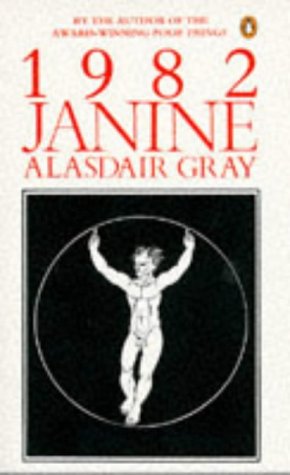
1982, Janine is a novel by the Scottish author Alasdair Gray. His second, it was published in 1984, and remains his most controversial work. Its use of pornography as a narrative device attracted much criticism, although others, including Gray himself, consider it his best work.
- Black Swan Green
David Mitchellstandalone novel2006
similar byliterary & generallate 20th centuryidentityreflective+1 more
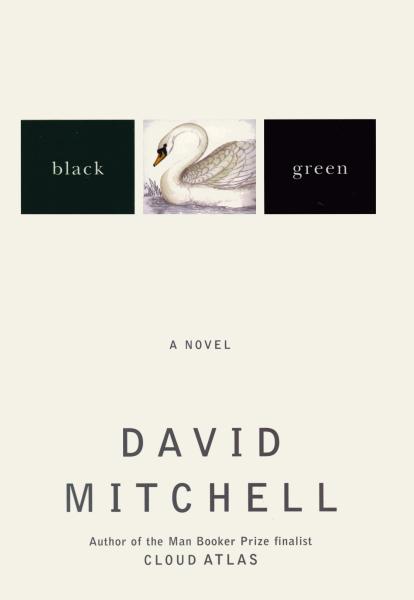
Black Swan Green is a semi-autobiographical novel written by David Mitchell, published in April 2006 in the U.S. and May 2006 in the UK. The bildungsroman's thirteen chapters each represent one month—from January 1982 through January 1983—in the life of 13-year-old Worcestershire boy Jason Taylor. The novel is written from the perspective of Taylor and employs many teen colloquialisms and popular-culture references from early-1980s England.
- Microserfs
Douglas Couplandstandalone novel1995
similar byliterary & generallate 20th centuryidentityreflectivenorth americabig city
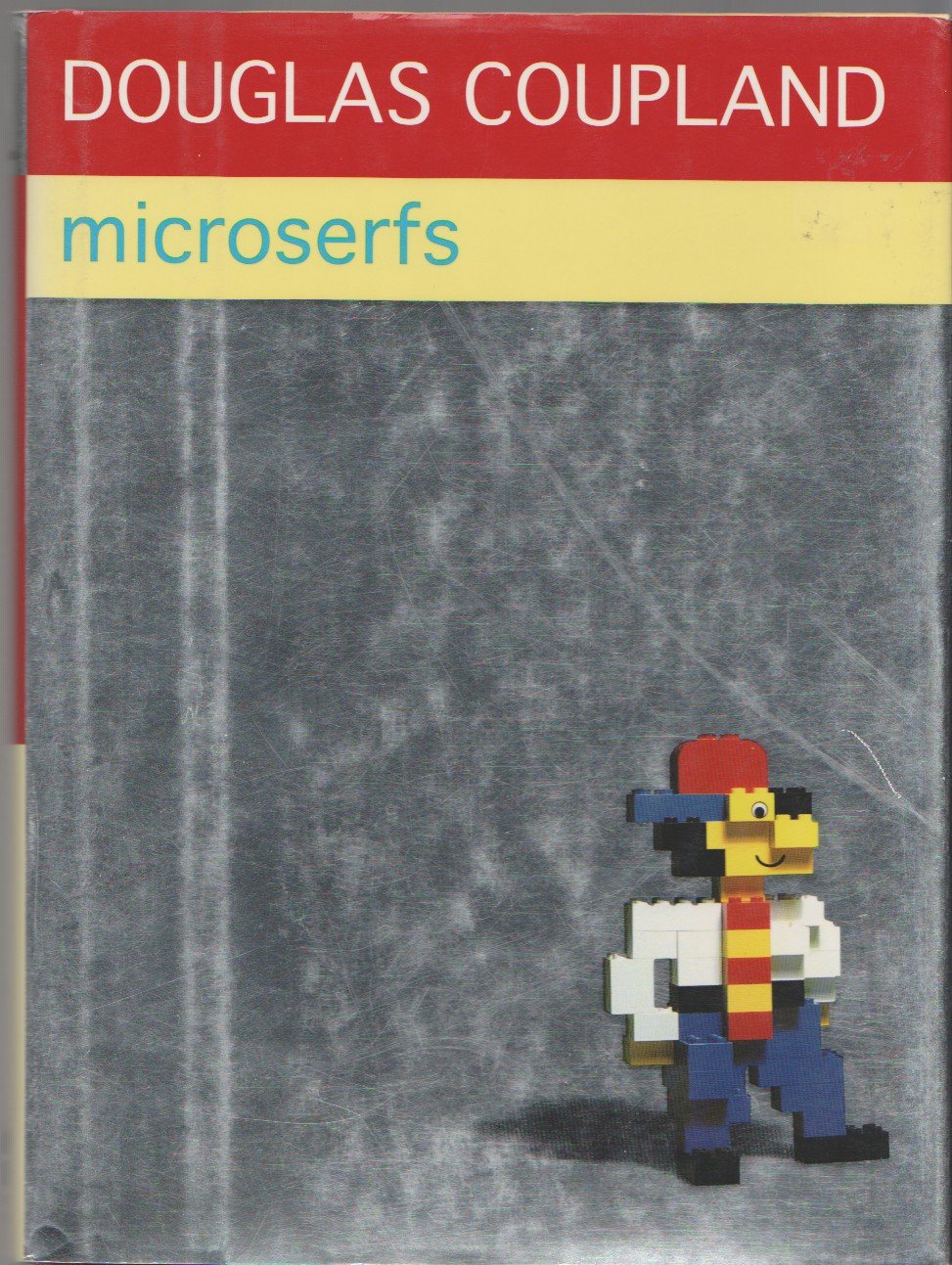
Microserfs is an epistolary novel by Douglas Coupland published by HarperCollins in 1995. It first appeared in short story form as the cover article for the January 1994 issue of Wired magazine and was subsequently expanded to full novel length. Set in the early 1990s, it captures the state of the technology industry before Windows 95, and anticipates the dot-com bubble of the late 1990s.
- Girlfriend in a Coma
Douglas Couplandstandalone novel1998
similar byliterary & generallate 20th centuryreflectivenorth americabig city
Girlfriend in a Coma is a novel by Canadian writer and artist Douglas Coupland. It was first published by HarperCollins Canada in 1998. The novel tells the story of a group of friends growing up in Vancouver, British Columbia, Canada in the late 1970s. On the night of a teenage house-wrecking party, one of the protagonists, Karen, falls into a coma. Peculiarly, she seemed to expect it, having given her boyfriend, Richard, a letter detailing the vivid dreams of the future she had experienced and how she wanted to sleep for a thousand years to avoid that dystopia.
- Midnight's Children
Salman Rushdiestandalone novel1980
similar byliterary & generalidentitypolitical intriguereflective
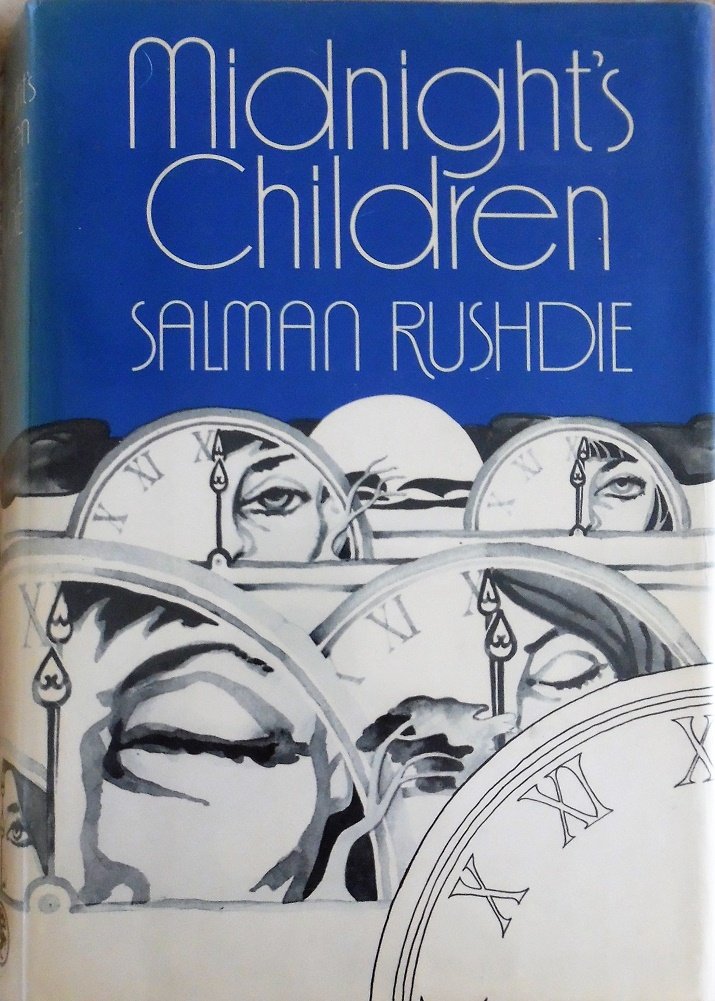
WorldCat: The life of a man born at the moment of India's independence becomes inextricably linked to that of his nation and is a whirlwind of disasters and triumphs that mirror modern India's course.