Loreful
HomeDiscover
Search series, authors…⌘K
Loreful

Reading orders for SF/F series and shared universes — with your place kept in every one.

Explore

UniversesSeriesWorksAuthorsAtlas

Help

FAQAboutSite map

Account & legal

Sign inCreate accountPrivacyTerms

Data

Built on ISFDB, Wikipedia, Wikidata and Open Library. Curated reading orders carry their reasoning on the page; the rest follow publication order. Data sources & licenses

© Loreful · data: ISFDB · CC BY

More like Quicksilver & Shadow

anchored on:fantasyour worldcontemporaryshort story cycleurban fantasynorth america+2 more

but

Mood

The mood the book leaves you in.

  • The reading experience is propelled by journeys, exploration, and physical risk; excitement and forward momentum dominate over dread or introspection.
  • Joy and loss are deliberately mixed; the resolution grants characters something real while taking something else away, leaving warmth and sorrow together.
  • The book demands work from the reader — dense prose, difficult structure, unfamiliar ideas, or morally uncomfortable material — as part of its intended effect.
  • Grim events, cruelty, or despair dominate the atmosphere, and the book does not soften them with comfort or comic relief.
  • The atmosphere is quietly unsettling — wrongness, unease, and the uncanny pervade the book without necessarily escalating into overt horror.
  • The book is built to move the reader; character feeling is foregrounded and major scenes aim at a strong emotional response.
  • Humor is a primary aim and the prose plays for laughs — comic situations, wit, or dialogue produce sustained comedy, not occasional levity.
  • The book insists that things can improve; effort and decency are shown to matter, and the arc bends toward better outcomes even through hardship.
  • The book teaches as it goes — real facts, history, science, or craft are conveyed in enough depth that learning is part of the reading experience.
  • The book is designed to uplift and motivate, presenting perseverance or achievement in a way that invites the reader to aspire or act.
  • The overall register is cheerful and easygoing; stakes are kept gentle and the book avoids dwelling on pain or dread.
  • Withheld information drives the experience; the book sustains enigmas and secrets the reader wants resolved, whatever its genre.
  • The book is contemplative and inward-looking, giving more weight to thought, memory, and meaning than to external events.
  • The book works as comfort reading — low tension, a soothing pace, and an atmosphere the reader can unwind in.
  • Grief, loss, or melancholy set the dominant register, and the book lets sorrow stand rather than resolving it into comfort.
  • Sustained suspense is the point; the book keeps the reader braced for what happens next through danger, pressure, or impending revelation.
  • Playful invention and charm define the register — fanciful conceits, light absurdity, and a narration that delights in its own oddity.

About

What the story runs on.

  • Stories in which extraterrestrial beings are central — as characters, cultures, or the object of the plot.
  • Stories structured as a quest — a journey undertaken to find, deliver, or destroy something of great import.
  • Stories in which staying alive against nature, catastrophe, or scarcity is the central problem.
  • Stories of lovers kept apart by law, family, faith, or station, where the obstacle to love is the plot.
  • Stories in which a friendship — its making, testing, or loss — is the emotional center.
  • Stories of growing up — a young protagonist crossing from childhood into adult knowledge and responsibility.
  • Stories about who a character truly is — self-discovery, doubled lives, and the search for a self.
  • Stories about mourning — living through the death of a loved one and what loss does to the survivors.
  • Stories in which a buried family truth — hidden parentage, crimes, or shames — surfaces and reorders the present.
  • Stories driven by maneuvering for power — factions, conspiracies, and statecraft conducted in shadow.
  • Stories in which war itself is the subject — combat, occupation, and what warfare does to soldiers and civilians.
  • Stories organized around investigating a killing — the case, the clues, and the pursuit of the killer, in any genre's clothing.

Shelf

Where it sits in the library.

    • Fiction built on magic or other supernatural elements that have no scientific explanation.
    • Secondary-world fantasy at large scale, where the fate of nations or the world turns on the protagonists' struggle.
    • Fantasy set in a recognizably modern city or contemporary world where the supernatural intrudes on everyday life.
    • Fantasy that blends in horror's atmosphere and imagery, keeping a fantastical frame around grim or frightening material.
    • Action-driven fantasy following warriors or rogues with personal stakes against sorcerous threats, rather than world-spanning conflicts.
    • Fantasy set in a real historical period or a close analogue of one, with magic woven into the era.
    • Fantasy in which protagonists cross from the ordinary world into another world through a portal or similar passage.
    • Fiction that retells or reworks a traditional fairy tale in a new form or setting.
    • Fantasy drawing directly on myths, legends, and folklore, retelling them or building on their figures and logic.
    • Fantasy of ghosts, vampires, shapeshifters, psychics, and similar phenomena, usually set in an otherwise ordinary world.
    • Fiction mixing science-fictional trappings with overtly magical or impossible elements in one setting.
    • Low-stakes fantasy emphasizing comfort, community, and everyday pleasures over conflict and peril.
    • Speculative fiction of pervasive moral ambiguity, violence, and cynicism that rejects heroic conventions — fantasy and SF alike.
      • Fiction that extrapolates from science and technology — future societies, space travel, or speculative inventions — within at least nominally natural laws.
      • Science fiction of interstellar scope — starships, galactic polities, and adventure across star systems.
      • Science fiction committed to scientific rigor, where technical plausibility constrains the story.
      • Science fiction centered on armed forces and warfare, told largely from a military point of view.
      • Science fiction of networked, corporate-dominated near futures, pairing high technology with social decay.
      • Science fiction styled on nineteenth-century steam-powered technology, often in a Victorian or pseudo-Victorian setting.
      • Fiction depicting an oppressive or catastrophic society, presented as a warning.
      • Fiction set after civilization's collapse, following survivors in the ruins of the old world.
      • Fiction in which characters move between past and future, and the mechanics or consequences of that travel drive the plot.
      • Fiction exploring a world where a historical event went differently and history diverged from ours.
      • Science fiction about humanity's first encounter and communication with an alien intelligence.
      • Science fiction in which extraterrestrial forces attack or occupy Earth and humanity resists.
      • Fiction whose primary aim is to frighten or unsettle the reader through dread, menace, or the monstrous.
      • Horror of vast, indifferent, incomprehensible entities before which humanity is insignificant, in the Lovecraft tradition.
      • Horror of decaying houses, buried family secrets, and oppressive atmosphere in the Gothic literary tradition.
      • Horror centered on hauntings and the returning dead.
      • Horror located in the mind — paranoia, obsession, and unreliable perception rather than external monsters.
      • Horror built around the reanimated dead and survival amid their outbreaks.
      • Horror defined by explicit, transgressive gore that refuses to cut away from violence.
      • Speculative fiction of the strange and uncanny that resists both natural explanation and standard genre categories.
      • Fiction organized around solving a crime or puzzle, typically following an investigator toward the identification of a culprit.
      • A puzzle-first mystery that lays out clues so the culprit's identity can be deduced before the reveal.
      • Crime fiction of moral ambiguity, fatalism, and hard-edged style, set among the corrupt and the doomed.
      • A mystery following the realistic routines of police work — forensics, interviews, and case-building.
      • A gentle mystery with an amateur sleuth, a small community, and violence kept off the page.
      • A mystery set in a past era, where the investigation works within that period's methods and society.
      • Fast-paced fiction driven by imminent danger, pursuit, or high-stakes conspiracy, built to sustain tension.
      • A thriller of espionage — agents, tradecraft, and intelligence services in conflict.
      • A thriller centered on lawyers and the courtroom, where litigation carries the suspense.
      • A thriller driven by detailed contemporary or near-future technology, often military or scientific.
      • A thriller whose tension comes from mental states and manipulation between characters rather than external action.
      • Fiction whose central plot is a romantic relationship and its development toward an emotionally satisfying resolution.
      • Romance in which one or both partners are supernatural beings, blending fantasy elements into the love story.
      • A fantasy-romance hybrid in which the romantic arc and the fantasy plot carry equal weight.
      • Romance set in a past era, with courtship shaped by the period's society and manners.
      • Romance set in the present day, without supernatural or historical elements.
      • Fiction set in a real past period, where the historical setting materially shapes characters and events.
        • General and literary fiction emphasizing prose style, character interiority, or formal ambition over genre plot conventions.
        • Fiction in a realistic world where magical events occur and are treated as ordinary, in the tradition of Latin American literature.
        • Fiction that ridicules people, institutions, or society in order to criticize them.
        • Fiction of dreamlike, irrational imagery and logic that breaks from realistic representation.
        • Fiction that plays with narrative convention through metafiction, fragmentation, and self-reference.
        • Fiction propelled by journeys, exploration, and physical peril, where action and survival carry the plot.
        • Adventure fiction of ships and seafaring — naval engagements, voyages, and life at sea.
        • Fiction of the American frontier West — gunmen, ranchers, and lawmen, typically in the late nineteenth century.
        • Fiction centered on soldiers, campaigns, and the experience of warfare, historical or imagined.
          • Fiction written primarily to amuse, using comedic situations, wit, or parody as its organizing principle.
            • Multi-generational fiction following a family or dynasty across decades, with inheritance and kinship as the through-line.
              • Fiction whose world runs on explicit game mechanics — levels, stats, and skills that characters can see and exploit.
                • Fiction about costumed or superpowered heroes and their conflicts with comparable villains.

                Practical

                How long a commitment, whether it stands alone, and whether it has finished.

                Tap a chip to ask for it · tap again to rule it out · once more to clear. Numbers show what would be left.

                • Cover of The Wood Wife
                  The Wood Wife

                  Terri Windling · standalone novel · 1996

                  similar bycontemporaryreflectivefantasyfaeurban fantasynorth america+2 more

                  Maggie leaves her life to pursue her dream when her mentor leaves her his estate and a mystery.

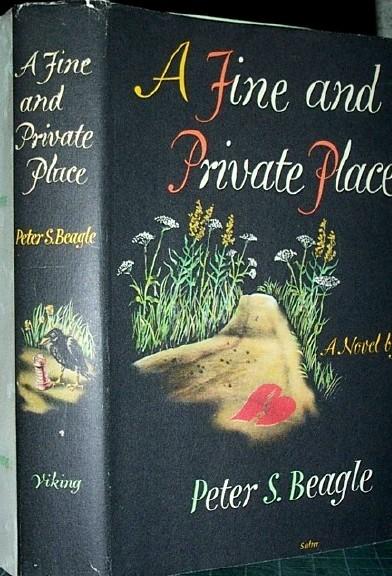
                • Cover of A Fine and Private Place
                  A Fine and Private Place

                  Peter S. Beagle · standalone novel · 1960

                  similar bycontemporaryreflectivefantasygrief and lossloneliness+1 more

                  A Fine and Private Place is a fantasy novel by American writer Peter S. Beagle, the first of his major fantasies. It was first published in hardcover by Viking Press on May 23, 1960, followed by a trade paperback from Delta the same year. Frederick Muller Ltd. published the first United Kingdom hardcover in 1960, and a regular paperback followed from Corgi in 1963. The first U.S. mass market paperback publication was by Ballantine Books in 1969. The Ballantine edition was reprinted numerous times through 1988. More recently it has appeared in trade paperback editions from Souvenir Press (1997), Roc (1999), and Tachyon Publications (2007). The work has also appeared with other works by Beagle in the omnibus collections The Fantasy Worlds of Peter S. Beagle (1978) and The Last Unicorn / A Fine and Private Place (1991). It has also been translated into Japanese, German, Russian, Czech, Hungarian, Portuguese, Korean, Spanish, Italian, and Romanian.

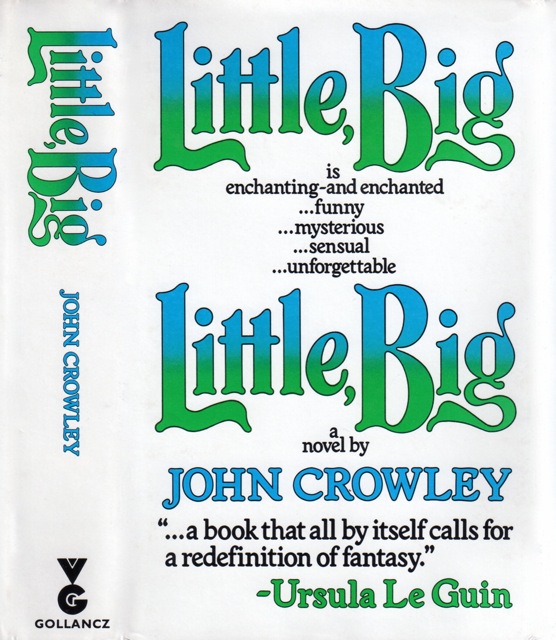
                • Cover of Little, Big
                  Little, Big

                  John Crowley · standalone novel · 1981

                  similar bycontemporaryreflectivefantasyfaeurban fantasynorth america

                  Little, Big: or, The Fairies' Parliament is a contemporary fantasy novel by John Crowley, published in 1981. It won the World Fantasy Award in 1982.

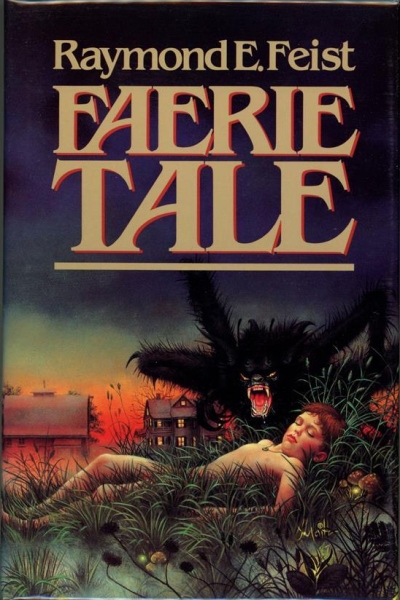
                • Cover of Faerie Tale
                  Faerie Tale

                  Raymond E. Feist · standalone novel · 1988

                  similar bycontemporaryeeriefaefantasyurban fantasynorth america

                  Faerie Tale is a supernatural thriller, falling within the subgenre of contemporary fantasy, by American writer Raymond E. Feist, first published in 1988.

                • Cover of The Ocean at the End of the Lane
                  The Ocean at the End of the Lane

                  Neil Gaiman · standalone novel · 2013

                  similar bycontemporaryeeriefantasyfaeour world

                  A seven year old farm boy becomes friends with an eleven year old neighbor girl, who he discovers is ancient and powerful and intervenes when a nonhuman entity attempts to make a home in earthly reality.

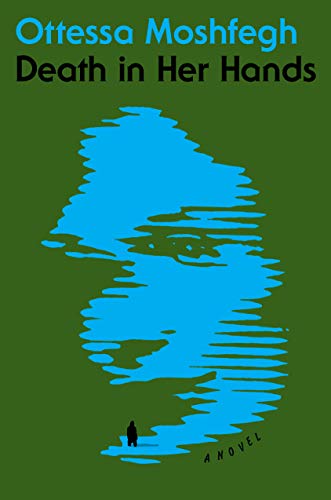
                • Cover of Death in Her Hands
                  Death in Her Hands

                  Ottessa Moshfegh · standalone novel · 2020

                  similar bycontemporaryeerielonelinessour worldnorth americaliterary & general+1 more

                  Death in Her Hands is a 2020 novel by Ottessa Moshfegh.

                • Cover of The Body Artist
                  The Body Artist

                  Don DeLillo · standalone novel · 2001

                  similar bycontemporaryeeriereflectivegrief and losslonelinessour worldliterary & general

                  The Body Artist is a novella written in 2001 by Don DeLillo. It explores the grieving process of a young performance artist, Lauren Hartke, following the suicide of her significantly older husband. The novella is sometimes described as a ghost story due to the appearance of an enigmatic figure that Lauren discovers hiding in an upstairs room of the house following her husband's death.

                • Cover of Piranesi
                  Piranesi

                  Susanna Clarke · standalone novel · 2020

                  similar byeeriereflectivefantasylonelinessliterary & general+2 more

                  A man lives in a huge isolated labyrinthine building partially submerged in an ocean, together with another man and 13 skeletons, which is the only world he recalls.

                • Cover of The Night Country
                  The Night Country

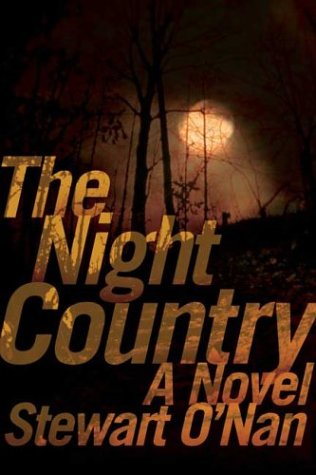
                  Stewart O'Nan · standalone novel · 2003

                  similar bycontemporaryeeriegrief and lossour worldnorth americaliterary & general+2 more

                  On the first anniversary of their death in a car crash on Halloween, the ghosts of three high school students are witness to the emotions of the townsfolk.

                • Cover of The Darkest Part of the Forest
                  The Darkest Part of the Forest

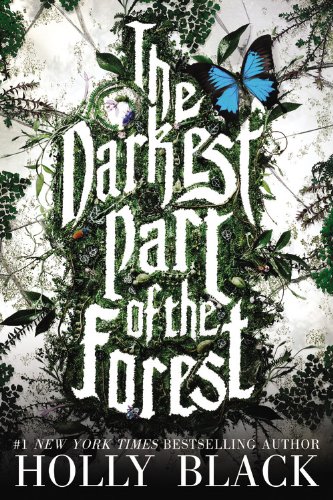
                  Holly Black · standalone novel · 2015

                  similar bycontemporaryeeriefantasyfaeurban fantasynorth america

                  The Darkest Part of the Forest is a 2015 young adult fantasy novel written by Holly Black. The book is a standalone but makes mention of characters from Black's Modern Tale of Faerie trilogy, establishing a shared continuity between that trilogy as well as the Folk of the Air series of books.

                • Cover of Modern Tale of Faerie
                  Modern Tale of Faerie

                  series · 4 books · 2002

                  similar bycontemporaryfaefantasyurban fantasyour world+2 more

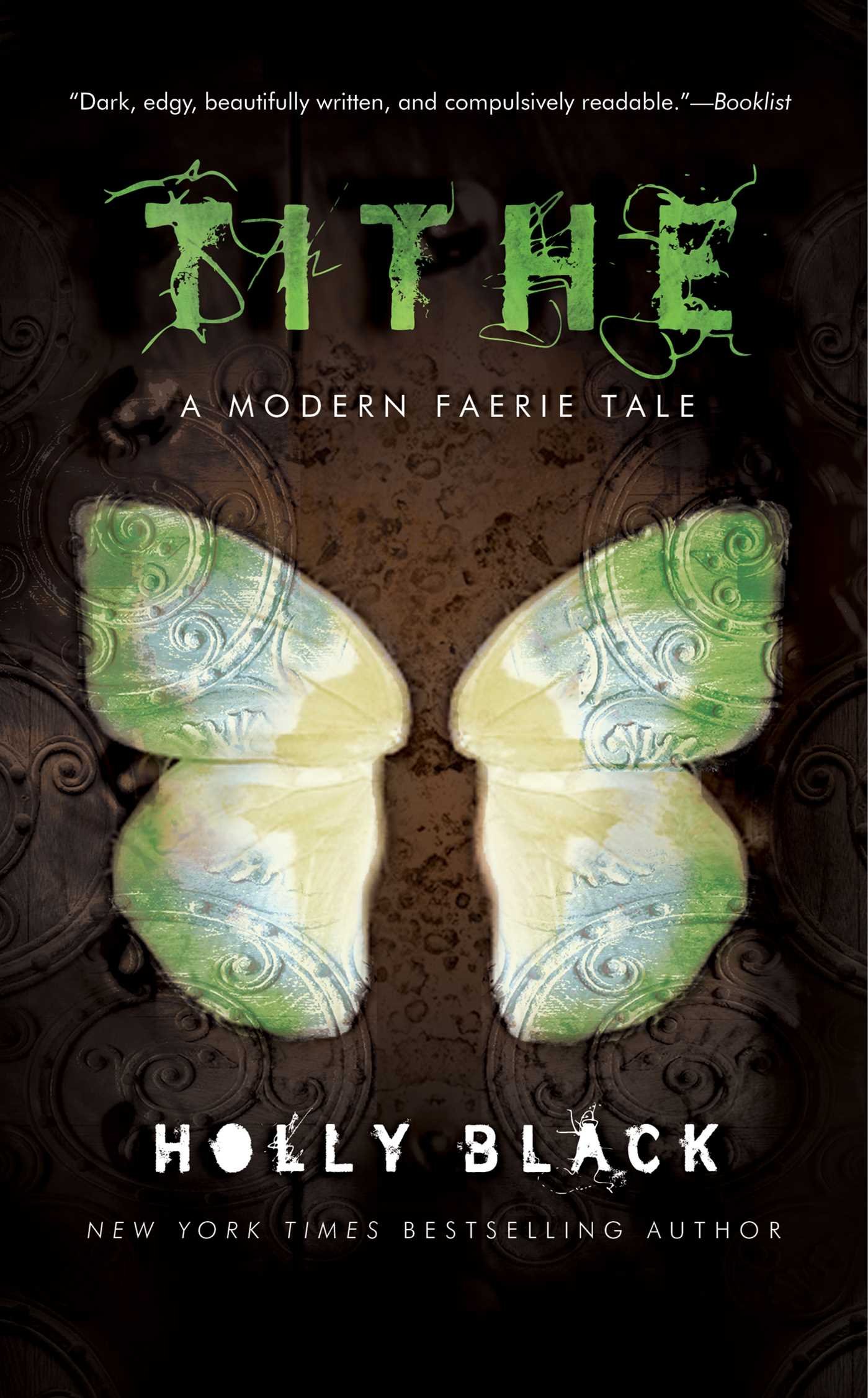
                  Tithe opens Holly Black's Modern Faerie Tales with Kaye Fierch, a teenage drifter who discovers she's a changeling with real faerie blood after returning to her childhood home on the Jersey Shore, and gets pulled into the political violence of the local faerie courts. The trilogy, continuing through Valiant and Ironside, keeps its "suburban fantasy" grounded in ordinary New Jersey settings rather than a storybook otherworld.

                • Cover of The Replacement
                  The Replacement

                  Brenna Yovanoff · standalone novel · 2010

                  similar bycontemporaryeeriefantasyfaeour worldurban fantasy

                  Mackie Doyle is not one of us. Though he lives in the small town of Gentry, he comes from a world of tunnels and black murky water, a world of living dead girls ruled by a little tattooed princess. He is a Replacement—left in the crib of a human baby sixteen years ago. Now, he's slowly dying in the human world. Mackie would give anything to live a normal life, play his bass, and find out more about an oddly intriguing girl named Tate. But when Tate's baby sister goes missing, Mackie is drawn into the underworld of Gentry, known as Mayhem. He must face the dark creatures of the Slag Heaps and find his rightful place, in our world—or theirs.

                • Cover of Jerusalem's Lot
                  Jerusalem's Lot

                  series · 3 books · 1975

                  similar bycontemporarygrief and losseerieour worldnorth america

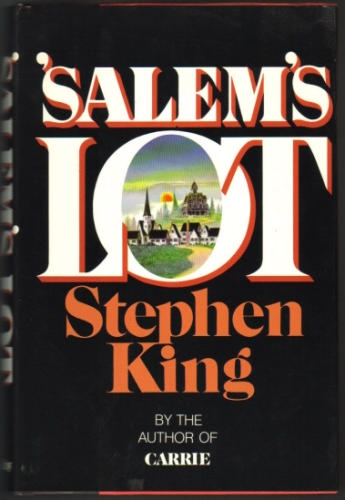
                  Stephen King's 1975 novel 'Salem's Lot follows writer Ben Mears as he returns to his childhood town of Jerusalem's Lot, Maine, only to discover that its residents are being turned into vampires by a newly arrived stranger. It transplants Gothic vampire horror into a small New England community, tracking that community's collapse under a supernatural siege. It is a single, self-contained novel.

                • Cover of Dying Inside
                  Dying Inside

                  Robert Silverberg · standalone novel · 1972

                  similar bycontemporaryreflectivelonelinessnorth america+1 more

                  Dying Inside is a 1972 science fiction novel by American writer Robert Silverberg. It was first serialized in Galaxy in 1972 and published in book form by Charles Scribner's Sons later that year. The novel follows David Selig, a middle-aged telepath in contemporary New York City, as the mind-reading ability that has shaped his life begins to disappear.

                • Cover of The Halloween Tree
                  The Halloween Tree

                  Ray Bradbury · standalone novel · 1972

                  similar bycontemporaryfantasygrief and lossour world+1 more

                  Eight boys gather on Halloween night to trick-or-treat with their ninth friend, Pipkin, only Pipkin never shows, having vanished on some errand that may cost him his life. A strange, black-robed guide named Moundshroud appears to lead the boys after him, and the chase turns into a journey through the history of the holiday itself: ancient Egypt, druidic Britain, Rome, medieval Paris, and the Mexican Day of the Dead, each stop peeling back another layer of how humanity has faced death and the dark. Ray Bradbury's Halloween novel doubles as a compressed history of the holiday's origins.

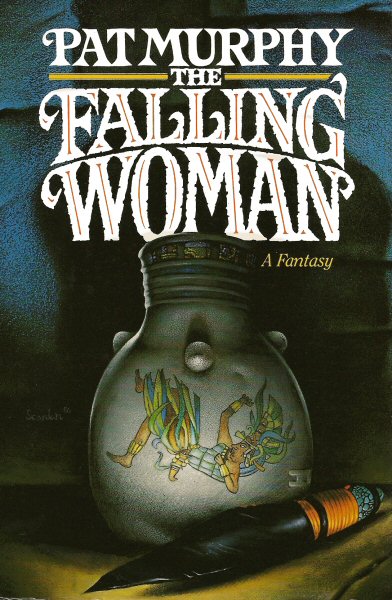
                • Cover of The Falling Woman
                  The Falling Woman

                  Pat Murphy · standalone novel · 1986

                  similar bycontemporaryreflectivefantasygrief and lossnorth americaliterary & general

                  The Falling Woman is a 1986 contemporary psychological fantasy novel by Pat Murphy. The book won the Nebula Award for Best Novel in 1987.

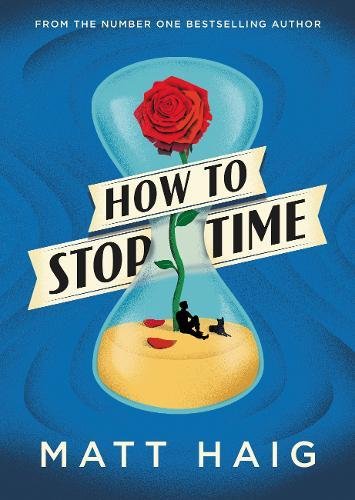
                • Cover of How to Stop Time
                  How to Stop Time

                  Matt Haig · standalone novel · 2017

                  similar bycontemporaryreflectivelonelinessour worldfantasy+1 more

                  How to Stop Time is a historical fantasy novel by English writer Matt Haig, published in July 2017.

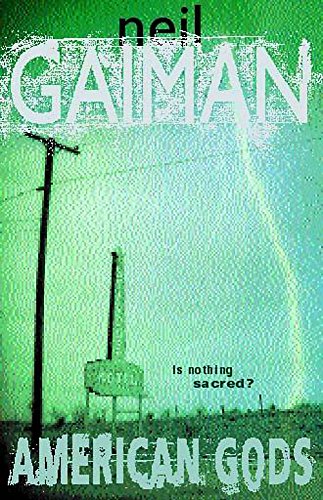
                • Cover of American Gods
                  American Gods

                  series · 10 books · 1999

                  similar bycontemporaryfantasyour world+3 more

                  Neil Gaiman's American Gods (2001) follows Shadow Moon, an ex-convict who takes a job as bodyguard to a mysterious drifter who is secretly the Norse god Odin, and is drawn into a brewing conflict between the old immigrant gods of myth and the new gods of media, technology, and modern American life. Gaiman's 2005 novel Anansi Boys is set in the same mythological world and shares the trickster god Mr. Nancy, but follows a different protagonist and story, making it a loose companion rather than a direct sequel.

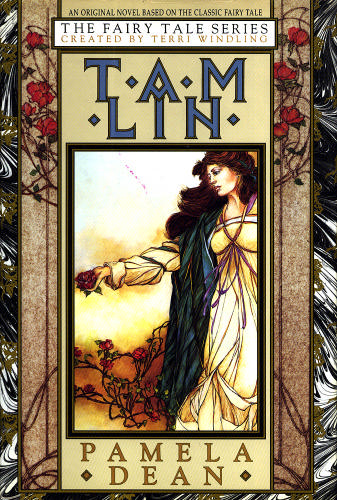
                • Cover of Tam Lin
                  Tam Lin

                  Pamela Dean · standalone novel · 1991

                  similar bycontemporaryreflectivefantasyfaeurban fantasynorth america

                  Tam Lin is a 1991 contemporary fantasy novel by United States author Pamela Dean, who based it on the traditional Scottish border ballad "Tam Lin".

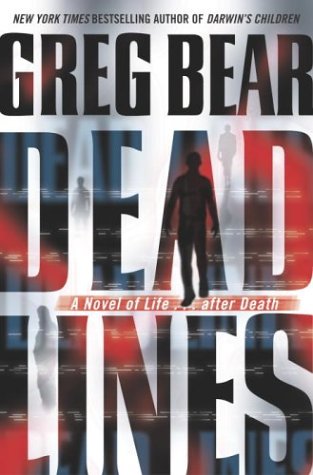
                • Cover of Dead Lines
                  Dead Lines

                  Greg Bear · standalone novel · 2004

                  similar bycontemporaryeeriegrief and lossour worldnorth america+1 more

                  From the flaps of the Ballantine first edition: "For the last two years, Peter Russell has mourned the death of one of his twin daughters - who was just ten when she was murdered. Recent news of his best friend's fatal heart attack has now come as another devastating blow. Divorced, despondent, and going nowhere in his career, Peter fears his life is circling the drain. Then Trans comes along. The brainchild of an upstart telecom company, Trans is (as its name suggests) a transcendent marvel, a sleek, handheld interpersonal communication device capable of flawless operation anywhere in the world, at any time. "A cell phone, but not" - transmitting with crystal clarity across a newly discovered, never-utilized bandwidth... and poised to spark a new-technology revolution. When its creators offer Peter a position on their team, it should be a golden opportunity for him. If only he wasn't seemingly going mad. Everywhere Peter turns, inexplicable apparitions are walking before him or reaching out in torment. After a chilling encounter with his own lost child he begins to grasp the terrifying truth: Trans is a Pandora's box that has tapped into a frequency not of this world... but of the next. And now, via this open channel to oblivion, the dead have gained access to the living. For Peter, and for humankind, a long shadowy night of the soul has descended, bringing with it the stuff of a horrifying nightmare from which they may never awaken."

                • Cover of Black Dragon
                  Black Dragon

                  series · 2 books · 1983

                  similar bycontemporaryfantasyour worldurban fantasynorth america

                  R. A. MacAvoy's Tea with the Black Dragon pairs Martha Macnamara, a folk musician searching for her missing daughter, with Mayland Long, a courtly stranger who reveals himself to be a dragon living in human form, as they investigate a computer-fraud scheme in 1980s San Francisco. Its low-key blend of contemporary mystery and gentle fantasy proved popular enough to spawn a sequel, Twisting the Rope, following the same pair into a new case years later.

                • Cover of Violin
                  Violin

                  Anne Rice · standalone novel · 1997

                  similar bycontemporaryeeriereflectivegrief and lossour world

                  Violin is a novel by American horror writer Anne Rice, released on 15 October 1997. It moves away from her previous stories about vampires and witches to tell a ghost story. Despite the novel's paranormal contents, many reviewers noted that it closely mirrors Rice's lived experiences.

                • Cover of The Rest of Us Just Live Here
                  The Rest of Us Just Live Here

                  Patrick Ness · standalone novel · 2015

                  similar bycontemporaryreflectivefantasyour worldurban fantasynorth america

                  What if you aren't the Chosen One? The one who's supposed to fight the zombies, or the soul-eating ghosts, or whatever the heck this new thing is, with the blue lights and the death? What if you're like Mikey? Who just wants to graduate and go to prom and maybe finally work up the courage to ask Henna out before someone goes and blows up the high school. Again. Because sometimes there are problems bigger than this week's end of the world, and sometimes you just have to find the extraordinary in your ordinary life. Even if your best friend is worshipped by mountain lions.

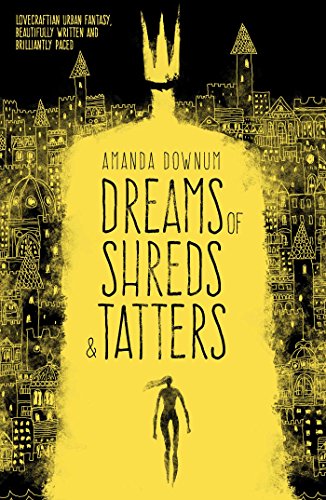
                • Cover of Dreams of Shreds and Tatters
                  Dreams of Shreds and Tatters

                  Amanda Downum · standalone novel · 2015

                  similar bycontemporaryeeriefantasygrief and lossour worldnorth america+1 more

                  "When Liz Drake's best friend vanishes, nothing can stop her nightmares. Driven by the certainty he needs her help, she crosses a continent to search for him. She finds Blake comatose in a Vancouver hospital, victim of a mysterious accident that claimed his lover's life -- in her dreams he drowns. Blake's new circle of artists and mystics draws her in, but all of them are lying or keeping dangerous secrets. Soon nightmare creatures stalk the waking city, and Liz can't fight a dream from the daylight world: to rescue Blake she must brave the darkest depths of the Dreamlands."--