More like Rage
anchored on:thriller & suspensepsychological thrillermadnessnorth americalate 20th centurydark+1 more
but
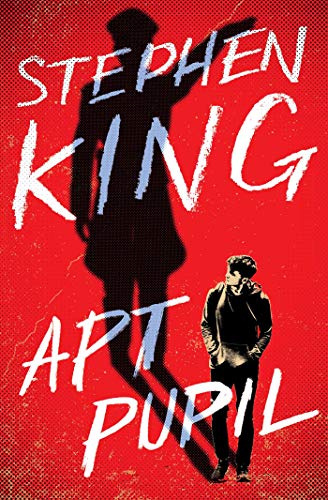
- Apt Pupil
Stephen Kingstandalone novel1982
similar bynorth americalate 20th centurymadnessdarktensepsychological thriller+1 more
A high school student discovers that a neighbor is a Nazi war criminal living under an assumed identity, but rather than expose him, he expresses a fascination with the man's history of evil deeds.
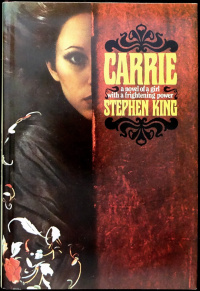
- Carrie
Stephen Kingstandalone novel1974
similar bynorth americatensedarklate 20th centurycoming of age+1 more
In one way or another, everybody abused Carrie. This sixteen-year-old misfit was forbidden everything that was young and fun by her fanatical mother. She was teased and taunted by her classmates, misunderstood by her teachers, and given up as hopeless by almost everyone. But Carrie had a secret: She possessed terrifying telekinetic powers that could make inanimate objects move, a lighted candle fall, or a door lock. Carrie could make all kinds of startling bizarre, and malevolent things happen. (WorldCat)
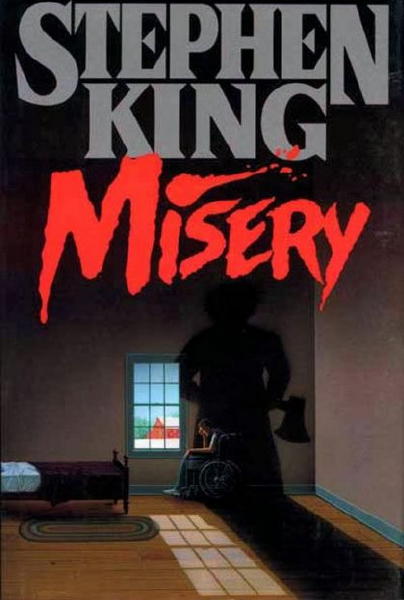
- Misery
Stephen Kingstandalone novel1987
similar bynorth americadarktensethriller & suspensepsychological thriller+1 more
Novelist Paul Sheldon finishes the manuscript that will finally kill off Misery Chastain, the heroine who made his career, when a snowstorm sends his car off a Colorado road. He wakes with both legs shattered, in the care of Annie Wilkes, a former nurse and 'number one fan' with no intention of taking him to a hospital. Annie manages his pain with drugs he comes to depend on, and her moods swing between doting and violent. When she learns Misery doesn't survive his new manuscript, her reaction makes clear Paul isn't just her patient, he's her hostage. A Stephen King novel about a writer at his most devoted fan's mercy.
- Shadows
John Saulstandalone novel1992
similar bynorth americalate 20th centurymadnessdarktense+1 more
"They call it the Academy. A secluded, cliff-top mansion overlooking the rugged Pacific coast. A school for children gifted—or cursed—with extraordinary minds. Children soon to come under the influence of an intelligence even more brilliant than their own—and unspeakably evil. For within this mind a dark plan is taking form. A plan so horrifying, no one will believe it. No one but the children. And for them it is already too late. Too late, unless one young student can resist the seductive invitation that will lead . . . into the Shadows. — quoted from the product description that is found on this book's page on Amazon.com.
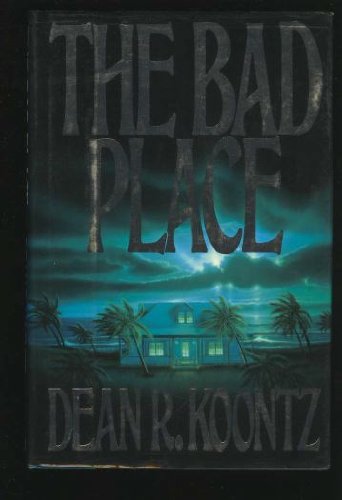
- The Bad Place
Dean R. Koontzstandalone novel1990
similar bynorth americalate 20th centurydarktensethriller & suspense+1 more
The Bad Place is a horror novel by American writer Dean Koontz, released in 1990. It includes elements of horror, suspense, and mystery, and is presented partially as a twist on the private eye drama. The story follows Frank Pollard, a man who wakes up each night with no memory of where he has been or what he has done, only to find himself covered in injuries or in possession of strange items. As his condition worsens, private investigators Bobby and Julie Dakota are hired to track him and uncover the truth behind his blackouts. Their investigation leads them into a disturbing web of genetic experimentation, family secrets, and a hidden force manipulating human lives from the shadows. As the plot unfolds, the novel reveals that Frank and others are being pursued by powerful, almost inhuman figures connected to a twisted experiment involving selective breeding and enhanced abilities. The Dakotas become entangled in a struggle not only to save Frank but also to survive against forces that seem to operate beyond normal human limits. Themes in the novel include identity, memory loss, the abuse of science, and the nature of evil. Koontz blends psychological horror with fast-paced action, creating a narrative that shifts between detective fiction and supernatural thriller. The book received generally positive reception from readers who enjoyed Koontz’s signature suspense style, though some critics noted its complex and sometimes chaotic plot structure. Over time, it has remained one of his more memorable early-1990s works due to its unusual blend of genres and its dark, unsettling tone.
- Dark Places
Gillian Flynnstandalone novel2009
similar bynorth americalate 20th centurydarktensethriller & suspensemurder investigation
Dark Places is a mystery novel by Gillian Flynn published in 2009. The novel deals with class issues in rural America, intense poverty and the Satanic cult hysteria that swept the United States in the 1980s. Dark Places was shortlisted for the Crime Writers' Association Ian Fleming Steel Dagger Award and won Dark Scribe Magazine's Black Quill Award for Dark Genre Novel of the Year. It was also listed on The New York Times Best Seller list for hardcover fiction for two consecutive weeks. A film adaptation of the novel starring Charlize Theron was released on August 7, 2015.
- Christine
Stephen Kingstandalone novel1983
similar bynorth americalate 20th centurydarktensecoming of age
Christine is a horror novel by American writer Stephen King, published in 1983. It tells the story of a car possessed by malevolent supernatural forces.
- The Terminal Man
Michael Crichtonstandalone novel1972
similar bynorth americamadnessdarktensethriller & suspense
The Terminal Man is a novel by American writer Michael Crichton. It is his second novel under his own name, his 12th overall, and is about the dangers of mind control. It was published in April 1972 and also serialized in Playboy in March, April, and May 1972. In 1974, it was made into a film of the same name.
- Punish the Sinners
John Saulstandalone novel1978
similar bynorth americalate 20th centurymadnessdarktense
Punish the Sinners is a horror novel and the second novel by author John Saul, first published in 1978. The novel concerns a rash of violent suicides at a Catholic high school. There is an audiobook narrated by Jonathan Davis on Audible. Punish the Sinners was the first book with a UPC code on the cover.
- Cold in July
Joe R. Lansdalestandalone novel1989
similar bynorth americalate 20th centurydarktensethriller & suspense+1 more
Cold in July is a 1989 American crime novel written by Joe R. Lansdale.
- Nightwing
Martin Cruz Smithstandalone novel1977
similar bynorth americalate 20th centurythriller & suspensedarktense
Nightwing is a 1977 thriller novel by American author Martin Cruz Smith, who adapted it for a 1979 film with the same title directed by Arthur Hiller.
- Little Tall Island / In the Path of the Eclipse
series4 books1989
similar bynorth americadarktensepsychological thriller+3 more
Stephen King set three otherwise separate books on or near the fictional Little Tall Island off the coast of Maine: Gerald's Game, about a woman handcuffed to a bed after her husband's fatal heart attack; Dolores Claiborne, a housekeeper's decades-spanning confession narrated in a single unbroken monologue; and Storm of the Century, a novelization of King's own miniseries about a stranger who arrives during a historic blizzard demanding a terrible price from the town. The first two novels share a real total solar eclipse as a pivotal, connecting event despite having otherwise unrelated plots and characters.
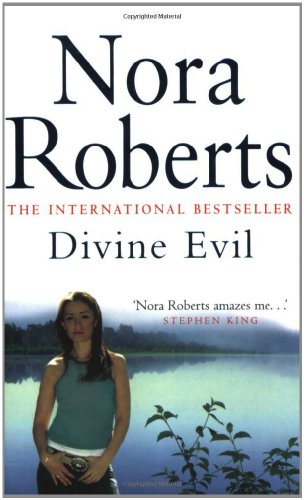
- Divine Evil
Nora Robertsstandalone novel1992
similar bynorth americathriller & suspensedarktensepsychological thrillermurder investigation+1 more
Kurzbeschreibung Dunkle Herzen (Divine Evil) - Nora Roberts Die erfolgreiche New Yorker Bildhauerin Clare Kimball wird immer wieder von einem Alptraum gequält: Auf einer einsamen Waldlichtung in der Nähe ihres Heimatortes Emmitsboro in Maryland zelebrieren maskierte Mnner orgiastisch eine schwarze Messe. Clare will endlich herausfinden, was es mit dem Traum auf sich hat. Sie kehrt zurück nach Emmitsboro, trotz der Warnungen guter Freunde. In Cameron Raffery, dem neuen Sheriff, findet Clare schnell einen Verbündeten. Aber auch er kann nicht ahnen, dass hinter der biederen Fassade der Kleinstadt Ungeheuerliches passiert - und dass Clare sich schon bald in ernster Gefahr befindet... Ein atemberaubender Psychothriller um satanische Rituale in einer amerikanischen Kleinstadt.
- Roadwork
Stephen Kingstandalone novel1981
similar bynorth americalate 20th centurymadnessthriller & suspensedarkpsychological thriller
Roadwork is a thriller novel by American writer Stephen King, published in 1981 under the pseudonym Richard Bachman as a paperback original. It was collected in 1985 in the hardcover omnibus The Bachman Books. The story takes place in an unnamed city of the Midwestern United States in 1972–1974. Grieving over the death of his son and the disintegration of his marriage, a man is driven to mental instability when he learns that both his home and his workplace will be demolished to make way for an extension to an interstate highway.
- Fall Into Darkness
Christopher Pikestandalone novel1990
similar bynorth americamadnessthriller & suspensedarktensepsychological thrillermurder investigation
They said she murdered her best friend. The trial is for murder. Ann Rice is dead. Her best friend, Sharon McKay, stands accused. But there is no body. And the three witnesses to the crime only heard what happened, and did not see it. Nevertheless, the prosecution is almost certain of victory. Ann was alone in the dark with Sharon on top of the cliff when Ann fell the 500 feet into the torrential river that claimed her life. There was only one route leading to the cliff, and all the witnesses can remember hearing the girls arguing before the fall occurred. Sharon's only defense is that Ann committed suicide. But everyone who knew Ann, including Sharon, said she was not the suicidal type. And they were right. Ann was much more than suicidal. She was obsessed.
- The Silence of the Lambs
Thomas Harrisstandalone novel1988
similar bynorth americalate 20th centurymadnessthriller & suspensedarktensepsychological thrillermurder investigation
The Silence of the Lambs is a 1988 psychological horror crime thriller novel by Thomas Harris. Published August 29, it is the sequel to Harris's 1981 novel Red Dragon, and both novels feature the cannibalistic serial killer and brilliant psychiatrist Dr. Hannibal Lecter. This time, however, he is pitted against FBI trainee Clarice Starling as she works to solve the case of the "Buffalo Bill" serial killer. St. Martin’s Press also issued uncorrected proof copies in 1988, which are considered scarce by collectors. It is the most well-known installment of Harris's Hannibal Lecter series, selling over 10 million copies.
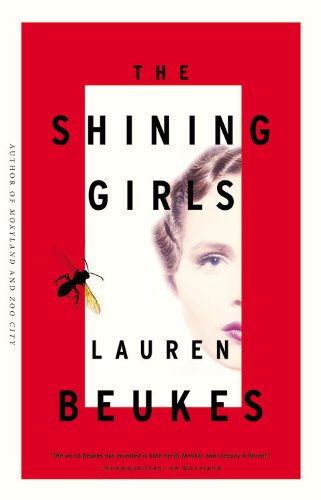
- The Shining Girls
Lauren Beukesstandalone novel2013
similar bylate 20th centurythriller & suspensedarktensenorth americamurder investigation
The Shining Girls is a science fiction thriller novel by South African author Lauren Beukes. The book centers on a mysterious drifter who murders the titular "shining girls" and one victim's attempts to expose him.
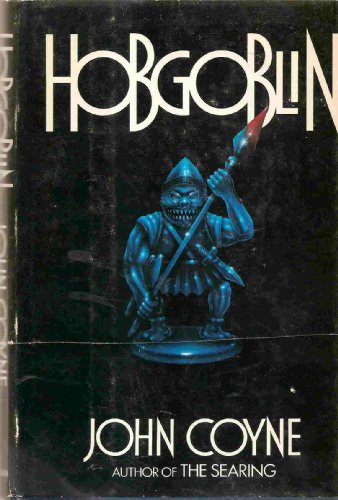
- Hobgoblin
John Coynestandalone novel1981
similar bynorth americalate 20th centurymadnessdarktensecoming of age
Hobgoblin is a 1981 horror novel by American writer John Coyne about Scott Gardiner, a teenaged boy who becomes obsessed with Hobgoblin, a fantasy roleplaying game based on Irish mythology, as his life in the game and in reality slowly blend.
- In the Valley of the Sun
Andy Davidsonstandalone novel2017
similar bynorth americalate 20th centurymadnessdarktensemurder investigation
"Deftly written and utterly addictive, this Western literary horror debut will find a home with fans of authors like Joe Hill, Cormac McCarthy, and Anne Rice. One night in 1980, a man becomes a monster. Haunted by his past, Travis Stillwell spends his nights searching out women in West Texas honky-tonks. What he does with them doesn't make him proud, just quiets the demons for a little while. But after Travis crosses paths one night with a mysterious pale-skinned girl, he wakes weak and bloodied in his cabover camper the next morning-with no sign of a girl, no memory of the night before. Annabelle Gaskin spies the camper parked behind her motel and offers the cowboy a few odd jobs to pay his board. Travis takes her up on the offer, if only to buy time, to lay low and heal. By day, he mends the old motel, insinuating himself into the lives of Annabelle and her ten-year-old son. By night, in the cave of his camper, he fights an unspeakable hunger. Before long, Annabelle and her boy come to realize that this strange cowboy is not what he seems. Half a state away, a grizzled Texas Ranger is hunting Travis for his past misdeeds, but what he finds will lead him to a revelation far more monstrous. A man of the law, he'll have to decide how far into the darkness he'll go for the sake of justice. When these lives converge on a dusty autumn night, an old evil will find new life-and new blood"--
- Mazes and Monsters
Rona Jaffestandalone novel1981
similar bymadnessnorth americalate 20th centurydarktense
Mazes and Monsters is a 1981 novel by Rona Jaffe. The novel is a cautionary tale regarding the then-new hobby of fantasy role-playing games. The book was adapted into a made-for-television movie by the same name in 1982 starring Tom Hanks.
- Let's Go Play at the Adams'
Mendal W. Johnsonstandalone novel1974
similar bynorth americalate 20th centurymadnessdarktense
Let's Go Play at the Adams' is a 1974 psychological horror novel by Mendal W. Johnson and originally published by Thomas Y. Crowell Co. Its plot focuses on a group of rural Maryland children who drug, incapacitate, and eventually torture the college student babysitter hired by their parents while they are away in Europe for two weeks.
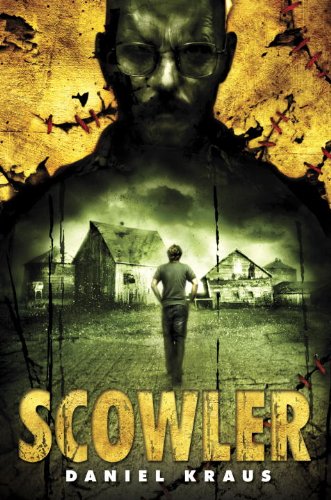
- Scowler
Daniel Krausstandalone novel2013
similar bynorth americalate 20th centurymadnessdarktense+1 more
In the midst of a 1981 meteor shower in Iowa, a homicidal maniac escapes from prison and returns to the farm where his nineteen-year-old son, Ry, must summon three childhood toys--Mr. Furrington, Jesus Christ, and Scowler--to protect himself, his eleven-year-old sister, Sarah, and their mother.
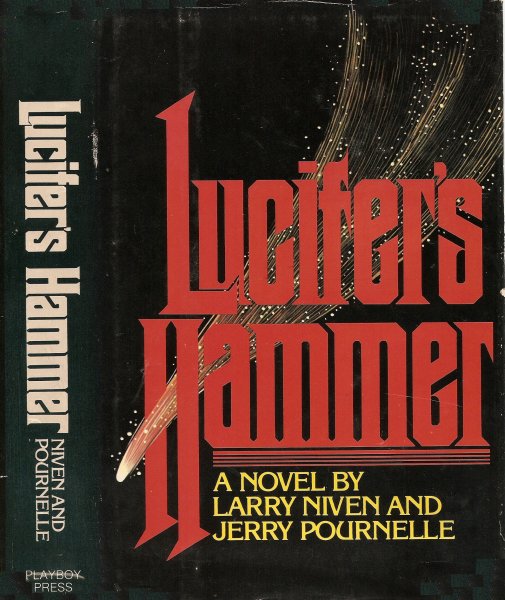
- Lucifer's Hammer
Larry Niven & Jerry Pournellestandalone novel1977
similar bynorth americalate 20th centurydarktense
Lucifer's Hammer is a science fiction post-apocalypse-survival novel by American writers Larry Niven and Jerry Pournelle that was first published in 1977. It was nominated for the Hugo Award for Best Novel in 1978.
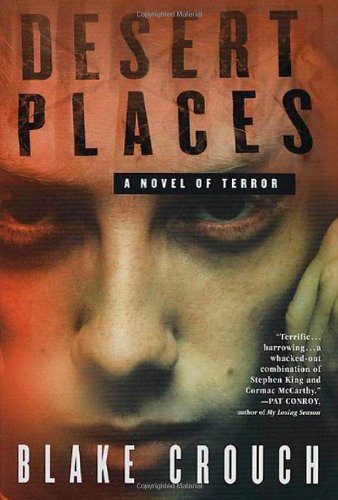
- Desert Places
Blake Crouchstandalone novel2004
similar bynorth americamadnessthriller & suspensepsychological thrillerdarktense+1 more
Andrew Z Thomas is a successful writer of suspense thrillers, living the dream at this lake house in the peidmont of North Carolina. One afternoon in late spring, he receives a bizarre letter that eventually threatens his career, his sanity, and the lives of everyone he loves. A murderer is designing his future, and for the life of him Andrew can't get away.