More like Resolution
but
- Shane Schofield
series5 books1998
similar byour worldcontemporarythriller & suspenseadventuroustense+2 more
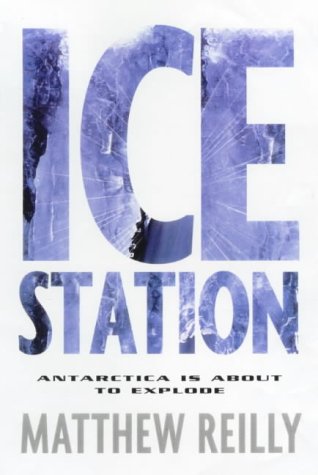
Shane 'Scarecrow' Schofield is a US Marine captain who leads his unit through single-location, high-body-count action thrillers set in an Antarctic ice station, a disputed Pacific island, and a maximum-security prison built into a mountain, among others. Matthew Reilly's series opens with Ice Station (1998) and keeps escalating its set-pieces across Area 7, Scarecrow, Hell Island, and Scarecrow and the Army of Thieves. It's fast, gleefully over-the-top military action rather than realistic technothriller territory.
- H. G. Wells' War of the Worlds
universe65 books1898
Start hereThe War of the Worlds · Start here
similar by+2 more
No one would have believed, in the closing years of the nineteenth century, that human affairs were being watched keenly and closely from the timeless worlds of space. And then the cylinders fell. H. G. Wells' War of the Worlds opens in the quiet of the Surrey commons, where a falling star proves to be the first Martian craft — and from the pit rise the towering tripods, the Heat-Ray, the choking Black Smoke and the creeping red weed, wielded by minds that regard mankind much as we regard the creatures we boil for supper. This is invasion rendered as natural disaster: cold, methodical, and vast beyond argument. Wells' 1898 novel is the seed; everything else grows from that Martian soil. The catalogue gathers direct sequels and continuations alongside a wide field of other hands. In War of the Worlds: Global Dispatches the invasion is retold across the whole planet through the eyes of Twain, Verne, Tolstoy, Lowell and Kipling; in the Manly Wade and Wade Wellman crossover, Sherlock Holmes, Watson and Professor Challenger take the field against the machines; and Scott Washburn's Great Martian War stretches the fighting into a decades-long alternate history of steam, artillery and grinding attrition. It is a loose shared world — no single decreed sequence, many voices answering one calamity. What sets this world apart is its refusal of heroics: the invaders fall not to generals but to the smallest things of Earth, humbling and indifferent. Begin, always, with Wells' original novel — it is short, and it is the ground every later book stands upon. From there follow your appetite: Global Dispatches for the panorama, the Holmes campaign for adventure, Washburn for the long war.
- Joe Ledger
series63 books2008
part of Night
similar byour worldcontemporarythriller & suspensetense+1 more
Jonathan Maberry's Joe Ledger series follows a former cop turned special operative for a black-ops unit fighting bioterrorism threats that routinely turn out to be supernatural or genetically monstrous, beginning with Patient Zero and its zombie-outbreak plot. Later books widen the threats to rogue AI, genetic supersoldiers, and other high-concept horrors, with numerous other authors contributing spin-off novellas and short fiction to the same continuity. The series sits within a wider connected universe of Maberry's horror-thriller fiction.
- Tom Kelly
series2 books1983
completed
similar bywarmilitary science fictionthriller & suspenseadventuroustense+2 more
- Axis of Time
series7 books2004
similar bywarmilitary science fictiontense+1 more
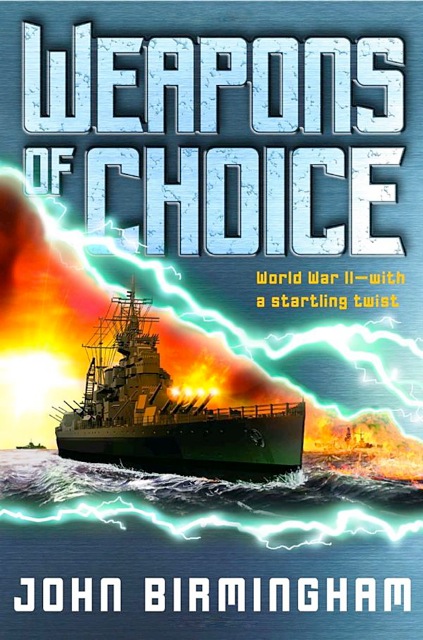
The Axis of Time trilogy is an alternative history series of novels written by Australian journalist and author John Birmingham, from Macmillan Publishing.
- Company Wars
series7 books1981
part of Alliance-Union Universe
similar bytense+1 more
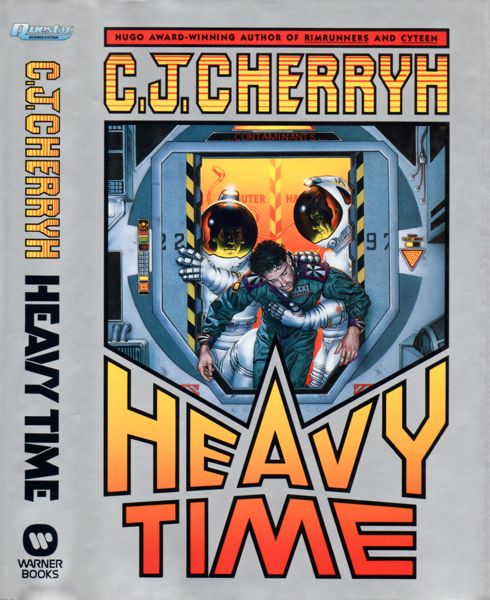
Company Wars gathers the novels C. J. Cherryh set during the breakaway conflict between Earth's colonial Company and the newly independent Union, within her wider Alliance-Union future history. Anchored by the Hugo Award-winning Downbelow Station, the books follow different ships, stations, and crews caught on either side, from merchanter traders to military spacers, rather than a single continuing cast. Read in any order, they build up a picture of the political and economic pressure that reshapes Cherryh's larger Alliance-Union universe.
- Out of the Dark (David Weber)
series3 books2010
similar bywarour worldtense+2 more
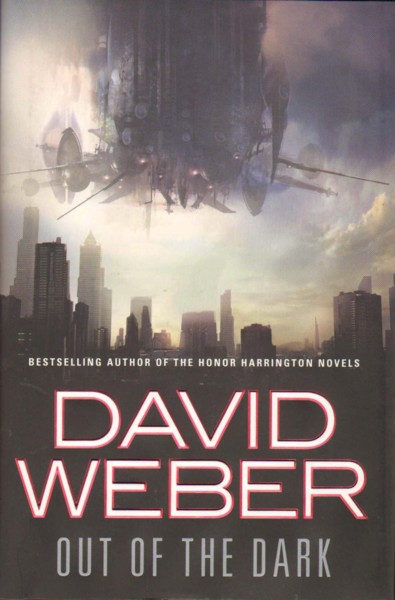
Out of the Dark begins when an overwhelming alien armada arrives to subjugate Earth, only for the invasion to run into unexpected resistance from an unlikely source within humanity itself. David Weber's trilogy, joined for its later volumes by Chris Kennedy, follows the human resistance and its strange allies as the war against the invaders escalates.
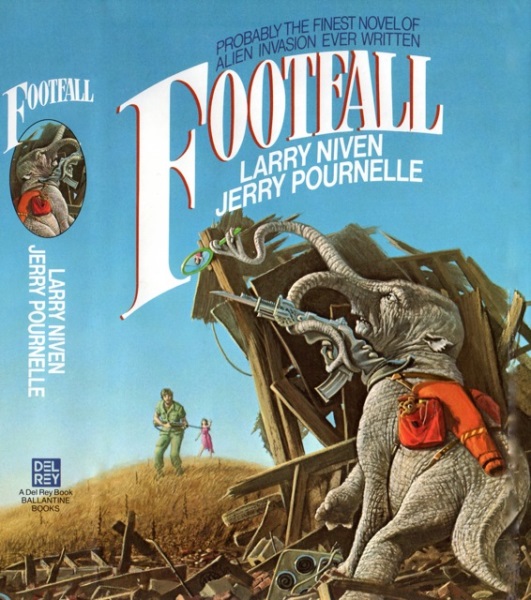
- Footfall
Larry Niven & Jerry Pournellestandalone novel1985
similar bywarour worldcontemporarytense+1 more
When aliens travel to Earth from Alpha Centauri, differences between alien and human psychology result in an unprovoked invasion, and the resulting resistance results in the aliens' use of a devastating weapon.
- Duke de Richleau
series4 books1933
completed
similar bythriller & suspensetense+1 more
The Duke de Richleau novels follow Dennis Wheatley's aristocratic adventurer and occultist across four decades of twentieth-century intrigue, moving from a 1930s rescue thriller in The Forbidden Territory into Satanist set-pieces such as The Devil Rides Out and Strange Conflict, then a later case in Gateway to Hell. Wheatley wrote the books out of order over nearly forty years, but their internal chronology matches the order they were published in.
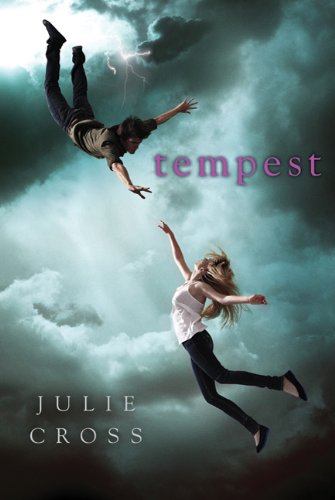
- Tempest (Julie Cross)
series4 books2011
similar byour worldcontemporarytense+3 more
Julie Cross' Tempest trilogy opens with Tempest (2012), a young-adult science-fiction novel published by St. Martin's Press that was nominated for a 2012 RT Book Reviews award and received a starred Kirkus review. It continues across Vortex and Timestorm, published through 2014.
- Childe Cycle
series19 books1957
similar bywarmilitary science fiction+2 more
The Childe Cycle is an unfinished series of science fiction novels by American writer Gordon R. Dickson. The name Childe Cycle is an allusion to "Childe Roland to the Dark Tower Came", a poem by Robert Browning, which provided inspiration for elements in the work. The series is sometimes referred to as the Dorsai series, after the Dorsai people who are central to it. The related short stories and novellas all center on the Dorsai, primarily members of the Graeme and Morgan families.
- Five Children Universe
series27 books1902
completed
similar by+2 more
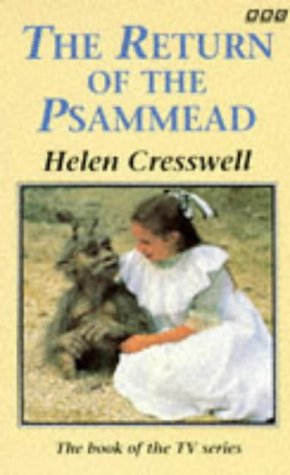
Two separate modern continuations of E. Nesbit's Psammead stories were written decades apart by different authors: Helen Cresswell's The Return of the Psammead (1992) brings the wish-granting sand fairy back for a new set of children, while Kate Saunders's Five Children on the Western Front (2014) follows the now-grown Lamb and his siblings as the First World War arrives, in a more somber sequel to Nesbit's original trilogy. Neither book is by Nesbit herself, and the two have no direct connection to each other beyond both drawing on her creation. Later writers have kept returning to Nesbit's premise long after her own trilogy ended.
- Ender's Shadow
series5 books1999
part of Ender's Game Universe
similar bywartense+1 more
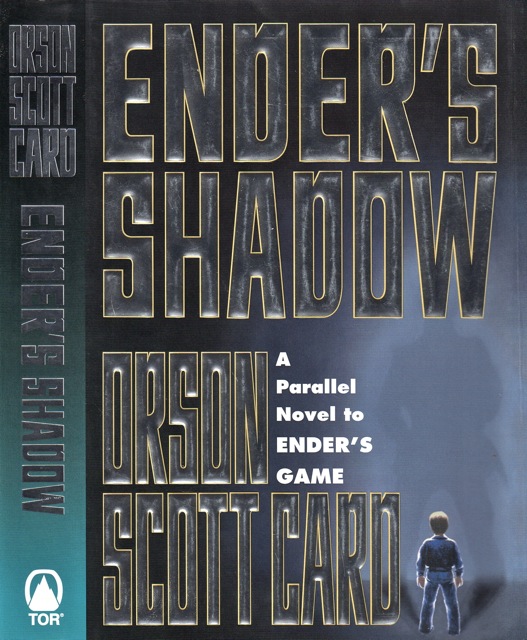
Orson Scott Card's Ender's Shadow retells the events of Ender's Game from the perspective of Bean, a physically stunted but ferociously intelligent street child recruited into the same Battle School program as Ender Wiggin. It launches the Shadow series, which follows Bean and other secondary Battle School characters into the political aftermath of the Formic Wars back on Earth, running parallel to and eventually past the timeline of Card's main Ender Quintet.
- Silverwing
series5 books1997
similar byadventurous+1 more
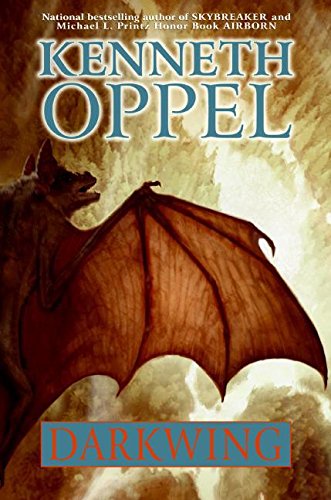
Kenneth Oppel's Silverwing novels follow a colony of bats whose society is divided along old lines of species, faction, and belief, forcing young bats to navigate conflicts that adults have inherited rather than chosen. Across four books, the series treats bat colonies as full societies with their own history and politics, using that lens to explore tolerance and freedom of thought. It's popular enough to have been adapted into an animated television series.
- Ancient Egyptian
series9 books1993
similar byadventurous+2 more
Wilbur Smith's Ancient Egypt novels open with River God (1993), narrated by the loyal eunuch slave Taita as he guides the royal family's flight from the Hyksos invasion and their eventual return to power. The series, later continued by Smith with co-author Mark Chadbourn, follows Taita and Egypt's rulers across further installments including The Seventh Scroll, Warlock, and Desert God, spanning three decades of publication.