More like Roadwork
anchored on:thriller & suspensegrief and lossnorth americalate 20th centuryliterary & generalmadness+3 more
but
- American Psycho
Bret Easton Ellisstandalone novel1991
similar bydarklate 20th centurymadnessnorth americabig cityliterary & generalhorror
American Psycho is a horror novel by American writer Bret Easton Ellis, published in 1991. The story is told in the first-person by Patrick Bateman, a wealthy, narcissistic, and vain Manhattan investment banker who lives a double life as a serial killer. Alison Kelly of The Observer notes that while "Some countries [deem it] so potentially controversial that it only to be sold as shrink-wrapped", "critics rave about it" and "academics revel in its transgressive and postmodern qualities".
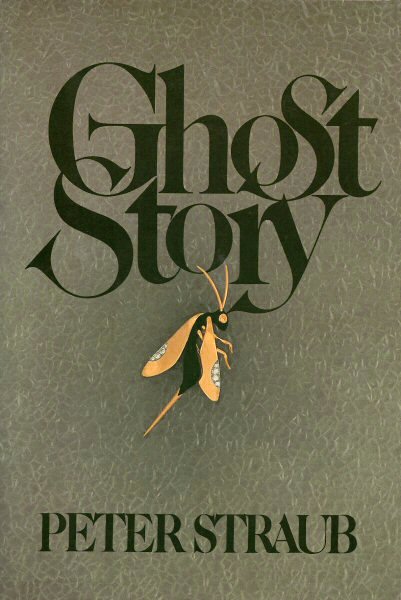
- Ghost Story
Peter Straubstandalone novel1979
similar bydarklate 20th centurygrief and lossnorth americahorrorrevenge
Four prominent citizens of a small town in upstate New York who share guilt over something that happened in their youth are revisited late in life by a destructive evil force which uses their guilt as an opportunity to destroy them as well as the entire town.
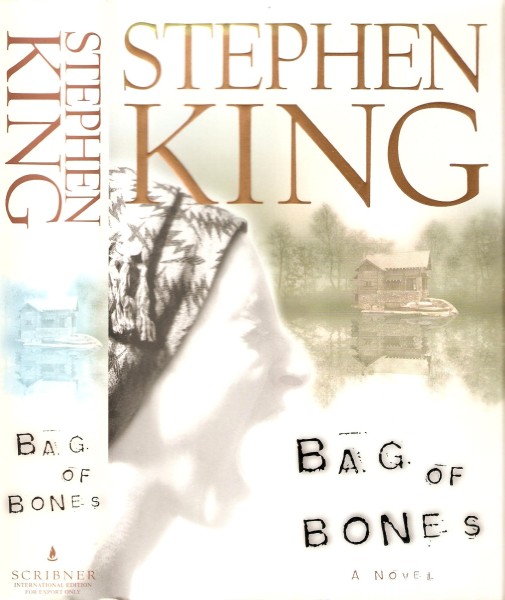
- Bag of Bones
Stephen Kingstandalone novel1998
similar bydarkgrief and lossmadnessnorth americahorror
Bag of Bones is a 1998 horror novel by American writer Stephen King. It focuses on an author who suffers severe writer's block and delusions at an isolated lake house four years after the death of his wife. It won the 1999 Bram Stoker Award for Best Novel, the 1999 British Fantasy Award for Best Novel, and the 1999 Locus Award for Best Dark Fantasy/Horror Novel.
- Carrie
Stephen Kingstandalone novel1974
similar bydarklate 20th centurynorth americahorrorrevenge+1 more
In one way or another, everybody abused Carrie. This sixteen-year-old misfit was forbidden everything that was young and fun by her fanatical mother. She was teased and taunted by her classmates, misunderstood by her teachers, and given up as hopeless by almost everyone. But Carrie had a secret: She possessed terrifying telekinetic powers that could make inanimate objects move, a lighted candle fall, or a door lock. Carrie could make all kinds of startling bizarre, and malevolent things happen. (WorldCat)
- Little Tall Island / In the Path of the Eclipse
series4 books1989
similar bydarknorth americapsychological thrillerhorror+4 more
Stephen King set three otherwise separate books on or near the fictional Little Tall Island off the coast of Maine: Gerald's Game, about a woman handcuffed to a bed after her husband's fatal heart attack; Dolores Claiborne, a housekeeper's decades-spanning confession narrated in a single unbroken monologue; and Storm of the Century, a novelization of King's own miniseries about a stranger who arrives during a historic blizzard demanding a terrible price from the town. The first two novels share a real total solar eclipse as a pivotal, connecting event despite having otherwise unrelated plots and characters.
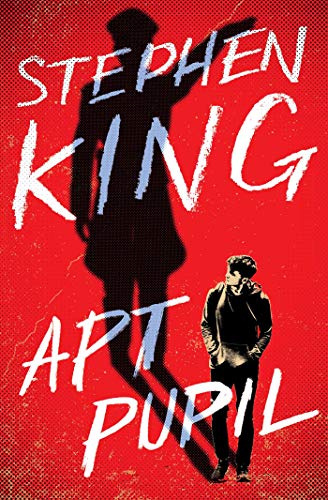
- Apt Pupil
Stephen Kingstandalone novel1982
similar bydarklate 20th centurymadnessnorth americapsychological thrillerhorror
A high school student discovers that a neighbor is a Nazi war criminal living under an assumed identity, but rather than expose him, he expresses a fascination with the man's history of evil deeds.
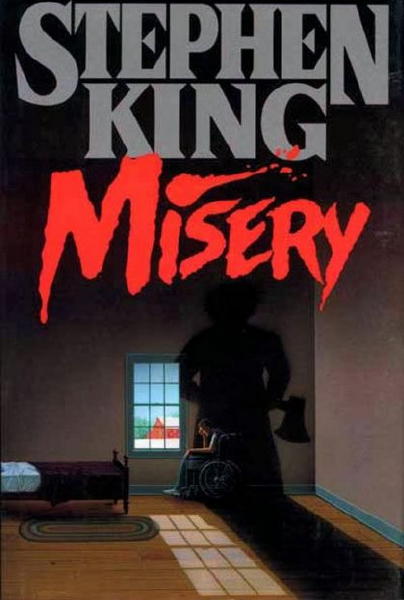
- Misery
Stephen Kingstandalone novel1987
similar bydarknorth americathriller & suspensepsychological thrillerhorror+1 more
Novelist Paul Sheldon finishes the manuscript that will finally kill off Misery Chastain, the heroine who made his career, when a snowstorm sends his car off a Colorado road. He wakes with both legs shattered, in the care of Annie Wilkes, a former nurse and 'number one fan' with no intention of taking him to a hospital. Annie manages his pain with drugs he comes to depend on, and her moods swing between doting and violent. When she learns Misery doesn't survive his new manuscript, her reaction makes clear Paul isn't just her patient, he's her hostage. A Stephen King novel about a writer at his most devoted fan's mercy.
- Punish the Sinners
John Saulstandalone novel1978
similar bydarklate 20th centurymadnessnorth americahorror
Punish the Sinners is a horror novel and the second novel by author John Saul, first published in 1978. The novel concerns a rash of violent suicides at a Catholic high school. There is an audiobook narrated by Jonathan Davis on Audible. Punish the Sinners was the first book with a UPC code on the cover.
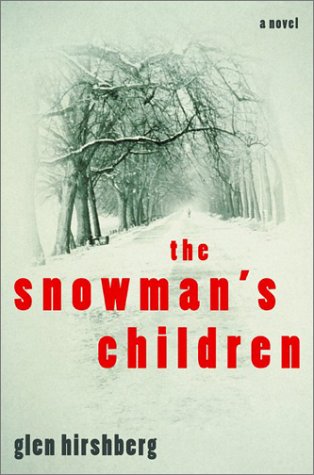
- The Snowman's Children
Glen Hirshbergstandalone novel2002
similar bydarklate 20th centurymadnessgrief and lossnorth americabig cityliterary & general
"In the mid-1970s, as a serial killer called the Snowman stalks the streets of suburban Detroit and the racial tension that had ripped the city in half a decade earlier continues to underscore every aspect of daily life, Mattie and Spencer, two exceptionally bright eleven year-old boys, wage an increasingly desperate and misguided campaign to save their friend Theresa, a brilliant, cryptic, troubled young girl, from descending into terrifying mental illness. The final, grand act of that campaign has shattering effects on many lives, drives Mattie's family from their home, and ultimately lures him, seventeen years later, back to Detroit to seek out his lost friends and make one last attempt to set things right."--BOOK JACKET.
- Nightwing
Martin Cruz Smithstandalone novel1977
similar bydarklate 20th centurynorth americathriller & suspensehorror
Nightwing is a 1977 thriller novel by American author Martin Cruz Smith, who adapted it for a 1979 film with the same title directed by Arthur Hiller.
- Blue Rose (Peter Straub)
series9 books1985
completed
similar bydarklate 20th centurynorth americahorror+3 more
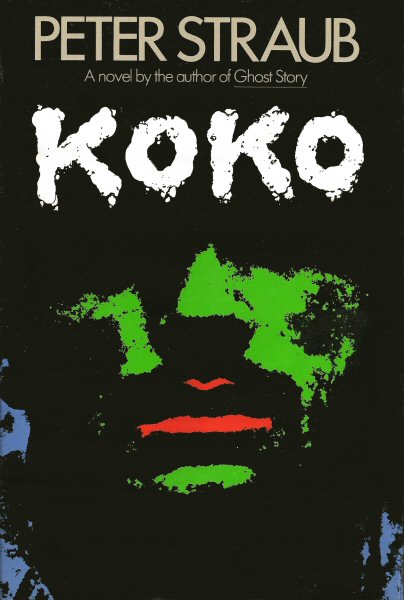
The Blue Rose novels are only loosely a series: Peter Straub's Koko, Mystery, and The Throat are separate suspense novels connected by recurring characters, a shared Midwestern town, and the shadow of a Vietnam-era program called Blue Rose that haunts several of the men at their centers. Koko follows a group of Vietnam veterans hunting a former comrade turned serial killer decades after the war. The 1985 novella Blue Rose and later story collections explore the same program's darker origins.
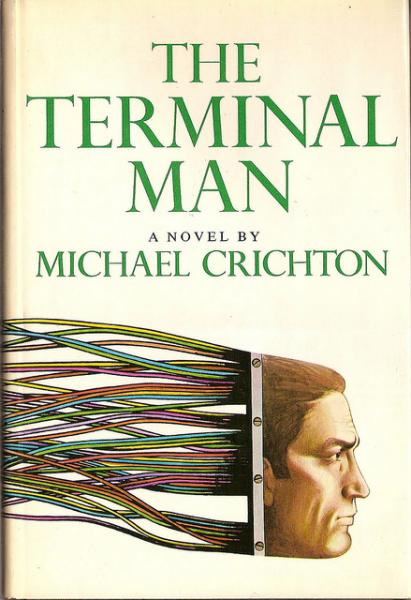
- The Terminal Man
Michael Crichtonstandalone novel1972
similar bydarkmadnessnorth americabig citythriller & suspense
The Terminal Man is a novel by American writer Michael Crichton. It is his second novel under his own name, his 12th overall, and is about the dangers of mind control. It was published in April 1972 and also serialized in Playboy in March, April, and May 1972. In 1974, it was made into a film of the same name.
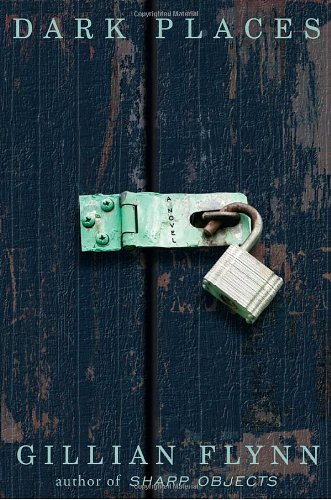
- Dark Places
Gillian Flynnstandalone novel2009
similar bydarklate 20th centurynorth americathriller & suspense+1 more
Dark Places is a mystery novel by Gillian Flynn published in 2009. The novel deals with class issues in rural America, intense poverty and the Satanic cult hysteria that swept the United States in the 1980s. Dark Places was shortlisted for the Crime Writers' Association Ian Fleming Steel Dagger Award and won Dark Scribe Magazine's Black Quill Award for Dark Genre Novel of the Year. It was also listed on The New York Times Best Seller list for hardcover fiction for two consecutive weeks. A film adaptation of the novel starring Charlize Theron was released on August 7, 2015.
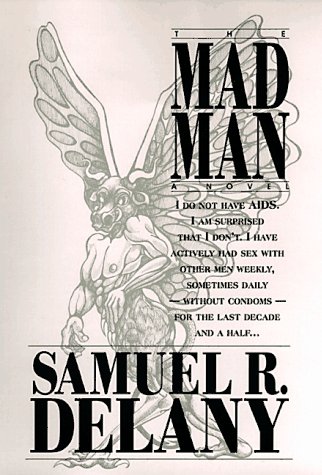
- The Mad Man
Samuel R. Delanystandalone novel1994
similar bydarklate 20th centurymadnessnorth americabig cityliterary & general
The Mad Man is a literary novel by Samuel R. Delany, first published in 1994 by Richard Kasak. In a disclaimer that appears at the beginning of the book, Delany describes it as a "pornotopic fantasy". It was originally published in 1994, republished and slightly revised in 1996, and republished again with significant changes in 2002 and again in an e-book version with further corrections in 2015. Delany considers the 2015 version the definitive edition.
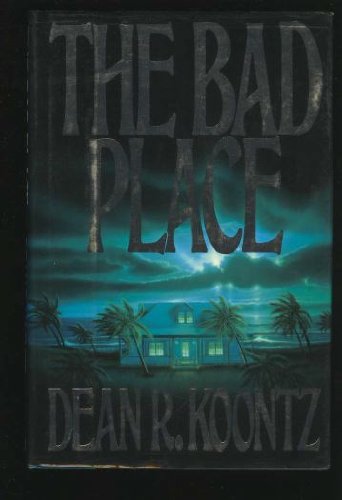
- The Bad Place
Dean R. Koontzstandalone novel1990
similar bydarklate 20th centurynorth americathriller & suspensehorror
The Bad Place is a horror novel by American writer Dean Koontz, released in 1990. It includes elements of horror, suspense, and mystery, and is presented partially as a twist on the private eye drama. The story follows Frank Pollard, a man who wakes up each night with no memory of where he has been or what he has done, only to find himself covered in injuries or in possession of strange items. As his condition worsens, private investigators Bobby and Julie Dakota are hired to track him and uncover the truth behind his blackouts. Their investigation leads them into a disturbing web of genetic experimentation, family secrets, and a hidden force manipulating human lives from the shadows. As the plot unfolds, the novel reveals that Frank and others are being pursued by powerful, almost inhuman figures connected to a twisted experiment involving selective breeding and enhanced abilities. The Dakotas become entangled in a struggle not only to save Frank but also to survive against forces that seem to operate beyond normal human limits. Themes in the novel include identity, memory loss, the abuse of science, and the nature of evil. Koontz blends psychological horror with fast-paced action, creating a narrative that shifts between detective fiction and supernatural thriller. The book received generally positive reception from readers who enjoyed Koontz’s signature suspense style, though some critics noted its complex and sometimes chaotic plot structure. Over time, it has remained one of his more memorable early-1990s works due to its unusual blend of genres and its dark, unsettling tone.
- Mazes and Monsters
Rona Jaffestandalone novel1981
similar bydarklate 20th centurymadnessnorth americaliterary & general+1 more
Mazes and Monsters is a 1981 novel by Rona Jaffe. The novel is a cautionary tale regarding the then-new hobby of fantasy role-playing games. The book was adapted into a made-for-television movie by the same name in 1982 starring Tom Hanks.
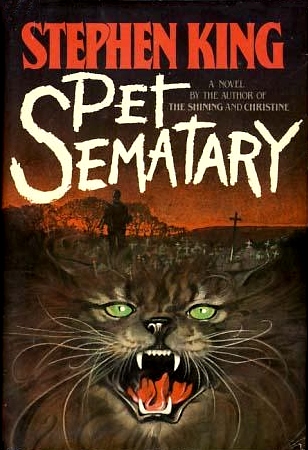
- Pet Sematary
Stephen Kingstandalone novel1983
similar bydarkgrief and lossnorth americahorror
Pet Sematary is a 1983 horror novel by American writer Stephen King. It tells the story of a family moving to Maine and settling closer to a pet cemetery in the woods, which is home to a terrifying force that brings death and sorrow. The novel was nominated for a World Fantasy Award for Best Novel in 1984, and adapted into two films: one in 1989 and another in 2019 as well as several spinoffs.
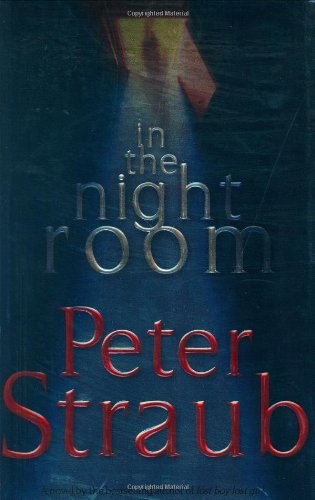
- In the Night Room
Peter Straubstandalone novel2004
similar bydarkmadnessgrief and lossnorth americathriller & suspensehorror
In the Night Room is a 2004 horror-thriller novel by American author Peter Straub, a sequel to his 2003 book Lost Boy, Lost Girl. The work was first published in hardback on October 26, 2004, through Random House and it won the 2004 Bram Stoker Award for Novel. Straub encountered some difficulties while writing In the Night Room and had written several different passages for the work before growing bored with each version before writing it using the same technique he used for its predecessor in which he "reached down inside the book and turned it inside out."
- Whispers
Dean R. Koontzstandalone novel1980
similar bydarkmadnessnorth americabig citythriller & suspensehorror
WorldCat: Hilary, a beautiful, successful Hollywood writer, lives alone and is being stalked. She has killed him once, but he keeps coming back.
- Let's Go Play at the Adams'
Mendal W. Johnsonstandalone novel1974
similar bydarklate 20th centurymadnessnorth americahorror
Let's Go Play at the Adams' is a 1974 psychological horror novel by Mendal W. Johnson and originally published by Thomas Y. Crowell Co. Its plot focuses on a group of rural Maryland children who drug, incapacitate, and eventually torture the college student babysitter hired by their parents while they are away in Europe for two weeks.
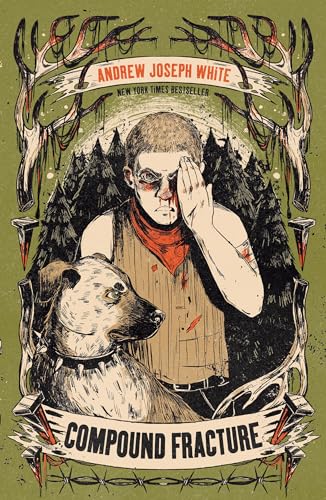
- Compound Fracture
Andrew Joseph Whitestandalone novel2024
similar bydarklate 20th centurynorth americathriller & suspensehorror+1 more
Compound Fracture is a 2024 thriller young adult novel by Andrew Joseph White published by Peachtree Teen. Set in West Virginia in 2017, the story follows Miles Abernathy, a trans, autistic teen, whose family is part of an ongoing feud with the sheriff over the exploitation of the locals. He releases photographic evidence of the sheriff staging an accident that injured his father and killed others and is beaten close to death by the sheriff's son in retaliation. After recovering he becomes haunted by the spirit of Saint Abernathy, an executed relative.
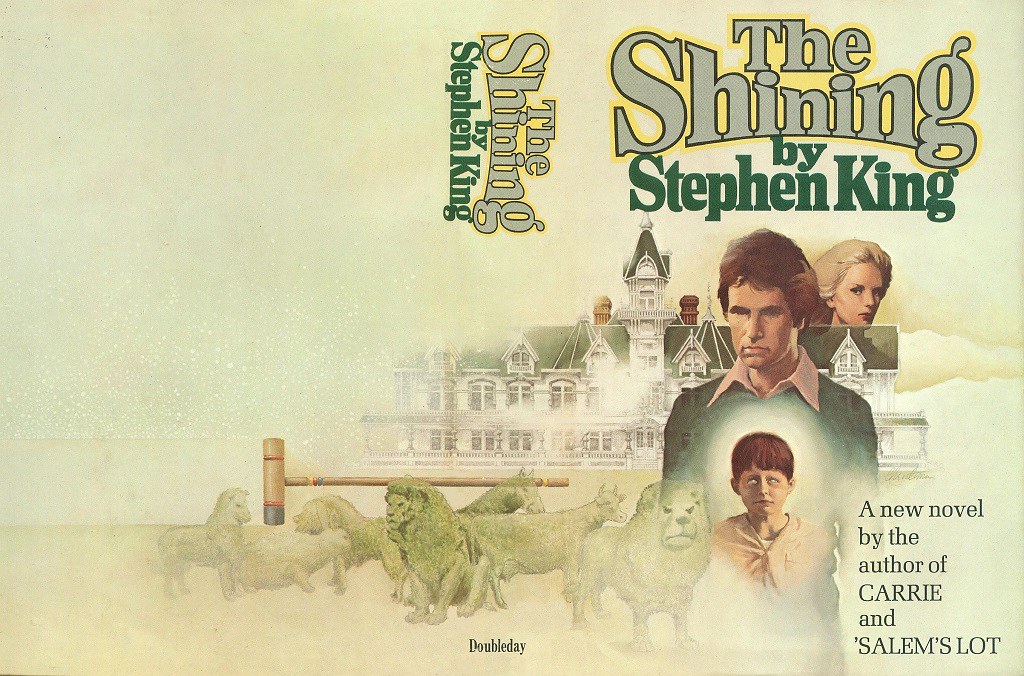
- The Shining
series5 books1977
similar bydarknorth americahorror+1 more
Stephen King's 1977 novel The Shining follows the Torrance family as winter caretakers of the isolated, malevolent Overlook Hotel, where father Jack is gradually consumed by the hotel's influence while his young son Danny's psychic "shining" draws its attention. Doctor Sleep (2013) picks up the story decades later, following Danny as an adult still marked by that childhood ordeal. Together the two form a horror duology spanning nearly forty years of real-world publication.
- Shadows
John Saulstandalone novel1992
similar bydarklate 20th centurymadnessnorth americahorror
"They call it the Academy. A secluded, cliff-top mansion overlooking the rugged Pacific coast. A school for children gifted—or cursed—with extraordinary minds. Children soon to come under the influence of an intelligence even more brilliant than their own—and unspeakably evil. For within this mind a dark plan is taking form. A plan so horrifying, no one will believe it. No one but the children. And for them it is already too late. Too late, unless one young student can resist the seductive invitation that will lead . . . into the Shadows. — quoted from the product description that is found on this book's page on Amazon.com.
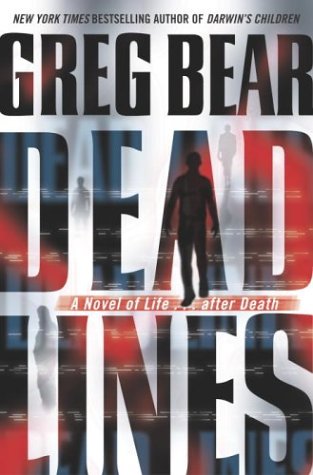
- Dead Lines
Greg Bearstandalone novel2004
similar bydarkgrief and lossmadnessnorth americahorror
From the flaps of the Ballantine first edition: "For the last two years, Peter Russell has mourned the death of one of his twin daughters - who was just ten when she was murdered. Recent news of his best friend's fatal heart attack has now come as another devastating blow. Divorced, despondent, and going nowhere in his career, Peter fears his life is circling the drain. Then Trans comes along. The brainchild of an upstart telecom company, Trans is (as its name suggests) a transcendent marvel, a sleek, handheld interpersonal communication device capable of flawless operation anywhere in the world, at any time. "A cell phone, but not" - transmitting with crystal clarity across a newly discovered, never-utilized bandwidth... and poised to spark a new-technology revolution. When its creators offer Peter a position on their team, it should be a golden opportunity for him. If only he wasn't seemingly going mad. Everywhere Peter turns, inexplicable apparitions are walking before him or reaching out in torment. After a chilling encounter with his own lost child he begins to grasp the terrifying truth: Trans is a Pandora's box that has tapped into a frequency not of this world... but of the next. And now, via this open channel to oblivion, the dead have gained access to the living. For Peter, and for humankind, a long shadowy night of the soul has descended, bringing with it the stuff of a horrifying nightmare from which they may never awaken."