More like Run
anchored on:near futurescience fictionpost-apocalypticnorth america
but
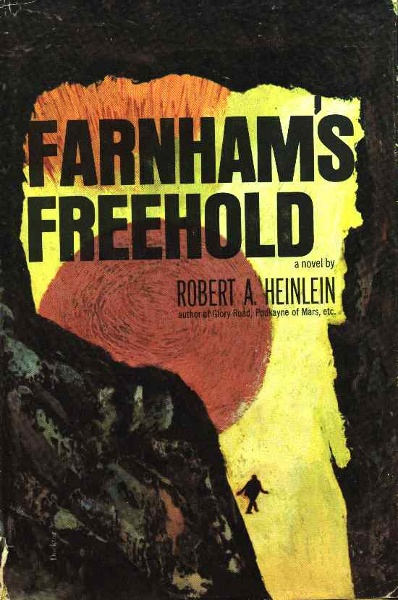
- Farnham's Freehold
Robert A. Heinleinstandalone novel1964
similar bysurvivalnear futurenorth americascience fictionpost-apocalyptictense+1 more
Farnham's Freehold is a science fiction novel by American writer Robert A. Heinlein. A serialized version, edited by Frederik Pohl, appeared in Worlds of If magazine. The complete version was published in novel form by G. P. Putnam later in 1964.
- The Passage
series3 books2010
similar bysurvivalnear futurenorth americascience fictionpost-apocalypticdarktense
The Passage is a novel series by Justin Cronin. There are three published books in the series. The film rights were acquired by Fox Entertainment Group in 2007 for adaptation into a film trilogy, but after 12 years of development and planning, it was changed to a television series, which premiered in January 2019 and was canceled after the first season.
- The Fireman
Joe Hillstandalone novel2016
similar bysurvivalnear futurenorth americascience fictionpost-apocalypticdarktense
The Fireman is a novel set in a post-apocalyptic time by American author Joe Hill. The novel, Hill's fourth, tells the tale of a deadly spore that has infected most of the world's population. Hill first spoke of the novel in 2013 in promotional interviews for his then-new novel NOS4A2. The novel was released on May 17, 2016.
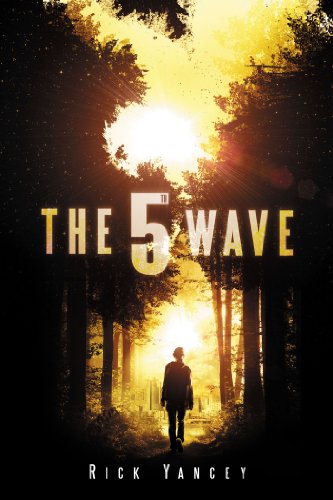
- The 5th Wave
series4 books2013
similar bysurvivalnorth americascience fictionpost-apocalypticdarktensenear future
Rick Yancey's The 5th Wave opens after a series of escalating alien attacks has already devastated Earth's population and infrastructure, following sixteen-year-old survivor Cassie Sullivan as she searches for her younger brother while trying to work out who, among the remaining humans, can still be trusted. The trilogy is young-adult science fiction that treats its alien-invasion premise as a survival and paranoia story more than a war story.
- Earthseed
series7 books1993
similar bysurvivalnear futurenorth americascience fictionpost-apocalypticdark
Octavia E. Butler's Earthseed novels, Parable of the Sower and Parable of the Talents, follow Lauren Olamina as she survives the collapse of a climate-ravaged, near-future United States and founds a belief system built on the idea that "God is Change." The two-book series was left unfinished at Butler's death; a planned third novel, Parable of the Trickster, was never completed. Later graphic-novel adaptations retell the same two stories rather than continuing the narrative.
- I Am Legend
Richard Mathesonstandalone novel1954
similar bysurvivalnorth americascience fictionpost-apocalypticdarktense
The last human survivor of the vampire epidemic has to maintain his defences against their onslaught, while attempting to research the cause and possibly solution to the plague. Robert Neville is the last living man on Earth... but he is not alone. Every other man, woman and child on the planet has become a vampire, and they are hungry for Neville's blood. By day he is the hunter, stalking the undead through the ruins of civilization. By night, he barricades himself in his home and prays for the dawn. How long can a man survive like this?
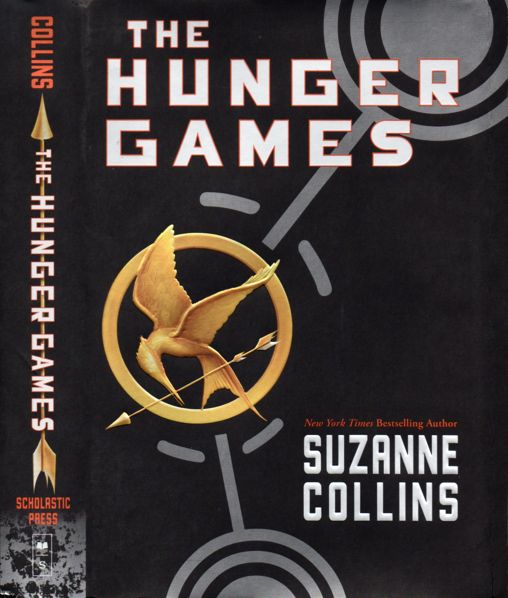
- The Hunger Games
series3 books2008
part of The Hunger Games Universe
similar bysurvivalnorth americascience fictionpost-apocalypticdarktense
The Hunger Games is a series of young adult dystopian novels written by American author Suzanne Collins. The series consists of a trilogy that follows teenage protagonist Katniss Everdeen, as well as two prequels. The Hunger Games universe is a dystopia set in Panem, a post-apocalyptic North American country consisting of the wealthy Capitol and 12 districts in varying states of poverty. As punishment for rebellion, the Capitol hosts an annual battle royale competition called The Hunger Games. Each of the 12 districts must send two children between the ages of 12 and 18 to participate, and the last surviving child is dubbed the victor.
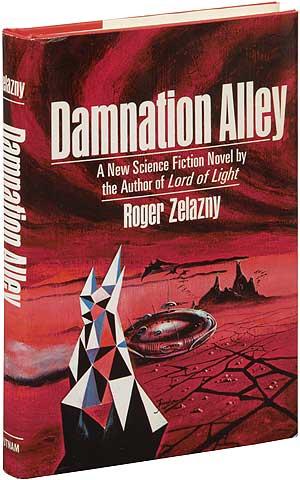
- Damnation Alley
Roger Zelaznystandalone novel1969
similar bysurvivalnear futurenorth americascience fictionpost-apocalyptic+1 more
Damnation Alley is a 1969 science fiction novel by American writer Roger Zelazny, based on a novella of the same name published in 1967. A film adaptation of the novel was released in 1977.
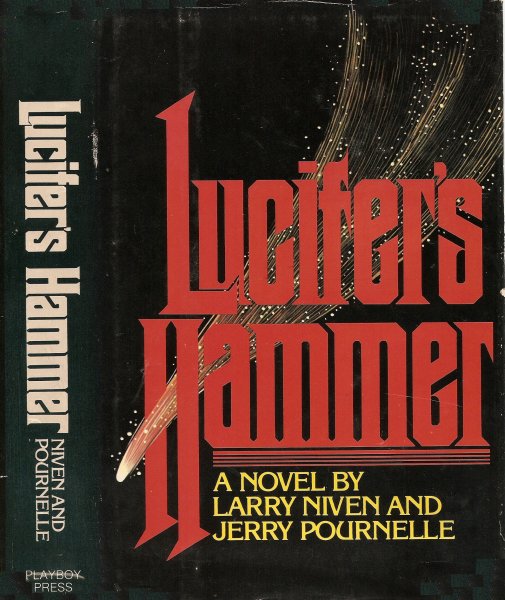
- Lucifer's Hammer
Larry Niven & Jerry Pournellestandalone novel1977
similar bysurvivalnorth americascience fictionpost-apocalypticdarktense
Lucifer's Hammer is a science fiction post-apocalypse-survival novel by American writers Larry Niven and Jerry Pournelle that was first published in 1977. It was nominated for the Hugo Award for Best Novel in 1978.
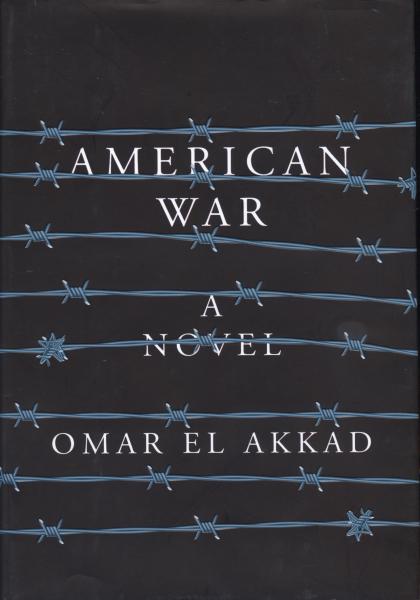
- American War
Omar El Akkadstandalone novel2017
similar bysurvivalnear futurenorth americascience fictionpost-apocalypticdark+1 more
American War is the first novel by the Egyptian-Canadian journalist Omar El Akkad. It is set in the United States in the near future, ravaged by climate change and disease, in which the Second Civil War has broken out over the use of fossil fuels.
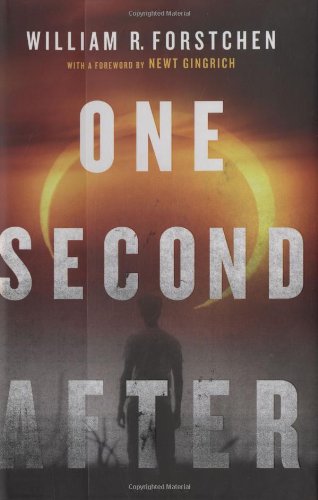
- One Second After / John Matherson
series4 books2009
similar bysurvivalnorth americapost-apocalypticdarktensenear futurescience fiction
Retired army colonel and college professor John Matherson is living an ordinary life in a small North Carolina town when every piece of modern electronics around him dies at once -- the opening move of an electromagnetic pulse attack on the United States. William R. Forstchen's One Second After follows Matherson and his neighbors as they try to hold their community together with no power, no vehicles, and no outside help, and the sequels track the same slow, grinding rebuilding over the following years. The series leans hard into plausible, granular detail about what actually happens to a country when its grid goes down.
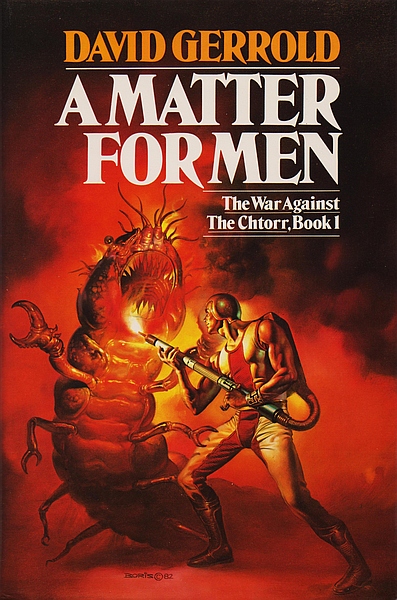
- War Against the Chtorr
series7 books1983
similar bysurvivalnear futurenorth americascience fictionpost-apocalypticdarktense
The War Against the Chtorr is a series of science fiction novels by American writer David Gerrold. The Chtorr series was originally planned as a trilogy, but as the story became more intricate, Gerrold realized that three books would not be enough for him to tell the entire story. For a time, he was uncertain how many books there would be in the end but plans on seven. As of 2022, four books have been completed. As of 2017, a fifth and sixth were in the works, 24 years after the publication of the fourth book.
- Directive 51 / Daybreak
series3 books2010
similar bysurvivalnear futurenorth americascience fictionpost-apocalypticdarktense
Directive 51 opens John Barnes's near-future thriller trilogy with government analyst Heather O'Grainn as anti-technology extremists unleash a nanotech plague called Daybreak that destroys petroleum-based materials, rubber, and electrical systems worldwide. The resulting collapse triggers mass death, a crisis over presidential succession, and mysterious Moon-launched fusion strikes on Washington and Chicago, while a shadowy neofeudalist movement moves into the vacuum. Daybreak Zero and The Last President carry the same unraveling-civilization story through the rest of the trilogy.
- Swan Song
Robert R. McCammonstandalone novel1987
similar bysurvivalnear futurenorth americascience fictionpost-apocalypticdarktense
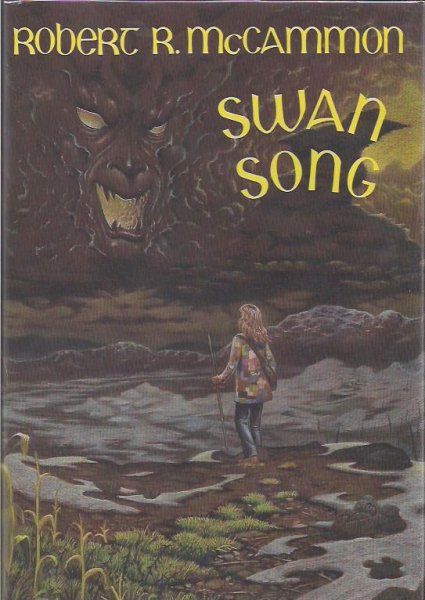
Swan Song is a 1987 post-apocalyptic horror novel by American novelist Robert R. McCammon. Published June 1, 1987, the novel describes the aftermath of a nuclear war that provokes an evolution in humankind. Swan Song won the 1987 Bram Stoker award, tying with Stephen King's Misery.
- The Last Centurion
John Ringostandalone novel2008
similar bysurvivalnear futurenorth americascience fictionpost-apocalypticdarktense
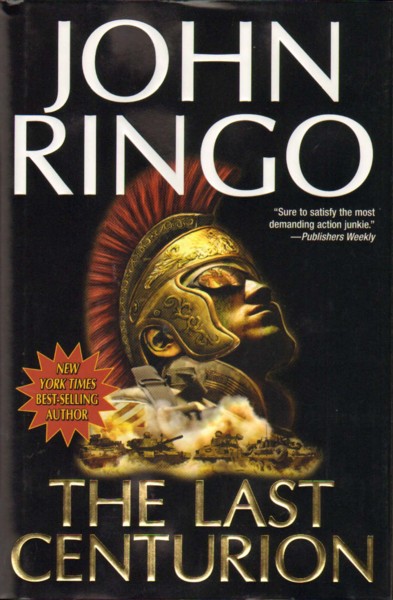
The Last Centurion is a 2008 stand-alone novel by John Ringo. It is written in "blog style" from the point of view of a U.S. Army officer known as "Bandit Six". The novel is set in a post apocalyptic world that has been ravaged by a brief ice age and disease.
- Make Room! Make Room!
Harry Harrisonstandalone novel1966
similar bysurvivalnear futurenorth americascience fictiondarktense
Make Room! Make Room! is a 1966 science fiction novel written by Harry Harrison exploring the consequences of both unchecked population growth on society and the hoarding of resources by a wealthy minority. It was originally serialized in Impulse magazine.
- Down to a Sunless Sea
David Grahamstandalone novel1979
similar bysurvivalnear futurenorth americascience fictionpost-apocalypticdarktense
David Graham's Down to a Sunless Sea (1979) is a post-apocalyptic novel about a planeload of people during and after a short nuclear war, set in a near-future world where the USA is critically short of oil. The title of the book is taken from a line of the poem Kubla Khan by Samuel Taylor Coleridge.
- Survivalist
series41 books1981
similar bysurvivalnorth americascience fictionpost-apocalyptictensenear future+1 more
The Survivalist is the generic title of Jerry Ahern's long-lived series of 29 pulp novels centering around John Rourke, an ex-CIA officer turned weapons and survival expert, in the aftermath of a nuclear war.
- Orange County
series3 books1984
similar bynear futurenorth americascience fiction+4 more
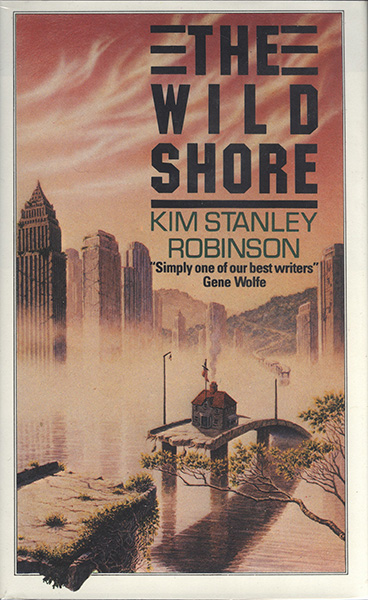
The Three Californias Trilogy is a series by science fiction author Kim Stanley Robinson that depicts three possible futures of Orange County, California. The novels that make up the trilogy are, "The Wild Shore", 'The Gold Coast", and "Pacific Edge". Each novel describes the life of young people in one of the three near-future worlds; each novel begins with an exposition that tells the reader about the fictional world.
- Maze Runner
series11 books2009
similar bysurvivalscience fictiontensepost-apocalypticnear future+2 more
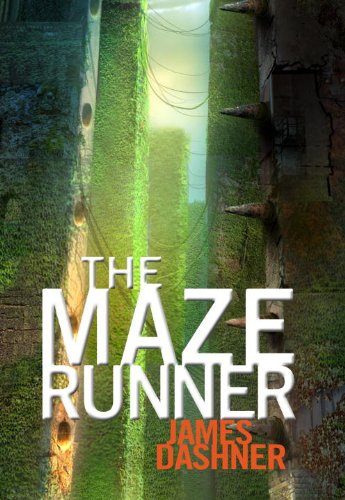
The Maze Runner is a series of young adult dystopian science fiction novels written by American author James Dashner. The series consists of the trilogy The Maze Runner (2009), The Scorch Trials (2010) and The Death Cure (2011), as well as two prequel novels, The Kill Order (2012) and The Fever Code (2016). A novella titled Crank Palace (2020) and a companion book titled The Maze Runner Files (2013) have also been released. A sequel trilogy in the series titled The Maze Cutter takes place 73 years following the events of The Death Cure and consists of the novels The Maze Cutter (2022), The Godhead Complex (2023), and The Infinite Glade (2025).
- Ship Breaker
series3 books2010
similar bysurvivalnorth americascience fictionpost-apocalypticdarktensenear future
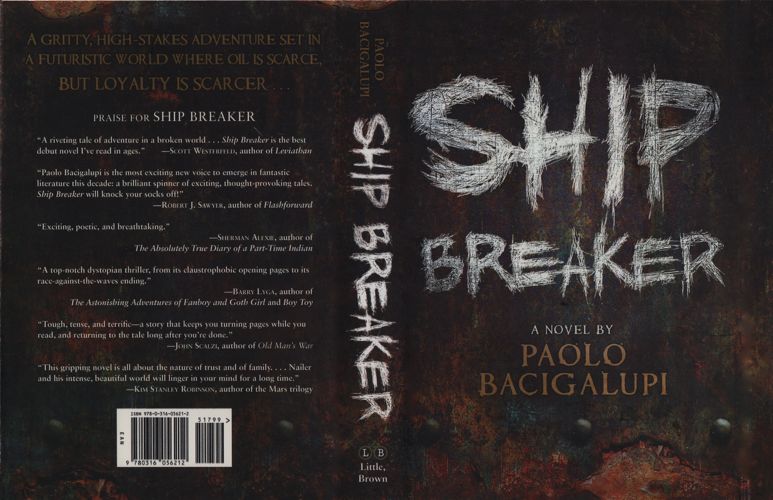
Nailer works a light-crew scavenging copper wire and scrap from beached oil tankers on a Gulf Coast reshaped by rising seas and vanished order, until a wrecked clipper ship washes ashore carrying a half-drowned girl from the wealthy world he'll never belong to. Paolo Bacigalupi's Ship Breaker follows Nailer as helping her pulls him out of his abusive father's orbit and into a much larger, more dangerous game involving her family's fortune. The sequels The Drowned Cities and Tool of War widen the same flooded, resource-scavenging future to new characters and coastlines.
- The Road
Cormac McCarthystandalone novel2006
similar bysurvivalnear futurenorth americascience fictionpost-apocalypticdark
In this post-apocalyptic novel, a father and his son walk alone through burned America. Nothing moves in the ravaged landscape save the ash on the wind. It is cold enough to crack stones, and when the snow falls it is gray. They sky is dark. Their destination is the coast, although they don't know what, if anything, awaits them there. They have nothing; just a pistol to defend themselves against the lawless bands that stalk the road, the clothes they are wearing, a cart of scavenged food--and each other. This book boldly imagines a future in which no hope remains, but in which the father and his son, "each the other's world entire," are sustained by love. It is an unflinching meditation on the worst and the best that we are capable of: ultimate destructiveness, desperate tenacity, and the tenderness that keeps two people alive in the face of total devastation.--From publisher description.
- Z for Zachariah
Robert C. O'Brienstandalone novel1975
similar bysurvivalnear futurenorth americascience fictionpost-apocalyptictense
Sixteen-year-old Ann Burden, on an Amish family farm in an isolated valley, believes she is the only survivor of nuclear war and nerve gas. One day a man arrives in a "safe-suit" that he and others have recently developed.
- The Postman
series3 books1982
similar bysurvivalnorth americascience fictionpost-apocalypticnear future+1 more
The Postman (1985) is David Brin's post-apocalyptic novel about a wandering survivor who, after taking a dead mail carrier's uniform for warmth, is mistaken for a representative of a restored United States government and is drawn into rebuilding trust and order among scattered, wary settlements. It stands as a self-contained story, later adapted into a 1997 film.