More like Rupetta
anchored on:science fictionour worldreflectiveartificial intelligencerobotsidentity
but
- Stranger in a Strange Land
Robert A. Heinleinstandalone novel1961
similar byscience fictionreflectiveidentityour world+1 more
Stranger in a Strange Land is a 1961 science fiction novel by the American author Robert A. Heinlein. It tells the story of Valentine Michael Smith, a human who comes to Earth in early adulthood after being born on the planet Mars and raised by Martians, and explores his interaction with and eventual transformation of Terran culture.
- Childhood's End
Arthur C. Clarkestandalone novel1953
similar byscience fictionreflectiveour worldidentity
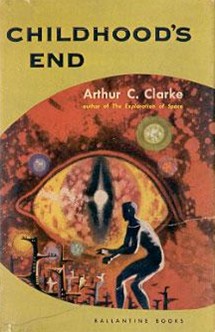
Childhood's End is a 1953 science fiction novel by the British author Arthur C. Clarke. The story follows a peaceful alien invasion of Earth by mysterious Overlords, whose arrival begins decades of apparent utopia under indirect alien rule, at the cost of human identity and culture.
- More Than Human
Theodore Sturgeonstandalone novel1953
similar byscience fictionreflectiveour worldidentity
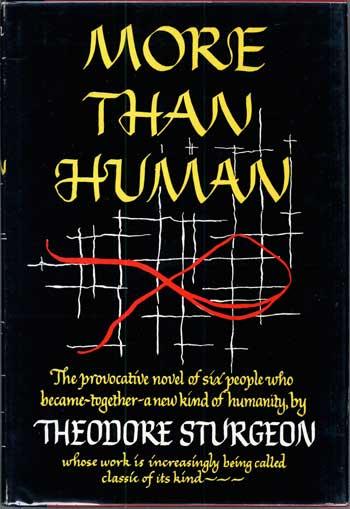
More Than Human is a 1953 science fiction fix-up novel by American writer Theodore Sturgeon. It is a revision and expansion of his 1952 novella Baby Is Three, which is bracketed by two additional parts written for the novel, "The Fabulous Idiot" and "Morality". It won the 1954 International Fantasy Award, which was also given to works in science fiction. It was additionally nominated in 2004 for a "Retro Hugo" award for the year 1954. Science fiction critic and editor David Pringle included it in his book Science Fiction: The 100 Best Novels.
- We Can Build You
Philip K. Dickstandalone novel1972
similar byscience fictionreflectiveour worldrobotsidentity
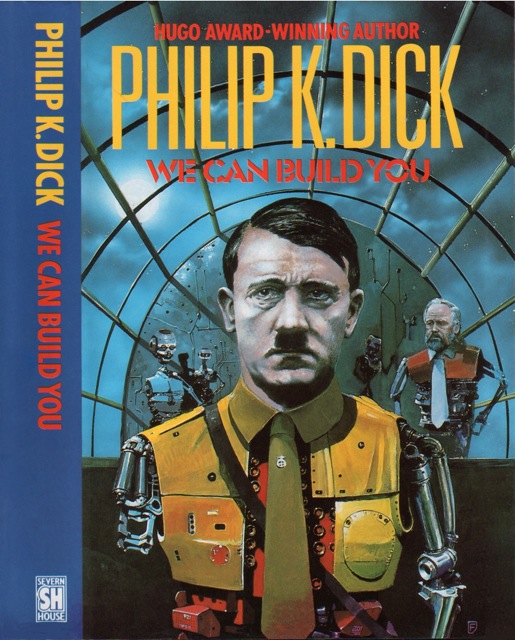
We Can Build You is a 1972 science fiction novel by American writer Philip K. Dick. Written in 1962 as The First in Our Family, it remained unpublished until appearing in serial form as A. Lincoln, Simulacrum in the November 1969 and January 1970 issues of Amazing Stories magazine, re-titled by editor Ted White. The novel was issued as a mass market paperback original by DAW Books in 1972, its final title provided by publisher Donald A. Wollheim. Its first hardcover edition was published in Italy in 1976, and Vintage issued a trade paperback in 1994.
- Mockingbird
Walter Tevisstandalone novel1980
similar byscience fictionreflectiveour worldartificial intelligencerobots
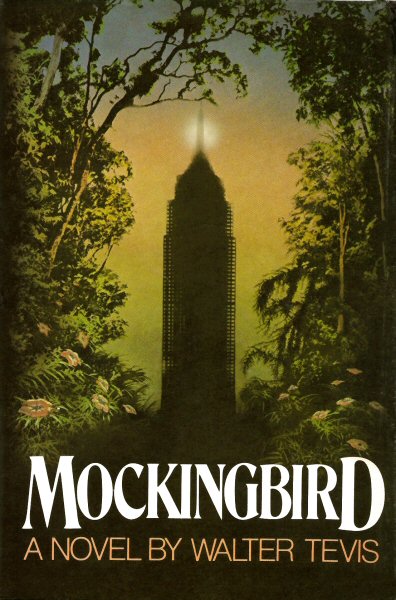
WorldCat: In a future world where mankind is dying, humans wander through life in a drugged electronic bliss. Quick sex is the norm, and some people would rather commit suicide than live in hopelessness. Humanity's salvation rests with an android who has no desire to live, and a man and a woman who must discover love, hope, and dreams of a world reborn.
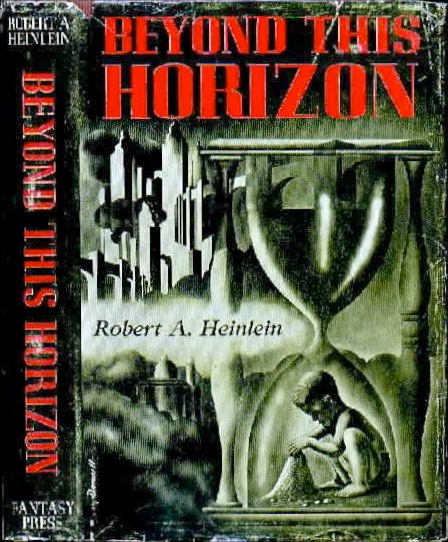
- Beyond This Horizon
Robert A. Heinleinstandalone novel1948
similar byscience fictionreflectiveour world+1 more
From the front flap of a 2001 Baen reprint: "Utopia has been achieved. For centuries, disease, hunger, poverty, and war have been things found only in the history tapes. And applied genetics has given men and women the bodies of athletes and a lifespan of over a century. They should all have been very happy... But Hamilton Felix is bored. And he is the culmination of a star line, each of his last thirty ancestors chosen for superior genes. Hamilton is, as far as genetics can produce one, the ultimate man. And this ultimate man can see no reason why the human race should survive, and has no intention of continuing the pointless comedy. However, Hamilton's life is about to become less boring. A secret cabal of revolutionaries who find utopia not just boring, but desperately in need of leaders who know just What Needs to be Done, are planning to revolt and put themselves in charge. Knowing of Hamilton's disenchantment with the modern world, they have recruited him to join their Glorious Revolution. Big mistake! The revolutionaries are about to find out that recruiting a superman was definitely not a good idea..."
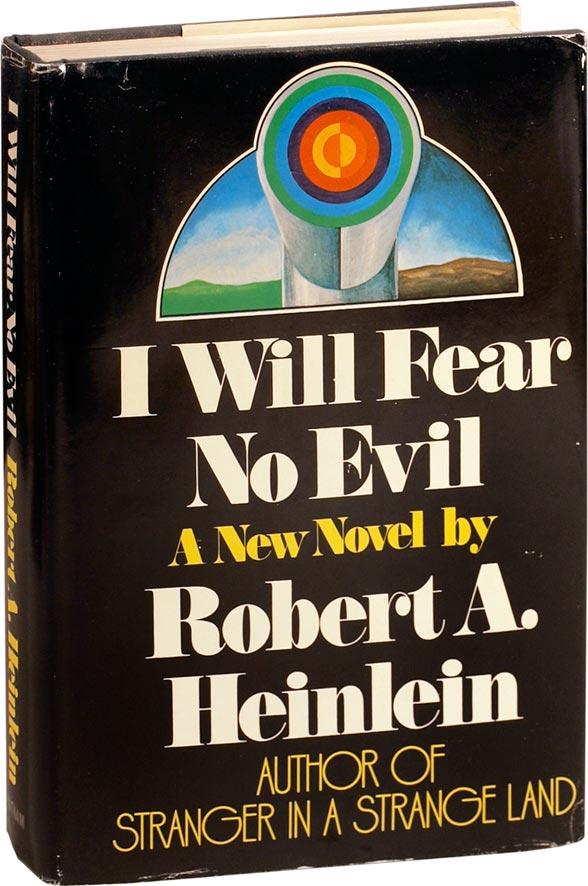
- I Will Fear No Evil
Robert A. Heinleinstandalone novel1970
similar byscience fictionreflectiveour worldidentity
I Will Fear No Evil is a science fiction novel by American writer Robert A. Heinlein, originally serialised in Galaxy and published in hardcover in 1970. The title is taken from Psalm 23:4.
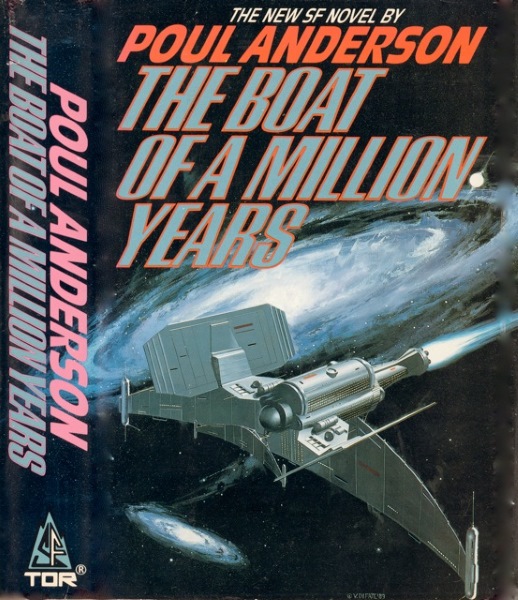
- The Boat of a Million Years
Poul Andersonstandalone novel1989
similar byscience fictionreflectiveour worldidentity
The Boat of a Million Years is a science fiction novel by American writer Poul Anderson, first published in 1989 and nominated for the Nebula Award for Best Novel that same year. It was also nominated for the Hugo Award for Best Novel and the Prometheus Award in 1990.
- Service Model
series3 books2024
similar byscience fictionour worldartificial intelligencerobotsidentity+1 more
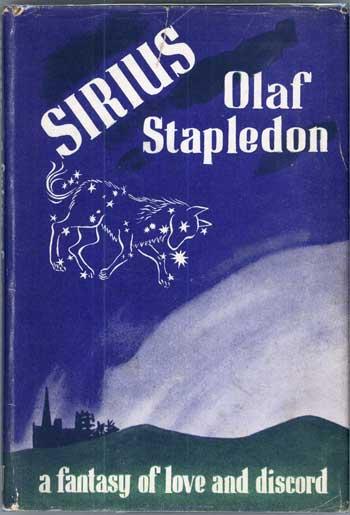
- Sirius: A Fantasy of Love and Discord
Olaf Stapledonstandalone novel1944
similar byscience fictionreflectiveour worldidentity
Sirius is a 1944 science fiction novel by the British philosopher and author Olaf Stapledon, whose title character is a dog named Sirius with humanlike intelligence. A sense of existential questioning suffuses the book, as the author delves into aspects of Sirius's psyche. The novel deals with many human issues through Sirius and his experiences, his unusual nature, his ideas and his relationships with humans. The characters go to great lengths to prevent Sirius from becoming a circus-type wonderdog, and instead, they seek to develop Sirius's character much like a family would create and foster that of a human child.
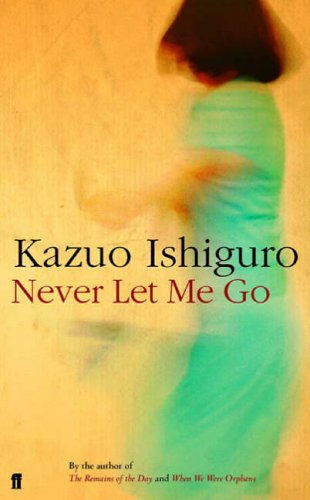
- Never Let Me Go
Kazuo Ishigurostandalone novel2005
similar byscience fictionreflectiveour worldidentity
Never Let Me Go is a 2005 science fiction novel by the British author Kazuo Ishiguro. It was shortlisted for the 2005 Man Booker Prize, for the 2006 Arthur C. Clarke Award and the 2005 National Book Critics Circle Award. Time magazine named it the best novel of 2005. It included the novel in its '100 Best English-language novels published since 1923—the beginning of TIME'. It also received an ALA Alex Award in 2006. A film adaptation directed by Mark Romanek was released in 2010.
- The Disappearance
Philip Wyliestandalone novel1951
similar byscience fictionreflectiveour worldgender and society+1 more
One ordinary moment, the world splits in two: every man on Earth finds every woman gone without a trace, and at the same instant every woman finds herself in a world emptied of men -- two parallel realities on the same planet, each population convinced the other has vanished. Philip Wylie follows both worlds afterward, one sliding into authoritarian collapse without women to share or restrain power, the other building something more equal and freer, using the split to interrogate mid-century assumptions about sex, marriage and the double standards separating what men and women were each allowed to be. A speculative novel years ahead of the feminist movement it anticipates.
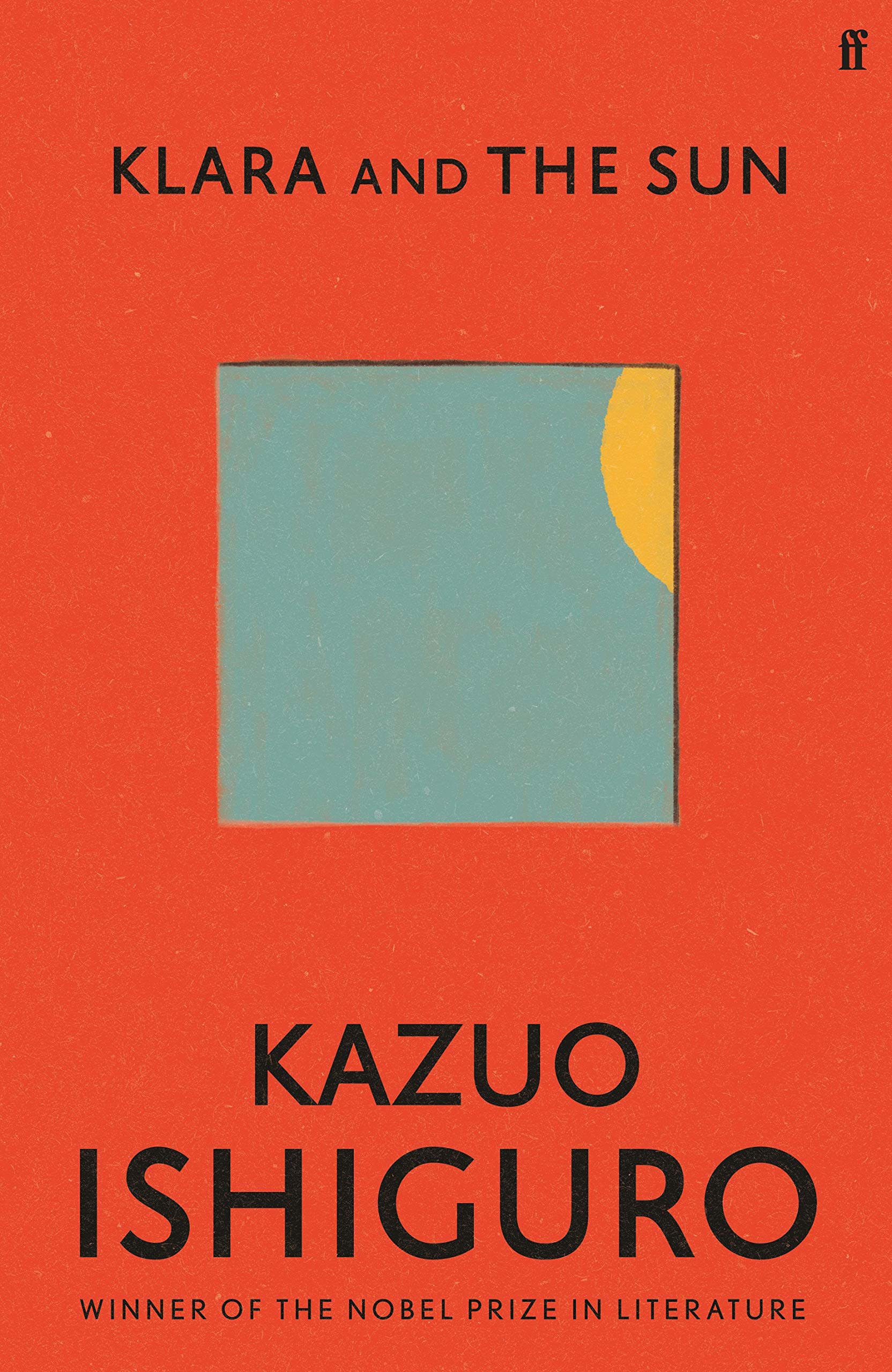
- Klara and the Sun
Kazuo Ishigurostandalone novel2021
similar byscience fictionreflectiveour worldartificial intelligence
Klara and the Sun is the eighth novel by the Japanese-British writer Kazuo Ishiguro, published on 2 March 2021. It is a dystopian science fiction story.
- Venus Plus X
Theodore Sturgeonstandalone novel1960
similar byscience fictionreflectiveidentitygender and society+1 more
Charlie Johns wakes in a featureless silver room with no memory of how he got there and a watch that's inexplicably running backward. He's been brought, how and by whom is never explained to him, to Ledom, an isolated, technologically advanced society whose members are all both male and female and have done away with fixed sex roles entirely. Guides walk him through Ledom's customs and machinery while making clear he's there to judge them before he can go home. Interwoven with Charlie's tour are chapters following an ordinary mid-century American family, setting the utopia against the world it's implicitly critiquing. Theodore Sturgeon's provocative novel about gender and social design.
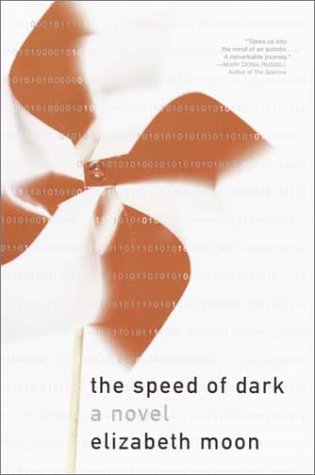
- The Speed of Dark
Elizabeth Moonstandalone novel2002
similar byscience fictionreflectiveour worldidentity
From the Penguin Random House website In the near future, disease will be a condition of the past. Most genetic defects will be removed at birth; the remaining during infancy. Lou Arrendale, a high-functioning autistic adult, is a member of the lost generation, born at the wrong time to reap the rewards of medical science. He lives a low-key, independent life. But then he is offered a chance to try a brand-new experimental "cure" for his condition. With this treatment Lou would think and act and be just like everyone else. But if he was suddenly free of autism, would he still be himself? Would he still love the same classical music — with its complications and resolutions? Would he still see the same colors and patterns in the world—shades and hues that others cannot see? Most important, would he still love Marjory, a woman who may never be able to reciprocate his feelings? Now Lou must decide if he should submit to a surgery that might completely change the way he views the world ... and the very essence of who he is.
- To Live Again
Robert Silverbergstandalone novel1969
similar byscience fictionreflectiveour worldidentity
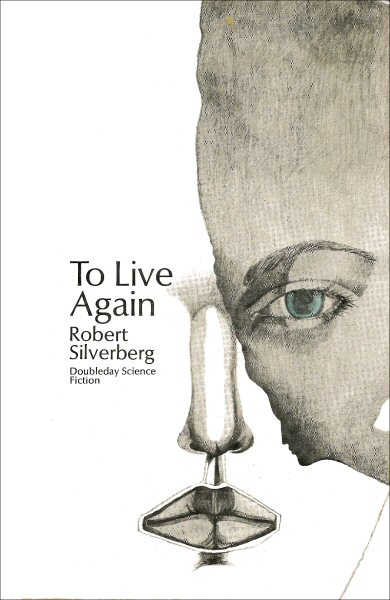
In a future where the very rich can have their personalities recorded before death and then implanted into a living host to share, or dominate, that person's mind and body, owning a recorded soul becomes the ultimate status symbol among the powerful. The practice carries real risk: a strong enough recorded personality can overwhelm its host entirely, a fate the novel calls going dybbuk. Robert Silverberg builds a society around this trade in secondhand immortality, and the people who profit, or don't survive, dealing in it. A standalone novel from Silverberg's prolific late-1960s run.
- City
series19 books1944
completed
similar byscience fictionreflectiveour world+1 more
City is Clifford D. Simak's fix-up novel, assembling eight linked stories originally published in Astounding Science Fiction during the 1940s and framed as legends dogs tell about a half-mythical creature called Man. It follows humanity's gradual abandonment of its cities and eventual departure from Earth, while the dogs left behind are surgically uplifted into a peaceable, speaking civilization of their own. The book won the International Fantasy Award in 1952.
- Speak
Louisa Hallstandalone novel2015
similar byreflectivescience fictionour worldartificial intelligenceidentity
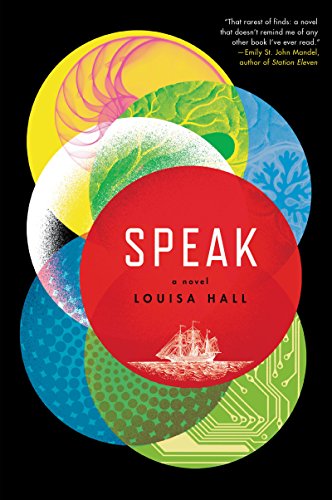
Speak is a 2015 novel by Louisa Hall. It is her second novel, after The Carriage House. The novel was well received. The novel was inspired by a story in the New York Times.
- In the Days of the Comet
H. G. Wellsstandalone novel1906
similar byscience fictionreflectiveour world
In the Days of the Comet is a 1906 science fiction novel by H. G. Wells in which humanity is "exalted" when a comet causes "the nitrogen of the air, the old azote," to "change out of itself" and become "a respirable gas, differing indeed from oxygen, but helping and sustaining its action, a bath of strength and healing for nerve and brain." The result: "The great Change has come for evermore, happiness and beauty are our atmosphere, there is peace on earth and good will to all men."
- The Man Who Fell to Earth
Walter Tevisstandalone novel1963
similar byscience fictionreflectiveour world
The Man Who Fell to Earth is a 1963 science-fiction novel by American writer Walter Tevis. Published by Gold Medal Books as a paperback original, it was Tevis's second novel, following The Hustler. The novel follows Thomas Jerome Newton, an extraterrestrial from the drought-stricken planet Anthea, who comes to Earth hoping to build a spacecraft that can save the surviving members of his species.
- Anathem
Neal Stephensonstandalone novel2008
similar byscience fictionreflective+1 more
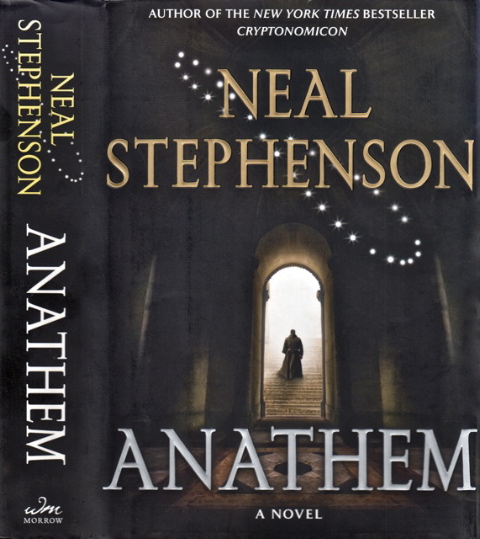
On a planet where quasi-monastic academic institutions have existed alongside the secular world for thousands of years, a young scholar from one such institution becomes part of a planetwide effort to muster an appropriate reaction to a shocking discovery.
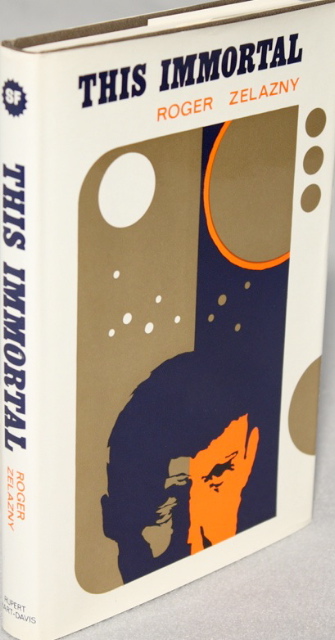
- This Immortal
series2 books1966
similar byscience fictionreflectiveour world
This Immortal is a single science fiction novel by Roger Zelazny, expanded from his 1965 serial ...And Call Me Conrad. In a depopulated future Earth largely toured by an alien race, its long-lived, secretive protagonist Conrad Nomikos is assigned to guide and protect a visiting alien across the ruins of Greece and Egypt, uncovering old grudges and assassination plots along the way. The novel shared the 1966 Hugo Award for Best Novel with Frank Herbert's Dune.
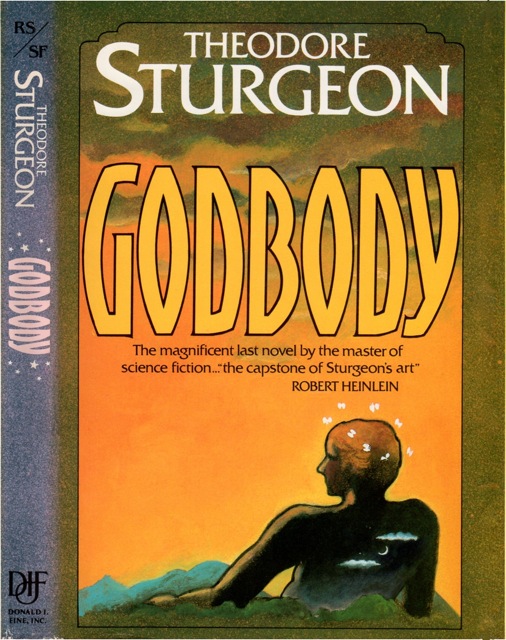
- Godbody
Theodore Sturgeonstandalone novel1986
similar byscience fictionreflectiveour worldidentity
Godbody is a science fiction novel by American writer Theodore Sturgeon, published posthumously in 1986. A foreword, "Agape and Eros: The Art of Theodore Sturgeon", was contributed by Robert A. Heinlein and an afterword was contributed by Stephen R. Donaldson.
- Time Is the Simplest Thing
Clifford D. Simakstandalone novel1961
similar byscience fictionreflectiveour world+1 more
Time Is the Simplest Thing is a science fiction novel by American writer Clifford D. Simak, first published in 1961. The story combines paranormal abilities with themes of space and time travel. The underlying theme is intolerance of ordinary people towards those with unusual abilities.