Loreful
HomeDiscover
Search series, authors…⌘K
Loreful

Reading orders for SF/F series and shared universes — with your place kept in every one.

Explore

UniversesSeriesWorksAuthorsAtlas

Help

FAQAboutSite map

Account & legal

Sign inCreate accountPrivacyTerms

Data

Built on ISFDB, Wikipedia, Wikidata and Open Library. Curated reading orders carry their reasoning on the page; the rest follow publication order. Data sources & licenses

© Loreful · data: ISFDB · CC BY

More like Saving Year Three

but

Mood

The mood the book leaves you in.

  • The reading experience is propelled by journeys, exploration, and physical risk; excitement and forward momentum dominate over dread or introspection.
  • Joy and loss are deliberately mixed; the resolution grants characters something real while taking something else away, leaving warmth and sorrow together.
  • The book demands work from the reader — dense prose, difficult structure, unfamiliar ideas, or morally uncomfortable material — as part of its intended effect.
  • Grim events, cruelty, or despair dominate the atmosphere, and the book does not soften them with comfort or comic relief.
  • The atmosphere is quietly unsettling — wrongness, unease, and the uncanny pervade the book without necessarily escalating into overt horror.
  • The book is built to move the reader; character feeling is foregrounded and major scenes aim at a strong emotional response.
  • Humor is a primary aim and the prose plays for laughs — comic situations, wit, or dialogue produce sustained comedy, not occasional levity.
  • The book insists that things can improve; effort and decency are shown to matter, and the arc bends toward better outcomes even through hardship.
  • The book teaches as it goes — real facts, history, science, or craft are conveyed in enough depth that learning is part of the reading experience.
  • The book is designed to uplift and motivate, presenting perseverance or achievement in a way that invites the reader to aspire or act.
  • The overall register is cheerful and easygoing; stakes are kept gentle and the book avoids dwelling on pain or dread.
  • Withheld information drives the experience; the book sustains enigmas and secrets the reader wants resolved, whatever its genre.
  • The book is contemplative and inward-looking, giving more weight to thought, memory, and meaning than to external events.
  • The book works as comfort reading — low tension, a soothing pace, and an atmosphere the reader can unwind in.
  • Grief, loss, or melancholy set the dominant register, and the book lets sorrow stand rather than resolving it into comfort.
  • Sustained suspense is the point; the book keeps the reader braced for what happens next through danger, pressure, or impending revelation.
  • Playful invention and charm define the register — fanciful conceits, light absurdity, and a narration that delights in its own oddity.

About

What the story runs on.

  • Stories in which extraterrestrial beings are central — as characters, cultures, or the object of the plot.
  • Stories structured as a quest — a journey undertaken to find, deliver, or destroy something of great import.
  • Stories in which staying alive against nature, catastrophe, or scarcity is the central problem.
  • Stories of lovers kept apart by law, family, faith, or station, where the obstacle to love is the plot.
  • Stories in which a friendship — its making, testing, or loss — is the emotional center.
  • Stories of growing up — a young protagonist crossing from childhood into adult knowledge and responsibility.
  • Stories about who a character truly is — self-discovery, doubled lives, and the search for a self.
  • Stories about mourning — living through the death of a loved one and what loss does to the survivors.
  • Stories in which a buried family truth — hidden parentage, crimes, or shames — surfaces and reorders the present.
  • Stories driven by maneuvering for power — factions, conspiracies, and statecraft conducted in shadow.
  • Stories in which war itself is the subject — combat, occupation, and what warfare does to soldiers and civilians.
  • Stories organized around investigating a killing — the case, the clues, and the pursuit of the killer, in any genre's clothing.

Shelf

Where it sits in the library.

    • Fiction built on magic or other supernatural elements that have no scientific explanation.
    • Secondary-world fantasy at large scale, where the fate of nations or the world turns on the protagonists' struggle.
    • Fantasy set in a recognizably modern city or contemporary world where the supernatural intrudes on everyday life.
    • Fantasy that blends in horror's atmosphere and imagery, keeping a fantastical frame around grim or frightening material.
    • Action-driven fantasy following warriors or rogues with personal stakes against sorcerous threats, rather than world-spanning conflicts.
    • Fantasy set in a real historical period or a close analogue of one, with magic woven into the era.
    • Fantasy in which protagonists cross from the ordinary world into another world through a portal or similar passage.
    • Fiction that retells or reworks a traditional fairy tale in a new form or setting.
    • Fantasy drawing directly on myths, legends, and folklore, retelling them or building on their figures and logic.
    • Fantasy of ghosts, vampires, shapeshifters, psychics, and similar phenomena, usually set in an otherwise ordinary world.
    • Fiction mixing science-fictional trappings with overtly magical or impossible elements in one setting.
    • Low-stakes fantasy emphasizing comfort, community, and everyday pleasures over conflict and peril.
    • Speculative fiction of pervasive moral ambiguity, violence, and cynicism that rejects heroic conventions — fantasy and SF alike.
      • Fiction that extrapolates from science and technology — future societies, space travel, or speculative inventions — within at least nominally natural laws.
      • Science fiction of interstellar scope — starships, galactic polities, and adventure across star systems.
      • Science fiction committed to scientific rigor, where technical plausibility constrains the story.
      • Science fiction centered on armed forces and warfare, told largely from a military point of view.
      • Science fiction of networked, corporate-dominated near futures, pairing high technology with social decay.
      • Science fiction styled on nineteenth-century steam-powered technology, often in a Victorian or pseudo-Victorian setting.
      • Fiction depicting an oppressive or catastrophic society, presented as a warning.
      • Fiction set after civilization's collapse, following survivors in the ruins of the old world.
      • Fiction in which characters move between past and future, and the mechanics or consequences of that travel drive the plot.
      • Fiction exploring a world where a historical event went differently and history diverged from ours.
      • Science fiction about humanity's first encounter and communication with an alien intelligence.
      • Science fiction in which extraterrestrial forces attack or occupy Earth and humanity resists.
      • Fiction whose primary aim is to frighten or unsettle the reader through dread, menace, or the monstrous.
      • Horror of vast, indifferent, incomprehensible entities before which humanity is insignificant, in the Lovecraft tradition.
      • Horror of decaying houses, buried family secrets, and oppressive atmosphere in the Gothic literary tradition.
      • Horror centered on hauntings and the returning dead.
      • Horror located in the mind — paranoia, obsession, and unreliable perception rather than external monsters.
      • Horror built around the reanimated dead and survival amid their outbreaks.
      • Horror defined by explicit, transgressive gore that refuses to cut away from violence.
      • Speculative fiction of the strange and uncanny that resists both natural explanation and standard genre categories.
      • Fiction organized around solving a crime or puzzle, typically following an investigator toward the identification of a culprit.
      • A puzzle-first mystery that lays out clues so the culprit's identity can be deduced before the reveal.
      • Crime fiction of moral ambiguity, fatalism, and hard-edged style, set among the corrupt and the doomed.
      • A mystery following the realistic routines of police work — forensics, interviews, and case-building.
      • A gentle mystery with an amateur sleuth, a small community, and violence kept off the page.
      • A mystery set in a past era, where the investigation works within that period's methods and society.
      • Fast-paced fiction driven by imminent danger, pursuit, or high-stakes conspiracy, built to sustain tension.
      • A thriller of espionage — agents, tradecraft, and intelligence services in conflict.
      • A thriller centered on lawyers and the courtroom, where litigation carries the suspense.
      • A thriller driven by detailed contemporary or near-future technology, often military or scientific.
      • A thriller whose tension comes from mental states and manipulation between characters rather than external action.
      • Fiction whose central plot is a romantic relationship and its development toward an emotionally satisfying resolution.
      • Romance in which one or both partners are supernatural beings, blending fantasy elements into the love story.
      • A fantasy-romance hybrid in which the romantic arc and the fantasy plot carry equal weight.
      • Romance set in a past era, with courtship shaped by the period's society and manners.
      • Romance set in the present day, without supernatural or historical elements.
      • Fiction set in a real past period, where the historical setting materially shapes characters and events.
        • General and literary fiction emphasizing prose style, character interiority, or formal ambition over genre plot conventions.
        • Fiction in a realistic world where magical events occur and are treated as ordinary, in the tradition of Latin American literature.
        • Fiction that ridicules people, institutions, or society in order to criticize them.
        • Fiction of dreamlike, irrational imagery and logic that breaks from realistic representation.
        • Fiction that plays with narrative convention through metafiction, fragmentation, and self-reference.
        • Fiction propelled by journeys, exploration, and physical peril, where action and survival carry the plot.
        • Adventure fiction of ships and seafaring — naval engagements, voyages, and life at sea.
        • Fiction of the American frontier West — gunmen, ranchers, and lawmen, typically in the late nineteenth century.
        • Fiction centered on soldiers, campaigns, and the experience of warfare, historical or imagined.
          • Fiction written primarily to amuse, using comedic situations, wit, or parody as its organizing principle.
            • Multi-generational fiction following a family or dynasty across decades, with inheritance and kinship as the through-line.
              • Fiction whose world runs on explicit game mechanics — levels, stats, and skills that characters can see and exploit.
                • Fiction about costumed or superpowered heroes and their conflicts with comparable villains.

                Practical

                How long a commitment, whether it stands alone, and whether it has finished.

                Tap a chip to ask for it · tap again to rule it out · once more to clear. Numbers show what would be left.

                • Cover of Young Wizards
                  Young Wizards

                  series · 24 books · 1983

                  similar byadventurouscoming of ageour worldcontemporary+2 more

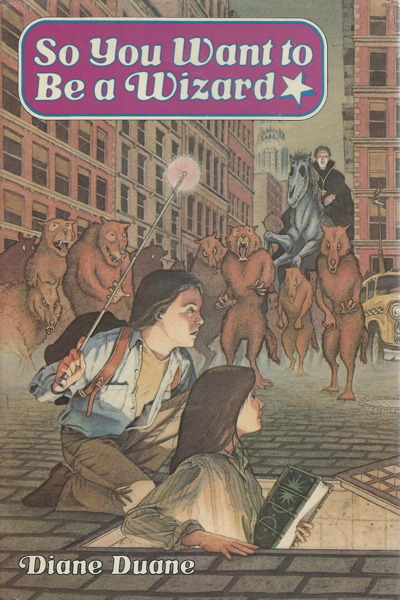
                  Diane Duane's Young Wizards series begins with thirteen-year-old Nita, bullied and friendless, who borrows a library book on wizardry and discovers it's the real thing: an apprenticeship into a covert order that fights entropy, alongside a classmate named Kit. Across fifteen books published between 1983 and 2019, the two age forward in something close to real time as their missions escalate from New York streets to alien worlds and beyond. The series centers on the wizard's Oath and the idea that magic is a responsibility taken on to slow the universe's decay, not a power to be enjoyed for its own sake.

                • Cover of The World of Skulduggery Pleasant
                  The World of Skulduggery Pleasant

                  series · 38 books · 2007

                  similar byurban fantasyadventurousour worldcontemporaryyoung adult+1 more

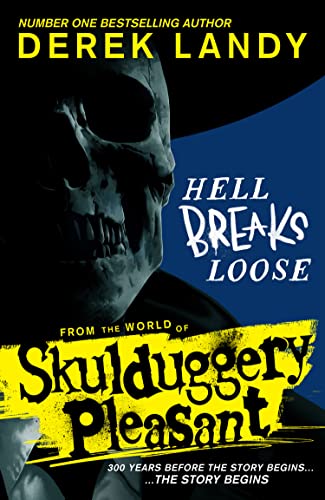
                  These are standalone companion stories set in Derek Landy's Skulduggery Pleasant world, rather than a numbered sequence of their own. Hell Breaks Loose is a one-off prequel following the skeleton detective Skulduggery on a solo hunt years before the main series begins; The Haunted House on Hollow Hill and A Small Matter of Impending Catastrophe are novellas slotted between the main series' sixteenth and seventeenth books, the former adapted from an audio drama. None require following a separate ongoing plot of their own.

                • Cover of Fionavar Universe
                  Fionavar Universe

                  series · 5 books · 1984

                  similar bycontemporary+3 more

                  Ysabel is a 2007 standalone contemporary fantasy novel by Guy Gavriel Kay, following teenager Ned Marriner as he stumbles into a centuries-old rivalry playing out around the cathedral of Aix-en-Provence. It marked Kay's turn toward urban fantasy and briefly brings back two adult characters from his earlier Fionavar Tapestry trilogy, though it is not itself part of that trilogy and can be read on its own.

                • Cover of The Dark Is Rising
                  The Dark Is Rising

                  series · 5 books · 1965

                  similar byadventurouscontemporary+3 more

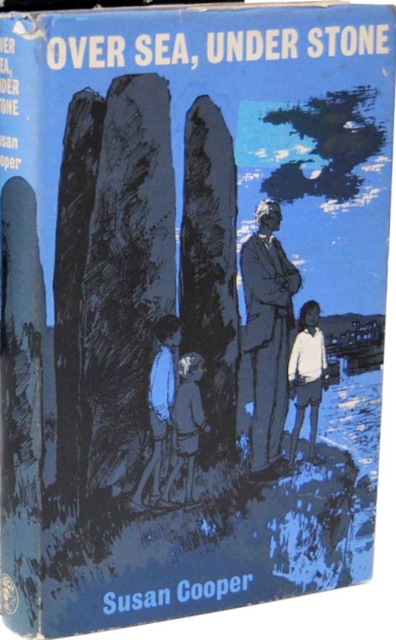
                  The Dark Is Rising Sequence is a series of five contemporary fantasy novels for older children and young adults that were written by the British author Susan Cooper and published from 1965 to 1977. The first book in the series, Over Sea, Under Stone, was originally conceived as a stand-alone novel, and the sequence gets its name from the second novel in the series, The Dark Is Rising. The Dark Is Rising Sequence is used as an overarching title in several omnibus, boxed-set, and coordinated editions; but the title of The Dark Is Rising is also used for the whole series.

                • Cover of The Secrets of the Immortal Nicholas Flamel
                  The Secrets of the Immortal Nicholas Flamel

                  series · 15 books · 2007

                  similar byadventurousour worldcontemporaryyoung adult+1 more

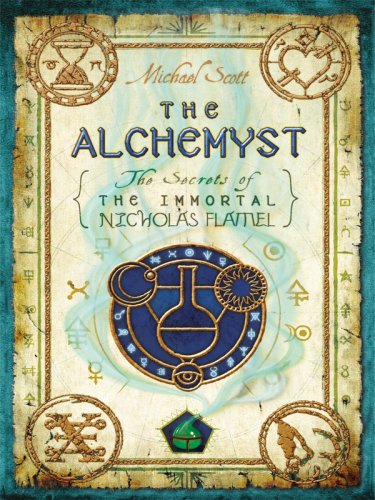
                  The Secrets of the Immortal Nicholas Flamel is a series of six fantasy novels written by Irish author Michael Scott, completed in 2012. The first book in the series, The Alchemyst, was released in 2007, and the sequels were released at the rate of one per year, concluding with The Enchantress in 2012. The cover artist for the series is Michael Wagner.

                • Cover of Five Children Universe
                  Five Children Universe

                  series · 27 books · 1902

                  completed

                  similar by+4 more

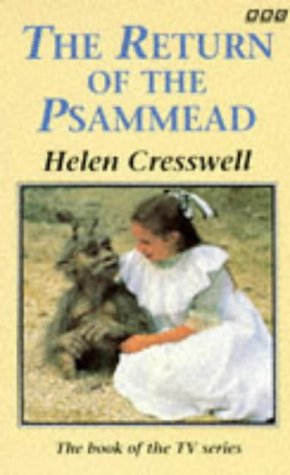
                  Two separate modern continuations of E. Nesbit's Psammead stories were written decades apart by different authors: Helen Cresswell's The Return of the Psammead (1992) brings the wish-granting sand fairy back for a new set of children, while Kate Saunders's Five Children on the Western Front (2014) follows the now-grown Lamb and his siblings as the First World War arrives, in a more somber sequel to Nesbit's original trilogy. Neither book is by Nesbit herself, and the two have no direct connection to each other beyond both drawing on her creation. Later writers have kept returning to Nesbit's premise long after her own trilogy ended.

                • Cover of Heir Chronicles
                  Heir Chronicles

                  series · 5 books · 2006

                  similar byurban fantasycontemporaryyoung adult+4 more

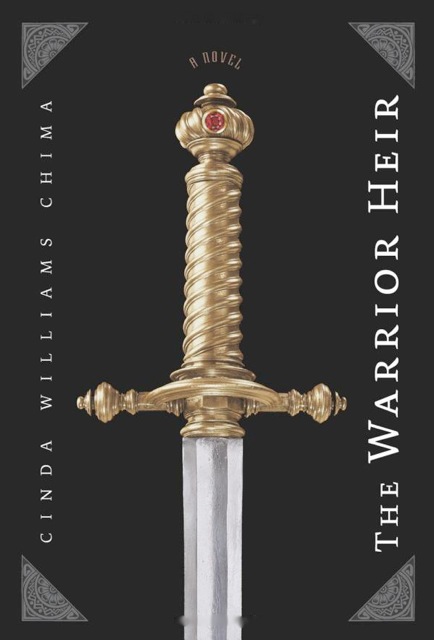
                  Cinda Williams Chima's Heir Chronicles begins with The Warrior Heir, in which sixteen-year-old Jack learns he has hidden magical, warrior ancestry and is drawn into training to fight enemy wizards he didn't know existed. The following books widen the cast to other magical bloodlines — wizards, dragons, enchanters, sorcerers — each heir navigating the same hidden system of guilds and rival houses operating alongside the ordinary world. It's a contemporary-set YA fantasy about inherited power and the factions that police it.

                • Cover of Worldweavers
                  Worldweavers

                  series · 4 books · 2007

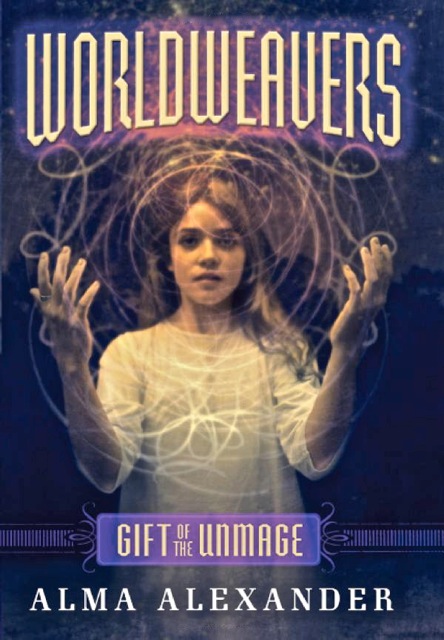
                  similar byurban fantasymagic schoolsour worldcontemporaryyoung adult+2 more

                • Cover of Supernatural Investigations
                  Supernatural Investigations

                  series · 4 books · 2021

                  similar byurban fantasyour worldcontemporary+3 more

                • Cover of The Demon Notebook
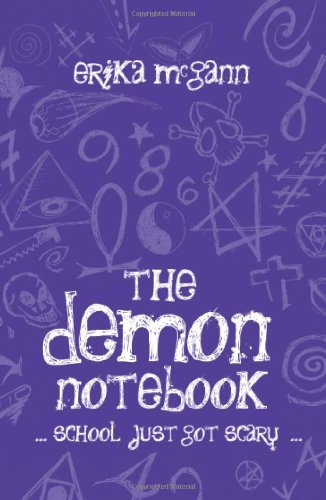
                  The Demon Notebook

                  series · 3 books · 2012

                  similar byour worldcontemporary+4 more

                • Cover of The Last Dragon Chronicles / David Rain
                  The Last Dragon Chronicles / David Rain

                  series · 7 books · 2001

                  similar byadventurouscontemporary+3 more

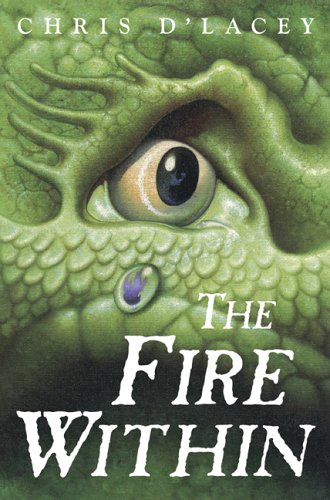
                  The Last Dragon Chronicles is a series of seven children's fantasy novels written by Chris d'Lacey. The books follow a college student, David Rain, as he discovers the existence of living clay dragons in the house he lodges at. This series currently includes the novels:The Fire Within (2001) Icefire (2003) Fire Star (2005) The Fire Eternal (2007) Dark Fire (2009) Rain and Fire (2010) - a guide book containing an accumulation of knowledge concerning the series, also containing a preface detailing David's trip from Blackburn to Scrubbley before the novel. The book also contains a sneak-peek for Fire World. Fire World (2011) The Fire Ascending (2013)

                • Cover of Mither Mages
                  Mither Mages

                  series · 5 books · 1979

                  similar bycontemporary+4 more

                • TI
                  The Iron Fey Universe

                  series · 15 books · 2010

                  similar byyoung adult+3 more

                • Cover of Artemis Fowl
                  Artemis Fowl

                  series · 15 books · 2001

                  similar byadventurousour worldcontemporary+1 more

                  Artemis Fowl is a series of eleven fantasy novels by Irish author Eoin Colfer, revolving around various members of the Fowl family. The first cycle, the Artemis Fowl series, consists of eight books, and the second cycle, The Fowl Twins series, is a trilogy. Both releases have received commercial success and positive critical reception in the children's literature genre, and also originated graphic novel adaptations. As of 2013, the novels have sold more than 21 million copies in 44 languages, and are one of the best-selling series of all time. In 2010, Artemis Fowl was voted by readers as their favorite Puffin Books title of all time.

                • Cover of Knights of the Borrowed Dark
                  Knights of the Borrowed Dark

                  series · 3 books · 2016

                  similar bycontemporary+5 more

                • Cover of Alderley
                  Alderley

                  series · 4 books · 1960

                  similar bycontemporary+2 more

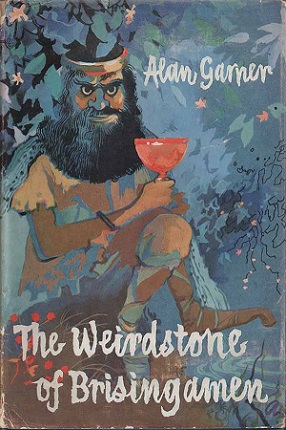
                  Alan Garner's Alderley books begin with The Weirdstone of Brisingamen (1960) and The Moon of Gomrath (1963), children's fantasies set around the real Cheshire hill of Alderley Edge and drawn from its local legends. Garner returned to the same setting and characters decades later in Boneland (2012), a far darker novel for adults in which the now-grown Colin, afflicted with amnesia covering his entire childhood, tries to piece together what really happened to him and his sister. The three books span most of Garner's writing life rather than forming one continuous trilogy.

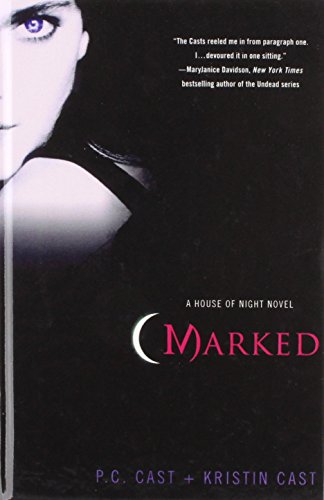
                • Cover of House of Night
                  House of Night

                  series · 20 books · 2007

                  similar bycontemporaryyoung adult+3 more

                  House of Night is a series of young adult vampire-themed fantasy novels by American author P. C. Cast and her daughter Kristin Cast. It follows the adventures of Zoey Redbird, a 16-year-old girl who is "marked", becomes a fledgling vampyre and is required to attend the House of Night boarding school in Tulsa, Oklahoma. Books in the series have been on the New York Times Best Seller list for 63 weeks and have sold over seven million copies in North America, and more than ten million books worldwide, in 39 countries.

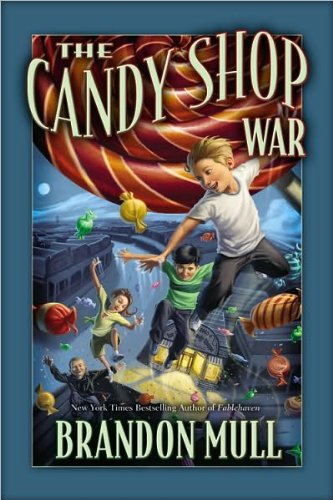
                • Cover of The Candy Shop War
                  The Candy Shop War

                  series · 3 books · 2007

                  similar byadventurouscontemporary+4 more

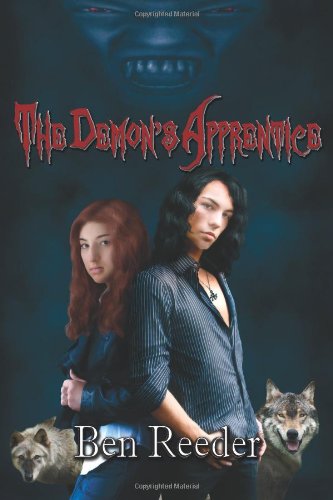
                • Cover of The Demon's Apprentice
                  The Demon's Apprentice

                  series · 11 books · 2011

                  similar byurban fantasycontemporary+4 more

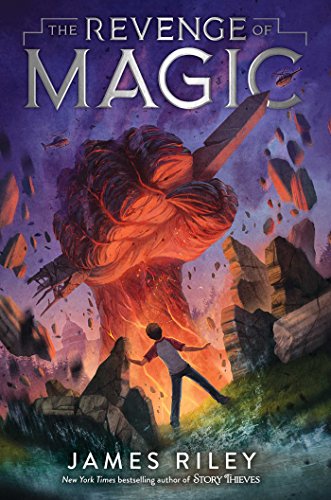
                • Cover of The Revenge of Magic
                  The Revenge of Magic

                  series · 5 books · 2019

                  similar byadventurousmagic schoolsour worldcontemporary+1 more

                • HH
                  Hex Hall Universe

                  series · 4 books · 2010

                  similar bymagic schoolscoming of ageour worldcontemporaryyoung adult+2 more

                • Cover of Karou
                  Karou

                  series · 4 books · 2011

                  similar byyoung adult+3 more

                  Daughter of Smoke and Bone is a young-adult fantasy book series written by Laini Taylor and published by Hachette Book Group, an imprint of Little, Brown and Company. It is a complete trilogy, Daughter of Smoke and Bone being published on 27 September 2011 in the United States; Days of Blood and Starlight on 6 November 2012 in the United States; and the third book Dreams of Gods and Monsters on April 1, 2014. The books have been published in a variety of different languages.

                • VA
                  Vampire Academy Universe

                  series · 19 books · 2007

                  similar bycontemporaryyoung adult+2 more

                • Cover of The Nsibidi Scripts
                  The Nsibidi Scripts

                  series · 3 books · 2011

                  similar byadventurouscoming of agecontemporaryyoung adult+2 more

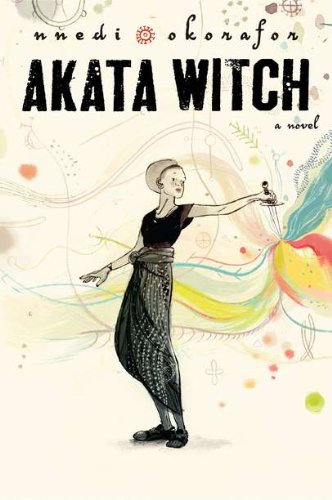
                  The Nsibidi Scripts follows Sunny Nwazue, a Nigerian-American albino girl living in Nigeria, as she discovers latent magical ability and is inducted into a hidden society of Leopard People with its own laws, dangers, and hierarchy. Nnedi Okorafor's trilogy, beginning with Akata Witch and continuing through Akata Warrior and Akata Woman, follows Sunny's training and growing responsibility as a free agent defending her world from supernatural threats.