More like Scissors
anchored on:horrorour worldcontemporarydarkpsychological horrormadness+3 more
but
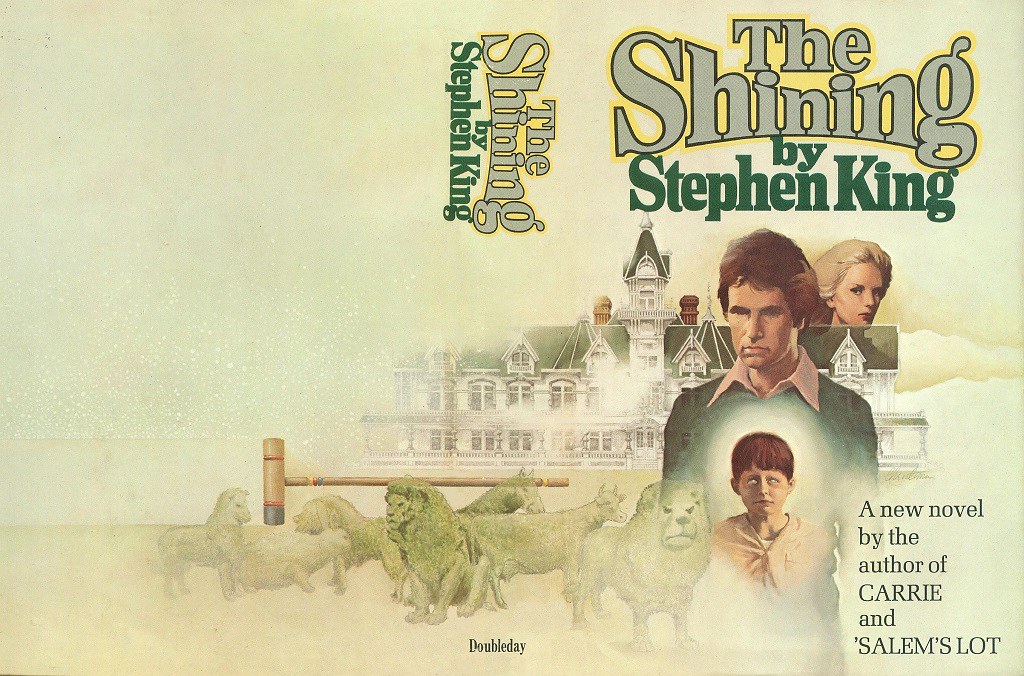
- The Shining
series5 books1977
similar byhorrorcontemporarydarktensenorth america+3 more
Stephen King's 1977 novel The Shining follows the Torrance family as winter caretakers of the isolated, malevolent Overlook Hotel, where father Jack is gradually consumed by the hotel's influence while his young son Danny's psychic "shining" draws its attention. Doctor Sleep (2013) picks up the story decades later, following Danny as an adult still marked by that childhood ordeal. Together the two form a horror duology spanning nearly forty years of real-world publication.
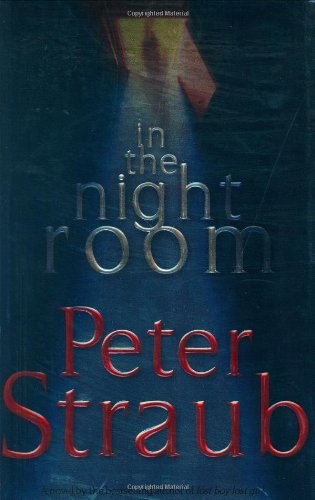
- In the Night Room
Peter Straubstandalone novel2004
similar bycontemporaryhorrormadnesspsychological horrordarktenseour worldgrief and loss+1 more
In the Night Room is a 2004 horror-thriller novel by American author Peter Straub, a sequel to his 2003 book Lost Boy, Lost Girl. The work was first published in hardback on October 26, 2004, through Random House and it won the 2004 Bram Stoker Award for Novel. Straub encountered some difficulties while writing In the Night Room and had written several different passages for the work before growing bored with each version before writing it using the same technique he used for its predecessor in which he "reached down inside the book and turned it inside out."
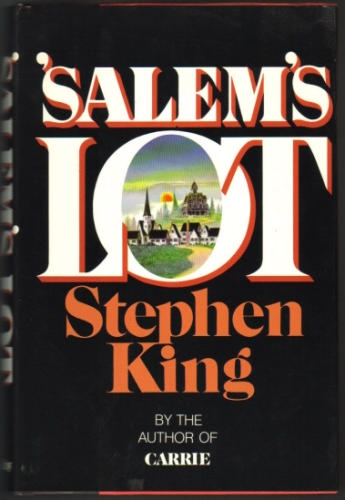
- Jerusalem's Lot
series3 books1975
similar bycontemporaryhorrordarktenseour worldgrief and lossnorth america
Stephen King's 1975 novel 'Salem's Lot follows writer Ben Mears as he returns to his childhood town of Jerusalem's Lot, Maine, only to discover that its residents are being turned into vampires by a newly arrived stranger. It transplants Gothic vampire horror into a small New England community, tracking that community's collapse under a supernatural siege. It is a single, self-contained novel.
- Carrie
Stephen Kingstandalone novel1974
similar bycontemporaryhorrorpsychological horrortensedarknorth america+1 more
In one way or another, everybody abused Carrie. This sixteen-year-old misfit was forbidden everything that was young and fun by her fanatical mother. She was teased and taunted by her classmates, misunderstood by her teachers, and given up as hopeless by almost everyone. But Carrie had a secret: She possessed terrifying telekinetic powers that could make inanimate objects move, a lighted candle fall, or a door lock. Carrie could make all kinds of startling bizarre, and malevolent things happen. (WorldCat)
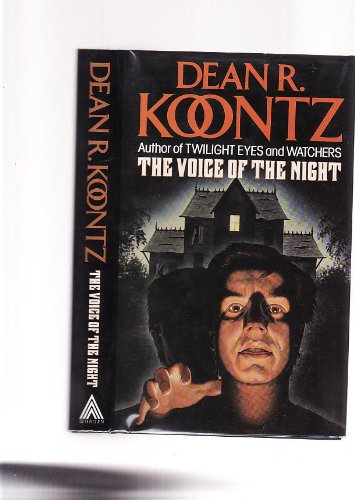
- The Voice of the Night
Dean R. Koontzstandalone novel1980
similar bycontemporaryhorrordarkmadnesspsychological horrortenseour worldnorth america
WorldCat: No one could understand why Colin and Roy were best friends. Colin was so shy; Roy was so popular. Colin was nervous around girls; Roy was a ladies' man. Colin was fascinated by Roy--and Roy was fascinated with death. Then one day Roy asked his timid friend, "You ever killed anything?" And from that moment on, the two were bound together in a game too terrifying to imagine...and too irresistible to stop.
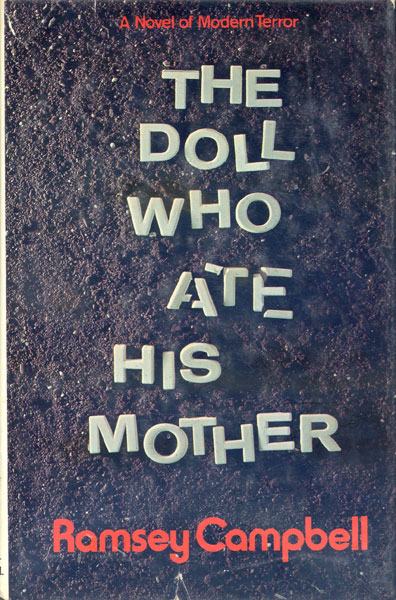
- The Doll Who Ate His Mother
Ramsey Campbellstandalone novel1976
similar bycontemporaryhorrordarkmadnesspsychological horrortensegrief and loss+1 more
It was a freak accident. The man had suddenly stepped into the road, and the brakes had failed. Clare could only steer wildly, the car finally crashing into a tree and on to the kerb. Now her brother Rob was dead, silent in the passenger seat, slumped against the door. He died of massive head injuries. But there was something else, something that at first she couldnt quite grasp, that seemed inexplicable. His right arm was missing. Gone. Someone had taken it.
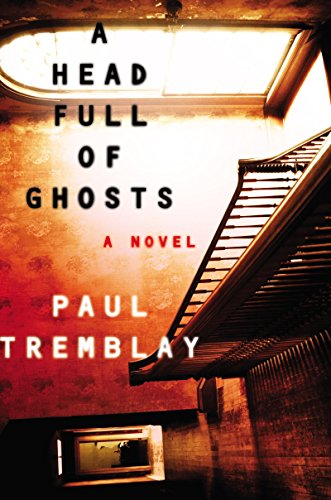
- A Head Full of Ghosts
Paul Tremblaystandalone novel2015
similar bycontemporaryhorrormadnessfamily secretspsychological horrordarknorth america+1 more
A Head Full of Ghosts is a 2015 horror novel by American writer Paul Tremblay. The plot involves a Massachusetts family under financial and emotional strain while their fourteen-year-old daughter, Marjorie Barrett, exhibits signs of severe mental illness. The Barretts come to believe she is possessed by a demon, and her behavior is publicized when the family stars in a reality TV show. Marjorie's younger sister, Merry Barrett, relays the experiences of her childhood fifteen years later. Themes include elements of Catholic exorcism and reality television exploitation.
- Cell
Stephen Kingstandalone novel2006
similar bycontemporaryhorrordarktenseour worldnorth america+1 more
In Cell, King taps into readers fears of technological warfare and terrorism. Mobile phones deliver the apocalypse to millions of unsuspecting humans by wiping their brains of any humanity, leaving only aggressive and destructive impulses behind. Those without cell phones, like illustrator Clayton Riddell and his small band of "normies," must fight for survival, and their journey to find Clayton's estranged wife and young son rockets the book toward resolution.
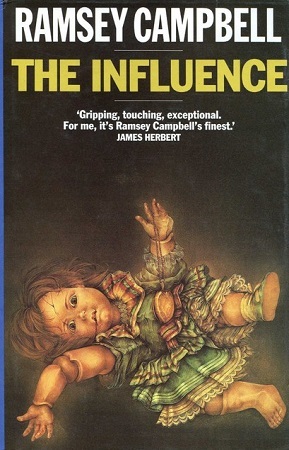
- The Influence
Ramsey Campbellstandalone novel1988
similar bycontemporaryhorrormadnessfamily secretspsychological horrordarkour world
A young girl begins to take on the characteristics of her departed grandmother, an evil and oppressive woman.
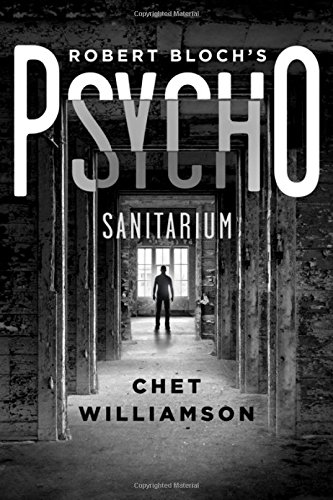
- Robert Bloch's Psycho Universe
series5 books1959
similar byhorrormadnesspsychological horrordarktensenorth america+1 more
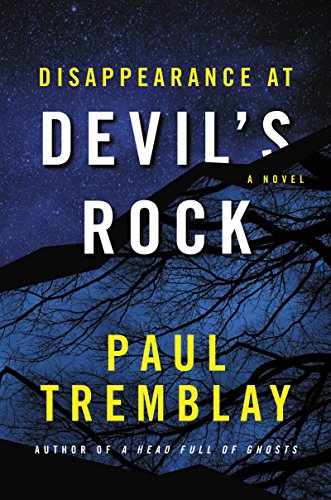
- Disappearance at Devil's Rock
Paul Tremblaystandalone novel2016
similar bycontemporaryhorrorfamily secretspsychological horrordarktensegrief and lossnorth america
Disappearance at Devil's Rock is a horror novel by American writer Paul G. Tremblay. The novel received the 2017 British Fantasy Award for Best Horror Novel. It was nominated for the Horror Writers Association's Bram Stoker Award for Best Novel in 2017.
- Bad Ronald
Jack Vancestandalone novel1973
similar bycontemporarymadnessfamily secretshorrorpsychological horrordarktenseour world
A family with three daughters move into an old house, not realising that there's a secret room with a psychopathic teenager.
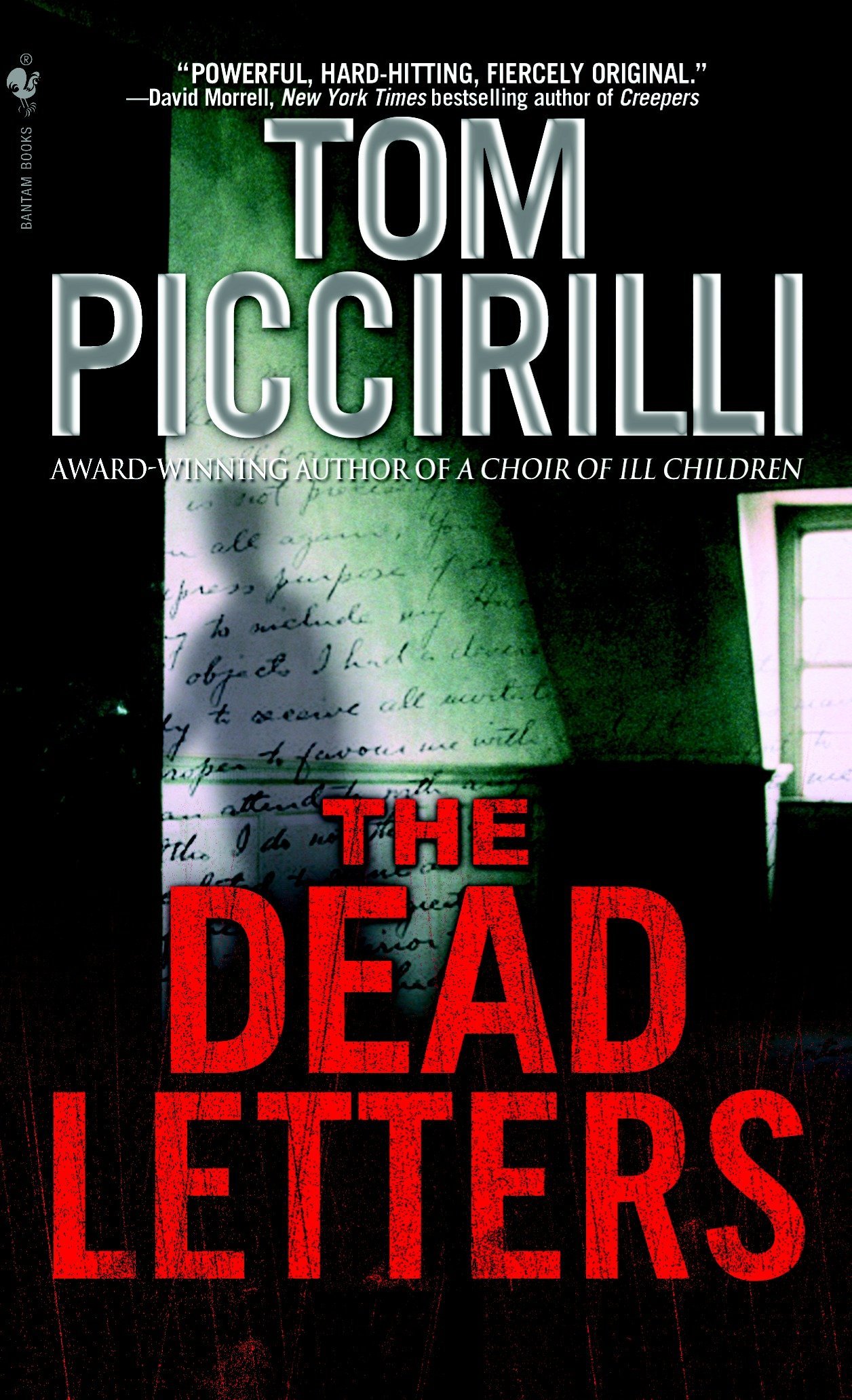
- The Dead Letters
Tom Piccirillistandalone novel2006
similar bycontemporaryhorrordarkmadnesspsychological horrortenseour worldgrief and loss+1 more
Five years ago, Eddie Whitt’s daughter Sarah became the victim of a serial killer known as Killjoy, and Whitt vowed to hunt him down—no matter what the cost. But the police have given up. And Killjoy has stopped killing…and in some bizarre act of repentance has begun kidnapping abused infants and leaving them with the parents of his original victims. The only clues to Killjoy’s identity lie in a trail of taunting letters. And even as they lead Whitt to a deadly cult—and closer to his prey—he begins to suspect that, like his wife, he’s losing his grip on reality: Sarah’ s dollhouse is filled with eerie activity, as if her murder never occurred. As dark forces rise around him, Whitt must choose—between believing that evil can repent…and stepping into a trap set by a killer who may know the only way to save Whitt’s soul.
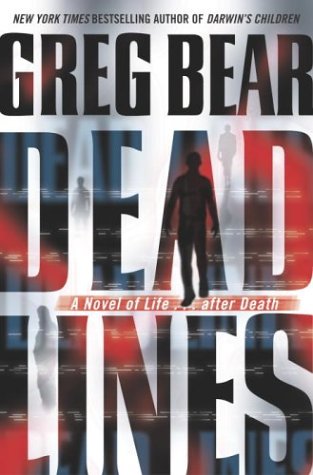
- Dead Lines
Greg Bearstandalone novel2004
similar bycontemporaryhorrormadnessdarkour worldgrief and lossnorth america+1 more
From the flaps of the Ballantine first edition: "For the last two years, Peter Russell has mourned the death of one of his twin daughters - who was just ten when she was murdered. Recent news of his best friend's fatal heart attack has now come as another devastating blow. Divorced, despondent, and going nowhere in his career, Peter fears his life is circling the drain. Then Trans comes along. The brainchild of an upstart telecom company, Trans is (as its name suggests) a transcendent marvel, a sleek, handheld interpersonal communication device capable of flawless operation anywhere in the world, at any time. "A cell phone, but not" - transmitting with crystal clarity across a newly discovered, never-utilized bandwidth... and poised to spark a new-technology revolution. When its creators offer Peter a position on their team, it should be a golden opportunity for him. If only he wasn't seemingly going mad. Everywhere Peter turns, inexplicable apparitions are walking before him or reaching out in torment. After a chilling encounter with his own lost child he begins to grasp the terrifying truth: Trans is a Pandora's box that has tapped into a frequency not of this world... but of the next. And now, via this open channel to oblivion, the dead have gained access to the living. For Peter, and for humankind, a long shadowy night of the soul has descended, bringing with it the stuff of a horrifying nightmare from which they may never awaken."
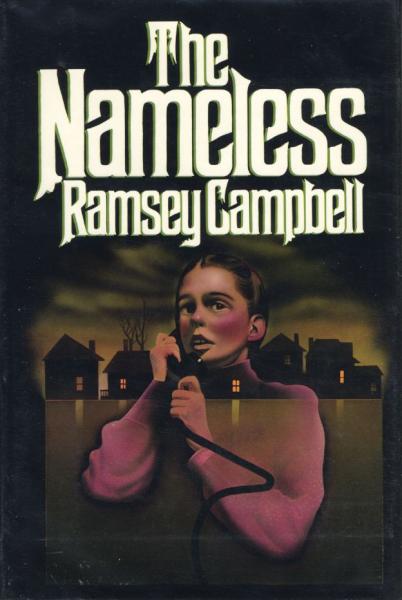
- The Nameless
Ramsey Campbellstandalone novel1981
similar bycontemporaryhorrordarkpsychological horrortensegrief and loss+1 more
A call for help... from a little girl long dead. Barbara Waugh experienced the worst horror a mother can imagine. Her little girl, Angela, was murdered. Horribly. But now, years later, mysterious phone calls bring both hope and fear. Each time, the girl's voice on the other end simply pleads, 'Mummy, help me.' Could Angela still be alive after all? Barbara's desperate search for the truth - and her daughter - will lead her into a living nightmare, an evil world of torture, murder and gruesome rituals, where the initiated have abandoned their names... and are searching for new victims.
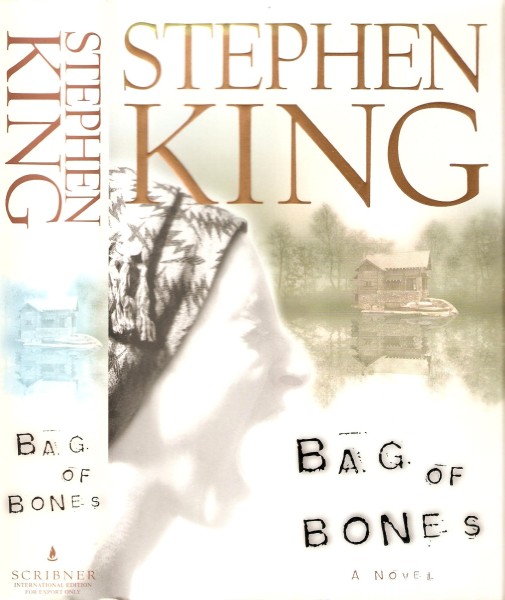
- Bag of Bones
Stephen Kingstandalone novel1998
similar bycontemporaryhorrormadnessdarkgrief and lossnorth america+1 more
Bag of Bones is a 1998 horror novel by American writer Stephen King. It focuses on an author who suffers severe writer's block and delusions at an isolated lake house four years after the death of his wife. It won the 1999 Bram Stoker Award for Best Novel, the 1999 British Fantasy Award for Best Novel, and the 1999 Locus Award for Best Dark Fantasy/Horror Novel.
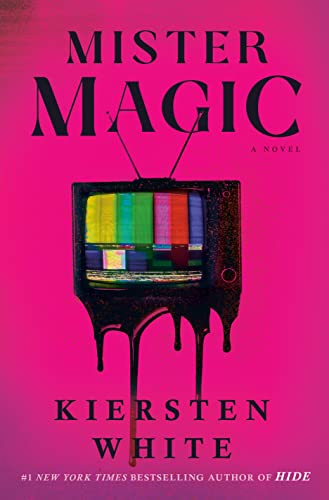
- Mister Magic
Kiersten Whitestandalone novel2023
similar bycontemporaryhorrormadnesspsychological horrordarkour worldnorth america+1 more
Mister Magic is a 2023 horror novel by American writer Kiersten White. Published by Del Rey, the novel centers upon the five survivors of a children's television series that got cancelled due to a tragic accident.
- Whispers
Dean R. Koontzstandalone novel1980
similar bycontemporaryhorrormadnesspsychological horrordarktensenorth america
WorldCat: Hilary, a beautiful, successful Hollywood writer, lives alone and is being stalked. She has killed him once, but he keeps coming back.
- Burnt Offerings
Robert Marascostandalone novel1973
similar bycontemporaryhorrordarkmadnesstensenorth america+1 more
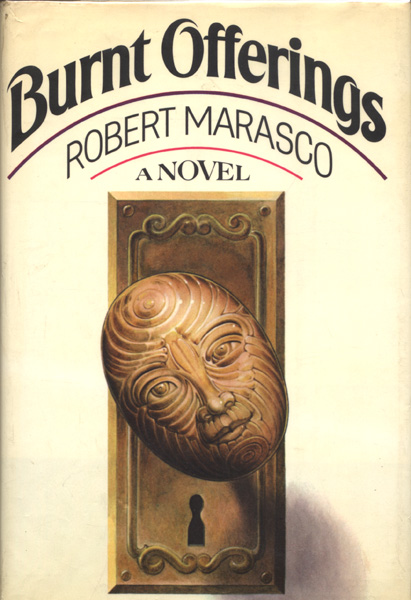
Burnt Offerings is a 1973 American horror novel by Robert Marasco. Its plot follows a family who move into a summer home where each member is plagued by unusual experiences and personality changes. Published by Delacorte Press, the novel had originally been conceived as a screenplay before Marasco rewrote it into a novel. It was adapted into a film of the same name in 1976. The novel was reprinted in 2015 by Valancourt Press.
- Faces of Fear
John Saulstandalone novel2007
similar bycontemporaryhorrorfamily secretspsychological horrordarktenseour worldnorth america
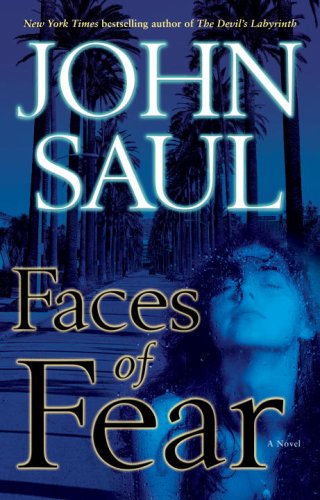
Faces of Fear is a thriller horror novel by John Saul, published by Ballantine Books on August 12, 2008. The novel follows the story of teenage Alison Shaw, who finds a shocking background behind her mother's new husband, who is a plastic surgeon.
- The Dark
James Herbertstandalone novel1980
similar bycontemporaryhorrordarkmadnesstenseour world
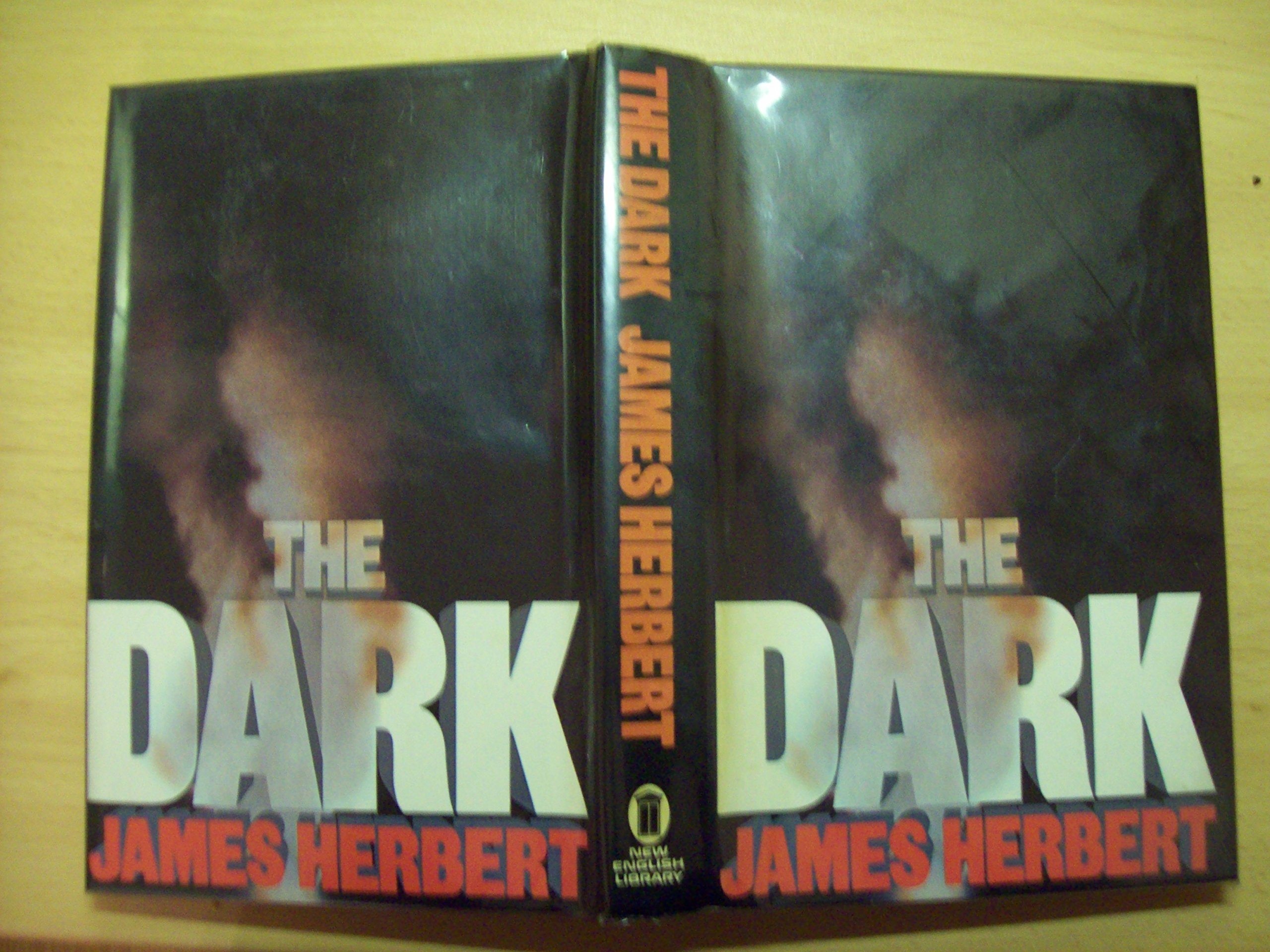
WorldCat: It came like a malignant shadow with seductive promises of power. And somewhere in the night, a small girl smiled as her mother burned. Asylum inmates slaughtered their attendants. In slimy tunnels, once-human creatures gathered. Madness raged as the lights began to fade and humanity was attacked by an ancient, unstoppable evil.
- House of Small Shadows
Adam Nevillstandalone novel2013
similar bycontemporaryhorrordarkmadnessfamily secretstenseour world+1 more
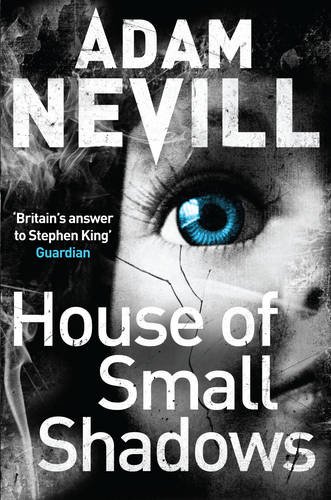
From the back cover of the Pan trade paperback: "They watch you as you sleep - The Red House: home to the damaged genius of the late M. H. Mason, master taxidermist and puppeteer, where he lived and created some of his most disturbing works. The building and its treasure trove of antiques is long forgotten, but the time has come for his creations to rise from the darkness. Catherine Howard can't believe her luck when she's invited to value the contents of the house. When she first sees the elaborate displays of posed, costumed and preserved animals and macabre puppets, she's both thrilled and terrified. It's an opportunity to die for. But the Red House has secrets, secrets as dreadful and dark as those from Catherine's own past. At night the building comes alive with noises and movements: footsteps, and the fleeting glimpses of small shadows on the stairs. And soon the barriers between reality, sanity and nightmare begin to collapse..."
- A Sense of Shadow
Kate Wilhelmstandalone novel1981
similar bycontemporarymadnessfamily secretshorrorpsychological horrordarktenseour world
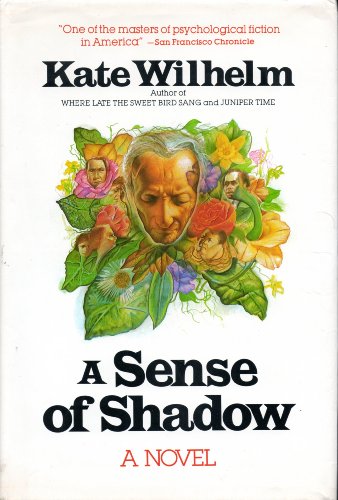
From back cover of Timescape Books paperback August 1982: They came to his deathbed. Four dutiful children. Each the child of a different mother. Each mother the victim of a tragic accident, unsolved murder, mysterious disappearance. As he sank away they glowered their hatred. It was a hatred he expected, and his revenge was well planned. He left a multi-million dollar legacy, bearing a ghoulish price tag. They could pay with their sanity, or their psyches, or their souls. They would be part of an experiment... something to do with brain waves. It would be a great service to science, they were told. Just one last little joke on his kids, and they swore they could hear him laughing... all the way to hell.
- Dead Spots
Rhiannon Fraterstandalone novel2015
similar bycontemporaryhorrordarkmadnesspsychological horrortensegrief and lossnorth america
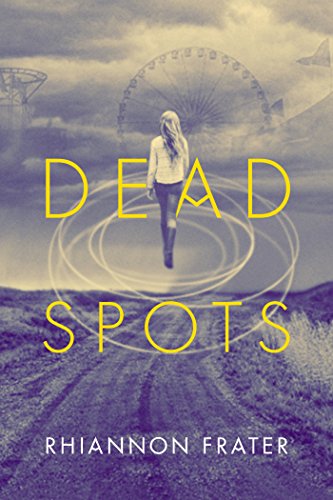
"The stillbirth of Mackenzie's son destroyed her marriage. Grieving, Mac reluctantly heads for her childhood home to seek refuge with her mother, who constantly reminds her of life's dangers. Driving across Texas, Mac swerves to avoid hitting a deer...and winds up in a dead spot, a frightening place that lies between the worlds of the living and the dead. If they can control their imaginations, people can literally bring their dreams to life--but most are besieged by fears and nightmares which pursue them relentlessly. Mackenzie's mother and husband haunt her, driving her to the brink of madness. Then she hears a child call for help and her maternal instincts kick into overdrive. Grant, Mac's ally in the dead spots, insists Johnny is a phantom, but the boy seems so real, so alive.... As the true horrors of the dead spots are slowly revealed, Mackenzie realizes that time is running out. But exits from the dead spots are nearly impossible to find, and defended by things almost beyond imagination" --